

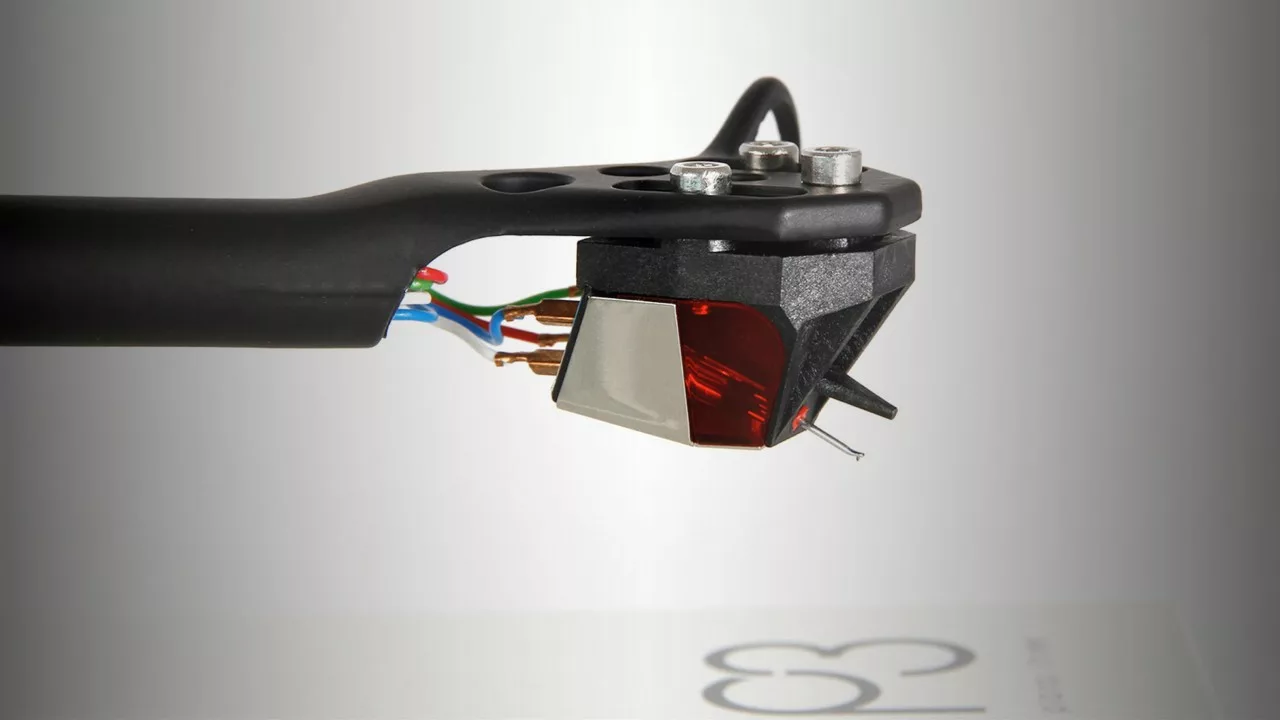
Rega’s Nd3 is a moving-magnet cartridge with a clear technical focus: extract more from a familiar MM format by rethinking the generator, magnet system, body material, and manufacturing approach. Hand-built at Rega’s factory in Great Britain, it replaces the long-running Elys 2 and introduces a design named after neodymium, the rare earth material at the center of its magnetic system. Rather than presenting the Nd3 as a simple model refresh, Rega has positioned it as the result of a new construction developed over a decade, with several design decisions aimed at channel balance, linearity, high-frequency behavior, and practical usability in real-world turntable systems.
A new Rega MM cartridge with a specific technical identity
The Nd3 sits in one of the most important cartridge categories for everyday vinyl playback: the moving-magnet cartridge. MM designs remain popular because they typically offer straightforward compatibility with standard phono inputs, healthy output levels, and practical ownership compared with many low-output moving-coil alternatives. In that context, the Nd3’s specified 5 to 6 mV output voltage is notable because it places the cartridge firmly in the range expected by many MM phono stages and integrated amplifiers with MM inputs.
For prospective owners, this matters because cartridge choice is not only about the stylus or the body shape. It is also about electrical matching, gain requirements, setup practicality, and how easily the cartridge can fit into an existing analog system. A 5 to 6 mV output gives the Nd3 a conventional MM-friendly electrical profile, which should make system integration simpler than cartridges that require more specialized gain or loading arrangements.
The Nd3 also has a recommended tracking force of 1.75 grams. That figure is within a familiar range for many modern moving-magnet cartridges and gives installers a clear target for setup. Correct tracking force is essential for stable groove contact and long-term record care, so a plainly specified value is useful for both dealers and owners setting up a tonearm at home.
Why the neodymium N55 magnet is central to the design
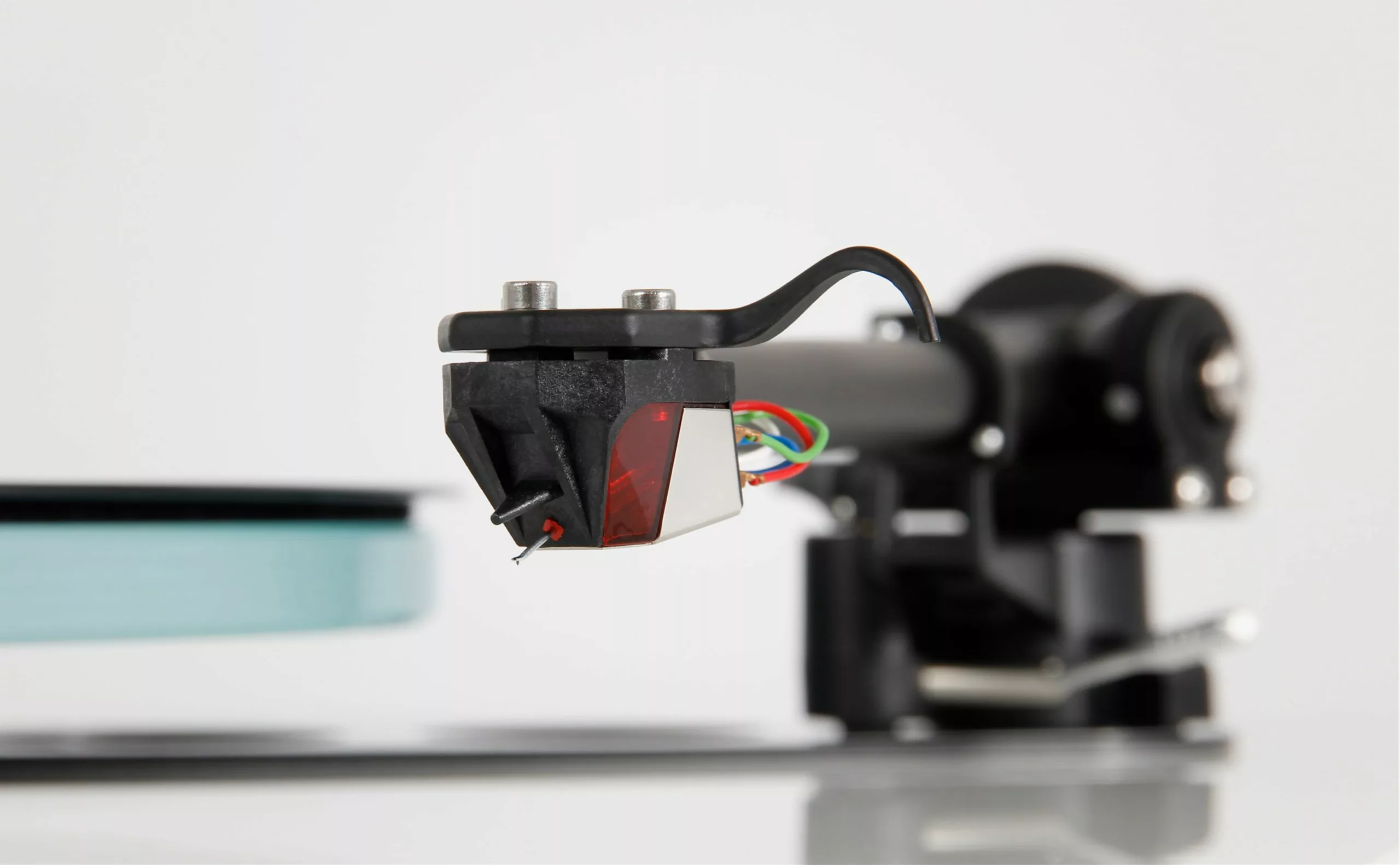
The Nd3 takes its name from neodymium, and the magnet is not a minor detail. Rega identifies the cartridge as its first MM model equipped with a neodymium N55 magnet. According to the manufacturer, this magnet is the most powerful commercially available type and is a key part of what enables the cartridge’s design, providing more force than standard bar magnet approaches.
In a moving-magnet cartridge, the magnet and generator assembly are fundamental to how mechanical movement from the stylus is converted into an electrical signal. By using a compact, powerful magnet material, designers can potentially rethink the geometry and moving mass relationships within the cartridge. Rega’s published emphasis is that the N55 neodymium magnet allows an all-new construction rather than simply being an upgraded component added to an older architecture.
For a prospective buyer, the appeal is not merely the exotic material itself, but the way it supports the rest of the cartridge architecture. The Nd3 is presented as a cartridge whose magnetic system, coil layout, and generator geometry have been developed together. That gives the product a clearer engineering identity than a routine replacement stylus or cosmetic update.
Generator geometry aimed at balance and separation
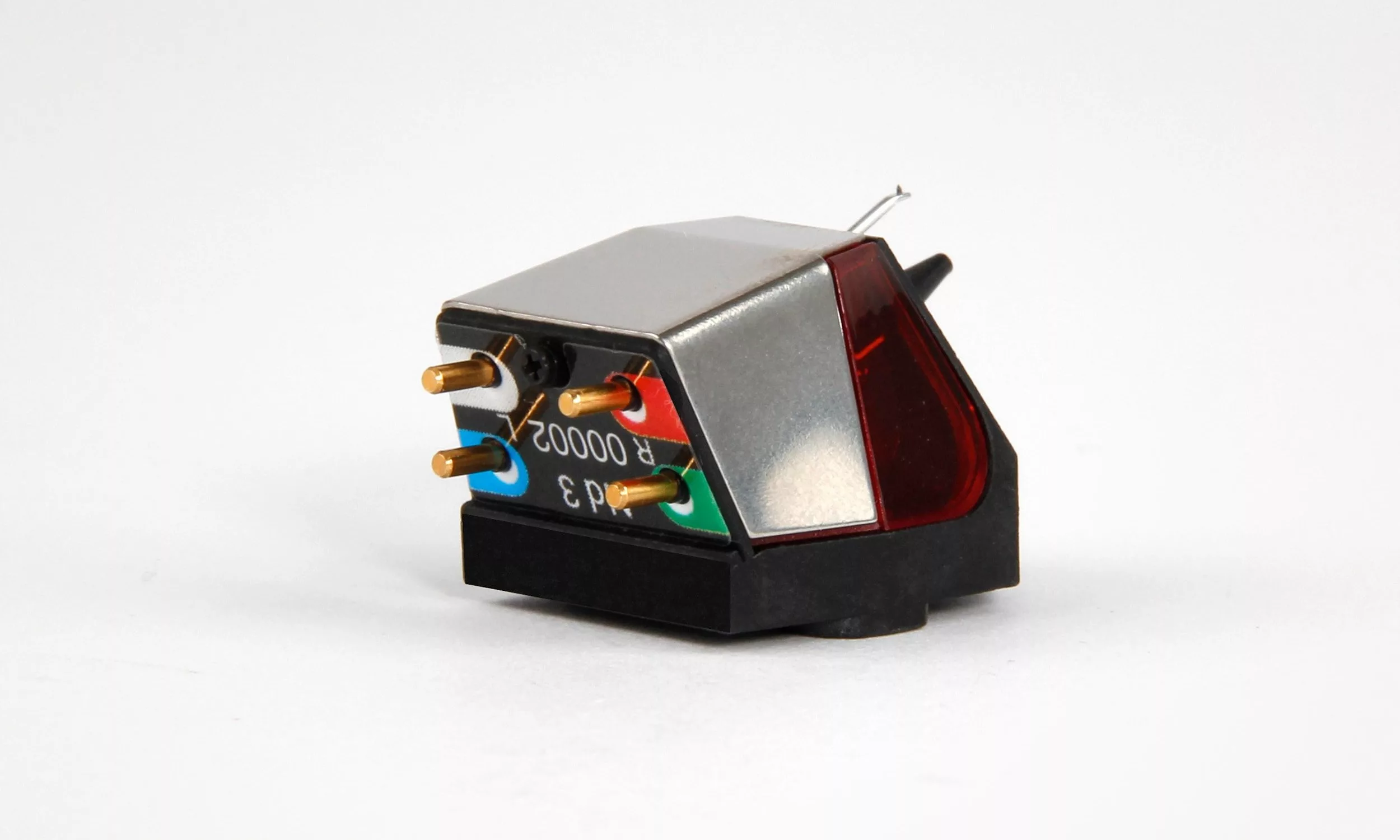
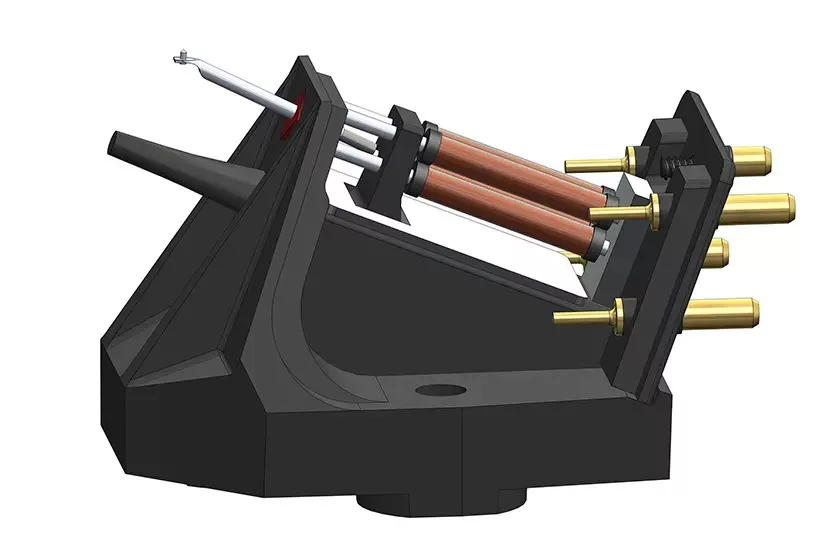
One of the most distinctive documented aspects of the Nd3 is its new generator geometry. Rega states that the design uses perfect symmetry to achieve highly accurate channel balance. In stereo vinyl playback, channel balance is a practical concern because a cartridge must reproduce left and right groove-wall information as evenly as possible. A design that prioritizes symmetry at the generator level addresses that issue at its source.
The cartridge also uses optimized pole spacing, which Rega links to superior linearity and low crosstalk. Crosstalk describes unwanted signal leakage between stereo channels, and lower crosstalk can support more stable separation of the left and right signals. Linearity, meanwhile, relates to how consistently the cartridge responds across its operating range. While the source information does not provide numerical measurements, it does show where Rega has concentrated its design effort: on the magnetic and electrical behavior of the generator rather than solely on external styling.
For owners building or refining a vinyl front end, these are meaningful priorities. Cartridges are small components, but they perform a delicate conversion task. Careful attention to generator symmetry and pole spacing can be more consequential than features that are easier to see but less relevant to signal generation.
Miniaturized internal coils and electrical behavior
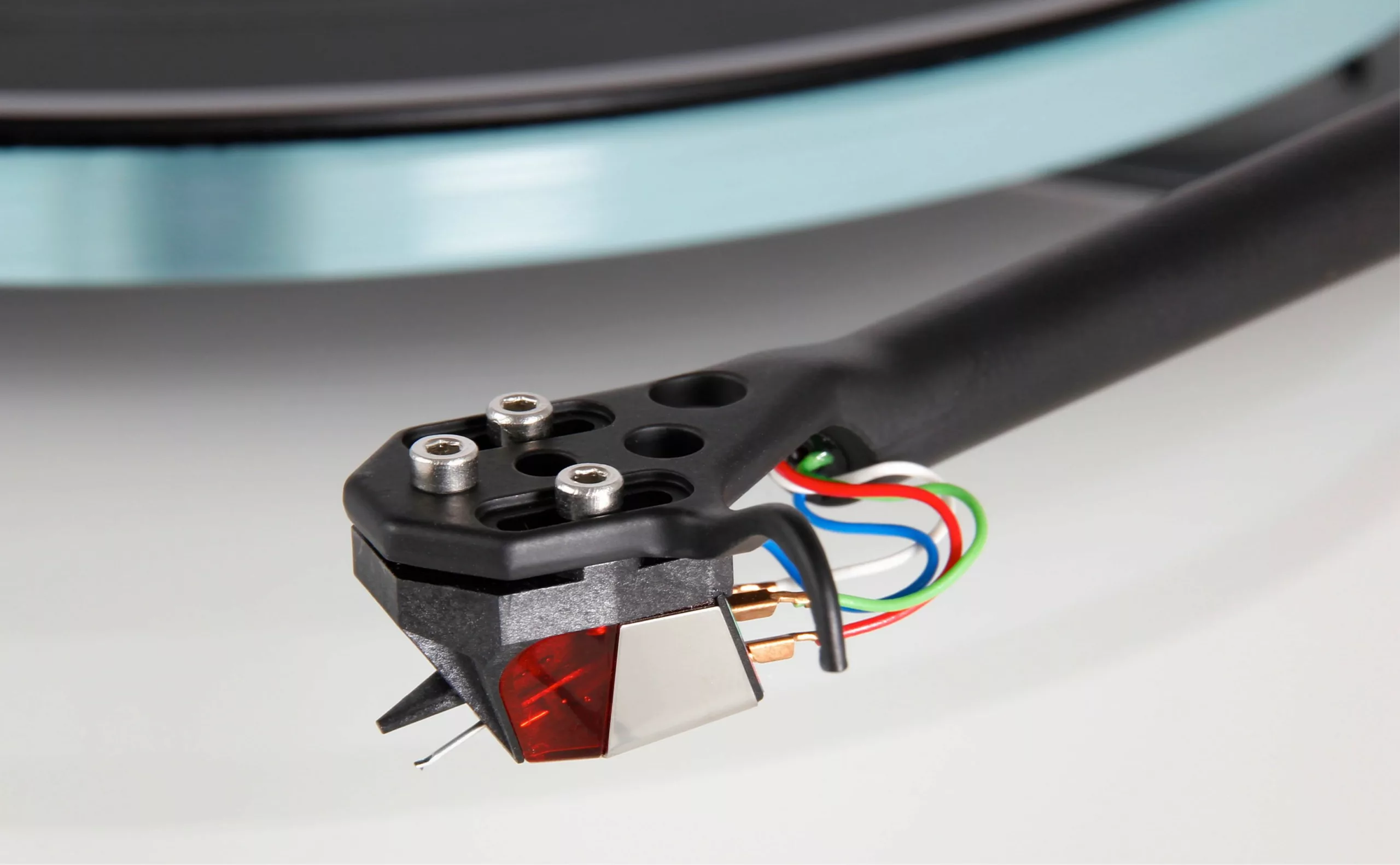
The Nd3 uses miniaturized parallel coils wound internally with 38 micron gauge wire and just 1,275 turns. Rega says this arrangement produces a low-inductance, low-impedance generator, with improved high-frequency response as the result. This is a technically important point because many MM cartridges have relatively high inductance compared with moving-coil designs, and cartridge inductance interacts with the capacitance and loading of the connected phono stage and cables.
The Nd3’s low-inductance, low-impedance generator is therefore not just an abstract specification. It points to an attempt to control the cartridge’s electrical behavior and its response at higher frequencies. For users, this can matter because the cartridge is only one part of an analog playback chain. Tonearm wiring, interconnect capacitance, and phono-stage input characteristics all interact with the cartridge. A design that pays close attention to inductance and impedance reflects an effort to make the electrical side of the cartridge more predictable and carefully managed.
The use of only 1,275 turns is also a useful reminder that output level and generator design involve trade-offs. Rega’s specification of 5 to 6 mV output indicates that the Nd3 remains a practical MM cartridge despite its comparatively focused coil arrangement. That combination of MM-level output and a deliberately low-inductance generator is one of the Nd3’s central technical talking points.
Materials chosen for stiffness, low weight, and precision
The Nd3’s housing is made from polyphenylene sulfide, or PPS. Rega describes PPS as very light yet stiff, a combination that is well suited to cartridge construction. A cartridge body must provide a stable mechanical platform for the generator and stylus assembly without adding unnecessary mass or flex. A light, rigid body material can help maintain structural consistency while supporting compatibility with tonearms designed for modern cartridge weights.
The cantilever is made from aluminum, a widely used material in cartridge design because it offers a practical balance of mass, stiffness, manufacturability, and durability. The stylus profile is elliptical, another established choice that gives the Nd3 a familiar setup and ownership profile. Elliptical styli are commonly used in quality moving-magnet cartridges because they can trace groove information more precisely than very basic conical profiles while remaining practical for everyday use.
None of these material choices is presented as decorative. The PPS body, aluminum cantilever, and elliptical stylus form a straightforward mechanical package around the more unusual neodymium-based generator. That mix of familiar and new is part of the Nd3’s appeal: it introduces a notable magnetic and coil architecture without abandoning cartridge elements that installers and vinyl users already understand.
Hand-built production and long-term ownership details
Each Nd3 is hand-built by skilled technicians at Rega’s factory in Great Britain. For a cartridge, hand assembly remains significant because the component is extremely small and mechanically sensitive. Coil winding, generator alignment, stylus assembly, and body construction all require precision. Rega’s emphasis on factory hand-building underlines that the Nd3 is not only a design exercise but also a manufacturing one.
The Nd3 also comes with a lifetime warranty against manufacturing defects. That kind of warranty does not remove the normal wear considerations associated with a stylus, but it does indicate confidence in the cartridge’s manufacturing integrity. For buyers, the practical value is reassurance around defects in the cartridge itself, particularly as the Nd3 introduces a new construction replacing the Elys 2.
The packaging is described as 100% recyclable, a small but worthwhile detail. Cartridge packaging must protect a delicate product during shipping, but reducing long-term waste is increasingly relevant for hi-fi buyers who care about the environmental impact of accessories and consumables. It is not the defining feature of the Nd3, but it adds to the sense of a product considered beyond the generator alone.
System matching and practical installation considerations
Because the Nd3 is a moving-magnet cartridge with 5 to 6 mV output, it is likely to be of interest to vinyl users who already have an MM-compatible phono stage or amplifier input. No special low-output moving-coil gain is documented or implied, and the recommended 1.75 gram tracking force gives a clear setup reference. As with any cartridge, correct tonearm alignment, tracking force, anti-skate adjustment, and phono-stage compatibility remain essential to achieving the intended performance.
The Nd3’s specification also makes it relevant to owners of Rega turntables looking for a cartridge within the company’s own ecosystem, especially because it replaces the Elys 2. However, the source material does not limit the Nd3 to Rega turntables, and prospective users should consider normal cartridge-matching factors such as tonearm compatibility, mounting requirements, and phono-stage loading before purchase.
What stands out is that the Nd3 appears designed for users who want the convenience and output of an MM cartridge while benefiting from a newly developed generator system. Its combination of a neodymium N55 magnet, symmetrical generator geometry, optimized pole spacing, and internally wound miniaturized coils gives it a more explicitly engineered profile than many simple plug-in cartridge upgrades.
Conclusion
The Rega Nd3 is best understood as a modern moving-magnet cartridge built around a new generator concept rather than a cosmetic successor to the Elys 2. Its strongest documented qualities are the neodymium N55 magnet, symmetrical generator geometry, optimized pole spacing, low-inductance internal coil design, PPS body, aluminum cantilever, elliptical stylus, practical 5 to 6 mV output, and hand-built UK production. It will be most suitable for vinyl listeners who want a straightforward MM cartridge format, clear setup parameters, and a design that emphasizes generator precision and system compatibility without requiring a specialized low-output phono stage.


Join the discussion
Share your thoughts, listening impressions or product experience.