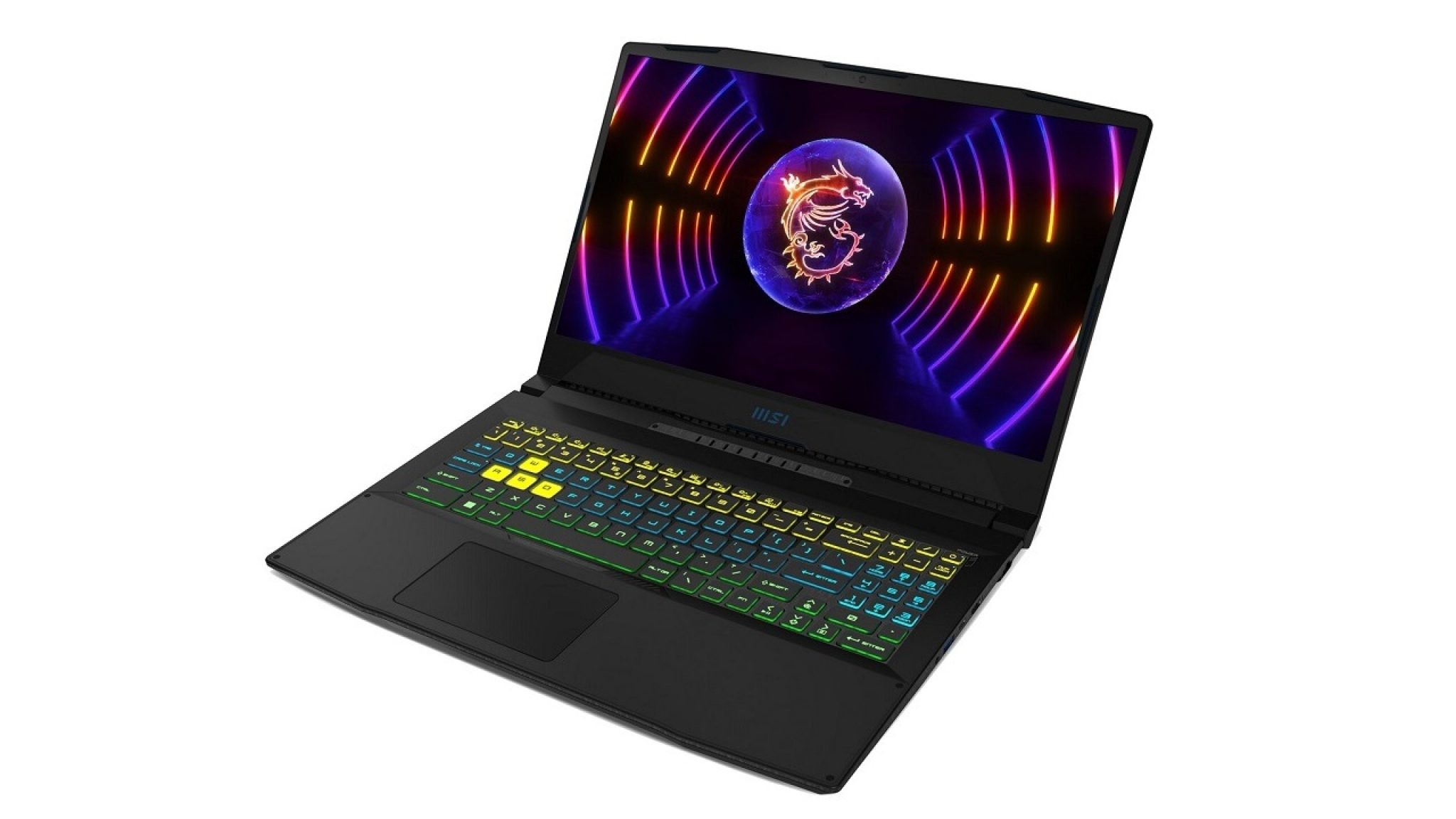
Computer buying is rarely about a single specification.
A compact laptop can be the right choice for travel, while a large-screen notebook may suit desk work better.
A workstation can be built for massive datasets rather than games, and a gaming monitor can prioritize either speed, width, contrast, or connectivity. This guide gathers the supplied products, platforms, panels, and upgrade notes into a practical recommendation list. Some entries are complete systems, some are display options, and others are technology or firmware developments that affect how a computer should be specified or maintained. The common thread is usefulness: stronger wireless design, workstation expandability, OLED and ultra-wide display choices, higher-power USB-C charging, and the reminder that the most expensive silicon is not automatically the right tool for every job.

1. Huawei MateBook D14 and MateBook D16
Huawei MateBook D14 and D16 laptops with 16:10 LCD displays and all-metal bodies.
Huawei’s updated MateBook D14 and D16 are closely related laptops with different screen sizes and configuration ceilings.
Both use 16:10 LCD panels with x 1200 resolution, 300-nit brightness, 100% sRGB coverage, and an all-metal aluminum-alloy body, while the D16 can be configured as high as a Core i9.
The new antenna design is the standout practical feature, aimed at keeping Wi-Fi more stable even at long distances from an access point.
Best for: Students and office users choosing between portability and a larger workspace
- 14-inch and 16-inch size choices
- 16:10 displays with 100% sRGB coverage
- All-metal aluminum-alloy chassis
- New antenna design for more stable Wi-Fi
Verdict: The MateBook D14 and D16 are sensible everyday laptops when display shape, metal construction, and wireless stability matter more than specialist graphics performance.
2. Z by HP Performance workstations
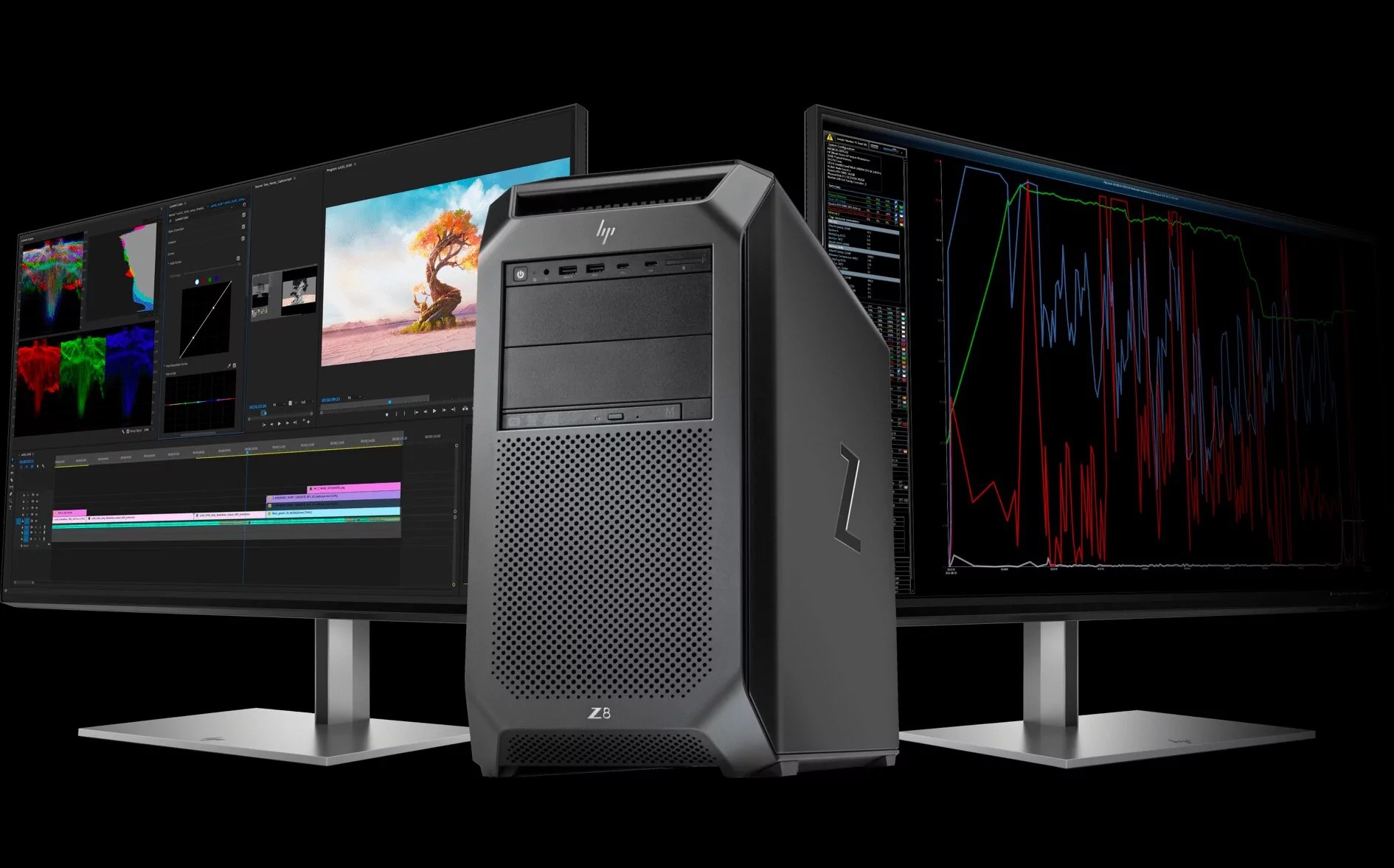
HP Z by HP Performance workstation tower designed for high-end professional workloads.
HP’s Z by HP Performance line is aimed at professional content creators and data scientists who need workstation-class expansion rather than a conventional desktop.
The Z8 Fury configuration is the most extreme example in the supplied material, with support for a 56-core Intel Xeon processor, multiple workstation graphics options, up to 2TB of DDR5 RAM, and very large storage capacity.
This is the kind of platform to consider when PCIe expansion, memory headroom, and professional I/O are central to the workload.
Best for: Professional creators, engineers, and data-science users needing a scalable workstation
- Workstation-focused configurations
- Support for very high memory capacity
- Multiple professional graphics options
- Extensive PCIe and storage expansion
Verdict: Z by HP Performance is overkill for ordinary desktop use but highly relevant for demanding professional workflows that need expansion and memory capacity.
3. LG Ultragear 45GR65DC and 45GR75DC
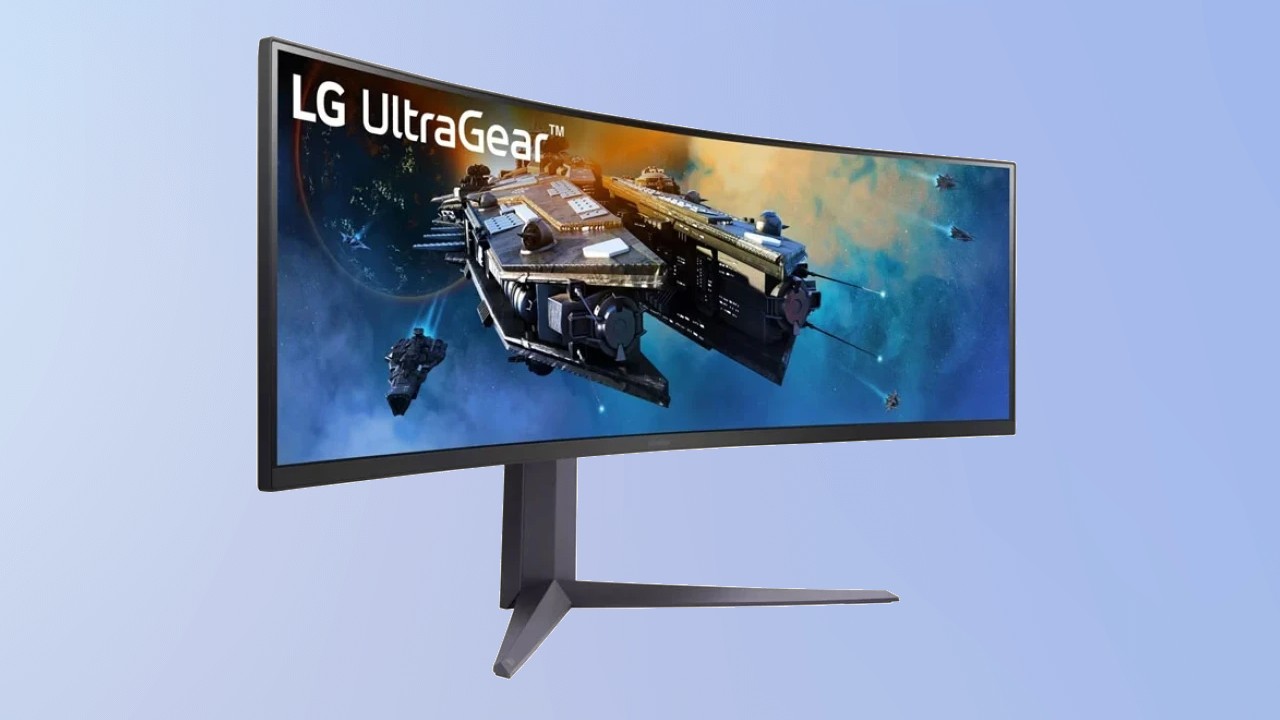
LG Ultragear 45GR65DC and 45GR75DC curved gaming monitors with 32:9 ultra-wide panels.
LG’s Ultragear 45GR65DC and 45GR75DC are 44.5-inch curved gaming monitors built around a VA panel with a 5120 x 1440 resolution and a 32:9 aspect ratio.
Both offer a 200 Hz maximum refresh rate, 1 ms response time, 3000:1 contrast ratio, 400-nit brightness, 95% DCI-P3 coverage, 10-bit color support, and FreeSync Premium Pro.
The key distinction is connectivity: the 45GR75DC adds USB-C with DisplayPort support and 90-watt charging for external devices.
Best for: PC gamers and multitaskers who want a very wide curved desktop display
- 44.5-inch 32:9 curved screen
- 5120 x 1440 resolution
- 200 Hz refresh rate and 1 ms response time
- 45GR75DC adds USB-C with 90-watt charging
Verdict: The LG Ultragear pair is strongest for users who want an expansive 32:9 gaming screen, with the 45GR75DC making more sense if USB-C docking-style convenience is important.
4. VIA Labs VL108 USB PD 3.1 controller
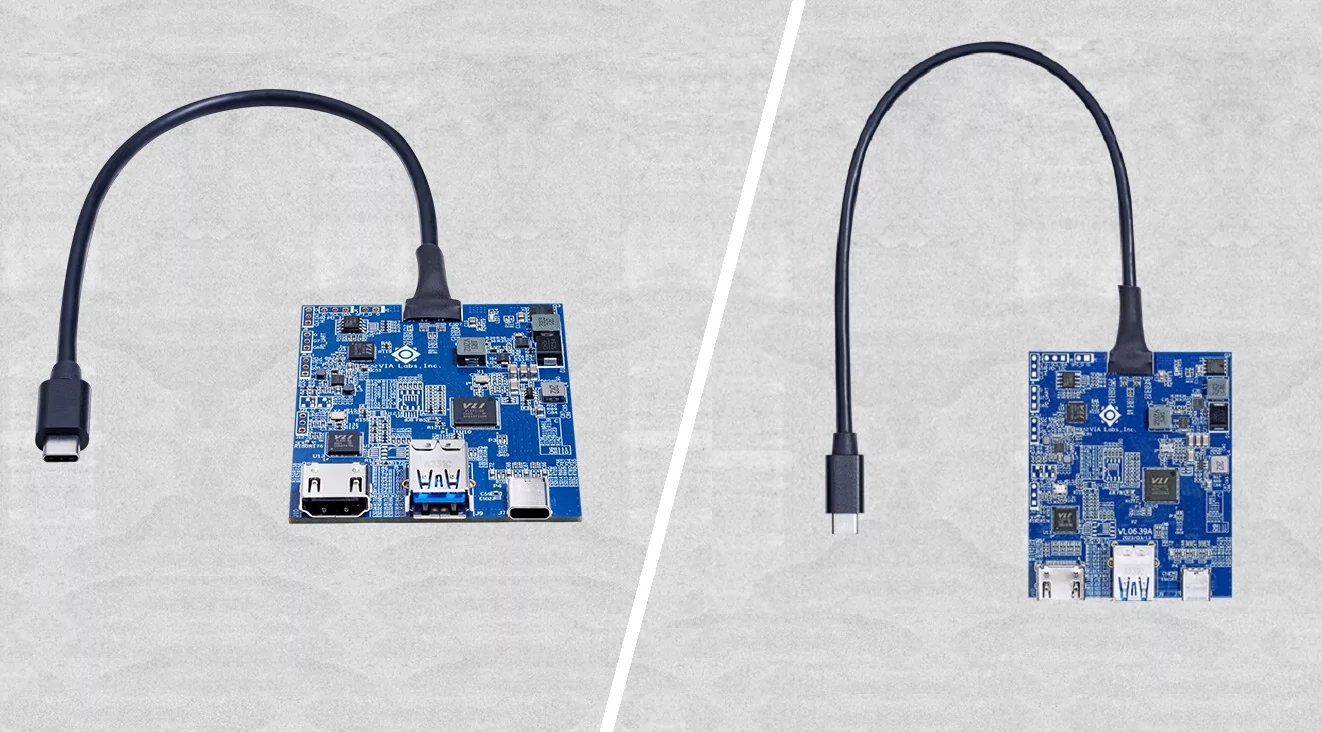
VIA Labs VL108 controller supporting higher-power USB Type-C charging under USB PD 3.1.
The VIA Labs VL108 is not a computer by itself, but it matters for future laptop buying because it supports USB Power Delivery 3.1 at up to 240 watts through USB Type-C.
The supplied material frames this as a response to larger, more powerful laptops that can exceed the limits of older 100-watt USB-C charging.
It also supports a 48V/5A Extended Power Range mode and can combine power delivery with display output through USB4 or DisplayPort Alternate Mode.
Best for: Buyers watching for higher-power USB-C laptop charging and cleaner desk setups
- USB PD 3.1 certification
- Up to 240-watt USB-C power delivery
- Supports 48V/5A Extended Power Range
- Can carry display output and power together
Verdict: The VL108 highlights why USB-C specifications matter: the connector may look familiar, but charging capability depends on the controller and standard behind it.

5. LG Display Tandem OLED laptop panel
LG Display Tandem OLED laptop panel with a 13-inch high-resolution touchscreen design.
LG Display’s Tandem OLED laptop panel uses two layers of RGB organic light-emitting diodes rather than the single layer used in conventional OLED displays.
According to LG Display, the design can double lifespan, triple brightness, and reduce power consumption by up to 40% compared with a conventional single-layer OLED panel.
The 13-inch panel has a 2880 x 1800 resolution, 100% DCI-P3 coverage, touch support, and is described as thinner and lighter than a typical OLED laptop screen.
Best for: Buyers interested in premium laptop displays with strong color and efficiency claims
- Tandem OLED structure with two RGB layers
- 2880 x 1800 resolution
- 100% DCI-P3 color coverage
- Touch input support
Verdict: LG Display’s Tandem OLED panel is a display technology to watch for thin, high-performance laptops where brightness, color coverage, and power use are priorities.
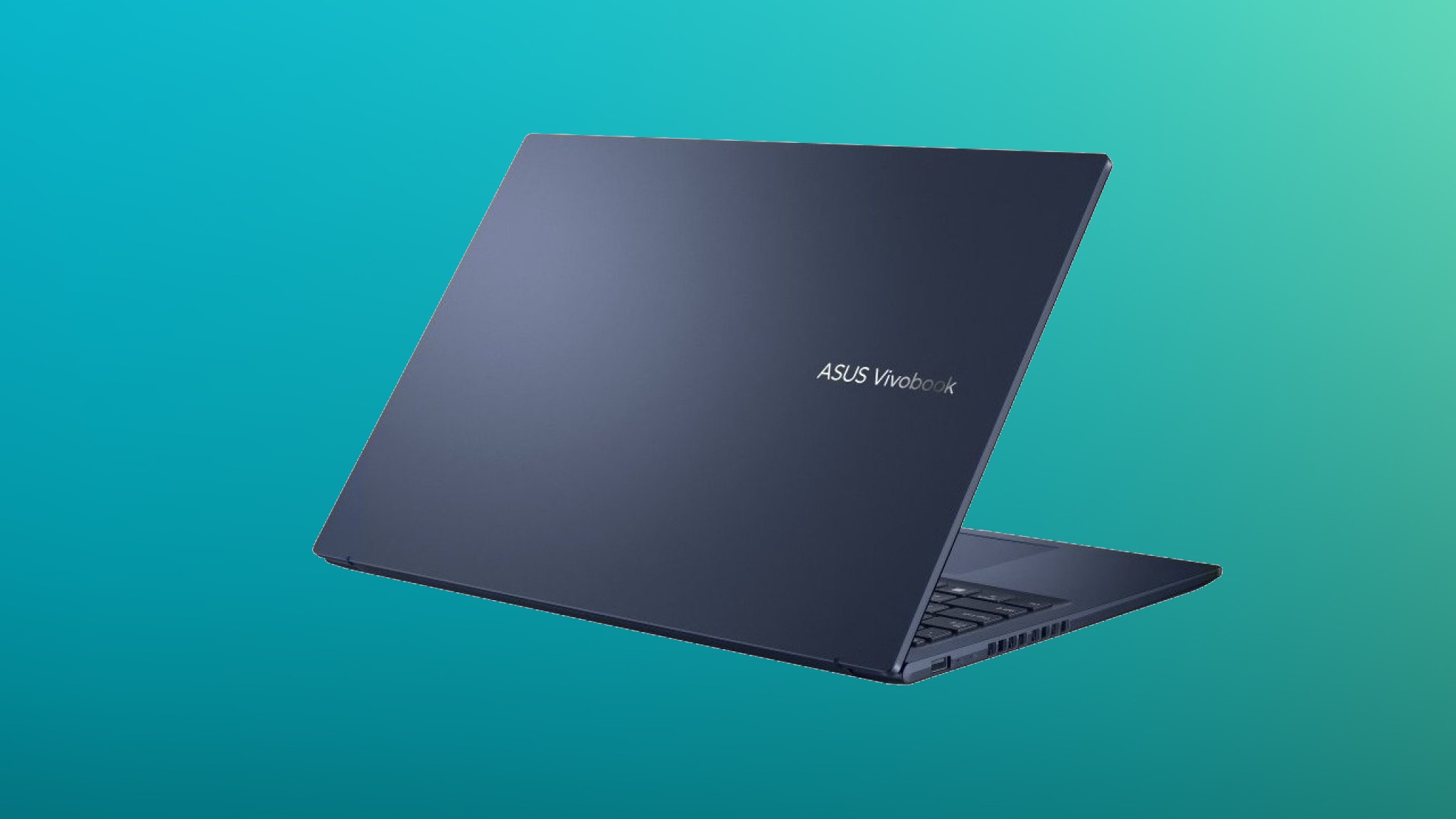
6. ASUS VivoBook 16X M1603QA-MB155
ASUS VivoBook 16X M1603QA-MB155 laptop in dark blue with a 16-inch display.
The ASUS VivoBook 16X M1603QA-MB155 is presented as a more accessible mid-range laptop that balances brand build quality with a less premium positioning.
Its appeal is straightforward: a 16-inch Full HD display for everyday work and entertainment, AMD hardware, and a dark blue design with resistant materials.
At 1.8 kg and 19.9 mm thick, it is not the most compact option here, but the larger screen is the point.
Best for: Home and office users who want a larger laptop screen without moving into premium territory
- 16-inch Full HD display
- AMD-based hardware
- Dark blue design
- Mid-range positioning
Verdict: The VivoBook 16X M1603QA-MB155 is a practical large-screen laptop for daily tasks where display size and value positioning carry more weight than ultra-light portability.

7. HONOR MagicBook Art 14
HONOR MagicBook Art 14 ultraportable laptop with a 14.6-inch OLED touchscreen.
The HONOR MagicBook Art 14 is the most mobility-focused laptop in the supplied set.
It combines an aviation-grade magnesium-alloy body weighing 1.03 kg with an 11.5 mm profile and a 14.6-inch OLED touchscreen.
The display specifications are unusually strong for a portable machine: 3120 x resolution, 3:2 aspect ratio, 120 Hz refresh rate, 100% DCI-P3 coverage, a stated 1600-nit peak brightness, and pre-calibration. Intel Core Ultra processor options, Intel ARC graphics, up to 32 GB of LPDDR5x RAM, and 1 TB or 2 TB SSD choices round out the platform.
Best for: Frequent travelers who want a very light laptop with a high-spec OLED display
- 1.03 kg magnesium-alloy body
- 14.6-inch OLED touchscreen
- 3120 x resolution with 3:2 aspect ratio
- Up to 32 GB RAM and 2 TB SSD
Verdict: The MagicBook Art 14 stands out for combining a notably light chassis with a sharp, color-focused OLED touchscreen.
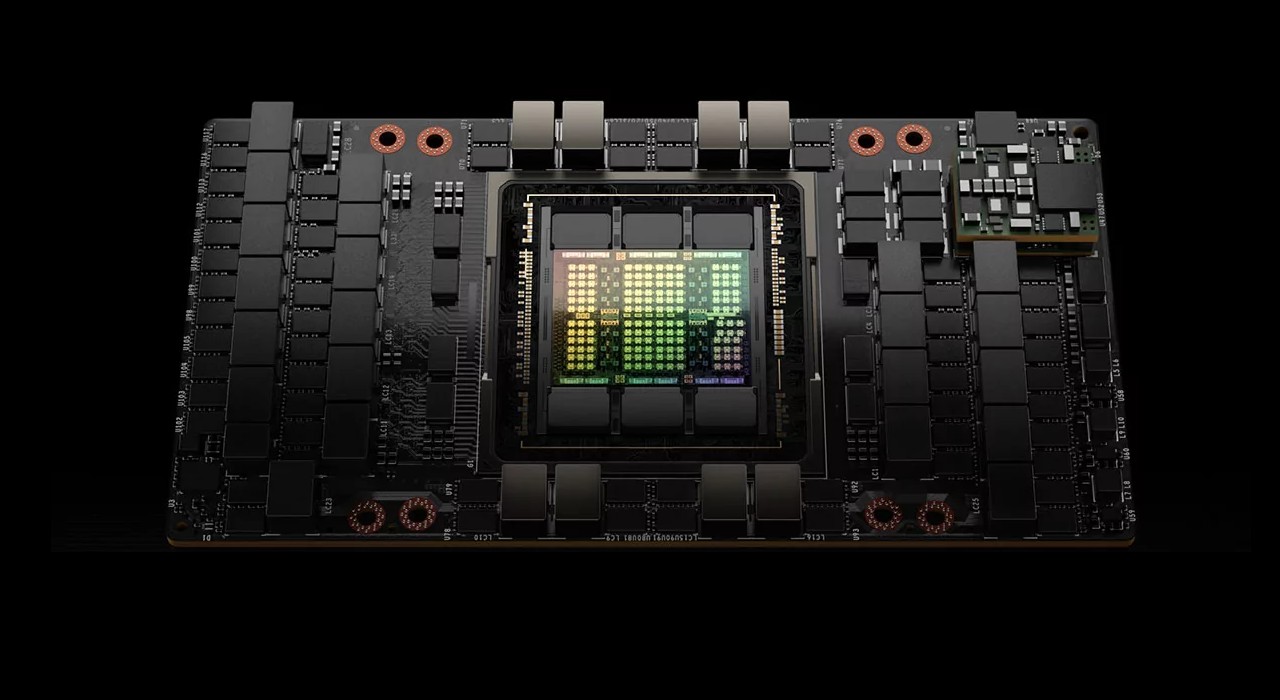
8. NVIDIA H100
NVIDIA H100 accelerator shown as an example of why data-center GPUs are not gaming cards.
The NVIDIA H100 is a useful cautionary example for computer buyers: a powerful accelerator is not automatically a good gaming graphics card.
The supplied test found that the H100 performed poorly in gaming benchmarks compared with ordinary gaming hardware, despite its high-end data-center positioning.
The reason is practical rather than mysterious: it lacks a built-in graphics display solution and is not driver-optimized for games, even though it supports compute formats such as FP64, TF32, FP32, FP16, INT8, and FP8.
Best for: Workstation buyers separating compute acceleration needs from gaming needs
- Data-center compute orientation
- 14,592 CUDA cores
- Support for multiple compute formats
- Clear reminder to match GPU type to workload
Verdict: The H100 is a powerful compute product, but the supplied material makes clear that it is the wrong choice if the goal is PC gaming.
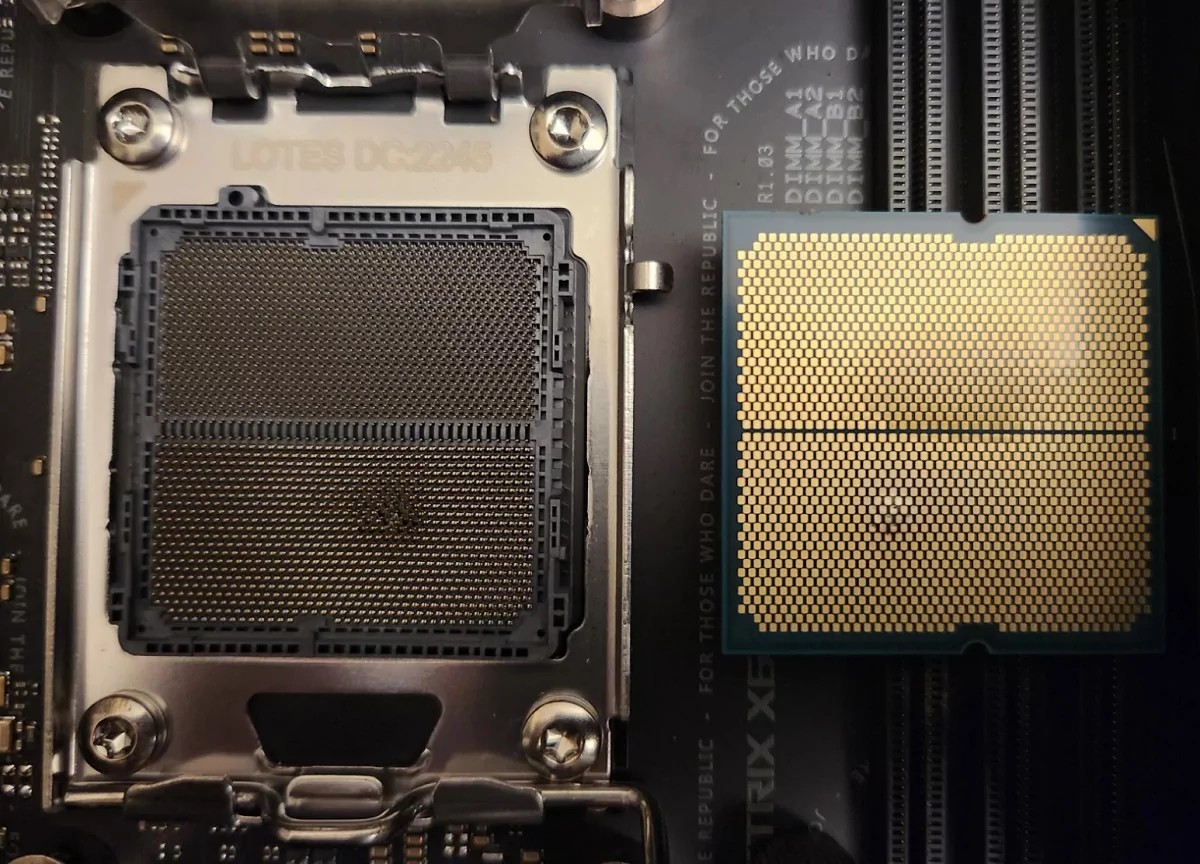
9. ASUS BIOS update for AMD Ryzen 7000 systems
ASUS motherboard BIOS update intended to protect AMD Ryzen 7000 processor systems.
ASUS’s BIOS update is an important maintenance note for systems using AMD Ryzen 7000 processors on affected ASUS motherboards.
The supplied material describes failures linked to excessive voltage behavior, with damage reported to both processors and motherboard socket areas.
ASUS’s update adds mechanisms to control processor temperature and voltage behavior, making firmware maintenance a genuine hardware-protection issue rather than a minor housekeeping task.
Best for: PC builders and upgraders using AMD Ryzen 7000 processors with ASUS motherboards
- Addresses voltage-limit concerns
- Adds temperature-control mechanisms
- Relevant to AMD Ryzen 7000 systems on ASUS boards
- Helps protect processor and motherboard operation
Verdict: For affected Ryzen 7000 builds, this BIOS update is not optional tuning; it is a practical safeguard for system reliability.

10. Samsung Odyssey OLED G6
Samsung Odyssey OLED G6 QD-OLED gaming monitor with QHD resolution and 500 Hz refresh rate.
The Samsung Odyssey OLED G6 is a 27-inch QD-OLED gaming monitor built for very high refresh rates rather than ultra-wide scale.
Its QHD panel runs at 2560 x 1440 and is specified for a 500 Hz refresh rate with a 0.03 ms gray-to-gray response time.
The monitor also includes VESA DisplayHDR True Black 500 certification, NVIDIA G-SYNC Compatible and AMD FreeSync Premium Pro support, Samsung’s Glare Free coating, a stated 1000-nit peak brightness, OLED Safeguard+ burn-in prevention, and Pantone verification.
Best for: Competitive PC gamers prioritizing refresh rate and response time on a QHD OLED monitor
- 27-inch QD-OLED panel
- 500 Hz refresh rate
- 0.03 ms GtG response time
- G-SYNC Compatible and FreeSync Premium Pro support
Verdict: The Odyssey OLED G6 is the speed-focused display choice here, trading the LG’s super-wide format for a smaller QD-OLED panel with an exceptionally high refresh rate.
Quick comparison
The products and technologies here are not direct substitutes.
The useful comparison is about role: mobile laptop, large-screen notebook, workstation, gaming display, charging platform, display panel, GPU caution, or firmware safeguard.
| Product | Best for | Verdict |
|---|---|---|
| Huawei MateBook D14 and MateBook D16 | Everyday laptop buyers choosing between 14-inch portability and 16-inch workspace | Balanced 16:10 laptops with metal construction and a focus on more stable Wi-Fi. |
| Z by HP Performance workstations | Professional workloads needing memory, graphics, storage, and PCIe expansion | A workstation platform for demanding production and data tasks, not casual desktop use. |
| LG Ultragear 45GR65DC and 45GR75DC | Ultra-wide gaming and multitasking on a 44.5-inch curved display | Choose the 45GR75DC if USB-C with DisplayPort and 90-watt charging is useful. |
| VIA Labs VL108 USB PD 3.1 controller | Understanding higher-power USB-C charging in future laptops | Shows why USB-C power capability depends on PD 3.1 and Extended Power Range support. |
| LG Display Tandem OLED laptop panel | Premium laptop display buyers prioritizing OLED color, brightness, and efficiency claims | A panel technology rather than a full laptop, but an important signpost for high-end notebooks. |
| ASUS VivoBook 16X M1603QA-MB155 | Affordable large-screen daily computing | A mid-range 16-inch laptop for home, office, and entertainment use. |
| HONOR MagicBook Art 14 | Travel-friendly productivity with a high-resolution OLED touchscreen | The strongest mobility play in this group thanks to its 1.03 kg magnesium-alloy body. |
| NVIDIA H100 | Understanding the difference between compute accelerators and gaming GPUs | Powerful for data-center compute, but unsuitable as a gaming graphics choice according to the supplied test. |
| ASUS BIOS update for AMD Ryzen 7000 systems | PC builders maintaining affected ASUS and Ryzen 7000 platforms | A firmware update with real hardware-protection relevance. |
| Samsung Odyssey OLED G6 | High-refresh QHD OLED gaming | The speed-focused monitor option, centered on 500 Hz refresh and 0.03 ms GtG response. |
Frequently asked questions
Should I choose a smaller laptop or a 16-inch model?
Choose the smaller option when weight and travel matter most.
The HONOR MagicBook Art 14 is listed at 1.03 kg, while Huawei’s 14-inch MateBook D14 is 1.39 kg.
A 16-inch model such as the MateBook D16 or ASUS VivoBook 16X gives more screen space for desk work but weighs more.
What is the practical difference between the LG Ultragear monitors and the Samsung Odyssey OLED G6?
The LG Ultragear 45GR65DC and 45GR75DC are 44.5-inch, 32:9 curved monitors for an expansive ultra-wide setup.
The Samsung Odyssey OLED G6 is a 27-inch QHD QD-OLED monitor built around a much higher 500 Hz refresh rate and 0.03 ms response time.
Does USB-C always mean the same charging power?
No.
The VIA Labs VL108 example shows that higher power delivery depends on USB PD 3.1 and Extended Power Range support.
Older 100-watt USB-C charging may not be enough for larger or more powerful laptops, while the newer controller supports up to 240 watts.
Can a high-end compute GPU be used as a gaming graphics card?
Not necessarily.
The NVIDIA H100 example shows why workload fit matters: it is a data-center accelerator with strong compute credentials, but the supplied material notes that it lacks a built-in graphics display solution and is not optimized with gaming drivers.
How to choose from this computer shortlist
Start by deciding what problem the computer or component must solve.
For travel, weight and display quality should lead the decision, which points attention toward the HONOR MagicBook Art 14.
For a more conventional everyday laptop, Huawei’s MateBook D14 and D16 offer a clean split between portability and larger-screen work, while the ASUS VivoBook 16X M1603QA-MB155 is the more accessible large-screen option in the supplied material. For professional desktop work, do not compare a Z by HP Performance workstation with a normal laptop on size or convenience. Its value is in memory capacity, expansion, workstation graphics support, and storage headroom. The NVIDIA H100 entry reinforces the same principle from another angle: buy for the workload, not for the headline power of a component. Display buyers should be equally specific. The LG Ultragear 45GR65DC and 45GR75DC make sense if a huge 32:9 curved canvas is the attraction, especially if the 45GR75DC’s USB-C feature set is useful. The Samsung Odyssey OLED G6 is better framed as the high-refresh QHD OLED choice for players who prioritize speed and response. LG Display’s Tandem OLED laptop panel is not a standalone monitor or laptop, but it signals the kind of display technology worth looking for in premium notebooks. Finally, leave room in the buying decision for standards and maintenance. USB-C charging capability depends on the Power Delivery generation and controller support, not just the shape of the port. Firmware can also be critical: the ASUS BIOS update for Ryzen 7000 systems is a reminder that keeping a platform current can directly affect hardware protection and stability.