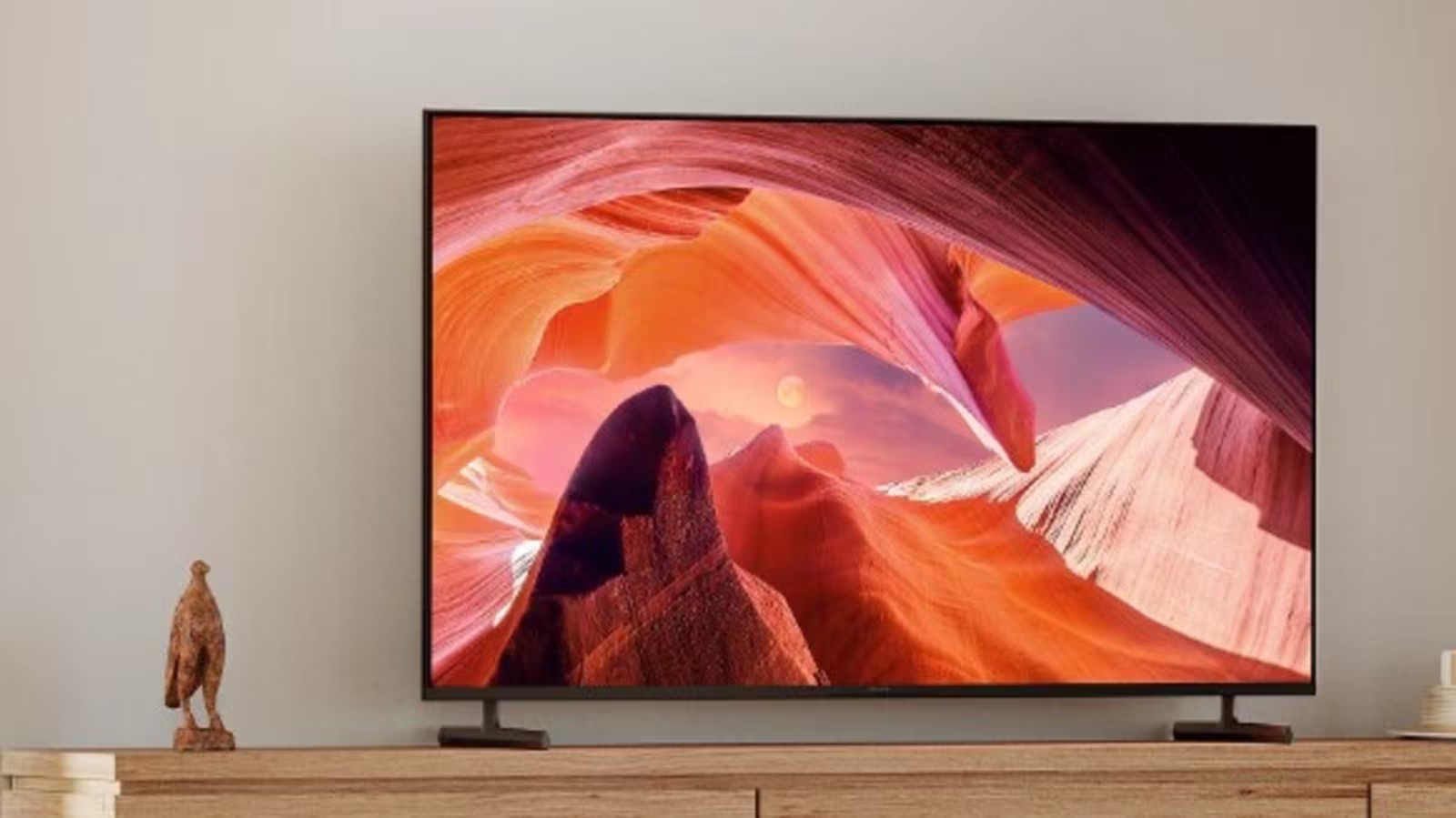
TV buying is no longer a simple choice between screen sizes.
The source material here spans gaming firmware updates, budget 4K sets, Ambilight models, QLED and miniLED LCD TVs, 8K flagships, a speculative laser-TV development story, and a large wireless OLED concept.
That makes the category broad, but also useful: the right choice depends heavily on whether you care most about gaming inputs, smart-TV software, cable management, large-screen design, or simple value. Several themes are worth keeping in mind. HDMI 2.1 features are not identical across every model: some TVs support 4K at 120Hz and VRR, while others only support ALLM. VRR can also come with picture-quality compromises on LCD TVs, especially around local dimming. Meanwhile, 8K remains a forward-looking proposition because native 8K content is still hard to find. This guide treats each supplied article as a recommendation or buying-reference point rather than pretending every entry is a current shelf-ready product. Some are strong candidates for particular buyers, while others are better read as context before spending money.
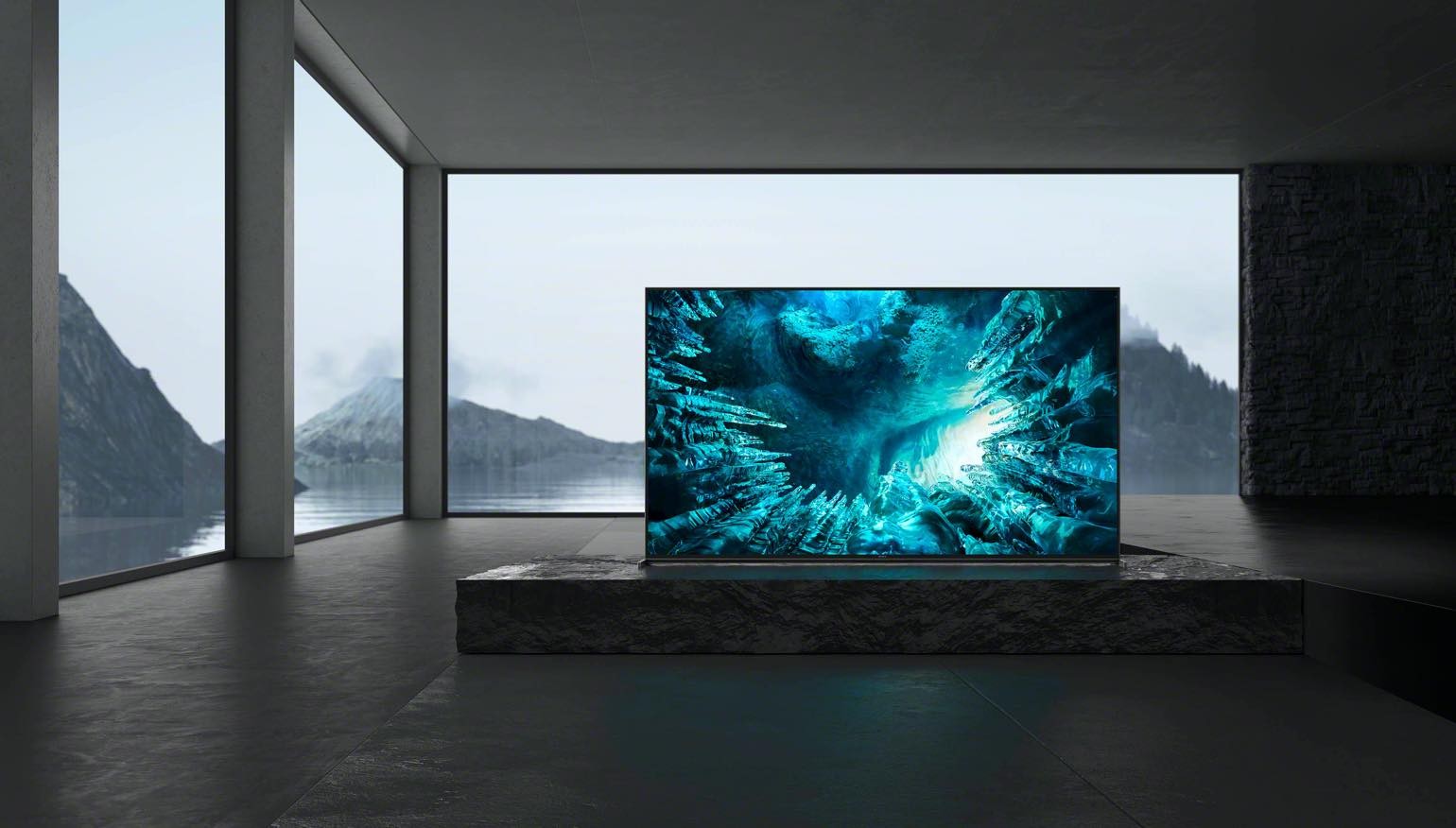
1. Sony releases HDMI 2.1 VRR and ALLM software update for XH90 TVs
Sony XH90 owners need to enable the Enhanced format (VRR) setting on the correct HDMI ports to use the newly added gaming features.
This article is most useful for existing Sony XH90 owners or buyers considering a used or remaining-stock unit.
The software update enables HDMI 2.1 VRR and ALLM, with VRR operating across a 48-120Hz range and requiring the Enhanced format (VRR) setting on HDMI3 or HDMI4.
The important caveat is that early user reports still noted a 4K/120Hz playback bug, while Dolby Vision and local dimming are disabled in VRR mode, which can reduce contrast and make the image look flatter.
Best for: Gaming-focused Sony XH90 owners
- VRR enabled by software update
- ALLM support added
- 48-120Hz VRR range
- Clear HDMI3 and HDMI4 setup path
Verdict: A meaningful gaming update for the XH90, but one that comes with picture-quality and 4K/120Hz caveats buyers should understand.
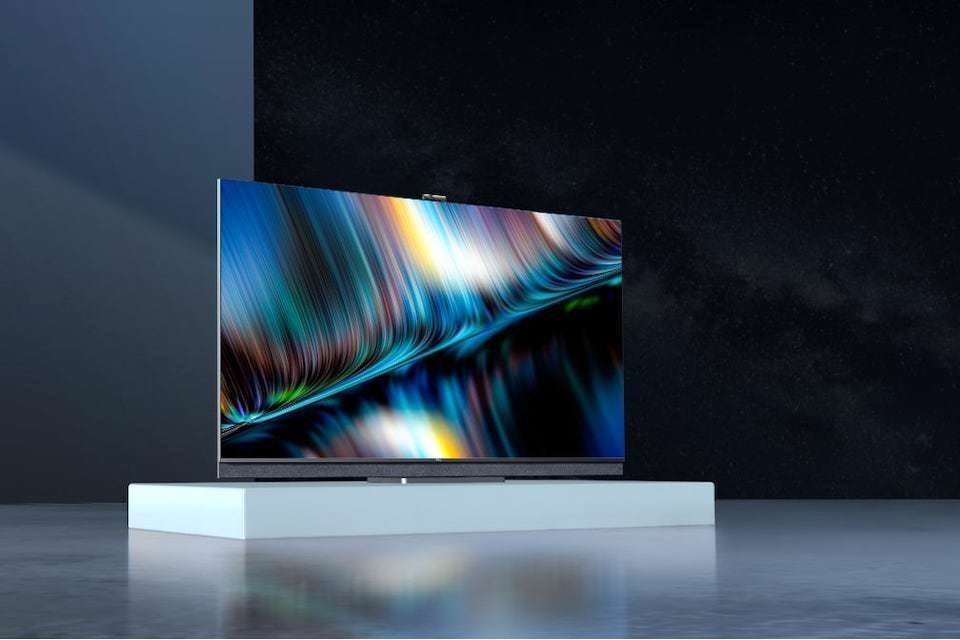
2. TCL C725 / C728 / C825: 4K TVs with miniLED and HDMI 2.1
TCL’s C725, C728 and C825 models separate themselves mainly by backlight technology and the depth of HDMI 2.1 gaming support.
TCL’s C725, C728 and C825 ranges are best read as a tiered family rather than a single recommendation.
The C825 is the most advanced of the three in the source, with miniLED backlighting, Dolby Vision, Dolby Vision IQ, HDMI 2.1, 4K/120Hz input and VRR.
The C728 also offers HDMI 2.1 with 4K/120Hz and VRR, while the C725 is more limited and supports ALLM rather than the full gaming feature set. The source also warns that local dimming performance deteriorates in VRR mode on the C825.
Best for: Buyers comparing TCL gaming and miniLED tiers
- C825 uses miniLED backlighting
- C825 supports Dolby Vision IQ
- C728 and C825 support 4K/120Hz and VRR
- Android TV platform listed
Verdict: The C825 and C728 are the stronger TCL options for advanced gaming features, while the C725 is a more basic HDMI 2.1-era model with ALLM only.

3. Philips 50PUS8505 Review • Excellent and affordable TV
The Philips 50PUS8505 combines 4K resolution, broad HDR support and Ambilight as part of its value-focused appeal.
The Philips 50PUS8505 is presented as a value-oriented 4K TV that keeps several desirable features in play for tighter budgets.
The source highlights 4K LED panels, support for HDR10+ and Dolby Vision, Dolby Atmos compatibility, Philips’ P5 processing engine, Google Assistant use through a remote with a speaker, and Ambilight.
It is also described as available across a broad size range, making it a practical option for buyers who want modern format support without moving into premium pricing territory.
Best for: Budget-conscious movie and streaming viewers
- 4K LED panel
- HDR10+ and Dolby Vision support
- Dolby Atmos compatibility
- Ambilight lighting system
Verdict: A well-rounded Philips option for buyers who want 4K, major HDR formats and Ambilight without chasing a high-end model.
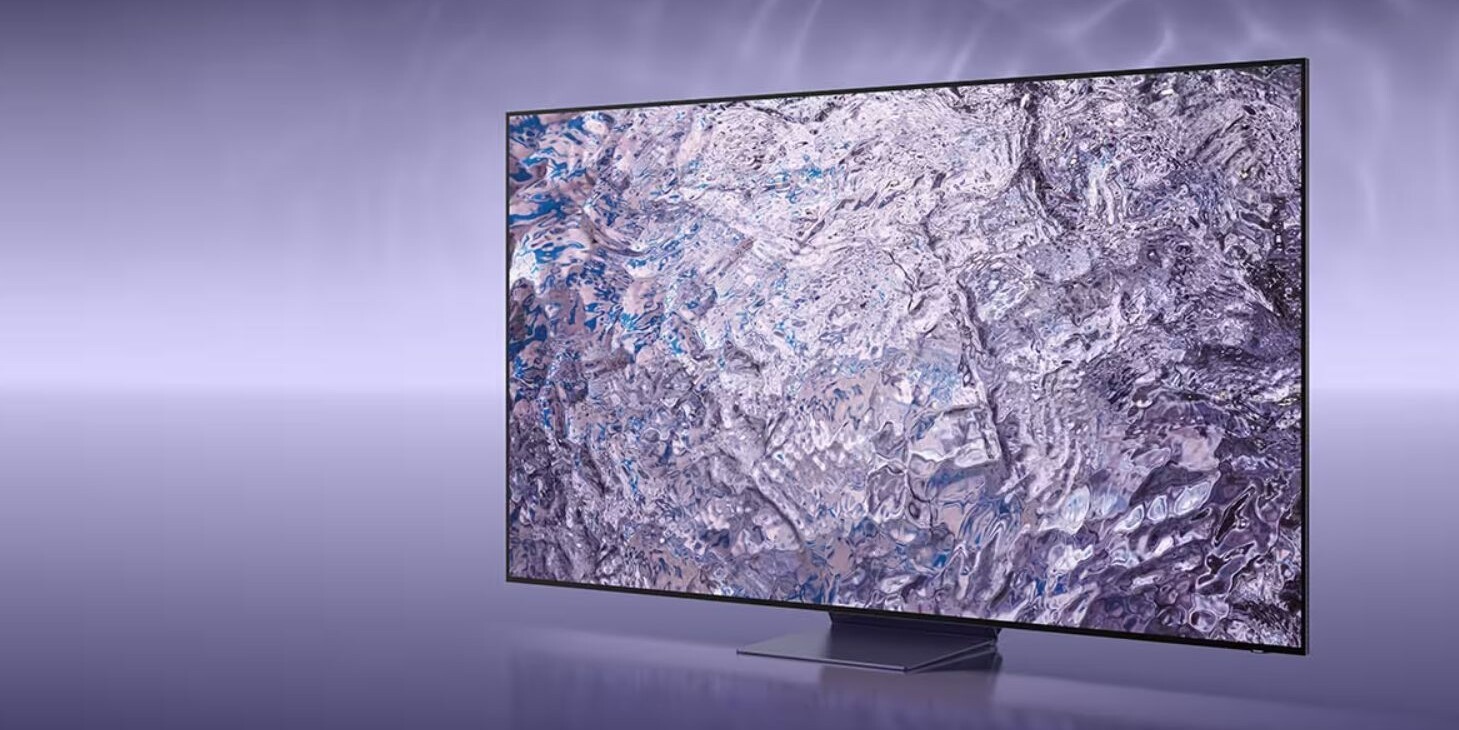
4. Samsung QN800C: The ultimate 8K experience
The Samsung QN800C pairs an 8K Neo QLED panel with a slim, almost bezel-free design.
The Samsung QN800C is the premium 8K entry in this set of sources.
It uses a 7680 x 4320 resolution panel with more than 33 million pixels, and the article describes it as a Neo QLED model with mini LEDs and full-array local dimming.
Its Infinity One design gives it an almost bezel-free look, and the chassis includes perforated edges associated with cooling and the OTS+ sound system. The biggest buying caution is clear: native 8K content is still hard to find, so the value case depends heavily on Samsung’s upscaling claims and the buyer’s appetite for a premium 8K screen.
Best for: Premium buyers interested in 8K and modern design
- 7680 x 4320 8K resolution
- More than 33 million pixels
- Mini LED full-array local dimming
- Almost bezel-free Infinity One design
Verdict: An ambitious 8K Samsung with advanced panel hardware, but its real-world appeal is limited by the scarcity of native 8K content.
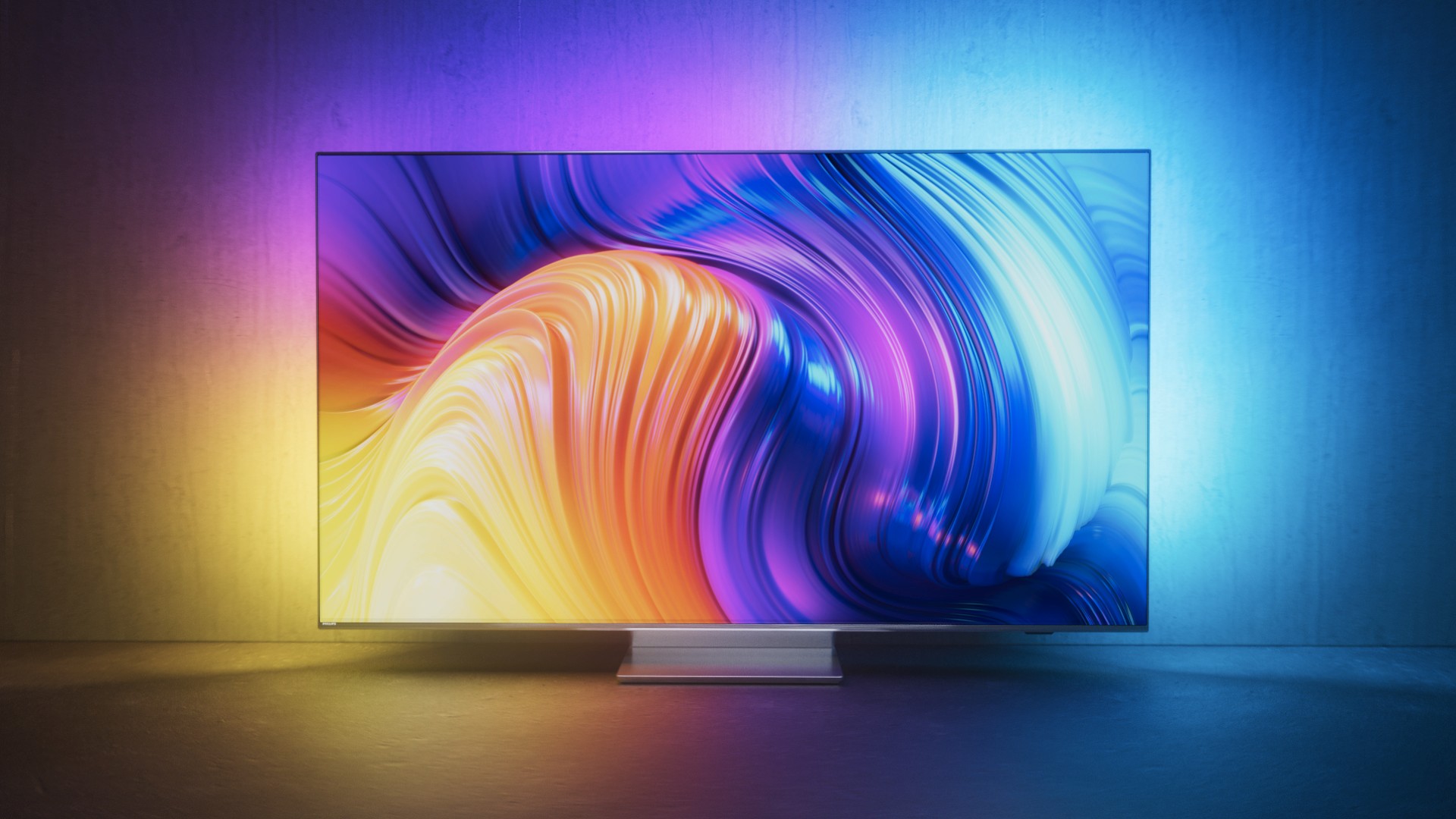
5. Philips PUS8807: 4K Ultra HD ambilight TV that stands out
The Philips PUS8807 article highlights a large 4K Ultra HD Ambilight TV suited to spacious rooms and possible VESA mounting.
This Philips article focuses on a 4K Ultra HD Ambilight TV whose appeal is more about design, room fit and feature balance than dramatic reinvention.
The source notes that the design has not changed much compared with earlier versions, but also says the look has aged well and remains appropriate.
The 65-inch model discussed is positioned as a good fit for large rooms or halls, and VESA mounting is suggested as a sensible way to improve placement.
Best for: Large-room viewers who want Ambilight
- 4K Ultra HD Ambilight positioning
- Design described as aged well
- 65-inch size suits larger rooms
- VESA mounting discussed
Verdict: A Philips Ambilight option that appears strongest for buyers who value a familiar design and a large-screen living-room fit.

6. Samsung became the largest TV supplier in for the 17th year in a row
The Samsung market-share article provides brand context rather than details on one specific TV model.
This is not a model recommendation, but it is useful market context for TV shoppers.
The article reports Samsung as the leading global TV brand by revenue and highlights particular strength in premium models, 75-inch-plus TVs, and QLED or Neo QLED sales.
For buyers, the practical takeaway is that Samsung’s TV range has substantial market presence, especially in larger and more premium categories, though this information does not replace evaluating a specific model’s features, price and fit.
Best for: Brand-context research before choosing a Samsung TV
- Strong global TV revenue position
- Premium-segment strength reported
- Large-screen presence highlighted
- QLED and Neo QLED volume noted
Verdict: Useful background for understanding Samsung’s market position, but not a substitute for comparing individual TV models.
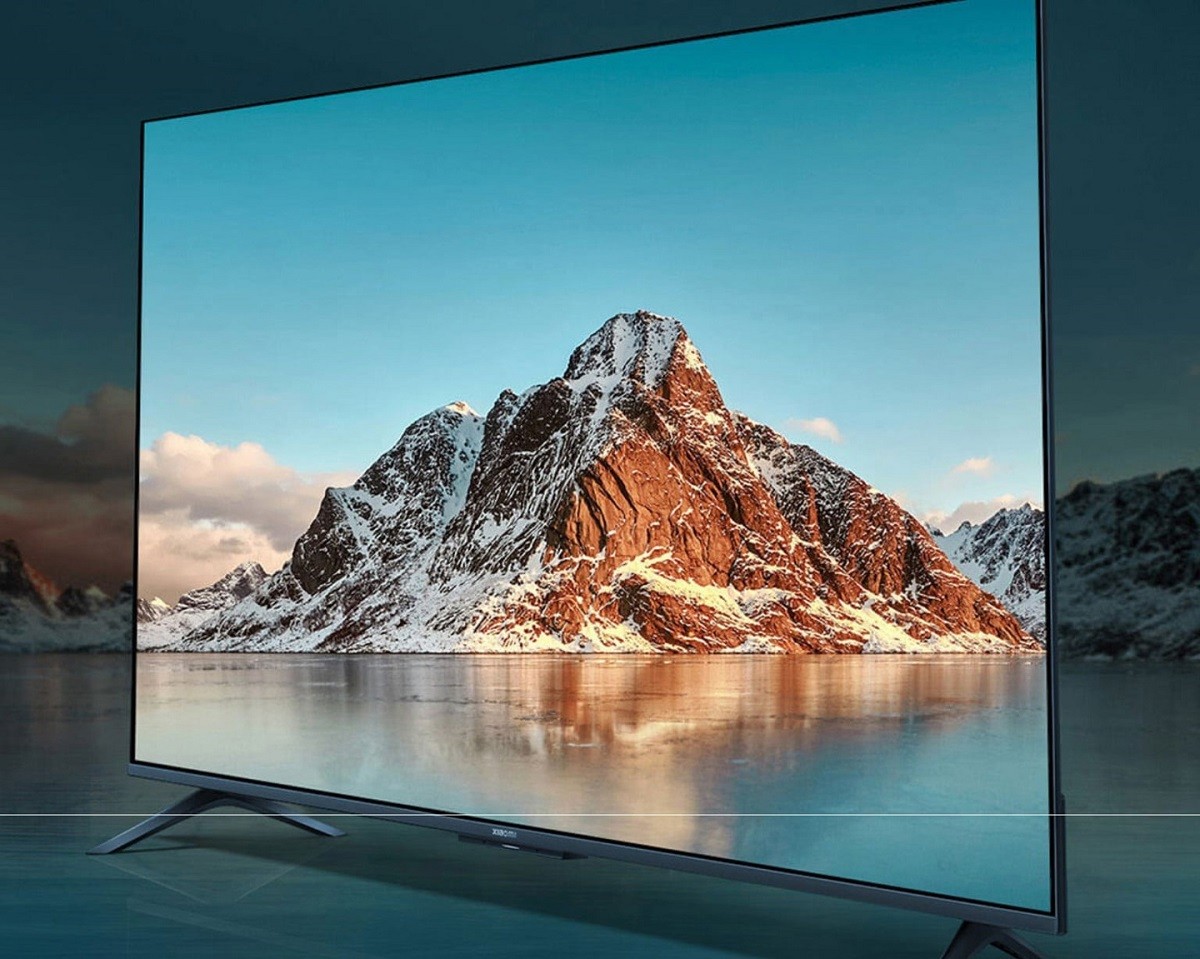
7. Xiaomi unveils 55-inch 4K TV Mi TV EA55 for just $200
The Xiaomi Mi TV EA55 combines a 55-inch 4K panel, slim front design and a broad set of basic connections.
The Xiaomi Mi TV EA55 is presented as a very low-cost 55-inch 4K smart TV for the Chinese market.
The source lists a 3840 x 2160 display, 60Hz refresh rate, all-metal body, 97.1 percent screen-to-front ratio, 178-degree viewing angles, 1.07 billion displayed color shades, dual 10W speakers with DTS-HD decoding, MIUI for TV 3.0, dual-band Wi-Fi and a practical port selection including HDMI, USB-A, Ethernet, antenna, A/V and S/PDIF.
Availability and whether the launch price would remain final were not confirmed in the source.
Best for: Price-first shoppers in supported markets
- 55-inch 4K display
- Very low stated launch price
- All-metal body
- Dual-band Wi-Fi and broad ports
Verdict: A strikingly inexpensive 55-inch 4K smart TV on paper, with the key uncertainty being pricing and availability outside its launch context.
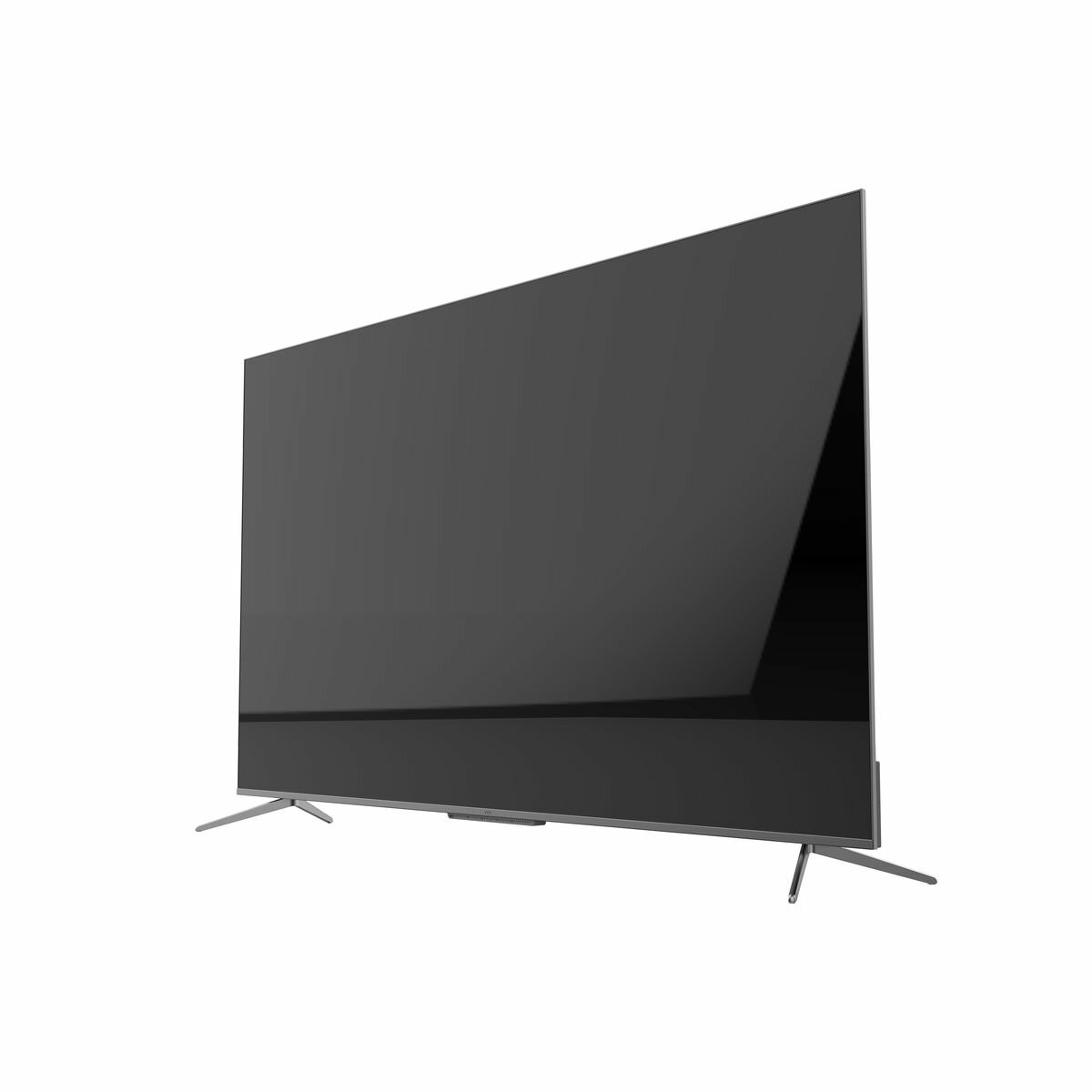
8. TCL C715: Budget TV with great image quality
The TCL C715 uses a thin metal bezel and a functional stand design to lift its budget QLED presentation.
The TCL C715 is positioned as a budget QLED 4K HDR TV that aims to bring some premium-style picture technology into a lower market segment.
The source praises its elegant, neat design, thin metal bezel, relatively slim rear panel and quick assembly.
It also notes Android TV with Freeview, access to streaming apps, and a slim responsive remote with hotkeys. Buyers should note that the adjustable stand flexibility described for the 55-inch model does not apply to the 50-inch version.
Best for: Budget buyers wanting QLED 4K HDR
- QLED 4K HDR positioning
- Thin metal bezel
- Android TV with Freeview
- Adjustable stand on larger model
Verdict: A sensible budget QLED candidate for shoppers who want a clean design, Android TV features and 4K HDR without moving upmarket.

9. Hisense continues to intrigue with 8K laser TV
The Hisense 8K laser TV report centers on a still-uncertain DLP and pixel-shifting development path.
This Hisense article is more technology watchlist than buying recommendation.
It discusses reported development of an 8K laser DLP TV with Texas Instruments and mentions 120Hz support, but it also stresses uncertainty around the micromirror chipset, native resolution, pixel shifting and even whether the public showing would be a prototype or a pre-production sample.
For shoppers, the sensible role of this article is to signal where laser TV technology may be heading, not to justify delaying a purchase on confirmed product grounds.
Best for: Home-cinema technology watchers
- Highlights 8K laser TV development
- Mentions 120Hz support target
- Texas Instruments collaboration discussed
- Clearly flags unresolved details
Verdict: Interesting as a glimpse of possible 8K laser TV direction, but too uncertain to treat as a concrete buying option.

10. LG unveils 97-inch wireless OLED TV at CES
The LG Signature OLED M3 separates the display from its source connections through a wireless external box system.
The LG Signature OLED M3 stands out for its scale and cable-management concept.
The source describes a 97-inch OLED TV with a separate external connection box and LG’s Zero Connect wireless video and audio transmission, capable of sending up to 4K/120Hz signals over a distance of up to 9 meters.
The idea is to keep sources, antenna and Ethernet connections away from the panel, leaving mainly the panel’s power cable to manage. The TV also comes with a wall bracket for near gap-free mounting, though the source notes that it is lower in resolution than other LG Signature TVs.
Best for: Premium wall-mounted rooms with minimal cable clutter
- 97-inch OLED panel
- External connection box
- Wireless 4K/120Hz transmission up to 9 meters
- Near gap-free wall bracket included
Verdict: A highly distinctive large OLED for buyers who value clean installation and wireless source placement as much as screen size.
Quick comparison
The entries differ sharply in purpose.
Some are practical model choices, some are gaming-feature updates, and others are market or technology context.
The comparison below keeps the distinctions high-level and tied to what the supplied articles actually support.
| Product | Best for | Verdict |
|---|---|---|
| Sony releases HDMI 2.1 VRR and ALLM software update for XH90 TVs | Existing XH90 owners focused on console or PC gaming features | Adds VRR and ALLM, but VRR mode brings notable picture and feature compromises. |
| TCL C725 / C728 / C825: 4K TVs with miniLED and HDMI 2.1 | Shoppers comparing TCL tiers for miniLED and HDMI 2.1 gaming support | C825 is the most feature-rich, C728 keeps stronger gaming support, and C725 is more limited. |
| Philips 50PUS8505 Review • Excellent and affordable TV | Value buyers wanting 4K, HDR10+, Dolby Vision and Ambilight | A balanced affordable Philips set with broad format support and Ambilight appeal. |
| Samsung QN800C: The ultimate 8K experience | Premium buyers drawn to 8K resolution and a slim Neo QLED design | Technically ambitious, but native 8K content scarcity remains the central caveat. |
| Philips PUS8807: 4K Ultra HD ambilight TV that stands out | Large-room viewers looking at a 4K Ambilight Philips TV | More of a room-fit and design-led Philips choice than a radically new feature story. |
| Samsung became the largest TV supplier in for the 17th year in a row | Buyers researching brand strength before looking at Samsung models | Useful market context, not a direct product recommendation. |
| Xiaomi unveils 55-inch 4K TV Mi TV EA55 for just $200 | Ultra-budget shoppers where the model and pricing are available | Very aggressive on price and size, with availability and lasting price still uncertain in the source. |
| TCL C715: Budget TV with great image quality | Budget QLED shoppers wanting 4K HDR and Android TV | A value-led QLED option with neat design and practical smart-TV features. |
| Hisense continues to intrigue with 8K laser TV | Readers tracking future laser-TV and 8K projection-style developments | Promising as a technology story, but too unresolved for purchase planning. |
| LG unveils 97-inch wireless OLED TV at CES | Premium buyers prioritizing a huge OLED screen and cleaner wall installation | The standout choice for cable-light installation, built around a separate wireless connection box. |
Frequently asked questions
Should I choose a TV with HDMI 2.1 for gaming?
Choose HDMI 2.1 features based on the exact capabilities you need, not just the label.
In the supplied material, TCL C825 and C728 support 4K/120Hz and VRR, while TCL C725 is limited to ALLM.
Sony’s XH90 gains VRR and ALLM through software, but the source reports caveats in VRR mode.
Does VRR affect picture quality on LCD TVs?
It can.
The supplied articles note that local dimming can deteriorate or be disabled in VRR mode on LCD TVs.
That may reduce contrast and make blacks look shallower, so gaming smoothness can come with a picture-quality trade-off.
Is an 8K TV worth considering?
An 8K TV can be interesting for buyers who want a premium screen and are comfortable relying on upscaling, but native 8K content is still described as hard to find.
The Samsung QN800C is the concrete 8K TV in the source, while the Hisense 8K laser TV article remains speculative.
Which entries are most clearly value-focused?
The Philips 50PUS8505 is positioned as an affordable 4K TV with HDR10+, Dolby Vision, Dolby Atmos and Ambilight.
The TCL C715 is framed as a budget QLED 4K HDR model.
The Xiaomi Mi TV EA55 is presented with a very low launch price, though the source leaves price durability and wider availability uncertain.
How to choose from these TV options
Start with how the TV will be used.
For gaming, look beyond the HDMI 2.1 badge and confirm whether the model supports 4K/120Hz, VRR and ALLM in the combination you need.
The TCL C825 and C728 are stronger than the C725 on this point, while Sony XH90 owners should understand the VRR-mode compromises described in the source. For movie and streaming use on a tighter budget, the Philips 50PUS8505 and TCL C715 are the clearest value-led choices in the material. The Philips leans on broad HDR format support, Dolby Atmos compatibility and Ambilight, while the TCL C715 brings QLED 4K HDR positioning, Android TV and a clean design into a budget frame. For a more premium installation, decide whether resolution, screen technology or room aesthetics matters most. The Samsung QN800C offers an 8K Neo QLED route, but native 8K content remains scarce. The LG Signature OLED M3 is more about a huge 97-inch OLED panel and reducing visible source cables through its wireless box. The Philips PUS8807 article points toward a large 4K Ambilight set for spacious rooms rather than a major feature leap. Finally, treat market and future-tech stories carefully. Samsung’s brand leadership article can provide confidence about market presence, but it does not tell you which Samsung TV to buy. Hisense’s 8K laser TV story is intriguing, yet the source itself leaves too many details unresolved for it to function as a purchasing recommendation. A good TV decision still comes down to confirmed inputs, supported formats, screen size, room fit and the compromises you are willing to accept.