Choosing a TV is no longer just a question of screen size.
The operating system, panel type, backlight design, gaming support, room brightness, audio format handling, and even furniture placement can all change how suitable a model feels in daily use.

1. Titan OS: Everything you need to know about the new OS on Philips TVs
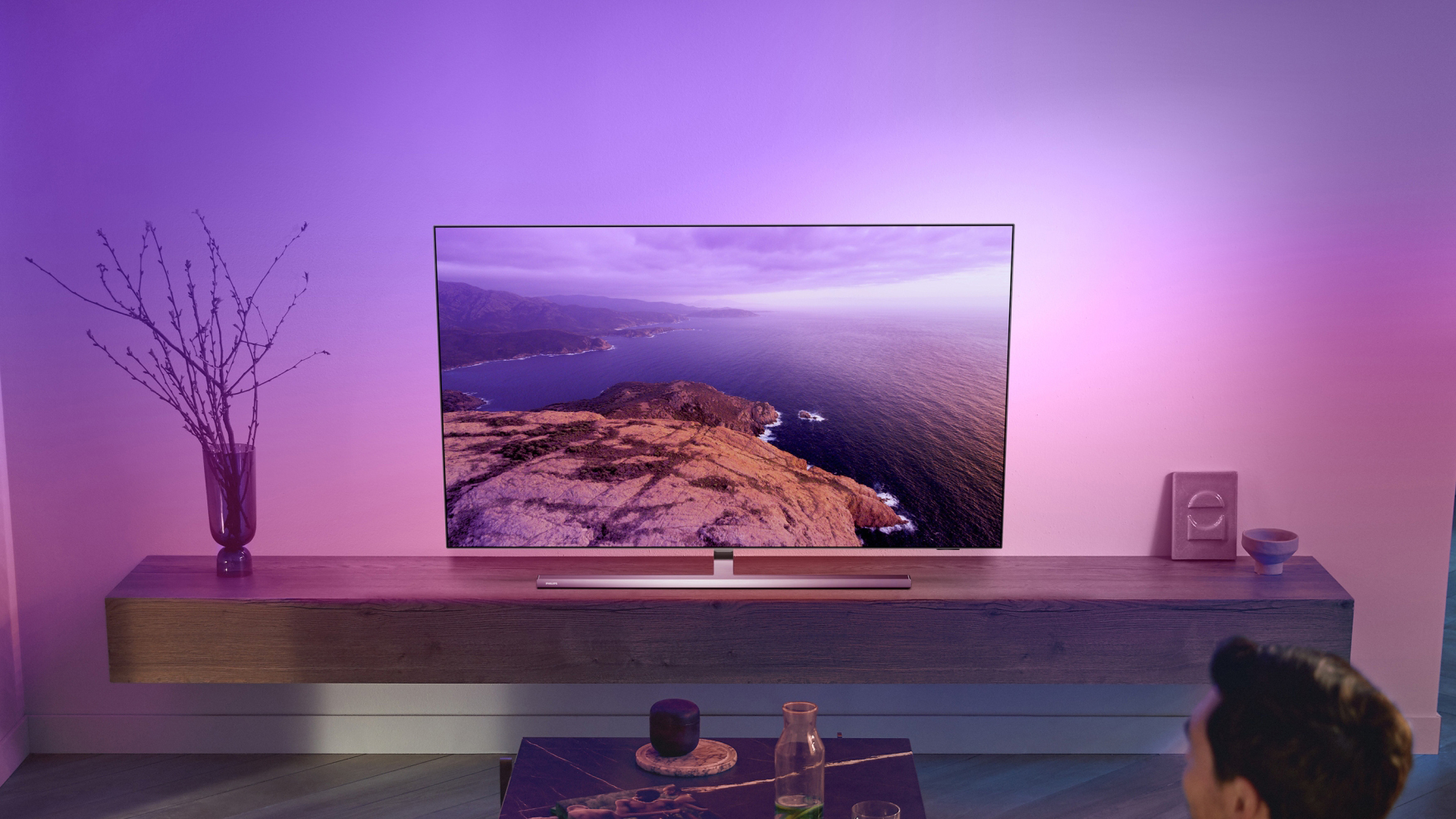
Philips Titan OS presents a redesigned smart TV interface for selected Philips LCD and OLED models.
Titan OS is not a single television but an important Philips TV platform to understand if you are comparing the brand’s LCD and selected OLED ranges.
It partially replaces Android TV and Google TV on certain Philips series, with a user interface built around cross-platform search, casting, and cloud-updated applications rather than local app storage.
The source also makes clear that Philips is using the platform to gain more independence from Google’s advertising ecosystem, so buyers should see it as both a usability decision and a wider platform strategy.
Best for: Philips buyers comparing smart TV platforms
- Cross-platform search support
- Casting support
- Cloud-updated applications
- User-friendly interface emphasis
Verdict: Titan OS is worth considering if you like Philips hardware but want to understand how its newer smart TV experience differs from Android TV and Google TV.

2. Loewe We.SEE 42 OLED: A Compact Luxury TV With Premium Features in a 42-Inch Design
The Loewe We.SEE 42 OLED brings an Ultra HD OLED panel and Vidaa-based smart platform to a compact screen size.
The Loewe We.SEE 42 OLED stands out because it brings the brand’s premium approach into a compact 42-inch format.
The source positions it as a strong fit for bedrooms, kitchens, nurseries, studies, and other spaces where a larger luxury screen would be impractical.
It runs We.by Loewe OS9, based on the Vidaa platform, and includes direct access through the Vidaa Store to services such as Netflix, Amazon Prime Video, Movistar+, and YouTube. Its Ultra HD OLED panel supports high-dynamic-range video including Dolby Vision, making it a compact TV aimed at buyers who do not want to give up OLED presentation in a smaller room.
Best for: Premium small-room OLED installations
- Compact 42-inch OLED format
- We.by Loewe OS9 based on Vidaa
- Dolby Vision support
- Quick access to picture, HDR, input lag, and audio settings
Verdict: The We.SEE 42 OLED is the most compelling option here for anyone seeking a compact television with a luxury design brief and OLED panel technology.
3. Samsung QN88C: A great option for both gamers and cinephiles
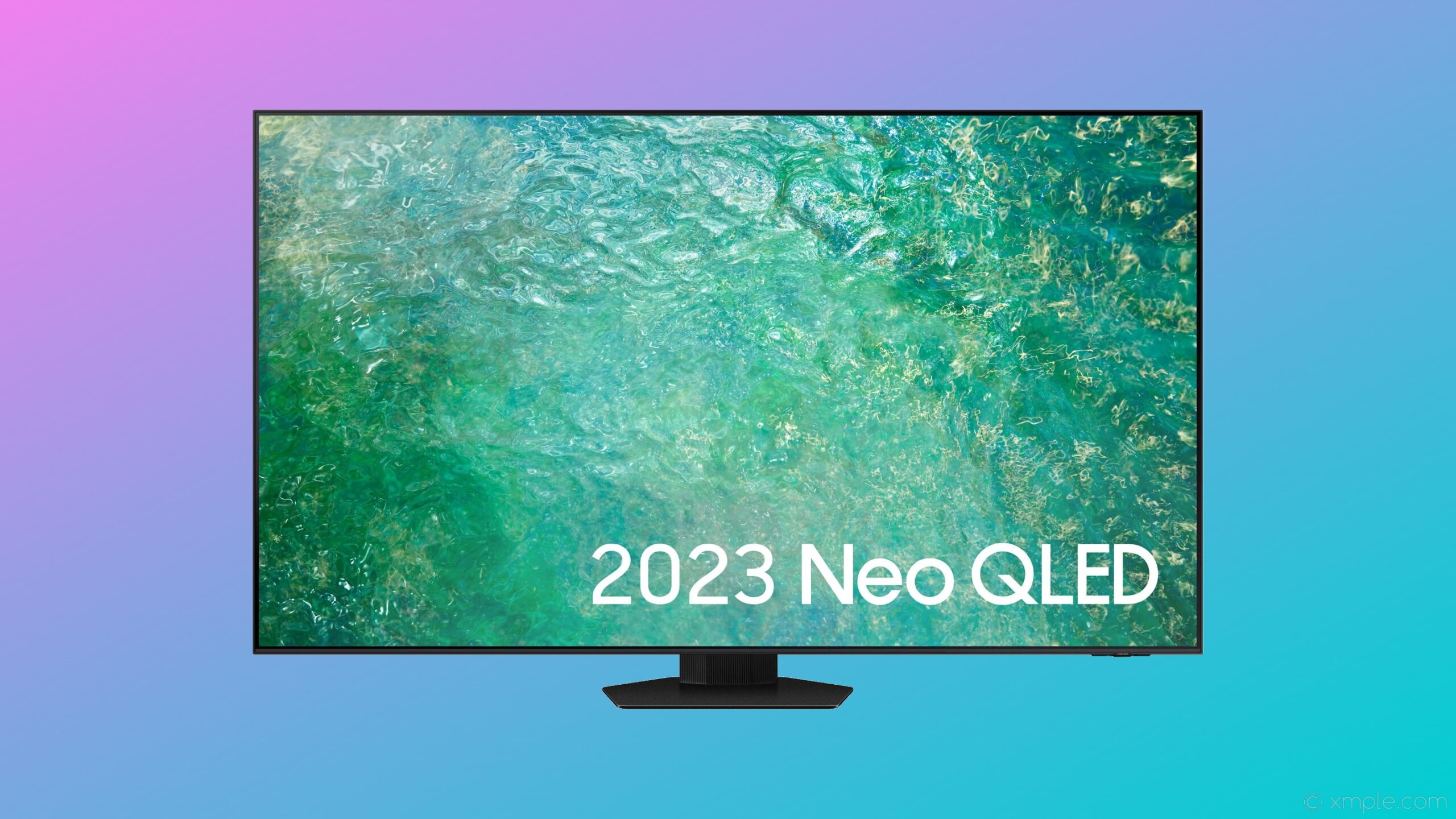
Samsung QN88C uses Mini LED backlighting in a thin NeoSlim chassis.
The Samsung QN88C is described as an entry-level Neo QLED series using Mini LED backlighting, which gives it a stronger black-level and HDR brightness foundation than traditional full-array backlighting in the source’s account.
Its Mini LED system is highlighted for better black depth than expected from a QLED TV, while also avoiding the image-retention concerns associated with OLED.
The NeoSlim design keeps the set very thin, although the article notes that this model does not include Samsung’s One Connect Box.
Best for: Bright-room movie and gaming use without OLED retention concerns
- Mini LED backlighting
- Strong black depth for QLED
- Immune to image retention
- Slim NeoSlim design
Verdict: The QN88C is a sensible choice for buyers who want Mini LED contrast benefits and a slim Samsung design without stepping into OLED.

4. LG UN73006: A decent and affordable TV
LG UN73006 is an IPS-based TV suited to wider seating positions and everyday viewing.
The LG UN73006 is presented as a versatile, affordable TV with clear limitations.
Its IPS panel gives it a good viewing angle, it handles glare well, and it is bright enough for rooms with medium light levels.
The source also notes low input latency and a fast enough response time, which helps for general gaming and PC-style use. Its weaknesses are equally important: poor contrast, poor black uniformity, no local dimming, modest HDR impact, no wide color gamut, and no variable refresh rate support.
Best for: Everyday viewing in moderately lit rooms
- Good viewing angle
- Handles glare well
- Low input latency
- Useful as a PC monitor
Verdict: The UN73006 is practical for TV programs, sports, casual gaming, and PC use, but it is not the right pick for dark-room films or demanding HDR viewing.
5. Panasonic Z85A: An excellent TV for gaming enthusiasts and movie lovers alike.
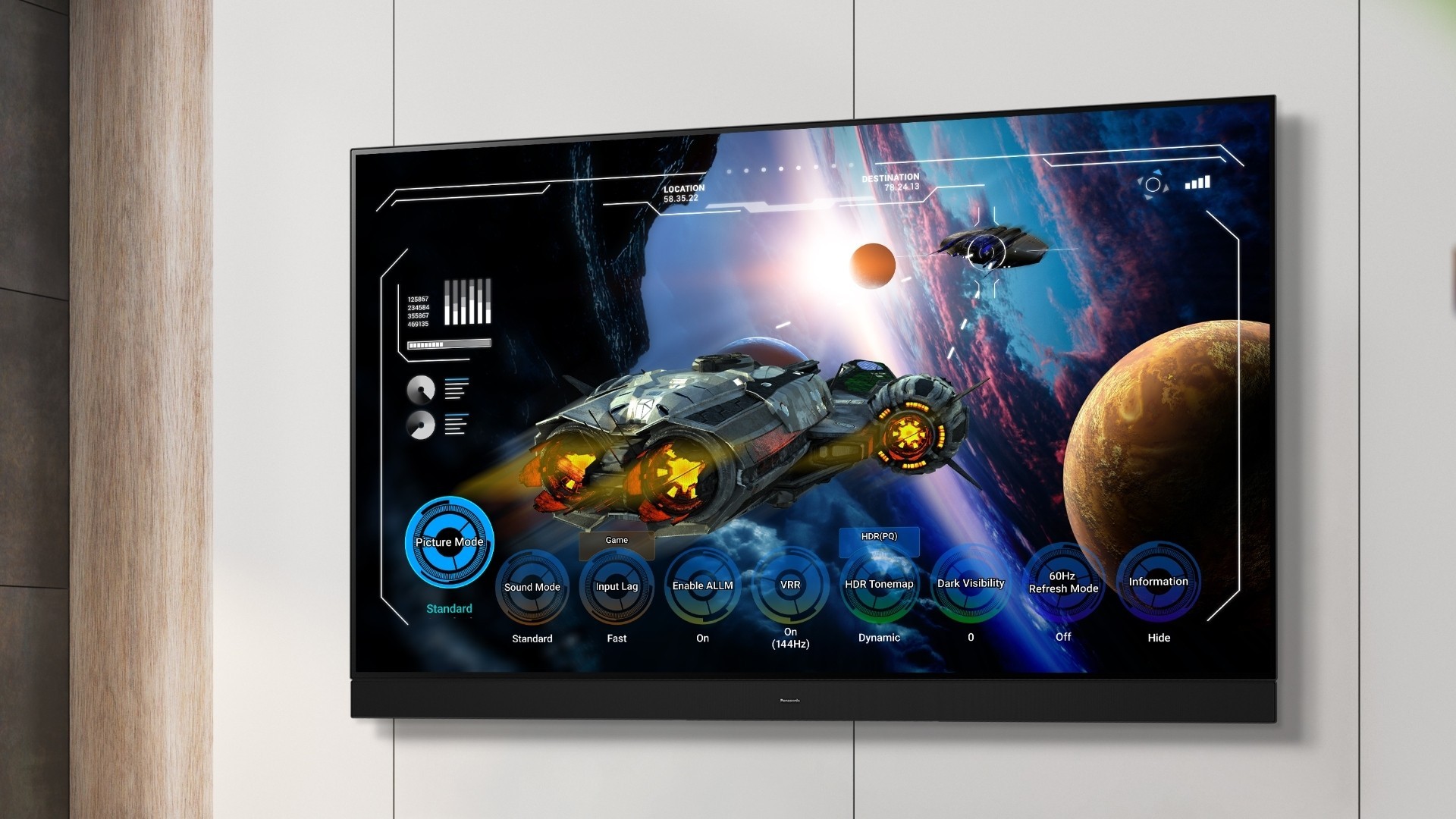
Panasonic Z85A combines a WOLED panel with HDMI 2.1 gaming features and Fire TV OS.
The Panasonic Z85A is a standard WOLED model positioned below Panasonic’s MLA OLED flagship and against other mainstream OLED competitors.
Its feature set is broad: HDMI 2.1 ports, 4K 120Hz support, compatibility with all VRR technologies mentioned in the source, Dolby Vision, HDR10+, Fire TV OS, Alexa, AirPlay, and Panasonic’s HCX Pro AI Processor MK II.
The processor is described as analyzing content to adjust colors, clarity, contrast, and sound, while the 50-watt 2.1-channel audio system gives the set a fuller specification than many slim TVs. Buyers using DTS audio should note that the source says it does not decode DTS formats.
Best for: OLED movie watching and modern console gaming
- WOLED panel
- HDMI 2.1 and 4K 120Hz support
- VRR technology support
- Dolby Vision and HDR10+ support
Verdict: The Z85A is one of the strongest all-rounders in this selection for buyers who want OLED picture quality with a gaming-ready feature set.
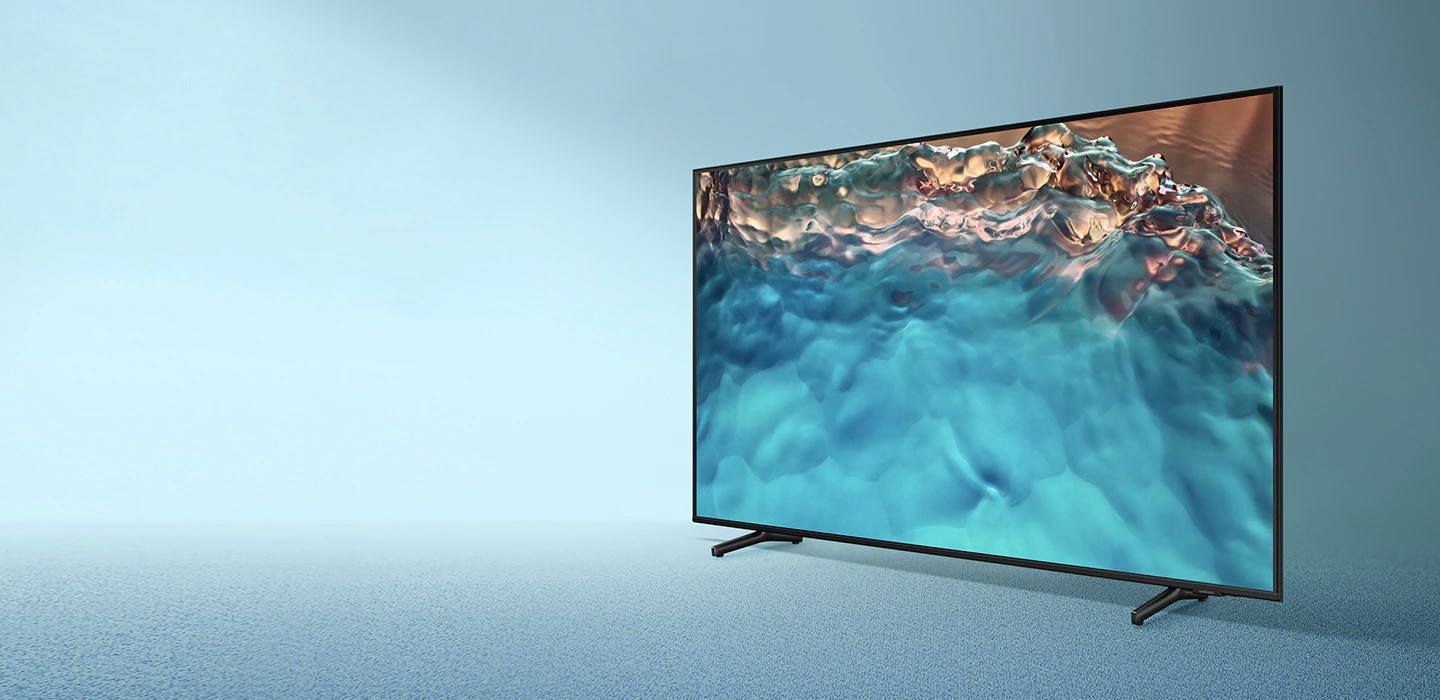
6. Samsung BU8000: Crystal UHD TV that has everything you need
Samsung BU8000 uses the brand’s slim AirSlim design in an economical Crystal UHD range.
The Samsung BU8000 is framed as an economical Crystal UHD option for buyers who want a 4K Samsung TV without demanding premium picture performance.
The source makes clear that the Crystal range sits below Samsung’s QLED and Neo QLED models, so expectations should be realistic.
Its AirSlim design is a major attraction, producing a very thin cabinet that can look especially neat on a wall, while the familiar Samsung styling and cable clips help keep installation tidy.
Best for: Budget-conscious Samsung 4K buyers
- Affordable 4K positioning
- Very slim AirSlim design
- Attractive wall-placement profile
- Cable clips included
Verdict: The BU8000 is best approached as a slim, economical 4K TV for everyday use rather than a substitute for Samsung’s higher-performance QLED lines.
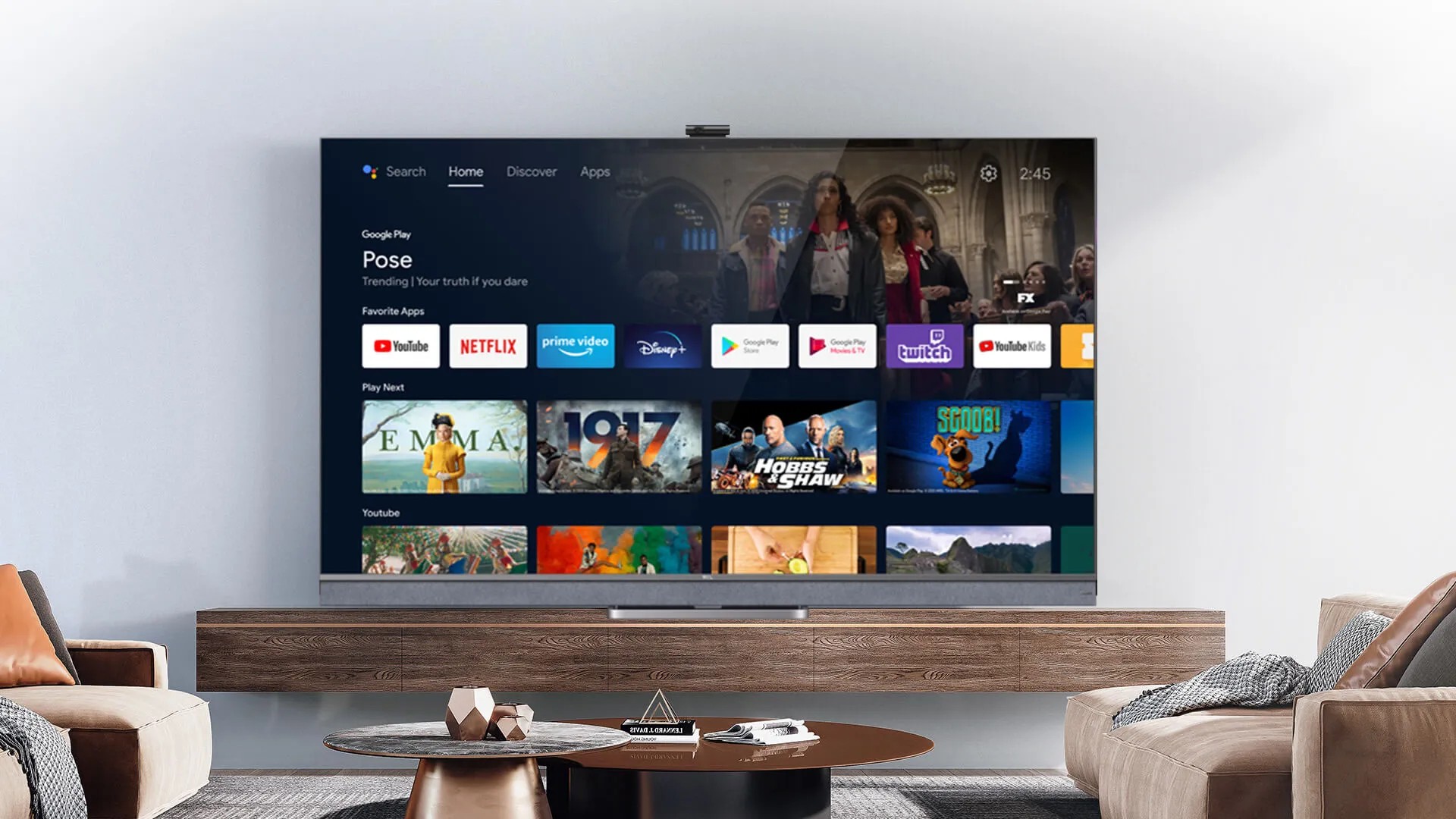
7. TCL 65C825: Great image quality and powerful sound
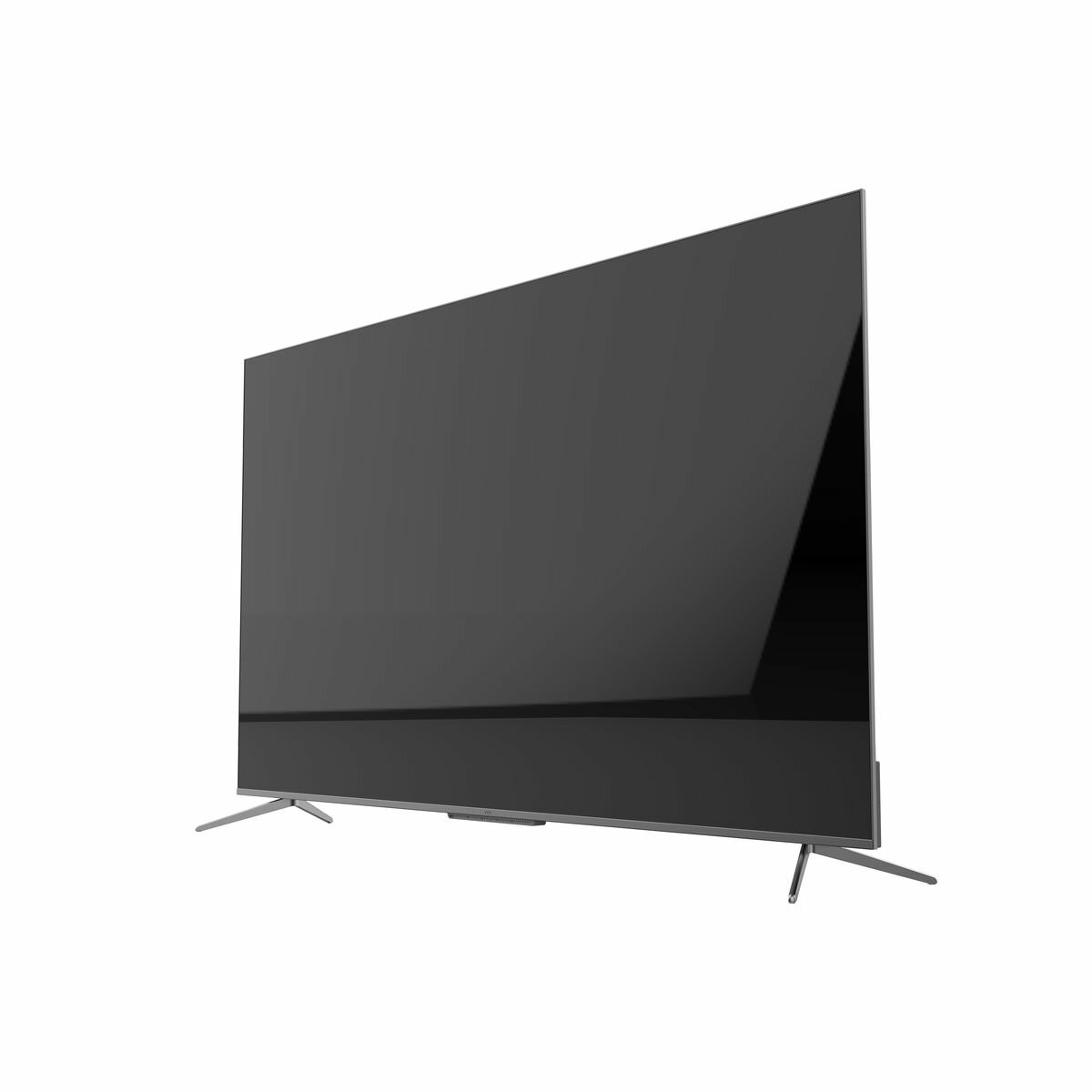
TCL 65C825 is a 65-inch TV with thin bezels, a brushed-aluminum-style chassis, and an emphasis on image and sound.
The TCL 65C825 is described as a more ambitious TCL model, with the source emphasizing image quality, powerful sound, and a more refined physical design than earlier mid-range expectations might suggest.
Its 65-inch size is identified as suitable for large rooms, and the article recommends wall placement to make the most of its thin bezels and more elegant front view.
The brushed-aluminum-color chassis and slim side profile add to its living-room appeal.
Best for: Large-room buyers wanting impact and design polish
- Strong image quality emphasis
- Powerful sound emphasis
- Thin bezels
- 65-inch size for large rooms
Verdict: The TCL 65C825 is a strong candidate for larger spaces where screen presence, slim bezels, and sound output matter as much as the core picture.
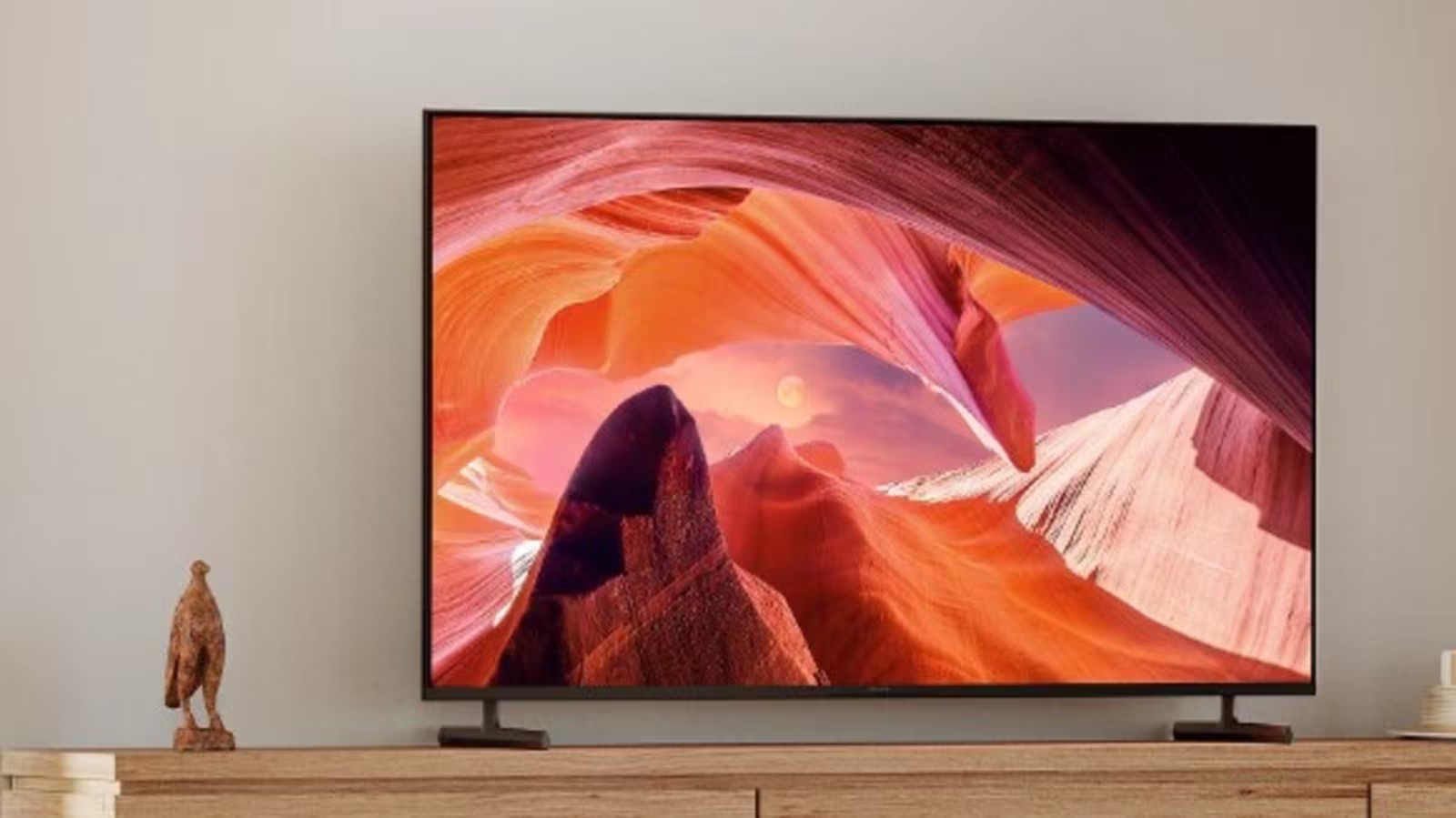
8. Sony X80L: A decent all-around TV
Sony X80L offers a straightforward Bravia design and natural color-focused presentation.
The Sony X80L is described as an entry-level TV that still offers a natural image in terms of color and a design that reflects Sony’s usual attention to appearance.
It is a reasonable choice at its price point in the source, but the trade-offs are clear: gamers may miss support for modern console features, and bright rooms expose the panel’s limited brightness.
It also has a thicker body than many LCD rivals, so it is not the sleekest option in the group.
Best for: General viewing with natural color priorities
- Natural color presentation
- Considered reasonable at its price point
- Sony design attention
- All-around everyday appeal
Verdict: The X80L is a balanced entry-level Sony for everyday viewing, provided you do not need advanced gaming support or high brightness for very bright rooms.
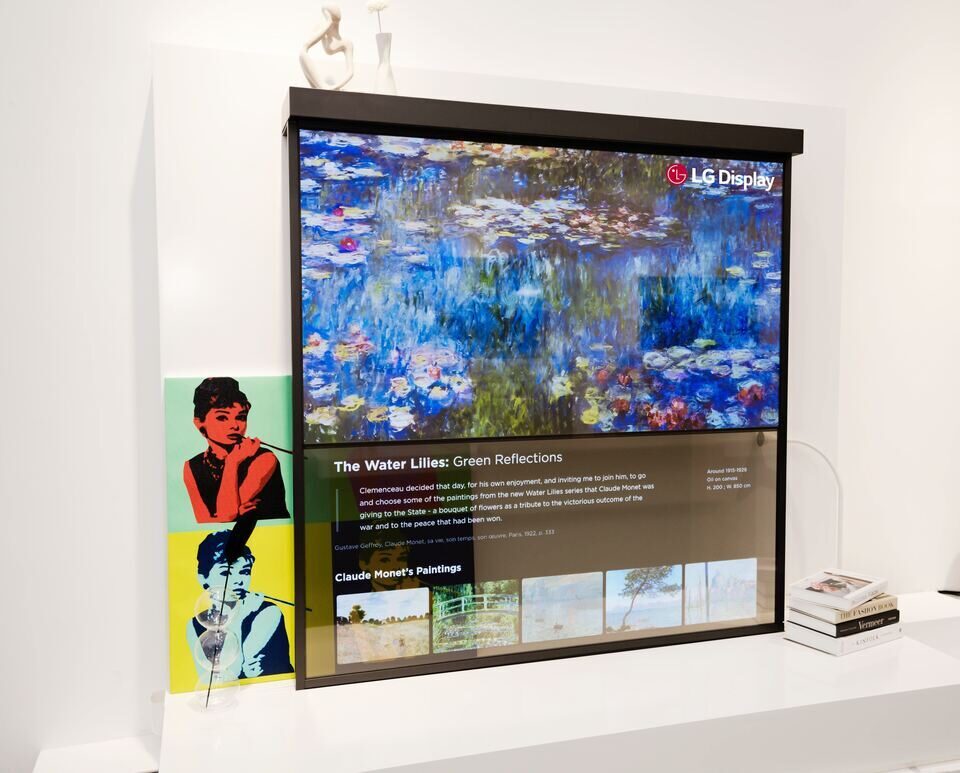
9. LG Showcase Lineup of Transparent OLED Screen Concepts at CES
LG’s transparent OLED concepts explore displays that can show content while still revealing objects or images behind the screen.
LG’s transparent OLED screen concepts are not conventional living-room TV recommendations, but they are useful context for buyers following the future of display design.
The OLED Shelf concept uses two 55-inch transparent screens stacked vertically with a shelf above, allowing an image on one display and related information on the other.
LG also describes commercial concepts such as Shopping Managing Showcase, Show Window, and Smart Window, aimed at retail, exhibition, education, advertising, and meeting-room use. For the home, the key idea is that a picture or object can remain visible behind the transparent screen when the display is off.
Best for: Design-led installations and display-concept research
- Transparent OLED concept designs
- Home and commercial applications
- OLED Shelf uses two 55-inch screens
- Designed for continuous operation
Verdict: LG’s transparent OLED concepts are most relevant to buyers planning unusual home or commercial installations rather than anyone shopping for a standard TV.
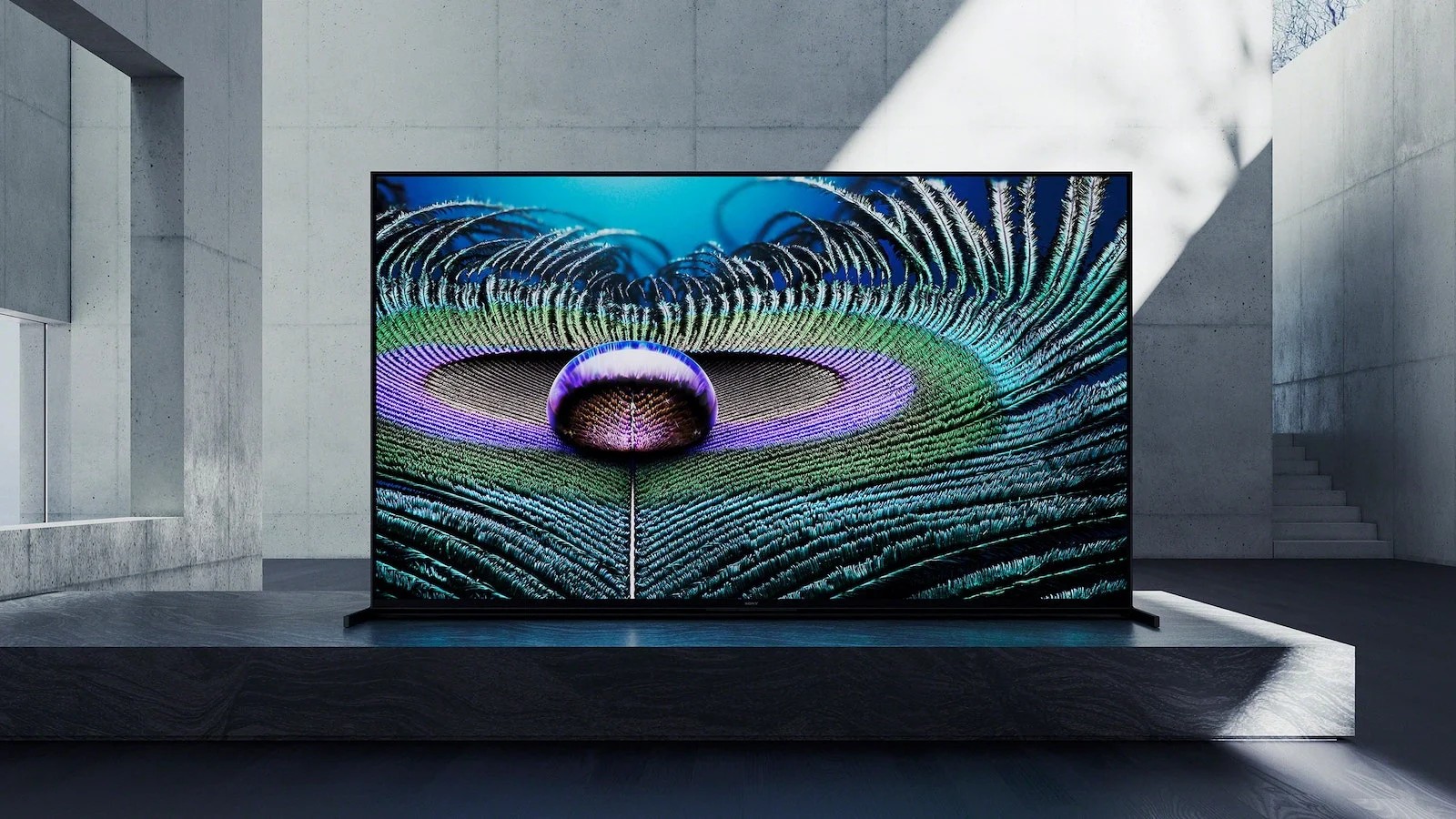
10. Sony Z9J: Insane Hyper-realistic 8K TV with cognitive intelligence
Sony Z9J is an 85-inch 8K Bravia model with a premium metal-rimmed design and flexible stand placement.
The Sony Z9J is the most ambitious large-screen Sony model in this selection, centered on an 85-inch 8K Bravia display.
The source describes it as one of Sony’s most advanced televisions, with a premium titanium silver and titanium black design, a metal rimless surface, and a stand with standard, narrow, and soundbar positions.
It is large and heavy, so installation planning matters, but it also offers a strong connectivity package and a design intended for a serious living-room entertainment setup.
Best for: Large premium rooms built around a flagship screen
- 85-inch 8K display
- Premium metal rimless design
- Three-position stand
- Strong connectivity emphasis
Verdict: The Z9J is the scale-and-status option here, best suited to buyers who can accommodate a very large, heavy 8K Sony centerpiece.
Quick comparison
This selection is deliberately broad: it includes mainstream budget TVs, premium OLEDs, Mini LED and 8K models, a smart TV platform, and transparent OLED concepts.
The distinctions below focus only on the high-level differences supported by the supplied material.
| Product | Best for | Verdict |
|---|---|---|
| Titan OS: Everything you need to know about the new OS on Philips TVs | Philips buyers comparing operating systems | A platform choice rather than a TV model, centered on cross-platform search, casting, and cloud-updated apps. |
| Loewe We.SEE 42 OLED: A Compact Luxury TV With Premium Features in a 42-Inch Design | Compact premium OLED rooms | A 42-inch OLED for smaller spaces where design and premium positioning matter. |
| Samsung QN88C: A great option for both gamers and cinephiles | Mini LED without OLED retention concerns | A thin Neo QLED model with Mini LED backlighting and stronger black-depth ambitions than typical QLED expectations. |
| LG UN73006: A decent and affordable TV | Everyday viewing and casual gaming | A value-oriented IPS TV with good viewing angles and glare handling, but limited dark-room and HDR performance. |
| Panasonic Z85A: An excellent TV for gaming enthusiasts and movie lovers alike. | OLED movies and console gaming | A WOLED TV with HDMI 2.1, 4K 120Hz, VRR support, Dolby Vision, HDR10+, and Fire TV OS. |
| Samsung BU8000: Crystal UHD TV that has everything you need | Slim budget 4K installations | An economical Crystal UHD model whose appeal is strongest in its thin AirSlim design and Samsung 4K positioning. |
| TCL 65C825: Great image quality and powerful sound | Large rooms needing visual and audio impact | A 65-inch TCL with thin bezels, a polished chassis, and an emphasis on image quality and sound. |
| Sony X80L: A decent all-around TV | General Sony viewing with natural color | A reasonable entry-level Bravia option, limited by panel brightness and lack of modern console features. |
| LG Showcase Lineup of Transparent OLED Screen Concepts at CES | Commercial, design-led, and experimental installations | A set of transparent OLED concepts rather than a conventional TV purchase. |
| Sony Z9J: Insane Hyper-realistic 8K TV with cognitive intelligence | Very large premium viewing rooms | An 85-inch 8K Sony model with a premium physical design and serious installation demands. |
Frequently asked questions
Should I choose OLED, Mini LED, or a basic LCD TV?
Use the room and content as the starting point.
OLED models such as the Loewe We.SEE 42 OLED and Panasonic Z85A are the clearest fit here for buyers prioritizing premium picture technology, while the Samsung QN88C offers Mini LED backlighting and avoids OLED image-retention concerns.
More affordable LCD options such as the LG UN73006, Samsung BU8000, and Sony X80L are better judged as practical everyday TVs, not as dark-room cinema specialists.
Which options in this selection make the most sense for gaming?
The Panasonic Z85A has the strongest gaming specification in the supplied material, with HDMI 2.1, 4K 120Hz, and VRR support.
The Samsung QN88C is also presented as suitable for gamers and cinephiles, while the LG UN73006 has low input latency but lacks variable refresh rate support.
The Sony X80L is not ideal for players who want modern console features.
How much should screen size influence the choice?
Screen size should follow the room, not the other way around.
The Loewe We.SEE 42 OLED is specifically positioned for smaller rooms such as bedrooms, kitchens, nurseries, and studies.
The TCL 65C825 is described as suitable for large rooms, while the Sony Z9J is an 85-inch, heavy premium model that requires careful placement planning.
Does the smart TV operating system matter?
Yes, especially if you use built-in apps rather than an external streamer.
Philips Titan OS focuses on cross-platform search, casting, and cloud-updated applications.
Loewe’s We.SEE 42 OLED runs We.by Loewe OS9 based on Vidaa, while the Panasonic Z85A uses Fire TV OS with Alexa and AirPlay support. The best platform is the one that provides the services and control style you actually use.
How to choose from this TV selection
Start by separating product type from purchase intent.
Titan OS is a smart TV platform to understand if you are considering selected Philips models, while LG’s transparent OLED concepts are more about design direction and specialized installations than ordinary TV shopping.
The remaining entries are conventional TVs, but they serve very different priorities. For compact premium spaces, the Loewe We.SEE 42 OLED is the clearest fit because the source specifically frames it as a luxury 42-inch OLED for rooms where larger screens are unnecessary. For the strongest combination of OLED movie use and modern gaming features, the Panasonic Z85A stands out with WOLED, HDMI 2.1, 4K 120Hz, VRR support, Dolby Vision, HDR10+, Fire TV OS, Alexa, AirPlay, and a 2.1-channel audio system. If you want contrast benefits without OLED retention concerns, the Samsung QN88C’s Mini LED Neo QLED approach is the more relevant direction. Budget and everyday buyers should be more pragmatic. The Samsung BU8000 is about slim design and economical 4K ownership within Samsung’s Crystal UHD range. The LG UN73006 is useful for wider viewing angles, glare handling, casual gaming, and PC use, but its dark-room film and HDR limitations are clearly stated. The Sony X80L is a reasonable all-around Bravia with natural color, yet it is not the best answer for bright rooms or advanced gaming features. For larger rooms, the TCL 65C825 and Sony Z9J sit at very different levels of ambition. The TCL offers a 65-inch format with an emphasis on image quality, powerful sound, thin bezels, and a polished chassis. The Sony Z9J is the extreme large-screen option: an 85-inch 8K model with premium construction and demanding size and weight considerations. Choose it only if the room, furniture, mounting plan, and viewing habits justify a screen of that scale.