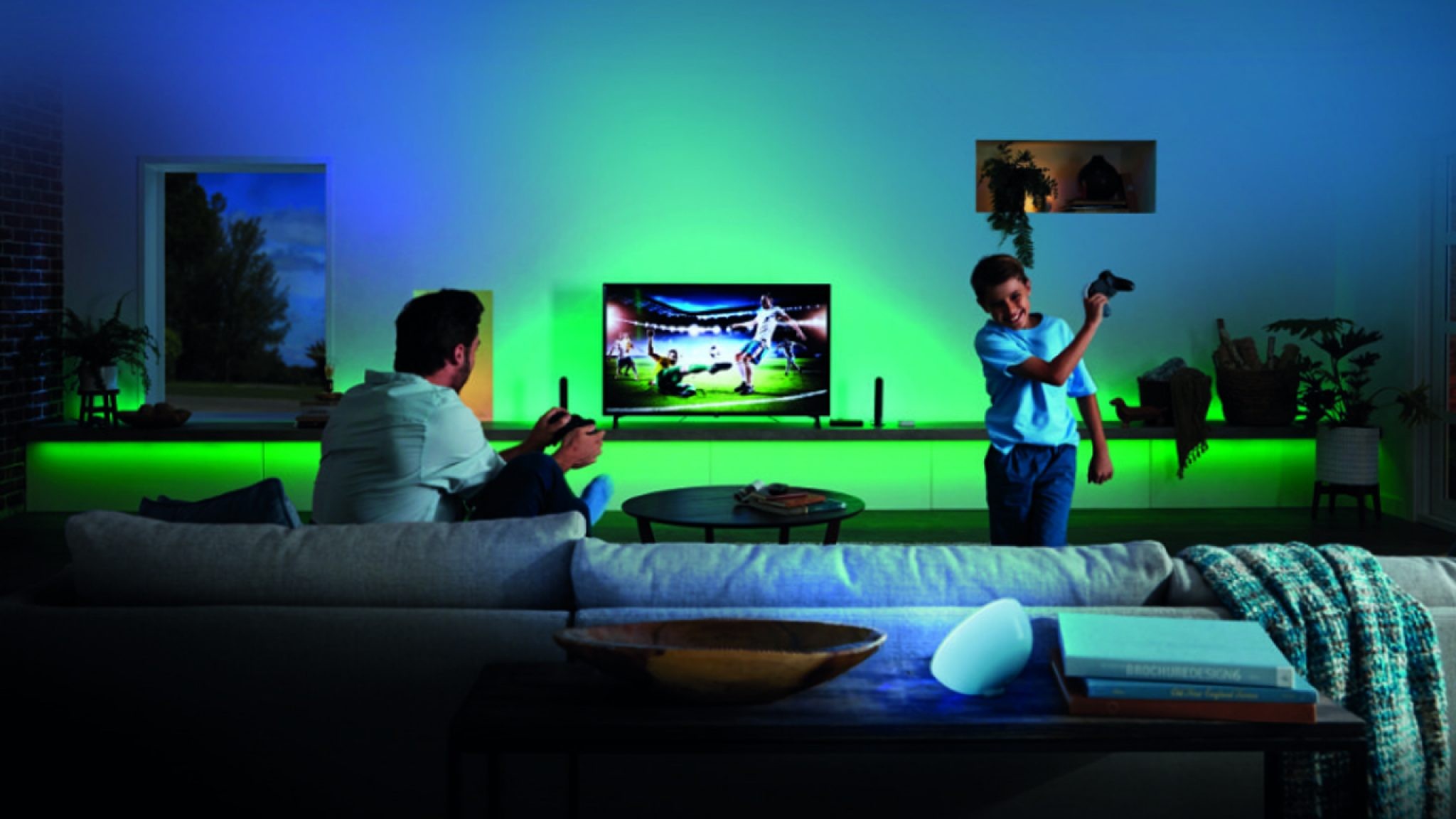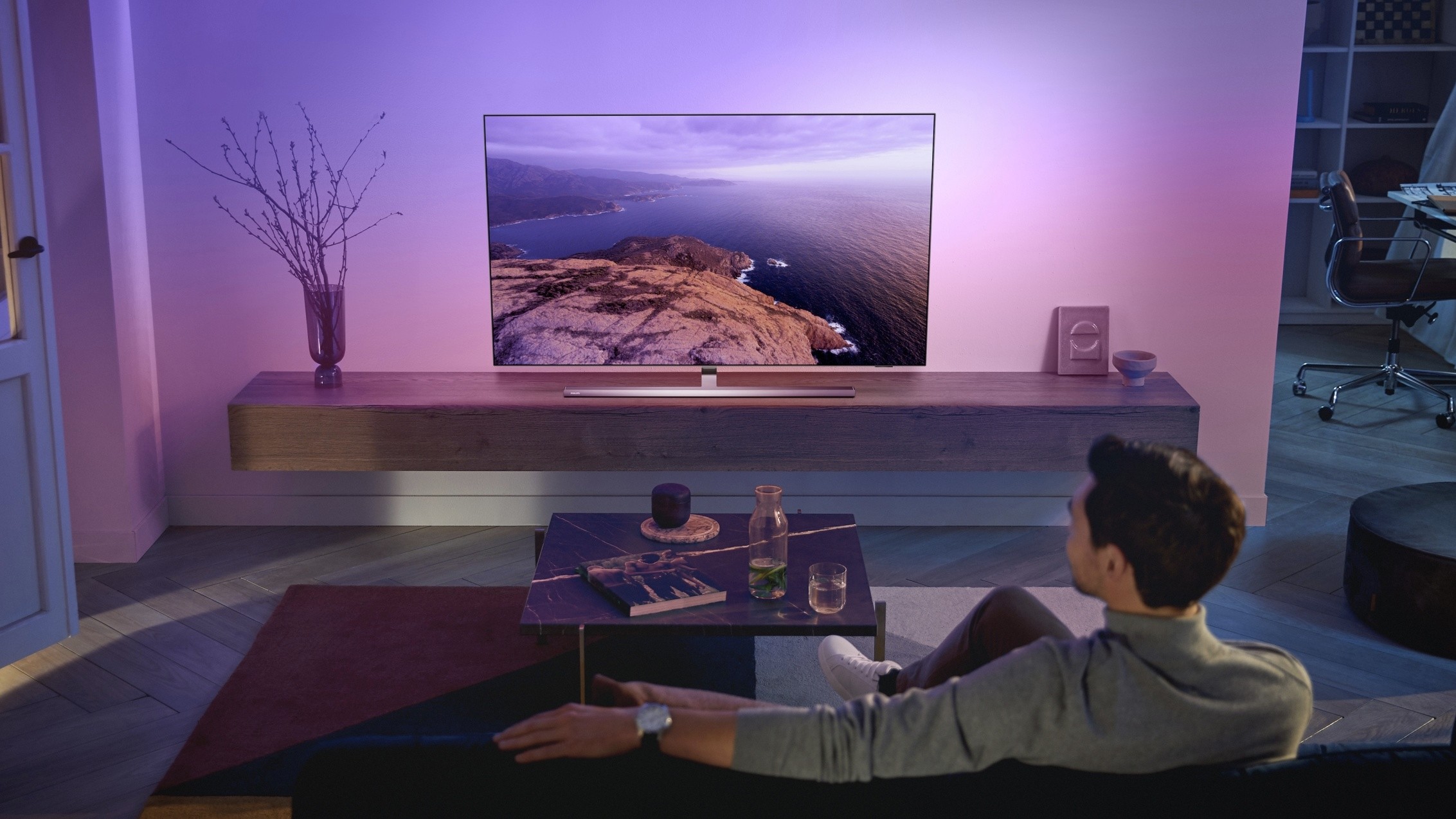
Choosing a TV is less about chasing a single universal winner and more about matching display technology, design, software, sound and room conditions to the way the screen will actually be used.
The source material here ranges from OLED and Mini LED televisions to TV-platform coverage and one non-TV audio product, so this guide separates true television candidates from contextual entries rather than pretending every article belongs on the same shopping list.
Mini LED and QLED-based models in this selection are the clearest fit for viewers who need strong brightness, contrast management and everyday flexibility. OLED entries lean toward cinematic picture priorities, premium design and integrated audio approaches, while budget and comparison articles help identify practical compromises such as refresh-rate limitations, interface differences and gaming features. Because this is an evergreen recommendation guide, the emphasis is on durable buying distinctions: bright-room performance, OLED versus Mini LED behavior, living-room installation, gaming readiness, smart-TV platform features and value positioning. Specifications and claims are limited to the supplied source material, with non-TV entries clearly marked so they do not distort the recommendations.

1. Samsung Neo QLED TV Comparison
Samsung Neo QLED TVs use Mini LED backlighting and image-processing features aimed at improving brightness, contrast and perceived depth.
Samsung’s Neo QLED range is represented here as a family comparison rather than a single model recommendation.
The useful takeaway is that these Mini LED sets focus on higher brightness, stronger contrast, improved color levels and image-processing features such as intelligent scaling, Real Depth Enhancer Pro and automatic HDR remastering.
The article is most helpful for buyers choosing between Samsung Neo QLED series rather than shoppers who have already settled on a specific screen size or price point.
Best for: Bright-room Samsung TV buyers comparing Neo QLED series
- Mini LED backlighting
- Brightness and contrast upgrades
- Intelligent scaling features
- Tizen smart-TV platform
Verdict: A strong reference point for buyers who want Samsung’s Mini LED approach and need to understand how the Neo QLED lines differ before narrowing the shortlist.
2. Antelope Audio launches Atlas i8 active studio monitors
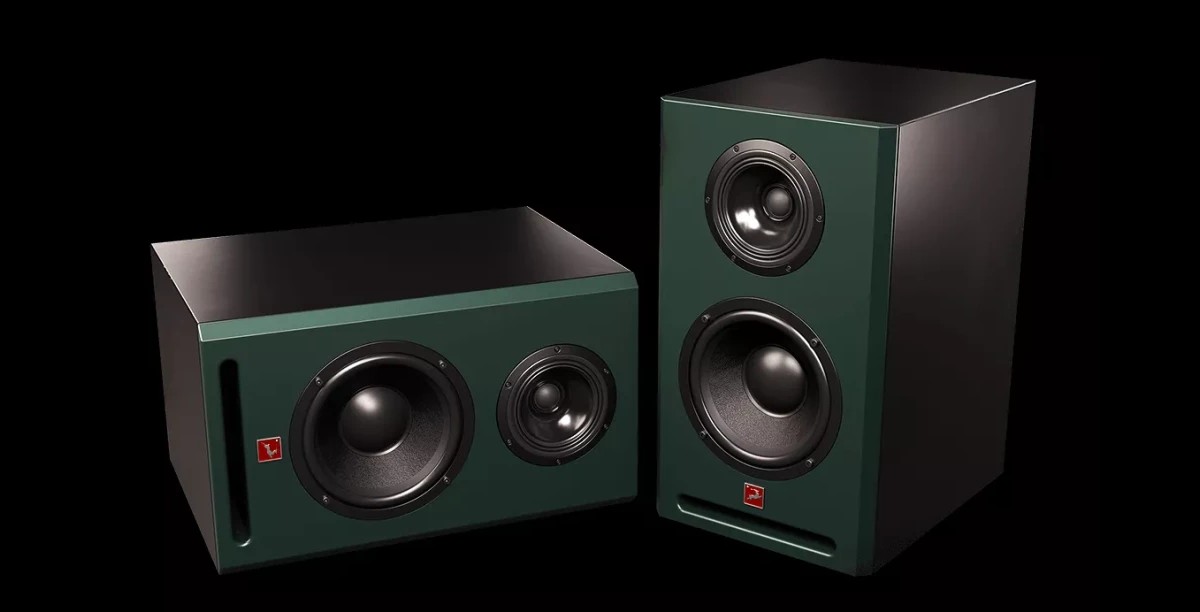
The Antelope Audio Atlas i8 is an active studio monitor, not a television, with integrated amplification and digital signal processing.
This entry is not a TV recommendation.
The Antelope Audio Atlas i8 is an active studio monitor with a three-way design, dual 8-inch woofers in an isobaric configuration, a coaxial midrange and tweeter, built-in Class D amplification, digital crossover processing and AES/EBU plus analog inputs.
It belongs in a studio-audio discussion, not a television buying guide, but it may be relevant only for readers considering professional audio equipment separately from a TV system.
Best for: Studio monitoring rather than TV shopping
- Three-way active monitor design
- Built-in Class D amplification
- Digital crossover with equalizer
- AES/EBU and analog inputs
Verdict: Exclude it from a TV shortlist, but consider it relevant context for professional audio production setups.
3. Beovision Contour 55: Impressive OLED TV from Bang & Olufsen
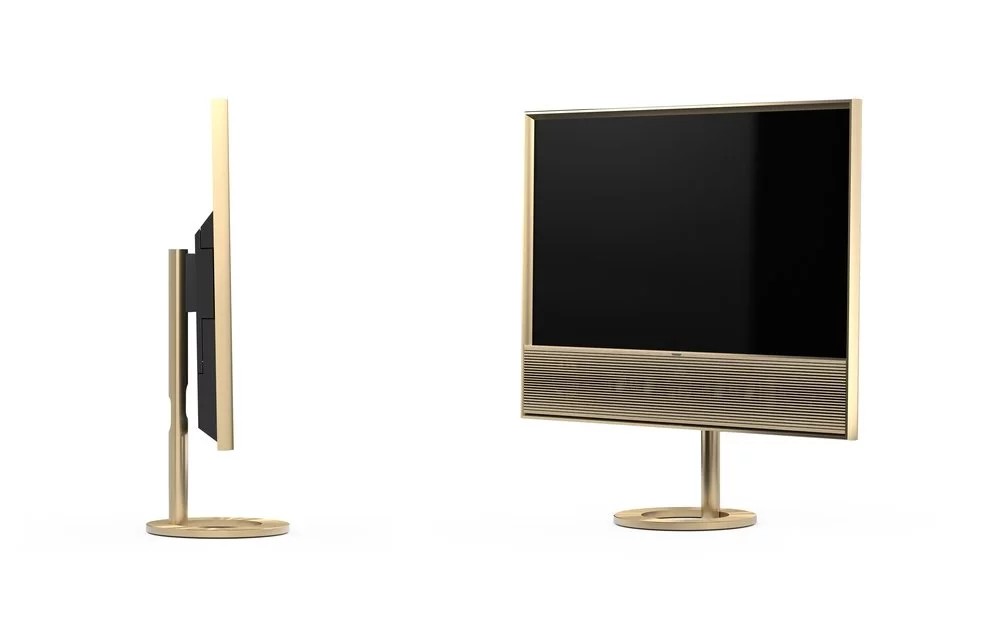
Beovision Contour combines an OLED television with Bang & Olufsen materials, placement options and an integrated Beosound Stage audio system.
Bang & Olufsen’s Beovision Contour is a design-led OLED television built around premium materials, flexible placement and an integrated audio system.
The source describes an LG OLED TV framed by Bang & Olufsen design work and paired with a Beosound Stage soundbar, including AirPlay 2, Chromecast, Bluetooth and an 11-speaker Dolby Atmos system rated at 450 watts.
It is best understood as a luxury living-room solution where the cabinet, remote, soundbar and installation options matter as much as the panel technology.
Best for: Design-conscious rooms needing premium integrated sound
- OLED panel
- Integrated Beosound Stage soundbar
- Dolby Atmos speaker system
- Wall, floor or cabinet placement
Verdict: A compelling lifestyle OLED choice for buyers who want a refined object and serious built-in audio rather than a conventional standalone TV.
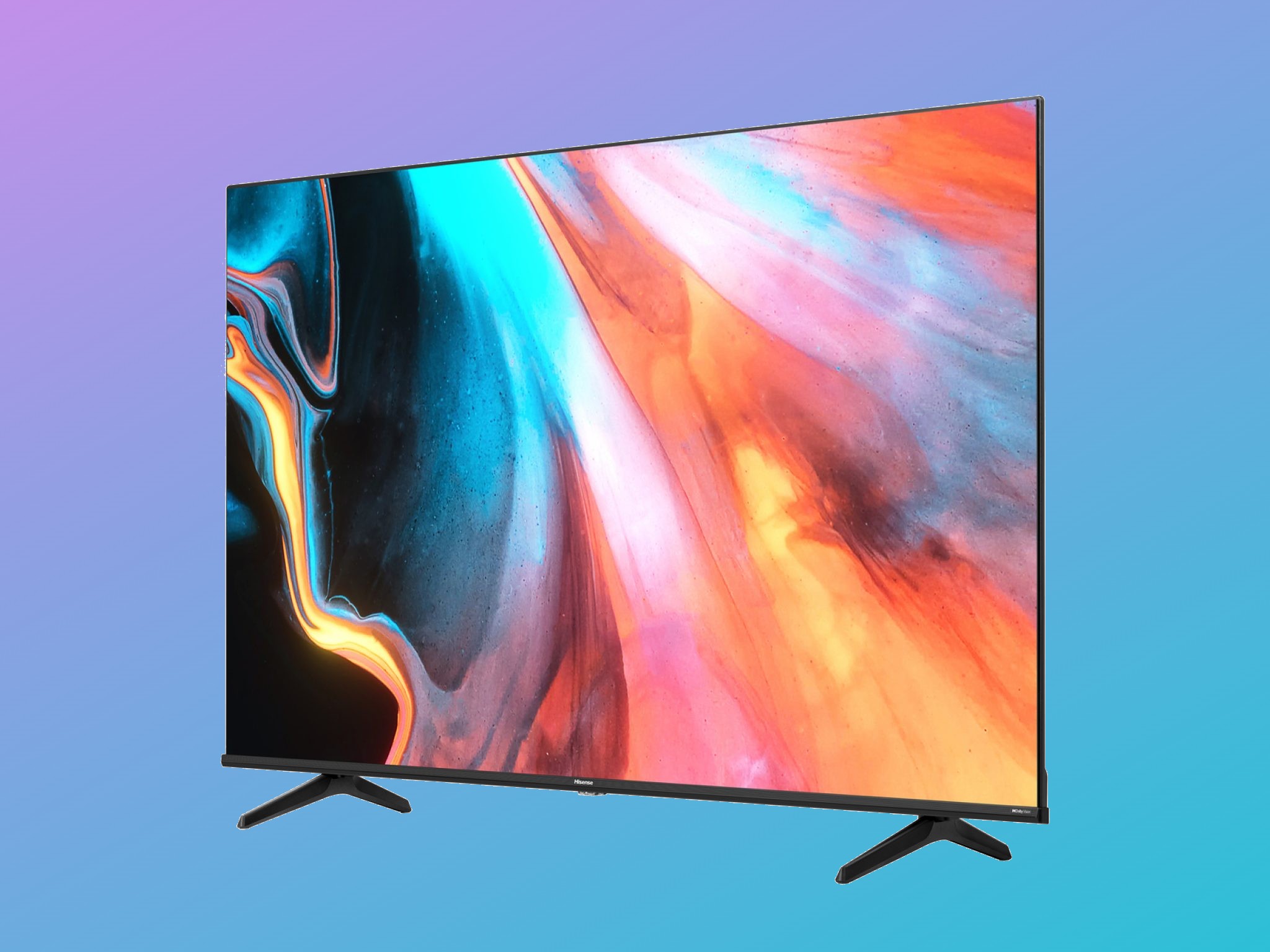
4. Hisense E7HQ: Restrained and very economical Smart TV
The Hisense E7HQ uses a restrained dark-grey and black design with slim framing, QLED technology and wall-mount compatibility.
The Hisense E7HQ is framed as a restrained, economical smart TV that looks simple but includes features beyond the basic category expectation.
The source highlights QLED technology, generous native contrast, a game mode, a bezel-light design, VESA wall-mount compatibility and good plastic finishing with rounded edges.
It is not presented as a flawless set, and the source notes that there are negative points, including the absence of an analog tuner, so it suits practical buyers who value core features and low visual fuss.
Best for: Value-focused everyday viewing with some gaming use
- QLED technology
- Generous native contrast
- Game mode included
- VESA wall-mount support
Verdict: A sensible economical smart TV option when QLED picture features and clean design matter more than premium build or legacy tuner support.
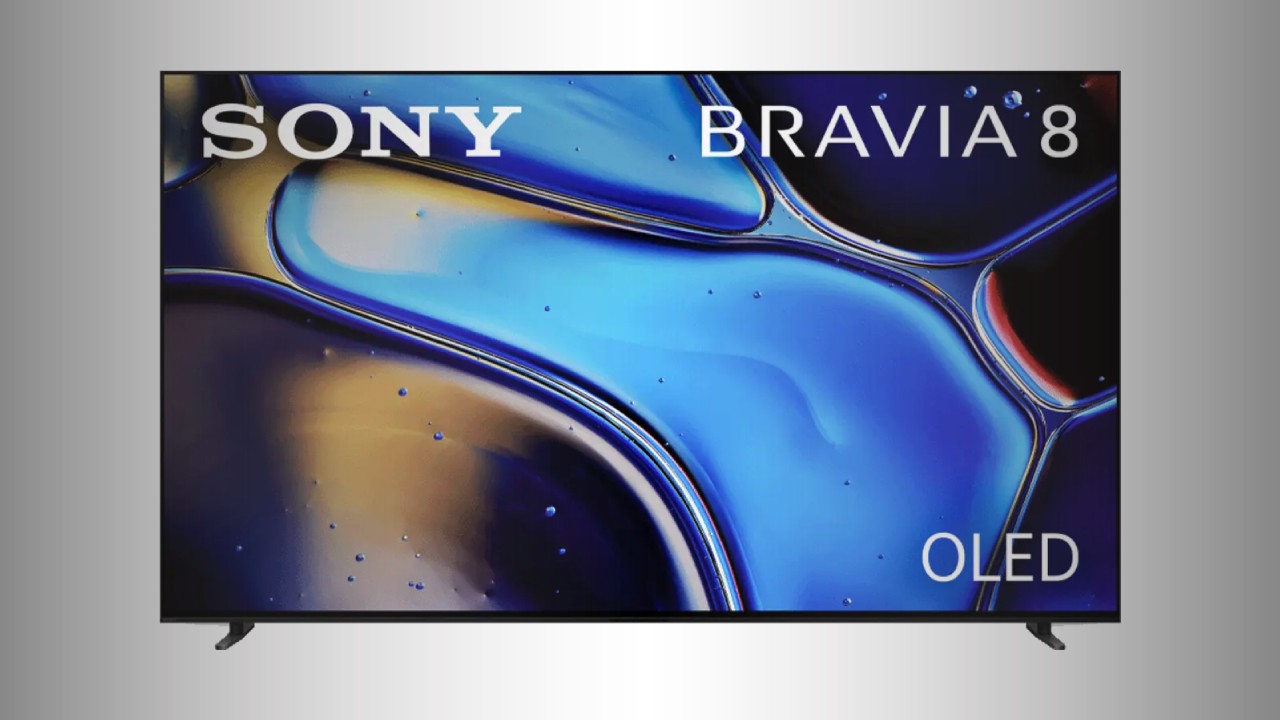
5. Sony Bravia 8: A very good OLED TV!
Sony Bravia 8 features a slim-bezel OLED design with adjustable metal legs that can create space for a soundbar.
Sony’s Bravia 8 is presented as a mid-range OLED successor with refreshed design, enhanced image processing and a reported increase in peak brightness, while deliberately avoiding MLA and QD-OLED panel technologies.
The supplied design notes are practical: slim bezels, two adjustable metal legs with multiple positions, clearance for a soundbar and wall-mount suitability.
The main caveat is size availability, because the source says it is not offered below 55 inches.
Best for: OLED buyers who want Sony processing and flexible stand placement
- OLED panel
- Enhanced image processing
- Adjustable metal legs
- Soundbar-friendly stand options
Verdict: A strong mid-range OLED candidate if a 55-inch or larger screen fits the room and the absence of MLA or QD-OLED is not a deal-breaker.

6. Samsung QN90F: Mini-LED Mastery at Peak Brightness
Samsung QN90F combines a Mini LED panel, reflection-reducing screen coating, slim framing and a pedestal stand with room for a soundbar.
The Samsung QN90F is the most explicitly brightness-focused Mini LED recommendation in the supplied material.
It is described as delivering exceptional brightness, improved contrast, AI-powered features, enhanced gaming support and a Glare-Free screen coating that reduces reflections.
Design details include a metallic pedestal-style stand with soundbar clearance, slim bezels, cable-management grooves and a SolarCell remote that can charge from indoor light or USB-C.
Best for: Bright rooms, gaming setups and large-screen Samsung buyers
- Mini LED display technology
- Very strong brightness focus
- Glare-Free screen coating
- Enhanced gaming support
Verdict: The QN90F is the clearest choice here for shoppers prioritizing Mini LED brightness, reflection control and broad living-room flexibility.

7. Oppo announces K9x – A 50 inch 4K budget TV
Oppo K9x is a 50-inch budget 4K TV with basic smart-TV hardware and no ads when turning the set on or off.
The Oppo K9x is a budget-positioned 50-inch 4K TV with a very clear compromise profile.
The source notes a 4K screen, quad-core processor, 2 GB of RAM and 16 GB of storage, along with the notable absence of startup and shutdown ads.
It does not support 120 Hz and does not include HDMI 2.1, so it is a better fit for inexpensive 4K viewing than for high-frame-rate gaming or advanced console setups.
Best for: Low-cost 4K viewing where advanced gaming features are not required
- 50-inch 4K screen
- Quad-core processor
- 2 GB RAM and 16 GB storage
- No startup or shutdown ads
Verdict: A straightforward budget 4K option, provided the lack of 120 Hz and HDMI 2.1 is acceptable.
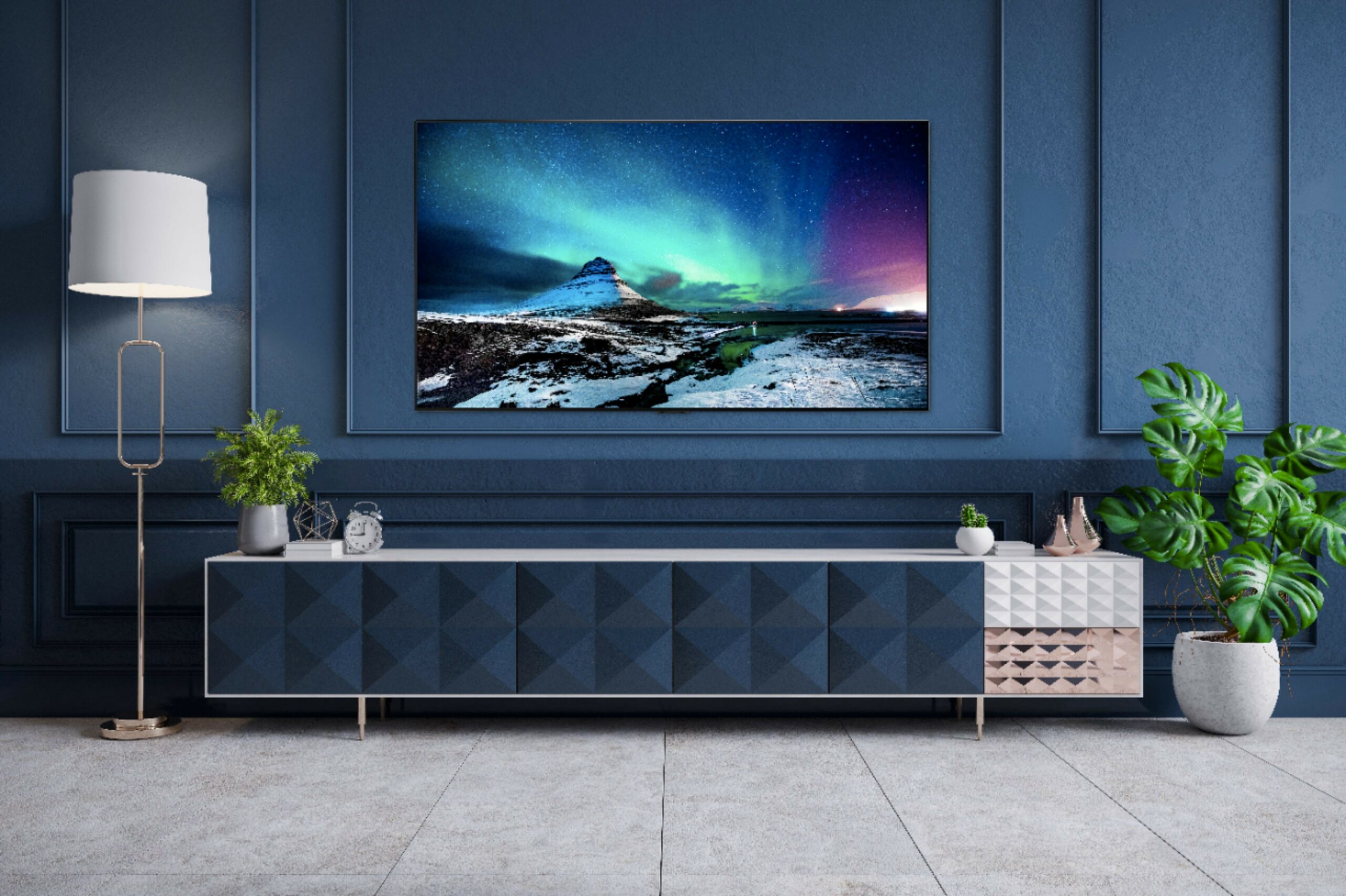
8. Sony A95K, LG G2, Samsung S95B: Guide to the best OLED TV
The OLED comparison covers Sony A95K, LG G2 and Samsung S95B, including QD-OLED and OLED evo display approaches.
This article is a comparison of three premium OLED approaches: Sony A95K and Samsung S95B with QD-OLED technology, and LG G2 with an OLED evo panel and a heatsink.
The source highlights the LG G2’s Gallery-style wall design, slimmer 6 mm frame and lighter composite-fiber construction, while positioning all three as updated OLED technologies for buyers comparing panel types, design and brand implementation.
It is best treated as a decision guide rather than a recommendation for only one model.
Best for: Buyers comparing premium OLED technologies and designs
- QD-OLED options from Sony and Samsung
- LG OLED evo with heatsink
- Gallery-style LG wall design
- Premium OLED comparison focus
Verdict: A useful OLED comparison for deciding between QD-OLED and LG’s OLED evo approach rather than choosing by brand name alone.
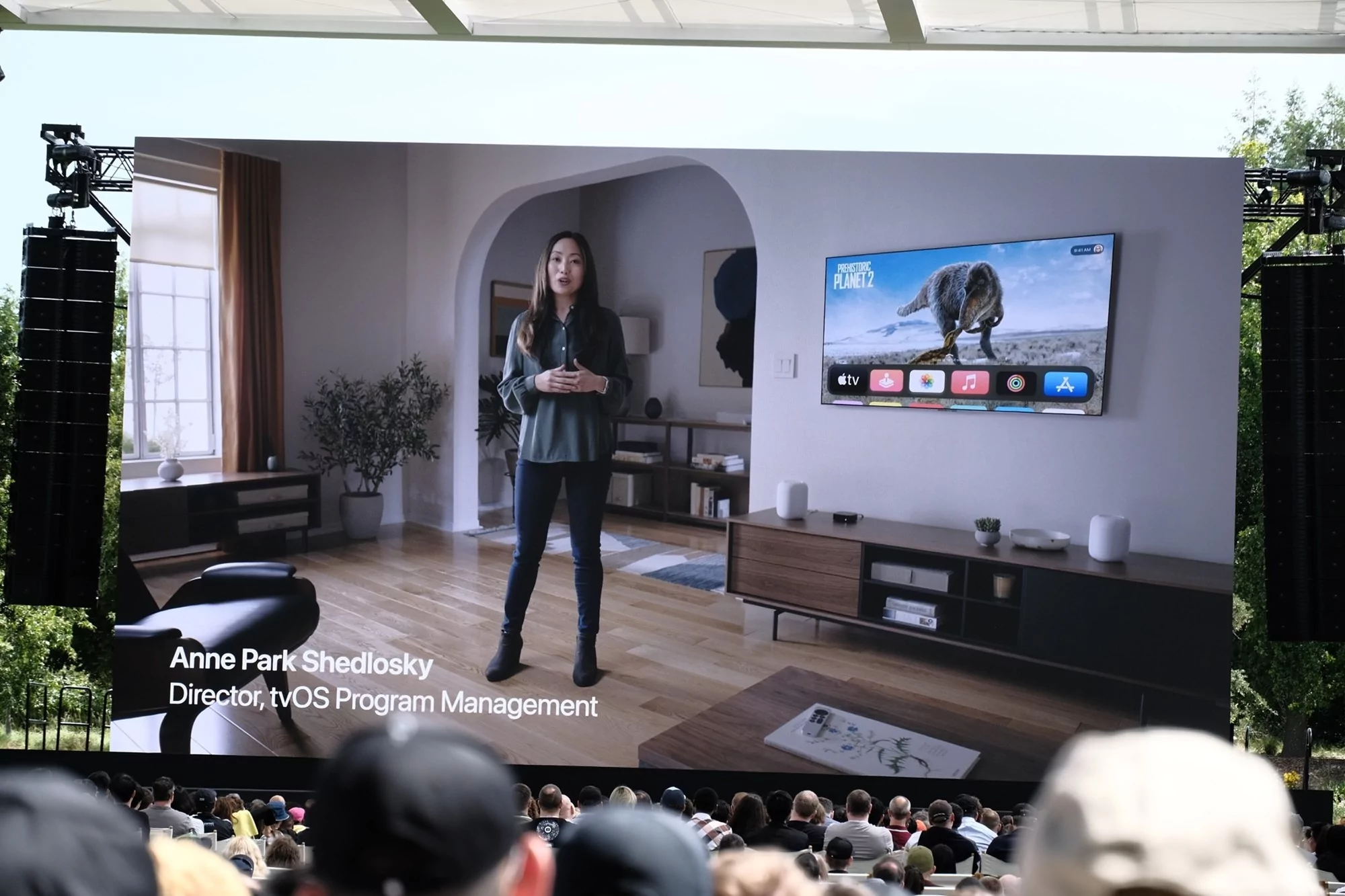
9. tvOS 17 unveiled: redesigned, smart home and
tvOS 17 focuses on Apple TV interface changes, smart-home access, headphone status and FaceTime support through an iPhone camera.
This is not a TV hardware recommendation, but it matters for buyers who care about the software layer around their screen.
The source says tvOS 17 brings a redesigned interface, more logical navigation, headphone battery monitoring, access to the Home app for smart-home control and FaceTime support through an iPhone used as the camera.
It is most relevant to Apple TV users or shoppers deciding how much an external streaming platform should influence the overall TV experience.
Best for: Apple TV users prioritizing interface and smart-home features
- Redesigned interface
- Home app smart-home control
- Headphone battery monitoring
- FaceTime support via iPhone camera
Verdict: Not a television, but an important platform update for households that use Apple TV as the main smart-TV interface.
10. LG NanoCell TV Comparison
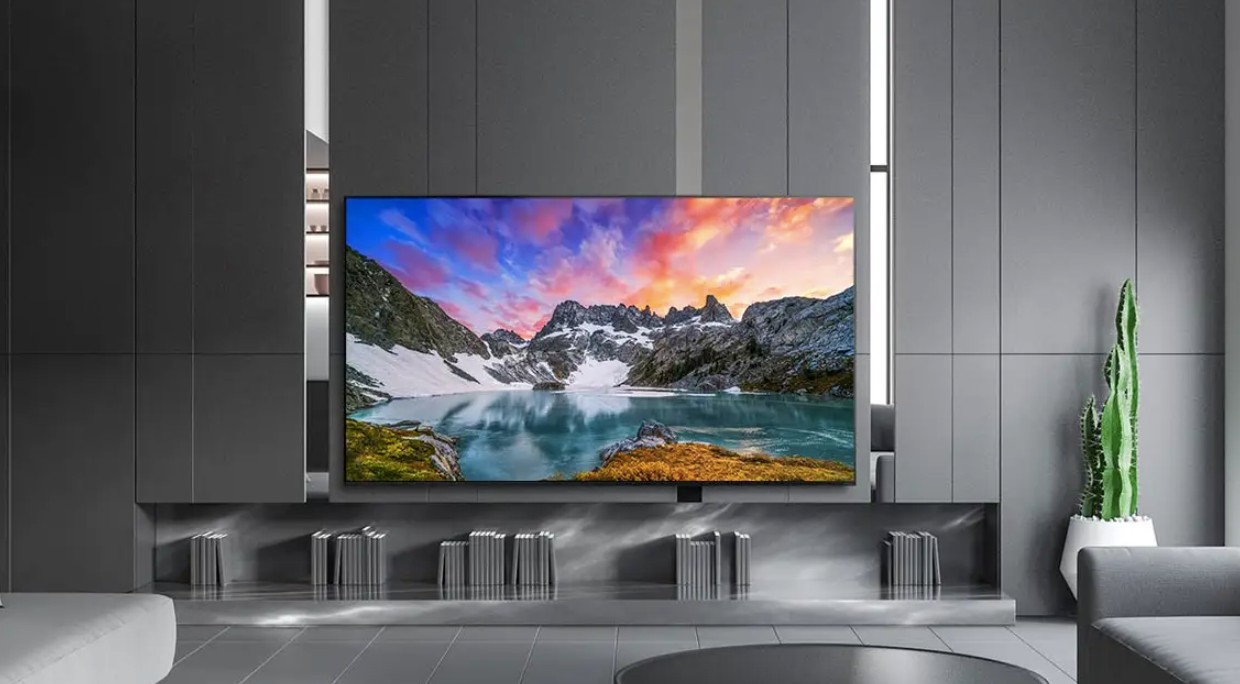
LG NanoCell comparison material focuses on series differences, webOS features, α5 processing and Game Optimizer settings.
LG NanoCell is represented as a range comparison for buyers looking below LG’s newer QNED emphasis.
The source says the remaining NanoCell lines are useful to compare by functional and design differences, with all listed Nano models sharing an updated webOS interface, a fifth-generation α5 processor and revised Game Dashboard and Game Optimizer presets, including a sports mode.
This is a practical guide for buyers who want LG smart-TV features and gaming menus without moving into the brand’s higher display tiers.
Best for: LG buyers comparing mainstream NanoCell models
- NanoCell range comparison
- Updated webOS interface
- Fifth-generation α5 processor
- Game Optimizer presets
Verdict: A useful mainstream LG comparison when smart-TV interface and gaming settings matter more than stepping up to QNED or OLED.
Quick comparison
The table below separates the true TV candidates, software context and the non-TV audio entry so each source is evaluated on what it can genuinely support.
The strongest distinctions are display technology, room suitability, platform relevance, design integration and gaming limitations.
| Product | Best for | Verdict |
|---|---|---|
| Samsung Neo QLED TV Comparison | Samsung Mini LED buyers comparing Neo QLED series | Prioritize it for brightness, contrast and Samsung processing differences across Neo QLED models. |
| Antelope Audio launches Atlas i8 active studio monitors | Studio audio production, not TV buying | Not a TV candidate; relevant only as separate professional audio equipment. |
| Beovision Contour 55: Impressive OLED TV from Bang & Olufsen | Premium design rooms with integrated sound needs | Choose it for the combination of OLED, Bang & Olufsen materials and built-in Beosound Stage audio. |
| Hisense E7HQ: Restrained and very economical Smart TV | Economical QLED smart-TV buyers | Good fit for practical viewing and game mode use, with some feature limitations to note. |
| Sony Bravia 8: A very good OLED TV! | Sony OLED buyers needing soundbar-friendly placement | Best suited to viewers who want OLED picture quality, Sony processing and a 55-inch-or-larger screen. |
| Samsung QN90F: Mini-LED Mastery at Peak Brightness | Bright rooms and gaming-oriented Mini LED setups | The strongest bright-room and reflection-control candidate in this selection. |
| Oppo announces K9x – A 50 inch 4K budget TV | Low-cost 50-inch 4K viewing | A budget choice with useful basics but no 120 Hz or HDMI 2.1 support. |
| Sony A95K, LG G2, Samsung S95B: Guide to the best OLED TV | Premium OLED technology comparison | Use it to compare QD-OLED against LG OLED evo with a heatsink and Gallery-style design. |
| tvOS 17 unveiled: redesigned, smart home and more | Apple TV software and smart-home users | Not TV hardware, but relevant if an Apple TV box will define the interface experience. |
| LG NanoCell TV Comparison | Mainstream LG NanoCell shoppers | Helpful for comparing LG NanoCell features, webOS, α5 processing and gaming menus. |
Frequently asked questions
Should I choose OLED or Mini LED for a bright room?
The supplied Mini LED material, especially Samsung Neo QLED and QN90F, emphasizes brightness, contrast and reflection handling, making those entries the more obvious fit for bright spaces.
OLED models such as Sony Bravia 8, Beovision Contour and the OLED comparison are stronger considerations when panel type, premium design or cinematic presentation are the main priorities.
Which entries are most suitable if I use a soundbar?
Sony Bravia 8 has adjustable metal legs with positions designed to accommodate a soundbar, and Samsung QN90F is described with pedestal-stand clearance for soundbars.
Beovision Contour takes a different route by integrating a Beosound Stage soundbar into the TV design.
Which options should gamers treat carefully?
Samsung QN90F is described with enhanced gaming support, while Hisense E7HQ includes a game mode and LG NanoCell material mentions Game Dashboard and Game Optimizer presets.
Oppo K9x should be approached more cautiously for gaming because the source explicitly says it lacks 120 Hz support and HDMI 2.1.
How much should smart-TV software influence the choice?
Software matters if the TV will be used without an external streamer.
Samsung entries use Tizen in the supplied material, LG NanoCell highlights webOS and gaming menus, and tvOS 17 is relevant for Apple TV users who value FaceTime, smart-home control and a redesigned interface.
Final buying advice
Start with the room.
If the screen will face daylight or strong reflections, the Mini LED direction is the safest place to begin, with Samsung QN90F standing out in the supplied material for brightness emphasis and glare reduction, and Samsung Neo QLED comparison content helping buyers understand the broader series differences.
If the TV is part of a design-led living space, OLED becomes more persuasive. Beovision Contour is the most integrated lifestyle option thanks to its Bang & Olufsen materials, placement flexibility and built-in Beosound Stage system. Sony Bravia 8 is a more conventional OLED candidate with useful stand flexibility for soundbar owners, while the Sony A95K, LG G2 and Samsung S95B comparison is better for readers who want to understand premium OLED panel approaches before choosing a brand. For tighter budgets, Hisense E7HQ and Oppo K9x serve different roles. Hisense offers QLED, native contrast and game mode in an economical smart-TV package, while Oppo K9x is a low-cost 50-inch 4K option with clear limitations around 120 Hz and HDMI 2.1. LG NanoCell sits in the mainstream comparison lane, especially for shoppers who value LG’s interface, α5 processing and Game Optimizer features. Finally, separate the TV from the ecosystem. tvOS 17 may improve the Apple TV experience, but it is not a TV panel, and the Antelope Audio Atlas i8 is professional audio equipment rather than a television. Treat those entries as context, then choose the actual display around brightness, panel type, stand and wall-mount needs, gaming inputs and the smart platform you prefer to use every day.