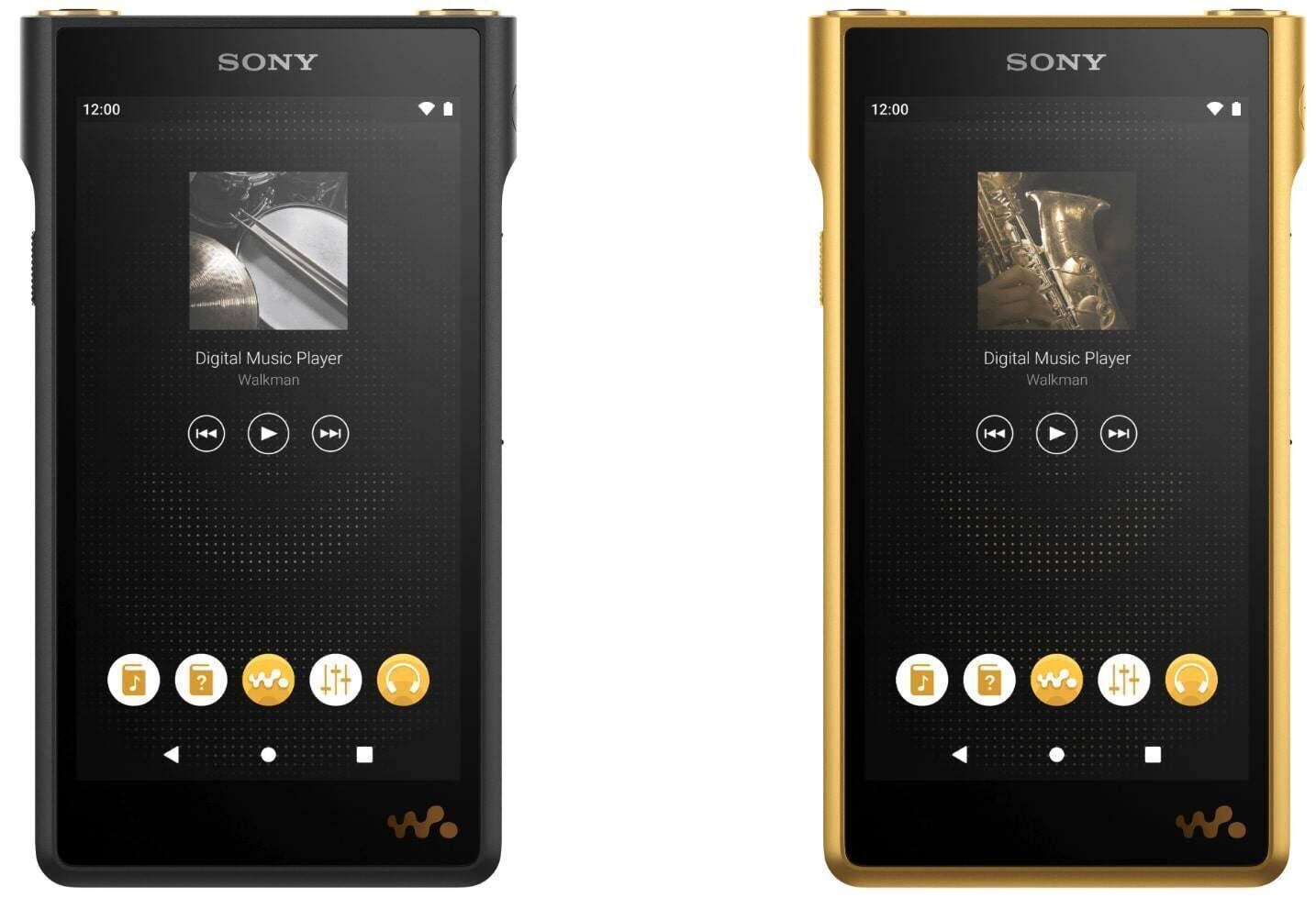
The Sony Walkman NW-WM1AM2 and NW-WM1ZM2 are significant updates to Sony’s premium portable music player family, replacing models introduced in 2016. Their appeal lies not in one headline feature alone, but in the way Sony has brought a traditional high-resolution music player closer to modern listening habits. These are dedicated audio devices, yet they now run Android 11, include Wi-Fi, use USB-C, and provide access to streaming services as well as local file playback. For listeners who want a self-contained music source that is more focused than a phone but less isolated from today’s streaming ecosystem, the M2 Walkman models occupy a distinctive position.
A larger interface for a more modern Walkman experience
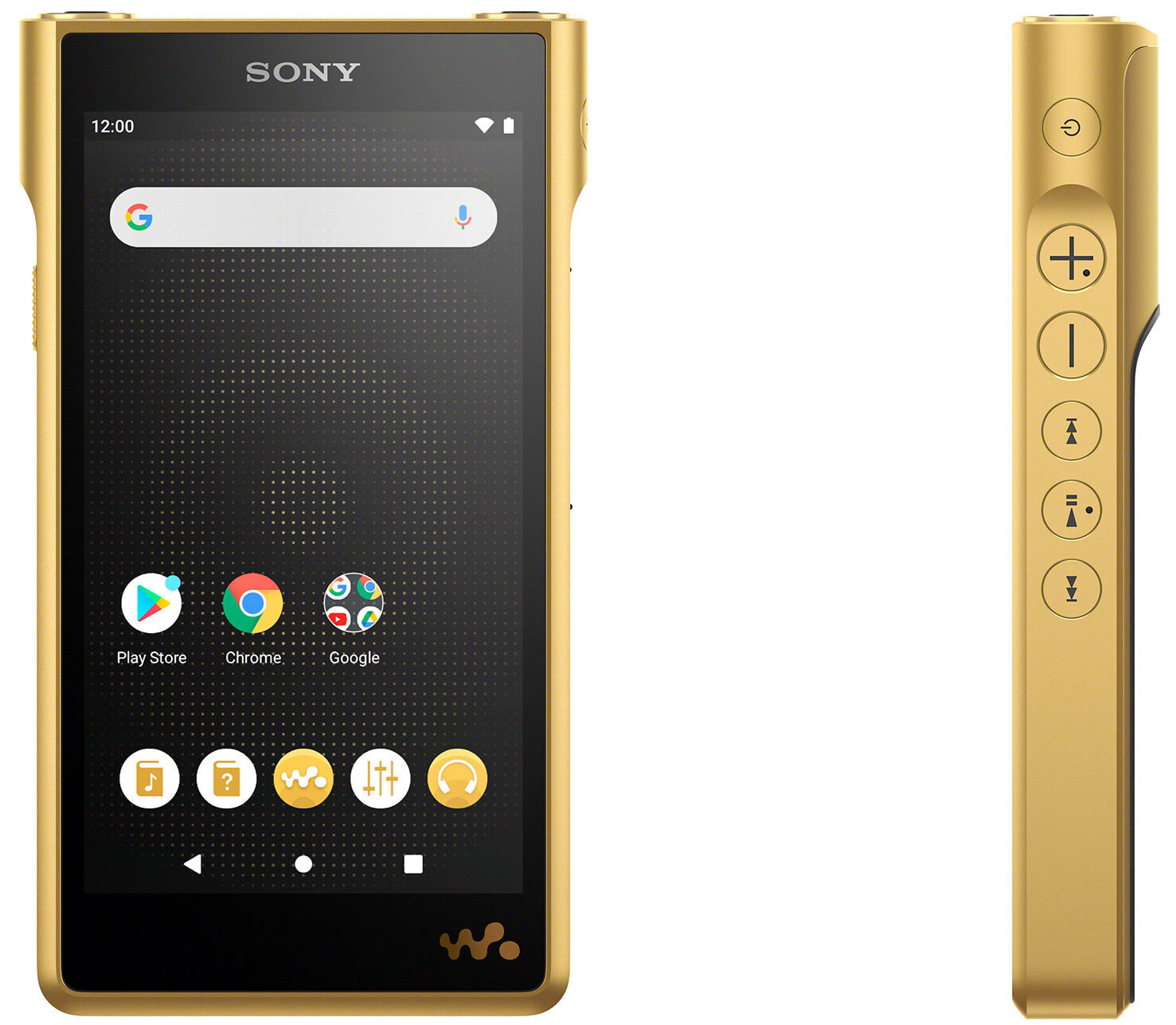
One of the most visible changes is the move to a 5-inch display. The previous generation used 4-inch screens, so the larger panel should make the players feel more contemporary in everyday use. On a portable audio player, screen size is not merely cosmetic. It affects how easily a listener can browse large music libraries, manage playback, interact with apps, and read album, track, and settings information without constant zooming or excessive scrolling.
The use of Android 11 is equally important. A dedicated digital audio player can feel limited if its operating system restricts the way people actually listen today. By adopting Android 11, Sony gives the NW-WM1AM2 and NW-WM1ZM2 a more flexible software foundation. The combination of a larger display and Android interface helps these models bridge the gap between traditional file-based Walkman listening and the app-driven habits many listeners have developed through smartphones and tablets.

Streaming support without abandoning local music
Both players include onboard Wi-Fi, which is a practical addition for anyone whose library is not limited to locally stored files. Wi-Fi allows the new Walkman models to access streaming, expanding their usefulness beyond the owner’s downloaded or transferred music collection. This matters because many serious listeners now divide their time between curated local libraries and streaming catalogs. A player that can support both approaches is easier to integrate into daily life.
At the same time, Sony has not positioned these Walkman models as simple streaming terminals. The internal storage remains important: the NW-WM1AM2 includes 128 GB, while the NW-WM1ZM2 doubles that to 256 GB. The additional memory on the higher model gives owners more room for music files before they need to manage storage or rely on external options not specified here. For listeners who value local playback, especially those who maintain FLAC libraries, that difference is one of the clearest practical distinctions between the two players.
Longer FLAC battery life for portable listening
Battery endurance is another documented improvement. For FLAC files, battery life has increased from 30 hours on the previous generation to 40 hours on the M2 models. That is a meaningful change for a device intended to be carried, traveled with, and used away from a desk. Longer playback time reduces the need to plan listening around charging, especially for users who listen during commuting, workdays, travel, or long sessions at home away from an outlet.
The specific mention of FLAC is also relevant. FLAC remains a common format among listeners who prefer lossless local files, and a 40-hour figure for that use case indicates that Sony has considered the needs of owners who use a Walkman as a serious library player rather than only as a casual streaming device. It is a practical strength rather than a decorative specification: fewer charging interruptions make a portable player more convenient and more dependable.
USB-C and updated internal power design
The move to USB-C version 3.2 is a welcome modernization. USB-C has become the expected connector for many contemporary devices, and its inclusion reduces the inconvenience of carrying specialized cables. For a premium portable player, this is not a minor usability point. Charging, file transfer, and general cable compatibility all affect whether a device feels pleasant to live with over time.
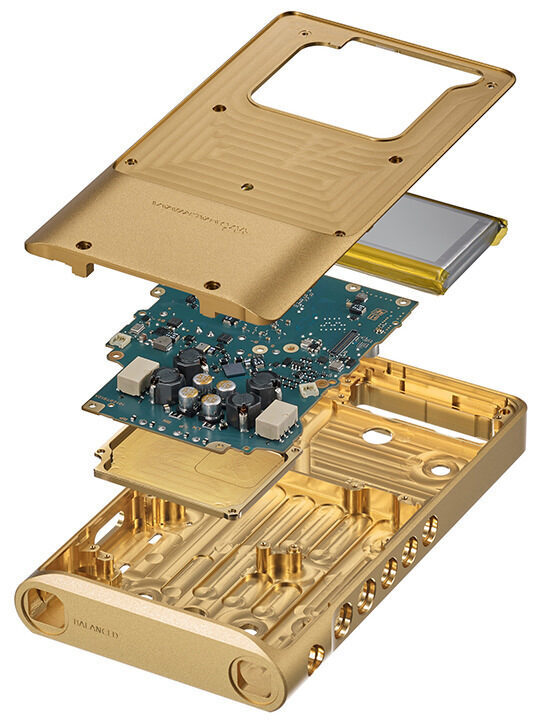
Sony also describes the M2 players as using updated power supplies with audiophile capacitors. While the source material does not provide measurements or detailed circuit diagrams, the design emphasis is clear: Sony has treated the internal power architecture as part of the audio platform rather than as a generic support system. In a dedicated music player, power supply design can be a key area of engineering attention, particularly because it sits close to digital processing, amplification, and headphone output stages. Prospective owners do not need to treat component choices as automatic proof of performance, but they can reasonably see them as evidence that the devices were developed as specialist audio products rather than repackaged general-purpose media players.
Two models with clear material and storage differences
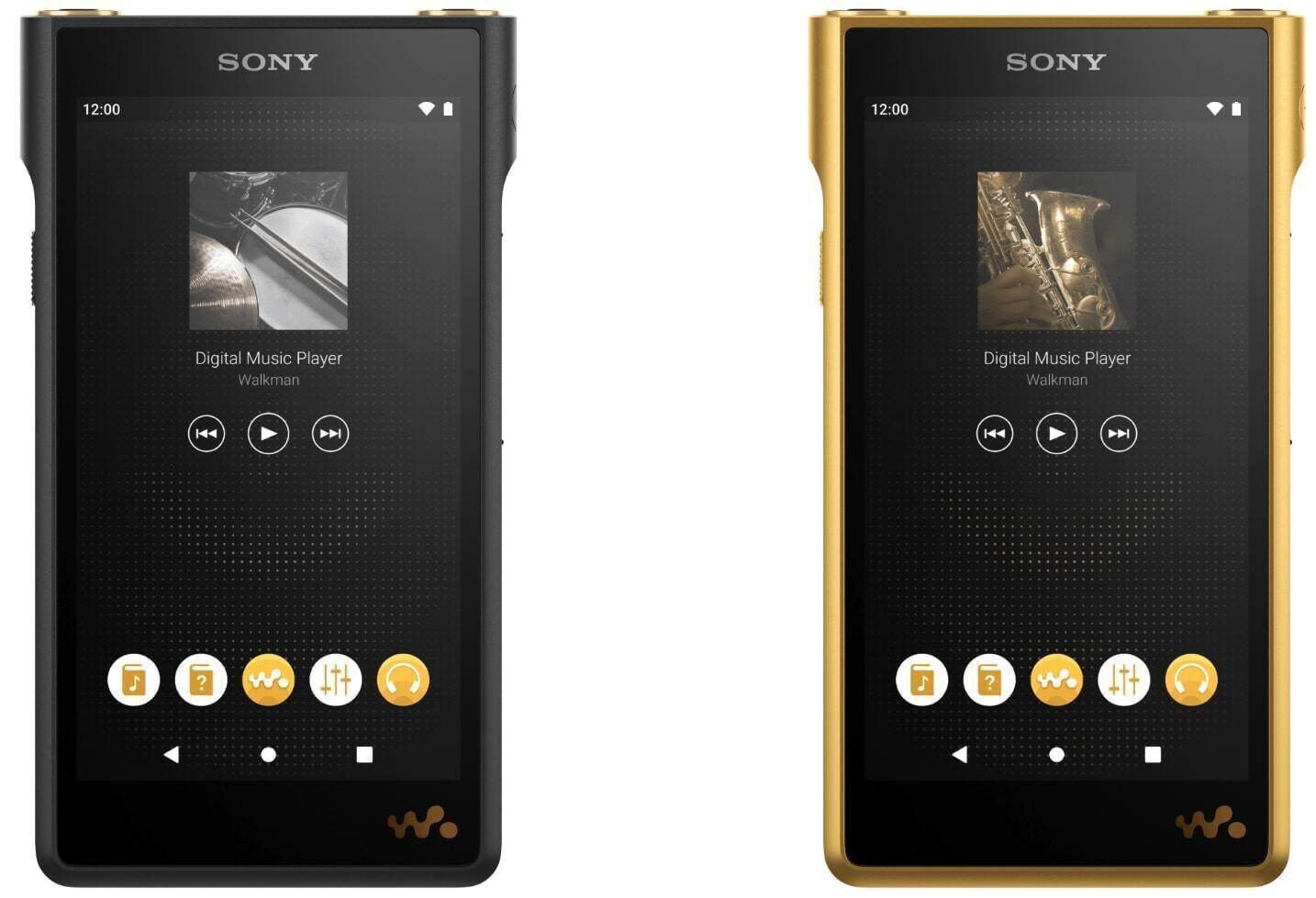
The NW-WM1AM2 and NW-WM1ZM2 share the same broad platform, but Sony separates them through construction, internal storage, and output wiring. The NW-WM1AM2 uses an aluminum alloy case and includes 128 GB of internal memory. The NW-WM1ZM2 moves to a gold-plated case made from 99.99 percent pure oxygen-free copper, known as 4N OFC, and includes 256 GB of internal memory.
Those material differences are central to how the two models are positioned. Aluminum alloy makes the NW-WM1AM2 the more understated version, while the NW-WM1ZM2 is the more elaborate flagship expression of the design. Sony states that the copper chassis is intended to provide a stronger digital foundation and greater rigidity. Without independently assessing those claims, the use of a high-purity copper body clearly signals a more ambitious mechanical and electrical design brief for the ZM2.
The wiring to the balanced headphone jack also differs. The NW-WM1ZM2 uses a premium Kimber Kable connection from the amplifier to the balanced headphone output, while the NW-WM1AM2 uses a low-impedance oxygen-free copper cable. This distinction will matter most to buyers who specifically use balanced headphones and are interested in the internal signal path of a portable player. It also reinforces the two-tier structure of the range: the AM2 provides the updated Walkman platform, while the ZM2 adds more specialized materials and internal execution.
Why the dedicated player format still has a role
The NW-WM1AM2 and NW-WM1ZM2 are not trying to replace a smartphone in every respect. Their attraction is that they provide a separate audio-focused device for music playback, now with enough modern connectivity to avoid feeling cut off from streaming services. For many listeners, that separation is useful. It keeps the music source independent from phone notifications, phone battery life, and the compromises of a multifunction device.
A dedicated player can also simplify system matching for headphone listeners. The documented presence of balanced headphone output wiring, internal storage, Android support, Wi-Fi, and USB-C points to a product conceived as a portable hub for serious personal audio use. Owners can build a library on the device, access streaming through Wi-Fi, connect modern cables through USB-C, and choose between the more accessible AM2 construction or the more elaborate ZM2 chassis and storage package.
Who these Walkman models are most suitable for
These players are most suitable for listeners who still value a dedicated music device but do not want to give up the convenience of streaming. They make particular sense for people with FLAC libraries, users who want long battery life for lossless playback, and headphone enthusiasts interested in a purpose-built player with balanced-output attention. The larger 5-inch display and Android 11 platform also make them more attractive to owners who found older dedicated players too restricted or too small-screened for modern use.
The NW-WM1AM2 is likely the more straightforward choice for someone who wants the updated M2 platform, 128 GB of storage, aluminum alloy construction, Wi-Fi, USB-C, and improved battery life without focusing on the flagship materials. The NW-WM1ZM2 is aimed at the listener who places additional value on increased internal storage, the gold-plated 4N OFC copper chassis, and Kimber Kable wiring to the balanced headphone jack. Buyers primarily looking for a simple, inexpensive music player, or those who only stream from a phone and wireless earbuds, may find the specialist nature of these Walkman models unnecessary.
Conclusion
The Sony Walkman NW-WM1AM2 and NW-WM1ZM2 stand out as premium dedicated music players updated for contemporary listening. Their strongest documented qualities are the move to Android 11, larger 5-inch displays, Wi-Fi streaming access, USB-C 3.2 connectivity, longer 40-hour FLAC battery life, and a platform that still gives local music libraries serious attention. The NW-WM1AM2 presents the core experience in an aluminum alloy body with 128 GB of storage, while the NW-WM1ZM2 adds 256 GB of memory, a gold-plated 99.99 percent pure OFC copper chassis, and Kimber Kable wiring for the balanced headphone output. They are best suited to listeners who want a focused portable audio source with modern usability, especially those balancing lossless local playback with streaming convenience.