Projectors are no longer one-size-fits-all display boxes.
The source material here ranges from compact Android-based models for casual streaming, to gaming-focused designs with low input lag, to ultra-short-throw systems intended to replace a TV, and large-venue laser projectors built for exhibitions and installations.
That variety is useful, but it also makes the buying decision more dependent on context. A projector that makes sense for a living room may be wrong for a museum installation, while a portable unit with a battery solves a completely different problem from a high-output Barco or Panasonic system. This guide keeps the recommendations grounded in the available product information. Rather than ranking by hype, it explains what each model appears to be designed for, what its clearly stated strengths are, and where it fits in a practical projector shortlist.
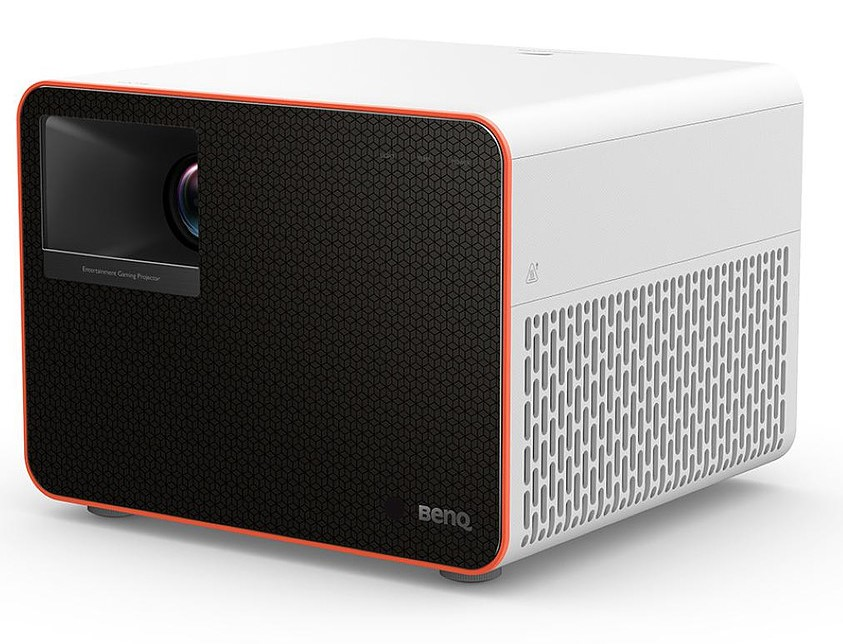
1. BenQ X1300i
BenQ X1300i projector with Android TV, 4LED lighting, and gaming-oriented 120 Hz support.
The BenQ X1300i is the clearest gaming-first option in the set.
Its stated 8 ms input lag and 120 Hz refresh-rate support are central to its appeal, while Android TV, GameMaestro processing, HDR10 and HLG support, and a 4LED light source broaden it beyond console or PC play.
Native resolution is x 1080 pixels, though the projector can accept a 4K signal, and the 3000-lumen light output makes it one of the brighter home-focused models described here.
Best for: Gaming and fast-moving entertainment
- 8 ms stated input lag
- 120 Hz refresh-rate support
- Android TV platform
- 3000-lumen light output
Verdict: Choose the BenQ X1300i if low latency, smooth motion, and a game-oriented feature set matter more than native 4K projection.
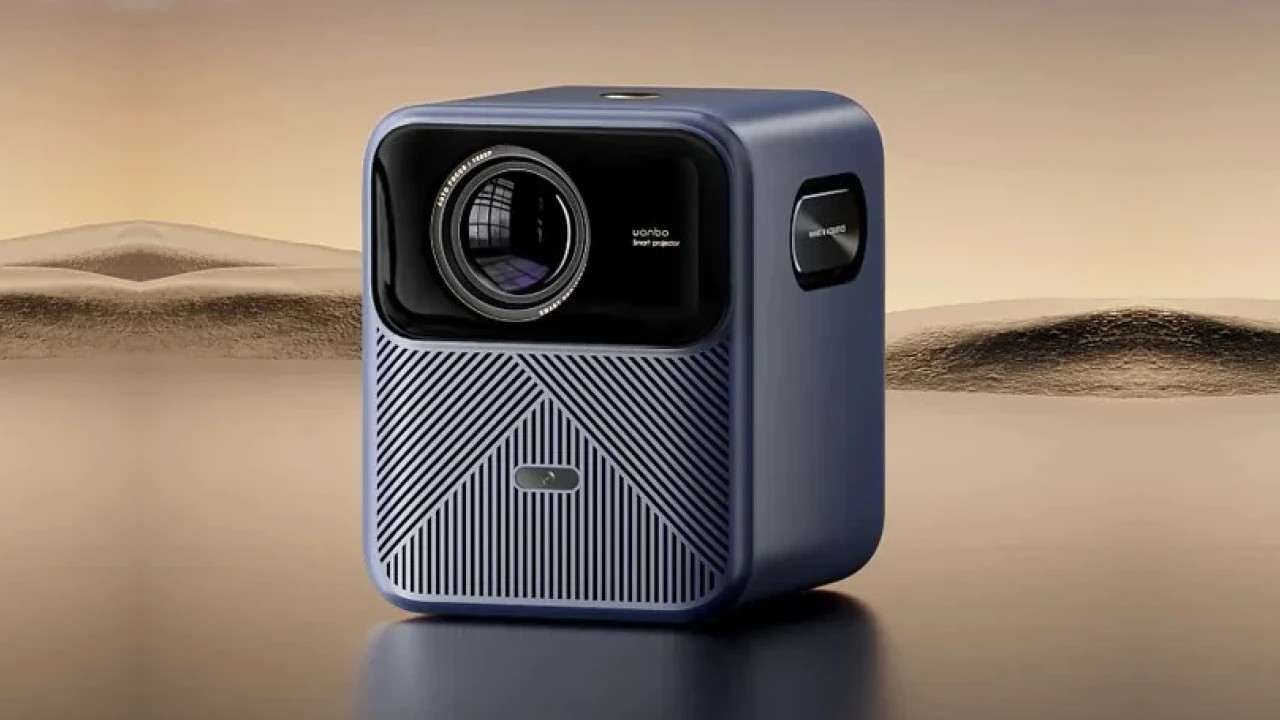
2. Wanbo Mozart 1 Pro
Wanbo Mozart 1 Pro compact projector with Android TV, 1080p resolution, and wireless connectivity.
The Wanbo Mozart 1 Pro is a compact 1080p projector with Android TV 11.0, a stated 900 ANSI lumens of brightness, and a PixelPro 5.0 optical system paired with an LED light source rated for up to 30,000 hours.
It supports HDR10, is specified for images up to 150 inches, and includes practical everyday connections such as HDMI 1.4, USB 2.0, dual-band Wi-Fi, Bluetooth 5.0, and a 3.5 mm output.
Its two 8-watt full-range speakers give it a more self-contained feel than the smallest travel projectors.
Best for: Compact streaming setups
- Native 1080p resolution
- Android TV 11.0
- Dual-band Wi-Fi and Bluetooth 5.0
- Two 8-watt full-range speakers
Verdict: The Wanbo Mozart 1 Pro is a sensible pick for buyers who want a small, connected Full HD projector with built-in streaming software and speakers.
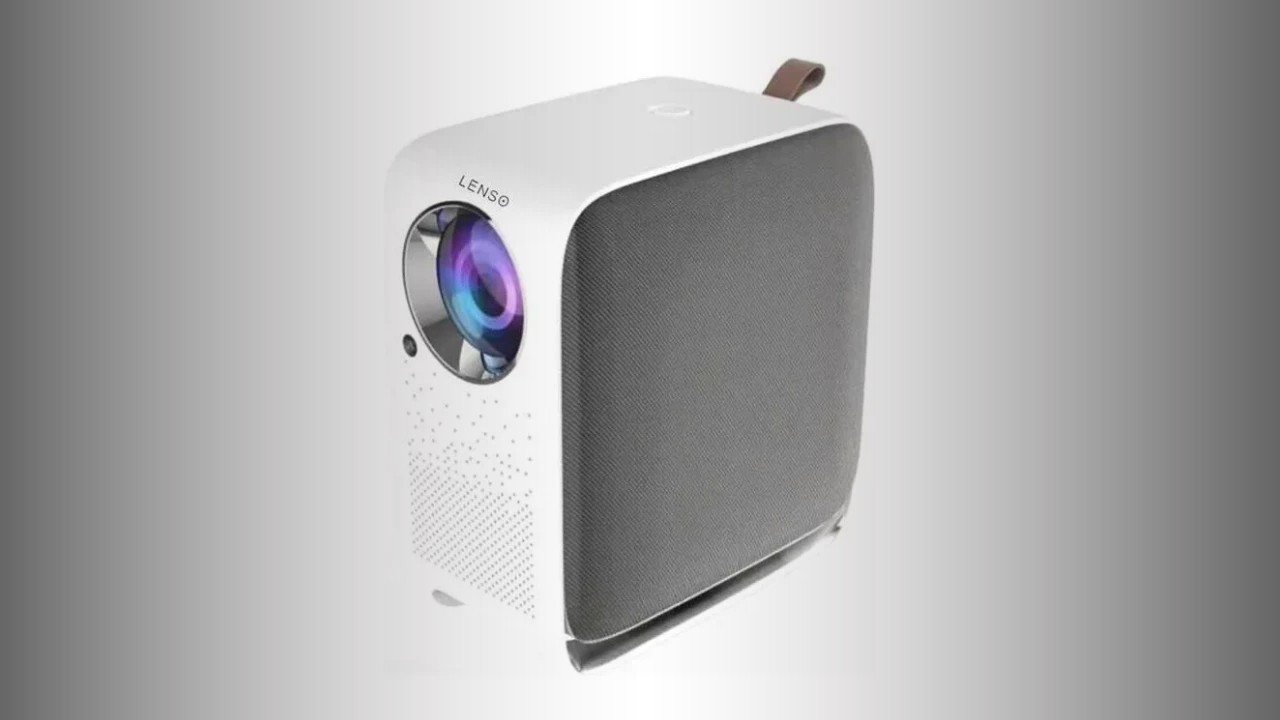
3. Lenso Solar
Lenso Solar compact Full HD projector with Android 9.0 and integrated stereo speakers.
The Lenso Solar is another compact Full HD projector, but its strongest stated advantage is flexibility with media sources and formats.
It runs Android 9.0, supports playback from USB drives, and can receive content wirelessly via Wi-Fi or Bluetooth.
The source also lists broad video, audio, and image format compatibility, a light source rated for up to 50,000 hours, 300 ANSI lumens of brightness, and an integrated stereo system with two 5-watt speakers.
Best for: Format-friendly casual viewing
- Full HD resolution
- Android 9.0 platform
- USB, Wi-Fi, and Bluetooth playback options
- Light source rated up to 50,000 hours
Verdict: The Lenso Solar suits users who value broad media compatibility and simple wireless or USB playback over high brightness specifications.
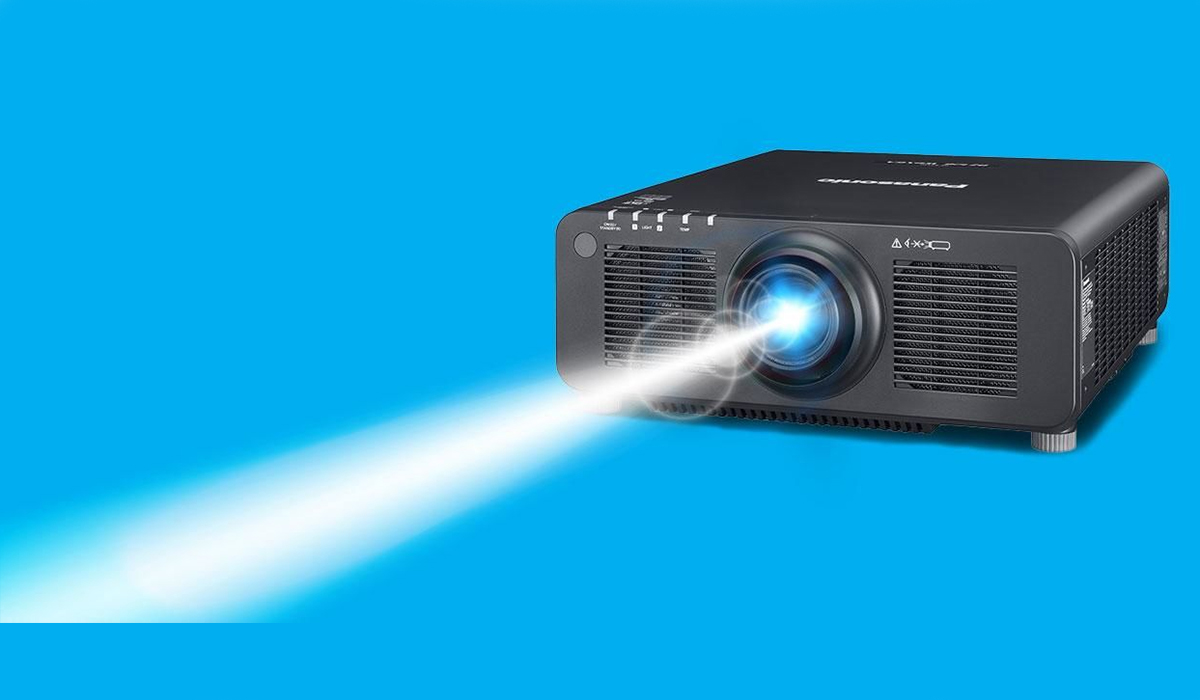
4. Panasonic PT-RZ series
Panasonic PT-RZ series laser projector designed for exhibitions, museums, and complex installation environments.
The Panasonic PT-RZ series is aimed at installations rather than casual living-room use.
These single-chip WUXGA laser projectors are described as strong fits for exhibitions, art installations, museums, and venues where ambient light and complex projection surfaces can be difficult to control.
Features such as Quartet Color Harmonizer, System Daylight View 3, Detail Clarity Processor 3, smartphone-based control, autofocus assistance, grid-based geometry correction, and multi-projector edge stitching place the emphasis on dependable setup and image management.
Best for: Professional installations and exhibition spaces
- Designed for exhibitions and art installations
- WUXGA single-chip laser platform
- Smartphone control and autofocus assistance
- Grid correction and edge stitching support
Verdict: The Panasonic PT-RZ series is the right kind of projector to consider when installation control, ambient-light handling, and multi-projector work are more important than consumer convenience features.
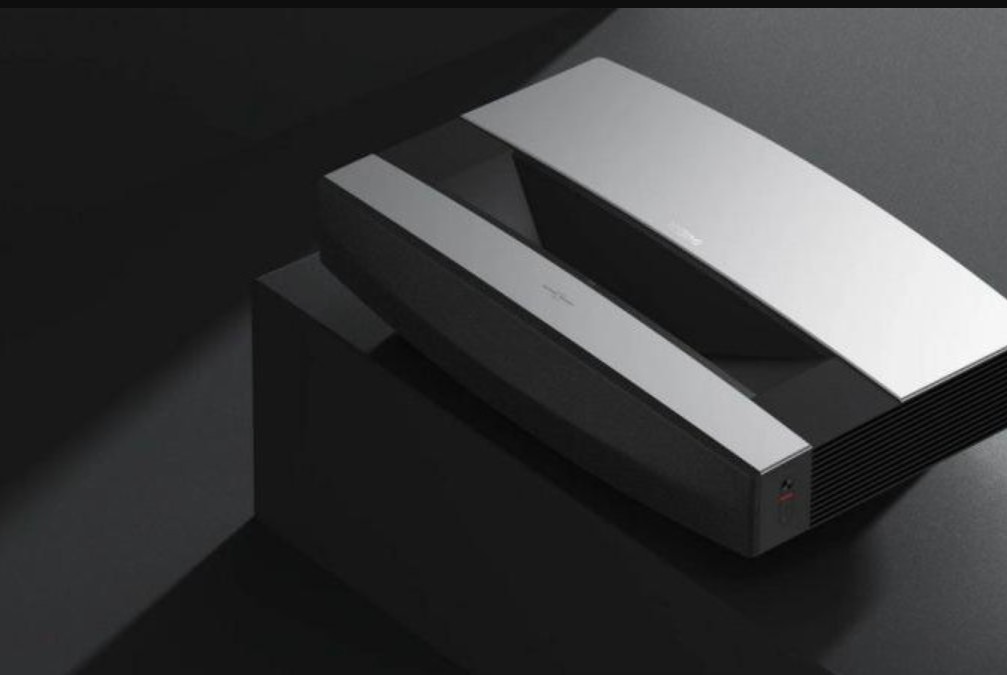
5. XGIMI AURA
XGIMI AURA 4K ultra-short-throw laser projector for large living-room images from close placement.
The XGIMI AURA is a 4K ultra-short-throw laser projector built around living-room use.
The source highlights 8.3 million pixels, HDR10 support, a 2400-lumen brightness rating, and the ability to create a very large image from close to the projection surface.
It also includes MEMC for smoother dynamic content, 8-point manual keystone correction, Harman Kardon speakers with Dolby Audio and DTS support, dual-band Wi-Fi, Bluetooth 5.0, built-in Chromecast, and a broad wired connection set including three HDMI 2.0 inputs.
Best for: Living-room big-screen replacement
- 4K ultra-short-throw projection
- HDR10 support
- 2400-lumen brightness rating
- Harman Kardon speaker system
Verdict: The XGIMI AURA is a strong fit for users who want a large 4K image from a close-to-wall laser projector with substantial built-in audio and connectivity.
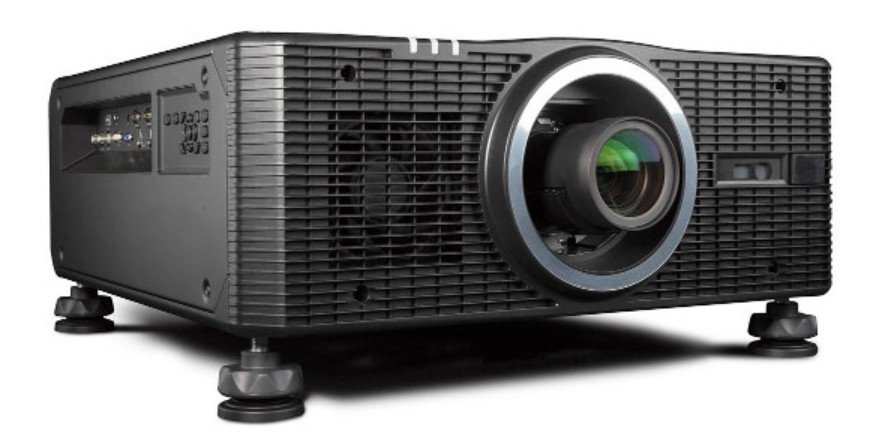
6. Barco G100 series
Barco G100 series laser projector for large venues, attractions, events, and high-brightness installations.
The Barco G100 series is built for large, bright projection projects.
The single-chip laser models use a x 1200 matrix resolution and are specified at 17,200, 19,000, and 22,000 lumens depending on model.
Barco also lists a 20,000-hour laser light source, HDMI 2.0 with HDCP 2.2 support, a GC lens range with throw ratios from 0.38:1 to 10.8:1, high energy efficiency corresponding to class A, and operation in ambient temperatures up to 50 degrees Celsius. The stated use cases include multimedia attractions, planetariums, theme parks, and indoor or outdoor events.
Best for: Large venues and high-output projection
- Up to 22,000 lumens depending on model
- x 1200 matrix resolution
- 20,000-hour laser light source
- Wide GC lens range
Verdict: The Barco G100 series is for demanding installations that need serious light output, lens flexibility, and event-scale reliability rather than home-theater convenience.
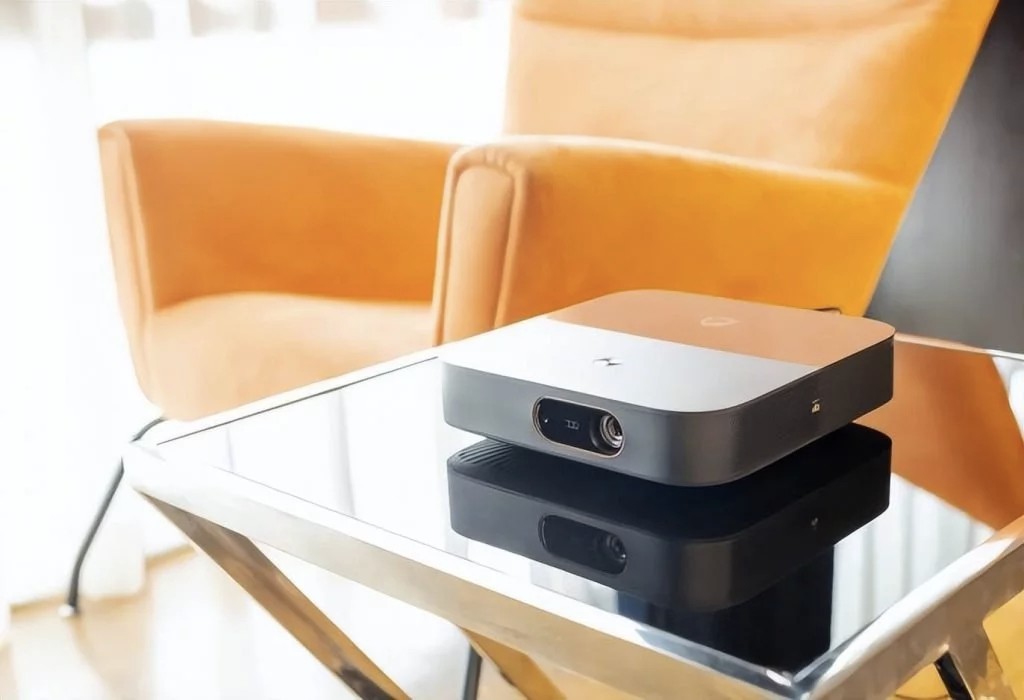
7. Lenovo Xiaoxin 520
Lenovo Xiaoxin 520 slim portable projector with 1080p projection and automatic setup features.
The Lenovo Xiaoxin 520 is presented as a stylish, compact projector with a particularly slim 4.8 cm height, making portability a key part of its appeal.
It offers 1080p projection, an 800-lumen four-lamp light source, projection size up to 3 meters diagonally, automatic keystone correction, and smart focus.
Lenovo also specifies an EEP processor that analyzes and optimizes image quality on a pixel-by-pixel basis, 120% sRGB coverage, Dolby Atmos decoding, and an audio system developed with Vifa.
Best for: Portable Full HD viewing
- Slim 4.8 cm design
- 1080p projection
- Automatic keystone correction and smart focus
- Vifa-developed audio system
Verdict: The Lenovo Xiaoxin 520 is worth considering if compact design, easy setup aids, and Full HD projection are higher priorities than a large-venue brightness specification.
8. Hisense 88L5VG
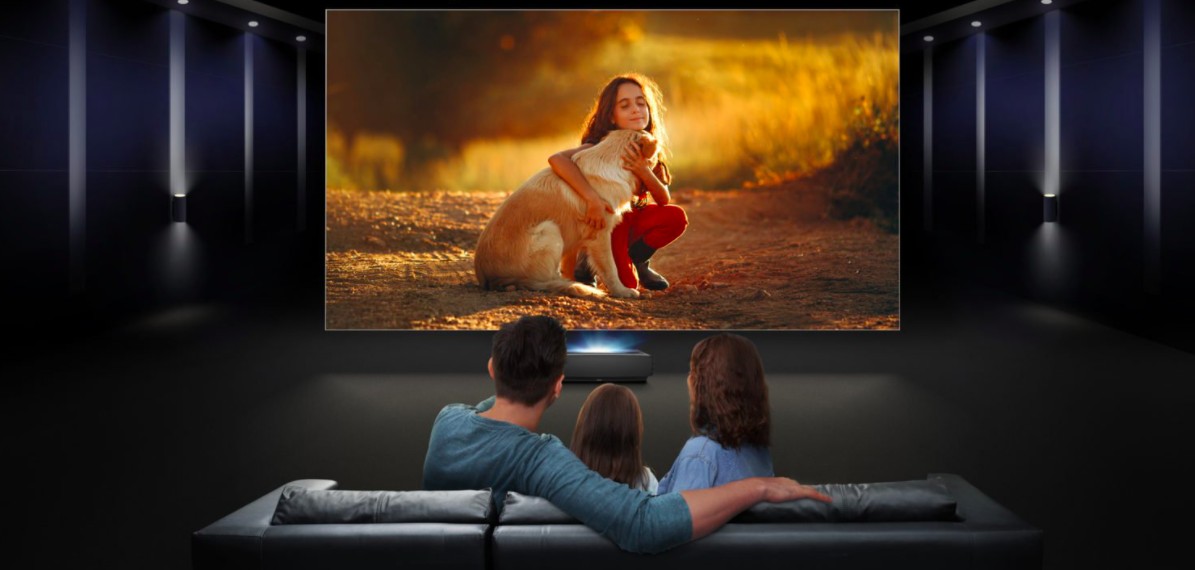
Hisense 88L5VG projector package with an included slim 88-inch screen.
The Hisense 88L5VG stands out because the projector is presented together with its own 88-inch screen.
The supplied description places notable emphasis on the screen design: it is described as thin, slim, and framed by narrow bezels that help maximize the useful viewing area.
The source does not provide the same depth of technical specification as it does for several other models here, so the safest way to view the 88L5VG is as a screen-inclusive projection package for buyers planning around a defined 88-inch installation.
Best for: Screen-inclusive home projection
- Includes an 88-inch screen
- Thin screen design
- Narrow bezels around the screen
Verdict: The Hisense 88L5VG is most relevant to buyers who want a projection system planned around an included 88-inch screen rather than sourcing a screen separately.
9. Optoma Photon Go
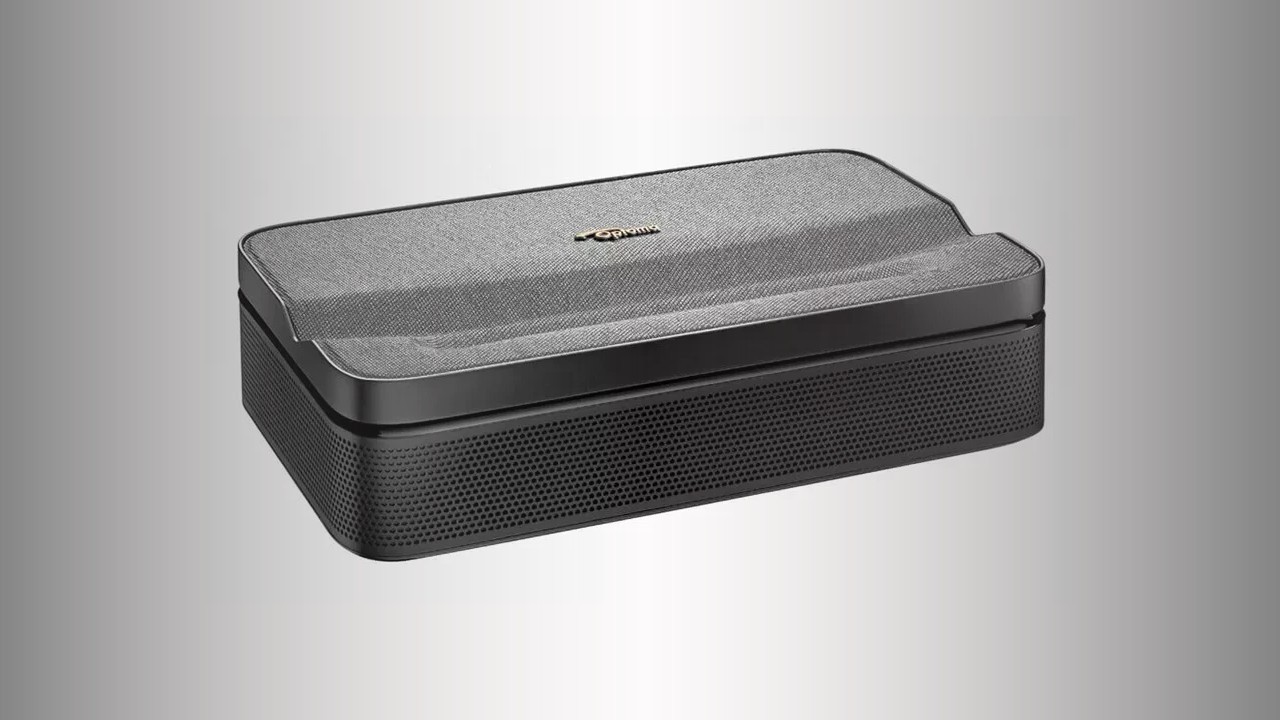
Optoma Photon Go portable ultra-short-throw projector with built-in battery, Google TV, and RGB triple-laser technology.
The Optoma Photon Go is the most mobile ultra-short-throw option described in the source material.
It combines a portable design, built-in battery, Google TV, and RGB triple-laser technology.
The ultra-short-throw format lets it use a wall as a screen, while the triple-laser RGB system is described as using pure red, green, and blue light sources rather than a color wheel or filters, with stated benefits for color gamut, color accuracy, contrast, and brightness consistency over time. The source positions it for indoor and outdoor use, from different rooms to travel or garden movie nights.
Best for: Portable ultra-short-throw entertainment
- Built-in battery
- Ultra-short-throw design
- RGB triple-laser light system
- Google TV
Verdict: The Optoma Photon Go is the most versatile choice here for users who want a battery-powered UST projector that can move between rooms or outdoor viewing spots.
10. Hisense PX1-PRO
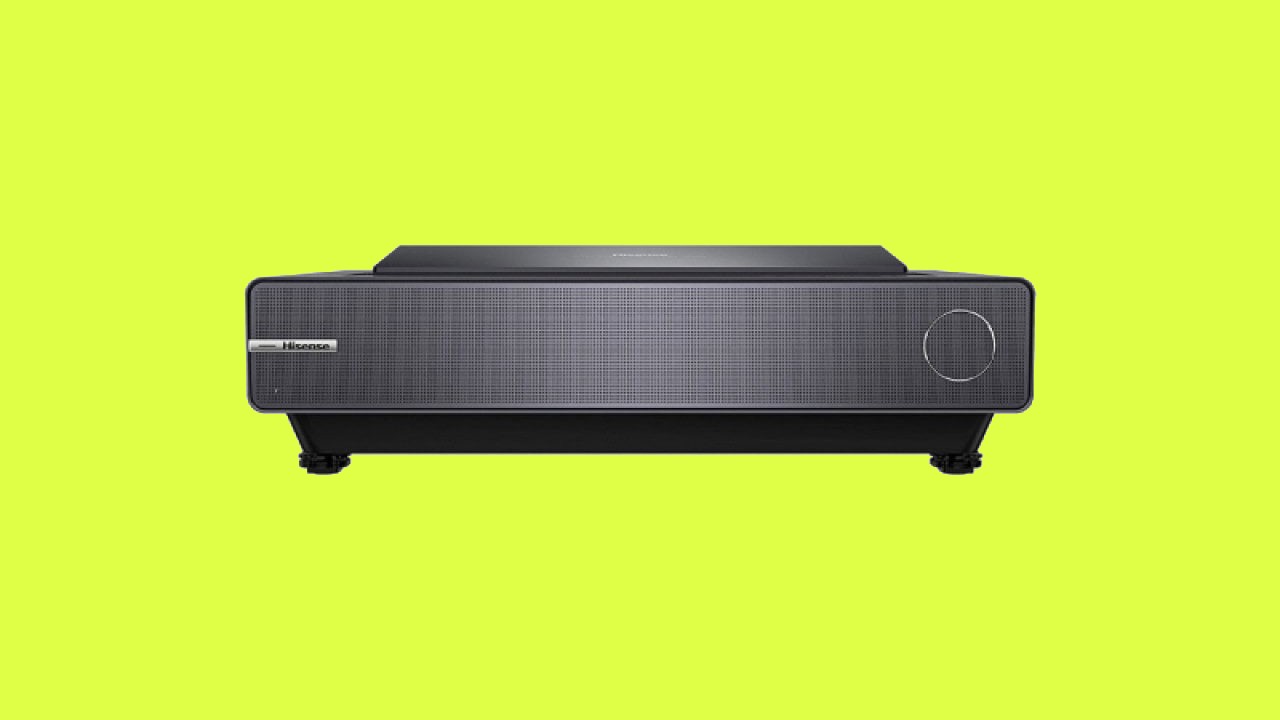
Hisense PX1-PRO projector with a compact, modern design intended to suit home or professional spaces.
The Hisense PX1-PRO is described in the supplied material mainly through its design and usability rather than detailed projection specifications.
The source highlights a modern, elegant appearance, clean lines, a sophisticated color palette, compact transport-friendly proportions, and robust construction using high-quality materials.
On that basis, it is best treated as a design-conscious projector option for buyers who care about how the unit integrates into home or professional environments, while noting that the provided source does not include the fuller technical data needed for a deeper performance comparison.
Best for: Design-conscious flexible placement
- Modern, elegant design
- Compact and easy to transport
- Robust construction
Verdict: The Hisense PX1-PRO is most defensible as a recommendation for buyers prioritizing refined design and portability, though the supplied information is too limited for a detailed performance judgment.
Quick comparison
The projectors below differ less by simple rank than by intended use.
Gaming latency, portable setup, ultra-short-throw placement, built-in streaming, installation control, and venue-scale brightness are the key distinctions supported by the supplied material.
| Product | Best for | Verdict |
|---|---|---|
| BenQ X1300i | Gaming and fast-moving entertainment | The gaming-focused choice, with stated 8 ms input lag, 120 Hz support, GameMaestro processing, and Android TV. |
| Wanbo Mozart 1 Pro | Compact streaming setups | A compact 1080p Android TV projector with wireless connectivity, HDR10 support, and built-in full-range speakers. |
| Lenso Solar | Format-friendly casual viewing | A Full HD Android 9.0 projector with USB, Wi-Fi, Bluetooth, broad media-format support, and a long-rated light source. |
| Panasonic PT-RZ series | Professional installations and exhibition spaces | An installation-oriented WUXGA laser series with ambient-light image technologies, smartphone control, geometry tools, and edge stitching. |
| XGIMI AURA | Living-room big-screen replacement | A 4K ultra-short-throw laser projector with HDR10, 2400-lumen brightness, Harman Kardon audio, Chromecast, and extensive inputs. |
| Barco G100 series | Large venues and high-output projection | A high-brightness laser projector series for attractions, events, planetariums, and other demanding large-scale uses. |
| Lenovo Xiaoxin 520 | Portable Full HD viewing | A slim 1080p projector with automatic keystone correction, smart focus, 800-lumen light source, and Vifa-developed audio. |
| Hisense 88L5VG | Screen-inclusive home projection | A projection package centered on an included slim 88-inch screen with narrow bezels. |
| Optoma Photon Go | Portable ultra-short-throw entertainment | A battery-equipped UST projector with Google TV and RGB triple-laser technology for flexible indoor or outdoor placement. |
| Hisense PX1-PRO | Design-conscious flexible placement | A compact, elegant, robustly described projector option, though the supplied source gives limited technical detail. |
Frequently asked questions
Which projector in this guide is the clearest choice for gaming?
The BenQ X1300i is the most explicitly gaming-oriented model here because the source specifies 8 ms input lag, 120 Hz support, and a GameMaestro function for adapting processing by game type.
Should I choose an ultra-short-throw projector or a standard portable projector?
Choose an ultra-short-throw model such as the XGIMI AURA or Optoma Photon Go if you want a large image from very close placement to a wall or screen.
A compact model such as the Wanbo Mozart 1 Pro, Lenso Solar, or Lenovo Xiaoxin 520 makes more sense if portability, simple placement, or casual room-to-room use matters more.
How important is brightness when comparing these projectors?
Brightness should match the room and use case.
The BenQ X1300i and XGIMI AURA list higher home-oriented lumen figures, while the Barco G100 series is in a different class for large venues with model ratings up to 22,000 lumens.
Lower-brightness compact models can still be practical for casual viewing when the room and screen size are kept under control.
Do built-in speakers remove the need for a separate audio system?
Built-in speakers can make setup easier, especially on compact models such as the Wanbo Mozart 1 Pro, Lenso Solar, and Lenovo Xiaoxin 520.
The XGIMI AURA goes further with a Harman Kardon speaker system and Dolby Audio and DTS support.
For larger rooms, installations, or more demanding listening, external audio may still be preferable.
How to choose from these projectors
Start with placement, not the spec sheet.
If the projector will sit close to the wall and act like a TV alternative, the XGIMI AURA and Optoma Photon Go are the most relevant ultra-short-throw options, with the Optoma adding battery-powered portability and the XGIMI leaning into a more living-room-style feature set.
For gaming, the BenQ X1300i is the most directly supported recommendation because the source provides the specific low-latency and high-refresh details that matter for responsive play. For everyday compact streaming, the Wanbo Mozart 1 Pro offers a current Android TV platform, 1080p resolution, wireless connectivity, and stronger stated brightness than the Lenso Solar, while the Lenso counters with broad media-format support and a longer stated light-source rating. The Lenovo Xiaoxin 520 is the more design-led portable Full HD option, helped by its slim body, automatic setup tools, and Vifa-developed audio. Professional buyers should look elsewhere in the list. The Panasonic PT-RZ series is described around exhibitions, museums, ambient-light management, geometry correction, and multi-projector work. The Barco G100 series is the heavy-duty choice for large, bright projection, with very high stated lumen ratings, a wide lens range, and event-scale use cases. The Hisense 88L5VG and Hisense PX1-PRO require a little more caution. The 88L5VG is notable because it includes an 88-inch screen, making it interesting for a planned screen-based setup. The PX1-PRO is described mainly in terms of design, portability, and robust construction, so it is harder to compare on performance from the supplied material alone. In short: match the projector to the room, source devices, image size, and setup style first; only then weigh brightness, resolution, audio, and platform features.