
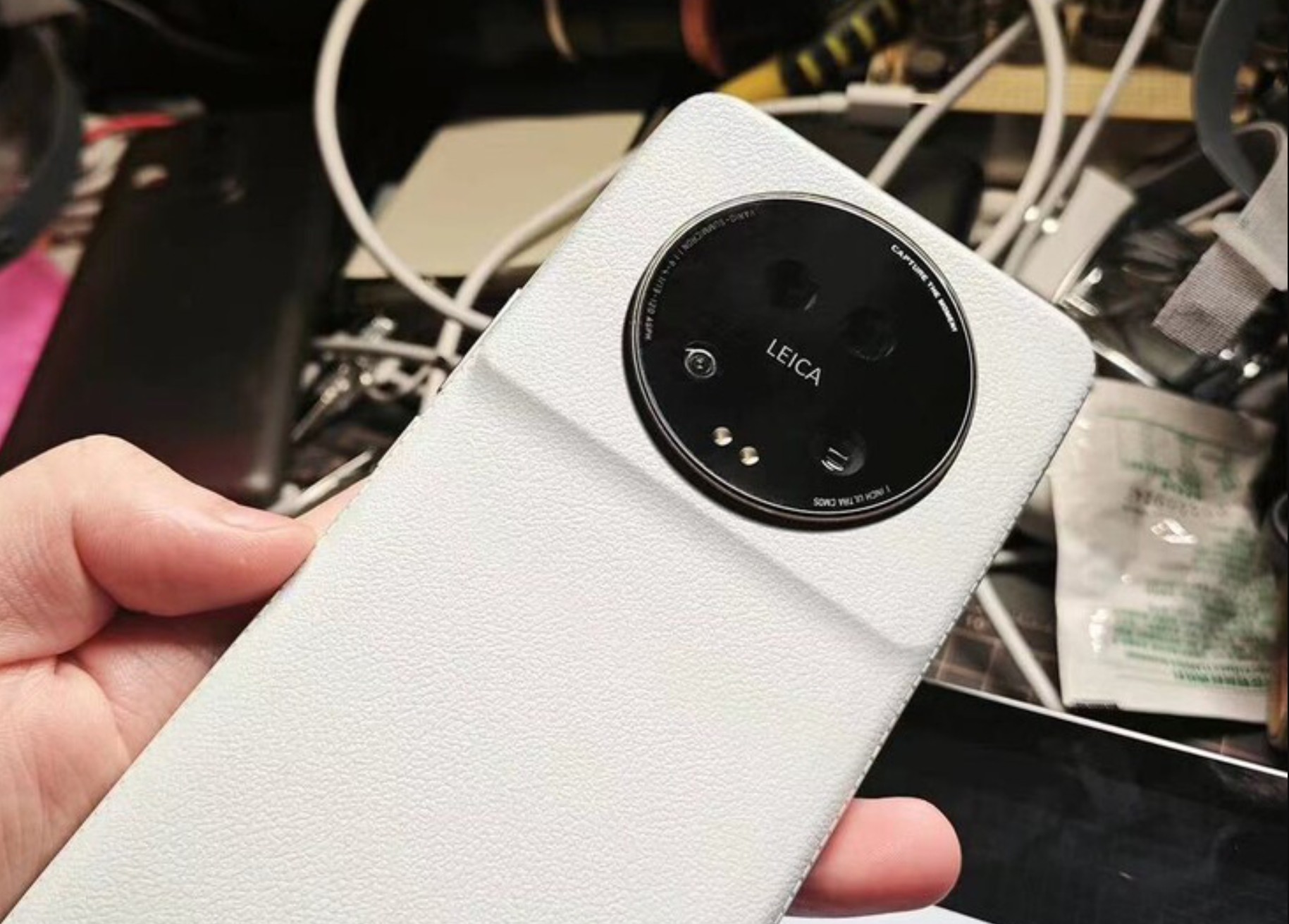
The Xiaomi 13 Ultra is notable not simply because it is another high-spec Android flagship, but because Xiaomi is framing it around a clear idea: a premium smartphone built first and foremost for serious mobile photography, without restricting the model to its home market. The company has confirmed an April presentation and has clarified that the phone is intended for worldwide sale rather than remaining a China-only specialist model. That global intent matters, because a camera-led flagship is most useful when buyers outside one region can actually consider it as part of their next-device shortlist. Based on the documented information available so far, the Xiaomi 13 Ultra combines Leica cooperation, a large main camera sensor, three additional high-resolution rear modules, a modern Snapdragon platform, a fast AMOLED display, large memory configurations, and fast charging support into a device aimed at users who want one phone to cover a broad range of everyday and creative tasks.
A camera system designed as the main attraction
The defining element of the Xiaomi 13 Ultra is its rear camera system. Xiaomi has said that the phone’s optical system benefits from cooperation with Leica, placing the imaging hardware and processing approach at the center of the product’s identity. For a prospective owner, that is important because smartphone cameras are no longer judged only by their headline megapixel count. Lens design, sensor size, processing decisions, color handling, and consistency between modules all shape how useful a camera phone feels in daily use.
The reported main module is built around a 50-megapixel Sony IMX989 one-inch sensor. In mobile terms, that is a significant optical format and is described as the largest currently available for mobile devices. A larger sensor can be attractive because it gives the camera system more physical imaging area to work with, which is one reason manufacturers use it in flagship camera phones. Xiaomi’s decision to pair that main sensor with Leica processing makes clear that the 13 Ultra is not being pitched as a casual camera upgrade, but as a device where imaging is meant to be a central reason to buy.
Four 50-megapixel rear modules for flexible shooting
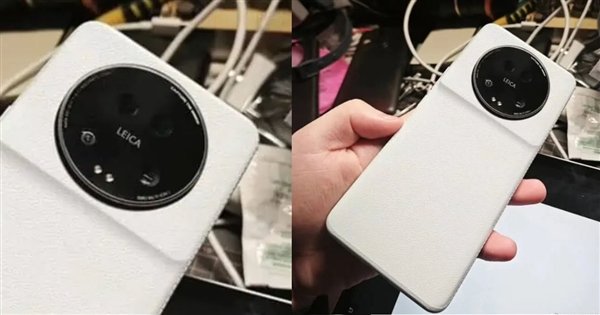
One of the more distinctive aspects of the Xiaomi 13 Ultra is the expected consistency of its rear camera resolution. In addition to the 50-megapixel main module, the phone is credited with three further 50-megapixel sensors using Sony IMX858 matrices. These are said to support ultra-wide-angle shooting, 3x telephoto zoom, and 5x telephoto zoom. That layout suggests Xiaomi is prioritizing flexibility across focal lengths rather than relying on a single strong main camera and treating the other lenses as secondary conveniences.
For users, the practical appeal is straightforward: different scenes ask for different perspectives. Ultra-wide optics help with architecture, interiors, landscapes, and group shots. A 3x telephoto lens is useful for portraits and tighter framing without standing too close to a subject. A 5x telephoto lens gives the phone more reach for distant details. The documented use of 50-megapixel sensors across all four rear modules may also help the Xiaomi 13 Ultra feel more coherent as a camera system, at least on paper, because the supporting cameras are not presented as low-resolution add-ons.
Leica cooperation as a design signal
The Leica connection is one of the Xiaomi 13 Ultra’s most visible identity markers. The available information does not provide a full breakdown of what Leica contributes in optical engineering, software processing, tuning, or interface design, so it would be unwise to infer more than has been stated. Still, the partnership is meaningful as a product-design signal. Xiaomi is associating the 13 Ultra with a photographic brand known for optics and camera culture, and it is using that association to underline the phone’s camera-first character.
For a buyer comparing flagship phones, this may matter less as a badge and more as evidence of focus. Many premium smartphones offer multiple cameras, but the Xiaomi 13 Ultra appears to be built around the idea that each part of the rear camera array should contribute meaningfully. The Leica collaboration reinforces that imaging is not an incidental feature here; it is the organizing theme of the device.
Display, processor, and memory to support flagship use
The Xiaomi 13 Ultra is also credited with the kind of core hardware expected from a current flagship. The reported display is a 6.7-inch AMOLED panel with QHD+ resolution and a 120 Hz refresh rate. That combination is relevant beyond spec-sheet appeal. A large, high-resolution screen is useful for framing and reviewing photos, editing images, watching video, reading, gaming, and general multitasking. The 120 Hz refresh rate should also support a smoother interface experience than standard 60 Hz panels, assuming the software and content take advantage of it.
The phone is confirmed to use Qualcomm’s Snapdragon 8 Gen 2, a 4 nm eight-core flagship mobile platform. That matters because a camera-heavy phone places high demands on processing. Multi-camera capture, high-resolution image handling, computational photography, video work, and rapid app switching all benefit from a powerful system-on-chip. The Xiaomi 13 Ultra is also associated with 12 GB or 16 GB of RAM and 256 GB or 512 GB of flash storage, with a maximum configuration said to include 1 TB. Those larger storage options are especially relevant for a camera-led device, because high-resolution photos and video can quickly consume space.
Battery and charging for demanding daily use
A flagship camera phone is only useful if it can keep up with long days of shooting, navigating, messaging, and media use. The Xiaomi 13 Ultra is said to include a capacious battery with support for 90-watt fast charging. The full charge time has not been disclosed, so it is best not to make assumptions about real-world charging speed. Even so, fast-charging support is an important convenience feature for users who rely on one device throughout the day and may need to recover battery capacity quickly between commitments.
This is particularly relevant for travelers, eventgoers, creators, and anyone who uses the phone as both camera and primary computer. High-brightness display use, mobile data, image capture, and navigation can all place pressure on battery life. A large battery paired with fast charging support is therefore a sensible match for the Xiaomi 13 Ultra’s intended role.
Global availability gives the product broader relevance
Xiaomi’s confirmation that the 13 Ultra is planned for worldwide sale is a key part of its market position. Some technically interesting smartphones remain limited to specific regions, which can make them difficult to recommend or even consider for many buyers. By stating that the Xiaomi 13 Ultra will not be a niche model reserved for the Chinese market, Xiaomi gives the device broader relevance from the outset.
For international buyers, global intent can also imply more confidence around language support, distribution, and practical ownership, although final market details still matter and should be checked once the phone is formally launched. As documented so far, the message is clear: Xiaomi wants the 13 Ultra to be seen as an international flagship camera phone, not an experimental local variant.
Who the Xiaomi 13 Ultra is most suitable for
The Xiaomi 13 Ultra appears most suitable for users who place mobile photography near the top of their priorities. Its documented strengths point toward people who want multiple serious rear camera options, a large main sensor, Leica-associated imaging, a high-resolution display for viewing and editing, and enough processing power and storage to manage demanding media use. It may also appeal to travelers or creators who want one device that can cover wide, standard, and telephoto perspectives without carrying a separate camera for every situation.
It is less clearly aimed at users who only need a simple phone for calls, messaging, web browsing, and occasional snapshots. Those buyers may not fully benefit from the multi-camera hardware, large storage configurations, or flagship processor. Similarly, anyone who values compact dimensions above all else may want to consider that a 6.7-inch display places this device in large-phone territory. The Xiaomi 13 Ultra’s strengths are most relevant when its camera system, screen, performance platform, and storage options are likely to be used regularly.
Conclusion
The Xiaomi 13 Ultra stands out as a camera-first flagship with a clearly documented emphasis on imaging flexibility, Leica cooperation, a large 50-megapixel main sensor, and three additional 50-megapixel rear modules covering ultra-wide, 3x telephoto, and 5x telephoto roles. Its reported 6.7-inch QHD+ 120 Hz AMOLED display, confirmed Snapdragon 8 Gen 2 platform, generous memory and storage options, and 90-watt fast-charging support all reinforce its position as a premium device built for demanding everyday and creative use. The most attractive aspect is the way these features support a coherent purpose: a globally available smartphone for buyers who want advanced mobile photography at the center of the ownership experience.