Choosing a TV is less about finding a single universal winner and more about matching the screen to the way it will be used.
The source material here spans compact affordable 4K sets, mid-range LCD models, QLED and OLED-related options, gaming-oriented Philips ranges, minimalist LG and Samsung designs, and an unusually large Hisense laser-based foldable display concept.
1. Samsung Crystal 4K Neo
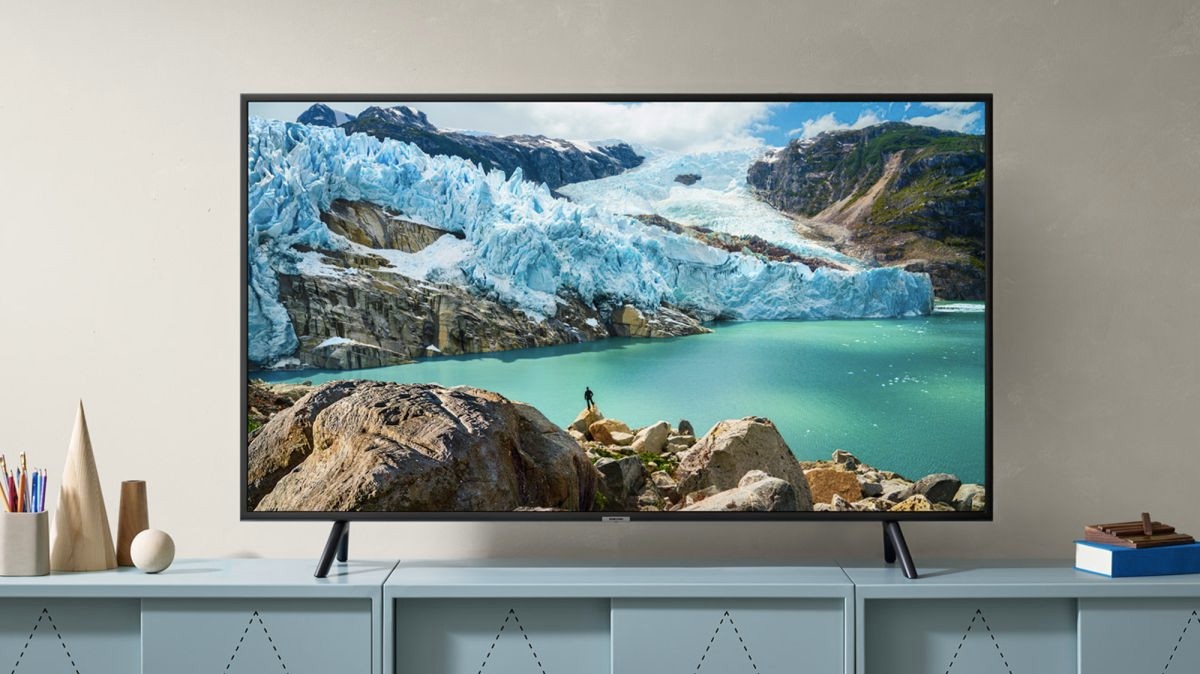
Samsung Crystal 4K Neo presents a 43-inch 4K HDR10+ screen with a three-sided bezel-less design and built-in Dolby Digital Plus audio.
Samsung’s Crystal 4K Neo is the most straightforward budget-minded 4K option in this selection.
The supplied article describes a 43-inch smart TV with 3840 x 2160 resolution, HDR10+ support, a Crystal 4K processor, PurColor, and a three-sided bezel-less design.
It also brings useful everyday extras, including Motion Xcelerator, Auto Game mode, PC mode, three HDMI ports, one USB port, and 20W speakers with Dolby Digital Plus, Intelligent Adaptive Sound, and Q-Symphony support.
Best for: Budget 4K buyers who want a compact smart TV with gaming and sound extras
- 43-inch 4K screen with HDR10+
- PurColor and Crystal 4K processing
- Motion Xcelerator and Auto Game mode
- 20W Dolby Digital Plus speaker system
Verdict: The Crystal 4K Neo is a practical choice when price, 4K resolution, HDR10+, and broad smart-TV convenience matter more than premium panel technology.
2. Skyworth G3A
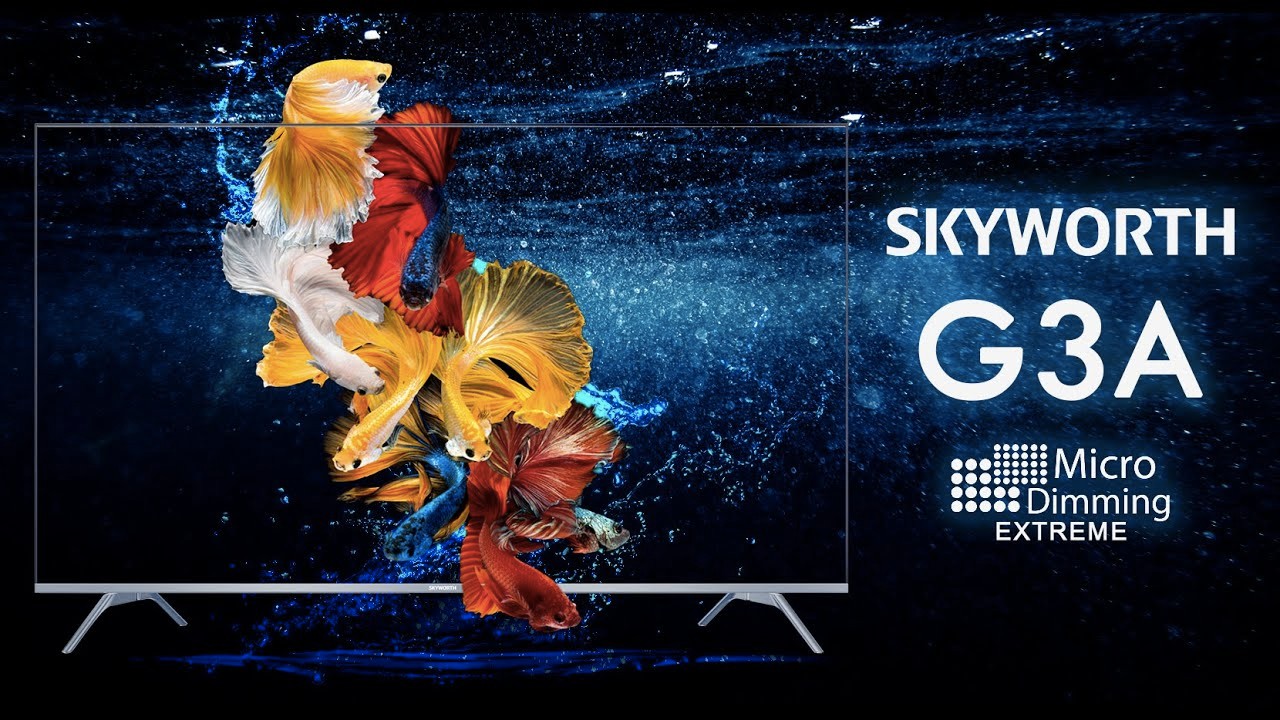
Skyworth G3A uses a thin black frame and direct LED LCD panel across multiple screen sizes in the series.
The Skyworth G3A is positioned as a mid-range 4K Ultra HD Android TV series rather than a flagship display.
According to the source, it uses an 8-bit plus FRC LCD panel with direct LED backlighting, no local dimming, a VA panel type, and a native 60 Hz refresh rate.
It is available in 43-, 50-, 55-, and 65-inch sizes, with a thin-bezel design described by Skyworth as “Boundless Vision.” The key caveat is brightness: the article states that, despite HDR labeling, the series has a limited ability to produce very bright images.
Best for: Shoppers moving up from entry-level or Full HD TVs on a controlled budget
- 4K Ultra HD Android TV platform
- Available in several screen sizes
- VA LCD panel with direct LED backlighting
- Thin-bezel design
Verdict: The G3A makes sense as a sensible 4K Android TV step-up, provided expectations around HDR brightness are kept realistic.
3. Philips PUS8848
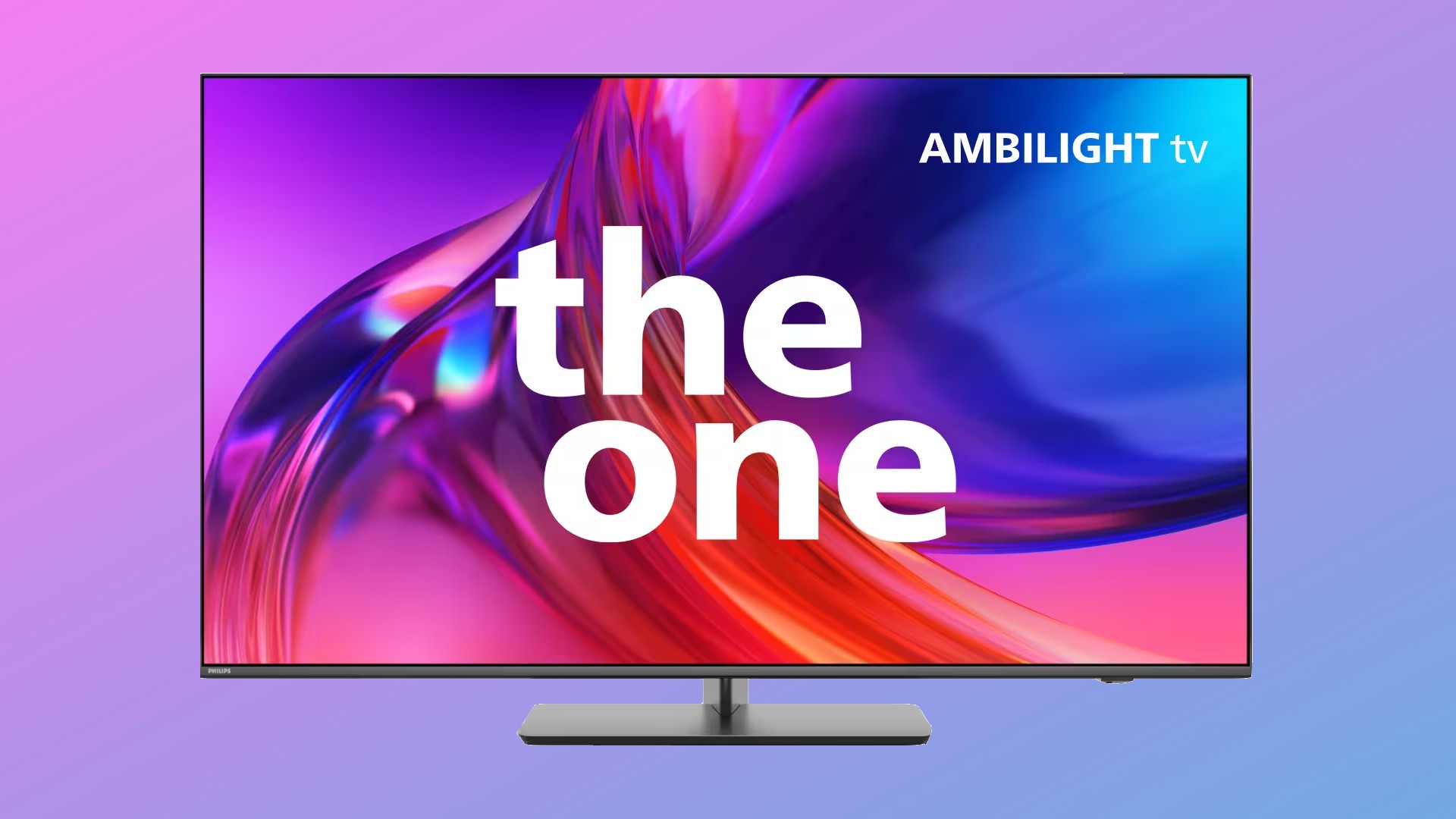
Philips PUS8848 combines a silver narrow-frame design, central stand, Ambilight, and 4K HDR presentation.
Philips positions the PUS8848, also referred to as “The One,” as a well-rounded 4K HDR TV with Ambilight.
The source focuses on the 55PUS8848/12 model and notes good build quality with no visible manufacturing defects.
Its silver finish, narrow aluminum frame, central flat stand, and VESA 200 x 300 wall-mount compatibility make it one of the more clearly described living-room designs in the set. The article also confirms four HDMI ports, which is useful for source-heavy systems.
Best for: Viewers who want a well-rounded Philips 4K TV with Ambilight and a polished living-room design
- 4K HDR TV with Ambilight
- Good build quality noted in the source
- Narrow aluminum frame and central stand
- Four HDMI ports
Verdict: The PUS8848 stands out as the balanced Philips option here, especially for buyers who value Ambilight, build quality, and flexible placement.
4. LG transparent OLED TVs
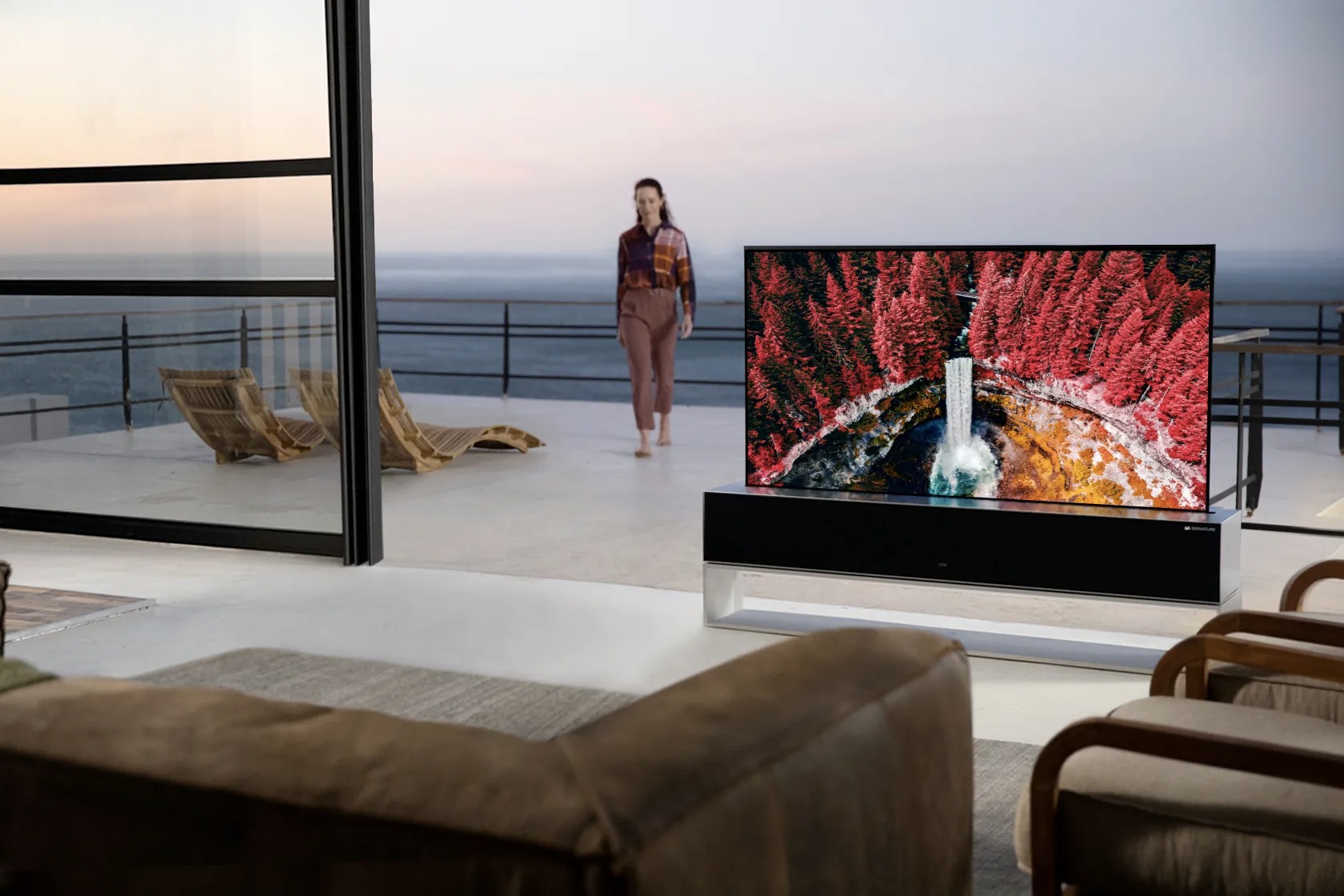
LG’s transparent OLED direction points toward a 55-inch home display concept with traditional mounting and reinforced glass.
This entry is not a conventional current-TV recommendation; it is a forward-looking report on LG Display approaching LG Electronics about transparent OLED TVs for home use.
The source describes a proposed 55-inch transparent OLED model that would be mounted in a traditional way, unlike roll-up OLED concepts.
It also states that the transparent OLED was expected to be reinforced with a hard glass coating. For ordinary buyers, this is best treated as an emerging design direction rather than a mainstream purchase option.
Best for: Design-focused readers tracking future OLED formats rather than buying a standard TV immediately
- 55-inch transparent OLED concept described
- Traditional-style mounting proposed
- Hard glass reinforcement expected
- Home-use direction distinct from signage products
Verdict: LG’s transparent OLED report is intriguing, but it belongs on a watchlist rather than a practical shortlist for most TV buyers.
5. Grundig Nano QLED GH 8700
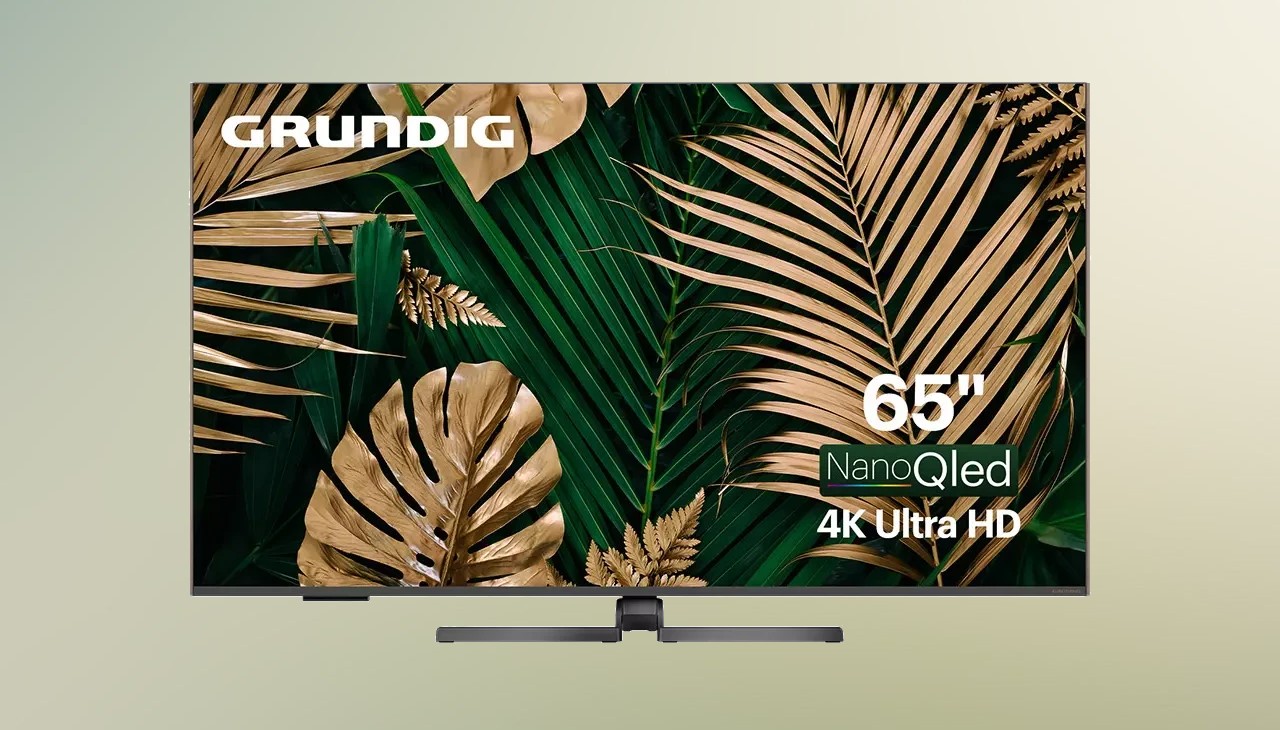
Grundig Nano QLED GH 8700 is offered in 55- and 65-inch sizes with 4K Ultra HD resolution and quantum dot technology.
Grundig’s Nano QLED GH 8700 is the clearest premium-leaning LCD-based model in the supplied material.
It uses quantum dot technology, offers 4K Ultra HD resolution, and is listed in 55- and 65-inch sizes.
The source states support for more than a billion shades of color, a 120 Hz refresh rate, HDR10+, and Dolby Vision IQ, with Dolby Vision IQ adjusting scene brightness to suit room lighting conditions. It also notes automatic upscaling of HD and Full HD content to 4K Ultra HD.
Best for: Buyers who want a feature-rich QLED TV with broad HDR format support
- Quantum dot screen technology
- 4K Ultra HD with 120 Hz refresh rate
- HDR10+ and Dolby Vision IQ support
- HD and Full HD upscaling to 4K
Verdict: The Nano QLED GH 8700 is the strongest fit here for shoppers prioritizing quantum-dot color, 120 Hz support, and modern HDR handling.
6. Hisense Starlight S1
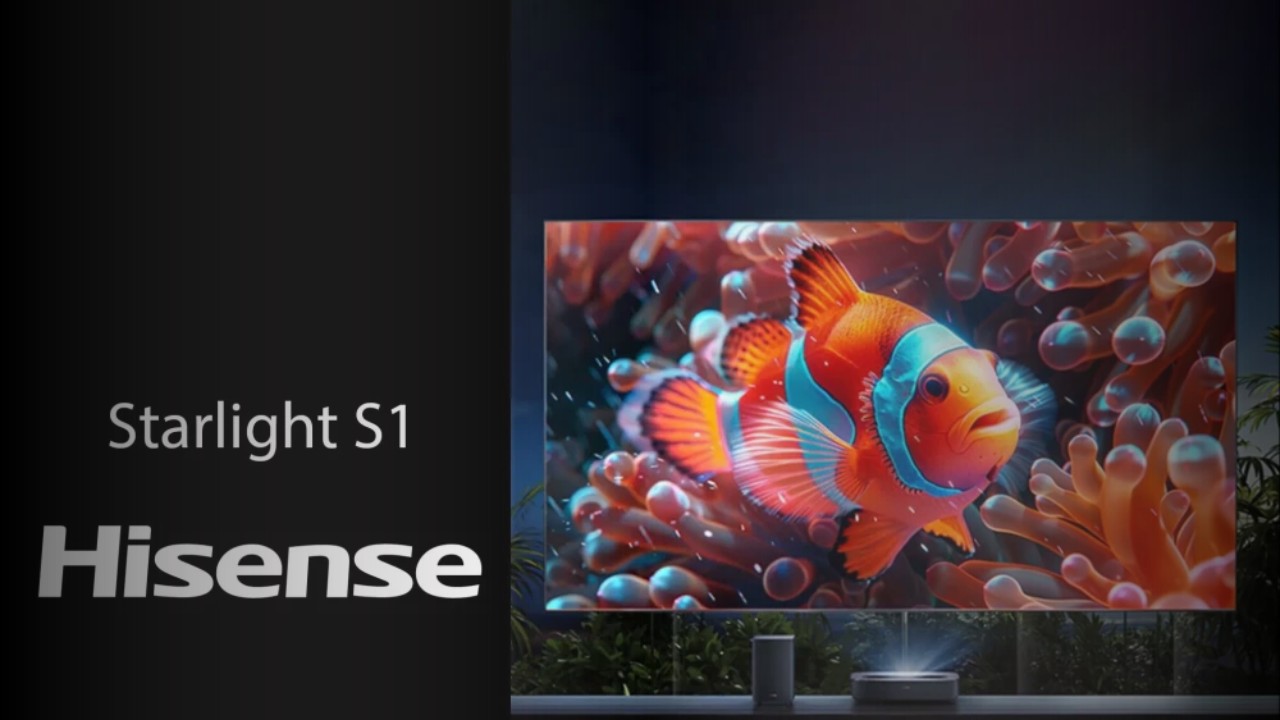
Hisense Starlight S1 pairs a foldable large-screen format with ultra-short throw laser projection and an anti-glare panel.
The Hisense Starlight S1 is the most unusual large-screen option in the group.
The source describes a very large folding TV concept using an ultra-short throw laser projector with a special anti-glare panel, intended to simplify transport logistics for such a large display.
It is specified with 3840 x 2160 resolution, 99% DCI-P3 color coverage, IMAX Enhanced certification, Wi-Fi 6, 3 GB of RAM, and 128 GB of storage. The audio system is also heavily specified, with 15 speakers, a 60W subwoofer, DTS Virtual:X, and Dolby Atmos support.
Best for: Large-screen cinema-style rooms where transport and installation practicality are major concerns
- Foldable large-screen design
- Ultra-short throw laser system with anti-glare panel
- 4K resolution with 99% DCI-P3 coverage
- 15-speaker system with 60W subwoofer
Verdict: The Starlight S1 is a specialist large-format solution with striking transport and audio ambitions, not a typical living-room TV purchase.
7. Philips TV lineup
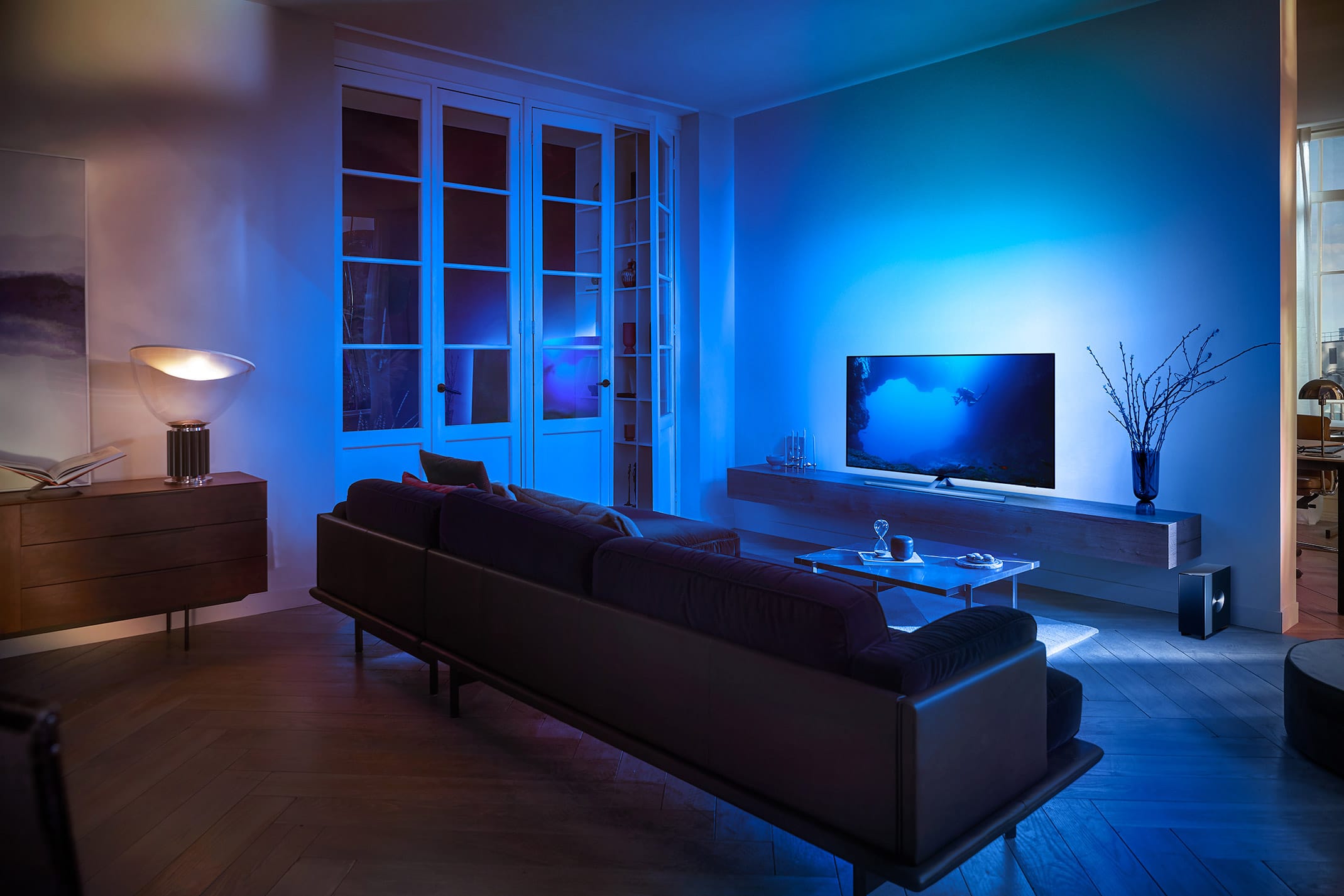
Philips’ TV range overview highlights gaming-oriented features such as 120 Hz, HDMI 2.1, VRR, and Game Bar support.
The Philips TV lineup article is a broader range overview rather than a review of one model, so its value is in mapping features across Philips options.
The source emphasizes a shift toward quality over quantity and notes stronger gaming support across new Philips TVs, including 120 Hz, HDMI 2.1, VRR, and a Game Bar menu option.
It also highlights the Philips OLED807 as a notable model expected to feature an OLED evo panel. This makes the article useful for buyers comparing Philips ranges by budget, gaming features, and panel type.
Best for: Philips shoppers comparing model families before choosing a specific TV
- Wide Philips range across budgets
- Gaming features highlighted, including 120 Hz and HDMI 2.1
- VRR and Game Bar menu option noted
- OLED807 identified with OLED evo panel
Verdict: The Philips lineup overview is most useful as a roadmap for narrowing the range by gaming features, budget, and OLED interest.
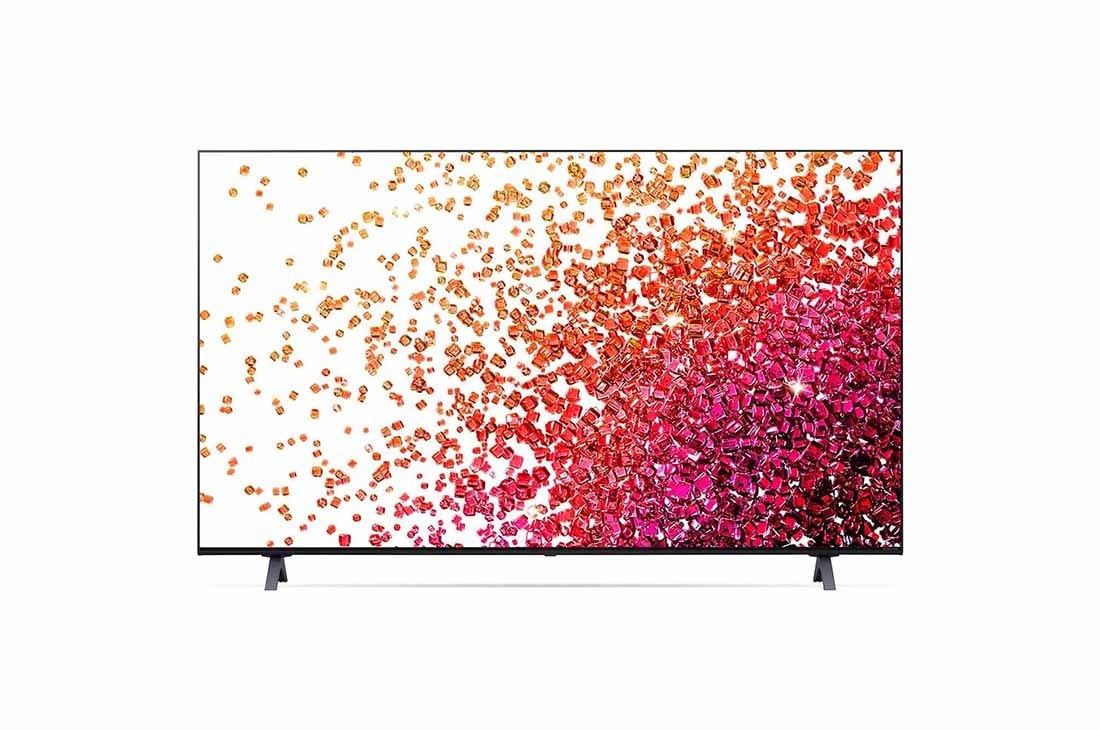
8. LG NANO75
LG NANO75 emphasizes a slim, modern NanoCell design intended to blend into contemporary home spaces.
The LG NANO75 is presented as a modern, minimalist NanoCell TV with an attractive design and a broad feature set.
The source focuses on the LG 55NANO75 and LG NanoCell 55NANO756PA variants, noting a slimmer look, an aesthetic intended to integrate well into homes, and a 55-inch size described as acceptable for medium-sized rooms.
The article’s strongest support is around design and general completeness rather than detailed panel specifications in the supplied excerpt.
Best for: Viewers who want an LG NanoCell TV with clean styling for a medium-sized room
- Modern minimalist design
- Slimmer appearance noted in the source
- 55-inch size suited to medium rooms
- Broad feature set described
Verdict: The NANO75 is best considered for its living-room-friendly design and general feature balance, with deeper specification checks needed before comparing picture performance.

9. Samsung QN86C
Samsung QN86C is presented with a slim profile, minimal edges, and a carefully finished rear design.
The Samsung QN86C article is strongest on design impressions rather than hard technical detail.
It describes a contemporary television with a slim profile, almost imperceptible edges, careful material quality, and an attractive rear design suitable for flexible placement in a room.
Because the supplied excerpt does not provide panel type, refresh rate, HDR standards, or port specifications, the QN86C is best differentiated here as a design-led Samsung option rather than a spec-led recommendation.
Best for: Design-conscious Samsung buyers who prioritize a clean, premium-looking installation
- Slim contemporary profile
- Almost imperceptible edges
- Attention to material quality noted
- Rear design considered attractive
Verdict: The QN86C reads as a style-forward choice in the supplied material, but specification-driven buyers will need more detail before judging performance.

10. LG C3 and LG C2
LG C3 and LG C2 comparison focuses on the practical differences between two LG C-series OLED options, including webOS versions.
This article is a buying comparison rather than a single-TV review, focused on whether to choose LG C3 or LG C2 OLED.
The supplied excerpt frames the C series as LG’s highly popular OLED line and says the comparison covers similarities and major differences.
The clearest difference mentioned in the excerpt is software: webOS 23 on LG C3 versus webOS 22 on LG C2, with the newer version described as not dramatically different but offering several exclusive advantages, including a new picture mode tailored in the later software.
Best for: LG OLED buyers deciding between two C-series generations
- Direct LG C-series OLED comparison
- Frames C3 versus C2 buying decision
- webOS 23 versus webOS 22 distinction explained
- Useful for weighing newer software against value
Verdict: The LG C3 versus LG C2 comparison is useful for OLED shoppers who want to understand whether newer software and related changes justify choosing the later model.
Quick comparison
The strongest distinctions in this group are not subtle picture-quality rankings, because the source material varies from product news to design notes and broader lineup coverage.
A practical comparison is therefore best built around format, panel direction, gaming support, room fit, and how much caution is needed before buying.
| Product | Best for | Verdict |
|---|---|---|
| Samsung Crystal 4K Neo | Affordable compact 4K smart-TV use | A 43-inch 4K HDR10+ Samsung with gaming, PC, and sound features clearly listed in the source. |
| Skyworth G3A | Mid-range 4K Android TV shoppers | A step-up 4K LCD series with multiple sizes, but limited HDR brightness is explicitly noted. |
| Philips PUS8848 | Balanced 4K HDR viewing with Ambilight | A well-built Philips model with Ambilight, a polished stand design, wall-mount support, and four HDMI ports. |
| LG transparent OLED TVs | Future-facing design interest | A transparent OLED home-TV direction worth watching, but not a mainstream practical recommendation. |
| Grundig Nano QLED GH 8700 | QLED features and broad HDR support | The most fully specified QLED option here, with 4K, 120 Hz, HDR10+, Dolby Vision IQ, and quantum dot technology. |
| Hisense Starlight S1 | Very large cinema-style installations | A specialist foldable large-screen laser-based system with strong audio specifications and anti-glare panel design. |
| Philips TV lineup | Choosing within the Philips range | Best used as a range guide, especially for gaming features such as 120 Hz, HDMI 2.1, VRR, and Game Bar. |
| LG NANO75 | Minimalist LG styling in a medium room | A design-led NanoCell option in the supplied excerpt, with the 55-inch version framed for medium-sized spaces. |
| Samsung QN86C | A clean Samsung design statement | The source supports design appeal more strongly than performance claims, so it suits style-led shortlisting. |
| LG C3 and LG C2 | LG OLED comparison shopping | A practical comparison for deciding between C-series OLED options, with software differences clearly highlighted. |
Frequently asked questions
How should I choose between LCD, QLED, OLED, and laser-based TV options?
Start with use case and room.
The Skyworth G3A and Samsung Crystal 4K Neo are conventional 4K LCD-style choices for everyday viewing, while the Grundig Nano QLED GH 8700 adds quantum dot technology and broader HDR support.
LG C3 and C2 sit in the OLED comparison space, LG transparent OLED is a future-facing design concept, and Hisense Starlight S1 is a specialist large-screen laser-based system rather than a typical TV.
Do HDR labels always mean strong HDR performance?
No.
The supplied Skyworth G3A article specifically warns that, despite HDR labeling, the series has a limited ability to produce very bright images.
By contrast, the Grundig Nano QLED GH 8700 source lists HDR10+ and Dolby Vision IQ, while the Samsung Crystal 4K Neo lists HDR10+. Format support and panel capability should be considered separately.
Which options in this selection look most relevant for gaming?
The Samsung Crystal 4K Neo includes Motion Xcelerator and Auto Game mode, while the Philips lineup article highlights 120 Hz, HDMI 2.1, VRR, and a Game Bar menu option across relevant Philips models.
The Grundig Nano QLED GH 8700 is also specified with a 120 Hz refresh rate.
The supplied material does not provide equal gaming detail for every TV, so direct comparisons should stay feature-based.
How important is built-in sound when buying one of these TVs?
Built-in sound matters if a separate sound system is not planned.
Samsung Crystal 4K Neo is specified with 20W speakers, Dolby Digital Plus, Intelligent Adaptive Sound, and Q-Symphony.
Hisense Starlight S1 is much more elaborate on paper, with 15 speakers, a 60W subwoofer, DTS Virtual:X, and Dolby Atmos. For other models in the supplied material, audio detail is either limited or not central to the excerpt.
How to make the final choice
For most buyers, the safest route is to begin with screen size, room type, and the kind of content watched most often.
A compact or budget-conscious room points naturally toward the Samsung Crystal 4K Neo if a 43-inch 4K HDR10+ smart TV with practical extras is enough.
A larger but still value-minded 4K Android TV shortlist could include the Skyworth G3A, though the source’s warning about limited HDR brightness should be taken seriously. For buyers who want a better-specified feature set, the Grundig Nano QLED GH 8700 is the strongest QLED-style option in the material thanks to 4K resolution, 120 Hz refresh, quantum dot technology, HDR10+, and Dolby Vision IQ.