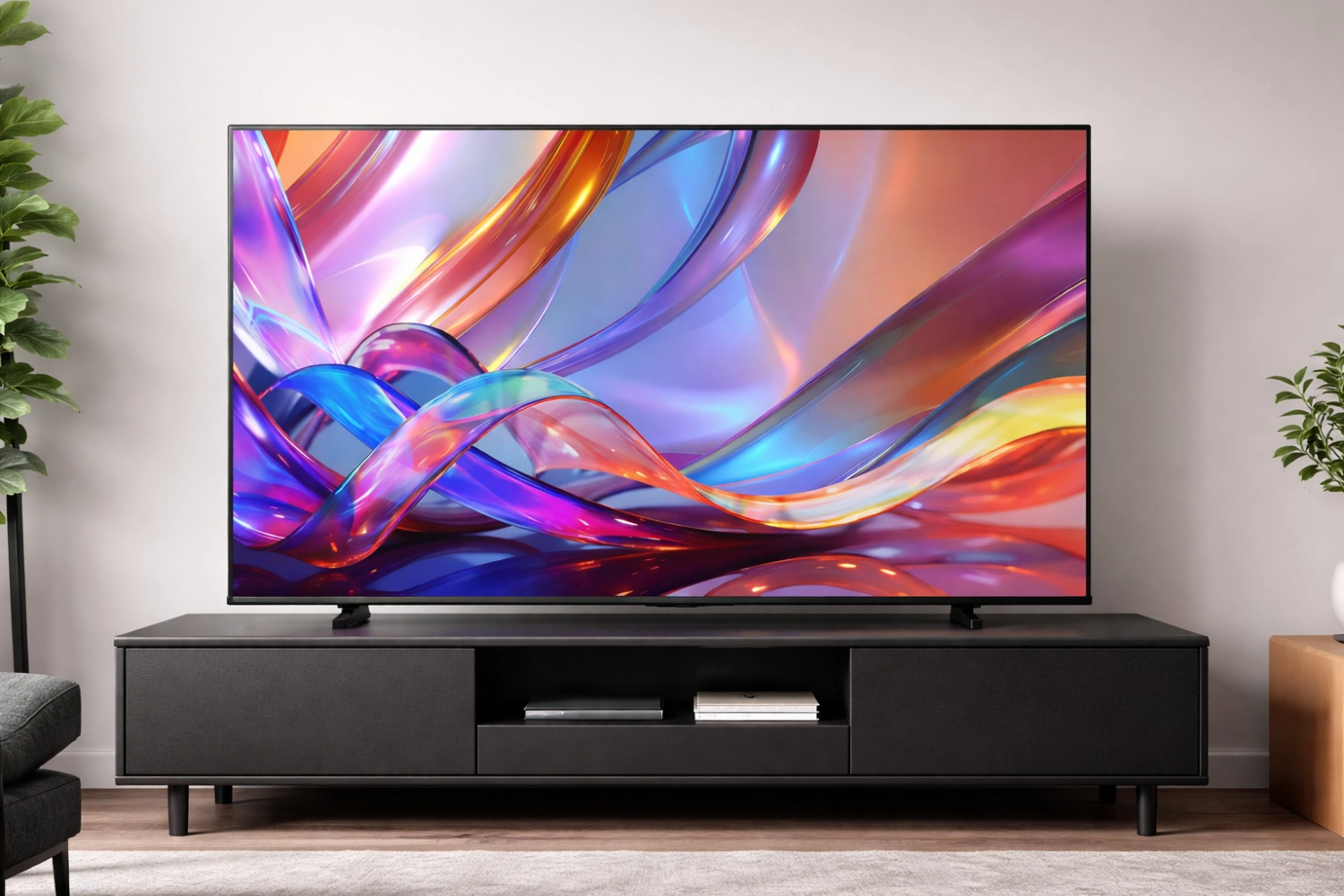
There’s a growing category of TVs that aim to do just enough of everything—good picture, smart features, acceptable gaming—without pushing the price into uncomfortable territory. The Hisense E7S series fits squarely into that space, but it does more than just tick boxes. In several areas, it actually overdelivers.
The question isn’t whether it’s “good for the money.” It’s whether it’s good, period.
Design and build
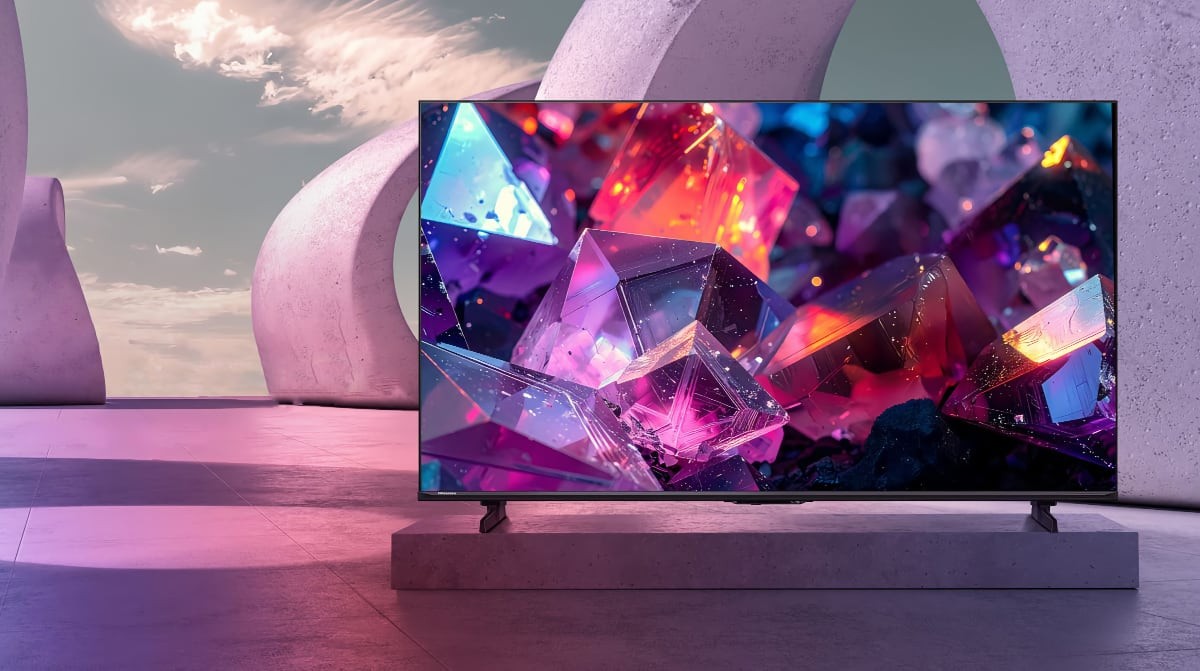
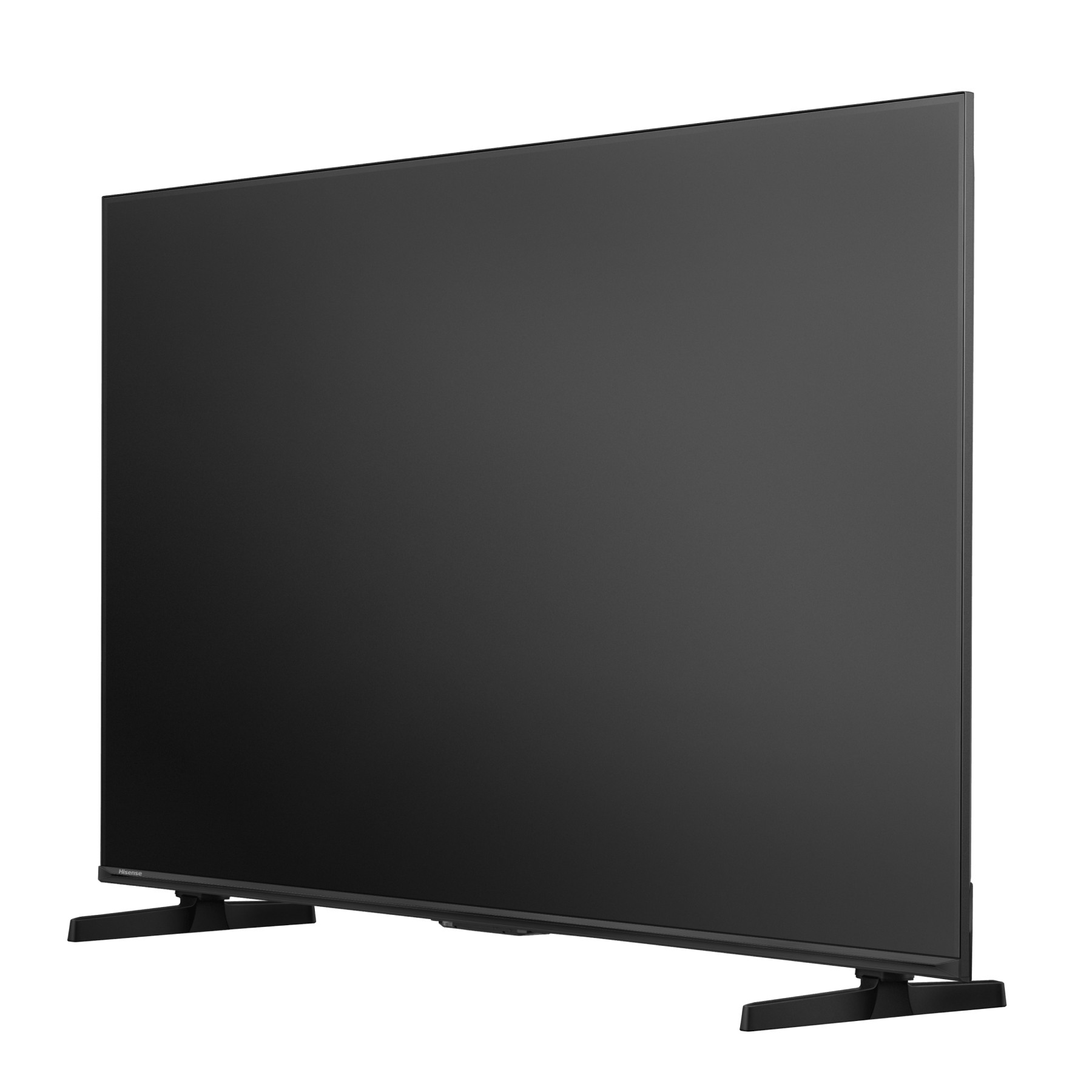
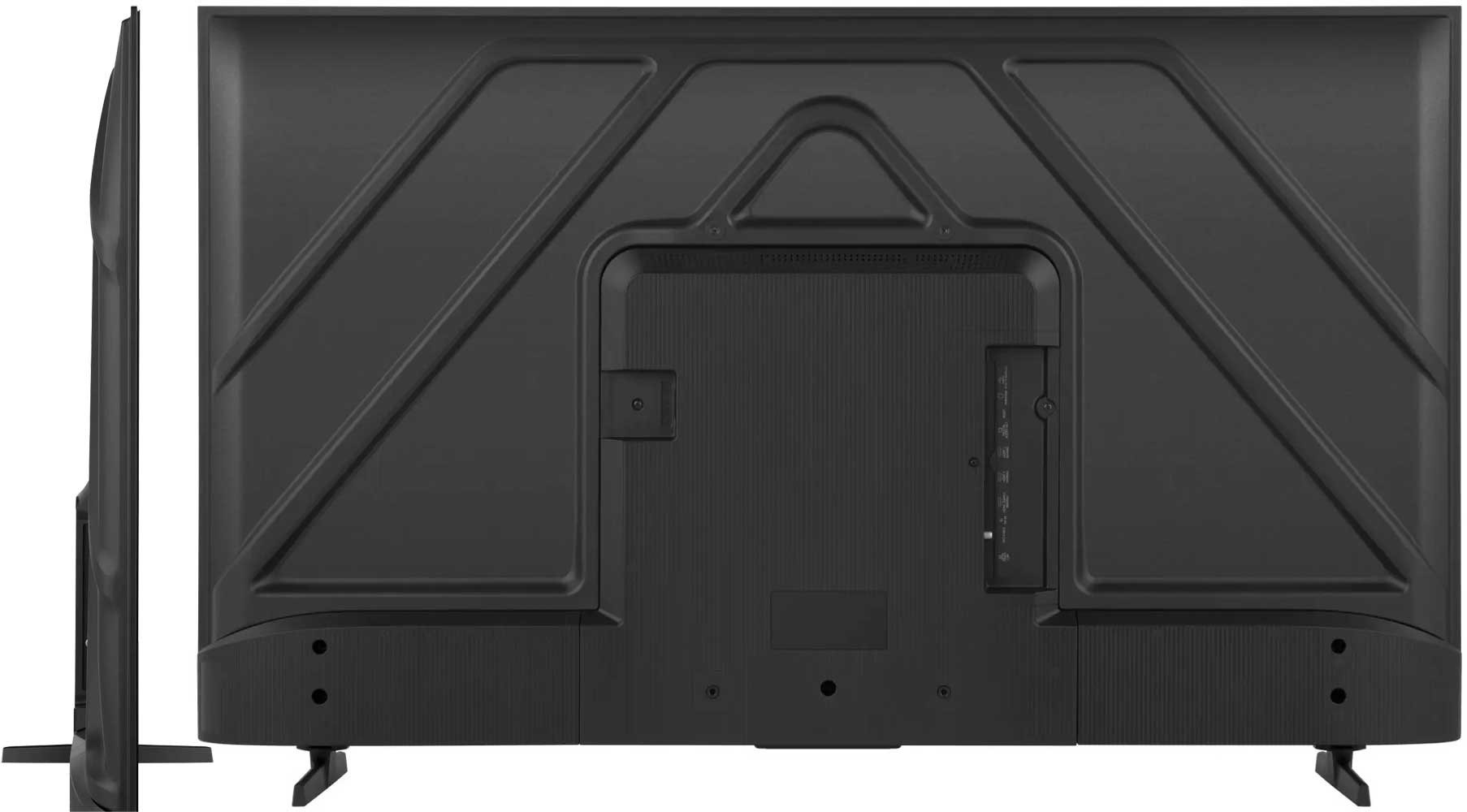
The E7S keeps things simple, but in a way that works. Thin bezels on three sides give it a modern, almost floating look when viewed head-on, especially in low light. The bottom edge is slightly thicker, but not distracting.
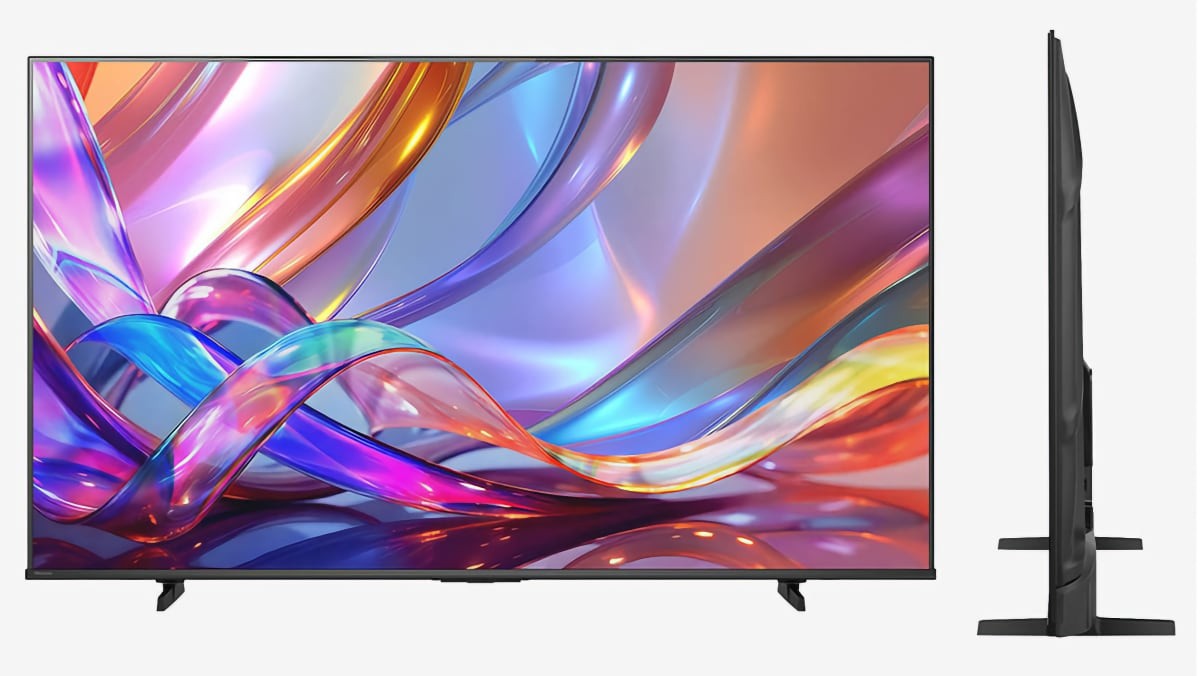
The stand is wide-set and stable, which is great for larger furniture setups, though it may be inconvenient for smaller TV benches. Build quality is entirely plastic, but it feels solid enough for everyday use.
At around 2.7 inches thick, it’s not ultra-slim, but it doesn’t look bulky either. Wall mounting is straightforward with a standard VESA 200 × 400 pattern, and most of the ports are side-facing, which is a practical touch.
Smart platform and usability
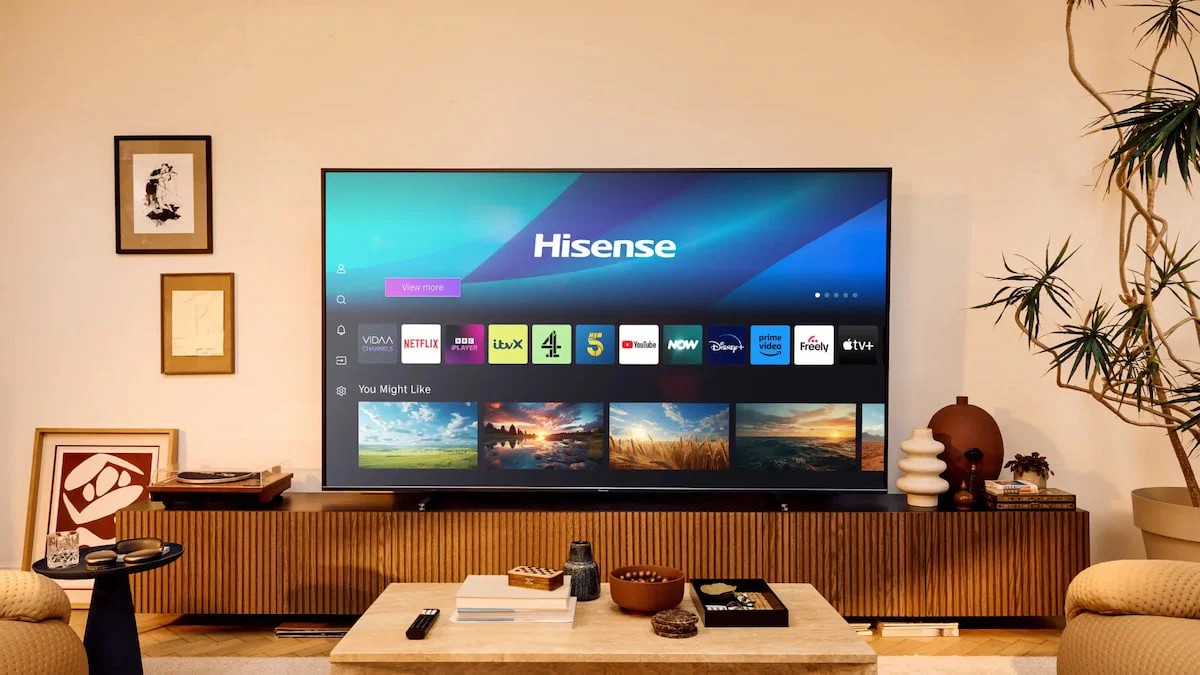
Hisense’s HomeOS continues to improve, and on the E7S it feels fast, responsive, and refreshingly uncluttered. Navigation is smooth, apps launch quickly, and the overall layout is intuitive even if you’ve never used a Hisense TV before.
All major streaming services are present out of the box—Netflix, Prime Video, YouTube—and the interface leans heavily on personalized recommendations without feeling overwhelming.
Voice control is included via Alexa, but it’s not fully hands-free. You still need to press a button on the remote, which feels slightly dated compared to more advanced ecosystems.
Still, as a daily-use smart platform, it’s reliable and friction-free—which is exactly what most people want.
Picture performance
This is where the E7S earns its place.
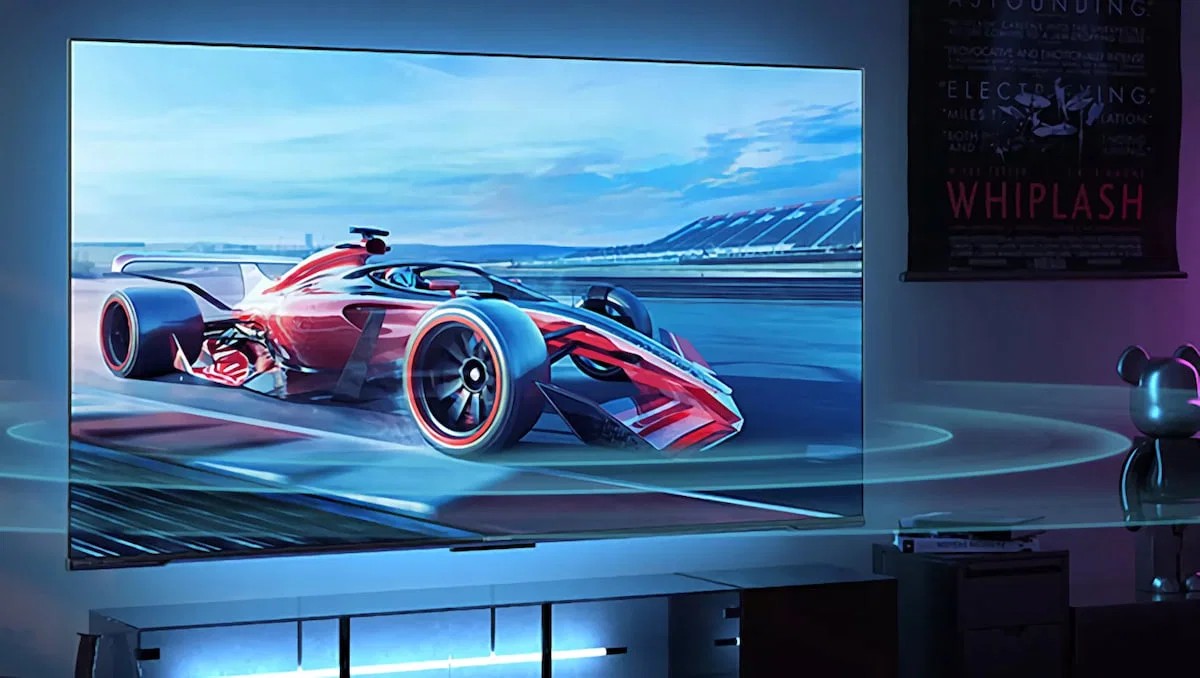
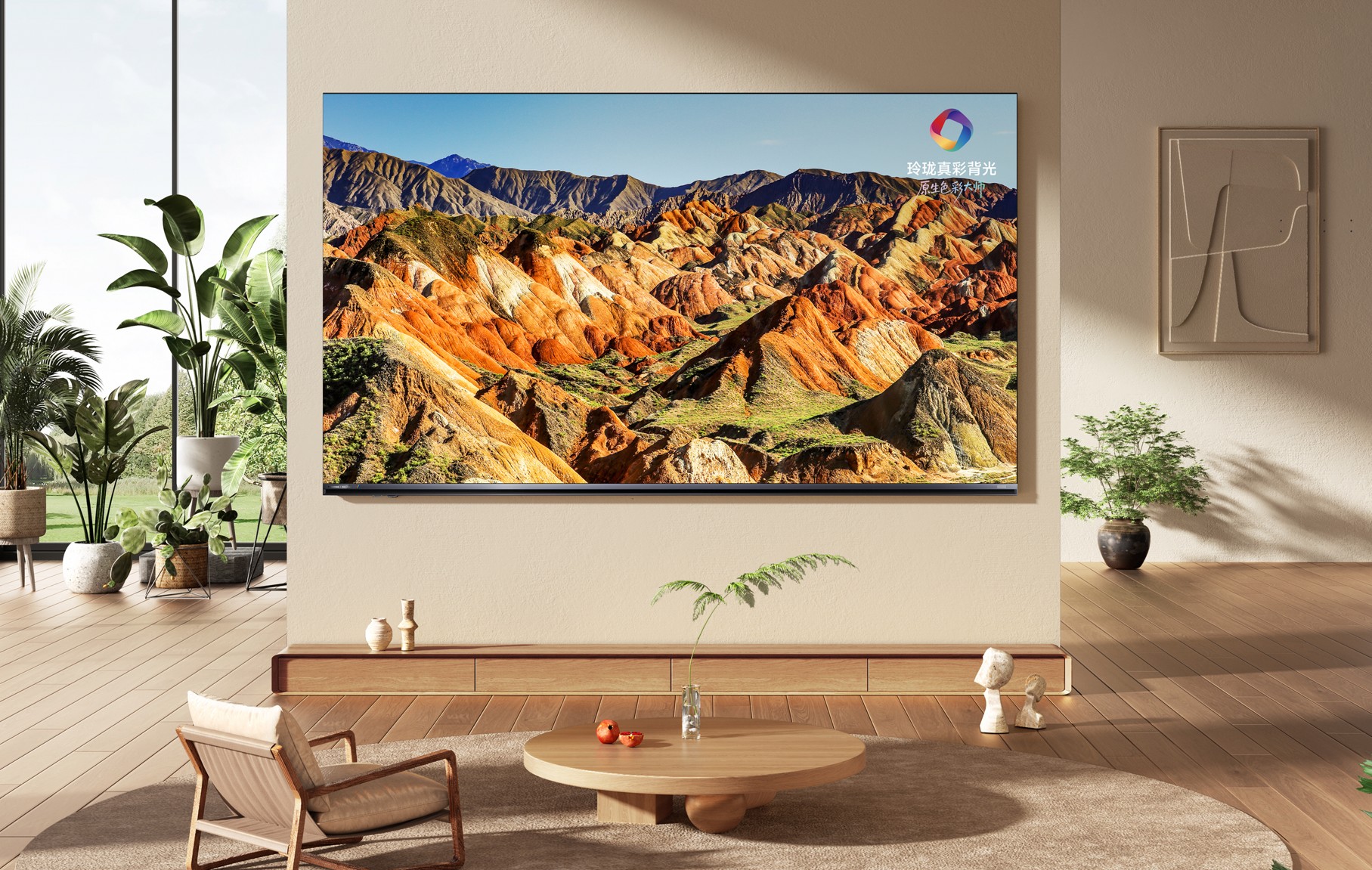
The combination of 4K resolution and a quantum dot (QLED) panel gives the TV a strong foundation. Colors are vibrant without looking exaggerated, and there’s enough contrast to give depth to darker scenes.
For everyday content—streaming, sports, TV shows—the image looks clean, sharp, and well-balanced. Skin tones are natural, and there’s a noticeable step up in color volume compared to standard LED TVs.
That said, HDR performance is where you see the limits. Peak brightness sits at around 330 nits, which is enough for basic HDR playback, but not enough to deliver the full impact you’d expect from higher-end models. Bright highlights lack punch, and in very bright rooms, the image can feel slightly muted.
There’s no ambient light sensor either, so you’ll need to adjust settings manually depending on your viewing conditions.
Even so, in a typical living room—especially in the evening—the E7S delivers a genuinely enjoyable picture.
Motion and gaming
For gamers, the E7S offers more than expected at this price point.
It supports VRR (variable refresh rate) in the 48–60 Hz range, along with ALLM (auto low latency mode). Input lag stays around 20 ms, which is perfectly fine for most games, including shooters and fast-paced titles.
Motion handling is decent, and response time is quick enough to avoid noticeable blur in most scenarios.
However, this is not a high-refresh-rate panel. Despite some confusing marketing around HDMI 2.1, the TV is limited to 4K at 60 Hz. If you’re chasing 120 Hz gaming on a PlayStation 5 or Xbox Series X, this isn’t the right display.
For casual gaming, though, it’s more than capable.
Sound quality
The built-in speakers are functional, but that’s about it.
Dialogue is clear, and volume is sufficient for everyday viewing, but there’s very little depth or spatial presence. Action scenes feel flat, and bass is almost nonexistent.
There are multiple sound modes—Cinema, Music, Speech, Night—but none of them can overcome the physical limitations of the TV’s 20W stereo system.
A soundbar isn’t just recommended here—it’s essential if you care about audio.
Connectivity
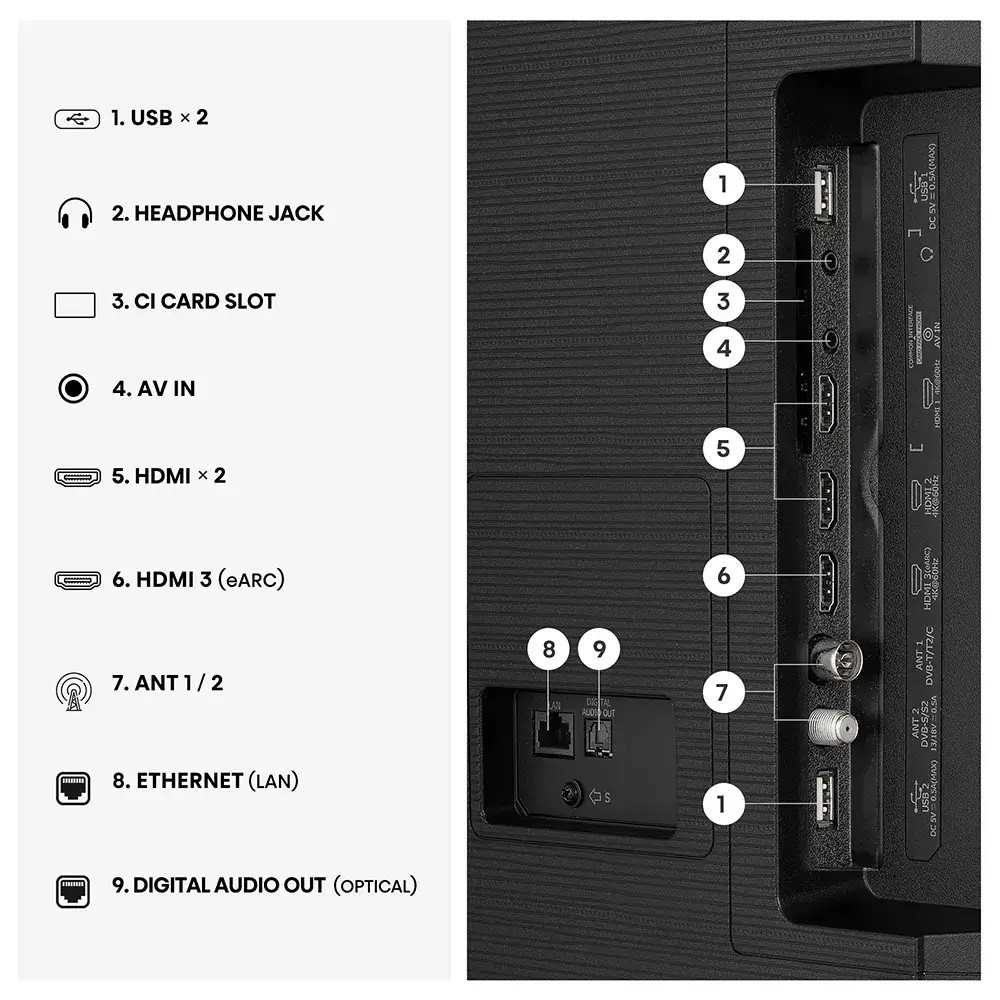
The E7S covers all the basics:
- 3 × HDMI (including eARC)
- 2 × USB
- Optical audio output
- Ethernet
- Headphone jack
- CI+ slot
- Composite AV input
Wireless options include dual-band Wi-Fi and Bluetooth, making it easy to connect headphones, controllers, or external speakers.
Pricing (USD)
The E7S lineup is positioned aggressively:
- 43-inch: around $380
- 50-inch: around $430
- 55-inch: around $620
- 65-inch: around $750
- 75-inch: around $950
This pricing puts it directly against entry-level models from Samsung, LG, and TCL—and in many cases, it offers better color performance.
Conclusion
The Hisense E7S isn’t trying to be a flagship, and that’s exactly why it works.
It delivers strong color performance, solid contrast, and a smooth smart TV experience at a price that stays within reach. Yes, HDR brightness is limited, and the audio is underwhelming, but those are compromises you can work around.
For movies, streaming, and casual gaming, it punches above its class.
If you pair it with a decent soundbar, the E7S becomes one of the most balanced budget QLED TVs you can buy in 2026.