Projectors cover a unusually wide spread of use cases: an ultra-portable box for casual movie nights, a bright office model for presentations, a laser home-cinema unit built around advanced HDR, or a gaming projector where latency matters as much as resolution.
The right choice depends less on a single headline specification and more on where the projector will live, how much light is in the room, what sources you use, and whether you need built-in sound or a fixed installation.
The models and articles below were selected from the supplied Stereoindex source material and kept in their original order. Some are full product announcements, one is a calibration guide, and several target very different buyers, so this is not a simple ranking of interchangeable products. Brightness figures, resolution claims, throw requirements, connection options, and setup aids deserve careful reading. A compact portable projector with a battery and speakers can be far more useful than a brighter fixed model in the right room, while a high-output laser projector can be overkill if all you need is a quick image on a bedroom wall.

1. Diello Cinema Box QB40: Ultra-portable all-in-one device
Diello Cinema Box QB40 shown as a compact projector with built-in source and audio features.
The Diello Cinema Box QB40 is designed as a self-contained entertainment box rather than a traditional projector that needs a separate source and sound system.
It combines an LCD projector, LED light source, Android-based media player, Wi-Fi, USB playback, HDMI input, Bluetooth, analog audio output, and a small built-in speaker.
Full HD resolution, automatic focus, and keystone correction make it a practical option for casual projection on a wall, blind, ceiling, or other suitable surface, with image size depending heavily on ambient light and surface quality.
Best for: Casual portable movie viewing
- All-in-one projector, source, and speaker concept
- Full HD resolution
- Automatic focus and keystone correction
- Wi-Fi, USB, HDMI, Bluetooth, and analog audio output
Verdict: A flexible all-in-one projector for informal viewing spaces where convenience matters more than installed-theater polish.
2. LG ProBeam BF50NST: Compact projector perfect for Presentations
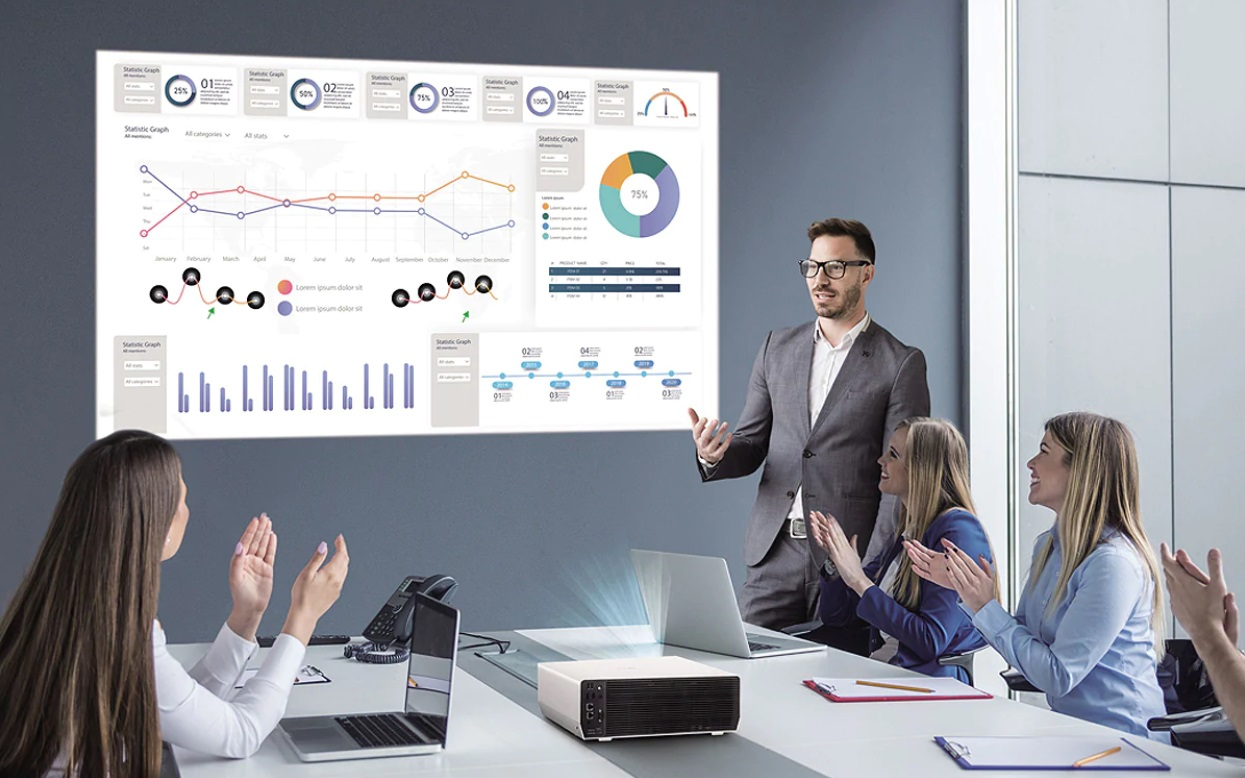
LG ProBeam BF50NST positioned as a compact projector for presentation and conference-room use.
The LG ProBeam BF50NST is aimed squarely at presentation environments.
Its WUXGA resolution, 5,000 ANSI lumens brightness, laser light source, and projection range from smaller meeting images to very large conference-room diagonals make it a strong fit for business use.
Lens Shift and 1.6x optical zoom help with placement, while HDMI, USB, RJ45, Wi-Fi, USB media playback, keyboard and mouse support, and control options for larger rooms underline its office-first design.
Best for: Bright meeting rooms and presentations
- 5,000 ANSI lumens brightness
- WUXGA resolution
- Lens Shift and 1.6x optical zoom
- USB media playback with office file support
Verdict: A compact professional projector built for clear presentation images, flexible placement, and office-friendly connectivity.
3. Optoma UHZ68LV: A 4K Ultra HD dual laser projector featuring support for Dolby Vision and HDR10+
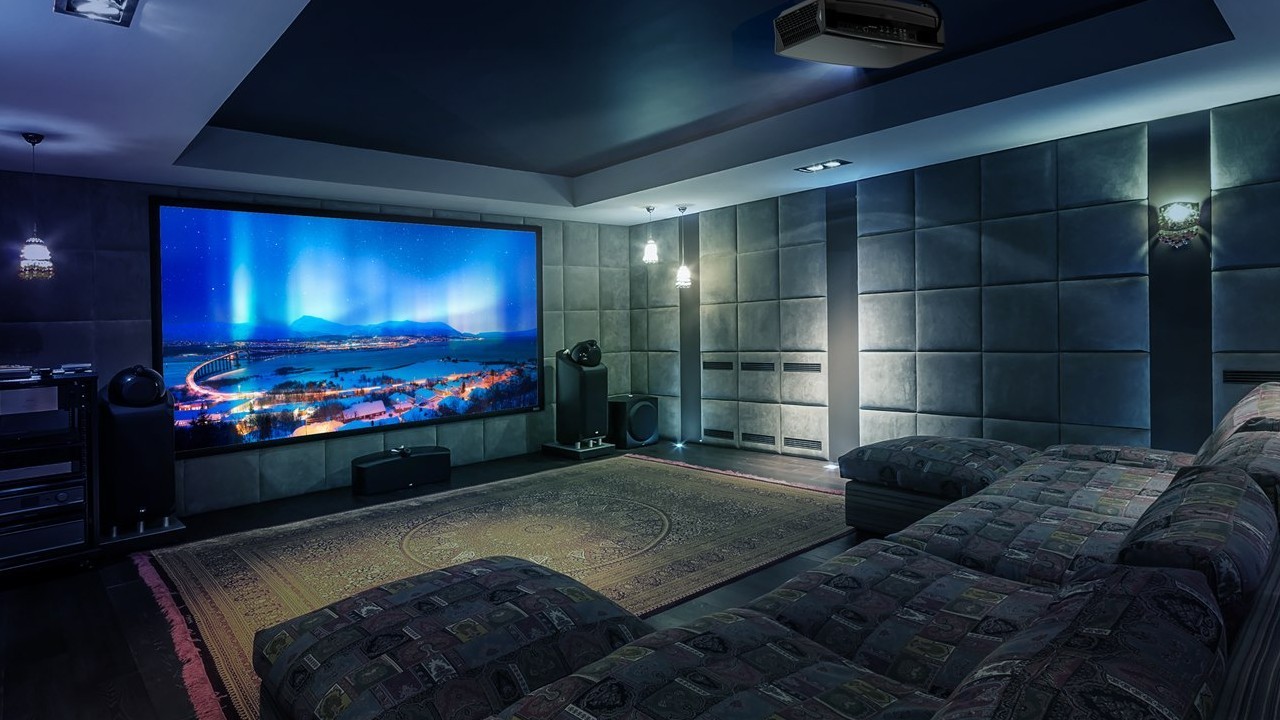
Optoma UHZ68LV presented as a dual-laser 4K UHD projector for home-cinema installations.
The Optoma UHZ68LV is a high-spec home-cinema projector built around 4K UHD resolution, dual-laser illumination, 5,000 lumens peak brightness, and support for both Dolby Vision and HDR10+.
The source also highlights 90% DCI-P3 color coverage, PureEngine Ultra processing, 1.6x zoom, lens shift, and 360-degree projection options, giving it a combination of image-format support and installation flexibility that suits serious cinema rooms as well as less controlled spaces.
Best for: High-performance home cinema with HDR support
- 4K UHD resolution
- Dual-laser light source
- Dolby Vision and HDR10+ support
- 1.6x zoom, lens shift, and 360-degree projection options
Verdict: A feature-rich 4K laser projector for buyers who want advanced HDR compatibility and flexible installation options.
4. BenQ launches GV31 portable Full HD projector
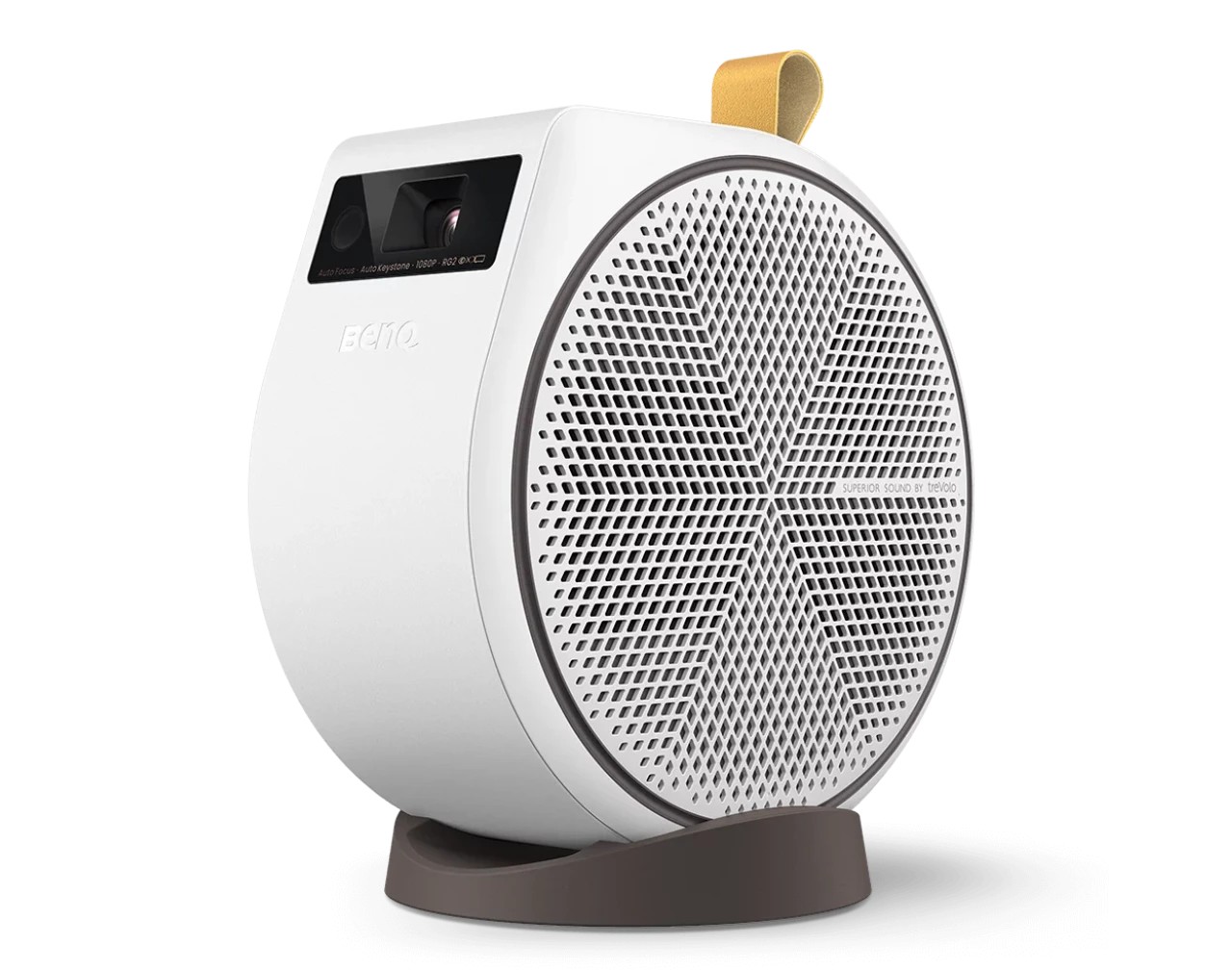
BenQ GV31 shown as a portable Full HD projector with onboard battery and wireless connectivity.
The BenQ GV31 is a portable Full HD projector with a 120-inch maximum image size, a built-in battery, Android TV via a dongle, Wi-Fi 6, Bluetooth 5.0, HDMI, USB-A, and USB-C with DisplayPort support.
Its 300-lumen output is explicitly tied to battery operation, so it is better understood as a convenient portable projector for controlled-light viewing rather than a bright-room solution.
The built-in speaker layout, with two full-range drivers and a low-frequency unit, also supports its role as a self-contained travel or room-to-room projector.
Best for: Portable viewing with built-in power
- Full HD resolution
- Built-in battery rated for three hours
- Wi-Fi 6 and Bluetooth 5.0
- HDMI, USB-A, and USB-C with DisplayPort support
Verdict: A battery-powered Full HD portable projector for users who value mobility and integrated features over high brightness.
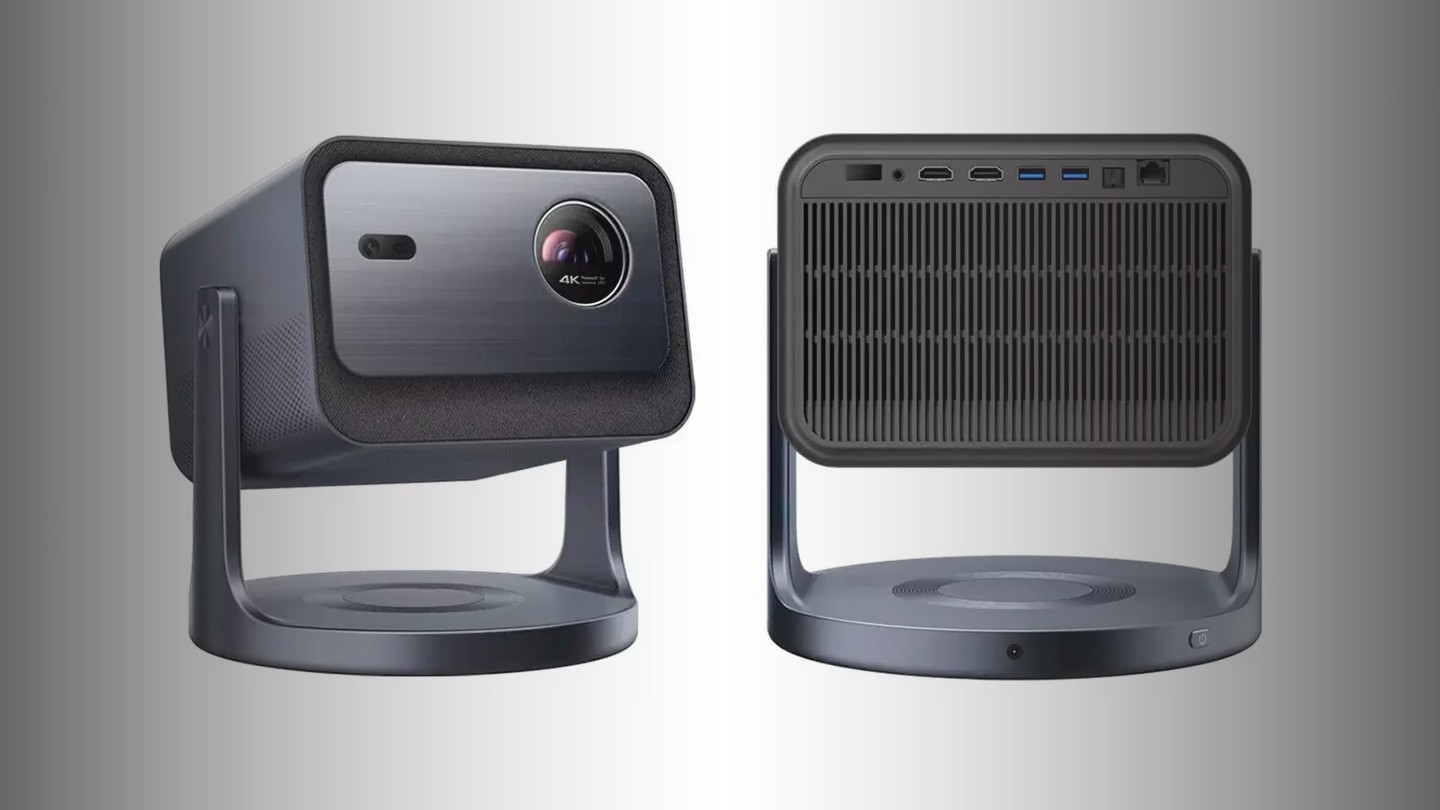
5. Hisense C2 series projectors are capable of producing an image with a diagonal of 300 inches
Hisense C2 series projectors highlighted for large projected images and laser illumination.
The Hisense C2 series focuses on large-image laser projection in a relatively modest form factor.
The supplied article describes the C2, C2 Pro, and C2 Ultra as direct-projection models capable of images up to 300 inches, with the C2 using a three-component laser light source, 2,000 ANSI lumens output, HDR10, HDR10+, HLG, and Dolby Vision support.
The C2 reaches 4K via pixel shift and includes motorized focus and automatic trapezoid correction, though the standard C2 is described with a fixed projection ratio rather than optical zoom.
Best for: Large-image laser projection at home
- Images up to 300 inches
- Three-component laser light source on the C2
- HDR10, HDR10+, HLG, and Dolby Vision support
- Motorized focus and automatic trapezoid correction
Verdict: A laser projector series for viewers who want very large images and broad HDR format support, with placement needs shaped by the specific model.
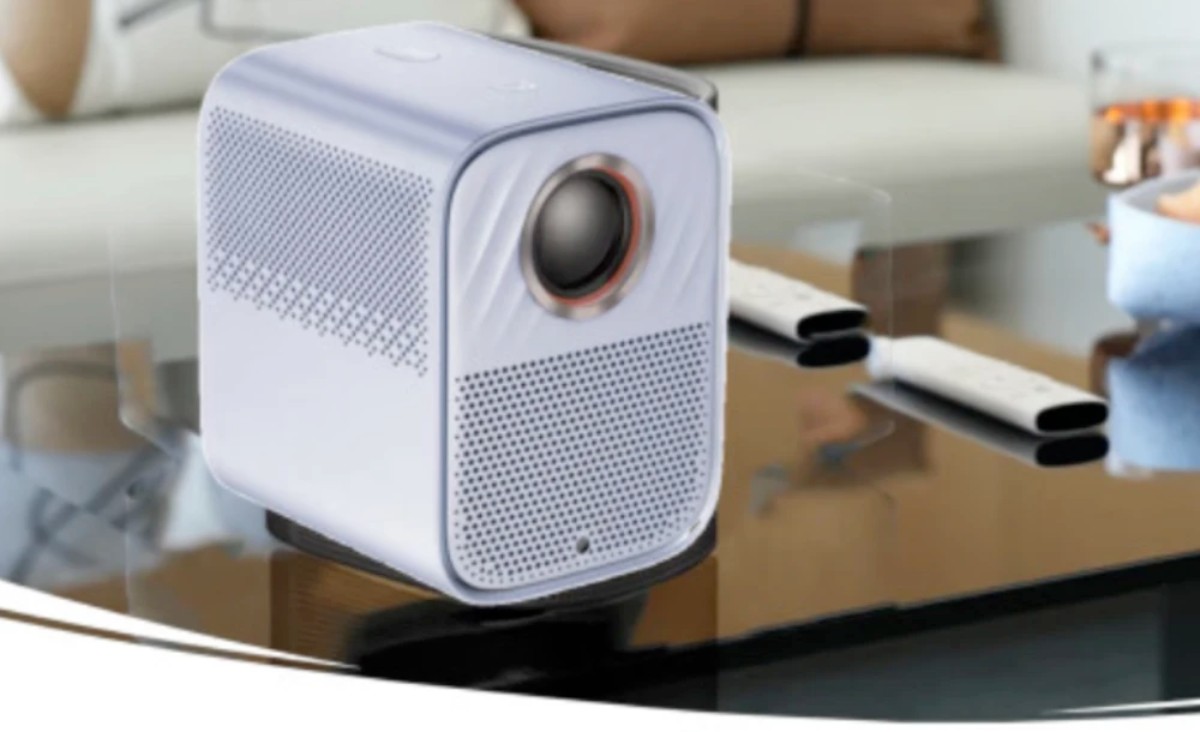
6. Lenovo Xiaoxin 100S: Budget projector with Full HD resolution
Lenovo Xiaoxin 100S described as a compact budget projector with Full HD resolution.
The Lenovo Xiaoxin 100S is presented as an inexpensive compact projector with 1080p resolution, an LED light source, 270 CVIA lumens brightness, Wi-Fi 6, built-in storage, and a 2 x 5-watt speaker system.
Its processor supports 4K signals and HDR10 compatibility, but the projector itself is described around Full HD output.
The modest brightness figure makes it best suited to darker spaces and budget-conscious use rather than demanding home-theater or conference-room duty.
Best for: Budget Full HD projection in darker rooms
- 1080p resolution
- LED light source with long claimed service life
- Wi-Fi 6
- Built-in 2 x 5-watt speakers
Verdict: A compact low-cost Full HD projector for simple use where brightness demands are limited.

7. JVC DLA-NZ7 / DLA-NZ8 / DLA-NZ9: 8K projector lineup unveiled
JVC DLA-NZ series presented as a premium laser projector lineup with advanced signal support.
JVC’s DLA-NZ7, DLA-NZ8, and DLA-NZ9 lineup is aimed at advanced home-cinema installations.
All three use the company’s BLU-Escent laser phosphor light source and support 8K signals, while brightness rises across the range from DLA-NZ7 to DLA-NZ9.
The DLA-NZ8 and DLA-NZ9 add the newer e-shiftX system, and all models include HDMI 2.1 inputs, 8K at 60 Hz and 4K at 120 Hz signal support, dynamic tone mapping for HDR, and HDR10+ handling with dynamic metadata from players.
Best for: Premium dedicated home cinema
- BLU-Escent laser phosphor light source
- 8K signal support
- HDMI 2.1 inputs
- Dynamic tone mapping and HDR10+ support
Verdict: A serious projector lineup for dedicated theaters where high-end signal support, laser illumination, and HDR processing are priorities.
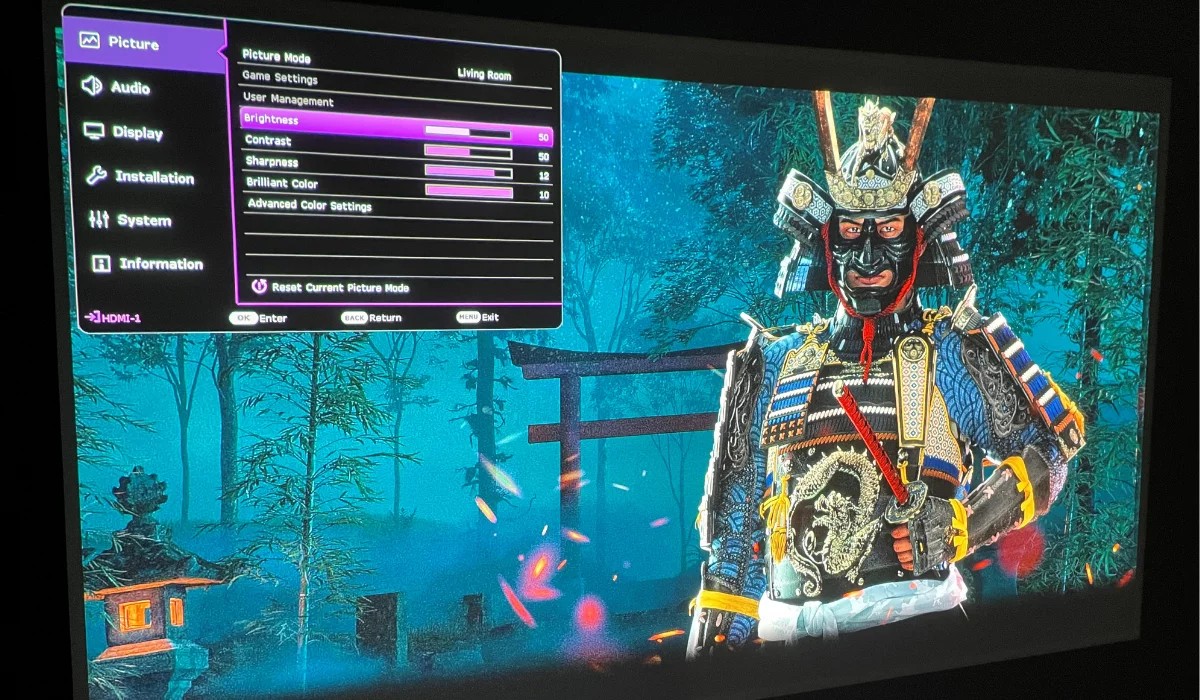
8. Projector Color calibration guide: Why it is important
Projector color calibration guide emphasizing the importance of image adjustment and natural color balance.
This is not a projector model, but it is highly relevant to buying and owning one.
The calibration guide explains why factory or showroom-tuned images can look striking at first yet become tiring or inaccurate in real use, and why modern display tools offer room to bring the picture closer to a natural presentation.
For projector buyers, the practical takeaway is simple: picture quality is not only about the projector’s hardware, but also about how its color and image settings are adjusted for the room and screen.
Best for: Owners who want a more accurate projector image
- Explains why vivid showroom color can be misleading
- Focuses on more natural image reproduction
- Highlights the value of adjustment after purchase
Verdict: A useful reminder that calibration and setup can materially affect how convincing a projector looks in daily use.

9. Optoma UHD38 is the perfect projector for gamers and cinephiles
Optoma UHD38 positioned as a 4K UHD projector for gaming and home entertainment.
The Optoma UHD38 is framed as a 4K UHD home-entertainment projector with a strong gaming emphasis.
It uses DLP technology, displays 8.3 million pixels for 4K Ultra HD images, supports signals up to 240 Hz, and is specified with very low 4.2 ms video latency.
The article also notes support for major 3D video standards, HDR10 and HLG compatibility, and ISF-standard color calibration, giving it appeal for both fast gaming and home viewing.
Best for: Gaming and 4K home entertainment
- 4K Ultra HD with 8.3 million pixels
- Signal support up to 240 Hz
- 4.2 ms video latency
- HDR10, HLG, 3D, and ISF calibration support
Verdict: A gaming-focused 4K projector that also carries the HDR, 3D, and calibration features expected of a home-entertainment model.
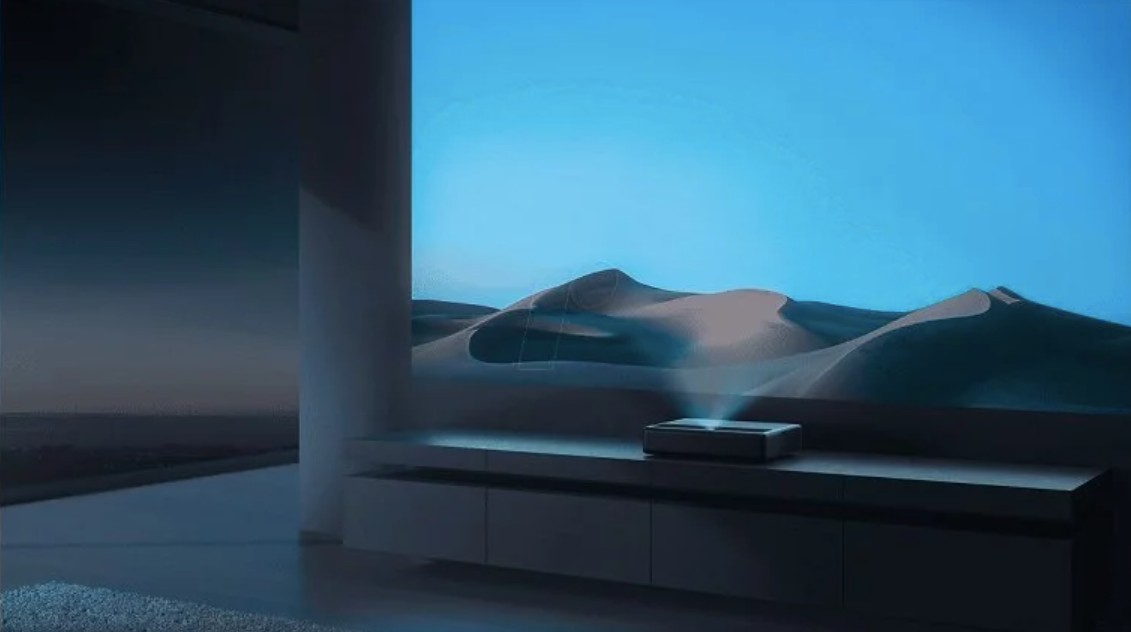
10. Xiaomi launches a new laser projector for home theater
Xiaomi Full Color Laser Theater described as an ultra-short-throw laser projector for home theater use.
The Xiaomi Full Color Laser Theater is an ultra-short-throw home-theater projector using LCoS technology and an RGB triple-laser light source.
The supplied article highlights 95% BT. color-space coverage, 1,400 ANSI lumens brightness, Full HD resolution, autofocus, auto-keystone correction, and projection size up to 3.8 meters diagonally.
It also includes a six-speaker audio system with DTS and Dolby support, MIUI TV smart software, HDMI, USB, LAN, Bluetooth, and Wi-Fi, though availability outside China is not reported in the source.
Best for: Ultra-short-throw home theater setups
- Ultra-short-throw design
- RGB triple-laser light source
- 95% BT. color-space coverage
- Autofocus and auto-keystone correction
Verdict: A feature-packed ultra-short-throw laser projector with strong color-coverage claims and integrated audio, tempered by limited availability information.
Quick comparison
These projectors and projector-related articles differ mainly by intended environment: portable casual viewing, business presentation, gaming, premium cinema, ultra-short-throw living-room use, and image tuning.
The distinctions below stay at a high level so the comparison remains useful without flattening very different products into a single spec race.
| Product | Best for | Verdict |
|---|---|---|
| Diello Cinema Box QB40 | All-in-one portable movie viewing | Combines projector, media source, wireless playback options, basic speaker, and automatic setup aids for informal viewing. |
| LG ProBeam BF50NST | Conference rooms and presentations | Prioritizes high ANSI brightness, WUXGA resolution, placement tools, and office-oriented connectivity. |
| Optoma UHZ68LV | Advanced 4K laser home cinema | Stands out for dual-laser projection, 4K UHD resolution, Dolby Vision, HDR10+, and flexible installation features. |
| BenQ GV31 | Battery-powered portable projection | Balances Full HD resolution, three-hour battery use, wireless features, and integrated sound in a low-brightness portable design. |
| Hisense C2 series | Very large laser-projected images | Emphasizes images up to 300 inches, laser illumination, 4K via pixel shift, and broad HDR format support. |
| Lenovo Xiaoxin 100S | Low-cost compact Full HD projection | Offers 1080p resolution, Wi-Fi 6, built-in speakers, and modest brightness for darker, budget-minded setups. |
| JVC DLA-NZ7 / DLA-NZ8 / DLA-NZ9 | Premium dedicated theaters | Targets high-end installations with laser light engines, 8K signal support, HDMI 2.1, and advanced HDR handling. |
| Projector Color calibration guide | Improving image accuracy after setup | Explains why tuning color and picture settings matters after choosing the projector itself. |
| Optoma UHD38 | Fast gaming and 4K entertainment | Combines 4K UHD imaging, high-frame-rate signal support, very low latency, HDR compatibility, and 3D support. |
| Xiaomi Full Color Laser Theater | Ultra-short-throw home theater | Focuses on close-to-wall projection, RGB triple-laser color, smart features, integrated audio, and automated image adjustment. |
Frequently asked questions
How much brightness do I need from a projector?
Match brightness to the room.
The LG ProBeam BF50NST and Optoma UHZ68LV are specified with very high brightness for lit meeting rooms or less controlled spaces, while portable models such as the BenQ GV31 and budget models such as the Lenovo Xiaoxin 100S are better suited to darker viewing conditions.
When available, ANSI lumen figures are more useful for comparison than broad marketing brightness claims.
Should I choose a portable projector or a fixed home-cinema projector?
Choose portable if you need easy movement, built-in power, wireless features, and integrated sound, as with the BenQ GV31 or Diello Cinema Box QB40.
Choose a fixed or installation-oriented model if image performance, placement precision, HDR support, and larger dedicated screens matter more, as with the Optoma UHZ68LV or JVC DLA-NZ series.
Do HDR formats matter on a projector?
They can, especially for home cinema, but support varies by model.
The Optoma UHZ68LV and Hisense C2 series include Dolby Vision and HDR10+ support in the supplied material, while other models mention HDR10, HLG, or dynamic tone mapping.
HDR performance still depends on brightness, contrast, room control, screen quality, and setup.
Why is calibration important after buying a projector?
The supplied calibration guide explains that vivid, attention-grabbing factory or showroom color may not be natural or comfortable over time.
Adjusting color and picture settings for the actual room, screen, and viewing habits can make the image look more balanced and less fatiguing, regardless of the projector’s headline specifications.
How to Choose the Right Projector
Start with the room, not the spec sheet.
If the projector will be used in bright meeting spaces, prioritize measured brightness, presentation-friendly resolution, flexible placement, and reliable input options; the LG ProBeam BF50NST is the clearest office-focused example in this group.
If the goal is serious home cinema, look closely at HDR format support, laser light source, installation flexibility, and signal compatibility, where models such as the Optoma UHZ68LV and JVC DLA-NZ lineup are more relevant. For casual and portable use, convenience can outweigh raw output. The Diello Cinema Box QB40 and BenQ GV31 both lean into self-contained operation, but in different ways: the Diello emphasizes an all-in-one projector, media player, and speaker concept, while the BenQ adds battery operation and current wireless features in a Full HD portable package. Budget buyers should treat the Lenovo Xiaoxin 100S as a darker-room compact option rather than a substitute for a bright home-theater or conference-room machine. Large-image ambitions need special care. Hisense’s C2 series is notable for images up to 300 inches and broad HDR support, while Xiaomi’s Full Color Laser Theater takes a different route with ultra-short-throw placement, RGB triple-laser illumination, and integrated audio. In both cases, screen size, throw geometry, wall or screen quality, and available space will determine whether the headline capability is useful in practice. Finally, leave room in the decision for setup. Autofocus, keystone correction, lens shift, zoom, and calibration support can have a major impact on daily satisfaction. A projector that is easier to align, feed with sources, and tune to natural color will usually be more rewarding than one chosen only for the biggest resolution or brightness number.