
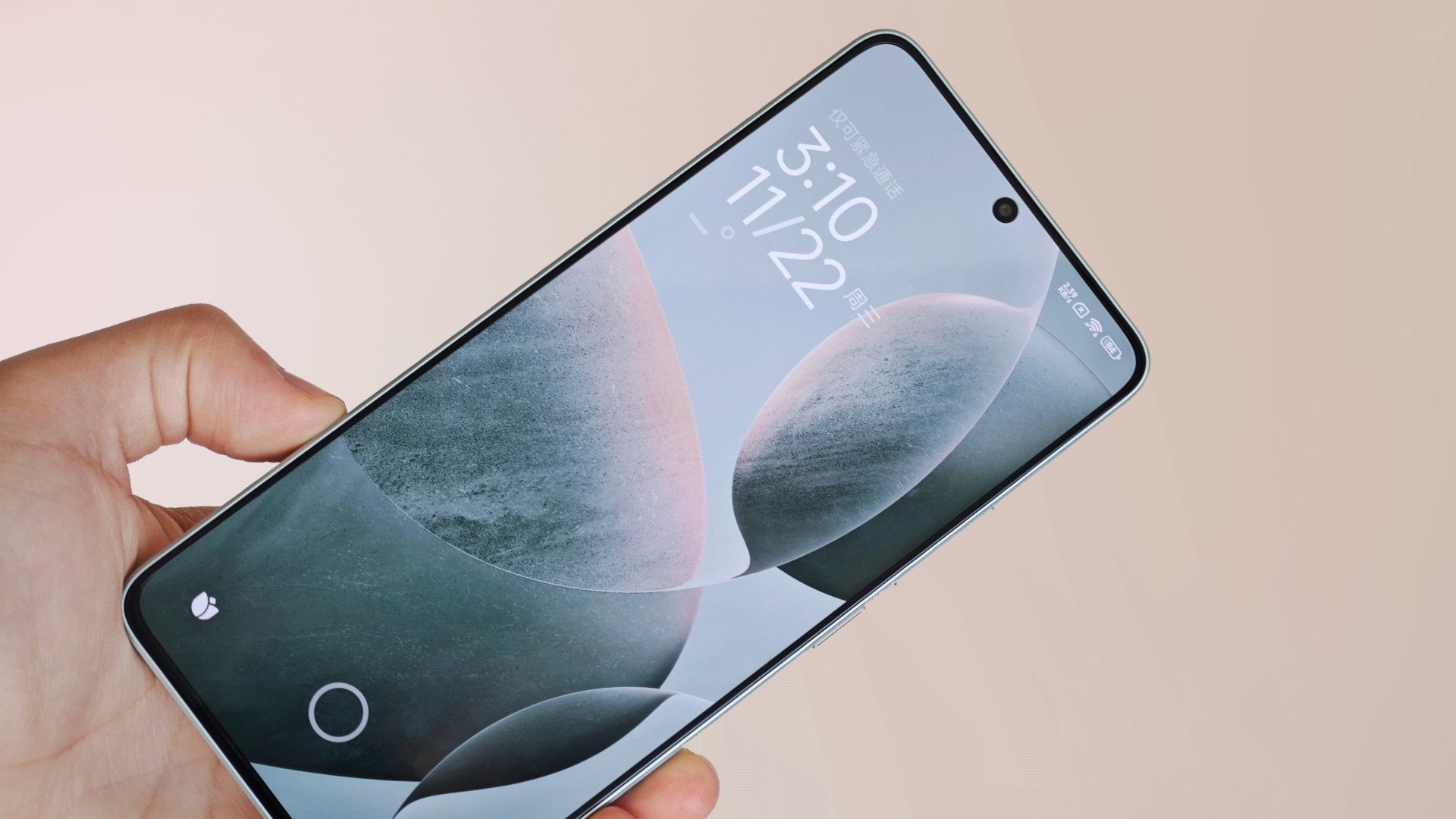
The Redmi K70E is positioned as a performance-focused sub-flagship smartphone with several design choices that should be of practical interest to demanding users. Rather than relying on a single headline feature, it brings together a high-resolution 120 Hz display, a new MediaTek Dimensity 8300 Ultra platform, generous memory support, fast charging, and Xiaomi’s HyperOS software. For prospective owners, the appeal lies in how these elements work as a package: a phone intended to feel fast, present visual content with precision, support modern connectivity, and remain useful across a demanding daily cycle.
A display designed for detail and smoothness
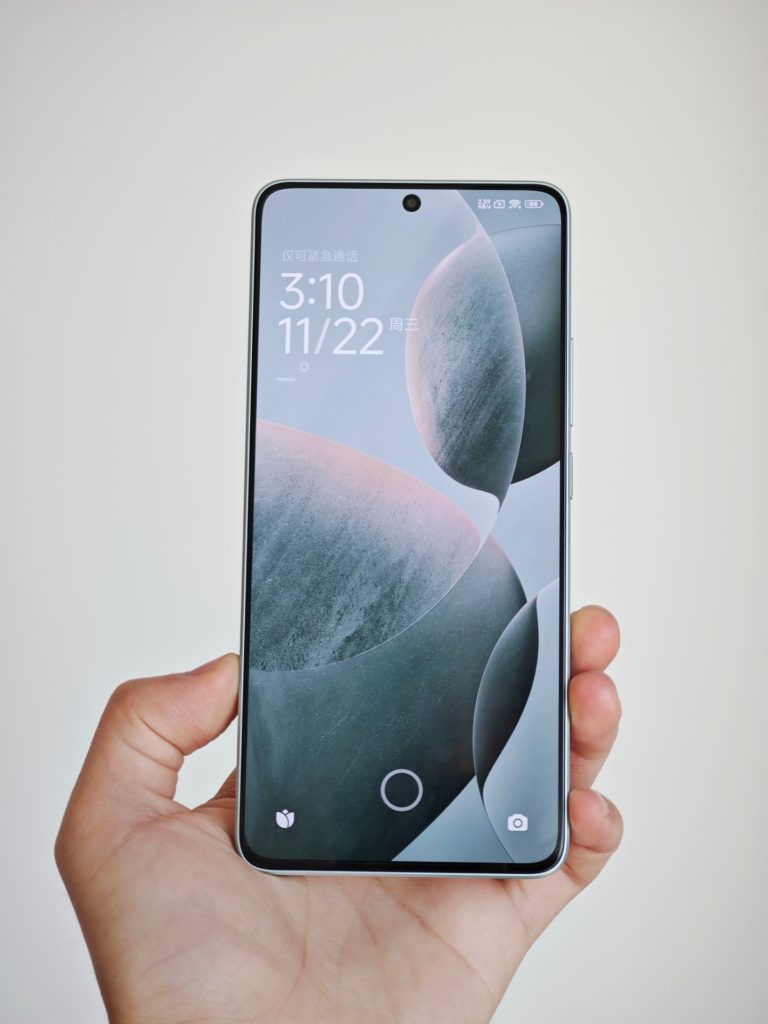
One of the Redmi K70E’s most clearly defined strengths is its display specification. The phone uses a 6.67-inch panel with a 2712 x 1220 resolution, described as 1.5K, and a 120 Hz refresh rate. That combination targets a useful middle ground: sharper than a typical Full HD-class screen, while not necessarily pursuing the power demands associated with the highest-resolution flagship panels.
The 12-bit color depth is another notable inclusion. In practical terms, deeper color support can help with smoother tonal gradations in compatible content and interfaces. For users who watch video, browse image-heavy websites, edit photos casually, or use their phone as a primary screen for media and messaging, this is the sort of specification that can contribute to a more refined visual experience.
The 120 Hz refresh rate also matters beyond gaming. High-refresh displays can make scrolling, app switching, and system navigation appear more fluid, especially when paired with a processor and memory subsystem capable of keeping up. The K70E’s display therefore appears to be specified not only for entertainment, but also for the everyday responsiveness that shapes how a phone feels over time.
Dimensity 8300 Ultra gives the K70E its performance identity
At the center of the Redmi K70E is the MediaTek Dimensity 8300 Ultra, a 4 nm processor using four Arm Cortex-A715 cores and four Cortex-A510 cores, alongside a Mali-G615 GPU. This is a modern configuration aimed at strong multi-core performance and efficient handling of less demanding tasks. Redmi’s decision to build the K70E around this platform is one of the clearest indicators of the phone’s intended market position: it is not presented as an entry-level device, but as a sub-flagship model with serious performance ambitions.
The graphics side is also emphasized. The GPU is stated to be 60 percent more powerful and 55 percent more efficient than the GPU in the previous Dimensity 8200. Those figures are useful because they point not only to higher potential performance, but also to efficiency gains, which can matter when the display, processor, wireless radios, and apps are all drawing power throughout the day.
The chipset is supported by LPDDR5X-8533 RAM and UFS 4.0 storage, both of which are important to perceived speed. RAM bandwidth can help with app switching and heavy multitasking, while fast storage can affect loading times, installation speed, and the general responsiveness of media-heavy workflows. With up to 16 GB of RAM documented for the K70E, the phone appears prepared for users who keep many apps active, work across messaging and productivity tools, or play demanding games.
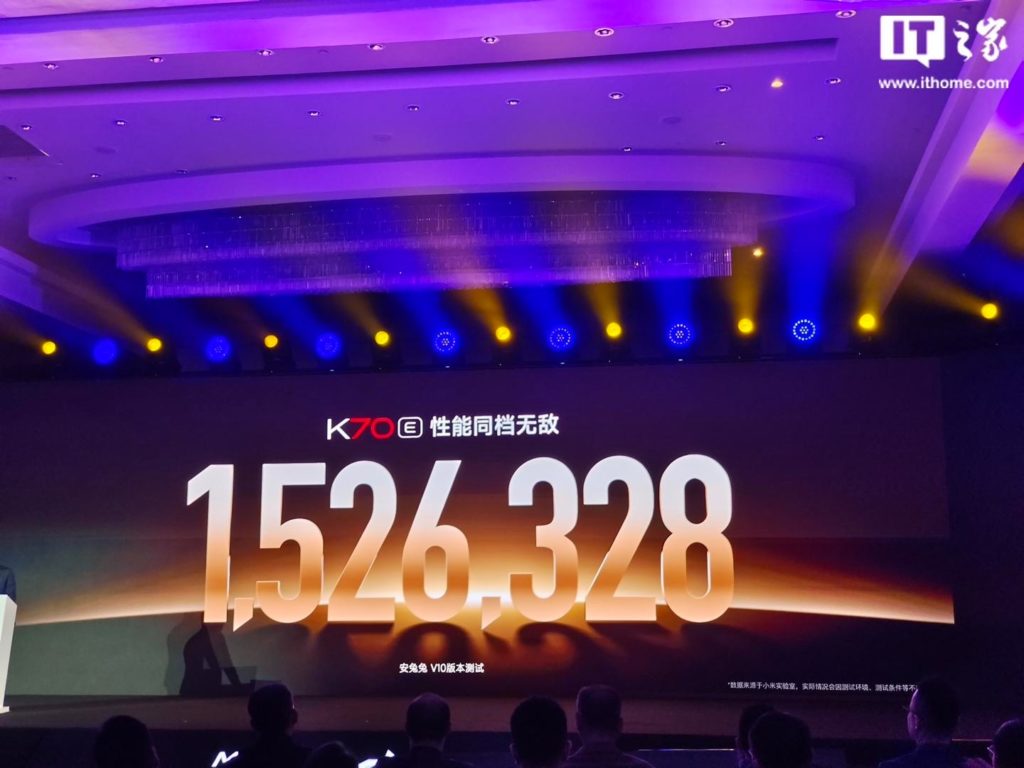
The stated hardware combination is associated with a 1.5 million-point AnTuTu performance result, positioning the K70E ambitiously within the sub-flagship category. Benchmark numbers do not tell the whole story of ownership, but they do help explain the product strategy: Redmi is giving this model a platform that is meant to compete on speed, not merely on price or styling.
Thermal design and AI performance are part of the package
High performance in a slim smartphone is only useful if the device can manage heat effectively. The Redmi K70E is equipped with a large vapor chamber covering 5000 mm². This is a significant design detail because thermal management affects how consistently a phone can sustain demanding workloads such as gaming, video capture, multitasking, navigation, and prolonged 5G use.
The inclusion of a large vapor chamber suggests that Redmi has considered the practical side of the Dimensity 8300 Ultra platform. A powerful chip can generate heat under load, and a phone that manages heat more effectively may be better placed to maintain stable operation during longer sessions. This does not replace real-world testing, but it is a meaningful specification for users who intend to push the device harder than basic messaging and browsing.
AI task performance is also described as significantly improved. The source material does not detail specific AI features, so it is best to view this as part of the broader processing platform rather than as a promise of particular software functions. Still, AI acceleration is increasingly relevant to camera processing, system optimization, voice functions, image handling, and future software capabilities. A stronger AI engine may help the phone remain better aligned with where mobile software is moving.
Camera hardware emphasizes stabilized everyday shooting
The Redmi K70E’s rear camera system is led by a 64 MP main camera with optical image stabilization. OIS is a practical feature because it physically assists with stabilizing the camera module, helping the phone compensate for small hand movements. For everyday users, stabilization can be especially useful in lower-light scenes or when recording video, where steadiness often matters as much as raw resolution.
Alongside the main camera, the K70E includes an 8 MP module with wide-angle optics and an additional 2 MP module. This gives the phone a flexible three-camera arrangement, with the wide-angle unit intended for broader scenes such as interiors, architecture, group photos, or landscapes. The 2 MP module is documented, though its specific role is not detailed in the supplied information, so it should not be assumed to provide a particular function beyond being part of the camera array.
Video capability is also part of the product’s appeal, with support for 4K recording at 60 frames per second. For users who capture family events, social media footage, travel clips, or product videos, 4K/60 support provides a higher frame-rate option than standard 30 fps recording. Combined with the stabilized main camera, this helps position the K70E as more than a casual snapshot device, though actual image quality would depend on processing, optics, and real-world conditions not specified here.
Connectivity, charging, and software fit a modern daily-use phone
The Redmi K70E includes support for 5G and Wi-Fi 6E, two connectivity features that matter for users who rely heavily on streaming, cloud storage, video calls, online gaming, and large file transfers. 5G support keeps the phone aligned with current mobile networks, while Wi-Fi 6E can be useful in compatible home or office environments where the 6 GHz band is available and network congestion is a concern.
Charging is another major usability feature. The phone supports 90 W charging, which places emphasis on shorter recharge sessions rather than requiring the owner to leave the device connected for long periods. Fast charging can change how a phone fits into daily routines: a brief top-up before leaving home, between meetings, or during travel can be more useful than simply having a large battery on paper. The supplied material does not state the battery capacity, so the strength here is the documented charging capability rather than any endurance claim.
The K70E is also set to run Xiaomi HyperOS based on Android 14. A current Android foundation matters for app compatibility, security expectations, and access to newer platform features. HyperOS is an important part of the wider Xiaomi ecosystem strategy, and for Redmi users it suggests a software experience designed to connect the phone with Xiaomi’s current direction rather than relying on an older interface generation.
A particularly interesting longevity feature is support for the Xiaomi Starfish algorithm. The K70E is described as the first Xiaomi smartphone to support this technology, which is intended to extend battery life by maintaining at least 90 percent effective battery capacity after 1000 discharge and charge cycles. Battery aging is one of the most common reasons a smartphone feels less useful after extended ownership, so any documented effort to slow that decline is relevant to buyers who keep their devices for several years.
Who the Redmi K70E is most suitable for
The Redmi K70E appears best suited to users who want strong performance and modern specifications without necessarily moving into a full flagship tier. Its combination of Dimensity 8300 Ultra processing, LPDDR5X RAM, UFS 4.0 storage, a high-refresh 1.5K display, and 90 W charging should appeal to people who multitask heavily, play mobile games, stream video, record high-resolution clips, and expect their phone to remain responsive under varied daily demands.
It may also suit users who value display quality and battery longevity as much as raw speed. The 12-bit panel, 120 Hz refresh rate, and Xiaomi Starfish battery algorithm give the product a more rounded profile than a phone focused only on benchmarks. For owners who use a smartphone as a media screen, communications hub, camera, and portable productivity device, that balance is likely to be more useful than any single specification in isolation.
There are also reasons to be measured. The phone uses a plastic frame, which may not appeal to buyers who prioritize metal or glass construction. The documented camera system includes a stabilized 64 MP main camera, but the supplied information does not provide sensor size, aperture details, or image-quality evidence. Likewise, while the performance specification is strong, real-world behavior depends on software tuning, heat management, and long-term updates. Buyers focused primarily on premium materials, specialized camera hardware, or confirmed audio features would need more information before judging fit.
Conclusion
The Redmi K70E’s strongest documented qualities are its high-resolution 12-bit 120 Hz display, Dimensity 8300 Ultra platform, fast LPDDR5X and UFS 4.0 memory support, 90 W charging, modern 5G and Wi-Fi 6E connectivity, stabilized 64 MP main camera, and battery-health-focused Xiaomi Starfish algorithm. It is most compelling for users who want a performance-oriented sub-flagship phone with strong everyday usability, a capable screen, fast charging, and hardware designed to handle demanding mobile tasks without moving into a stated flagship category.