

Mobile buying decisions are rarely made from a single specification sheet.
A useful shortlist should separate finished devices from rumors, explain the trade-offs behind budget models, and flag software changes that may affect how phones feel in daily use.
This Stereoindex Picks article gathers the supplied Mobile sources into a practical reading guide. Some entries are direct device stories, some are comparison or advice pieces, and a few are leak-led or platform-focused updates. Where information is preliminary, the wording stays cautious. The result is not a ranked claim that every item is the strongest phone to buy. It is a guided route through the material: which pieces are most useful for mobile gamers, budget Android shoppers, iPhone upgraders, camera-focused flagship watchers, and anyone trying to understand charging or software features before choosing a device.
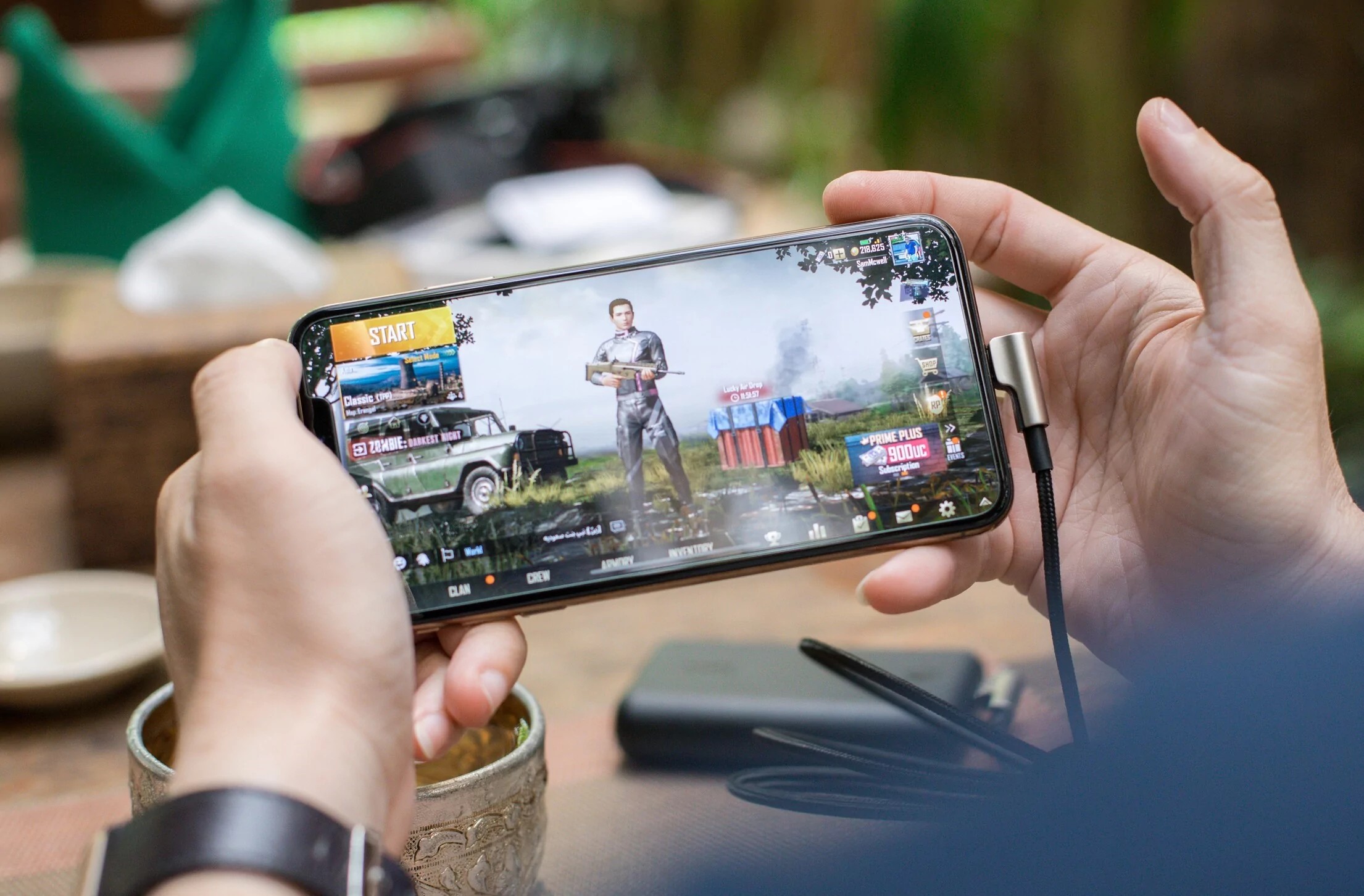
1. Android 15 will allow you to disable the 60 fps limit in games
Android developer settings showing the kind of system-level control that could matter for high-frame-rate mobile gaming.
This is the most broadly useful mobile software story in the set for gamers and developers.
The source explains that Android 15 Developer Preview 2 includes a developer-settings option to remove Android’s default 60 fps limit in games, letting the system use the maximum frame rate supported by the device rather than relying on per-device game enablement.
It is framed primarily as a testing tool for developers, but the article notes that ordinary users can also activate it once available.
Best for: Mobile gamers and Android developers
- System-level option to remove the 60 fps game limit
- Targets the maximum frame rate supported by the device
- Reduces reliance on root-based patches or modified apps
- Available through developer settings
Verdict: A genuinely relevant platform change for high-refresh gaming, provided the device, game, and final Android release all support the expected behavior.
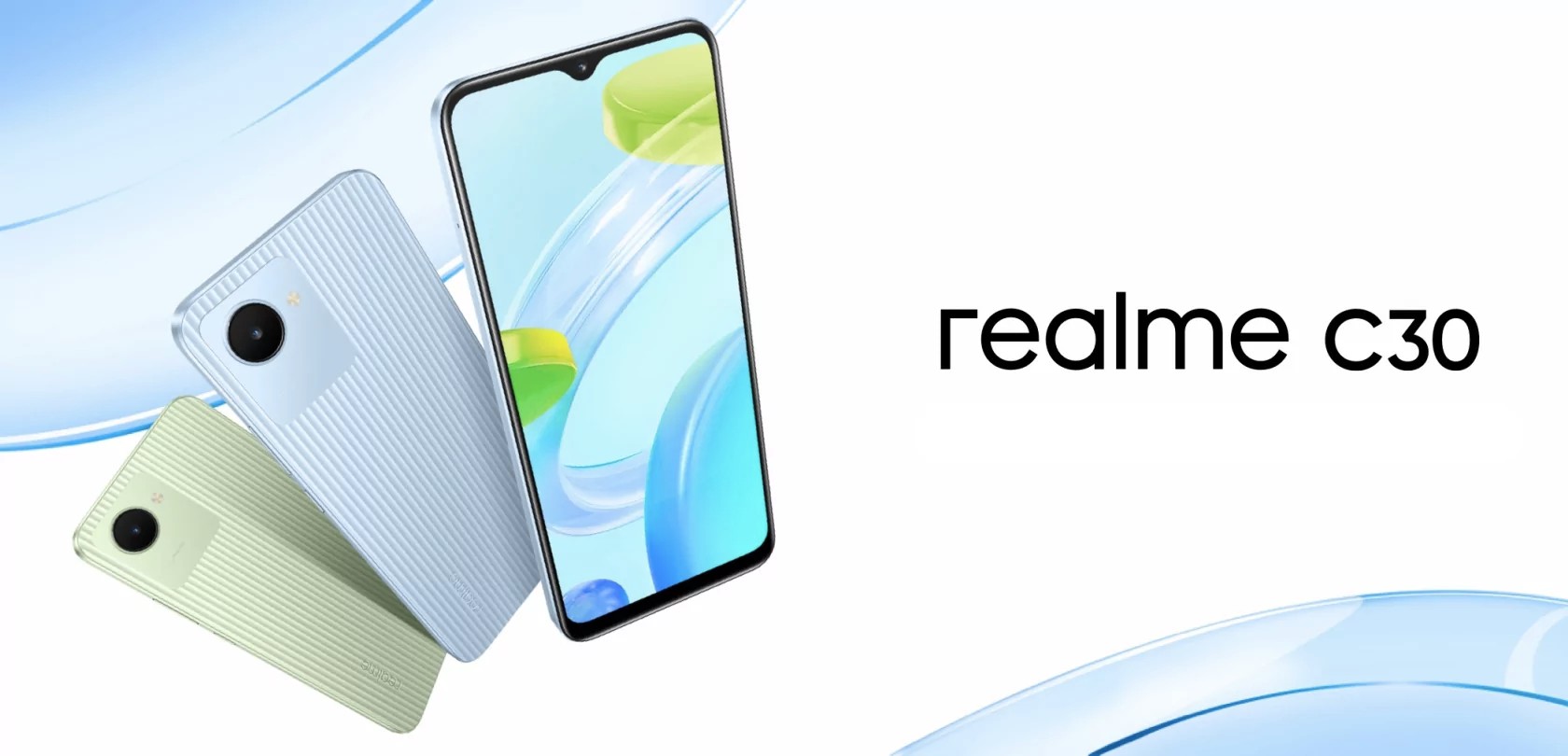
2. Realme C30 unveiled: Bright smartphone with an unpleasant surprise
Realme C30 in bright finishes with an angular body and ribbed rear panel.
The Realme C30 source is a clear snapshot of an ultra-budget Android phone built around simple essentials.
It highlights a modern angular design, ribbed rear panel, Bamboo Green and Lake Blue color options, a 5000 mAh battery, and a dedicated microSD slot supporting cards up to 1 TB.
The compromise is just as clear: charging uses Micro USB, which the article presents as an unwelcome choice for a new device.
Best for: Basic Android use on a tight budget
- Ultra-budget positioning
- 5000 mAh battery
- Dedicated microSD slot up to 1 TB
- Distinct ribbed back in bright colors
Verdict: A practical low-cost phone with useful storage expansion and battery capacity, but the Micro USB port is a real drawback.

3. Microsoft Store Reveals Sherlock Holmes Chapter One Detective Adventure Release Date
Sherlock Holmes Chapter One store information used as the basis for a release-date report.
This entry is not a phone-buying story, so its value in a Mobile roundup is limited.
The source reports that a Reddit user spotted an exact release date for Sherlock Holmes Chapter One on the Microsoft Store page, after the game had previously been expected within a broader launch window.
It is most useful as a digital-store and gaming-release note rather than as mobile hardware guidance.
Best for: Gaming release-date followers
- Reports an exact Microsoft Store listing detail
- Adds context on the Frogwares detective adventure
- Notes that an earlier date leak had been denied
Verdict: Relevant as a store-listing news item, but only indirectly connected to mobile buying decisions.

4. iPhone 17 vs iPhone 17 Air vs iPhone 17 Pro (Max): Which One Should You Buy?
The iPhone 17 family compared by model role, from standard and Air to Pro and Pro Max.
This is the strongest iPhone decision guide in the source set because it directly compares several models across design, display, performance, cameras, battery life, and pricing.
The article distinguishes the familiar iPhone 17, the ultra-thin and light iPhone 17 Air, and the redesigned Pro models.
It also flags the Air’s trade-offs, including one rear camera, no stereo speakers, and a smaller battery.
Best for: iPhone buyers comparing model tiers
- Compares standard, Air, Pro, and Pro Max models
- All models are described with 120Hz ProMotion and Always-On support
- Clearly identifies Air design trade-offs
- Covers design, display, cameras, battery life, and pricing
Verdict: The most complete supplied iPhone buying comparison, especially for readers weighing slim design against camera, speaker, and battery compromises.
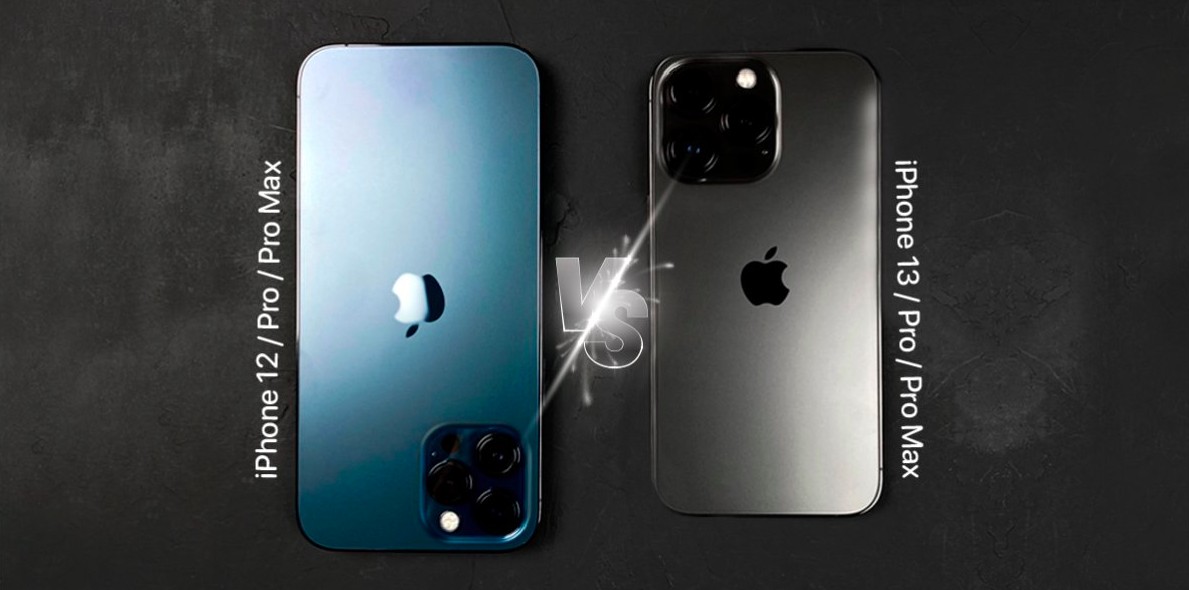
5. What is the difference between iPhone 13 and 12?
iPhone 13 and iPhone 12 design differences, including notch size and camera-module changes.
This comparison is useful for shoppers considering an iPhone upgrade across adjacent generations.
The source focuses on design continuity with small physical changes, a 20 percent smaller TrueDepth notch area, updated camera module dimensions, and zoom differences in the Pro line.
It is particularly helpful for readers who want to understand what actually changed rather than assuming a complete redesign.
Best for: iPhone upgraders comparing adjacent generations
- Explains design differences from iPhone 12 to iPhone 13
- Notes a 20 percent reduction in the TrueDepth notch area
- Covers Pro-series zoom differences
- Identifies color and camera-module changes
Verdict: A practical comparison for deciding whether the visible and camera-related changes are meaningful enough to matter.
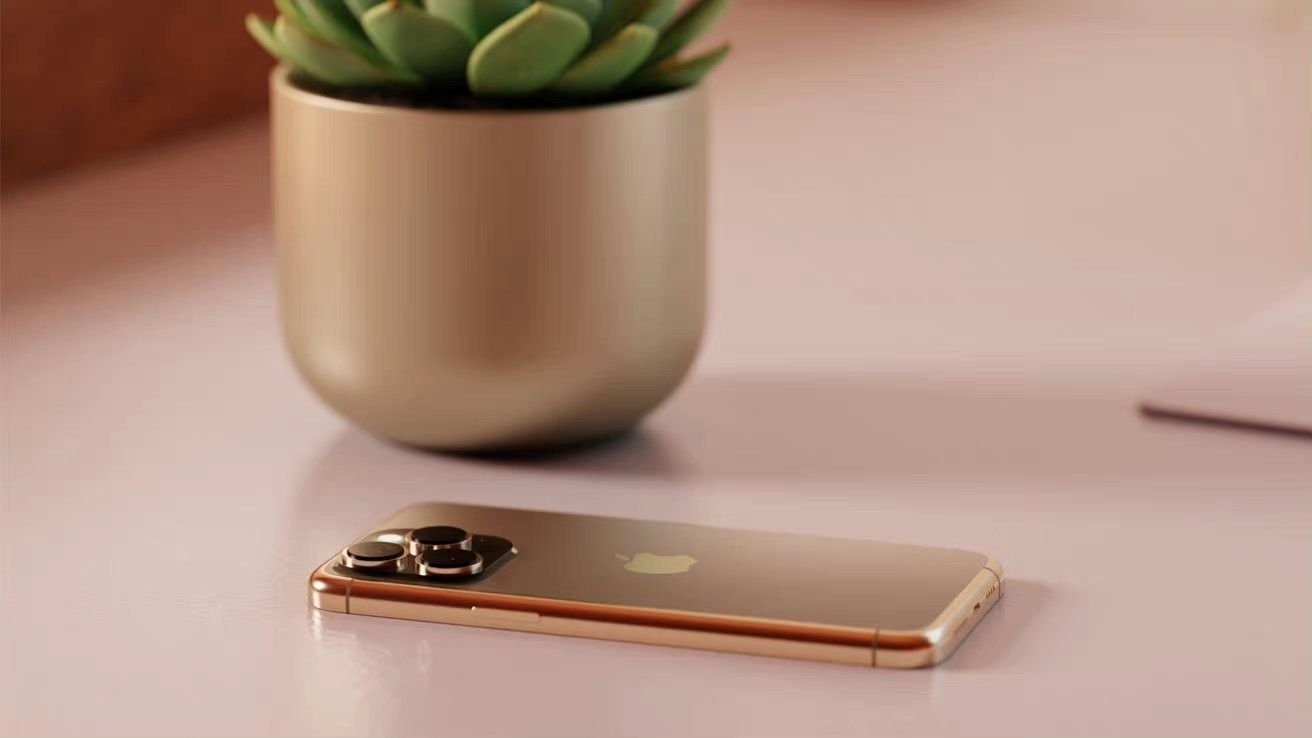
6. Is this an iPhone 15 Pro?
Render-based view of a possible iPhone 15 Pro design with softened rear edges.
This is a rumor-led design article, so it should be read as context rather than confirmed buying advice.
The source discusses renderings and insider claims suggesting an updated iPhone 15 Pro body, a possible titanium case, a rounded back panel, and a move from Lightning to USB-C, with uncertainty over whether all models would receive the connector and whether only higher models would get a faster version.
It also mentions claims of a new image sensor and improved photo and video capabilities without confirmed specifications.
Best for: Readers tracking iPhone design rumors
- Summarizes high-quality design renderings
- Highlights rumored titanium and rounded-back changes
- Discusses the possible move from Lightning to USB-C
- Separates uncertainty around lower models and connector speed
Verdict: Useful for understanding the rumor picture, but not a substitute for confirmed specifications or finished-product comparisons.
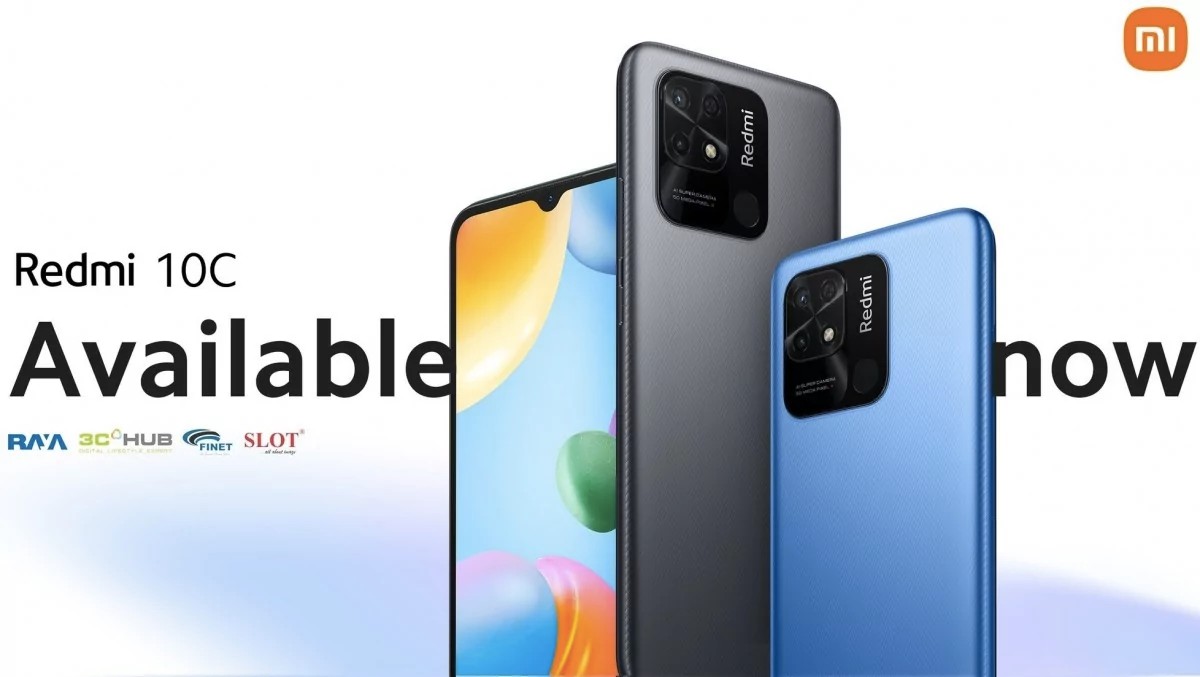
7. Xiaomi has released the long-awaited inexpensive Redmi 10C
Redmi 10C with a large 6.71-inch display and entry-level positioning.
The Redmi 10C source presents an entry-level Xiaomi model with several specifications that read above the bare minimum.
It lists a Qualcomm Snapdragon 680 chipset, 4 GB of RAM, 64 or 128 GB of built-in memory, a 6.71-inch LCD, a 5000 mAh battery, and a triple main camera led by a 50-megapixel sensor.
Availability is reported for Nigeria, while wider regional timing and pricing are not confirmed in the source.
Best for: Budget Android shoppers wanting a large screen
- Qualcomm Snapdragon 680 chipset
- Large 6.71-inch LCD
- 5000 mAh battery
- 50-megapixel main camera sensor
Verdict: A stronger budget-phone read than most basic launch notes thanks to its large display, sizable battery, and clearly listed core specifications.
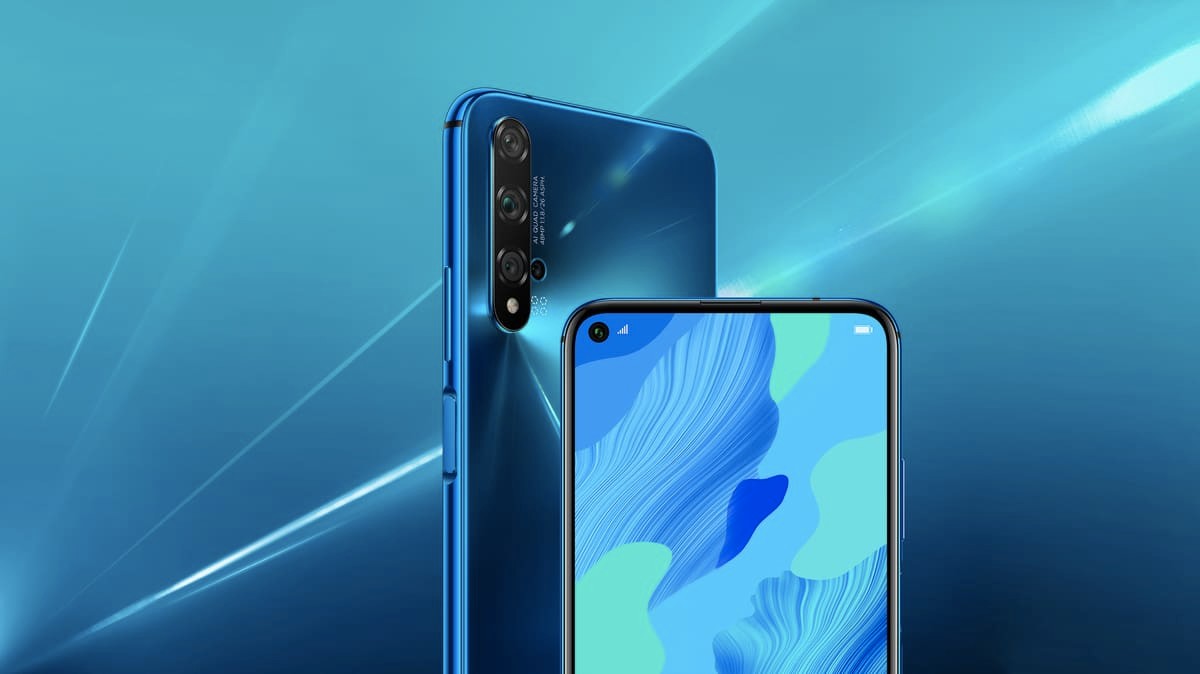
8. Will fast charging harm your smartphone?
Fast charging depends on the smartphone, power adapter, and cable working together.
This is the most useful general advice article in the Mobile set because it explains how fast charging depends on the phone, power adapter, and cable all supporting the feature.
The source defines fast charging as more than 10 watts and explains that power controllers in the charger and phone negotiate how much power is used.
It also gives practical context by comparing older 5 W charging with newer phones that can charge at much higher wattages.
Best for: Anyone choosing chargers and cables
- Explains that phone, adapter, and cable must all support fast charging
- Defines fast charging as more than 10 W
- Describes power-controller negotiation
- Clarifies why higher-capacity batteries need more charging power
Verdict: A useful grounding piece for avoiding confusion around charger wattage, cable support, and phone compatibility.
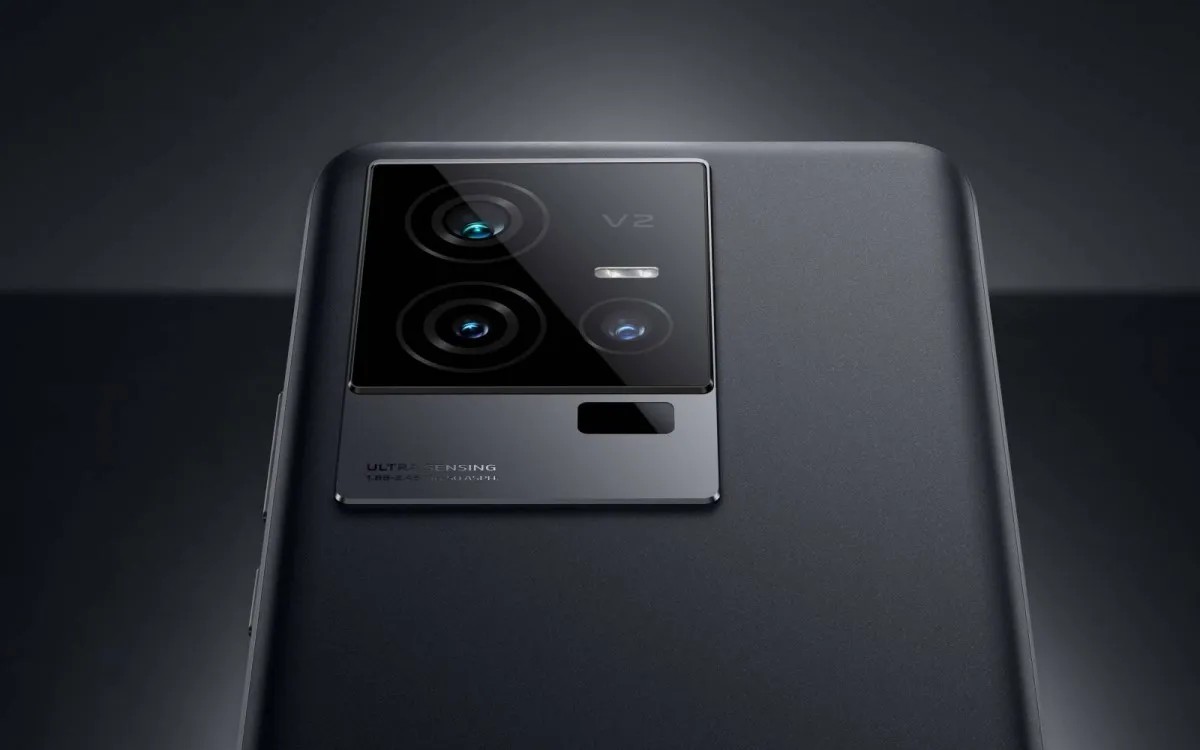
9. The new flagship phone iQOO 12 Pro has been revealed
iQOO 12 Pro camera details centered on OmniVision main and periscope sensor reports.
This source is valuable for readers who follow flagship Android camera specifications, but it is based on insider-reported details and should be treated accordingly.
It describes an iQOO 12 Pro expected to compete with high-end Android models and names a 50-megapixel OmniVision OV50H main sensor, a 64-megapixel OmniVision OV64B sensor in a periscope module, and an expected Snapdragon 8 Gen 3 platform.
The camera-sensor details include low-light, HDR, stabilization, and high-resolution video support as described in the source.
Best for: Flagship Android camera-spec followers
- Reports a 50-megapixel OmniVision OV50H main sensor
- Mentions a 64-megapixel OV64B periscope module
- Describes HDR and low-light sensor capabilities
- Lists Snapdragon 8 Gen 3 as expected
Verdict: A detailed leak-style specification read for camera enthusiasts, but still one to separate from confirmed product information.

10. HUAWEI Pura 70 smartphones are 35% more popular
HUAWEI Pura 70 series focus on camera hardware, AppGallery, and reported retail demand.
This article combines retail-demand reporting with feature highlights for the HUAWEI Pura 70 series.
It says M.Video-Eldorado recorded higher demand than the previous HUAWEI P60 series, with the standard Pura 70 accounting for more than 61 percent of series sales in the reported channel.
It also spotlights the Pura 70 Ultra’s pop-up ultra-camera with a 1-inch CMOS sensor and f/1.6 aperture, AppGallery availability, and next-generation Kunlun Glass with a stated improvement in drop-damage resistance.
Best for: Huawei shoppers comparing the Pura 70 series
- Reported demand increase versus the previous P60 series
- Pura 70 led series sales in the reported channel
- Pura 70 Ultra has a pop-up ultra-camera with 1-inch CMOS sensor
- AppGallery is pre-installed
Verdict: A useful demand-and-feature overview, strongest for readers interested in Huawei’s camera hardware and app-store ecosystem.
Quick comparison
These entries are best compared by purpose rather than by a single score.
Some are direct buying guides, some are budget or flagship phone reports, and others are software, charging, rumor, or gaming-store stories.
| Product | Best for | Verdict |
|---|---|---|
| Android 15 game frame-rate setting | Mobile gamers and developers | The key software item, focused on removing Android’s default 60 fps game cap through developer settings. |
| Realme C30 | Basic Android use on a tight budget | A low-cost phone with a 5000 mAh battery and microSD expansion, offset by Micro USB charging. |
| Sherlock Holmes Chapter One Microsoft Store listing | Gaming release-date followers | A digital-store news item with limited relevance to mobile hardware choices. |
| iPhone 17, iPhone 17 Air, iPhone 17 Pro, and iPhone 17 Pro Max | iPhone buyers comparing model tiers | The broadest supplied iPhone comparison, especially useful for weighing Air thinness against Pro-level features. |
| iPhone 13 and iPhone 12 comparison | iPhone upgraders comparing adjacent generations | A focused look at design, notch, color, and camera differences between two iPhone generations. |
| iPhone 15 Pro rumor and render report | Readers tracking iPhone design rumors | Useful for context on possible design and connector changes, but not confirmed buying evidence. |
| Redmi 10C | Budget Android shoppers wanting a large screen | An entry-level Xiaomi model distinguished by a large LCD, Snapdragon 680, 5000 mAh battery, and 50-megapixel main sensor. |
| Fast charging explainer | Anyone choosing chargers and cables | The practical advice piece, explaining charger, cable, and phone compatibility in plain terms. |
| iQOO 12 Pro leaked specifications | Flagship Android camera-spec followers | A camera-heavy insider report with detailed sensor claims that should be treated as unconfirmed. |
| HUAWEI Pura 70 series | Huawei shoppers comparing the Pura 70 series | A retail-demand and feature overview led by the Pura 70 model and the Ultra’s camera hardware. |
Frequently asked questions
How should I treat rumor-based phone stories when shopping?
Use them for context, not final decisions.
The iPhone 15 Pro render story and iQOO 12 Pro report both rely on rumors or insider details, so they are helpful for understanding possible directions but should be separated from confirmed specifications and finished-product comparisons.
What should matter most in an ultra-budget Android phone?
Start with the essentials shown in the Realme C30 and Redmi 10C sources: battery capacity, storage and microSD support, chipset, screen size, camera basics, software, and charging port.
A big battery or large display is useful, but an older connector such as Micro USB can be a daily inconvenience.
Do I need a special charger for fast charging?
Yes, fast charging depends on the smartphone, power adapter, and cable all supporting it.
The supplied charging explainer also notes that the phone and charger use power controllers to negotiate the charging level, so a high-wattage adapter alone does not guarantee faster charging.
Are high frame rates in Android games automatic?
Not necessarily.
The Android 15 source describes an option to remove the default 60 fps limit at the system level, but the useful result still depends on the device’s supported frame rate and the final software behavior.
The feature is also located in developer settings and is primarily described as a tool for testing games at higher frame rates.
How to Use These Mobile Picks
The most dependable buying value here comes from the pieces that clearly compare finished devices or explain practical behavior: the iPhone 17 lineup comparison, the iPhone 13 versus 12 guide, the Redmi 10C and Realme C30 reports, the HUAWEI Pura 70 overview, and the fast-charging explainer.
Those sources give concrete trade-offs around display size, battery, storage, camera layout, charging, app ecosystem, and model positioning.
For budget phones, the contrast between Realme C30 and Redmi 10C is especially instructive. Realme’s model emphasizes ultra-budget basics, bright styling, a 5000 mAh battery, and microSD expansion, but the Micro USB port is a meaningful compromise. Redmi 10C appears stronger on listed core specifications, with Snapdragon 680, a large 6.71-inch LCD, 4 GB of RAM, and a 50-megapixel main sensor, though the source limits confirmed availability to Nigeria. For iPhone buyers, use the broader iPhone 17 article when comparing tiers and the iPhone 13 versus 12 article when deciding whether smaller generational changes are enough. The iPhone 15 Pro render article belongs in a separate mental folder: interesting for design and connector expectations, but not firm enough to anchor a purchase. For enthusiasts, Android 15’s game frame-rate option and the iQOO 12 Pro camera report are the most technically interesting entries. One is a platform feature that could matter to mobile gaming if supported in practice; the other is a detailed but unconfirmed flagship camera specification story. Treat both as useful signals, then prioritize confirmed compatibility, regional availability, software ecosystem, and everyday compromises before choosing a phone or accessory.
