The mobile category is rarely a single kind of purchase.
Some buyers want a compact phone that almost disappears in a pocket, others need a large screen and a long-lasting battery, while a smaller group is watching foldables, Linux phone interfaces, anti-theft ideas, and AI-first device strategies reshape what “mobile” might mean.
1. Unihertz unveils Jelly Star – a tiny smartphone in the style of Nothing Phone (1)
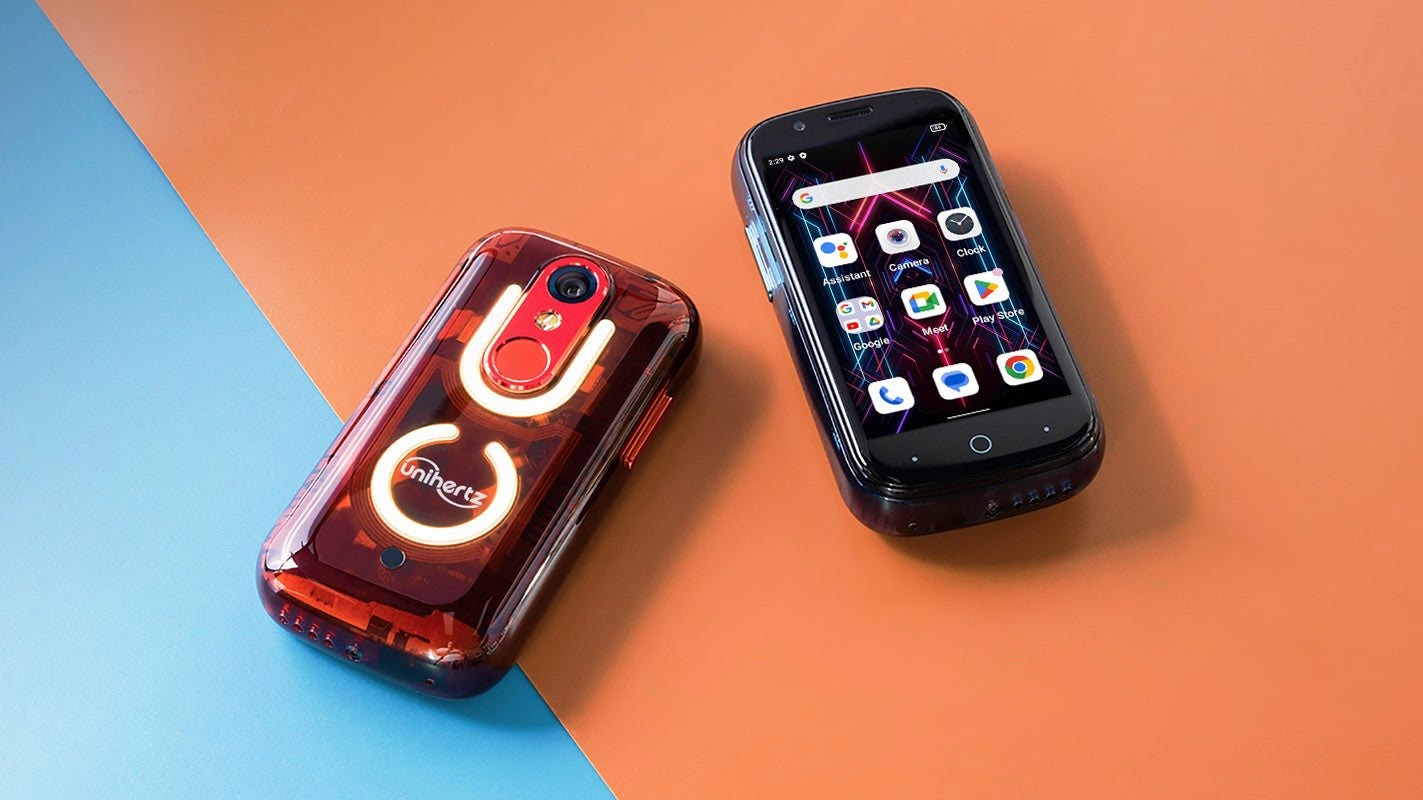
Unihertz Jelly Star with a transparent rear design, compact body, and 3-inch display.
The Unihertz Jelly Star is the clearest choice here for anyone specifically looking for a very small Android-style smartphone.
Its 95.13 × 49.52 × 19.37 mm body and 121 g weight make it substantially smaller than many mainstream compact phones, while the transparent rear panel gives it a distinctive Nothing Phone-inspired look.
The source also lists a MediaTek Helio G99, 8 GB LPDDR4x RAM, 256 GB UFS 2.2 storage, and a 3-inch IPS screen, which makes the specification sheet unusually ambitious for a device this tiny. The open question is endurance from the mAh battery, so this is more of a specialist compact pick than an obvious all-rounder.
Best for: Small-phone enthusiasts
- Extremely compact body
- Light 121 g weight
- 8 GB RAM and 256 GB storage
- Transparent rear panel option
Verdict: Choose the Jelly Star if pocketability is the priority and you are comfortable with the battery-life uncertainty that comes with such a tiny body.
2. Samsung Galaxy M13: The new and simple mid-range mobile
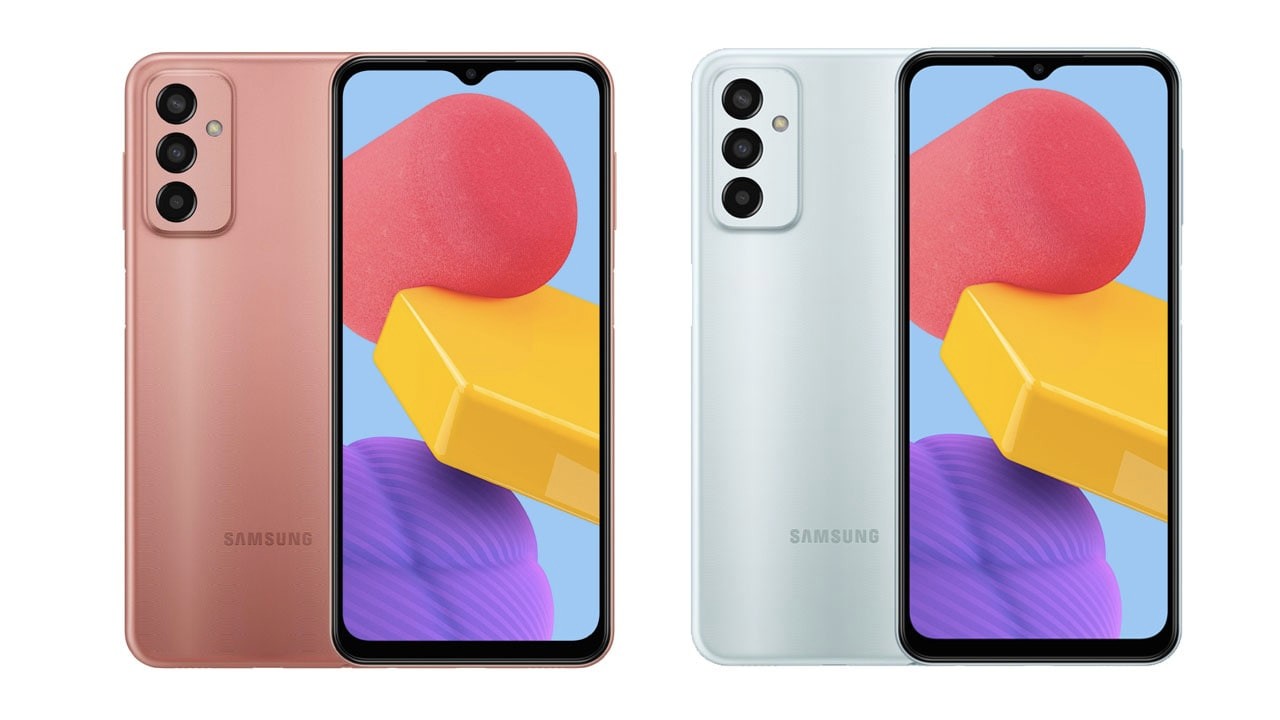
Samsung Galaxy M13 with a notched front camera and triple rear camera module.
The Samsung Galaxy M13 is positioned as a straightforward mid-range phone for buyers with tighter budgets who still want current-generation features.
The supplied material highlights a 6.4-inch display, an 8-megapixel front camera in a notch, and a triple rear camera system led by a 50-megapixel main sensor, joined by an 8-megapixel ultra-wide camera and a 2-megapixel depth sensor.
It does not include 5G connectivity, which matters if fast mobile networks are a priority, but that omission also helps define it as a simpler, more affordable Galaxy M-series option.
Best for: Budget Samsung buyers
- 50-megapixel main rear camera
- 8-megapixel ultra-wide camera
- 6.4-inch display
- Budget-oriented positioning
Verdict: The Galaxy M13 is a practical pick for shoppers who want a simple Samsung mid-ranger and do not need 5G.

3. HONOR Play 10C: Affordable mobile with large screen and 6000 mAh battery
HONOR Play 10C showing its wave-patterned back and two large circular rear elements.
The HONOR Play 10C stands out for buyers who want screen size and battery capacity before premium extras.
Its 6.61-inch IPS display has a 720 × 1604 resolution, a 120 Hz refresh rate, and up to 1010 nits brightness, while the 6000 mAh battery is the strongest endurance-oriented specification in the supplied phone list.
HONOR also includes a customizable AI button, an e-book mode intended to ease viewing and reduce power use, IP64 dust and splash protection, a headphone jack, and configurations with 4, 6, or 8 GB of RAM and 128 or 256 GB of storage. The camera setup is modest, with a 13-megapixel main camera and 5-megapixel front camera, so its appeal is more about value, display fluidity, and battery capacity than photography.
Best for: Large-screen battery buyers
- Large 6000 mAh battery
- 6.61-inch 120 Hz display
- Customizable AI button
- IP64 dust and splash protection
Verdict: The HONOR Play 10C is the strongest fit here for anyone prioritizing a big display, high refresh rate, and very large battery on a budget.

4. Behold the Pixel 7 Pro: The greatest exponent of Google to date
Google Pixel 7 Pro with its large pOLED display and distinctive rear camera bar.
The Google Pixel 7 Pro is the premium handset in this selection, with the supplied article emphasizing a 6.7-inch pOLED display, 3120 × 1440 resolution, 120 Hz refresh rate, and up to 1,500 nits brightness.
It uses Google’s Tensor G2 chip and a Titan M2 security chip, with the article noting five years of security updates.
The device is also listed with 12 GB of RAM and 128 or 256 GB of internal storage. Compared with the budget and niche phones in this guide, the Pixel 7 Pro is the most clearly high-end option, particularly for buyers who value display quality, Google’s own chip platform, and long-term security support.
Best for: Premium Android buyers
- 6.7-inch 2K pOLED display
- 120 Hz refresh rate
- Google Tensor G2 chip
- Titan M2 security chip
Verdict: The Pixel 7 Pro is the natural premium choice in this group if display quality, Google hardware, and security support matter most.

5. Phosh Update Brings Smarter Brightness, Better Multitasking, and Wider Hardware Support
Phosh mobile interface update focused on brightness control, multitasking, and hardware compatibility.
Phosh is not a phone, but it is relevant to mobile buyers interested in Linux-based smartphone environments.
The update described in the source improves automatic brightness behavior, integrates more intelligently with night mode, and redesigns the app switcher with thumbnails for running applications.
The underlying Phoc compositor also gains support for the xx-cutouts-v1 Wayland protocol, helping the system handle modern display cutouts such as notches and punch-hole cameras. Stevia, the on-screen keyboard, receives improved scaling, especially useful in landscape. For mainstream phone shoppers this is not a handset recommendation, but for Linux phone users it signals meaningful refinement.
Best for: Linux phone users
- Smarter automatic brightness behavior
- Redesigned app switcher with thumbnails
- Better handling of screen cutouts
- Improved keyboard scaling
Verdict: Phosh is worth attention if you use or follow Linux smartphones and care about practical interface polish rather than mainstream app ecosystems.
6. Meizu has come up with anti-theft technology for smartphones
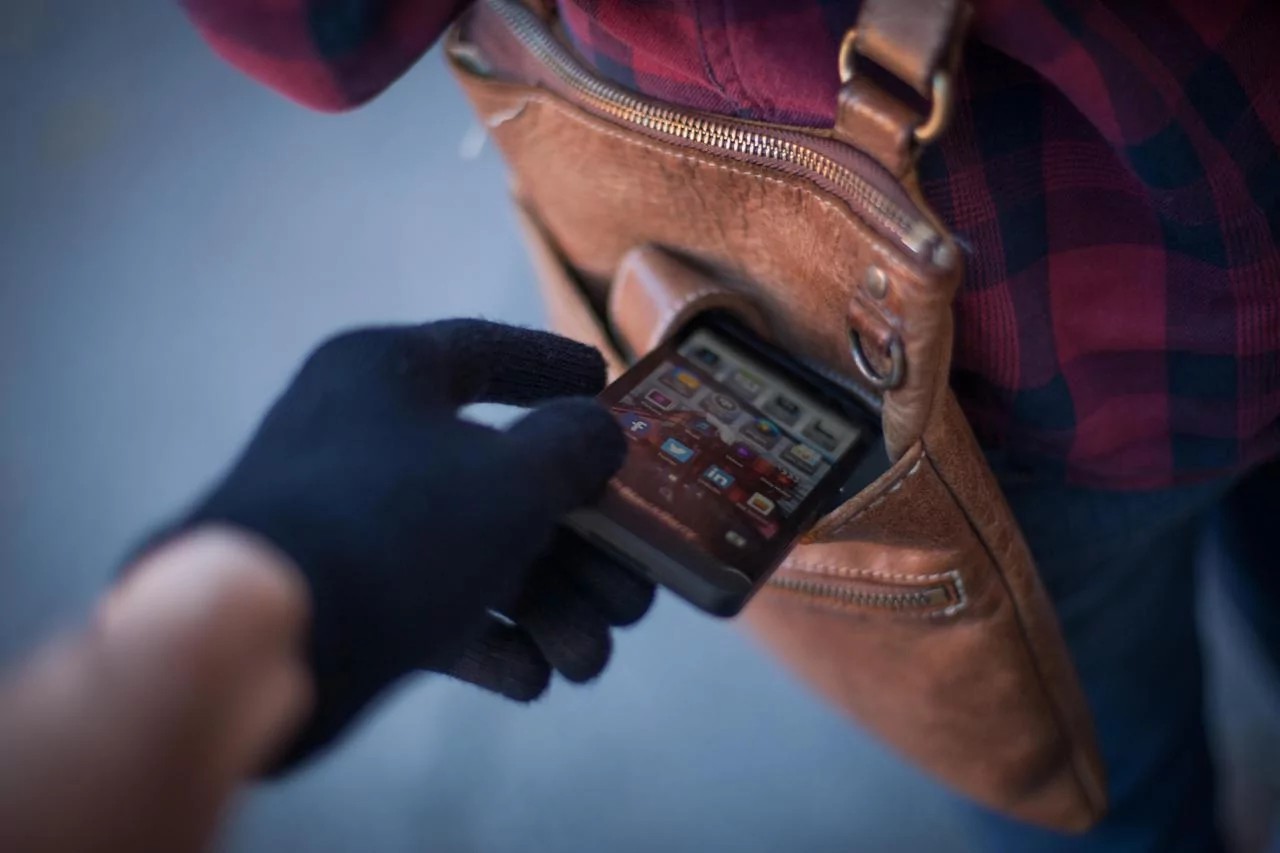
Meizu anti-theft concept intended to lock down a stolen phone and help report its location.
Meizu’s anti-theft idea is a patented technology rather than a confirmed consumer feature in a specific phone.
The source describes a system that could make a lost or stolen smartphone enter a black-screen mode, block the SIM card slot, connect to the internet, and send location information.
The concept addresses two real concerns: locating the device and protecting personal data. However, the article is careful that it remains unclear whether the technology will reach actual products or how it would work in practice. Treat this as an interesting security direction, not a buying reason today.
Best for: Security-focused observers
- Aims to help locate lost phones
- Designed to protect personal data
- Could block SIM card misuse
Verdict: Meizu’s patented anti-theft system is promising on paper, but it should not influence a purchase until it appears in shipping devices.
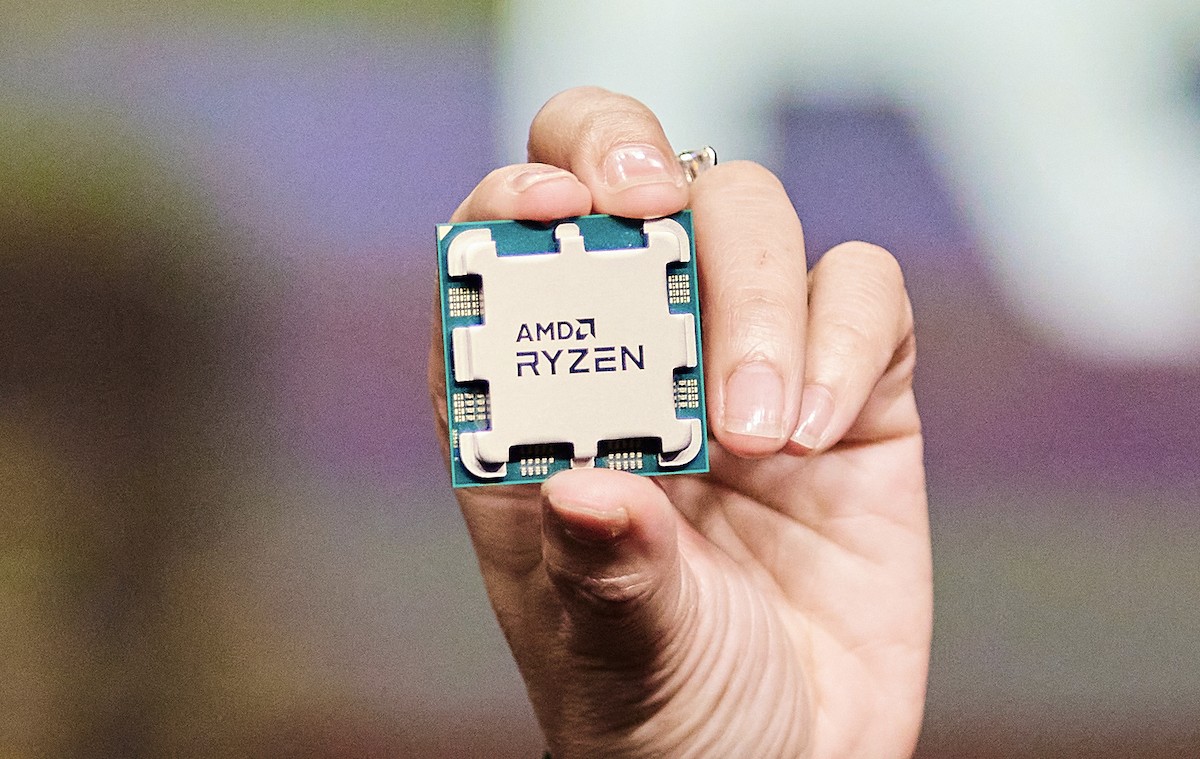
7. If you want a new AMD processor, wait! Ryzen 7000 coming sooner than we thought
AMD Ryzen desktop processor coverage is outside the smartphone-focused buying decision.
This article is about desktop processors rather than mobile phones, so it is not a handset recommendation.
Its relevance to a mobile buying guide is limited, and the source itself focuses on platform timing, AMD’s AM5 socket, process technology expectations, and competition with Intel desktop CPUs.
If you are shopping for a smartphone, this entry does not provide phone specifications, mobile network information, camera details, battery data, or device guidance. It is best treated as off-category context for computer buyers, not as part of a mobile shortlist.
Best for: Desktop PC buyers, not phone shoppers
Verdict: Skip this entry for mobile purchasing decisions because the supplied material concerns AMD desktop CPU timing rather than a phone or mobile device.
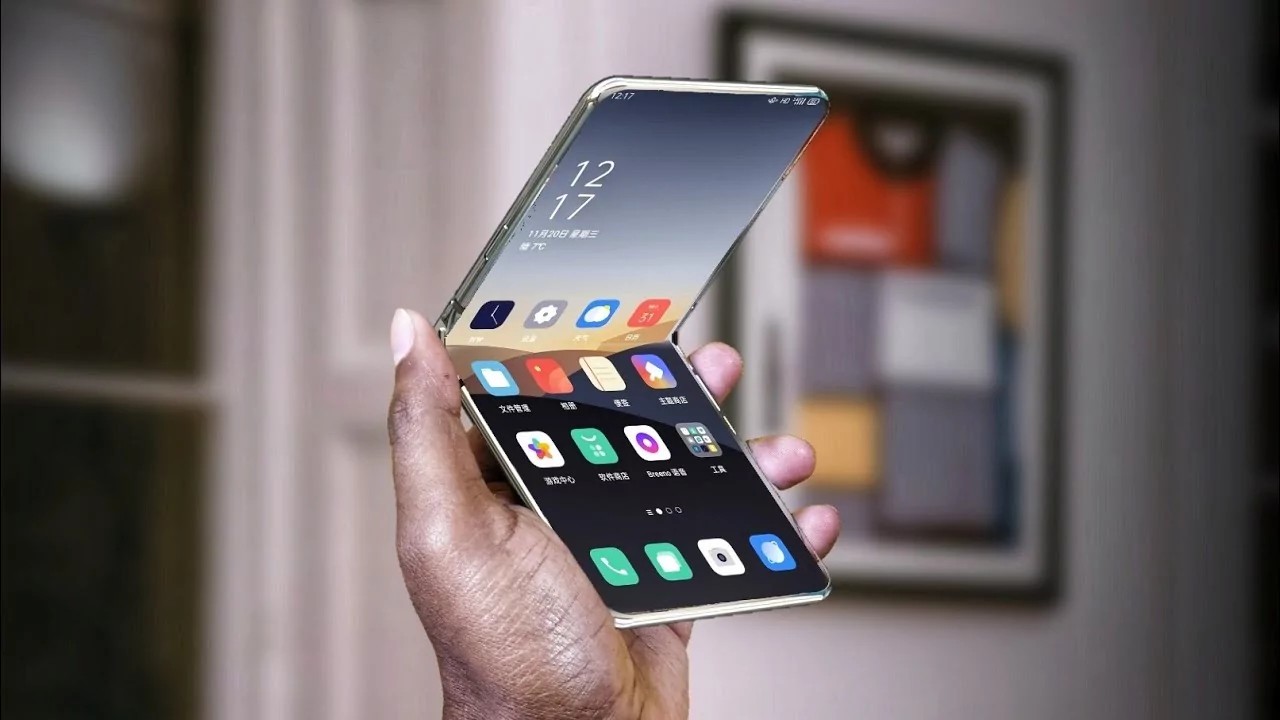
8. OPPO Find N2 Flip foldable smartphone render reveals huge second screen
OPPO Find N2 Flip render showing a clamshell design and prominent outer display.
The OPPO Find N2 Flip is the foldable entry in the supplied material, though the article is based on renders and rumors rather than confirmed final specifications.
The standout detail is the large external screen, described as presumably 3.26 inches, along with a rumored flexible 6.8-inch inner display, Dimensity 9000+ chipset, 4300 mAh battery, and 44 W fast charging.
The rumored camera setup includes a 50-megapixel Sony IMX766 main sensor and an 8-megapixel Sony IMX355 ultra-wide sensor, plus a 32-megapixel front camera cutout. Because the source frames much of this as rumor, this is a watchlist item rather than a settled recommendation.
Best for: Foldable-watchlist shoppers
- Large external screen indicated
- Rumored 6.8-inch flexible display
- Rumored 4300 mAh battery
- Side fingerprint scanner shown
Verdict: The Find N2 Flip is interesting if you want a clamshell foldable with a large cover display, but the supplied details should be treated as pre-launch information.
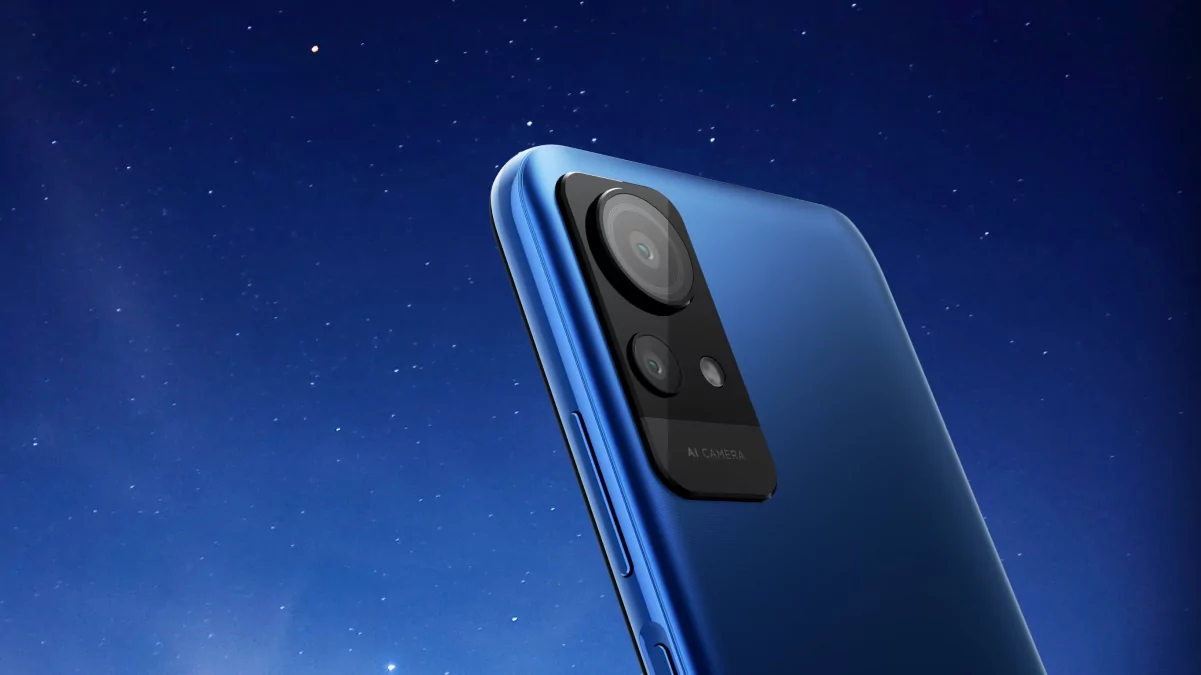
9. HTC unveils Wildfire E3 Lite smartphone with specs from the past and Android 12
HTC Wildfire E3 Lite in black and blue with a basic display and dual rear camera setup.
The HTC Wildfire E3 Lite is a budget phone with modest hardware.
The supplied specifications include a 6.52-inch IPS HD+ display at 60 Hz, a Unisoc SC9863 processor, 3 or 4 GB of RAM, 32 or 64 GB of storage with SD card expansion, and a 5000 mAh battery with 10 W charging.
Camera hardware is basic, with 10-megapixel and 2-megapixel rear cameras and a 5-megapixel front camera. It also includes practical legacy features such as a fingerprint scanner, dual SIM slot, 3.5 mm audio jack, Wi-Fi 802.11 b/g/n, and Bluetooth 4.2. This is best considered only if the price is very low and core smartphone functions matter more than performance.
Best for: Basic budget phone users
- 5000 mAh battery
- Expandable storage
- Dual SIM slot
- 3.5 mm audio jack
Verdict: The Wildfire E3 Lite is a simple low-end option for essential use, but its modest specifications limit its appeal beyond budget basics.
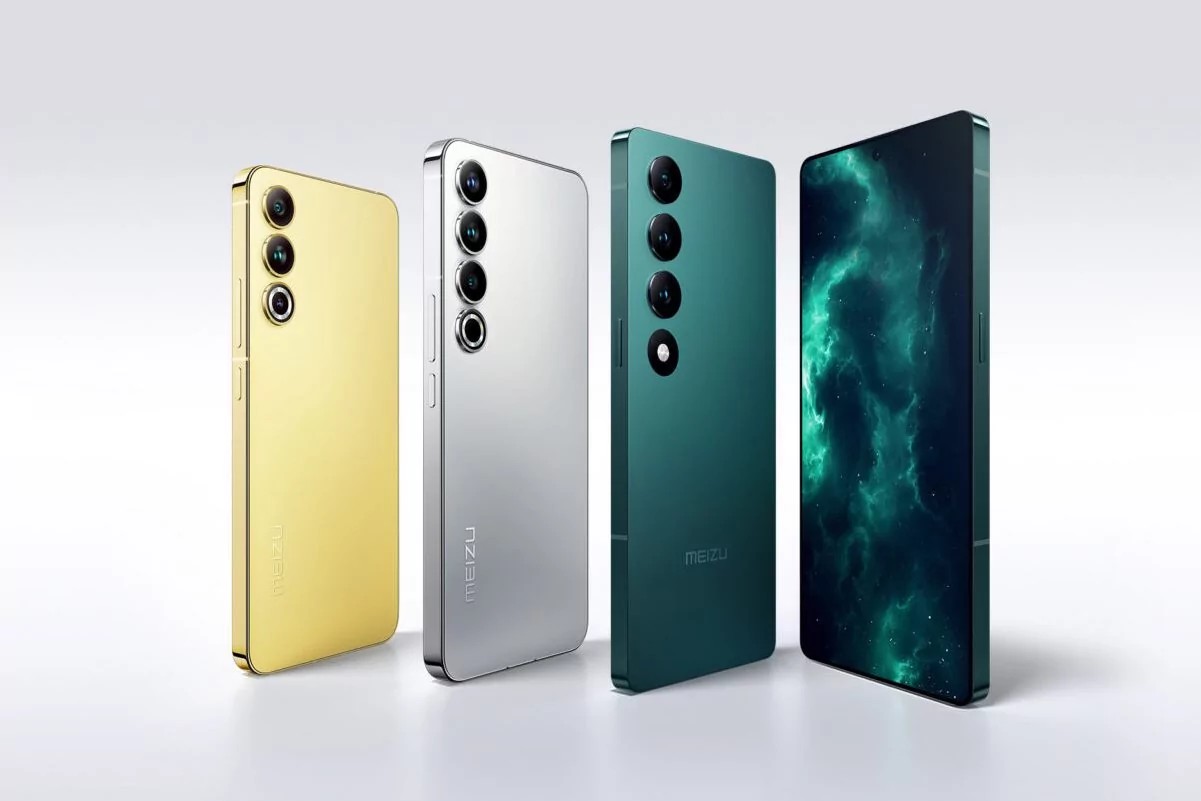
10. Meizu stops developing traditional Android smartphones and goes into AI
Meizu strategy update pointing from traditional Android phones toward AI-focused mobile devices.
Meizu’s shift away from traditional Android smartphone development is important context rather than a phone recommendation.
The source says the company plans to focus on artificial intelligence and references devices such as Humane AI Pin and Rabbit R1 as examples of the kind of smartphone-replacement category it is watching.
It also states that work on Flyme OS will continue, with the software potentially moving into AI-oriented devices, cars, terminals, and related products. For buyers, the practical message is caution: if you prefer conventional Android phones with predictable product continuity, this strategy makes Meizu less straightforward than brands still focused on standard handsets.
Best for: Buyers tracking post-smartphone devices
- Flyme OS work continues
- AI-focused hardware plans stated
- Relevant context for Meizu buyers
Verdict: Meizu’s AI pivot is worth following, but it is not a reason to buy a traditional Meizu Android phone without clearer product plans.
Quick comparison
The most useful way to compare these entries is by role.
Some are actual handsets with clear specifications, some are software or technology developments, and a few are industry context rather than direct mobile recommendations.
| Product | Best for | Verdict |
|---|---|---|
| Unihertz Jelly Star | Small-phone enthusiasts | The niche compact choice, notable for its tiny body, transparent rear option, and unusually strong memory and storage for its size. |
| Samsung Galaxy M13 | Budget Samsung buyers | A simple mid-range Galaxy M-series phone with a 50-megapixel main camera and no 5G connectivity. |
| HONOR Play 10C | Large-screen battery buyers | The best fit for shoppers who want a 6.61-inch 120 Hz display and a 6000 mAh battery at the affordable end. |
| Google Pixel 7 Pro | Premium Android buyers | The high-end option here, built around a 6.7-inch 2K 120 Hz pOLED display, Tensor G2, Titan M2, and long security support. |
| Phosh | Linux phone users | A mobile Linux interface update, useful for Phosh users but not a handset purchase in itself. |
| Meizu anti-theft technology | Security-focused observers | An interesting patented concept for lost or stolen phones, but not yet a confirmed phone feature in the supplied material. |
| AMD Ryzen 7000 | Desktop PC buyers, not phone shoppers | Off-category for mobile shoppers because the article concerns desktop processors rather than smartphones. |
| OPPO Find N2 Flip | Foldable-watchlist shoppers | A promising clamshell foldable report centered on a large outer screen, but many details are rumor-based in the source. |
| HTC Wildfire E3 Lite | Basic budget phone users | A low-end handset with a 5000 mAh battery, expandable storage, dual SIM, and headphone jack, but modest performance hardware. |
| Meizu AI mobile strategy | Buyers tracking post-smartphone devices | Useful industry context showing Meizu’s move away from traditional Android smartphone development toward AI-oriented hardware and software. |
Frequently asked questions
Which phone here is best for battery life?
Based on the supplied specifications, the HONOR Play 10C has the largest listed battery at 6000 mAh.
The HTC Wildfire E3 Lite follows with 5000 mAh, while the Unihertz Jelly Star’s 2000 mAh battery is an open question because the phone is extremely small.
Which option is best if I want a very small phone?
The Unihertz Jelly Star is the standout compact choice.
Its listed dimensions of 95.13 × 49.52 × 19.37 mm and 121 g weight make it far smaller than typical mainstream smartphones, though buyers should consider whether the 3-inch screen suits their daily use.
Should I buy a phone without 5G?
That depends on budget and network needs.
The Samsung Galaxy M13 is described as not including 5G, which may be acceptable for lower-cost buyers who mainly need messaging, browsing, and basic apps, but less ideal for anyone specifically wanting faster modern mobile network support.
Are the OPPO Find N2 Flip details final?
No.
The supplied article describes renders and rumors, including the large external screen, flexible inner display, chipset, battery, charging, and cameras.
Treat it as a foldable to watch rather than a fully confirmed buying recommendation from this material.
How to choose from this mobile shortlist
Start by separating actual phones from context pieces.
If you need a handset now, the clearest choices are the Unihertz Jelly Star, Samsung Galaxy M13, HONOR Play 10C, Google Pixel 7 Pro, HTC Wildfire E3 Lite, and potentially the OPPO Find N2 Flip if you are comfortable following pre-launch foldable information.
Phosh is software, Meizu’s anti-theft system is a patent, the AMD Ryzen article is off-category for mobile buyers, and Meizu’s AI pivot is market context rather than a phone to buy. For everyday value, the HONOR Play 10C is the strongest battery-and-screen option in the supplied material thanks to its 6000 mAh battery, 6.61-inch display, 120 Hz refresh rate, and practical extras such as IP64 protection and a headphone jack. For a premium Android experience, the Google Pixel 7 Pro is the most advanced specified handset here, with a 6.7-inch 2K pOLED screen, 120 Hz refresh rate, Tensor G2, Titan M2, and five years of security updates. For a genuinely tiny phone, the Unihertz Jelly Star is the specialist pick, but its small battery means expectations should be realistic. Budget buyers should compare the Samsung Galaxy M13 and HTC Wildfire E3 Lite carefully. The Galaxy M13 offers a more appealing camera outline in the supplied material, including a 50-megapixel main sensor and ultra-wide camera, while the HTC emphasizes basic practicality with a 5000 mAh battery, expandable storage, dual SIM, and a 3.5 mm headphone jack. Foldable shoppers should keep the OPPO Find N2 Flip on a watchlist only if they accept that the source relies heavily on rumors and renders. The safest purchase is the one whose strengths match your daily routine: pocket size, battery capacity, display quality, software environment, or basic affordability.