in

Exceptional TVs for Audiophile-Grade Cinema Rooms

Panasonic MZ700 review

A practical premium TV guide covering Displace wireless OLED models, Philips Ambilight, Hisense and Xiaomi Mini LED sets, Panasonic and Samsung OLED options, TCL’s 115-inch flagship-scale display, LG budget basics, and LG’s premium OLED lineup.

A serious TV choice is no longer just about diagonal size.

The strongest candidates in this selection span OLED, QD-OLED, Mini LED, QLED LCD, and even fully wireless battery-powered designs, each with a different idea of what makes a screen feel premium in a living room or dedicated cinema space.

For hi-fi-minded buyers, the television has to sit comfortably alongside the rest of the system. That can mean deep OLED contrast for film nights, strong Mini LED brightness for large rooms, gaming-ready refresh rates, an interface that does not get in the way, or a physical design that works cleanly on a wall or equipment-led furniture setup. This guide follows the supplied product material closely. Some entries are full reviews with design and usability notes, while others are launch-focused previews with specifications and positioning. The recommendations therefore emphasize what is directly supported: display technology, installation approach, smart platform, gaming features, audio claims where stated, and the kind of room or viewer each model appears to suit.

Recommendation 1

1. Displace Flex and Displace Mini are completely wireless OLED TVs

The Displace Flex uses a frameless OLED design with a magnetic stand that doubles as its charging base.

Displace takes the most unconventional route here: OLED TVs designed to operate without conventional cabling, using battery power and wireless connectivity.

The Flex is the larger and more ambitious model, described as a frameless Ultra HD OLED TV on a magnetic stand that also acts as a charging base.

The Mini is aimed at smaller spaces with a 27-inch Full HD screen and external battery units. Both models include the same equipment set according to the source, including built-in cameras with thermal sensors, NFC, and Wi-Fi 6E. The idea is less about traditional home-theater permanence and more about flexible placement, modular screen arrangements, and cable-free rooms.

Best for: Cable-free rooms and flexible placement

  • Fully wireless battery-powered design
  • OLED display technology
  • Magnetic charging stand on Flex
  • Compact Mini model for small spaces

Verdict: Displace Flex and Mini are the most distinctive choices for buyers who want OLED picture technology without a fixed installation or visible TV wiring.

Read the full article

Recommendation 2
Philips PUS8500 Review

2. Philips PUS8500 Review: Ambilight Atmosphere on a Budget

The Philips PUS8500 places Ambilight LEDs across the rear, making the lighting system central to its viewing character.

The Philips PUS8500 is positioned for viewers who want a more immersive atmosphere without moving into premium pricing.

Its defining feature is three-sided Ambilight, paired with QLED color technology and a VA LCD panel.

The source frames the set as more focused on visual mood and perceived contrast than extreme brightness. Design is practical rather than ultra-thin, with a thicker chassis that suits tabletop placement well, stable metal legs, a slim understated bezel, accessible ports, and a simple backlit remote with dedicated streaming buttons.

Best for: Ambilight immersion at accessible pricing

  • Three-sided Ambilight
  • QLED color technology
  • VA LCD panel with respectable black levels
  • Stable metal tabletop legs

Verdict: Philips PUS8500 is a sensible choice when room atmosphere and everyday practicality matter more than ultra-slim styling or flagship-level brightness.

Read the full article

Recommendation 3
Hisense E8Q Mini LED 4K TV Review (2025): Affordable Innovation with Premium Features

3. Hisense E8Q Review: Affordable Innovation with Premium Features

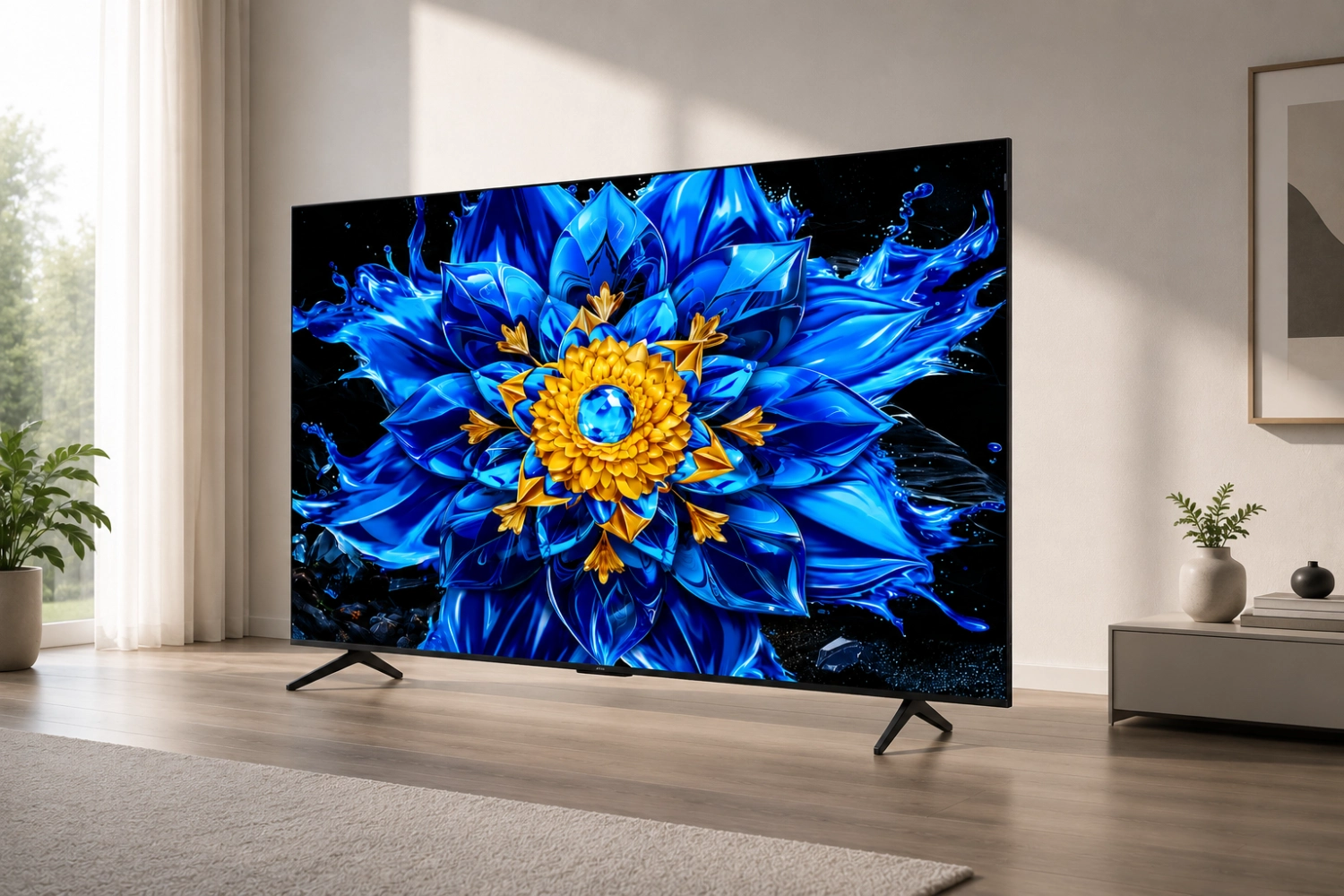
The Hisense E8Q combines a slim black bezel with front-facing speaker placement along the lower edge.

The Hisense E8Q is presented as a 4K Mini LED Smart TV line that brings more advanced technology into an accessible segment.

The source highlights Mini LED backlighting, AI-powered image processing, and audio technology developed with Devialet.

Design is minimalist, with a slim black bezel, a slightly wider lower edge for front-facing speakers, and a central stand. It also supports wall mounting, although the source notes that port placement may leave cables visible from the front. Build quality is described as largely plastic, so the E8Q’s appeal rests more on its feature set than luxury construction.

Best for: Feature-focused value seekers

  • 4K Mini LED TV line
  • AI-powered image processing highlighted
  • Devialet-developed audio technology
  • Voice remote with direct streaming buttons

Verdict: Hisense E8Q looks strongest for buyers who want Mini LED and modern processing features while accepting some compromises in materials and cable presentation.

Read the full article

Recommendation 4
Xiaomi TV S55 and S65

4. Xiaomi S55 / S65: TVs with proprietary HyperOS operating system

The Xiaomi S55 and S65 pair Mini LED backlighting with the company’s HyperOS smart TV platform.

The Xiaomi S55 and S65 bring Mini LED backlighting and HyperOS into a compact two-model range.

The S55 uses a 55-inch 4K screen with 308 local dimming zones, while the S65 increases screen size to 65 inches and local dimming to 392 zones.

The source also lists a metal body, 1200-nit maximum brightness, 144 Hz refresh rate, 94 percent DCI-P3 coverage, 4 GB of RAM, 64 GB of internal storage, and a remote control with NFC for quick pairing. Among the supplied entries, this is one of the clearest spec-led value propositions.

Best for: Spec-driven Mini LED value

  • Mini LED backlighting
  • 4K resolution with local dimming
  • 144 Hz refresh rate
  • HyperOS with NFC remote pairing

Verdict: Xiaomi S55 and S65 stand out for packing Mini LED, high refresh, and HyperOS features into straightforward 55-inch and 65-inch options.

Read the full article

Recommendation 5
Panasonic MZ700 review

5. Panasonic MZ700: Affordable OLED TV with excellent picture quality

The Panasonic MZ700 keeps the slim OLED look while using simpler feet than the brand’s more expensive models.

The Panasonic MZ700 is framed as a more affordable OLED line that trims peak brightness and some features compared with Panasonic’s higher models.

Its appeal comes from the fundamentals of OLED: an OLED panel with infinite contrast, HDR support, and the Google TV operating system.

The series covers screen sizes from 42 to 65 inches. In design terms, the source describes it as visually close to more expensive OLED models, with a very slim upper section and simple plastic feet instead of a heavy metal center stand.

Best for: Affordable OLED movie viewing

  • OLED panel with infinite contrast
  • HDR suite included
  • Google TV operating system
  • Available from 42 to 65 inches

Verdict: Panasonic MZ700 is best viewed as an OLED-first choice for buyers who value contrast and smart TV basics over higher peak brightness and premium hardware extras.

Read the full article

Recommendation 6
TCL QM891G

6. TCL QM891G: 115-inch TV with quantum dots, Mini LED and 20,000 local dimming zones

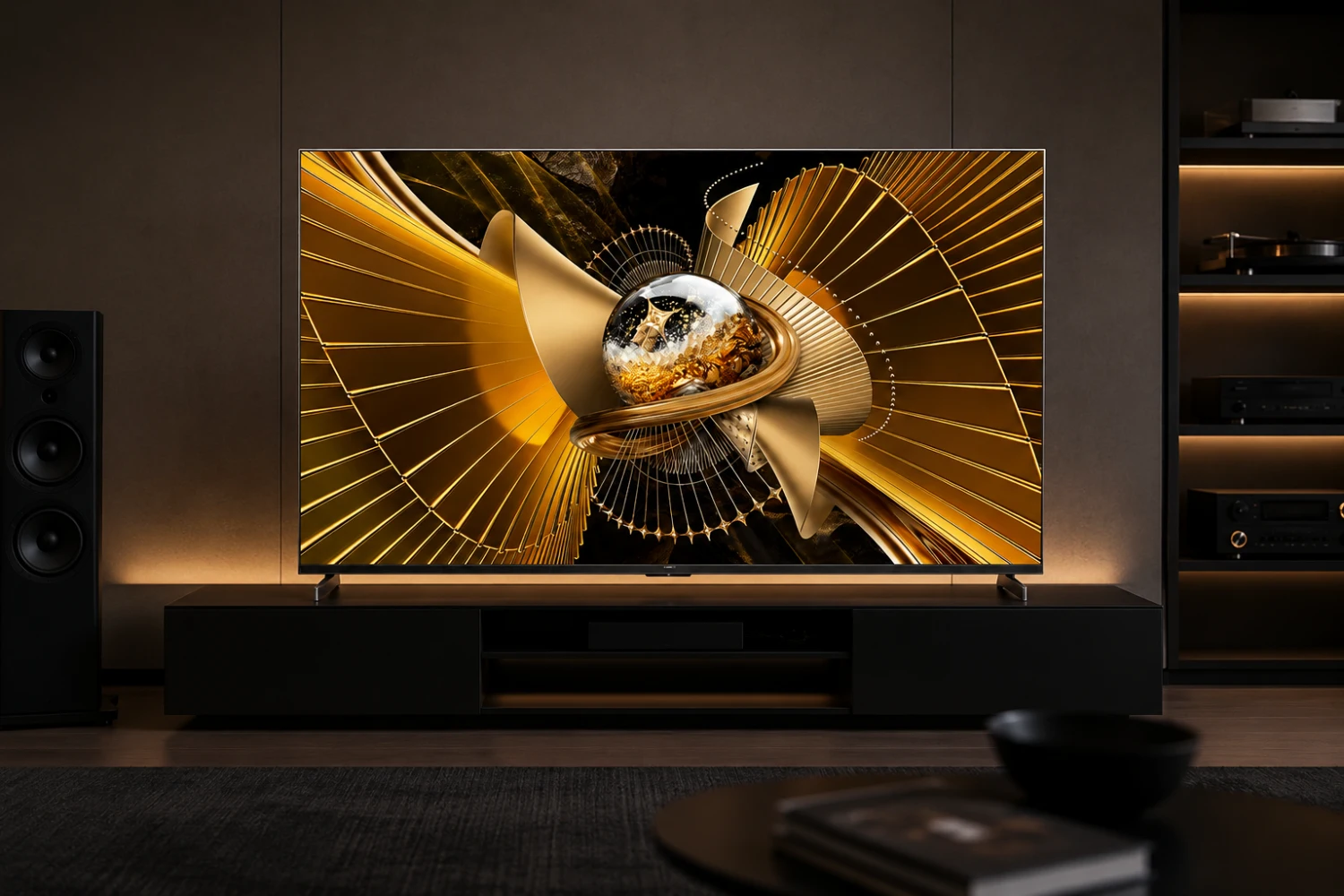
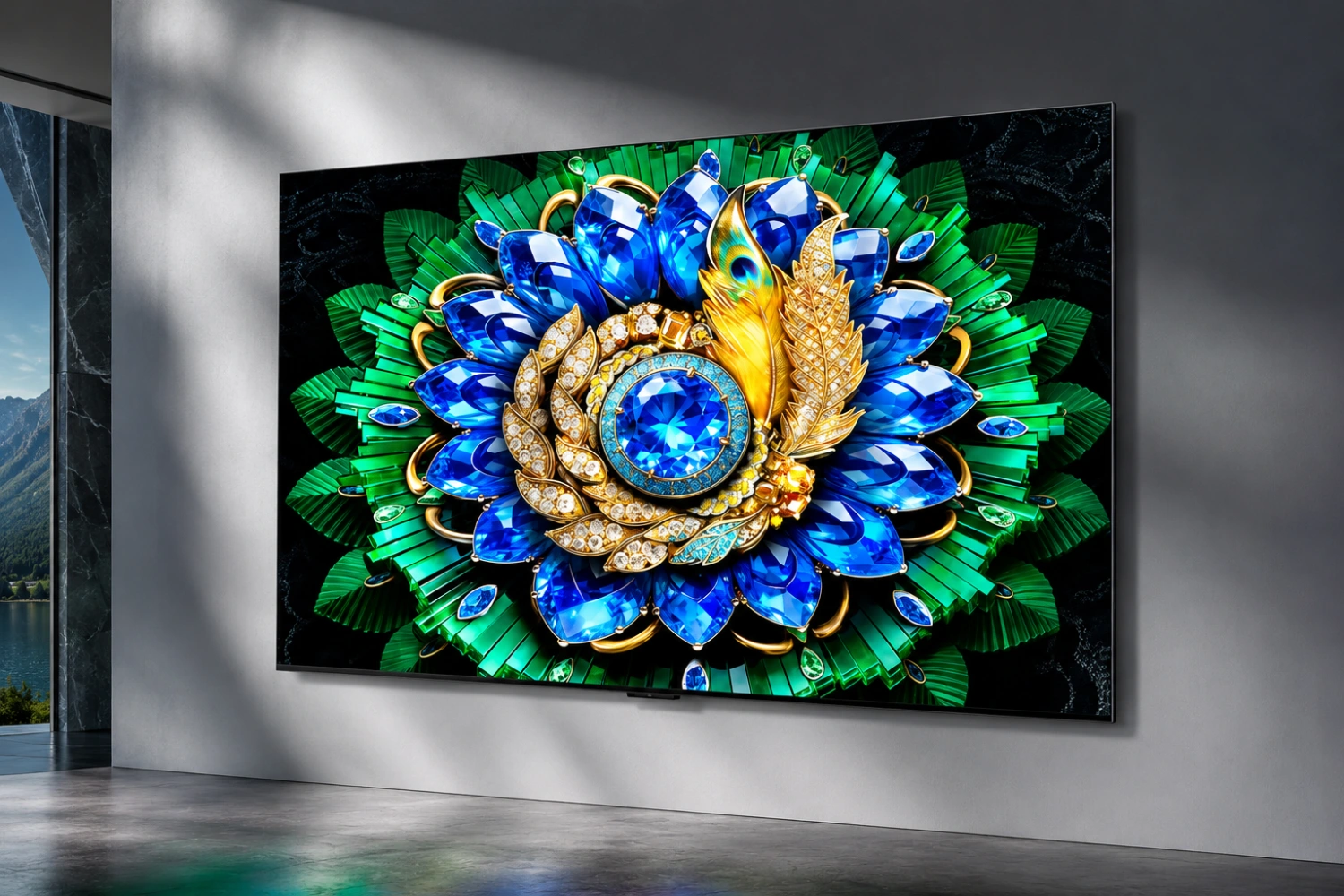
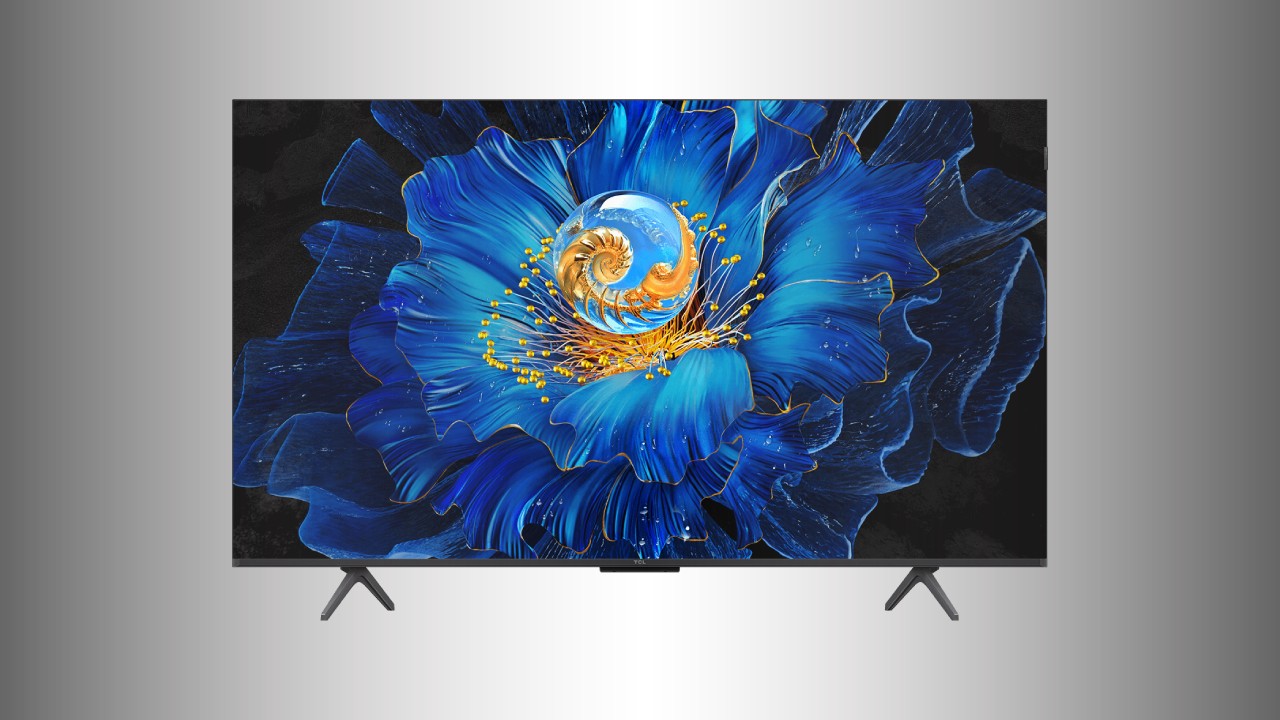
The TCL QM891G uses a 115-inch quantum dot Mini LED panel with a very high local dimming zone count.

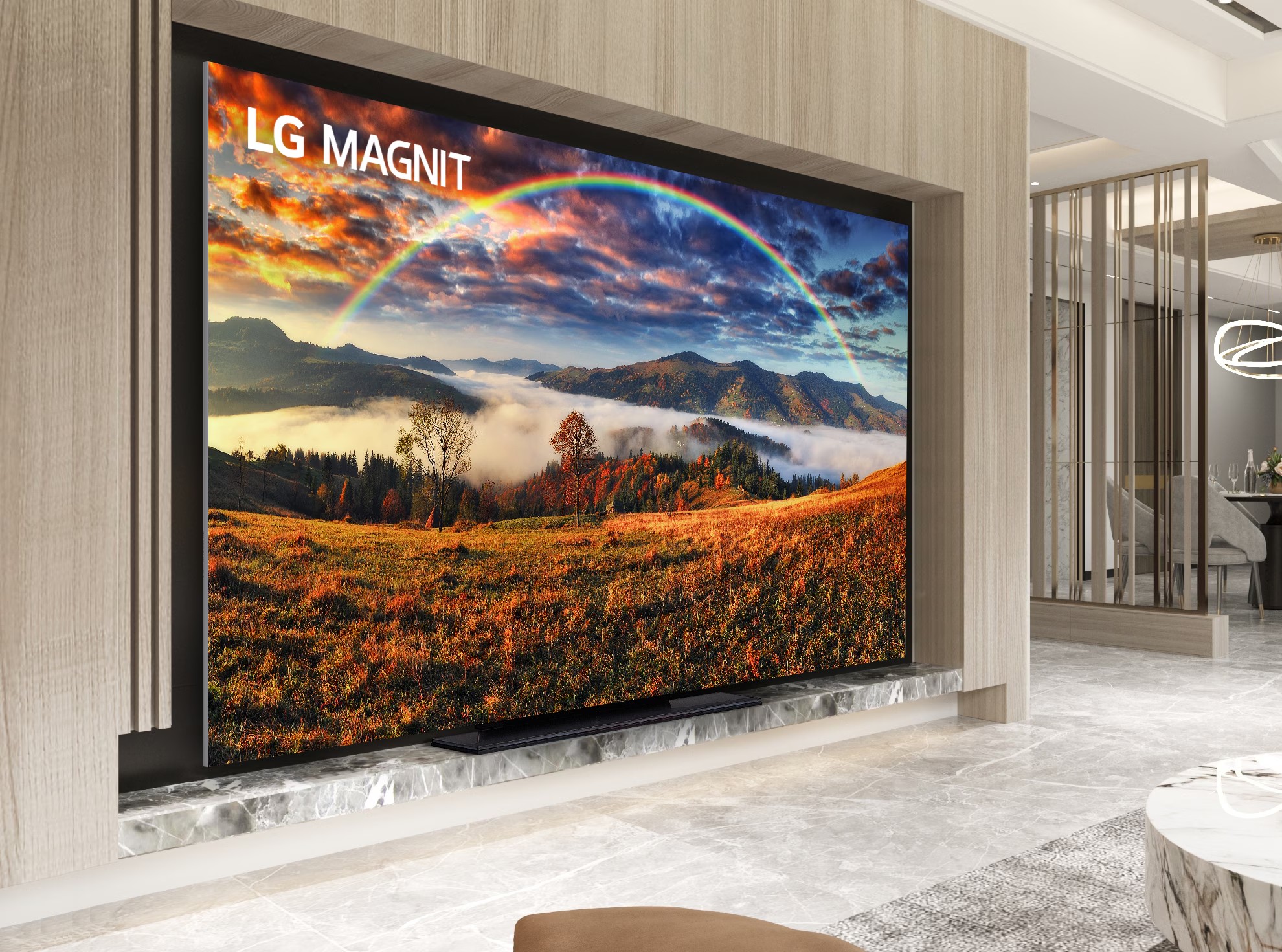
The TCL QM891G is the scale monster of this selection: a 115-inch TV using quantum dots and Mini LED backlighting.

The supplied details are unusually ambitious, including 20,000 local dimming zones, 5000 cd/m2 brightness, anti-glare coating, up to 144 Hz refresh with VRR, 120 Hz in normal mode, AMD FreeSync Premium support, an ATSC 3.0 tuner, and a 6.2.2-channel Dolby Atmos speaker system with upward-firing speakers.

It is not a subtle TV, but for a very large room it is the clearest candidate when screen size and brightness dominate the brief.

Best for: Very large rooms and big-screen gaming

  • Huge 115-inch screen
  • Quantum dot Mini LED panel
  • 20,000 local dimming zones
  • AMD FreeSync Premium support

Verdict: TCL QM891G is the most imposing option here for buyers prioritizing sheer screen size, high brightness, Mini LED contrast control, and gaming support.

Read the full article

Recommendation 7
LG UR640S review

7. LG UR640S: Budget TV worth checking out

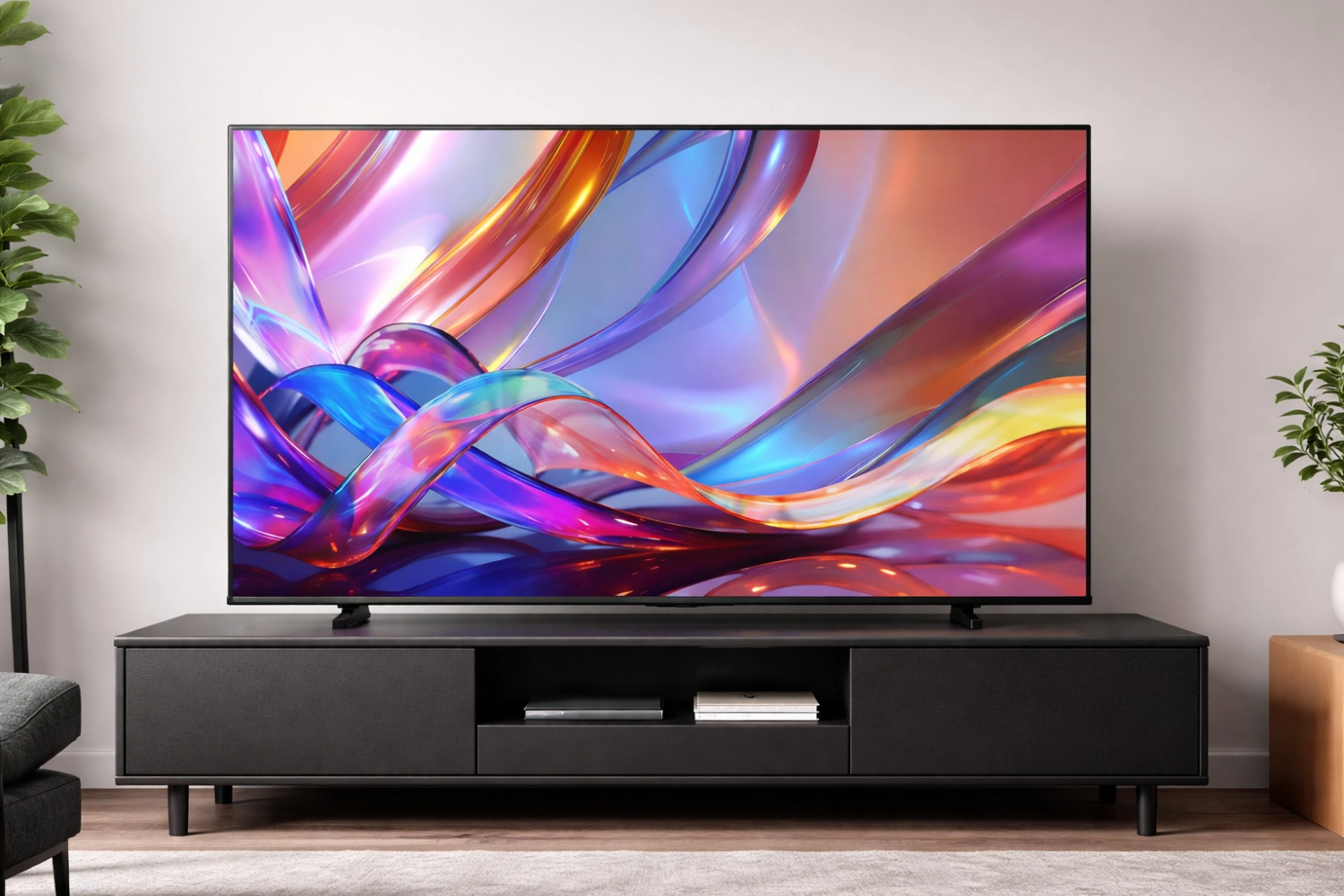
The LG UR640S uses a simple slim-bezel design with stable plastic legs and a 4K LCD panel.

The LG UR640S is the pragmatic budget entry in the list.

The source describes it as a lower-tier LG series with a simple 4K LCD panel, positioned below Nanocell, QNED, and OLED models.

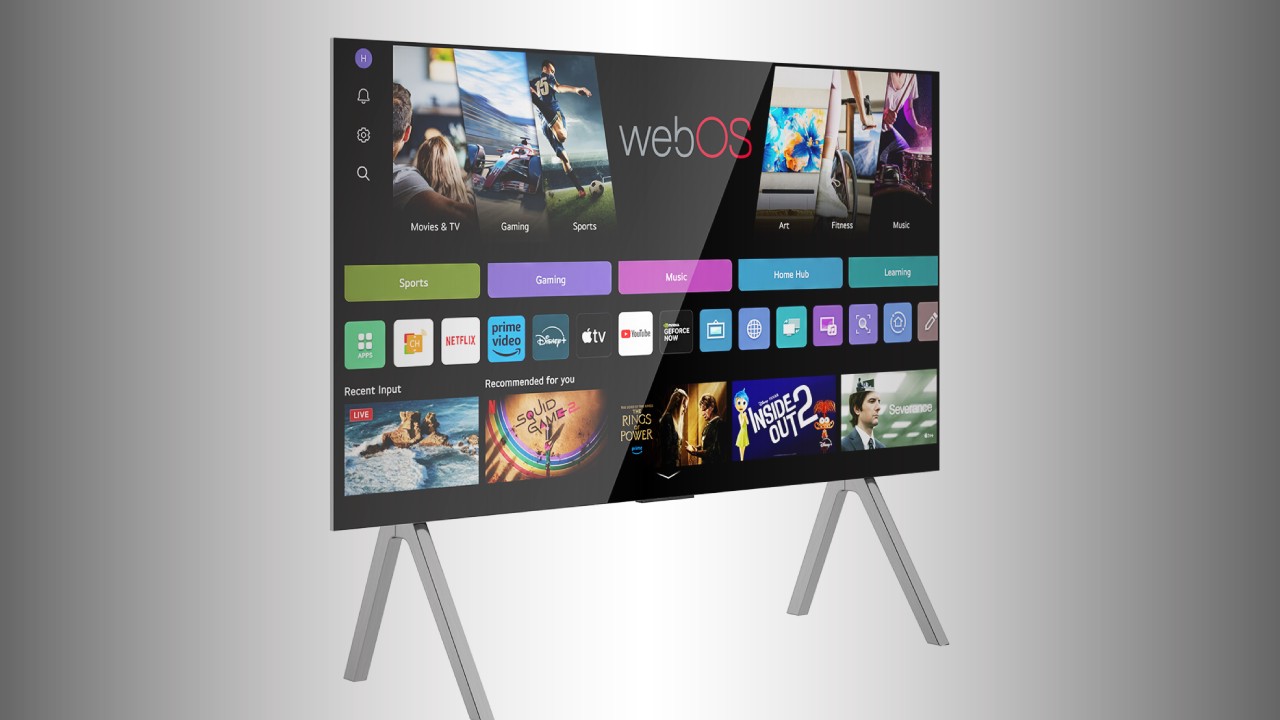
It still covers useful essentials: UHD resolution, HDR standards, webOS smart TV functionality, and a built-in tuner. The range spans 43 to 86 inches, and the 55-inch model is described with slim bezels, a slim side profile, and stable plastic feet. It is not presented as a premium display, but it is clearly intended for buyers who want a straightforward smart TV at lower cost.

Best for: Budget smart TV basics

  • UHD resolution
  • webOS smart TV platform
  • HDR standards supported
  • Sizes from 43 to 86 inches

Verdict: LG UR640S is the sensible low-cost pick when you need 4K, webOS, and a broad size choice without paying for higher-end panel technology.

Read the full article

Recommendation 8
Samsung QE65S90F

8. Samsung QE65S90F: A Refined Step Forward in OLED Innovation

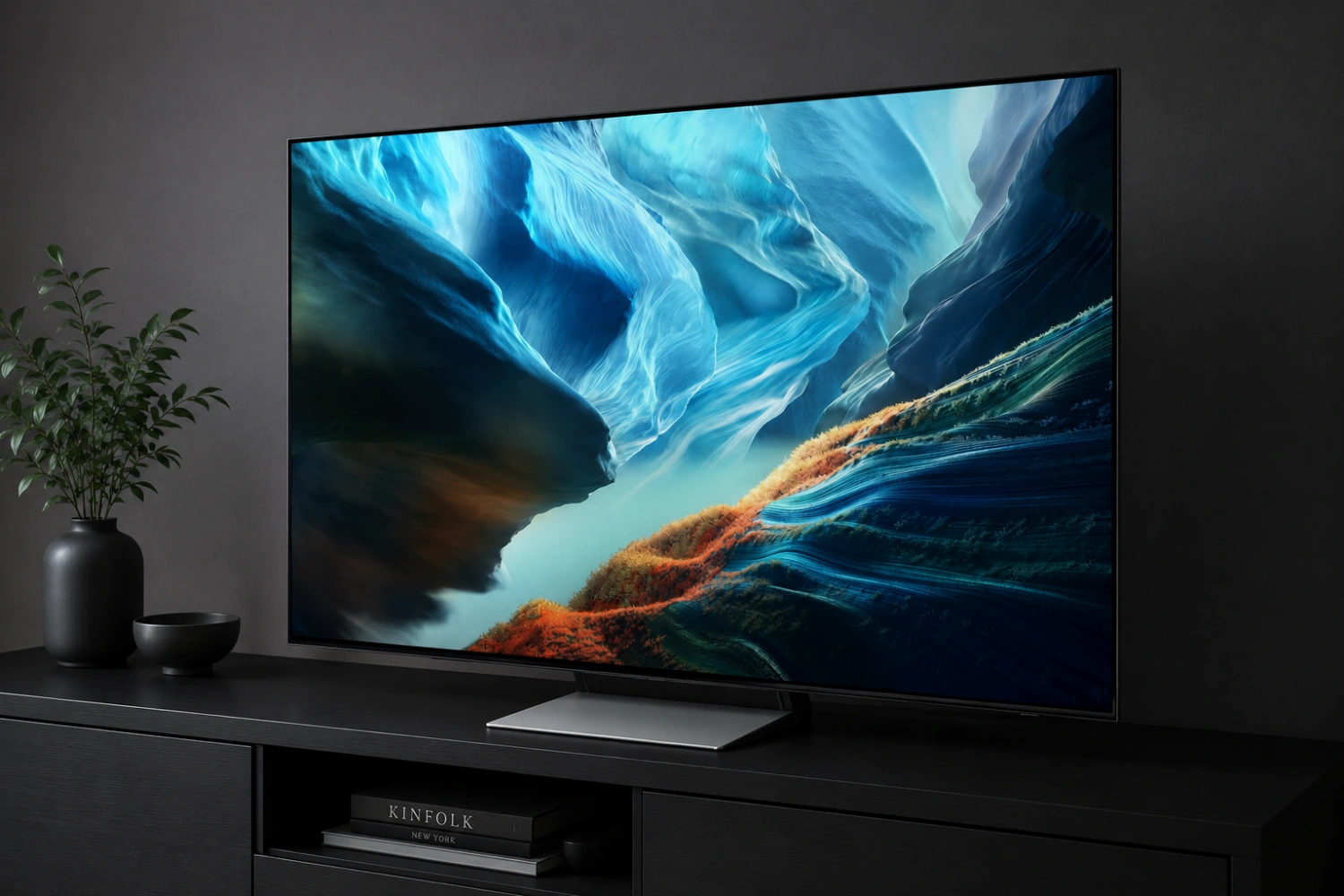
The Samsung QE65S90F combines a QD-OLED panel with a slim body, minimal bezels, and a satin-silver stand.

The Samsung QE65S90F is presented as a refined QD-OLED set with a premium design and a more polished smart TV experience.

The source highlights the 65-inch variant’s Samsung QD-OLED panel technology, ultra-slim form factor, almost invisible bezels, satin-silver stand, and clean build with no visible screws or messy protrusions.

It also notes that Tizen feels more intuitive, with improved navigation, better organization, and a more useful smart search function. The article positions the set for movie lovers, competitive gamers, and viewers who want a strong living-room centerpiece, but the supplied excerpt is strongest on design and usability.

Best for: Premium OLED design and smart usability

  • QD-OLED panel technology
  • Ultra-slim design with minimal bezels
  • Polished Tizen interface
  • Improved navigation and smart search

Verdict: Samsung QE65S90F is the refined OLED choice for buyers who want QD-OLED picture technology in a sleek chassis with a more approachable smart interface.

Read the full article

Recommendation 9
Samsung S93C Review

9. Samsung S93C: A technological marvel

The Samsung S93C is described with a slim high-end appearance that benefits from careful placement in larger rooms.

The Samsung S93C is described as a high-end television with strong design appeal and a premium positioning.

The supplied excerpt focuses mainly on the 77-inch TQ77S93C version, noting that its size makes it better suited to larger rooms and that wall mounting can help its slim look integrate more cleanly.

The article also emphasizes Samsung’s high-end styling, an attractive front view, and the expectation of a higher price. Because the provided material gives limited technical detail, the S93C is best differentiated here by its size, design, and premium category rather than by unsupported performance claims.

Best for: Large-room Samsung OLED styling

  • High-end Samsung positioning
  • Attractive slim design
  • 77-inch version suited to larger rooms
  • Wall mounting supported via VESA

Verdict: Samsung S93C is most compelling when a large, slim, premium-looking Samsung TV is the priority, though the supplied material gives limited detail beyond design and positioning.

Read the full article

Recommendation 10
LG OLED TV Lineup 2025

10. LG OLED TV Lineup: Everything you need to know

LG’s premium OLED Evo lineup centers on M5 and G5 models with updated processing and gaming-oriented compatibility.

LG’s OLED TV lineup entry covers the brand’s premium Evo models, including the M5 and G5 variants.

The supplied material highlights improved brightness, compatibility with 165 Hz gaming, and the Alpha 11 Gen 2 processor.

That processor is described as bringing upgraded AI and machine-learning capabilities for picture and sound, including sharper and more natural upscaling of lower-quality images. The article also mentions dynamic tone mapping aimed at more accurate color and detail handling in HDR adjustments, plus virtual surround processing for all audio sources, including basic stereo. This is a lineup recommendation rather than a single-model pick, but it is the strongest LG OLED technology overview in the set.

Best for: LG OLED buyers comparing premium variants

  • OLED Evo M5 and G5 variants covered
  • Alpha 11 Gen 2 processor
  • 165 Hz gaming compatibility
  • Virtual surround processing for all audio sources

Verdict: LG OLED TV Lineup is the right reference point for buyers focused on LG’s premium OLED Evo direction, especially processing, HDR adjustment, gaming speed, and virtual surround features.

Read the full article

Quick comparison

The strongest distinctions are not about a single universal winner.

The supplied material points to different priorities: wireless placement, Ambilight immersion, Mini LED brightness, OLED contrast, large-screen scale, smart platform choice, gaming support, and budget simplicity.

Product Best for Verdict
Displace Flex and Displace Mini are completely wireless OLED TVs Cable-free rooms and flexible placement Choose these if wireless battery-powered OLED placement matters more than conventional TV installation.
Philips PUS8500 Review: Ambilight Atmosphere on a Budget Ambilight immersion at accessible pricing A practical QLED LCD option built around three-sided Ambilight and tabletop stability.
Hisense E8Q Review: Affordable Innovation with Premium Features Feature-focused value seekers A Mini LED Smart TV line with AI processing and Devialet-developed audio, balanced by less premium construction details.
Xiaomi S55 / S65: TVs with proprietary HyperOS operating system Spec-driven Mini LED value A compact Mini LED range with 4K resolution, high refresh rate, local dimming, and HyperOS.
Panasonic MZ700: Affordable OLED TV with excellent picture quality Affordable OLED movie viewing An OLED-first choice with infinite contrast and Google TV, but with lower peak brightness and reduced features versus higher models.
TCL QM891G: 115-inch TV with quantum dots, Mini LED and 20,000 local dimming zones Very large rooms and big-screen gaming The obvious scale choice, combining a 115-inch quantum dot Mini LED panel with extensive dimming and gaming features.
LG UR640S: Budget TV worth checking out Budget smart TV basics A simple 4K LCD option with webOS, HDR support, and a broad size range.
Samsung QE65S90F: A Refined Step Forward in OLED Innovation Premium OLED design and smart usability A sleek QD-OLED model distinguished by minimalist design and a more polished Tizen experience.
Samsung S93C: A technological marvel Large-room Samsung OLED styling A premium Samsung option best supported by the source for its slim design, 77-inch scale, and large-room suitability.
LG OLED TV Lineup: Everything you need to know LG OLED buyers comparing premium variants A useful overview for buyers weighing LG OLED Evo models, processing upgrades, HDR handling, gaming compatibility, and virtual surround features.

Frequently asked questions

Should I choose OLED or Mini LED for a serious TV setup?

OLED models such as the Panasonic MZ700, Samsung QE65S90F, Displace Flex, and LG OLED Evo lineup emphasize OLED’s contrast advantages, while Mini LED models such as the TCL QM891G, Xiaomi S55 and S65, and Hisense E8Q focus on backlighting control, brightness claims, or feature value.

Choose OLED when black level and contrast are the priority; consider Mini LED when screen size, brightness, or gaming specifications are central.

Which options are most relevant for gaming?

The TCL QM891G has the clearest gaming specification set in the supplied material, with up to 144 Hz refresh using VRR and AMD FreeSync Premium.

Xiaomi’s S55 and S65 also list a 144 Hz refresh rate.

LG’s premium OLED lineup is described as compatible with 165 Hz gaming, while the Samsung QE65S90F is positioned for competitive gamers, though the supplied excerpt gives fewer gaming details.

What should I consider before wall mounting one of these TVs?

Check the stand design, wall-mount support, chassis depth, and port placement.

The Hisense E8Q supports standard VESA mounting but may show cables because of port position.

The Panasonic MZ700 and LG UR640S include specific VESA mounting references in the supplied material. The Samsung S93C is described as benefiting visually from wall placement, especially in the large 77-inch version.

Are wireless TVs a practical alternative to a normal installation?

The Displace Flex and Displace Mini are the only fully wireless battery-powered TVs in the supplied list.

They are designed for flexible placement and include wireless connectivity, but they represent a different kind of product from conventional sets.

For permanent home-theater installations, traditional OLED, QD-OLED, Mini LED, and LCD models may still be simpler choices depending on room layout and cable management.

How to Choose the Right Premium TV for Your Room

Start with the room, not the spec sheet.

A very large open space can justify the TCL QM891G’s 115-inch Mini LED scale, while a smaller or design-sensitive room may be better served by a 42- to 65-inch OLED such as the Panasonic MZ700 or by the cable-free concept of the Displace Mini.

If the TV is joining a carefully arranged audio system, also consider stand stability, wall-mount depth, port access, and whether cables will be visible from normal seating positions. Display technology should match viewing habits. OLED and QD-OLED options in this guide are the natural candidates for viewers who care most about contrast and film presentation. Mini LED and QLED LCD options bring other strengths: local dimming, brightness claims, larger sizes, and often stronger value on paper. Ambilight on the Philips PUS8500 is a separate kind of benefit, adding room atmosphere rather than simply chasing panel specifications. Gamers should look closely at refresh rate and variable refresh features where they are explicitly stated. TCL’s QM891G, Xiaomi’s S55 and S65, and LG’s OLED Evo lineup provide the clearest gaming-related claims in the supplied material. Smart TV preferences matter as well: webOS appears on the LG UR640S, Google TV on the Panasonic MZ700, Tizen on the Samsung QE65S90F, and HyperOS on the Xiaomi models. The safest choice is the one whose compromises you understand. The Panasonic MZ700 trades some brightness and features for OLED affordability. The LG UR640S keeps to budget fundamentals rather than advanced panel technology. The Hisense E8Q offers a strong feature set but less premium construction detail. The Samsung S93C looks compelling as a large high-end design piece, although the supplied material gives limited performance detail. Treat each entry as a fit for a specific room and priority, rather than as a universal upgrade.

Unexpected Excellence in Headphones: Discover Remarkable Sound and Style

Edifier Comfo Fit

Outstanding Headphones Worth Your Attention