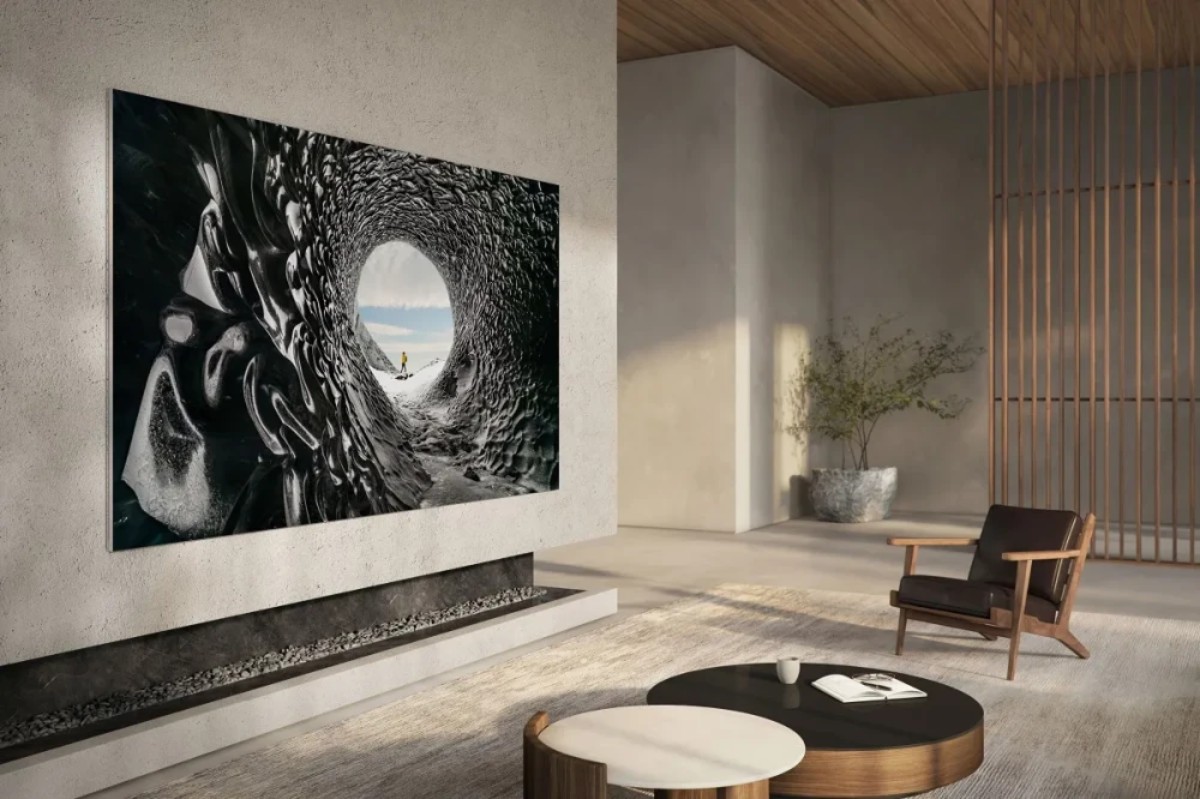
The TV market is broad enough that a single definition of the right set rarely helps.
Some buyers want an affordable 4K screen with Dolby Vision, others care more about OLED contrast, gaming responsiveness, wall-mount elegance, or a design that looks considered even when the screen is off.
This Stereoindex selection is based only on the supplied source material, so the emphasis varies by entry. Some models are covered as full reviews, others as product-line reports, design-award notes, or technology announcements. Where a source describes a prototype or a broader lineup rather than a fully reviewed retail model, that limitation is made clear. The result is an editorial shortlist with useful distinctions rather than a simple specification contest: Samsung for polished QLED presentation, Philips for premium design and gaming support, Hisense for accessible 4K ambition, LG for OLED options, Panasonic for practical 4K value, TCL for big-screen gaming ambition, Toshiba for Mini LED gaming features, and another Panasonic model for flexible midrange design.
1. Samsung Q75A
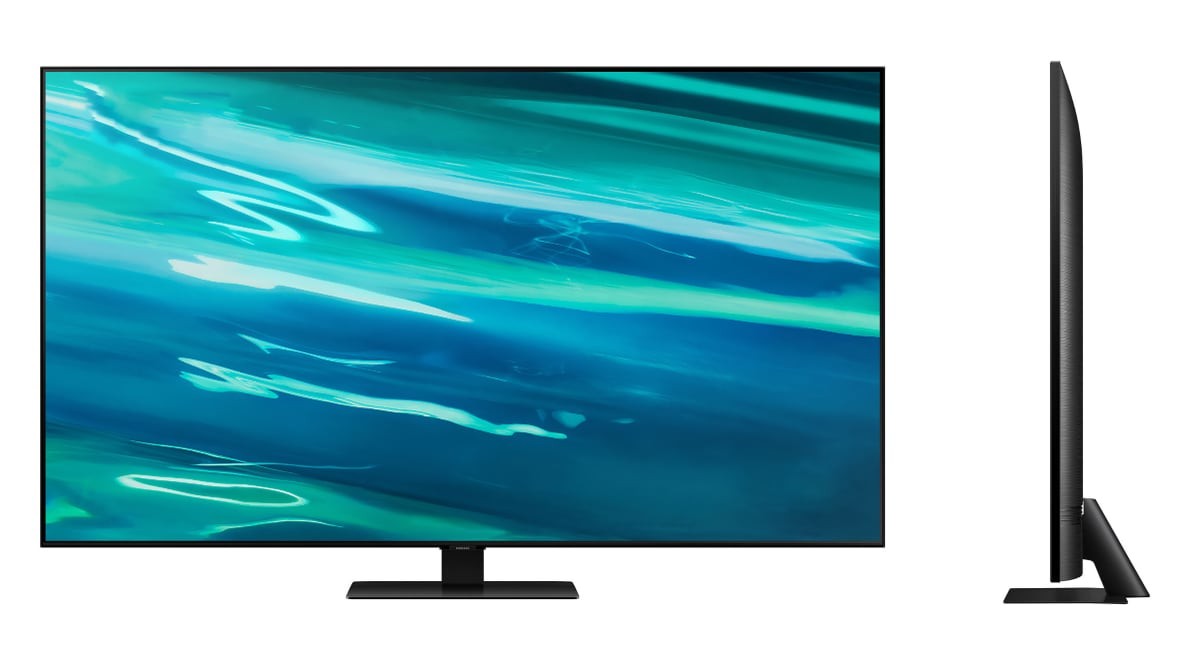
Samsung Q75A shown as a slim QLED 4K TV with thin bezels and a black finish for a clean front view.
The Samsung Q75A is presented as a QLED 4K TV that aims to combine good connectivity, optimized image quality, and a more refined living-room presence.
The source highlights its slim styling, black finish, and especially its thin front bezels, which help the screen feel more expansive.
It is also described as a TV better suited to medium-sized rooms, particularly in the 55Q75A version mentioned in the article. The editorial appeal here is balance: a modern-looking QLED set with enough emphasis on picture optimization and connection options to suit a broad household setup, while still carrying the caveat that it is not claimed to be perfect.
Best for: Style-conscious QLED buyers with medium-sized rooms
- Good connectivity
- Optimized image quality
- Slim design with thin bezels
- Black finish suits many rooms
Verdict: The Samsung Q75A is a well-rounded QLED choice when design, connectivity, and polished 4K presentation matter in equal measure.
2. Philips OLED+907 TV and Philips OLED+937 TV
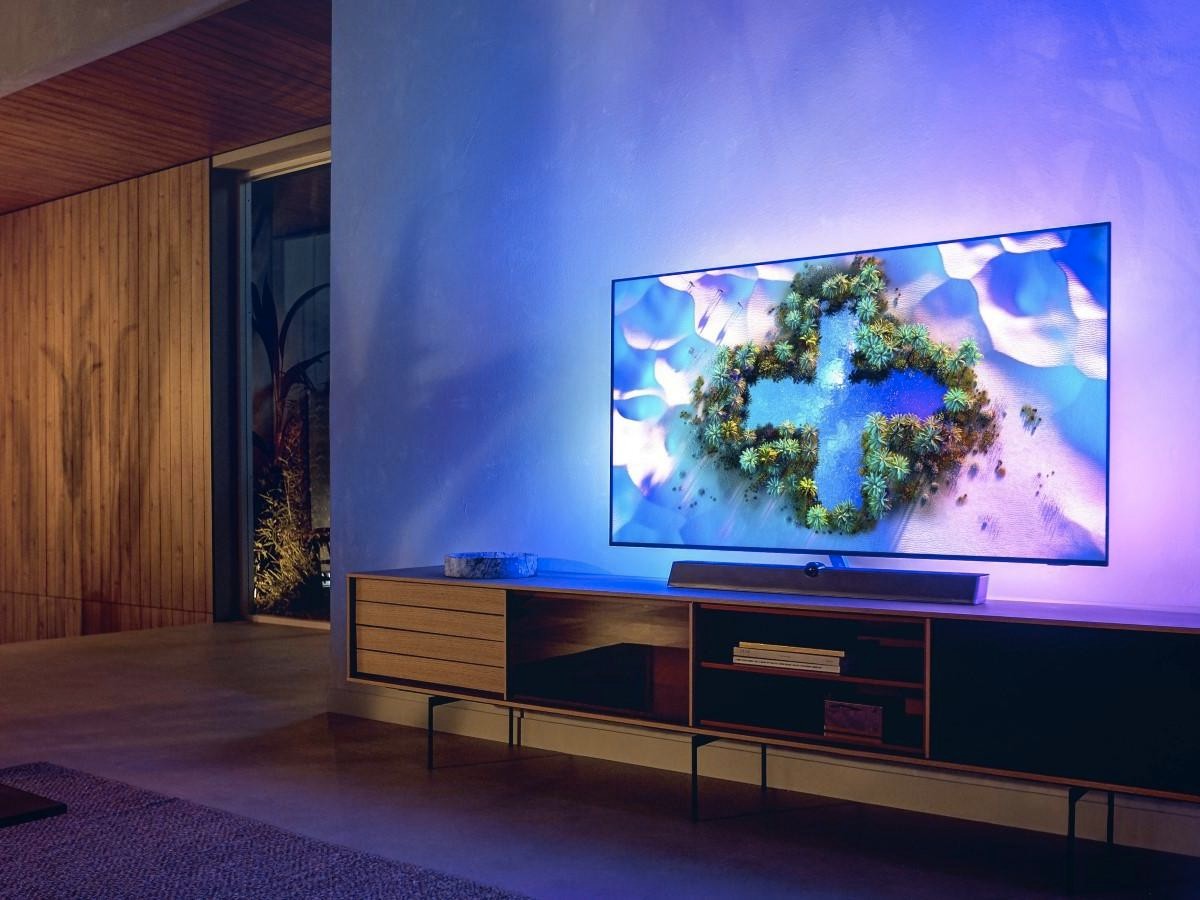
Philips OLED+ models are described with premium materials, refined stands, and integrated audio elements designed to complement the screen.
This source is centered on Red Dot design recognition for Philips TV and Sound products, with the Philips OLED+907 and OLED+937 TVs standing out for premium materials and ambitious industrial design.
The OLED+907 is described with Bowers & Wilkins audio, natural Kvadrat fabric, an aluminum rotating stand, and a leather-covered remote.
The OLED+937 is presented as a flagship Philips TV using similarly high-quality materials, with the audio system placed in a separate soundbar-like panel. Because the article is an awards and design report rather than a full product review, the strongest recommendation is for buyers who value premium build, integrated audio design, and visual refinement as much as the display itself.
Best for: Premium TV buyers who prioritize design and integrated sound
- Red Dot design recognition
- Premium materials
- Bowers & Wilkins audio on OLED+907
- Soundbar-style audio panel on OLED+937
Verdict: The Philips OLED+907 and OLED+937 are strongest as design-led premium OLED options with carefully considered materials and audio integration.
3. Philips OLED807 and Philips OLED707
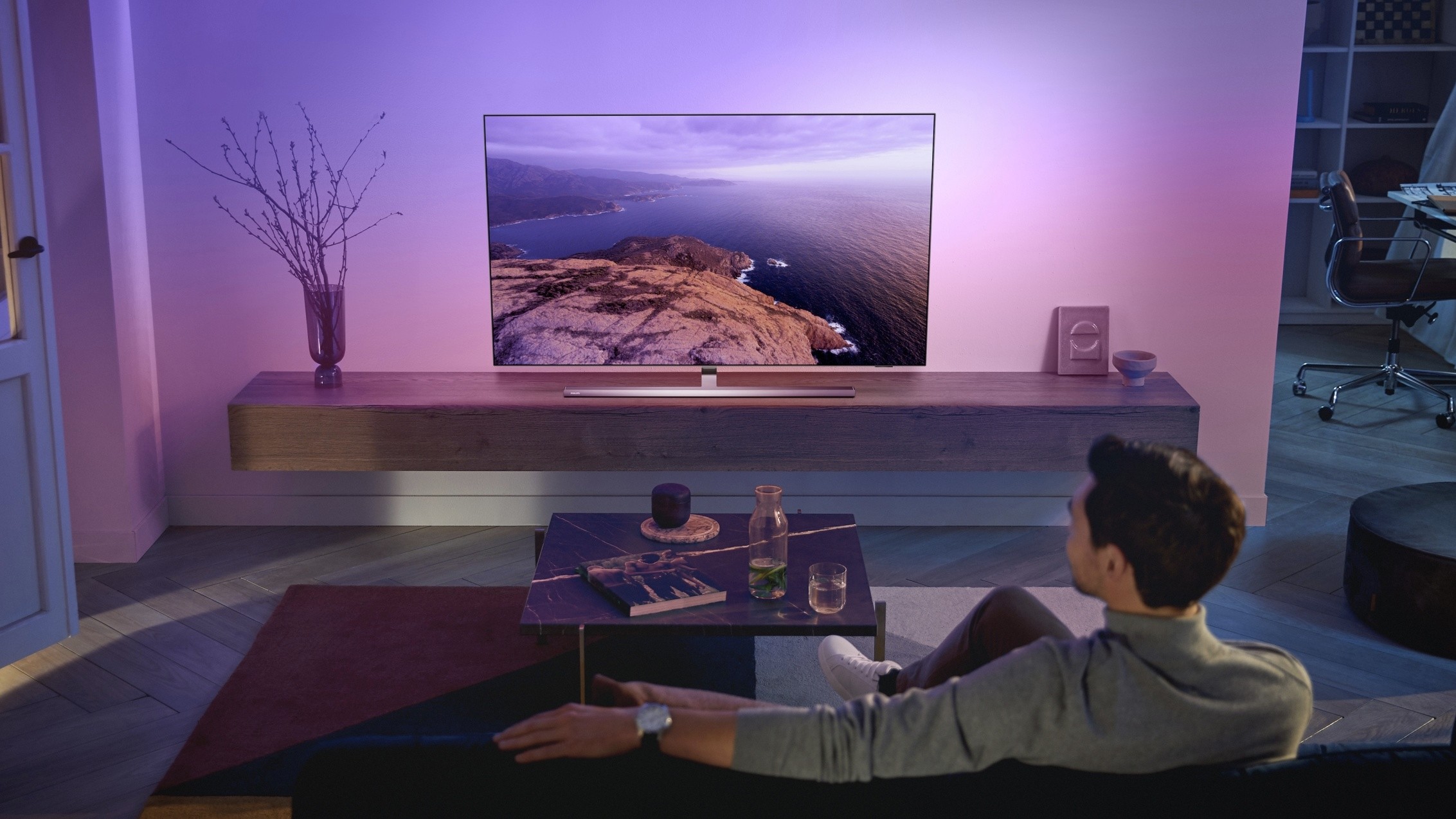
Philips OLED807 and OLED707 TVs are described with 4K 120 Hz panels, Ambilight, GeForce NOW, and G-Sync support.
The Philips OLED807 and OLED707 are the clearest gaming-focused Philips entries in the supplied material.
The source states that these OLED TVs support NVIDIA GeForce NOW cloud gaming and NVIDIA G-Sync, while also offering 4K resolution, a 120 Hz refresh rate, and Ambilight backlighting.
Sizes mentioned include 48, 55, 65, and 77 inches, giving the range flexibility for different rooms. For buyers who want an OLED screen with PC-gaming-adjacent features and built-in cloud gaming support, these Philips models have a stronger gaming identity than the brand’s design-award entries.
Best for: OLED gamers who want G-Sync and cloud gaming support
- NVIDIA GeForce NOW support
- NVIDIA G-Sync compatibility
- 4K resolution at 120 Hz
- Ambilight backlighting
Verdict: The Philips OLED807 and OLED707 stand out for combining OLED picture technology with gaming features that are explicitly named in the source.

4. Hisense A9G
Hisense A9G is discussed as a 55-inch 4K TV that may benefit from wall mounting in a medium-sized room.
The Hisense A9G is positioned as a high-end 4K TV with powerful sound and a more accessible value angle than many premium models.
The source is candid about the design, saying it is not the most attractive and may look somewhat unusual, while also noting that the 55-inch version can work well in medium-sized rooms.
A VESA wall mount is recommended in the article as a way to improve placement and presentation. This is not the sleekest design-led pick in the group, but it earns its place for shoppers who care more about 4K performance, sound, and value than about having the most elegant cabinet.
Best for: Value-minded buyers seeking a 55-inch 4K TV with stronger sound
- 4K TV positioning
- Powerful sound
- 55-inch size suits medium rooms
- VESA wall-mount option noted
Verdict: The Hisense A9G is a practical performance-first option if sound and accessible premium positioning matter more than exterior elegance.
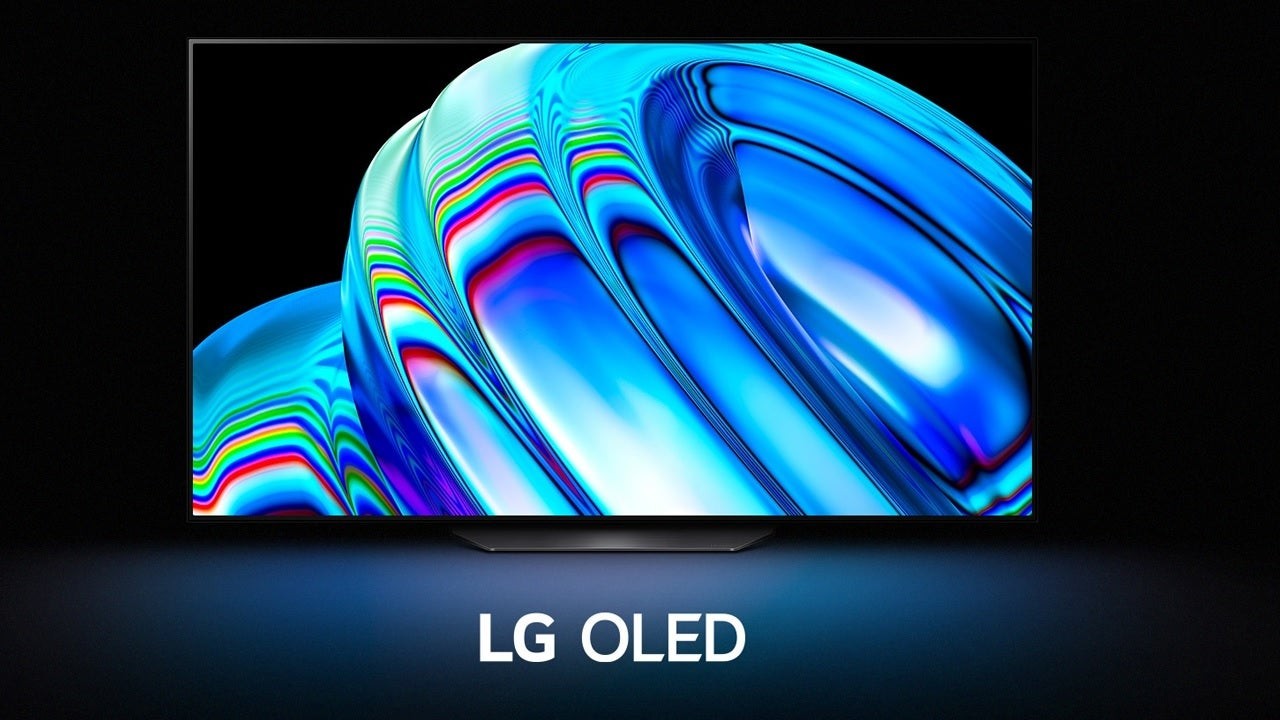
5. LG OLED TV lineup
LG’s OLED lineup includes wall-focused designs such as the G3 and Z3, both described with a zero-gap approach.
The LG OLED TV lineup source focuses on multiple OLED ranges, with the LG G3 described as the leading 4K OLED model and the LG Z3 representing the 8K OLED range.
Both are noted for a zero-gap design intended to sit flush with the wall, making this lineup especially relevant for buyers planning a clean wall-mounted installation.
The G3 is also described with Micro Lens Array lighting control hardware and a sharper control algorithm intended to increase brightness, while the source notes that some larger sizes do not receive the same level of increase. This is best read as a lineup guide rather than a single-model review, useful for buyers comparing LG OLED tiers and installation styles.
Best for: OLED buyers comparing LG tiers and flush wall installation
- G3 described as the leading 4K OLED model
- Z3 represents LG’s 8K OLED range
- Zero-gap wall-friendly design
- Micro Lens Array hardware noted for G3
Verdict: LG’s OLED lineup is compelling for shoppers who want a clear choice between premium 4K OLED, 8K OLED, and wall-focused design.

6. Panasonic HX700
Panasonic HX700 is shown as a simple all-black 4K TV with a wide center stand suitable for soundbar placement.
The Panasonic HX700 is one of the most straightforward value recommendations in the source list.
It is described as an affordable 4K TV with Dolby Vision support, Android smart features, pleasing picture quality, and good build quality.
The design is intentionally simple, with a slim bezel on most sides and an all-black finish. Its wide center stand is also useful for buyers who plan to place a soundbar in front of the screen, making the HX700 a practical option rather than a flashy one.
Best for: Practical 4K buyers who want Dolby Vision and Android TV features
- Affordable 4K positioning
- Dolby Vision support
- Android smart features
- Wide center stand can accommodate a soundbar
Verdict: The Panasonic HX700 is a sensible affordable 4K choice with Dolby Vision, Android functionality, and a stand design that helps real-world setup.

7. TCL 98-inch 4K 240Hz gaming TV
TCL’s 98-inch gaming TV prototype is described with 4K resolution and a 240 Hz refresh rate for large-format play.
The TCL 98-inch 4K 240Hz gaming TV is the most extreme gaming entry in the supplied material, but it should be treated differently from the reviewed models.
The source describes it as a prototype shown alongside TCL and CSOT display developments, with a very large 98-inch screen, 4K resolution, and a 240 Hz refresh rate.
The same report also mentions TCL’s broader push around large screens based on mini-LED and QLED technologies. This is therefore less a conventional recommendation and more a watch-list favorite for buyers interested in the direction of very large gaming displays.
Best for: Big-screen gaming enthusiasts following large-format TV developments
- Very large 98-inch screen
- 4K resolution
- 240 Hz refresh rate
- Linked to TCL’s large-screen Mini LED and QLED direction
Verdict: TCL’s 98-inch 4K 240Hz gaming TV is an ambitious large-screen gaming concept rather than a fully reviewed everyday buying pick.
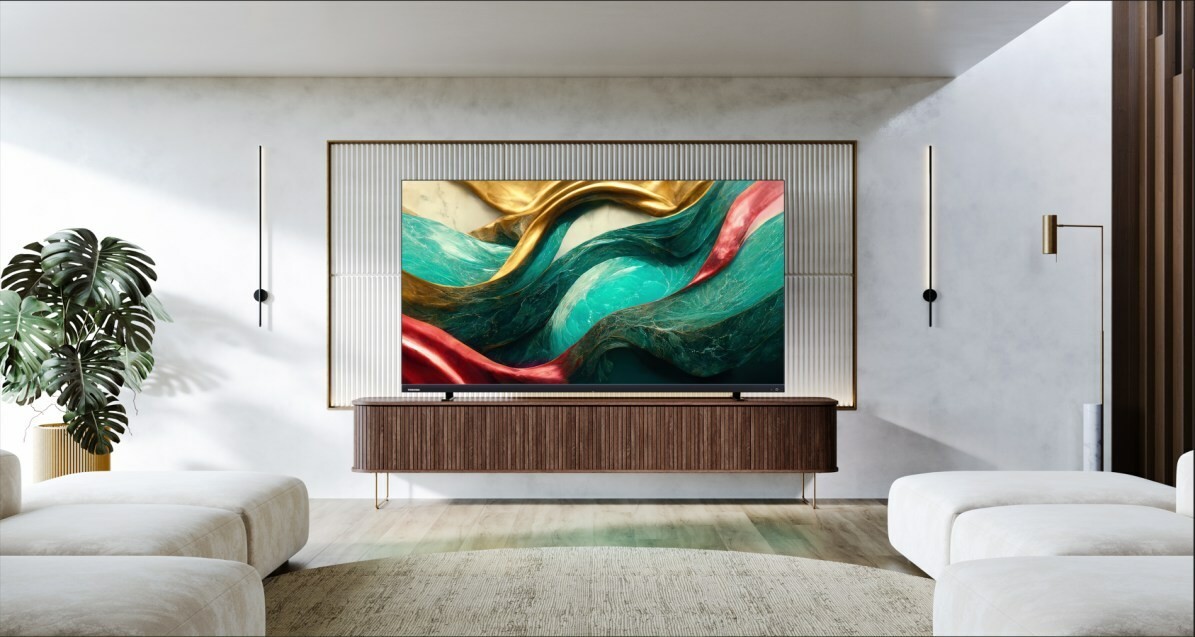
8. Toshiba Z870
Toshiba Z870 is described with a Mini LED quantum-dot panel, metal-framed design, and front-facing speaker placement.
The Toshiba Z870 is one of the most feature-dense recommendations in this guide.
The source describes it as a Mini LED TV with quantum dots, a built-in REGZA Engine ZRi chip, 4K resolution, Dolby Vision, and HDR10+ support.
Its gaming credentials are also clearly stated: VRR up to 144 Hz, AMD FreeSync Premium, Auto Low Latency Mode, and IMAX Enhanced capabilities are all mentioned. The design is described as elegant, with a sleek metal frame and two front-facing speakers hidden by a wider bottom panel, though the relatively wide profile is worth noting for anyone planning a very slim wall installation.
Best for: Movie and gaming buyers who want Mini LED features in one TV
- Mini LED panel with quantum dots
- Dolby Vision and HDR10+ support
- VRR up to 144 Hz
- AMD FreeSync Premium and ALLM
Verdict: The Toshiba Z870 is a strong all-rounder on paper, especially for buyers who want HDR format support and gaming features beyond basic 4K playback.

9. LG OLED B5
LG OLED B5 is described with an ultra-slim OLED profile, minimal feet, and a textured rear panel.
The LG OLED B5 is framed as the more affordable OLED line in LG’s range, making it one of the most approachable OLED recommendations here.
The source emphasizes the familiar OLED appeal of strong picture quality while noting design details such as an ultra-slim upper section, a thicker base for electronics, two minimal feet with good stability, and a subtle marble-textured back panel.
It also mounts cleanly on a wall, although rear-facing ports may be harder to access in a flush installation. For shoppers who want OLED without moving into the most premium LG tiers, the B5 is the value-oriented OLED to focus on from the supplied material.
Best for: OLED value seekers who still want a slim premium-looking TV
- More affordable OLED line
- Signature OLED picture quality described
- Ultra-slim profile
- Stable minimal feet
Verdict: The LG OLED B5 is the sensible OLED pick for buyers who want the core OLED experience with a restrained design and a few installation caveats.
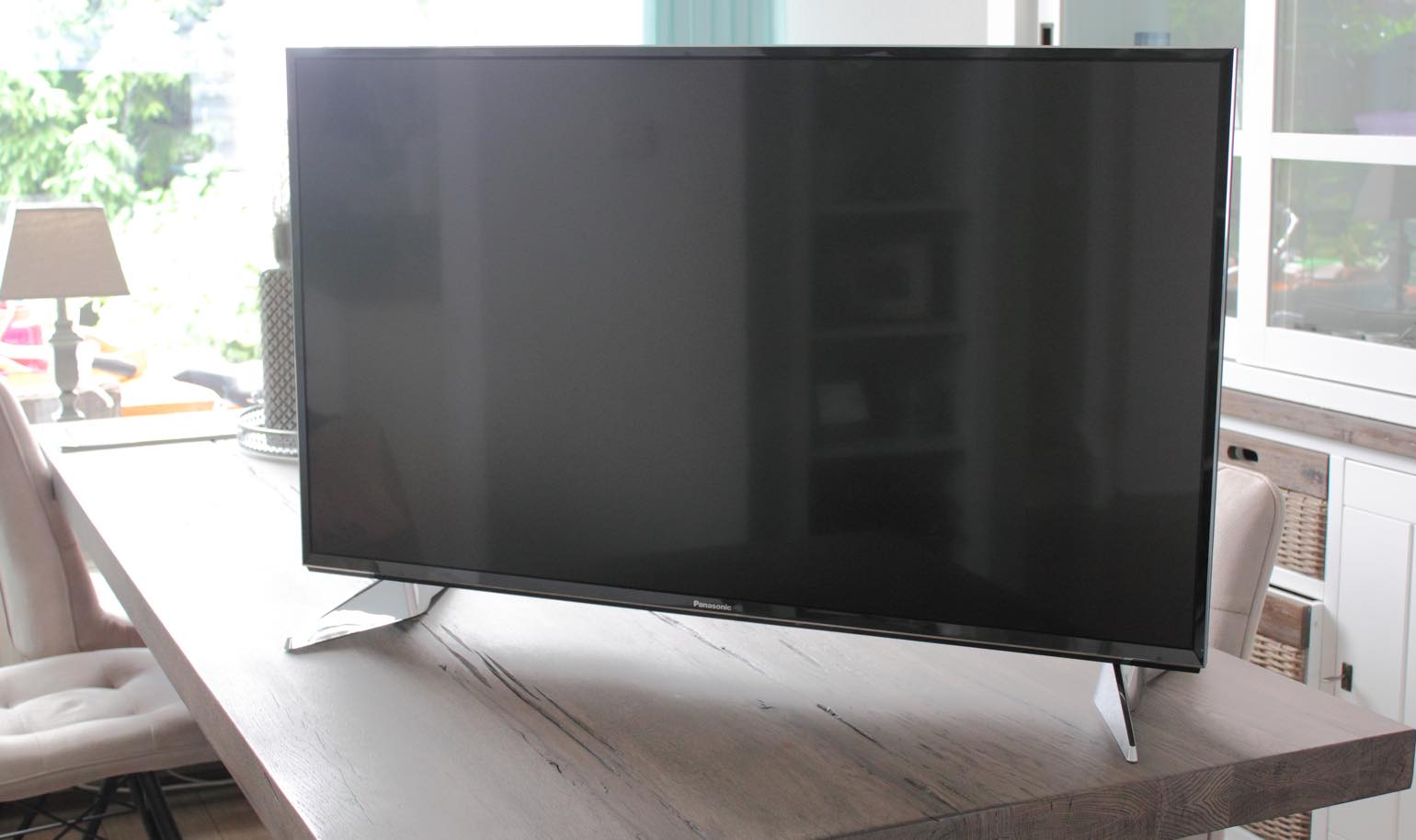
10. Panasonic TX-49EX600E
Panasonic TX-49EX600E is described with a thin metal frame and movable stand legs for flexible furniture placement.
The Panasonic TX-49EX600E brings this selection back to a practical midrange 4K proposition.
The source highlights its attractive design, thin metal frame, and competitive appeal in lower and middle price segments.
Its stand is a notable practical feature: the two legs can be positioned either toward the middle of the screen or farther apart, giving buyers more flexibility depending on furniture width. For a 49-inch-class TV, that kind of placement flexibility can be just as important as styling, especially in smaller living rooms or multipurpose spaces.
Best for: Buyers who need a flexible 49-inch-class 4K TV setup
- 4K TV positioning
- Thin metal frame
- Adjustable two-leg stand
- Competitive lower-to-mid segment appeal
Verdict: The Panasonic TX-49EX600E remains interesting for its combination of 4K presentation, slim metal-framed design, and unusually flexible stand placement.
Quick comparison
These models and product lines differ most clearly by panel approach, gaming emphasis, design ambition, and setup practicality.
The table below keeps the distinctions broad, because the source material ranges from reviews to lineup reports and announcements.
| Product | Best for | Verdict |
|---|---|---|
| Samsung Q75A | Style-conscious QLED buyers | A balanced QLED 4K option with good connectivity, optimized image quality, and slim styling. |
| Philips OLED+907 TV and Philips OLED+937 TV | Premium design and integrated sound | Design-award-recognized OLED choices with premium materials and ambitious audio integration. |
| Philips OLED807 and Philips OLED707 | OLED gaming with cloud and G-Sync support | The Philips pick for buyers who prioritize GeForce NOW, G-Sync, 4K 120 Hz, and Ambilight. |
| Hisense A9G | Value-minded 55-inch 4K buyers | A performance-led Hisense option with powerful sound, though its design is not the main attraction. |
| LG OLED TV lineup | OLED tier comparison and flush wall mounting | A useful lineup to compare LG’s 4K OLED, 8K OLED, and zero-gap wall-focused designs. |
| Panasonic HX700 | Affordable 4K with Dolby Vision | A practical Panasonic choice with Android smart features, Dolby Vision, and a soundbar-friendly stand. |
| TCL 98-inch 4K 240Hz gaming TV | Large-format gaming watch-list buyers | An ambitious prototype-style entry focused on extreme size and a 240 Hz refresh rate. |
| Toshiba Z870 | Mini LED movies and gaming | A feature-rich 4K Mini LED TV with quantum dots, HDR format support, and strong named gaming features. |
| LG OLED B5 | More affordable OLED ownership | A value-oriented OLED with slim design, stable feet, and some wall-installation port access caveats. |
| Panasonic TX-49EX600E | Flexible furniture placement | A 4K Panasonic model with a slim metal frame and adjustable stand legs for easier setup. |
Frequently asked questions
Which TVs in this selection are most clearly aimed at gaming?
The Philips OLED807 and OLED707 are described with GeForce NOW, G-Sync, 4K 120 Hz, and Ambilight.
The Toshiba Z870 adds VRR up to 144 Hz, AMD FreeSync Premium, and ALLM.
TCL’s 98-inch 4K 240Hz gaming TV is the most extreme gaming concept here, but the source presents it as a prototype-style announcement rather than a reviewed everyday buy.
Which models should I consider for Dolby Vision?
The Panasonic HX700 is specifically described as an affordable 4K TV with Dolby Vision support.
The Toshiba Z870 is also listed with Dolby Vision, along with HDR10+.
If Dolby Vision matters, these are the clearest matches in the supplied material.
What should I think about before wall mounting one of these TVs?
Check both the design intent and the port layout.
LG’s OLED lineup includes zero-gap designs intended to sit flush with the wall, while the LG OLED B5 is said to mount cleanly but may make some rear-facing ports harder to access in a flush installation.
The Hisense A9G source specifically suggests a VESA wall mount to improve placement.
Is OLED automatically the right choice over QLED or Mini LED?
Not automatically.
The LG and Philips OLED models are attractive if you want OLED picture characteristics, slim design, or premium styling.
The Samsung Q75A offers a QLED 4K route with good connectivity and optimized image quality, while the Toshiba Z870 uses Mini LED with quantum dots and brings a strong gaming and HDR feature set.
Final buying advice
Start with how the TV will be used rather than with the brand name.
For gaming, the Philips OLED807 and OLED707 and the Toshiba Z870 have the clearest feature support in the source material, while TCL’s 98-inch 4K 240Hz gaming TV is better treated as an ambitious large-format development to watch rather than a conventional reviewed recommendation.
For movie-focused buyers, OLED options from Philips and LG deserve attention, especially if design and wall placement matter. The Philips OLED+907 and OLED+937 stand out for premium materials and integrated sound design, while LG’s OLED lineup is notable for its G3 and Z3 positioning and zero-gap wall-focused approach. The LG OLED B5 is the more value-oriented OLED option in this selection, with a slim profile and stable feet, though flush wall mounting may complicate access to some ports. For practical 4K value, Panasonic’s HX700 is the clearest affordable Dolby Vision option, helped by Android smart features and a soundbar-friendly center stand. The Panasonic TX-49EX600E is appealing for buyers who need stand flexibility, while the Hisense A9G is worth considering if powerful sound, 4K presentation, and a 55-inch format matter more than the most refined exterior design. The safest final approach is to match the TV to the room first: screen size for seating distance and furniture width, stand or wall-mount needs, soundbar placement, and port access. Then prioritize the features that genuinely affect daily use: Dolby Vision if you watch compatible films and series, VRR or G-Sync-style support if you game, and design details if the TV will be a permanent visual feature of the room.