Television buying often starts with a simple question about screen size, then quickly turns into a maze of panel types, smart platforms, HDR formats, stands, wall mounts, gaming inputs, and price trade-offs.
The models and TV-related articles gathered here show just how varied the category has become, from affordable 4K sets to giant OLED flagships, transformable screens, and smart TV app news that affects what owners can actually watch.
This guide is deliberately grounded in the supplied material rather than broad brand assumptions. Some entries are full TV reviews with clear buying angles; others are launch or market notes that are useful for understanding where the TV market is heading. Where a source does not confirm a capability, price, measurement, or ownership detail, it is not treated as fact. The result is not a one-size-fits-all ranking. It is a practical editorial map: which entries suit smaller rooms, which lean toward value, which chase premium display technology, and which are better understood as context rather than direct shopping recommendations.
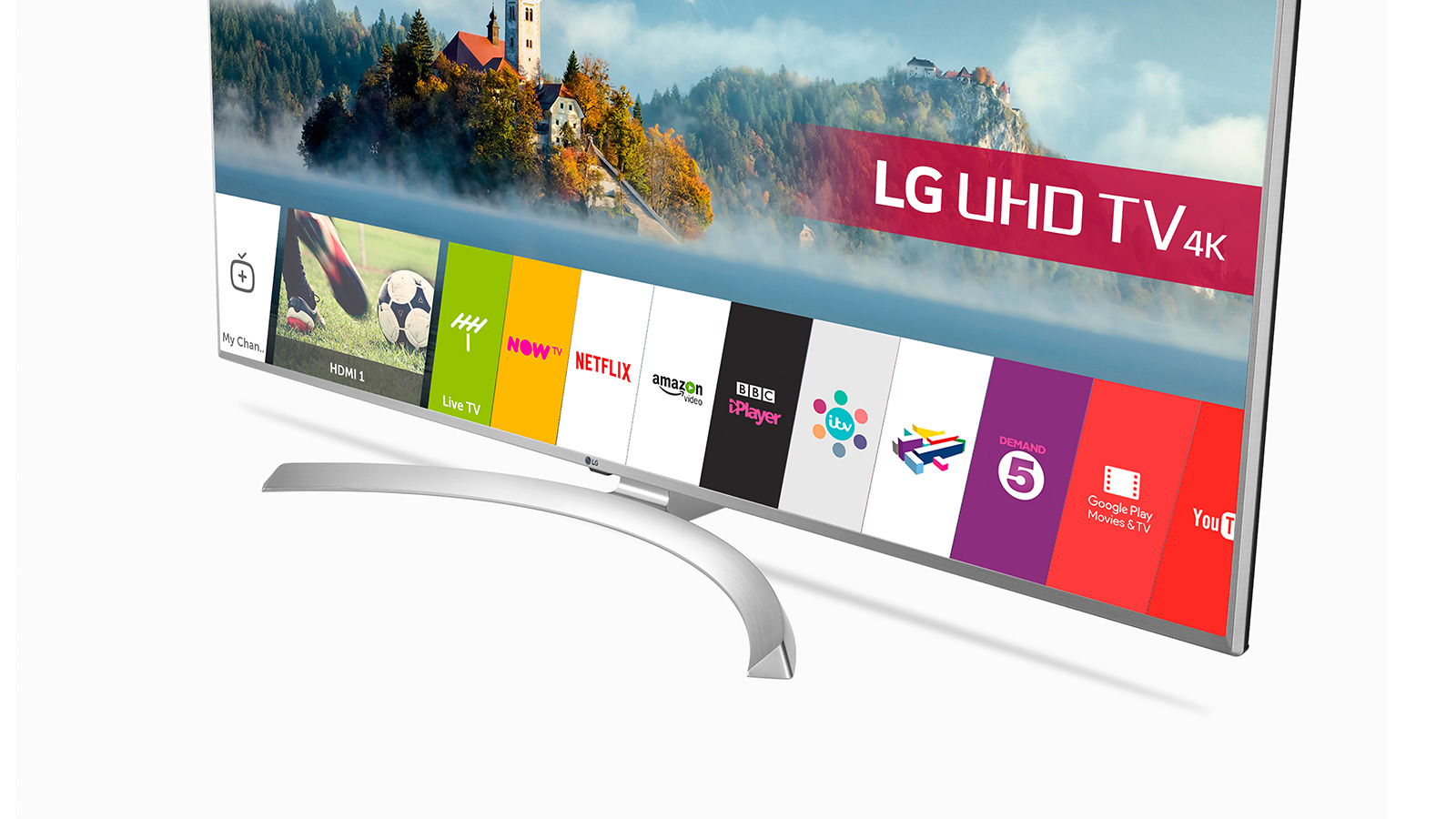
1. LG 49UJ701V Review • This model deserves some attention
LG 49UJ701V with a 123 cm screen size suited to bedrooms or modest living rooms.
The LG 49UJ701V is presented as a low-priced LG TV with a reasonable level of quality rather than a premium showpiece.
Its 123 cm diagonal makes it a plausible bedroom TV and still usable in a living room that is not especially spacious.
The source describes a reasonably thin frame and a large stand that offers good balance, while also noting that the materials are not premium, even if they are better than those found on very cheap TVs.
Best for: Value-focused smaller-room viewing
- Advantageous price positioning
- Reasonably thin frame
- Large stand with good balance
- Bedroom-friendly 123 cm diagonal
Verdict: A sensible budget-leaning LG for buyers who want a respectable large bedroom TV and can accept non-premium materials.

2. LG G2 OLED evo Gallery Edition 97-inch TV set to hit the market
LG G2 OLED evo Gallery Edition 97-inch TV, positioned as an ultra-large premium OLED display.
The LG G2 OLED evo Gallery Edition 97-inch TV is an ultra-large OLED announcement built around a 97-inch LG OLED display.
The supplied material emphasizes self-illuminating pixels that can switch on and off individually, enabling perfect blacks, natural hues, and infinite contrast.
It is best understood as a premium home-viewing statement product, with the source also noting that OLED does not need a backlight, allowing more unusual form factors across the technology.
Best for: Ultra-large premium OLED installations
- 97-inch OLED display
- Self-illuminating pixels
- Perfect black reproduction cited by the source
- Designed for immersive large-screen viewing
Verdict: A dramatic OLED option for those prioritizing sheer screen scale and the contrast advantages described for LG OLED technology.
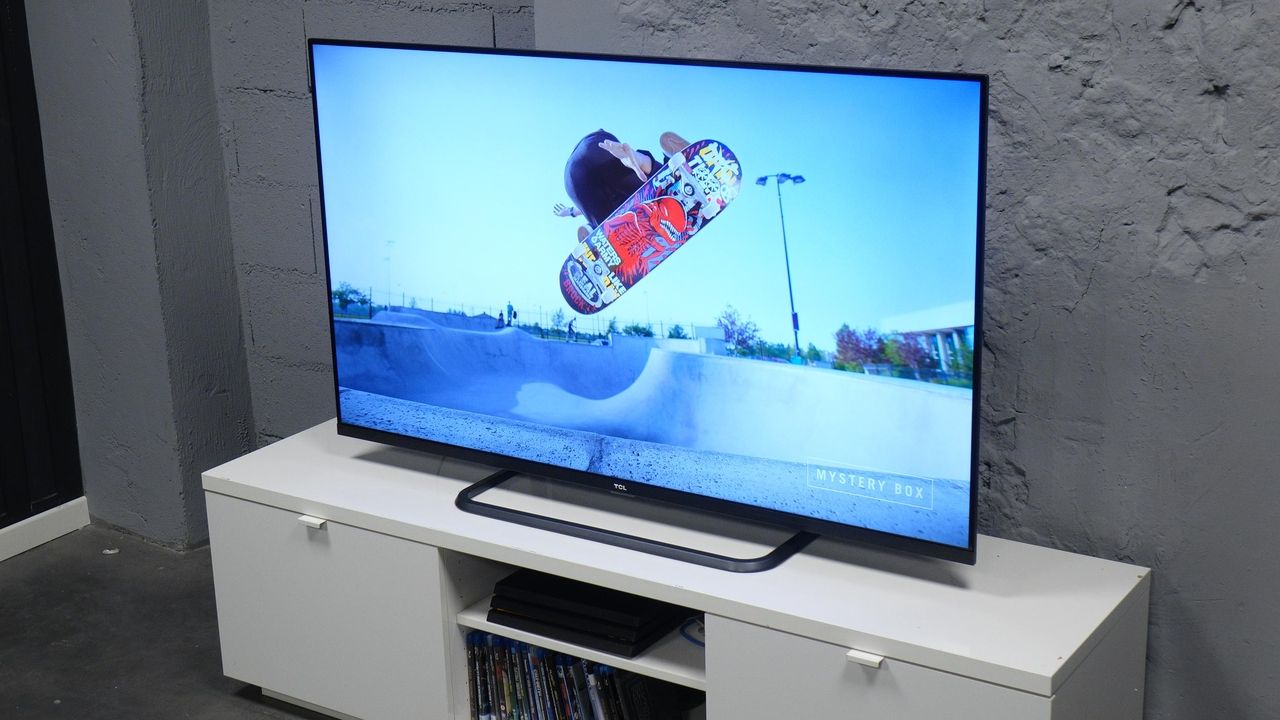
3. TCL 55EP680 Review • Affordable 4K HDR TV
TCL 55EP680, an affordable 4K HDR Android TV with broad HDR format compatibility.
The TCL 55EP680 is framed as a price-performance choice rather than the top of TCL’s range.
The source identifies it as an Android TV with a VA-type direct LED LCD screen and a wide color range, while its standout point is broad HDR format support: Dolby Vision, HDR10+, HDR10, and HLG are all mentioned.
Construction also receives attention, with metal elements, protection glass in front of the panel, thin bezels, and a secure four-component metal base.
Best for: Affordable 4K HDR streaming
- Android TV platform
- Dolby Vision, HDR10+, HDR10, and HLG support
- VA direct LED LCD panel
- Metal elements and secure base
Verdict: A strong value-oriented TCL for viewers who want wide HDR compatibility without moving into a higher-priced series.
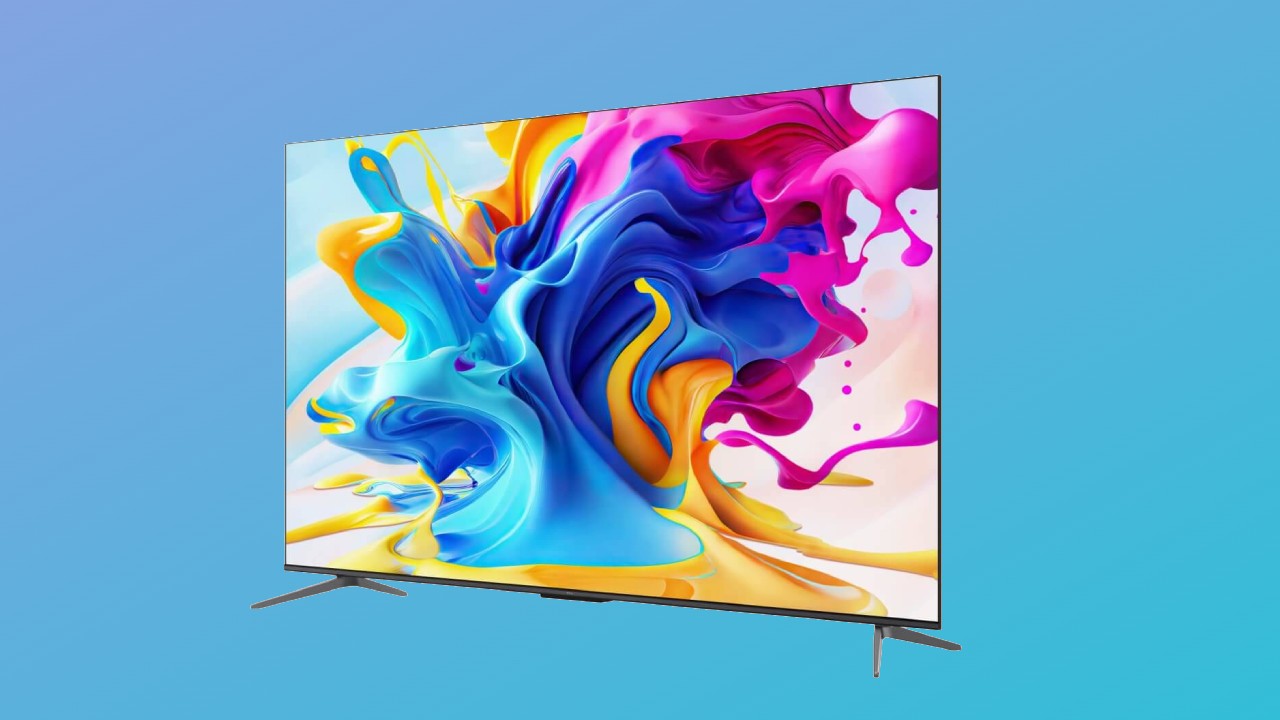
4. TCL C647: Worth checking out if you are on a budget
TCL C647 QLED 4K TV with thin three-sided framing and adjustable-position feet.
The TCL C647 is described with an unusually clear compromise: it is not the brightest or most feature-rich TV, but its image is considered impressive and its price modest.
The source positions the QLED 4K series as costing far less than top 65-inch models from other manufacturers, while offering screen sizes from 50 to 75 inches.
Practical design details include thin frames on three sides and two-position Y-shaped legs that are raised enough to leave room for a soundbar underneath.
Best for: Budget QLED buyers
- Modest price positioning
- QLED 4K panel type
- Sizes from 50 to 75 inches
- Stand design can leave room for a soundbar
Verdict: A budget-minded QLED choice for viewers who value an enjoyable image and practical stand design over maximum brightness or exhaustive features.

5. The FIFA app is now available on Android TV and Google TV
FIFA app interface content available through Android TV and Google TV devices.
This entry is not a television model, but it matters for TV owners who use Android TV or Google TV.
The source explains that the FIFA app can be installed on televisions with those operating systems and on set-top boxes using them, even when the television itself has a different platform.
The app’s appeal is content-led, with FIFA+ described as carrying thousands of matches per year along with replays, interviews, and documentaries related to football.
Best for: Football content on Google-based TV platforms
- Available on Android TV and Google TV
- Works on compatible televisions and set-top boxes
- Includes matches, replays, interviews, and documentaries
- Useful for football-focused viewing
Verdict: A useful smart TV ecosystem note for football fans, especially those with Android TV, Google TV, or compatible set-top boxes.

6. Skyworth W82: The First transformable OLED TV
Skyworth W82 transformable OLED TV showing adjustable curvature for movie and game viewing.
The Skyworth W82 stands out because its OLED screen curvature can be adjusted by remote control.
The source states that the radius can move from 1000R for video games to 2000R for movies, with a 1500R gaming mode also mentioned.
It is a 4K model with a 165 cm diagonal and includes Dolby Vision, HDR10, Wi-Fi 6, two HDMI 2.1 ports, and advanced gaming features including the ability to receive a 4K/120 Hz signal. Availability is described for China, with no deliveries to other markets reported in the supplied material.
Best for: Experimental OLED and gaming-focused setups
- Remote-adjustable screen curvature
- 4K OLED display
- Dolby Vision and HDR10 support
- Two HDMI 2.1 ports with 4K/120 Hz signal support
Verdict: A technically intriguing transformable OLED whose appeal is strongest for buyers interested in adjustable curvature and advanced gaming inputs, though market availability is limited in the source.

7. Panasonic MX800: Great image with realistic colors, high contrast and clarity
Panasonic TX-50MX800, a slim 50-inch Fire TV model suited to smaller spaces.
The Panasonic MX800 is presented as a mid-range series with Edge LED backlighting, Fire TV, HDR standards, and a fast tuner.
The 50-inch TX-50MX800 is specifically described as ideal for small spaces or as a second bedroom device, while the wider series runs from 43 to 85 inches.
Design notes are practical: the TV is slim and has a high-quality appearance, ships with two screw-on metal feet, and uses a large remote that the source calls somewhat over-engineered but complete in its controls.
Best for: Small rooms and Fire TV users
- Fire TV operating system
- Sizes from 43 to 85 inches
- Slim, high-quality appearance
- 50-inch version suits small spaces
Verdict: A mid-range Panasonic that suits viewers wanting a familiar Fire TV interface and a size range that covers both bedroom and larger-room use.

8. Hisense launches the new IMAX Enhanced 4K TV A85H
Hisense A85H 4K OLED TV, offered in 55-inch and 65-inch IMAX Enhanced versions.
The Hisense A85H is a 4K OLED TV line offered in 55-inch and 65-inch screen sizes, both with IMAX Enhanced certification according to the source.
Its listed specifications include a MediaTek MT9900 processor, 10-bit color depth, 100/120 Hz refresh rate, 800 cd/m2 peak brightness, and 3 ms GtG response time.
HDR support is broad, covering HLG, HDR10, HDR10+, Dolby Vision, and Dolby Vision IQ, while the 3.1.2 sound system is rated at 80 W and supports Dolby Atmos.
Best for: OLED buyers wanting broad HDR support
- IMAX Enhanced certification
- 55-inch and 65-inch OLED options
- HLG, HDR10, HDR10+, Dolby Vision, and Dolby Vision IQ support
- 3.1.2-channel 80 W sound system with Dolby Atmos
Verdict: A well-specified Hisense OLED on paper, especially for viewers who want IMAX Enhanced certification and a wide HDR feature set.
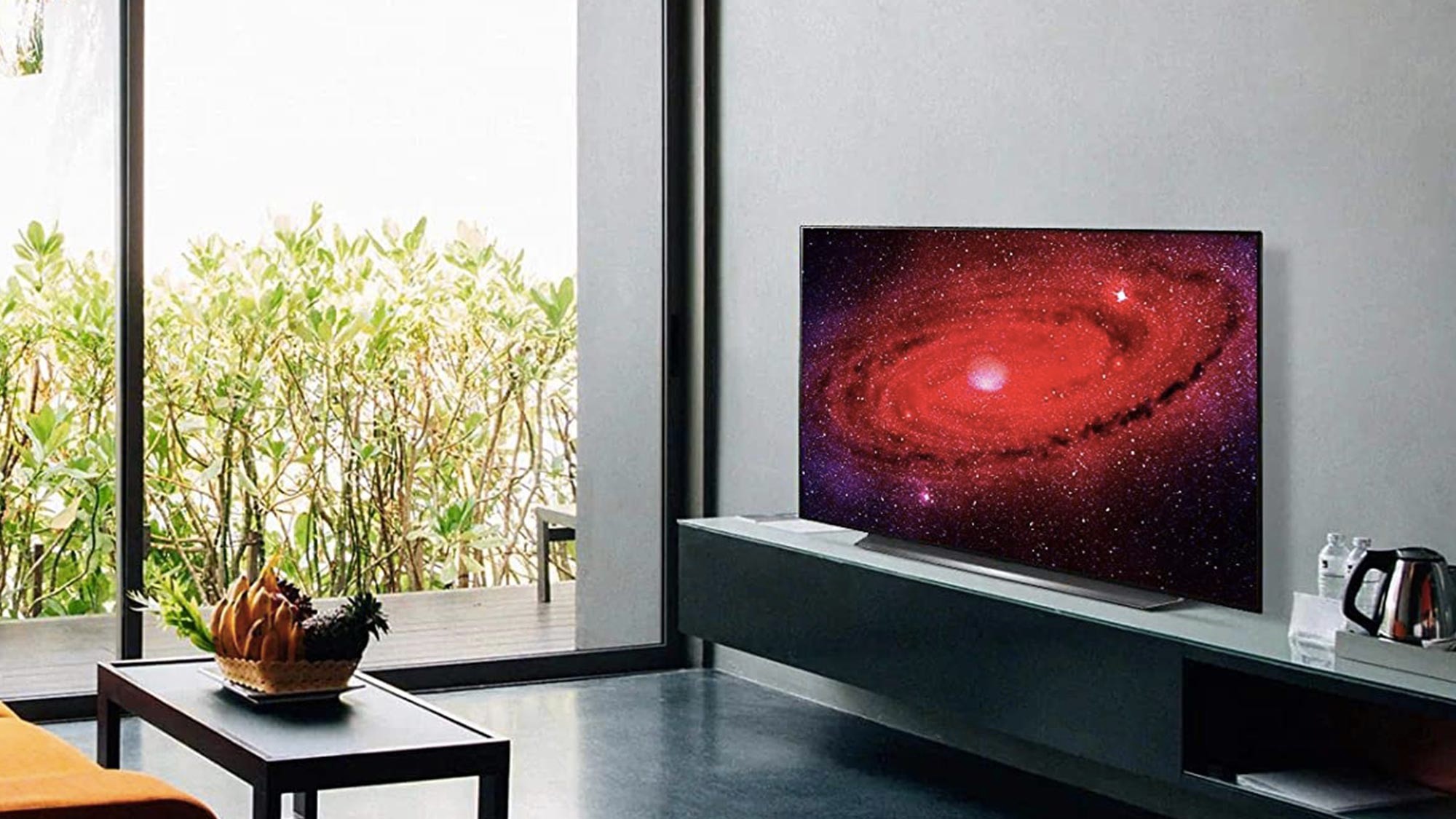
9. Samsung plans to break into the OLED TV segment
Samsung and OLED market context, focused on reported panel negotiations rather than a specific TV model.
This is a market-context entry rather than a specific TV recommendation.
The source notes Samsung’s long-standing competition with OLED technology and its promotion of QLED, then discusses unofficial reports of negotiations with LG over OLED panels for Samsung TVs.
It also stresses that neither side had officially acknowledged the negotiations in the supplied material and that disagreements over cost were reported. For shoppers, the takeaway is strategic rather than immediate: Samsung’s potential OLED interest could widen the brand’s future TV assortment, but it is not a confirmed product specification or buying option in this source.
Best for: Understanding OLED market direction
- Signals possible broader OLED choice
- Consumer benefit from competition is suggested by the source
Verdict: Useful background for TV buyers following OLED competition, but not a product entry to treat as a confirmed purchase recommendation.
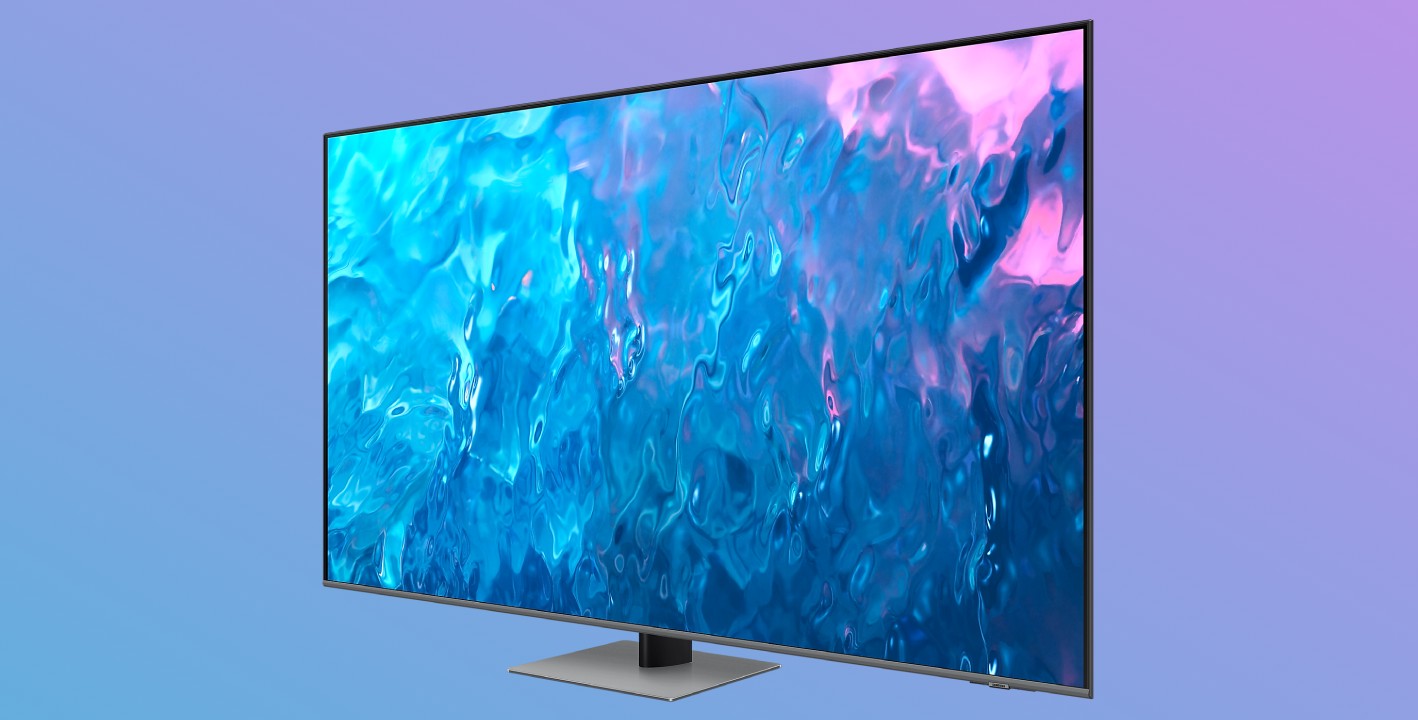
10. Samsung Q77C: Slim design, Great image quality and exclusive features
Samsung Q77C, a slim mid-range TV designed to sit neatly in a variety of rooms.
The Samsung Q77C is positioned as a mid-range TV intended to balance everyday features with a better quality-price ratio.
The source highlights its overall performance and, above all, its slim design, noting that the reduced bulk is visible from both the front and the back.
Its appearance is described as attractive and easy to place in different environments, with the article presenting the TQ65Q77C as one of the relevant versions discussed.
Best for: Style-conscious mid-range buyers
- Slim front and rear profile
- Attractive appearance
- Mid-range positioning
- Quality-price ratio emphasized by the source
Verdict: A Samsung mid-range option for buyers who value a slim, room-friendly design and a balanced feature set more than a radical visual redesign.
Quick comparison
The entries differ as much by purpose as by technology.
Some are direct TV choices for value, OLED performance, or room fit; others are smart TV or market-context articles that help explain the ecosystem around the screen.
| Product | Best for | Verdict |
|---|---|---|
| LG 49UJ701V Review • This model deserves some attention | Value-focused smaller-room viewing | Low-priced LG with a reasonable quality level, a 123 cm diagonal, and non-premium but acceptable materials. |
| LG G2 OLED evo Gallery Edition 97-inch TV set to hit the market | Ultra-large premium OLED installations | A 97-inch OLED announcement centered on self-illuminating pixels, perfect blacks, and immersive scale. |
| TCL 55EP680 Review • Affordable 4K HDR TV | Affordable 4K HDR streaming | Android TV with VA direct LED LCD, wide HDR support, and construction details that support its value case. |
| TCL C647: Worth checking out if you are on a budget | Budget QLED buyers | A modestly priced QLED 4K series with an impressive image claim, but not the brightest or most feature-rich option. |
| The FIFA app is now available on Android TV and Google TV | Football content on Google-based TV platforms | Not a TV model, but relevant for Android TV and Google TV owners who want FIFA+ content. |
| Skyworth W82: The First transformable OLED TV | Experimental OLED and gaming-focused setups | A transformable 4K OLED with adjustable curvature, HDMI 2.1 inputs, and 4K/120 Hz signal support, with availability limits noted in the source. |
| Panasonic MX800: Great image with realistic colors, high contrast and clarity | Small rooms and Fire TV users | A mid-range Fire TV series with Edge LED backlighting, HDR standards, a fast tuner, and sizes from 43 to 85 inches. |
| Hisense launches the new IMAX Enhanced 4K TV A85H | OLED buyers wanting broad HDR support | A 55- and 65-inch OLED line with IMAX Enhanced certification, broad HDR format support, and Dolby Atmos sound. |
| Samsung plans to break into the OLED TV segment | Understanding OLED market direction | A strategic industry note about reported Samsung-LG OLED panel talks, not a confirmed TV model recommendation. |
| Samsung Q77C: Slim design, Great image quality and exclusive features | Style-conscious mid-range buyers | A slim mid-range Samsung positioned around overall performance, appearance, and quality-price balance. |
Frequently asked questions
Should I choose OLED, QLED, or LED LCD?
The supplied OLED examples emphasize self-illuminating pixels, perfect blacks, and strong contrast, while the TCL C647 shows how QLED can target value with an enjoyable image.
LED LCD sets such as the LG 49UJ701V and Panasonic MX800 can still make sense when price, room size, or platform convenience matters more than premium panel characteristics.
How important is screen size when choosing a TV?
Start with the room.
The LG 49UJ701V is described as large enough for a bedroom at 123 cm, while the Panasonic TX-50MX800 is called ideal for small spaces or second-room use.
At the other end, the LG 97-inch OLED is clearly aimed at immersive large-screen viewing rather than modest rooms.
Which entries are strongest for HDR format support?
The TCL 55EP680 is notable in the source for supporting Dolby Vision, HDR10+, HDR10, and HLG at an affordable level.
The Hisense A85H also lists broad support, including HLG, HDR10, HDR10+, Dolby Vision, and Dolby Vision IQ.
These are the clearest HDR-format cases in the supplied material.
Do smart TV platforms and apps matter as much as picture specifications?
They can, especially if streaming access is central to your viewing.
The Panasonic MX800 uses Fire TV, the TCL 55EP680 uses Android TV, and the FIFA app article shows how platform support can determine whether specific services are available on a TV or compatible set-top box.
How to choose from these TV options
The most practical route is to define the room first, then the panel type, then the platform and feature priorities.
For smaller spaces, the LG 49UJ701V and Panasonic MX800 are the most clearly supported by the supplied material, with the Panasonic adding Fire TV familiarity and a wider size range.
For affordable HDR breadth, the TCL 55EP680 stands out because its source explicitly lists Dolby Vision, HDR10+, HDR10, and HLG. For value-led QLED, the TCL C647 is framed as modestly priced and visually impressive, with the caveat that it is not the brightest or most feature-rich. OLED shoppers have several very different angles. The LG G2 OLED evo Gallery Edition 97-inch TV is about scale and OLED contrast characteristics, the Hisense A85H is about a dense specification list with IMAX Enhanced certification and broad HDR support, and the Skyworth W82 is the experimental choice thanks to its adjustable curvature and gaming-focused inputs. The Samsung OLED market article should be treated only as context, because the source discusses reported negotiations rather than a confirmed consumer model. Do not let a single headline feature decide the purchase. A giant OLED may be spectacular but impractical in a small room; a budget QLED may be enjoyable but not the right match for very bright viewing conditions if the source itself says it is not among the brightest; a smart TV platform may matter more than a panel upgrade if your main concern is app access. The strongest choice is the one whose confirmed strengths align with the room, content, and daily use case you actually have.