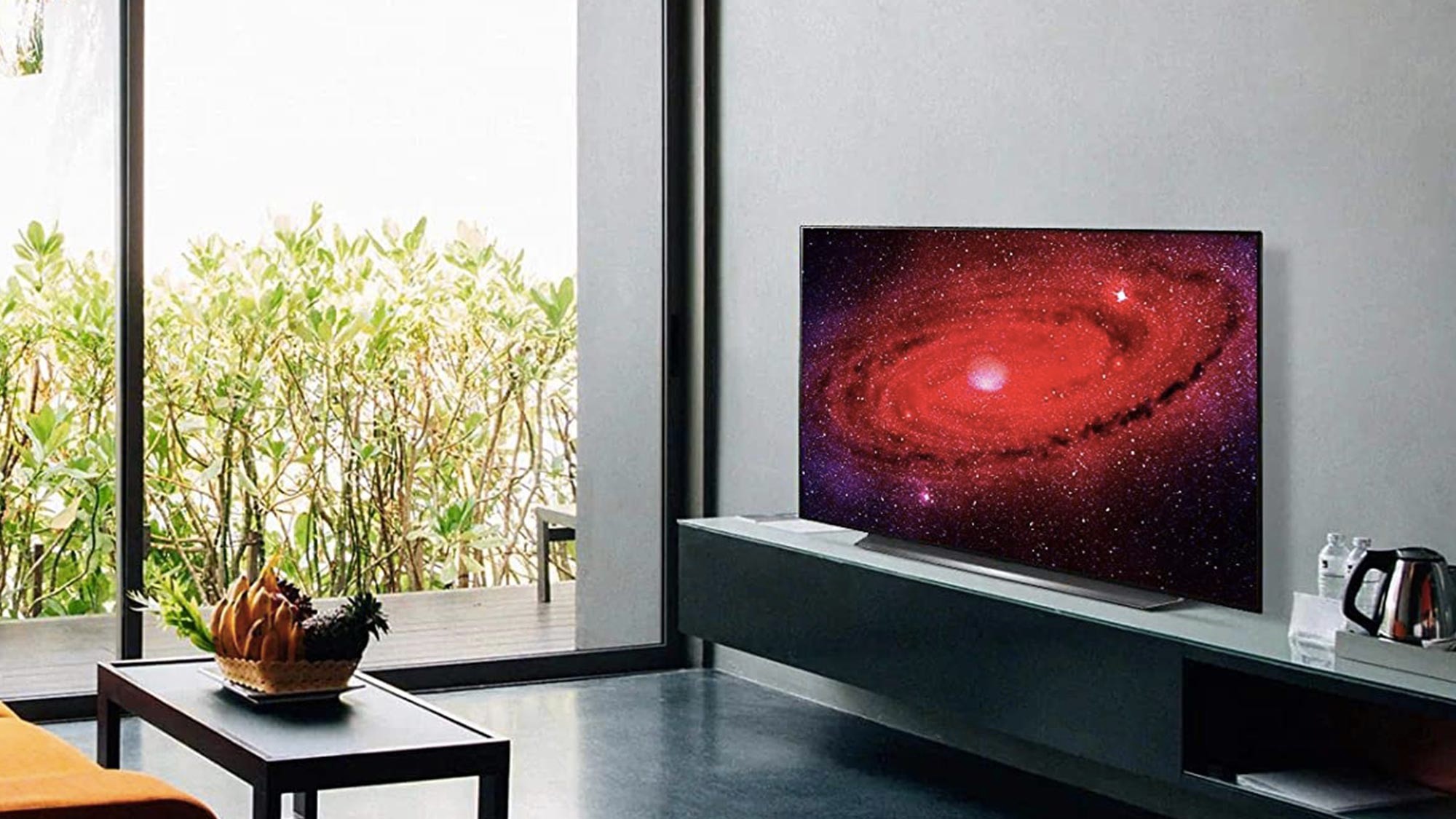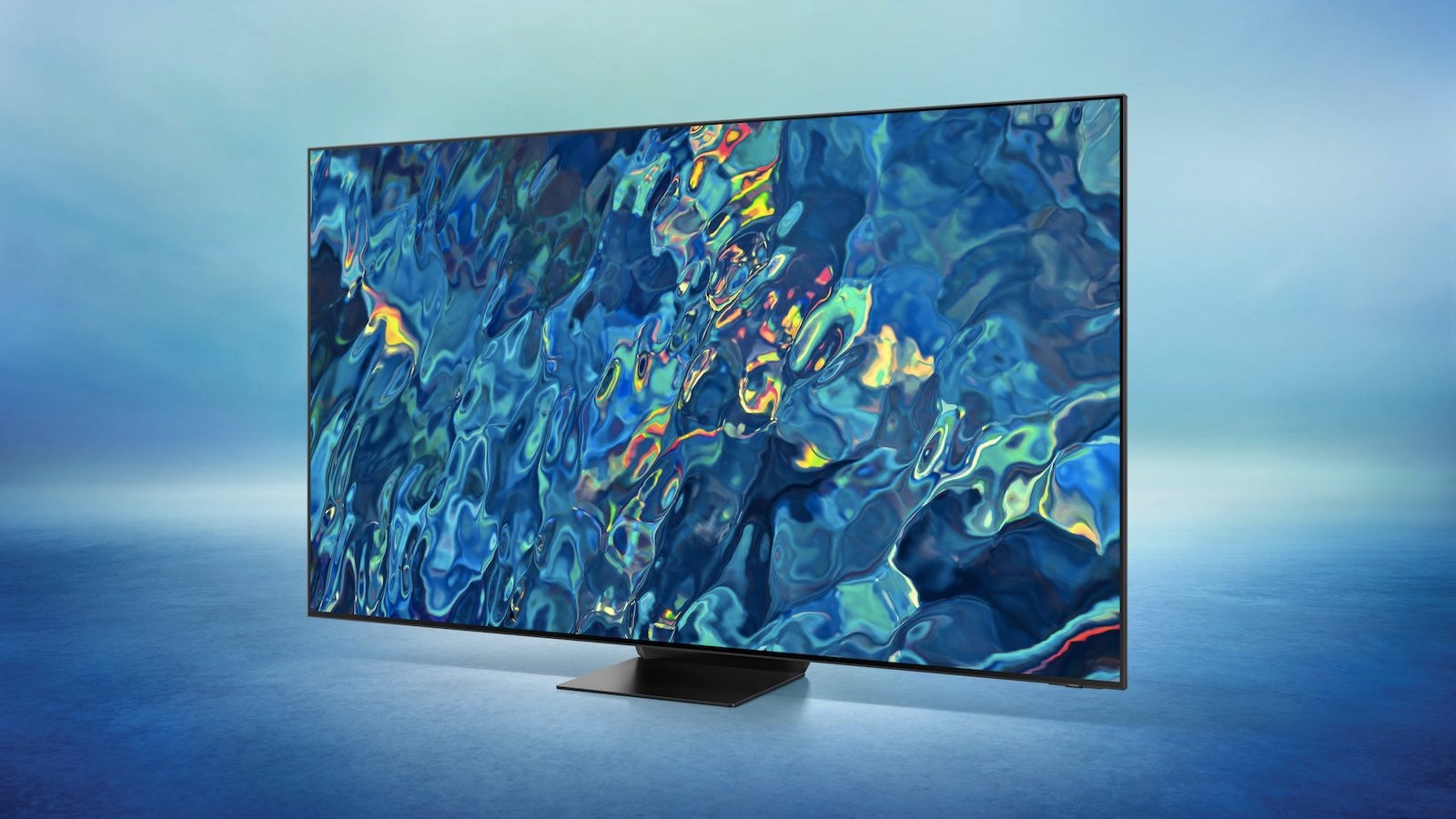
Shopping for a TV is easier when the starting point is not the most expensive panel on the shelf, but the way the screen will actually be used.
A compact living room, a bright family space, a wall-mounted media setup and a very large home-cinema area all point toward different priorities.
The models and articles below cover a broad spread of TV territory: mid-range Samsung and Panasonic sets, large-format LG LCD options, Hisense ULED and laser TV approaches, OLED buying guidance, and Sony’s Bravia 7 Mini LED QLED. The emphasis is practical rather than absolute: design, connectivity, platform choice, panel type, placement and supported features matter more than chasing a single universal winner. The notes are based only on the supplied source material, so this guide avoids unsupported claims about measurements, pricing, picture accuracy or long-term ownership. Where a source is a market note or buying guide rather than a single product review, it is treated as decision-making context rather than as a conventional product recommendation.
1. Samsung Q68B: The ideal mid-range TV
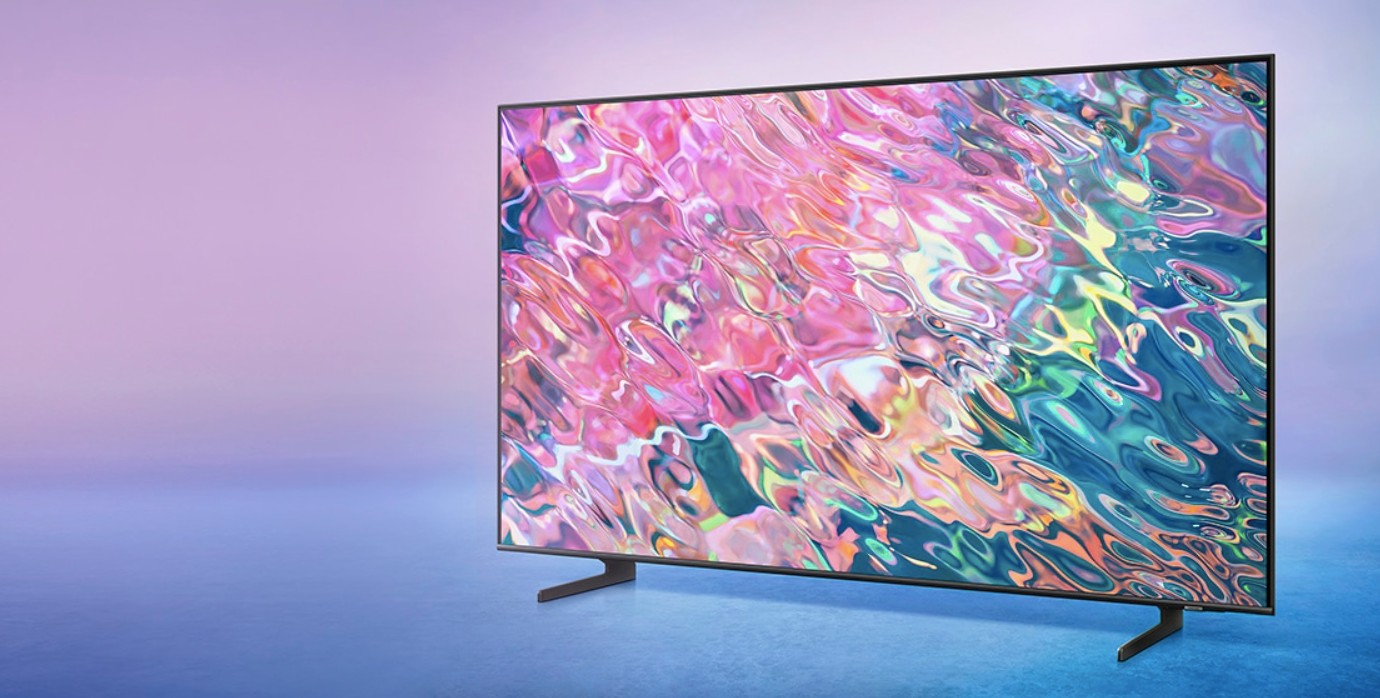
Samsung Q68B shown as a slim 55-inch mid-range TV with narrow bezels and a modern living-room-friendly design.
The Samsung Q68B is presented as a mid-range option aimed at everyday users who want useful features without moving into the highest tiers of the market.
The source highlights its modern aesthetic, thin front bezels and slim rear profile, making design one of its clearest strengths.
Its 55-inch size is described as suitable for medium-sized rooms, which gives it a straightforward place in a living room or bedroom shortlist. Connectivity is described as acceptable rather than expansive, with three HDMI inputs and two USB ports, including the ability to record and play content through USB. The source also flags a drawback: despite being mid-range, it carries a higher value than expected in its competitive segment, and its construction is noted as the main design-related negative.
Best for: Mid-range buyers who care about a clean-looking 55-inch set
- Modern look with thin bezels
- 55-inch size suited to medium rooms
- Three HDMI inputs and two USB ports
- USB recording and playback support
Verdict: A stylish mid-range Samsung with practical connectivity, best considered if its higher asking position still makes sense against nearby alternatives.
2. LG UN8500: A TV that leaves nothing to be desired
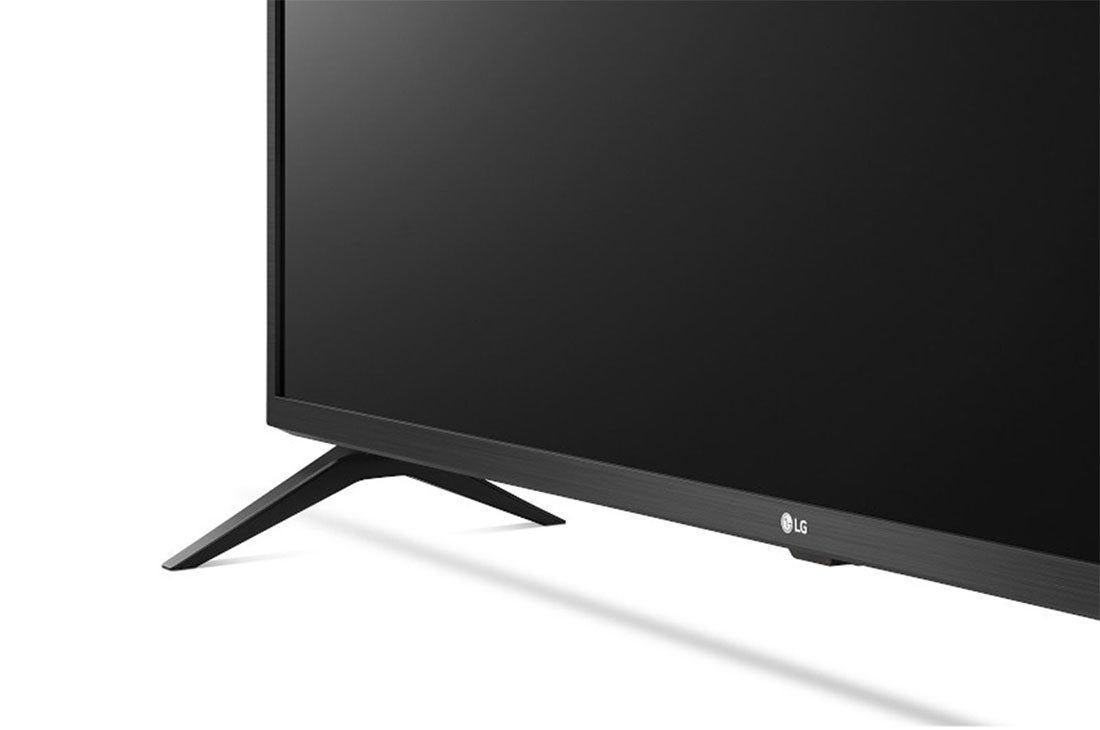
LG UN8500 represented as a large 4K LCD TV designed for big-room viewing and smart TV use.
The LG UN8500 series is framed around very large 4K LCD televisions, with the source focusing on the 75-inch model and noting that the range also includes even larger sizes.
It is a useful option for shoppers who want a big-screen LG without moving into OLED or NanoCell territory.
The set uses direct LED backlighting and is described as having a 100Hz panel, with Dolby Vision IQ and Dolby Atmos support also listed. The design is substantial rather than ultra-slim, partly because of the direct LED backlighting, but the overall impression is described positively. Smart TV functions and voice control are part of the package, while installation demands care: the source advises two people for setup, and wall mounting is possible with a suitable VESA 600 x 400 bracket that is not included.
Best for: Large-screen buyers who want an affordable LG LCD alternative
- Available in very large screen sizes
- 100Hz panel with direct LED backlighting
- Dolby Vision IQ and Dolby Atmos support
- Smart TV functions and voice control
Verdict: A big-format LG LCD with strong feature coverage for its class, provided the room and installation setup can handle its size.
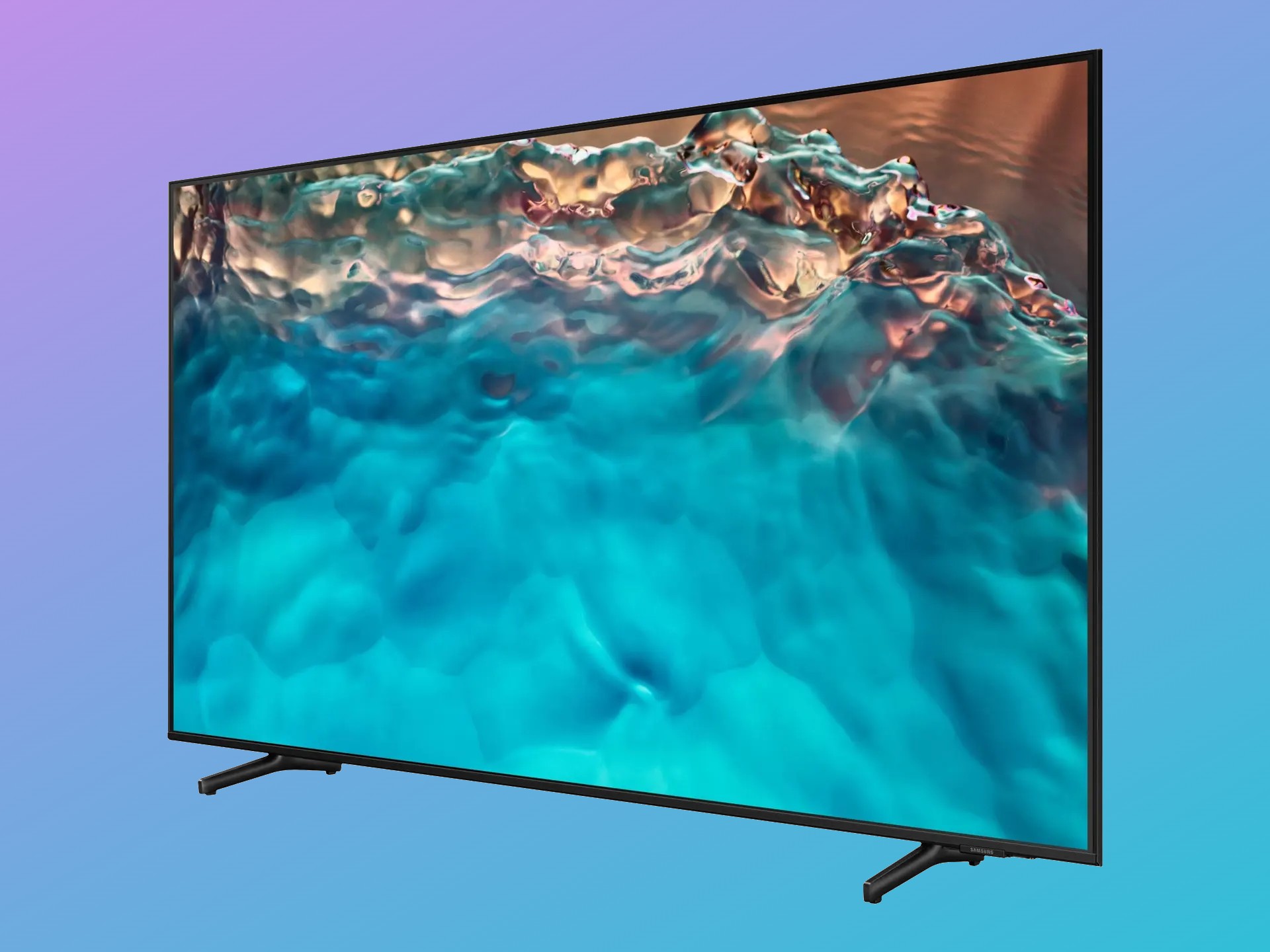
3. Samsung BU8005: The best mid-range TV from Samsung
Samsung BU8005 shown with a slim AirSlim profile, black finish and wall-mount-friendly proportions.
The Samsung BU8005 is described as identical in aesthetics and functions to the Samsung BU8000, with the difference being the region of origin.
Its main appeal is the AirSlim design, which gives the set a notably thin profile and makes it well suited to wall mounting with a 200 x 200 mm VESA setup.
The source details a full-black look, slim legs and a lightweight-feeling mid-range form factor. On the connection side, the BU8005 includes Bluetooth v5.2, Wi-Fi ac, Ethernet, optical digital audio output, two USB 2.0 ports and three HDMI 2.0 inputs. The supplied image details include an IPS-ADS panel with direct LED backlighting, UHD resolution, 50Hz refresh and support for HLG and HDR10+. This positions it as a broad, practical Samsung mid-ranger rather than a specialist high-end screen.
Best for: Samsung shoppers wanting a slim mid-range UHD TV
- AirSlim design suited to wall mounting
- Bluetooth v5.2 and Wi-Fi ac
- Three HDMI 2.0 inputs and two USB 2.0 ports
- HLG and HDR10+ support
Verdict: A slim and well-connected mid-range Samsung that is easiest to justify for buyers prioritizing design and everyday connectivity.
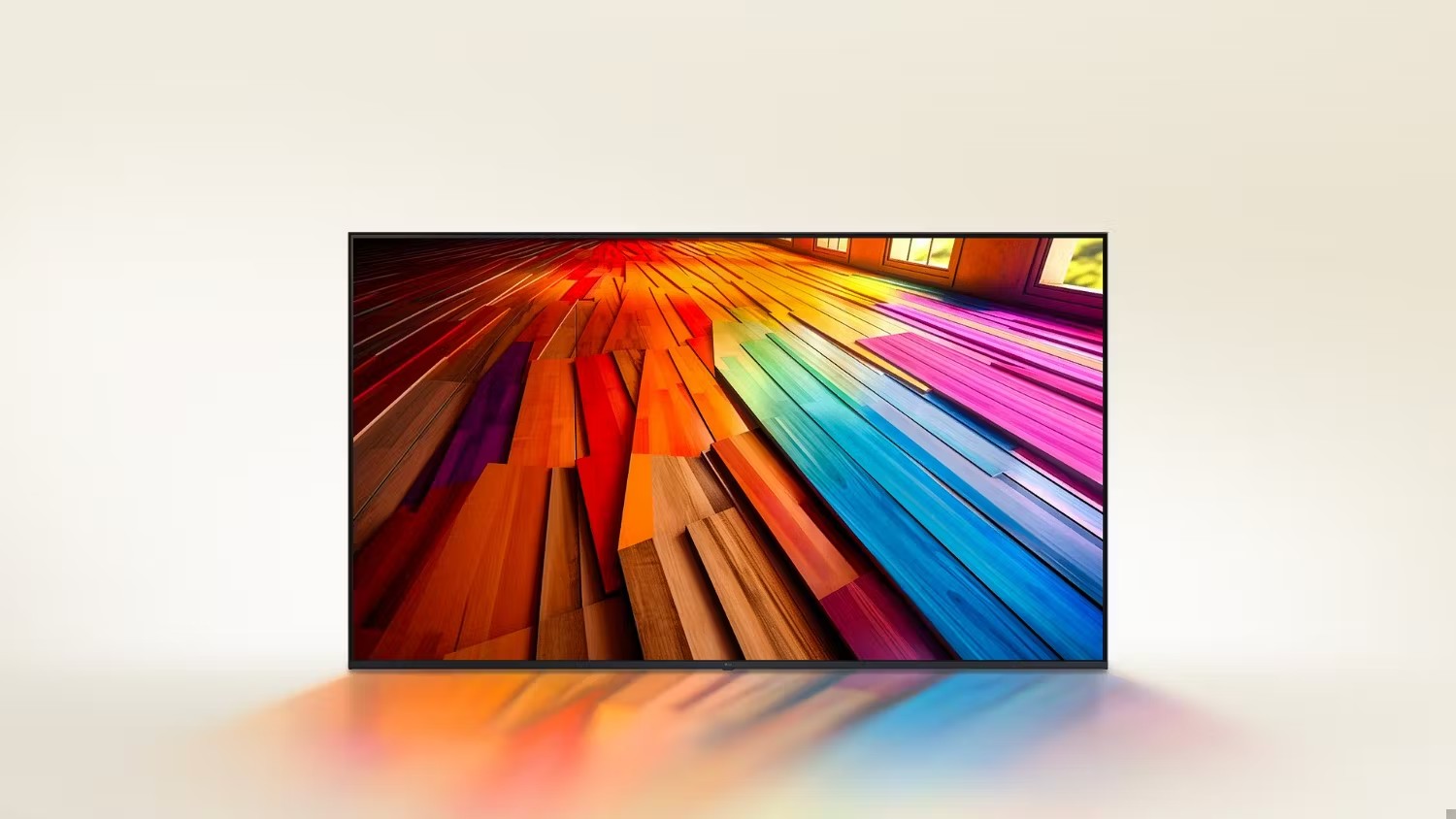
4. LG UT8100: A reasonably priced TV with decent features
LG UT8100 shown as a minimalist TV with a narrow bezel, central stand and wall-mountable design.
The LG UT8100 is presented as a reasonably priced model that omits some higher-end technologies in favor of a more accessible package.
The source describes a minimalist, discreet design with a narrow bezel and a depth of less than 6 cm at its thickest point, which is considered strong for its price category.
The central stand holds the body firmly, although it does not allow tilt or swivel adjustment. Its body and stand are made of plastic, but the source says build quality is difficult to fault. Wall mounting is supported with a standard VESA bracket, with the 55-inch version specified as 300 x 300 mm. The UT8100 therefore makes most sense as a practical, understated TV where design neatness and sensible value are more important than flagship-level feature claims.
Best for: Value-focused buyers wanting a discreet LG TV
- Minimalist design with narrow bezel
- Less than 6 cm deep at the thickest point
- Firm central stand
- VESA wall-mount support on the 55-inch model
Verdict: A sensible LG choice for shoppers who want a clean design and decent features without paying for the brand’s more advanced ranges.
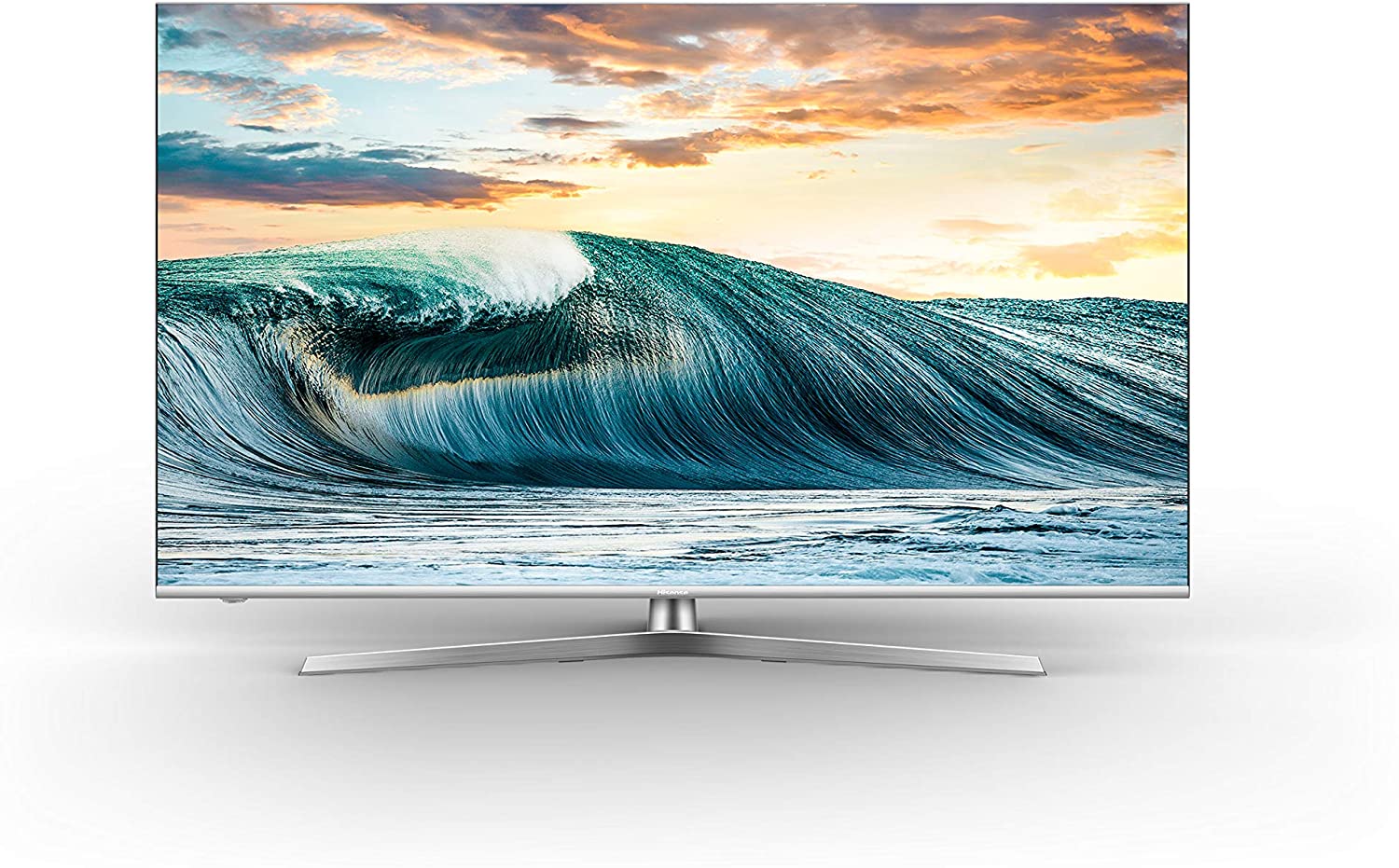
5. Hisense H65U8B Review • Superior and affordable 4K ULED TV
Hisense H65U8B shown as a very slim ULED TV with a metallic frame and narrow visual profile.
The Hisense H65U8B is described as a strong price-performance ULED television available in 65- and 55-inch sizes.
The source explains that Hisense ULED models are LCD TVs with LED backlighting and enhancements for a wider color range, and notes that ULED TVs have higher brightness than ordinary LCD TVs.
This makes the H65U8B one of the more feature-led value entries in the supplied material. The set uses a VA edge-lit panel with local light control and a 100Hz panel, distinguishing it from the more economical U7B series mentioned in the source. Its 8.9 mm thinness and metallic-looking frame are also highlighted, giving it an attractive, light visual presence. The strongest case for this model is the combination of ULED positioning, slim design and a value-oriented pitch.
Best for: Buyers seeking a value-focused ULED TV with a slim design
- ULED approach with wider color range than ordinary LCD
- Higher brightness than ordinary LCD TVs
- 100Hz VA panel with local light control
- Very thin 8.9 mm profile with metallic frame
Verdict: A well-specified Hisense ULED option for shoppers who want stronger LCD features and design presence at an affordable positioning.
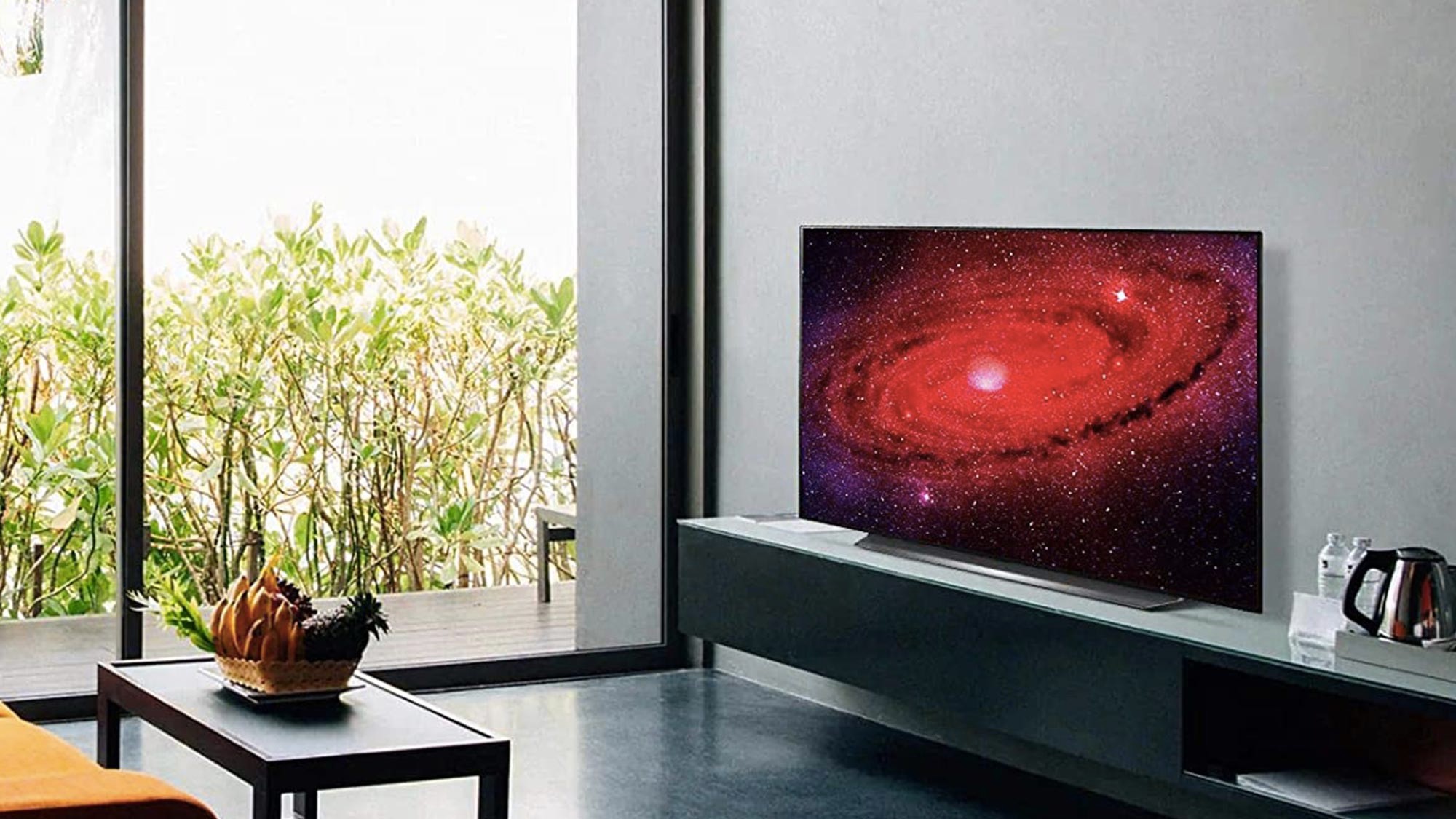
6. Another year for OLED TV
OLED TV market context showing the category’s growth and the involvement of major brands such as LG and Samsung.
This source is not a product review but a market overview of OLED TV momentum.
It notes that the global OLED TV segment grew strongly while the wider TV market declined, and identifies LG as the leader in the premium OLED TV segment.
Samsung’s entry with QD-OLED technology is also mentioned as part of expected category expansion. For buyers, the practical takeaway is that OLED is not a niche curiosity in the supplied material; it is described as a growing premium category with multiple major brands involved. That does not make every OLED the right purchase, but it does support treating OLED as a serious option when black-level performance, premium positioning and room suitability are being considered.
Best for: Readers deciding whether OLED belongs on the shortlist
- OLED described as a growing TV segment
- LG identified as the premium OLED leader
- Samsung entry with QD-OLED noted
- Useful context for premium TV shoppers
Verdict: A useful market-context article rather than a product pick, reinforcing that OLED is a major premium TV category to consider carefully.

7. Hisense unveils $6,300 Laser TV with Cinema picture quality
Hisense 120L9G laser TV presented as a 120-inch 4K UHD screen system for cinema-style viewing.
The Hisense Trichrom ALR Screen Series 4K 120-inch laser TV is a very different proposition from a conventional flat-panel TV.
The source describes a 120-inch 4K UHD laser TV with 3000 lumens of brightness and manufacturer-claimed natural colors.
It is presented around cinema-scale viewing rather than typical living-room screen sizes. The Hisense 120L9G includes a 40W Dolby Atmos sound system, VIDAA operating system, Alexa voice assistant support and a 60Hz refresh rate. The source also states that its Digital Micromirror mechanism responds to motion faster than LED or OLED screens, and that MEMC technology is intended to help with fast-paced games, movies and sports. Buyers should also note the source’s distribution detail: it was described as launching in India and initially sold exclusively through Amazon India before later store availability.
Best for: Cinema-scale rooms where a 120-inch laser TV makes sense
- 120-inch 4K UHD laser TV format
- 3000 lumens brightness stated by the manufacturer
- 40W Dolby Atmos sound system
- More than 25,000 hours stated service life
Verdict: A specialist large-screen laser TV for buyers prioritizing projection-style scale over a conventional flat-panel setup.

8. Which OLED TV to buy in –
OLED TV buying guide focused on matching panel choice to viewing habits, room lighting and placement.
This source is an OLED buying guide rather than a specific model review.
Its most useful advice is to begin with use case: sports, films in a home-theater mode, streaming services and computer games are all mentioned as different viewing priorities.
The guide also emphasizes placement, especially how bright the room is and what time of day the TV will usually be used. The article’s strongest practical point is that saving money on an OLED depends on answering those questions before buying. Rather than assuming every OLED purchase must target the most expensive option, the source argues that the right choice depends on content habits and room conditions. That makes it a helpful companion to any OLED shortlist.
Best for: Buyers trying to choose an OLED without overpaying
- Starts with viewing habits before model choice
- Considers room lighting and placement
- Highlights sports, films, streaming and games as different needs
- Frames savings around choosing the right OLED for the use case
Verdict: A practical OLED decision guide that helps narrow the shortlist by content type, room lighting and placement.
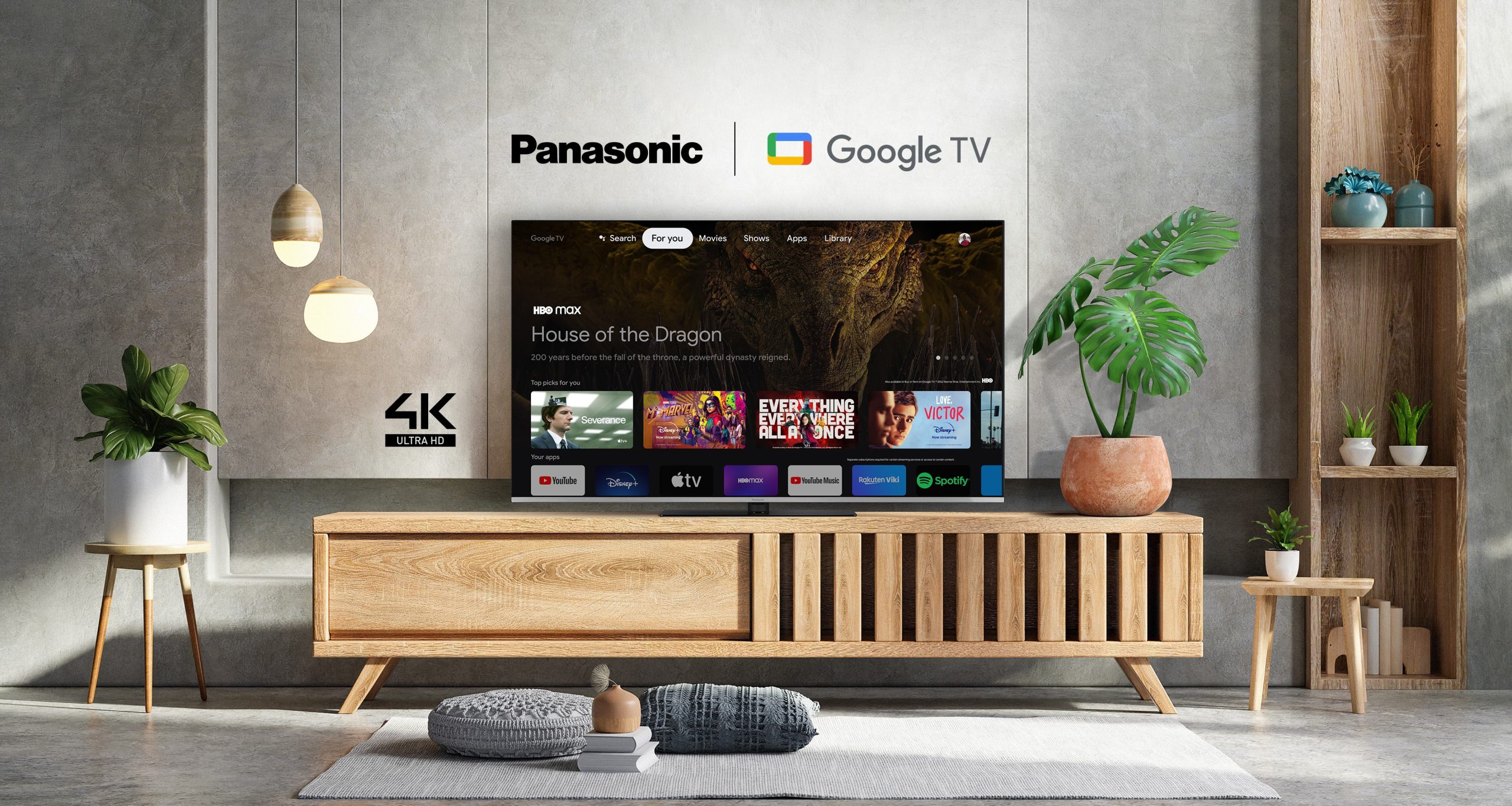
9. Panasonic TX-65MX710E: The definition of mid-range at a very good price
Panasonic TX-65MX710E shown with a slim central stand, minimal borders and a distinctive lower silver frame.
The Panasonic TX-65MX710E is described as a mid-range TV with several details that make it interesting, including its price positioning, Atmos playback, broad format compatibility, Android and attractive design.
The source highlights a design with a silver frame along the lower horizontal edge and very minimal surrounding borders, helping the picture appear to come out of the device.
The stand is another distinguishing element: a slim black central rectangle connected to the panel by a prism-like trunk with a circular base, giving it a monitor-like look. The source also describes complete tuning support, including satellite, terrestrial and cable TV, analog standards, HbbTV and CI+. For buyers seeking a mid-range TV with Android and broad compatibility, it is one of the more straightforward value picks in the list.
Best for: Mid-range buyers wanting Android and broad TV compatibility
- Mid-range positioning at a very good price
- Atmos playback mentioned
- Broad format compatibility described
- Android platform noted
Verdict: A practical Panasonic mid-ranger with attractive design touches and broad compatibility as its main strengths.

10. Sony Bravia 7 (K-65XR70): An impressive TV
Sony Bravia 7 K-65XR70 shown as a premium Mini LED QLED TV with slim bezels and configurable metal legs.
The Sony Bravia 7 K-65XR70 is the most overtly high-end model in the supplied selection.
It is described as a QLED television with Mini LED backlighting and local dimming capability, positioned between Sony’s Bravia 8 OLED and entry-level Bravia 3.
The set also includes hands-free voice control, advanced gaming functionalities, Google TV 12, the Sony XR image processor and the MediaTek Pentonic 1000 chipset. Design receives detailed attention in the source. The display has ultra-slim bezels on three sides, a slightly broader matte-metal lower bezel with switchable voice control microphones and slender metal legs. The legs offer four mounting configurations, allowing wide or narrow placement and low or high positions depending on furniture and setup needs. It is the natural choice here for buyers wanting a more advanced Mini LED QLED feature set rather than a basic mid-range TV.
Best for: Buyers wanting a higher-end Sony Mini LED QLED TV
- Mini LED backlighting with local dimming capability
- Google TV 12 platform with downloadable apps
- Hands-free voice control
- Flexible leg configurations for different furniture setups
Verdict: A feature-rich Sony Bravia for shoppers who want Mini LED local dimming, Google TV and flexible installation options.
Quick comparison
These entries differ less by a single ranking number than by the kind of buyer they serve.
The Samsung and Panasonic models occupy practical mid-range territory, LG covers both large-format and value-oriented LCD choices, Hisense spans ULED and laser TV approaches, Sony represents the premium Mini LED QLED route, and the OLED articles provide buying context rather than single-product recommendations.
| Product | Best for | Verdict |
|---|---|---|
| Samsung Q68B: The ideal mid-range TV | A 55-inch mid-range TV with a modern, slim design | Strongest for shoppers who value Samsung styling and everyday connectivity, with the caveat that the source notes a higher value than expected. |
| LG UN8500: A TV that leaves nothing to be desired | Very large 4K LCD viewing spaces | Best differentiated by its large screen sizes, 100Hz panel, direct LED backlighting and Dolby Vision IQ and Dolby Atmos support. |
| Samsung BU8005: The best mid-range TV from Samsung | Slim wall-mounted Samsung setups | Stands out for AirSlim design, UHD resolution, wireless connectivity and a broad set of everyday physical inputs. |
| LG UT8100: A reasonably priced TV with decent features | Value-focused buyers who want a discreet LG design | A restrained, practical option with a narrow bezel, firm central stand and wall-mount support. |
| Hisense H65U8B Review • Superior and affordable 4K ULED TV | Affordable ULED buyers looking for strong LCD features | Distinguished by ULED positioning, a 100Hz VA panel, local light control and a very thin profile. |
| Another year for OLED TV | Premium TV shoppers considering OLED as a category | Useful as market context, showing OLED as a growing premium segment led by LG with Samsung QD-OLED activity noted. |
| Hisense unveils $6,300 Laser TV with Cinema picture quality | Very large cinema-style viewing at 120 inches | A specialist laser TV option built around 4K UHD scale, 3000 lumens stated brightness and integrated Dolby Atmos sound. |
| Which OLED TV to buy in – | OLED buyers who need a decision framework | Most valuable for its guidance on matching OLED choice to content habits, room lighting and placement. |
| Panasonic TX-65MX710E: The definition of mid-range at a very good price | Mid-range Android TV buyers with broad compatibility needs | A well-rounded Panasonic choice with Atmos playback, broad format compatibility, Android and complete tuning support noted. |
| Sony Bravia 7 (K-65XR70): An impressive TV | Higher-end Mini LED QLED shoppers | The premium-leaning pick here, with Mini LED local dimming, Google TV 12, hands-free voice control and flexible stand placement. |
Frequently asked questions
How should I choose between a mid-range TV and a premium TV?
Start with the features you will actually use.
The Samsung Q68B, Samsung BU8005, LG UT8100 and Panasonic MX710E are framed as practical mid-range choices, while the Sony Bravia 7 brings a higher-end Mini LED QLED feature set with local dimming, Google TV and more advanced installation flexibility.
If room size, platform and basic connectivity matter most, a mid-range model may be enough; if local dimming and a richer feature package are priorities, the Sony sits in a different tier.
Does room size matter more than panel technology?
Room size and placement should come first.
The Samsung Q68B is described as a 55-inch TV suitable for medium-sized rooms, the LG UN8500 is focused on very large screen sizes, and the Hisense laser TV is a 120-inch proposition for cinema-scale spaces.
Panel technology matters, but the wrong size or installation style can make even a well-specified TV feel unsuitable.
When should I consider OLED?
The supplied OLED buying guide recommends deciding first what you watch most often, such as sports, films, streaming or games, and then considering room lighting and the time of day you use the TV.
The OLED market article also presents OLED as a growing premium category.
In practical terms, OLED belongs on the shortlist when your viewing habits and room conditions suit it, not simply because it is a premium label.
What connectivity details are worth checking before buying?
Check the number and type of HDMI and USB ports, wireless options, audio outputs and tuner support.
For example, the Samsung Q68B lists three HDMI and two USB ports, the Samsung BU8005 adds Bluetooth v5.2, Wi-Fi ac, Ethernet, optical audio, three HDMI 2.0 and two USB 2.0 ports, and the Panasonic MX710E is described with complete tuning support.
These details matter if you use consoles, streamers, soundbars, drives or broadcast TV services.
Final buying advice
The safest way to buy a TV is to define the room, the content and the installation before comparing feature lists.
For a medium-sized space, a 55-inch mid-range set such as the Samsung Q68B or LG UT8100 may be more practical than an oversized display.
For wall mounting and a slim profile, the Samsung BU8005 has a clear design advantage in the supplied material. For very large living rooms, the LG UN8500 series is the obvious large-format LCD option, while the Hisense 120L9G laser TV is a more specialized cinema-scale alternative. Panel and backlight choices should follow the same logic. Hisense’s H65U8B appeals if ULED, a 100Hz VA panel, local light control and a very thin design are attractive at a value-oriented position. Sony’s Bravia 7 is the premium Mini LED QLED choice in this list, with local dimming, Google TV 12, hands-free voice control and flexible leg positions. Panasonic’s MX710E looks sensible for buyers who want Android, Atmos playback, broad compatibility and mid-range pricing. OLED deserves separate consideration rather than a blind upgrade. The supplied OLED guidance is clear: decide whether your priority is sport, films, streaming or games, then factor in room brightness and placement. If those conditions line up, OLED can be a serious premium option; if they do not, a strong LCD, ULED, Mini LED QLED or even laser TV may be the better fit. The best purchase is the one whose size, platform, connections and installation match your actual use.