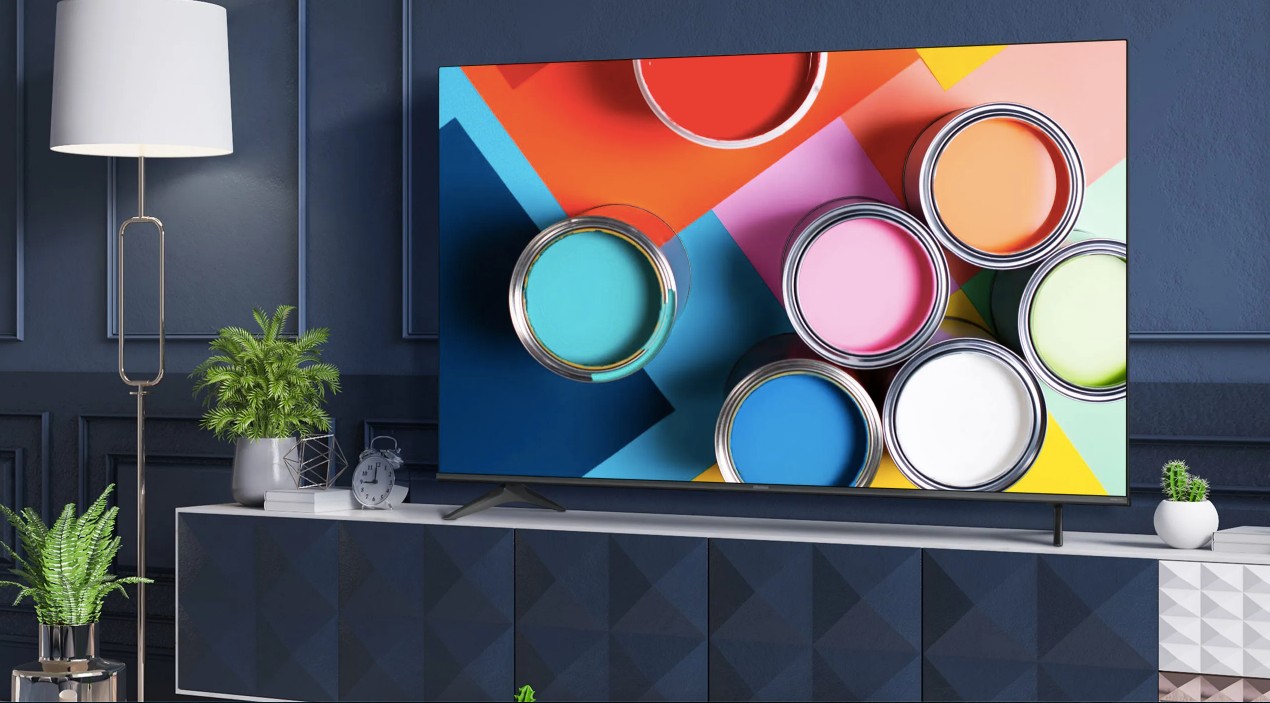
Choosing a TV is less about chasing a single universal winner and more about matching panel technology, room size, design priorities, and everyday viewing habits.
The models and articles gathered here span bright OLED, foldable MicroLED, Mini LED LCD, Quantum Dot mid-range sets, 8K Neo QLED technology, and market context around OLED demand.
The strongest distinctions in the source material are not subtle: Philips leans on Ambilight and OLED image impact, C Seed turns the television into a luxury design object, Samsung highlights Quantum Dot and Neo QLED processing, TCL offers a large-format QLED Mini LED proposition, Sony focuses on balanced LCD choices, and Loewe emphasizes premium construction and styling. Because the source articles vary in depth, this guide avoids unsupported claims about performance, pricing, gaming, calibration accuracy, or long-term ownership. Instead, each recommendation explains what is directly supported, where the fit is clearest, and what kind of buyer should pay attention.

1. Philips OLED910 Review: Ultra-Bright Meta OLED with Ambilight and Premium Sound
Philips OLED910 with its four-sided Ambilight system and slim integrated speaker section.
The Philips OLED910 is positioned as a meaningful upgrade over the OLED909, with a new multilayer Meta OLED panel aimed at higher brightness and stronger image dynamics.
Its four-sided Ambilight remains a defining Philips feature, extending color onto the surrounding wall for a more immersive viewing environment, while the redesigned integrated speaker section gives the set a slim soundbar-like appearance finished in lighter gray fabric.
The source also notes simple assembly with sturdy elongated feet, although they do not offer height adjustment.
Best for: Viewers who want a bright OLED with a distinctive Ambilight presentation
- Meta OLED panel focused on higher brightness
- Four-sided Ambilight
- Integrated soundbar-like speaker section
- Simple assembly with sturdy feet
Verdict: The OLED910 is the most complete Philips option here for buyers who want OLED image impact, Ambilight atmosphere, and a more integrated audio-display design.

2. 165-inch five-screen futuristic foldable TV unveiled
C Seed N1 unfolding from a cabinet-like base into a large frameless MicroLED display.
The C Seed N1 is less a conventional television and more a luxury interior statement.
Its defining feature is a motorized unfolding design that starts as a small cabinet-like unit and opens into a large frameless MicroLED display assembled from five screen sections, with adaptive calibration used to make the joints invisible.
The source lists 103-inch, 137-inch, and 165-inch sizes, 4K resolution, 16-bit color depth, 1000-nit brightness, HDR10+ support, anti-reflective coating, five HDMI ports, two USB-A ports, Ethernet, and a 9.2-channel audio system built into the stand.
Best for: Luxury spaces where the TV is also intended as a design feature
- Foldable five-screen MicroLED design
- Available in very large sizes
- 4K resolution with HDR10+ support
- Built-in 9.2-channel audio system
Verdict: The C Seed N1 is the most visually dramatic entry in this list, suited to buyers prioritizing spectacle, scale, and concealment over conventional TV practicality.
3. TCL C935: Gets the job done!
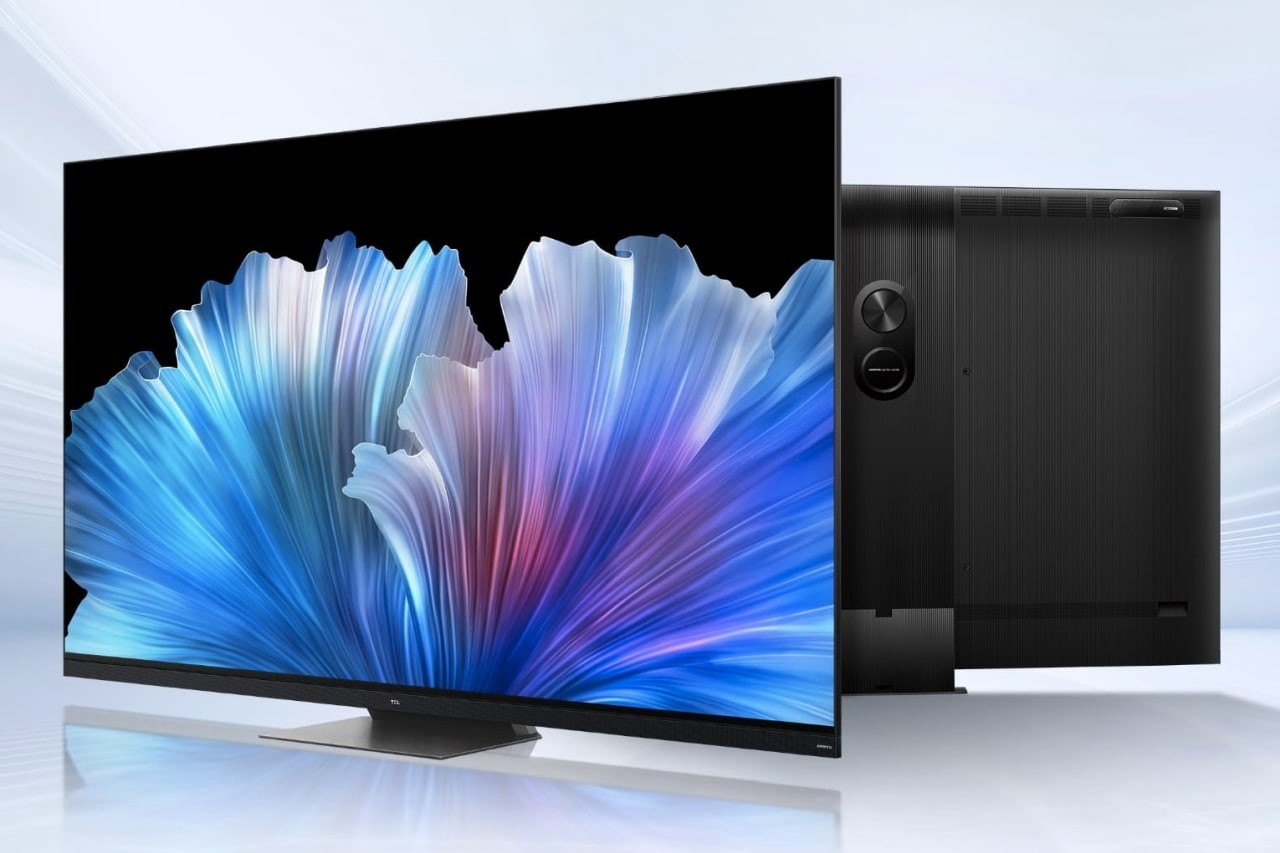
TCL C935 QLED Mini LED TV shown with a clean, modern front design suited to wall placement.
The TCL C935 is presented as a high-range TCL model with a 65-inch QLED Mini LED screen and an elegant design suited to large rooms or halls.
The source emphasizes its more polished exterior compared with previous models, a modern presence, and the benefit of wall mounting for the cleanest front view.
It is framed as a stronger choice within TCL’s broader catalog for buyers looking beyond the brand’s value-oriented reputation.
Best for: Large rooms needing a substantial QLED Mini LED TV
- QLED Mini LED model
- 65-inch size suited to larger spaces
- Modern, elegant design
- Wall-mount-friendly front presentation
Verdict: The TCL C935 stands out as a large-room option for buyers who want TCL’s higher-range design and QLED Mini LED positioning.
4. Omdia experts predict a global drop in TV sales in and an increase in interest in OLED
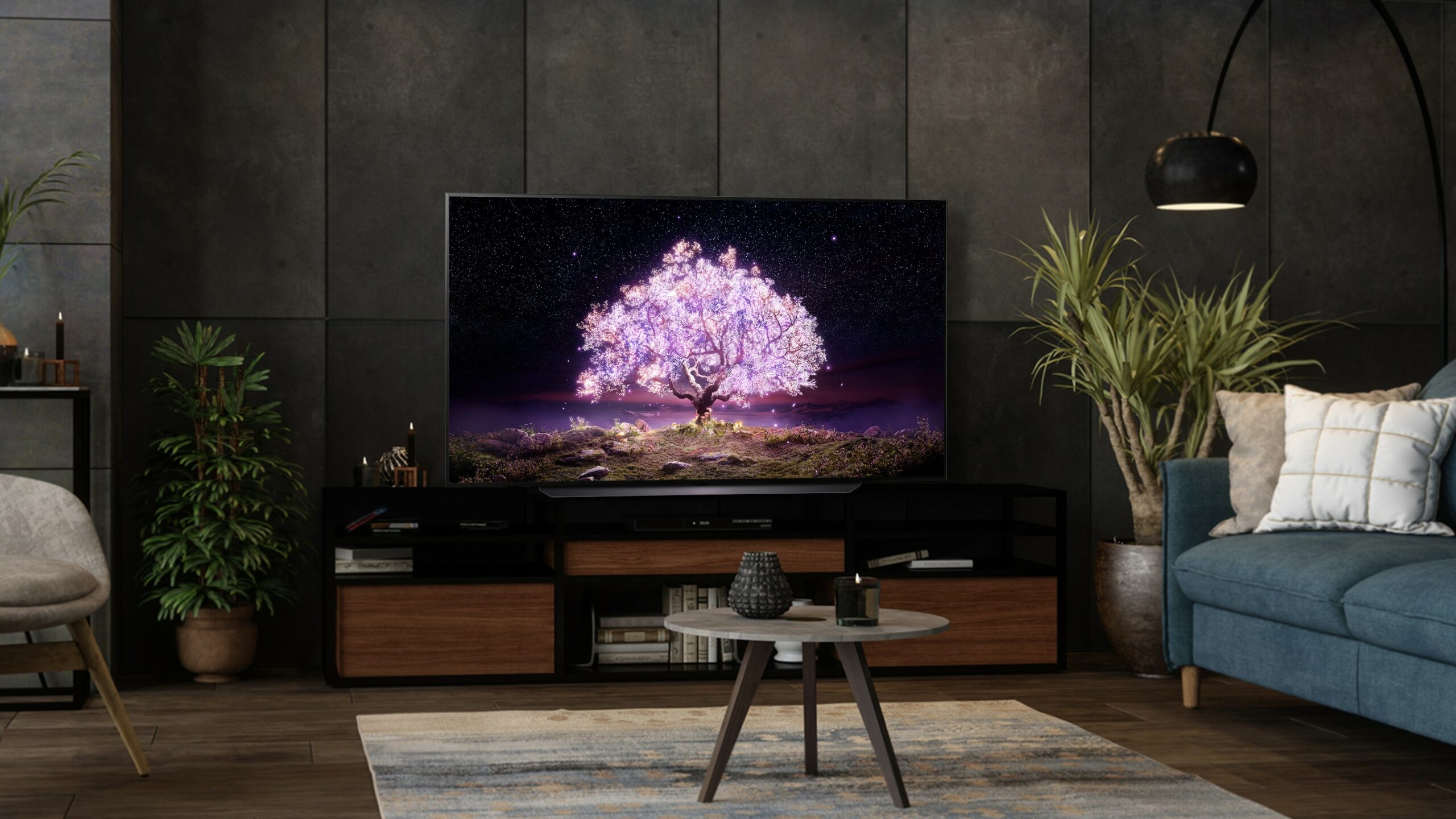
Market context showing OLED interest rising while overall TV demand and LCD momentum weaken.
This source is not a single TV recommendation, but it is useful buying context.
Omdia’s market commentary describes weaker overall TV shipments while noting continued growth in demand for OLED TVs and declining demand for LCD TVs.
It also points to pressure on LCD panel pricing as Chinese manufacturers gain share, while OLED remains a smaller but more valuable segment of the TV market in monetary terms.
Best for: Buyers comparing OLED and LCD market direction before choosing a TV
- Useful OLED market context
- Explains weaker LCD demand
- Highlights OLED value share growth
- Adds perspective beyond single models
Verdict: Omdia’s analysis is best used as background evidence that OLED interest is growing even as the broader TV market softens.
5. Three key features of Neo QLED 8K TVs
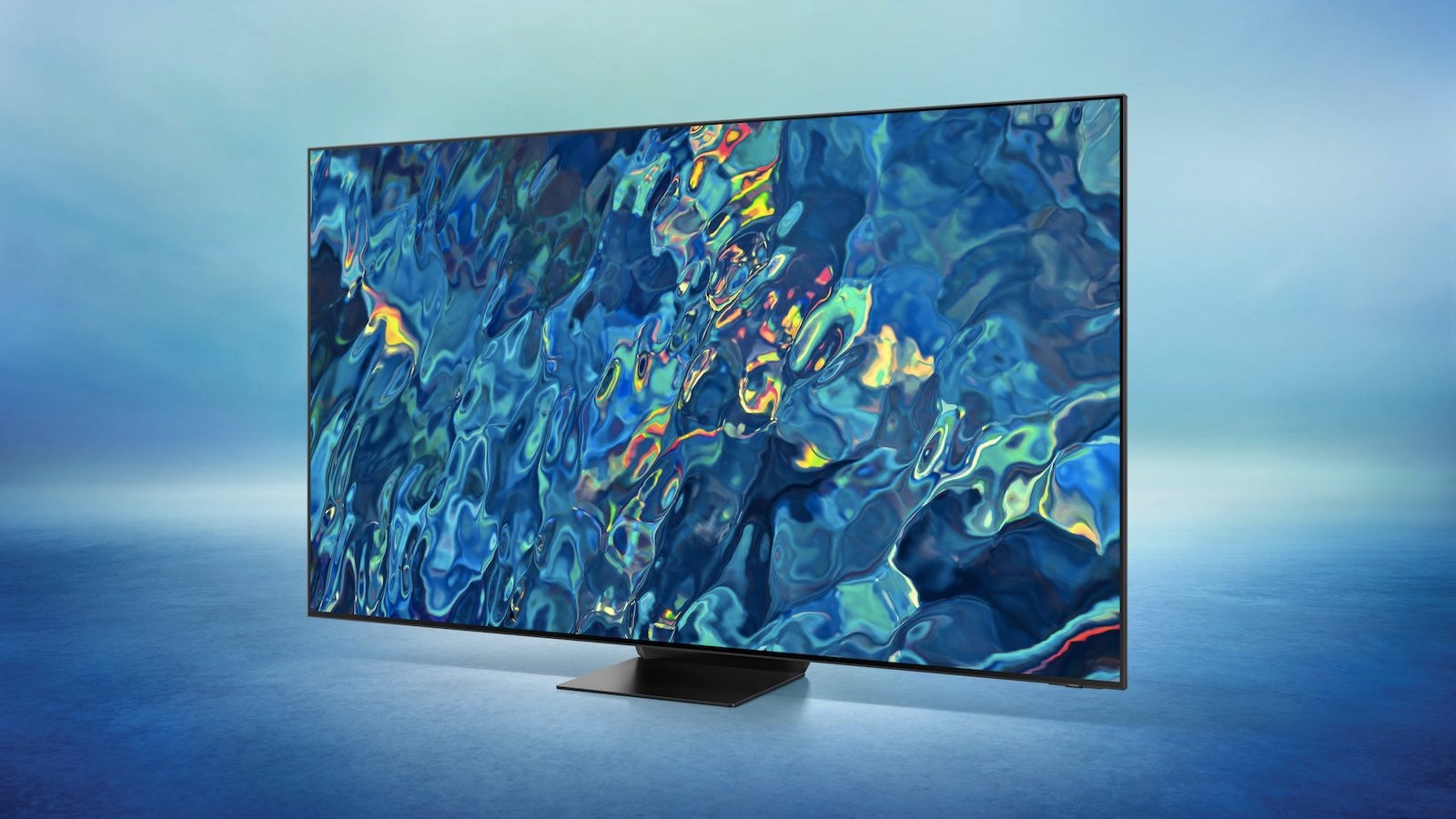
Samsung Neo QLED 8K models highlighting contrast depth, depth processing, and Smart Calibration features.
Samsung’s Neo QLED 8K article focuses on three technologies in the QN900B, QN800B, and QN700B line: 14-bit contrast depth, Real Depth Enhancer, and Smart Calibration.
The sets use MiniLED backlighting with local dimming, while the Neural Quantum 8K processor is described as increasing foreground contrast and clarity to create a stronger sense of image depth.
Smart Calibration is presented as a way for owners to optimize the screen using a mobile app, including a simple mode described as taking about 30 seconds.
Best for: Buyers interested in Samsung’s 8K Neo QLED processing and calibration features
- 8K Neo QLED line with MiniLED backlighting
- 14-bit contrast depth
- Real Depth Enhancer processing
- Mobile-app Smart Calibration
Verdict: Samsung’s Neo QLED 8K line is the most technology-led option here, with the source centered on contrast handling, perceived depth, and app-based calibration.
6. Samsung Q64C: May be one of the best TV models this year
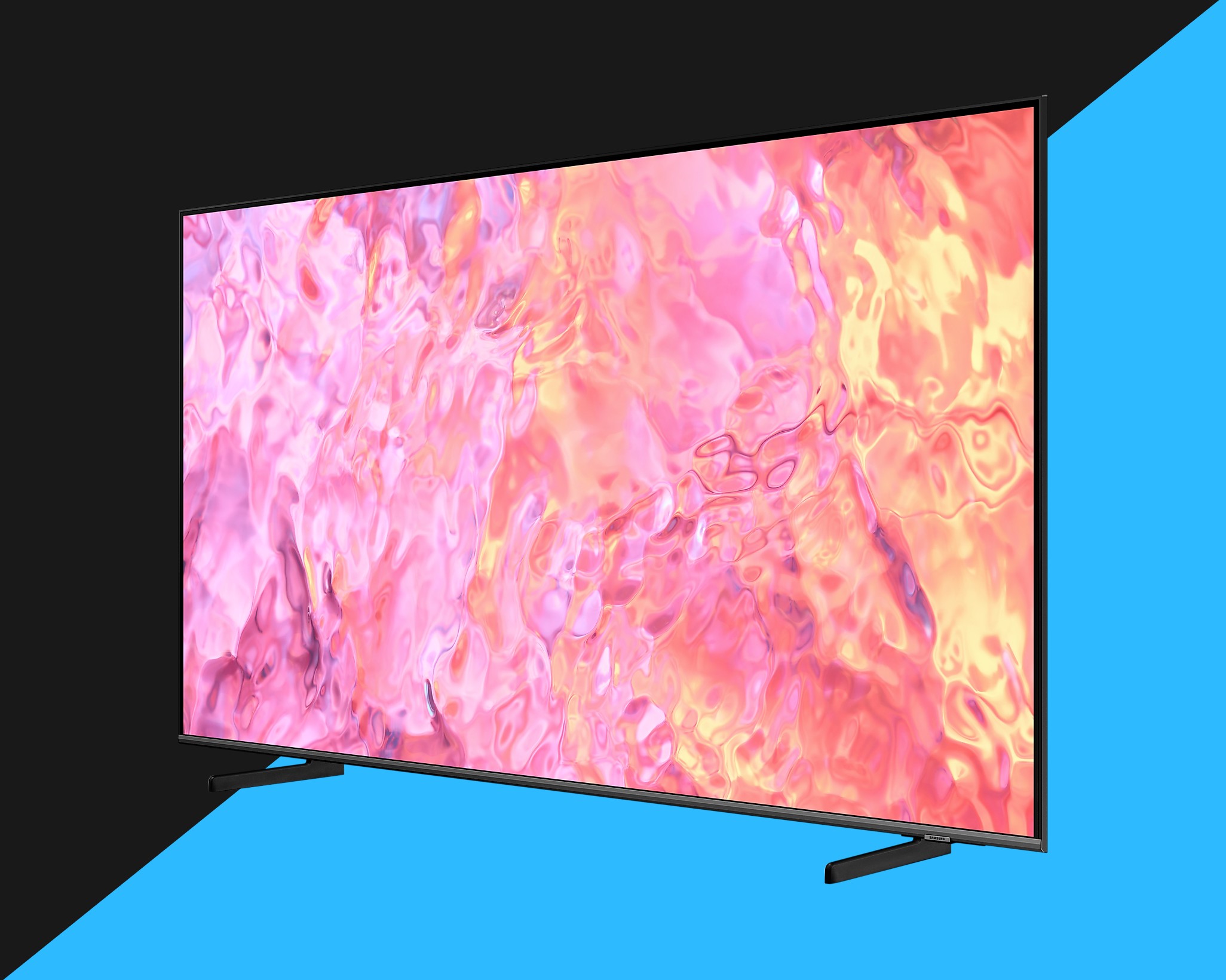
Samsung Q64C with slim AirSlim profile, black finish, stand legs, and remote control.
The Samsung Q64C is described as a mid-range smart TV option with Quantum Dot technology and a slim AirSlim design.
The source highlights a 25.7 mm profile, a black finish, two classic legs that allow a small amount of height adjustment on most sizes, and broad tuning support including analog, digital DVB-S2/T2/C, HbbTV 2.0.2, and CI+ 1.4.
It is positioned as a practical renewal choice for users wanting a good image without moving into a flagship tier.
Best for: Mid-range buyers wanting a slim Samsung with Quantum Dot color technology
- Quantum Dot technology
- Slim AirSlim design
- Slight height adjustment on most sizes
- Broad tuning support
Verdict: The Samsung Q64C is a sensible mid-range pick when slim styling, Quantum Dot branding, and practical tuning support matter more than flagship features.
7. Sony X90K: A TV well worth recommending
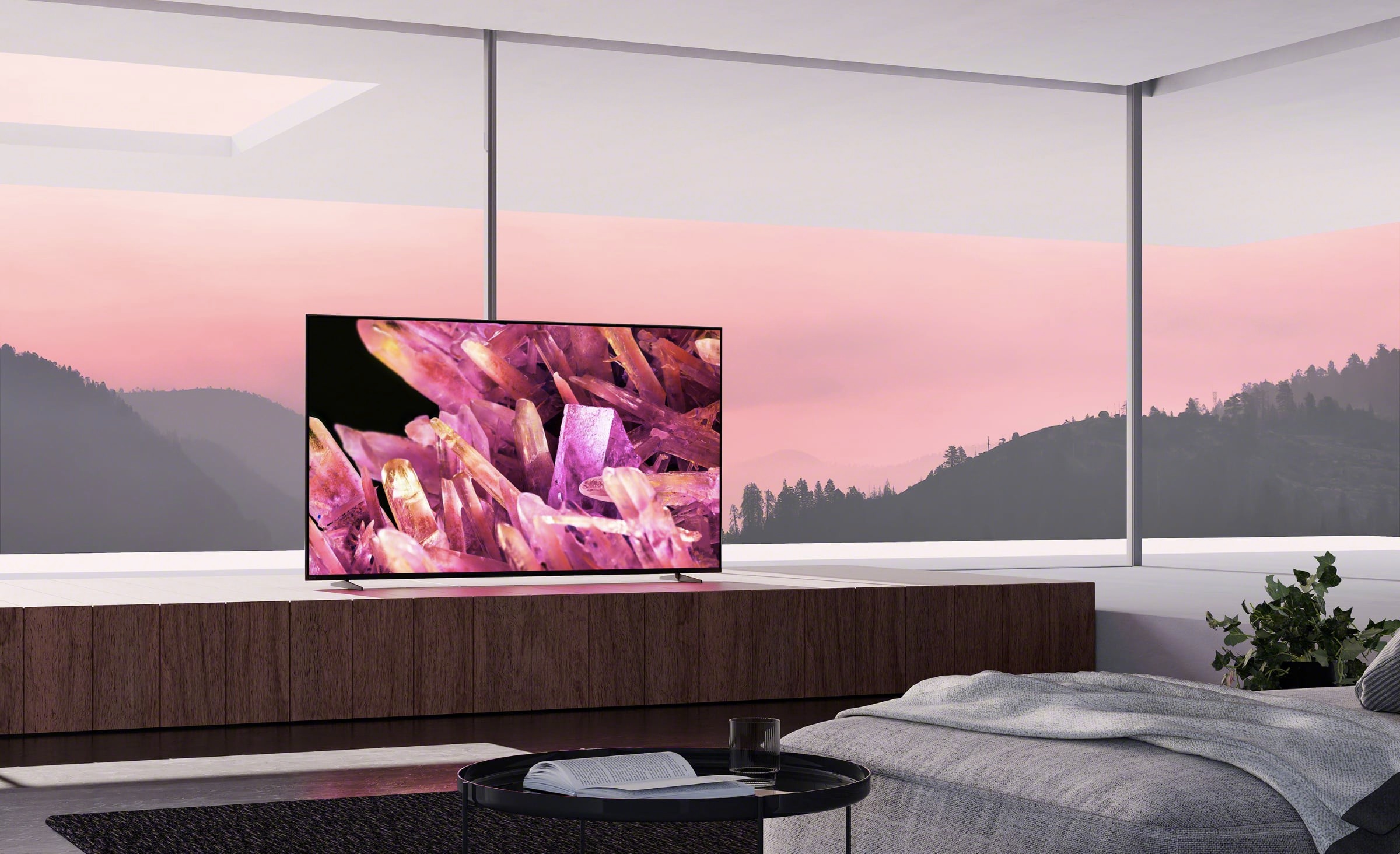
Sony X90K 4K LCD TV with thin black bezels, two-legged stand, and full-array backlit chassis.
The Sony X90K is a 4K LCD TV with HDR support, an updated version of Google TV, Sony’s XR cognitive processor, and HDMI 2.1 support with limitations noted in the source.
Sony’s approach here is framed around bringing premium-style brightness ambitions to a mid-range LCD model.
The design is conservative and living-room-friendly, with thin black bezels, a two-legged stand, a modular rear panel, and full-array direct backlighting that makes the TV thicker than ultra-slim designs, though the source notes its depth does not exceed 7.2 cm.
Best for: Viewers wanting a mainstream Sony LCD with brightness-focused positioning
- 4K LCD with HDR support
- Updated Google TV platform
- Sony XR cognitive processor
- Full-array direct backlighting
Verdict: The Sony X90K is a strong fit for buyers who prefer Sony’s restrained design and a mid-range LCD built around brightness and full-array backlighting.
8. Philips OLED 805: Awesome black levels and beautiful ambilight technology
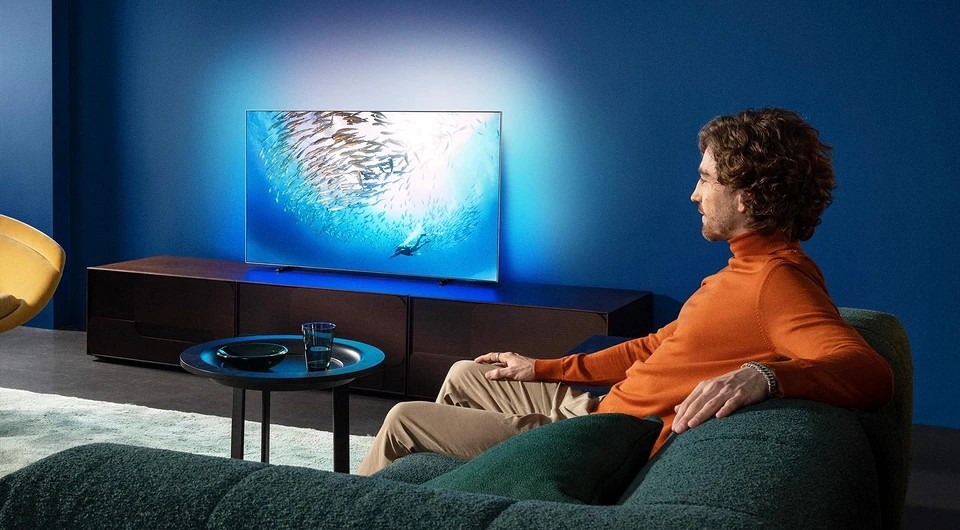
Philips OLED 805 showing its slim OLED panel, discreet stand feet, and Ambilight-focused design.
The Philips OLED 805 is a 55-inch OLED TV with UHD resolution, three-sided Ambilight, and the P5 AI Perfect Picture processor, which the source says uses neural networks for image processing.
Its design is described as a thin, sleek panel with a metal frame and discreet feet that are turned to be minimally visible from the front.
The source also lists Android TV, four HDMI inputs, two USB ports, Bluetooth, and Wi-Fi, making it one of the more clearly specified OLED entries in the supplied material.
Best for: Buyers who want a Philips OLED experience with Ambilight in a 55-inch format
- OLED panel with strong black-level focus
- Three-sided Ambilight
- P5 AI Perfect Picture processor
- Android TV with four HDMI inputs
Verdict: The Philips OLED 805 remains appealing in this comparison for its OLED black-level strengths, Ambilight identity, and well-documented feature set.
9. Loewe Bild V.55: This 4K Ultra HD TV is worth a look
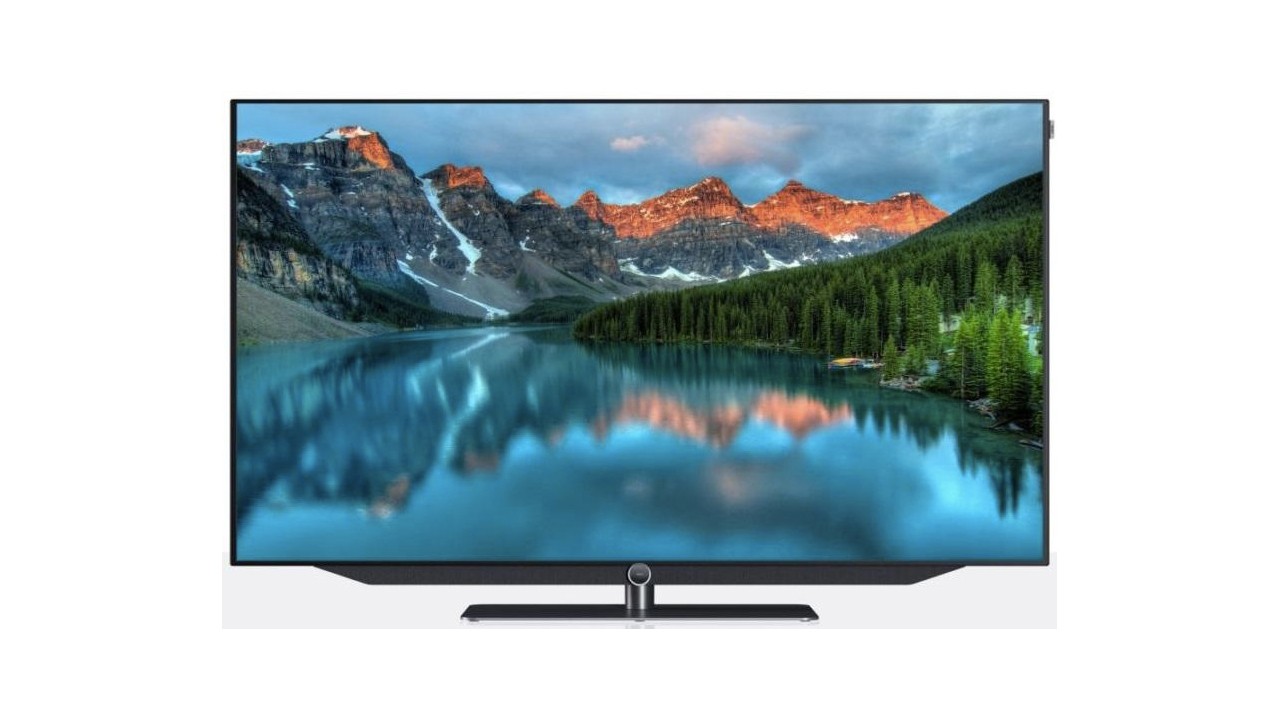
Loewe Bild V.55 with a refined front design intended to show best when wall mounted.
The Loewe Bild V.55 is presented as a high-end German 4K Ultra HD TV with a strong emphasis on design and construction quality.
The source describes its 55-inch size as suitable for medium-sized rooms while also looking appropriate in larger spaces, and it recommends wall placement for the best view of the attractive front.
It also makes clear that the model’s high cost is a major drawback, especially given its age in the market.
Best for: Design-conscious buyers considering a premium 55-inch 4K TV
- Premium construction emphasis
- Modern, well-crafted design
- 55-inch size suits medium rooms
- Attractive wall-mounted presentation
Verdict: The Loewe Bild V.55 is most compelling as a design-led premium TV, but the source’s concern about cost makes it a careful-consideration choice.
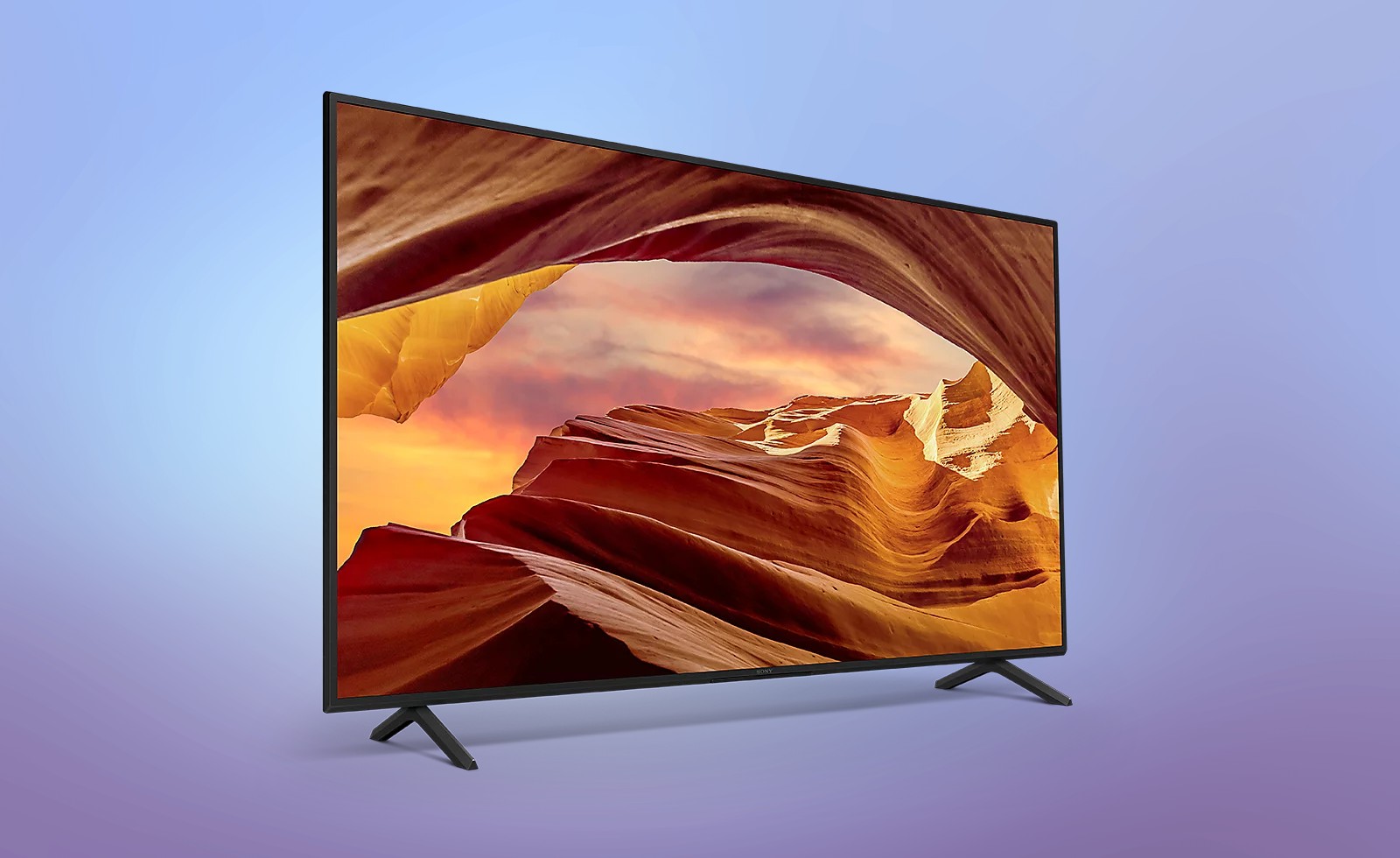
10. Sony X75WL (KD-50X75WL): A TV that stands out
Sony X75WL 50-inch Bravia TV with thin bezels and a modern black chassis.
The Sony X75WL is described as a mid-range 50-inch Bravia model that aims for balance across its sections rather than one headline specification.
The source highlights its modern aesthetic, thin bezels, black chassis, and suitability for medium-sized rooms.
Wall mounting is presented as the best way to show the front design, although the required VESA support is purchased separately.
Best for: Buyers seeking a balanced 50-inch Sony for a medium room
- Balanced mid-range positioning
- 50-inch size for medium rooms
- Thin-bezel front design
- Modern black chassis
Verdict: The Sony X75WL is the straightforward Sony option here for buyers who want a modern mid-range set with a clean front design.
Quick comparison
The clearest way to separate these ten entries is by role.
Some are complete TV models for living rooms, one is a luxury MicroLED design object, one is a technology overview for Samsung’s 8K Neo QLED line, and one is market context that helps explain OLED and LCD momentum.
| Product | Best for | Verdict |
|---|---|---|
| Philips OLED910 | Bright OLED viewing with Ambilight | Choose it for Meta OLED brightness focus, four-sided Ambilight, and an integrated speaker-section design. |
| C Seed N1 | Luxury large-scale MicroLED installation | Choose it only if the foldable five-screen form and very large sizes are central to the room concept. |
| TCL C935 | Large-room QLED Mini LED viewing | Choose it for a 65-inch QLED Mini LED model with a modern design and strong wall-placement appeal. |
| Omdia TV market analysis | OLED versus LCD market context | Use it as background when weighing OLED momentum against weakening LCD demand. |
| Samsung Neo QLED 8K line | 8K Neo QLED processing features | Choose this direction if 14-bit contrast depth, Real Depth Enhancer, and Smart Calibration are priorities. |
| Samsung Q64C | Slim mid-range Quantum Dot TV | Choose it for Quantum Dot technology, AirSlim styling, and broad tuning support in a mid-range Samsung. |
| Sony X90K | Brightness-focused 4K LCD viewing | Choose it for a Sony 4K LCD with full-array direct backlighting, Google TV, and XR processing. |
| Philips OLED 805 | 55-inch OLED with Ambilight | Choose it for OLED black-level appeal, three-sided Ambilight, Android TV, and a clearly specified feature set. |
| Loewe Bild V.55 | Premium 55-inch design focus | Choose it for design and construction quality, while treating cost as the key caution. |
| Sony X75WL | Balanced 50-inch mid-range Sony | Choose it for a clean-looking 50-inch Sony intended for medium-sized rooms. |
Frequently asked questions
Should I choose OLED, Mini LED, QLED, or MicroLED from this list?
Use the source distinctions as a starting point: Philips OLED models emphasize OLED contrast and Ambilight, TCL and Samsung Neo QLED entries lean on Mini LED or QLED-style LCD technology, Samsung Q64C highlights Quantum Dot in a mid-range set, and the C Seed N1 uses MicroLED in a luxury foldable format.
Which entries are most suitable for a medium-sized room?
The sources specifically frame the Sony X75WL at 50 inches and the Loewe Bild V.55 at 55 inches as suitable for medium-sized rooms.
The Philips OLED 805 is also a 55-inch model, while the TCL C935 and larger C Seed N1 sizes are more naturally associated with large spaces.
How important is wall mounting for these TVs?
Several sources note that wall placement improves the front view, especially for the TCL C935, Loewe Bild V.55, and Sony X75WL.
Check VESA compatibility and remember that some mounts or supports are separate purchases, as noted for models such as the Samsung Q64C and Sony X75WL.
Which option is most design-led rather than purely specification-led?
The C Seed N1 is the clearest design-led statement because it unfolds from a cabinet-like form into a five-screen MicroLED display.
The Loewe Bild V.55 is also strongly design-focused, while Philips models add visual atmosphere through Ambilight.
How to Decide Between These 10 TV Choices
Start with the room.
A 50- or 55-inch set such as the Sony X75WL, Philips OLED 805, or Loewe Bild V.55 makes more sense for medium spaces, while the TCL C935’s 65-inch format and the C Seed N1’s very large MicroLED sizes demand more room and a stronger installation plan.
Next, choose the display direction that matches your priorities. If OLED contrast and Philips’ wall-color Ambilight effect appeal to you, the OLED910 and OLED 805 are the natural comparisons. If you want LCD-based brightness ambition and Sony’s processing approach, the X90K is the relevant Sony model from the supplied material. If Samsung’s ecosystem and slim mid-range styling matter, the Q64C is the more practical Quantum Dot choice, while the Neo QLED 8K article points toward a more advanced Samsung 8K line built around contrast depth, depth processing, and Smart Calibration. Design also matters more than many buyers expect. The Loewe Bild V.55 and C Seed N1 are the clearest examples: one emphasizes premium construction and a refined 55-inch presentation, while the other treats the TV as a dramatic piece of luxury furniture. Philips sits between design and viewing experience by using Ambilight as a visual extension of the picture. Finally, be cautious about gaps in the available information. The sources do not provide full measurement data, complete pricing for every model, long-term reliability evidence, or direct side-by-side testing. Treat this guide as a grounded comparison of supported strengths, then verify current availability, exact screen size, mounting requirements, connectivity needs, and smart-platform preferences before making a final decision.