Choosing a TV is no longer just a question of screen size.
The supplied models and guides span OLED sets aimed at premium viewing, LCD-based QLED and NanoCell options, affordable 4K smart TVs, gaming-ready displays, and practical buying advice for matching a screen to a room.
1. Konka will sell its OLED TVs in Europe
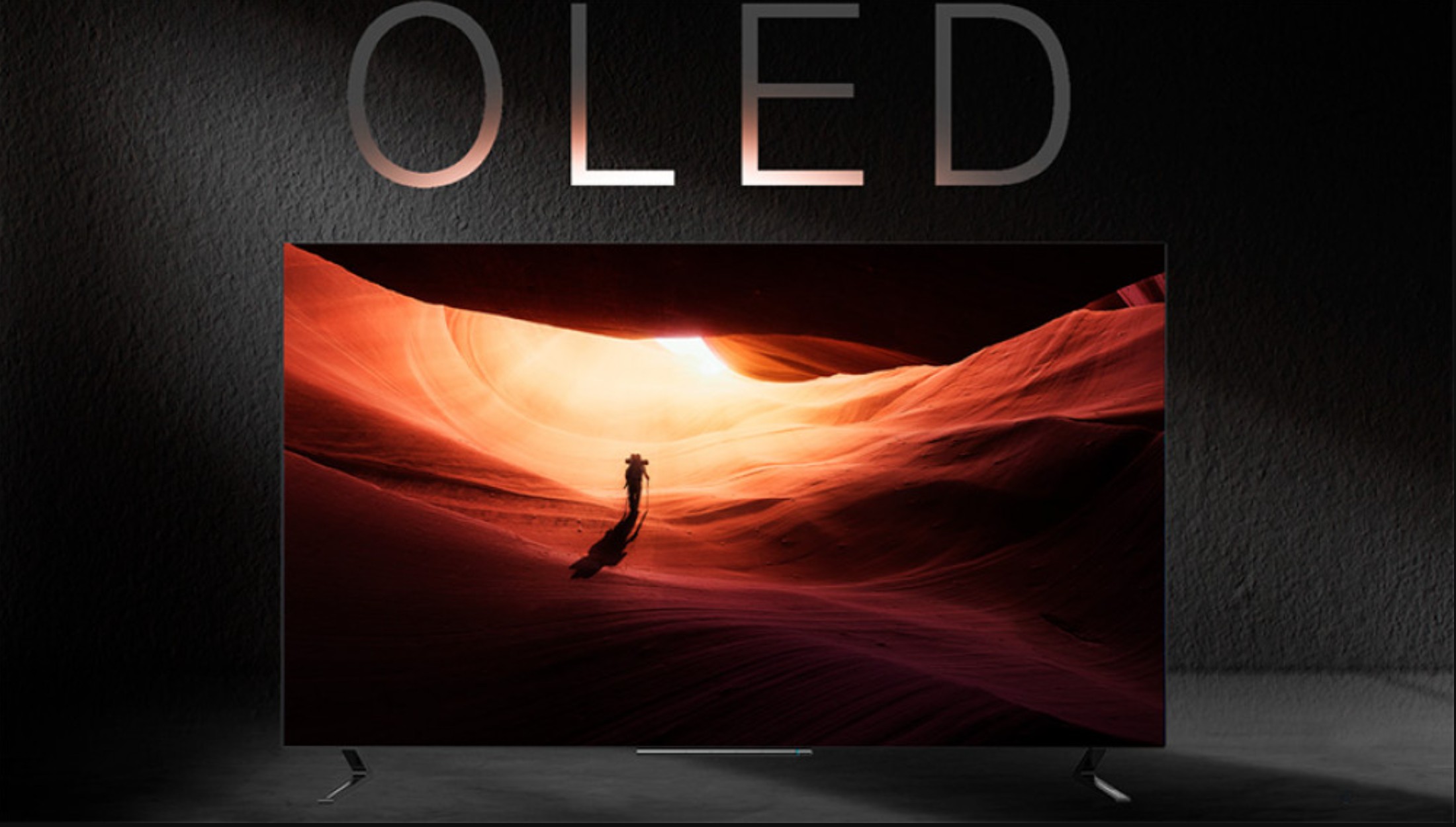
Konka’s 55- and 65-inch OLED TVs are positioned as premium European arrivals using LG Display WOLED panels.
Konka’s European OLED arrival is noteworthy because it brings another brand into a premium segment dominated by established names.
The announced 55- and 65-inch Konka 812 series models use LG Display WOLED panels and are described as ultra-slim.
Konka also highlights a TV audio system intended to deliver panoramic, cinematic-level sound, although the company has not provided further technical details, country availability, or pricing.
Best for: OLED shoppers watching for new European options
- 55- and 65-inch OLED sizes announced
- LG Display WOLED panel
- Ultra-slim 812 series design
- Manufacturer highlights panoramic cinematic-level sound
Verdict: A promising OLED entrant, but one to evaluate carefully once local model details, pricing, and full specifications are available.
2. Samsung AU7095: Affordable Crystal UHD 4K Smart TV
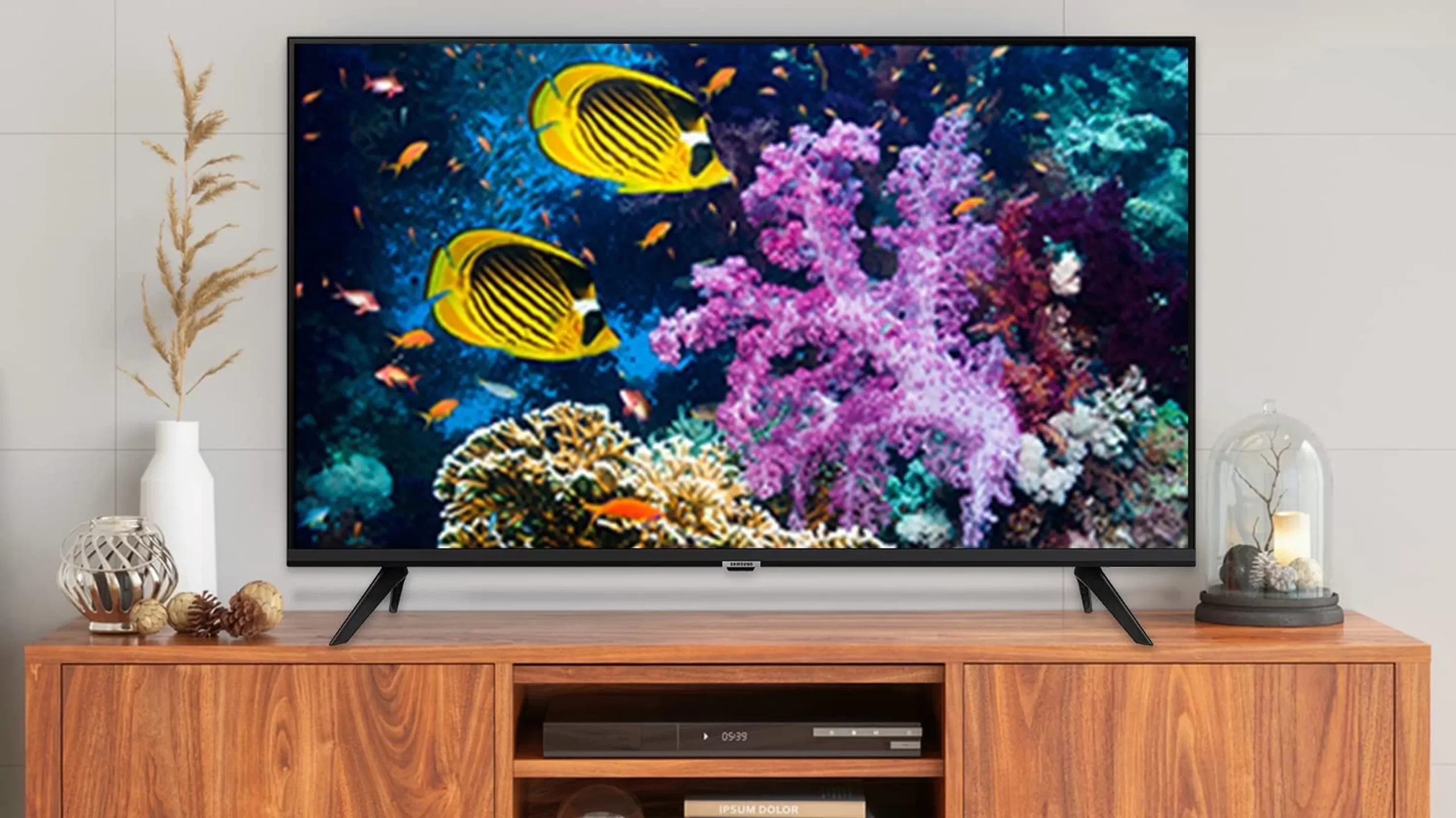
The Samsung Crystal UHD AU7095 uses a slim black chassis and thin bezels to keep the 43-inch model easy to integrate.
The Samsung Crystal UHD AU7095 is presented as an accessible 4K smart TV with a focus on value rather than high-end extras.
The 43-inch version is described as easy to place in different rooms, with a slim profile, thin front bezels, a black chassis, and a rear section that is not especially bulky.
It suits buyers who want a recognizable brand and a straightforward design at a more affordable level.
Best for: Affordable 43-inch 4K smart TV buyers
- Attractive quality-price positioning
- 43-inch size suits many rooms
- Slim style with thin bezels
- Rear section is not overly bulky
Verdict: A sensible entry-level Samsung option for smaller spaces where price, design, and basic 4K smart TV appeal matter most.
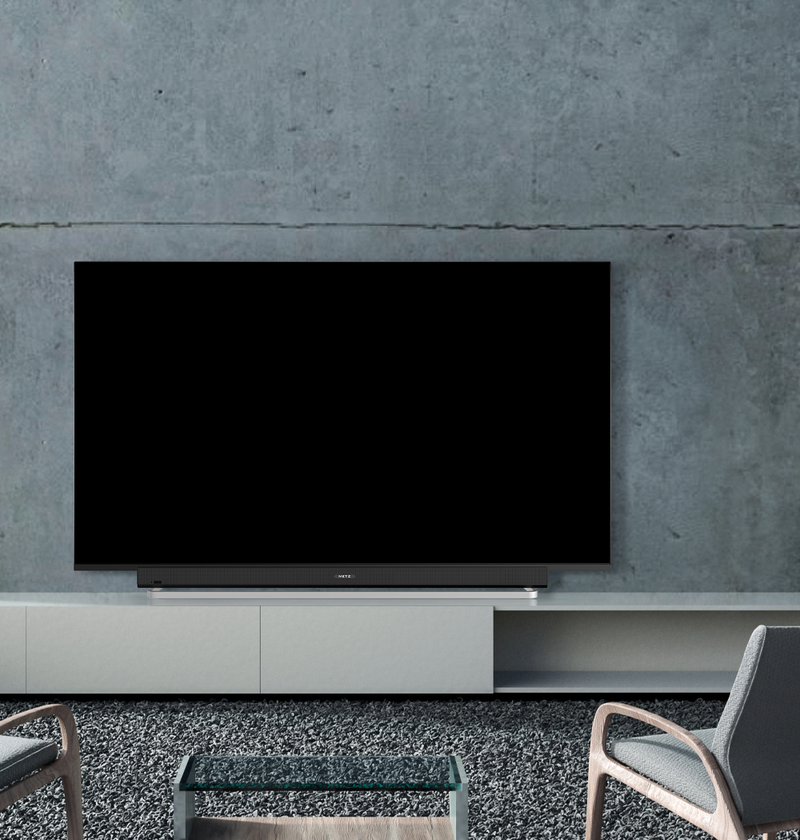
3. Metz 55MUB8000 Review • Fully fledged android TV
The Metz 55MUB8000 combines Android TV software with a slim-bezel design and a speaker section styled like a soundbar.
The Metz 55MUB8000 is described as a reliable mid-range TV with strong equipment, good picture quality, and an appealing price.
Its Android TV platform brings a familiar navigation environment, Google Assistant support, and Chromecast streaming from Android phones.
The set also includes a Bluetooth remote with a built-in microphone, instant access buttons for Netflix and Google Play, HDR10, HLG and Dolby Vision support, plus DTS TruSurround audio.
Best for: Mid-range buyers who want Android TV features
- Android TV with Google Assistant
- Chromecast support for Android phones
- HDR10, HLG and Dolby Vision
- Bluetooth remote with built-in microphone
Verdict: A well-equipped mid-range choice for viewers who value Android TV, broad HDR format support, and practical remote control features.
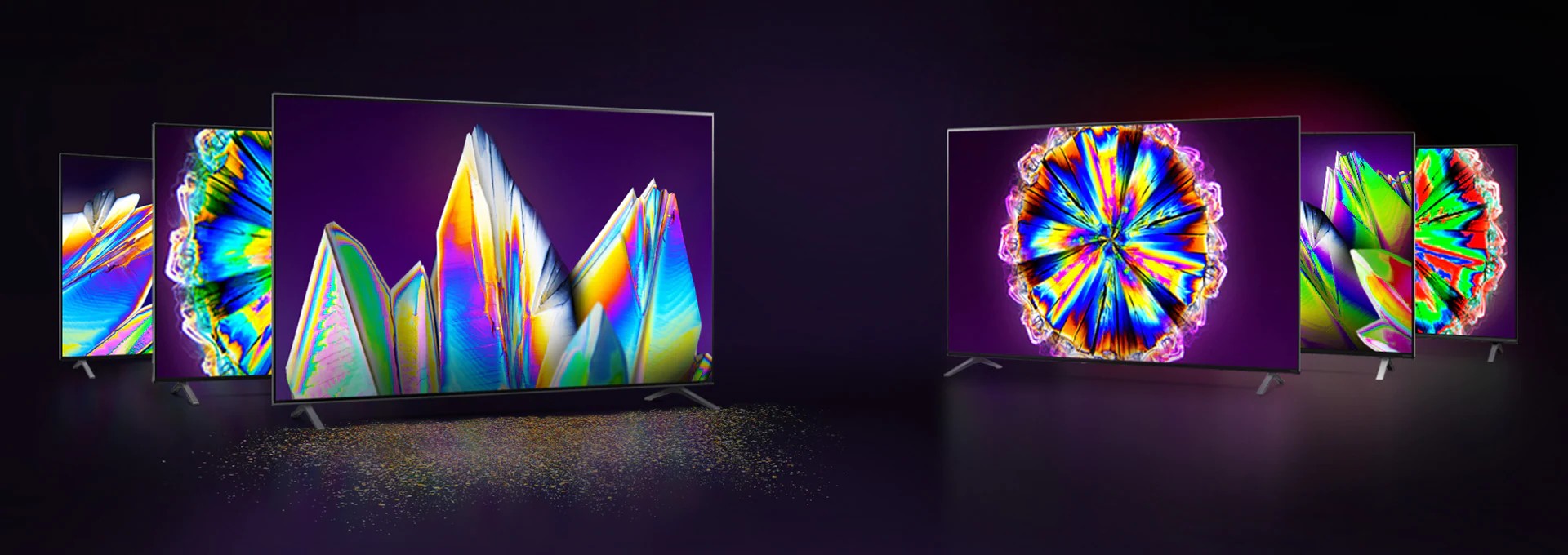
4. LG NanoCell TV Comparison
LG NanoCell TVs are presented as a 4K Ultra HD lineup with thin bezels, voice control, and HDR10 Pro and HLG support.
LG’s NanoCell comparison is useful for buyers choosing within the brand’s 4K Ultra HD LCD range.
The lineup is described as offering thin bezels, smart features that remain consistent across models, voice control, support for terrestrial and satellite channels, and HDR through HLG and HDR10 Pro.
Most models are built around IPS panels, with noted exceptions for the NANO77 series and 50-inch variants using VA panels, making panel type an important detail to check before purchase.
Best for: Comparing LG NanoCell models before buying
- Broad 4K Ultra HD NanoCell range
- HLG and HDR10 Pro support
- Thin-bezel design across the lineup
- Voice control and TV tuner support
Verdict: A helpful reference point for shoppers who want to understand LG NanoCell differences, especially panel type and shared smart features.

5. Samsung QN80F Review: A Brilliant Mid-Range Powerhouse
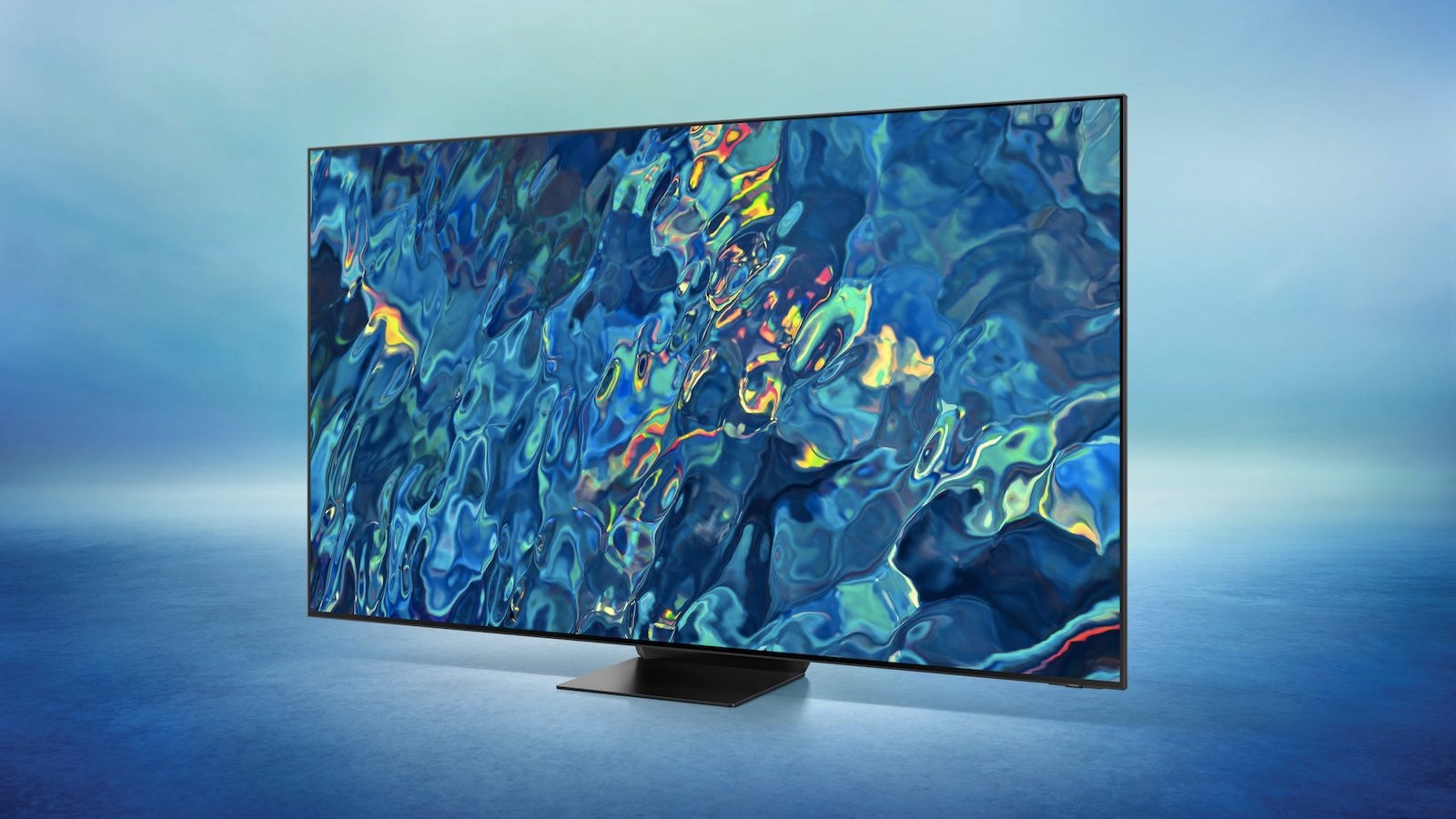
The Samsung QN80F combines a Mini-LED Neo QLED panel with slim bezels, a center stand, and four HDMI 2.1 ports.
The Samsung QN80F Neo QLED stands out in the source as a mid-range Mini-LED option with strong gaming credentials.
It offers screen sizes up to 100 inches, a 144Hz refresh rate, and four full-bandwidth HDMI 2.1 ports.
The design includes slim bezels, a stable center-mounted stand with soundbar clearance, and cable-management channels, while the VA-type panel is paired with Quantum Matrix Technology and Supreme UHD Dimming for deep blacks, vivid colors, and sharp images. Wall mounting may require extra planning because the rear inputs sit in a recessed area.
Best for: Gaming and big-screen movie viewing on a mid-range budget
- Mini-LED Neo QLED panel
- 144Hz refresh rate
- Four full-bandwidth HDMI 2.1 ports
- Screen sizes up to 100 inches
Verdict: A feature-rich Neo QLED that prioritizes gaming connectivity, large screen options, and a refined but practical design.

6. What to look for when choosing a new TV
The TV buying guide focuses on room size, screen diagonal, smart features, streaming, and console gaming considerations.
This buying guide is not a single TV recommendation, but it is useful for framing the decision before comparing models.
It stresses that modern TVs handle far more than broadcast viewing, including Smart TV apps, YouTube, smartphone and laptop content, streaming, and console gaming.
It also emphasizes matching screen size and diagonal to the room and paying attention to picture detail, depth, and clarity when gaming or streaming films.
Best for: First-time buyers setting priorities
- Covers Smart TV and streaming use
- Highlights console gaming needs
- Emphasizes room size and screen diagonal
- Recommends considering established brands
Verdict: A practical checklist for narrowing choices before deciding between OLED, QLED, NanoCell, or affordable 4K models.
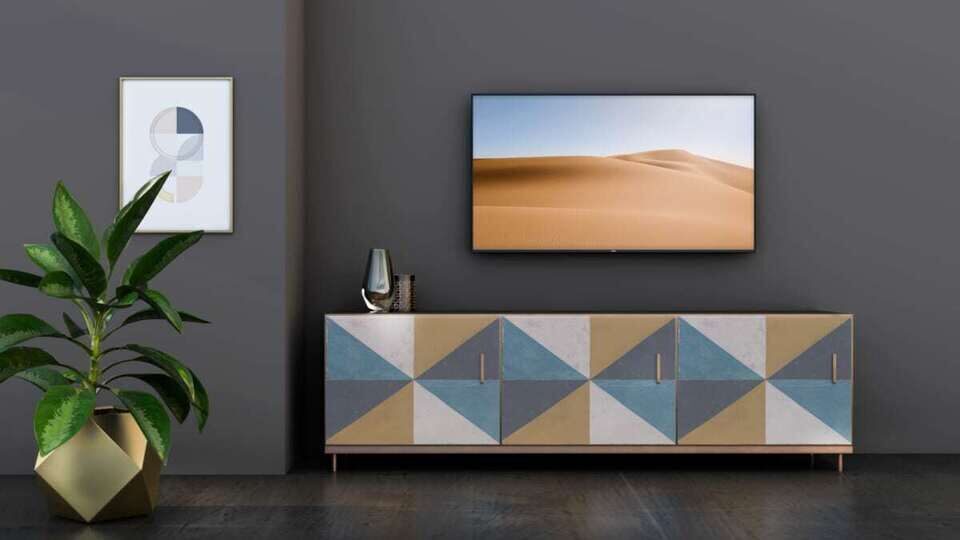
7. Nokia QLED TVs are coming to Europe
Nokia’s QLED TVs use 4K Android TV software and LCD panels with quantum-dot film across sizes from 43 to 70 inches.
Nokia’s European QLED range is described as a series of 4K Android TV models from 43 to 70 inches, manufactured under license by Streamview.
The source clarifies that these are entry-level QLED TVs using quantum dots on a separate film with an LCD panel to expand color gamut.
They include Android TV access to services such as Disney+ and Netflix, DVB-T2, S2 and C tuners, a subwoofer, three HDMI 2.0 ports, Wi-Fi, Bluetooth, Chromecast ecosystem support, and a game mode.
Best for: Android TV buyers wanting an entry-level QLED range
- 43- to 70-inch 4K range
- Android TV with major app access
- DVB-T2, S2 and C tuners
- Wi-Fi, Bluetooth and Chromecast support
Verdict: A broad and practical Android TV lineup, though the source positions its QLED implementation as entry-level rather than premium.
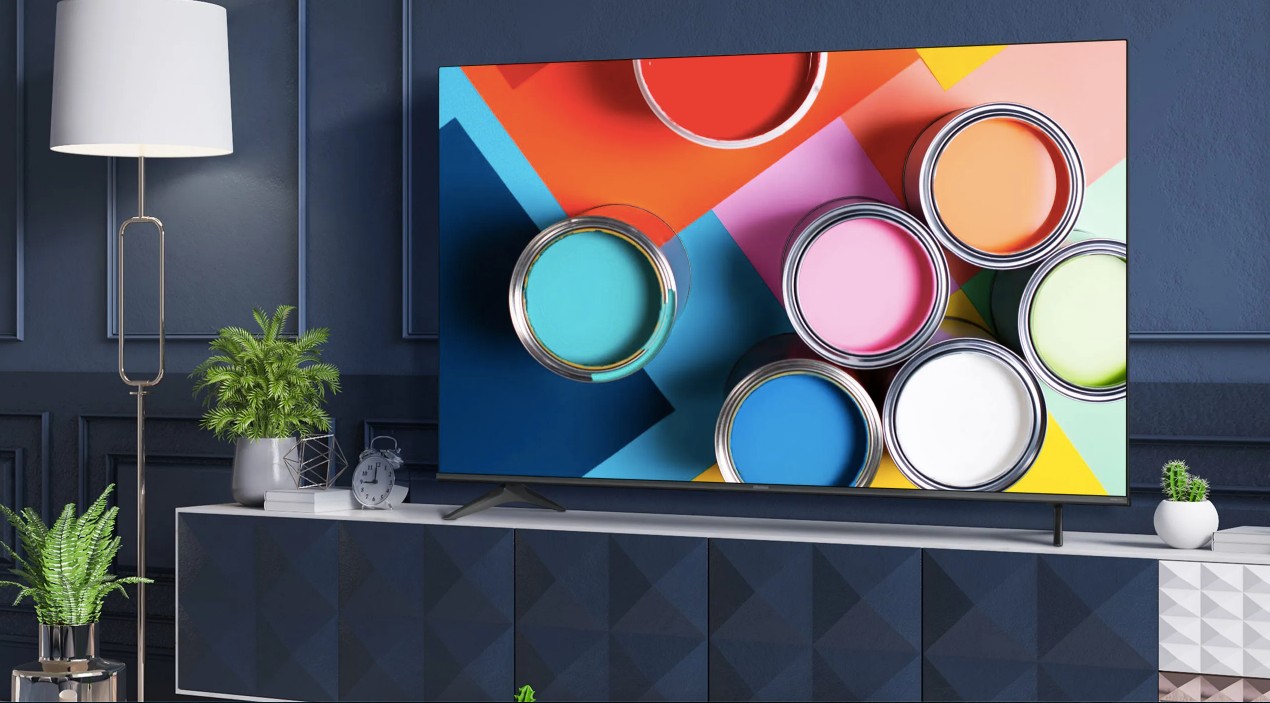
8. Hisense A6BG: 4K Ultra HD TV at an affordbale price
The Hisense 58A6BG is positioned as an affordable 4K Ultra HD TV suited to medium rooms and wall mounting.
The Hisense A6BG is presented as an affordable 4K Ultra HD TV focused on performance for the price.
The 58-inch Hisense 58A6BG is described as an ideal size for medium rooms, with a design that is considered regular rather than especially distinctive.
The source also notes that using a VESA mount can simplify installation, particularly for wall placement.
Best for: Value-focused 58-inch 4K buyers
- Affordable 4K Ultra HD positioning
- 58-inch size suits medium rooms
- VESA mounting is recommended for easy wall installation
- Performance-focused for the price
Verdict: A budget-conscious 4K option for medium rooms, with practical wall-mounting appeal rather than standout styling.
9. Philips OLED936: New flagship TV with Bowers & Wilkins sound
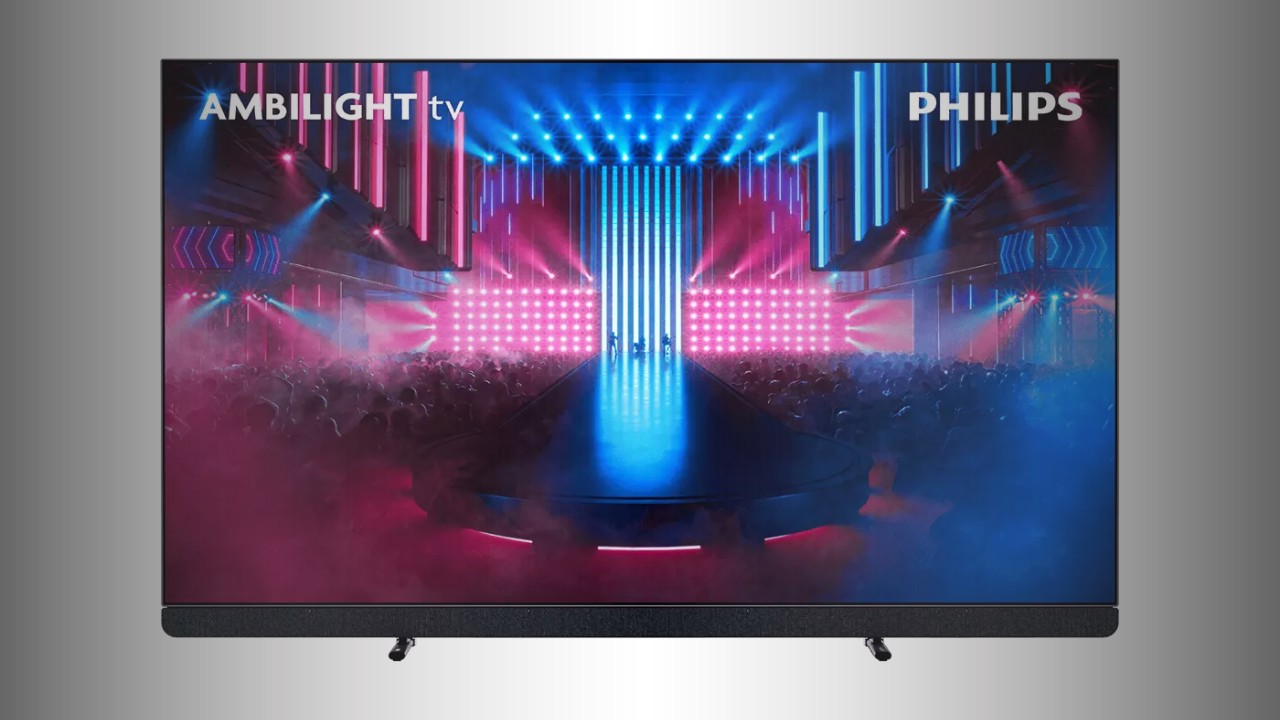
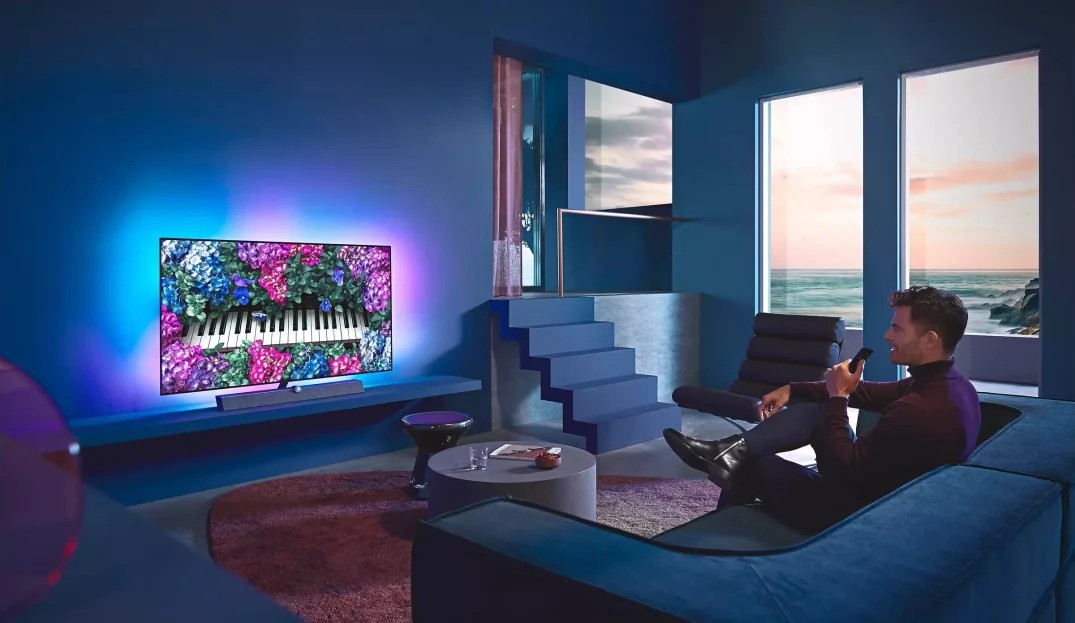
The Philips OLED936 combines OLED+ positioning, 4-sided Ambilight, Bowers & Wilkins sound, and HDMI 2.1 gaming features.
The Philips OLED936 is positioned as a premium OLED+ model with an emphasis on picture processing, Ambilight, gaming support, and audio.
It is offered in three diagonals and includes 4-sided Ambilight with Hue lighting integration, plus Music, Game, and Lounge modes.
The dual P5 processor uses artificial intelligence features including HDR10+ Adaptive with a light sensor, Fast Motion Clarity for games and sports, AI PQ for images, and AI EQ for sound. Connectivity includes HDMI 2.1 support for 4K/120Hz along with eARC, VRR, and ALLM, while the smart platform is Android with Google Assistant.
Best for: Premium OLED viewers who also care about sound and gaming features
- 4-sided Ambilight with Hue integration
- Bowers & Wilkins sound positioning
- HDMI 2.1 with 4K/120Hz, VRR and ALLM
- Dual P5 processor with AI picture and sound features
Verdict: A high-spec Philips OLED for buyers who want Ambilight, advanced processing, HDMI 2.1 gaming features, and integrated premium audio positioning.
10. Philips 55OLED705: Crystal clear images combined with impressive ambilight
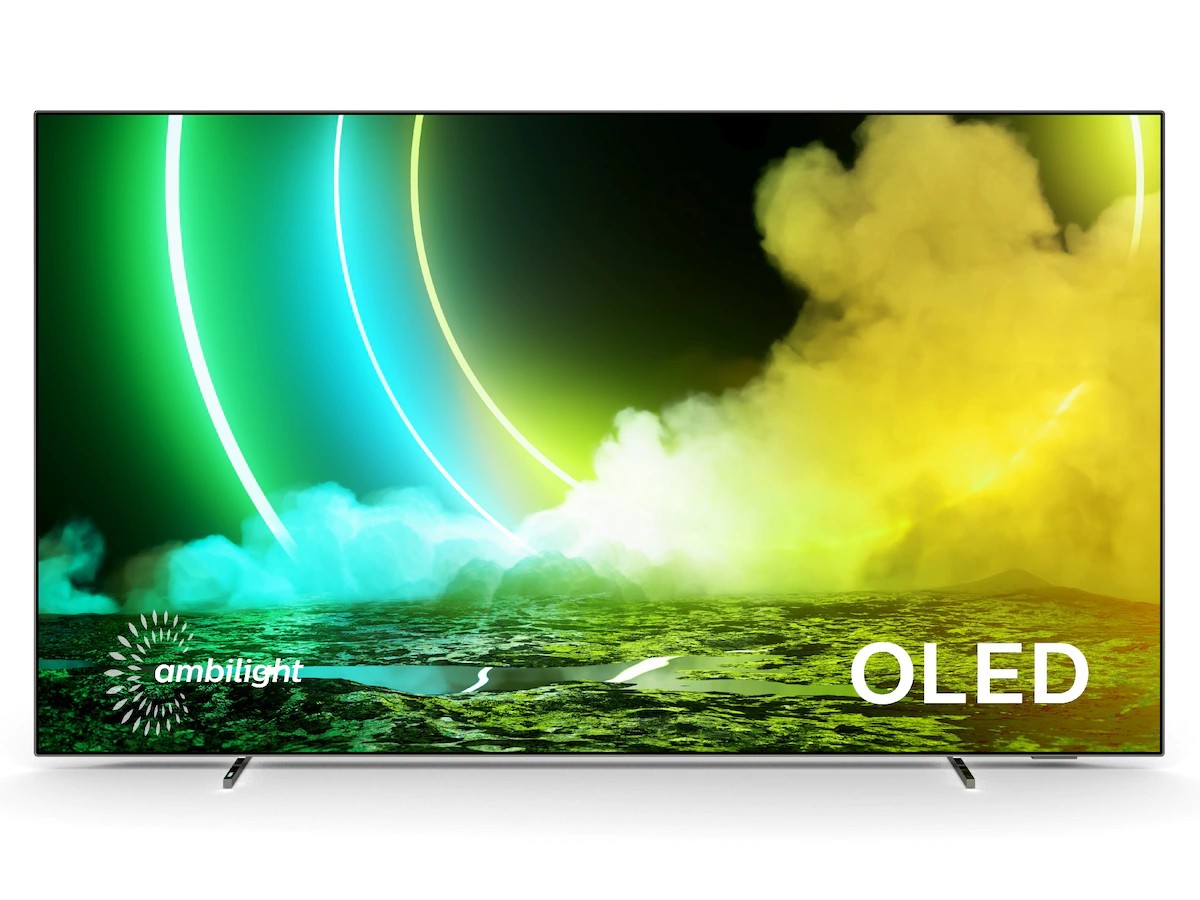
The Philips 55OLED705 pairs a 55-inch OLED panel with a black chassis, thin bezels, and Philips Ambilight.
The Philips 55OLED705 is presented as a 55-inch OLED TV with an attractive design and Ambilight appeal.
The source highlights its black chassis, thin front bezels, and ability to fit well in different environments.
It is framed as a model for buyers interested in OLED image quality and Philips’ Ambilight experience, while also acknowledging that any purchase should be judged against individual expectations and less favorable aspects covered in a full review.
Best for: OLED buyers who want Philips Ambilight in a 55-inch screen
- 55-inch OLED format
- Ambilight experience
- Thin front bezels
- Black chassis with adaptable styling
Verdict: A visually appealing 55-inch Philips OLED for viewers drawn to slim-bezel design and Ambilight-enhanced viewing.
Quick comparison
The selections differ widely: some are full product reviews, some are lineup comparisons or launch reports, and one is a general buying guide.
The safest way to compare them is by screen technology, smart platform, room fit, and the specific features confirmed in the source material.
| Product | Best for | Verdict |
|---|---|---|
| Konka OLED TVs in Europe | OLED shoppers waiting for 55- or 65-inch European options | Interesting because of LG Display WOLED panels, but incomplete availability, specification, and pricing details limit certainty. |
| Samsung AU7095: Affordable Crystal UHD 4K Smart TV | Affordable 43-inch 4K smart TV buyers | A value-oriented Samsung with slim styling and a compact size suited to many rooms. |
| Metz 55MUB8000 Review • Fully fledged android TV | Mid-range Android TV users | Strong on platform features, HDR format support, Chromecast, Google Assistant, and remote control convenience. |
| LG NanoCell TV Comparison | Buyers comparing LG’s 4K NanoCell range | Most useful for understanding shared LG NanoCell features and checking panel type before choosing a model. |
| Samsung QN80F Review: A Brilliant Mid-Range Powerhouse | Gaming-focused buyers and large-screen viewers | The standout for confirmed gaming connectivity, high refresh rate, Mini-LED Neo QLED design, and big size availability. |
| What to look for when choosing a new TV | Shoppers who need a buying checklist before comparing models | Helpful for setting priorities around room size, smart features, streaming, and gaming before selecting a TV. |
| Nokia QLED TVs are coming to Europe | Entry-level QLED and Android TV buyers | A broad 43- to 70-inch Android TV range with tuners, wireless connectivity, Chromecast support, and game mode. |
| Hisense A6BG: 4K Ultra HD TV at an affordbale price | Affordable 58-inch 4K TV shoppers | A practical value model for medium rooms, especially if wall mounting is part of the plan. |
| Philips OLED936: New flagship TV with Bowers & Wilkins sound | Premium OLED buyers wanting Ambilight, sound focus, and gaming features | The most feature-dense Philips option here, combining OLED+, 4-sided Ambilight, HDMI 2.1 support, and Bowers & Wilkins sound positioning. |
| Philips 55OLED705: Crystal clear images combined with impressive ambilight | 55-inch OLED buyers attracted to Ambilight | A design-conscious Philips OLED with thin bezels, a black chassis, and the brand’s signature Ambilight appeal. |
Frequently asked questions
Should I choose OLED, QLED, NanoCell, or a standard 4K TV?
Use the supplied models as a guide to priorities.
Philips and Konka OLED models are positioned around premium viewing and image quality.
Nokia QLED uses quantum-dot film with LCD to expand color gamut, while Samsung’s QN80F Neo QLED adds Mini-LED and gaming-focused hardware. LG NanoCell is useful if you are comparing a broad 4K LCD lineup with voice control, HDR10 Pro and HLG support, and mostly IPS-based viewing-angle advantages. Affordable 4K sets from Samsung and Hisense make more sense when value, size, and room fit matter most.
Which confirmed features matter most for gaming?
Look for the exact gaming features stated for each model.
The Samsung QN80F is the strongest gaming-oriented entry in the supplied material, with a 144Hz refresh rate and four full-bandwidth HDMI 2.1 ports.
The Philips OLED936 also lists HDMI 2.1 support for 4K/120Hz, eARC, VRR and ALLM, plus Fast Motion Clarity for games and sports. Nokia’s QLED range includes a game mode, but the source only specifies HDMI 2.0 ports, so it should be judged differently from the HDMI 2.1 models.
How should I choose the right TV size?
Match the diagonal to the room and placement.
The Samsung AU7095’s 43-inch version is described as easy to fit in many rooms, while the Hisense 58A6BG is framed as suitable for medium rooms.
Konka’s OLED announcement covers 55- and 65-inch sizes, Nokia’s QLED range spans 43 to 70 inches, and the Samsung QN80F extends to very large screen sizes. Also consider whether the stand fits your furniture and whether wall mounting is planned.
Which smart TV platform details are supported by the sources?
Metz and Nokia use Android TV, with the Metz adding Google Assistant and Chromecast support from Android phones, and Nokia adding app access such as Disney+ and Netflix along with Chromecast ecosystem support.
The Philips OLED936 also uses Android with Google Assistant.
LG NanoCell models are described with webOS smart features and voice control. For Samsung and Hisense entries, the supplied material emphasizes affordability, 4K, design, or gaming features more than detailed platform comparisons.
How to choose from these 10 TVs and TV guides
Start by separating must-have features from nice-to-have extras.
If gaming is central, the Samsung QN80F and Philips OLED936 have the clearest confirmed gaming credentials, with HDMI 2.1 features and high-performance motion support stated in the source material.
If integrated sound and Ambilight matter, the Philips OLED936 is the premium Philips choice, while the Philips 55OLED705 is the simpler 55-inch OLED route for viewers drawn to Ambilight and slim design.