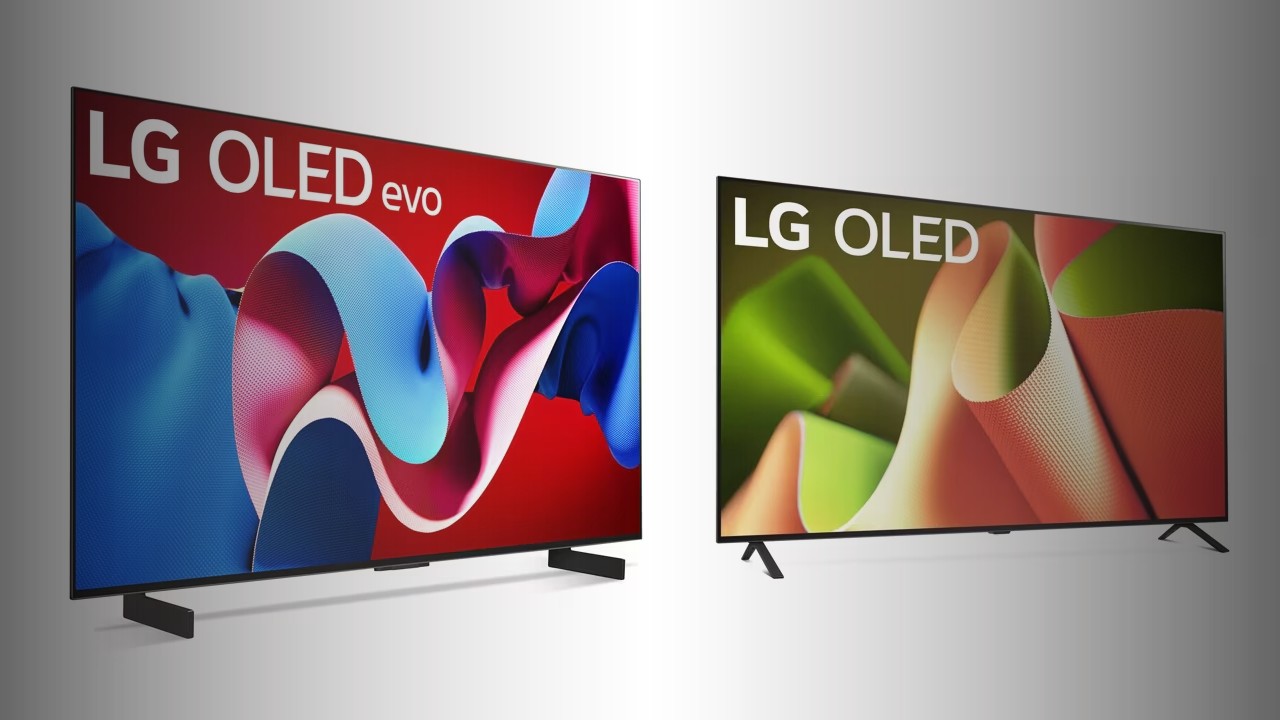
Choosing a TV is rarely just a question of picking the largest screen available.
The source material here covers OLED models, a QLED set, a full-array LCD, Mini-LED market context, emerging display concepts and the everyday usefulness of Wi-Fi smart TV features.
Read together, they show how different priorities lead to very different shortlists. OLED remains the recurring theme for buyers who care about black level, contrast and thin-panel design, with Sony, LG and Philips represented in different ways. QLED and full-array LCD models offer a different balance, with Oppo focusing on brightness, backlighting zones and an unusually ambitious sound system, while Sony’s X90L article frames full-array local dimming as a more accessible route into Sony processing and Google TV. Not every entry is a conventional product recommendation. Some articles are comparison pieces or technology reports, including Mini-LED shipment trends and Samsung’s foldable-and-extendable display concept. They are included because they help explain where TV and display technology is heading, and where a current purchase should be judged on real, available features rather than future promises.
1. What’s the difference between Sony A80K and A90K
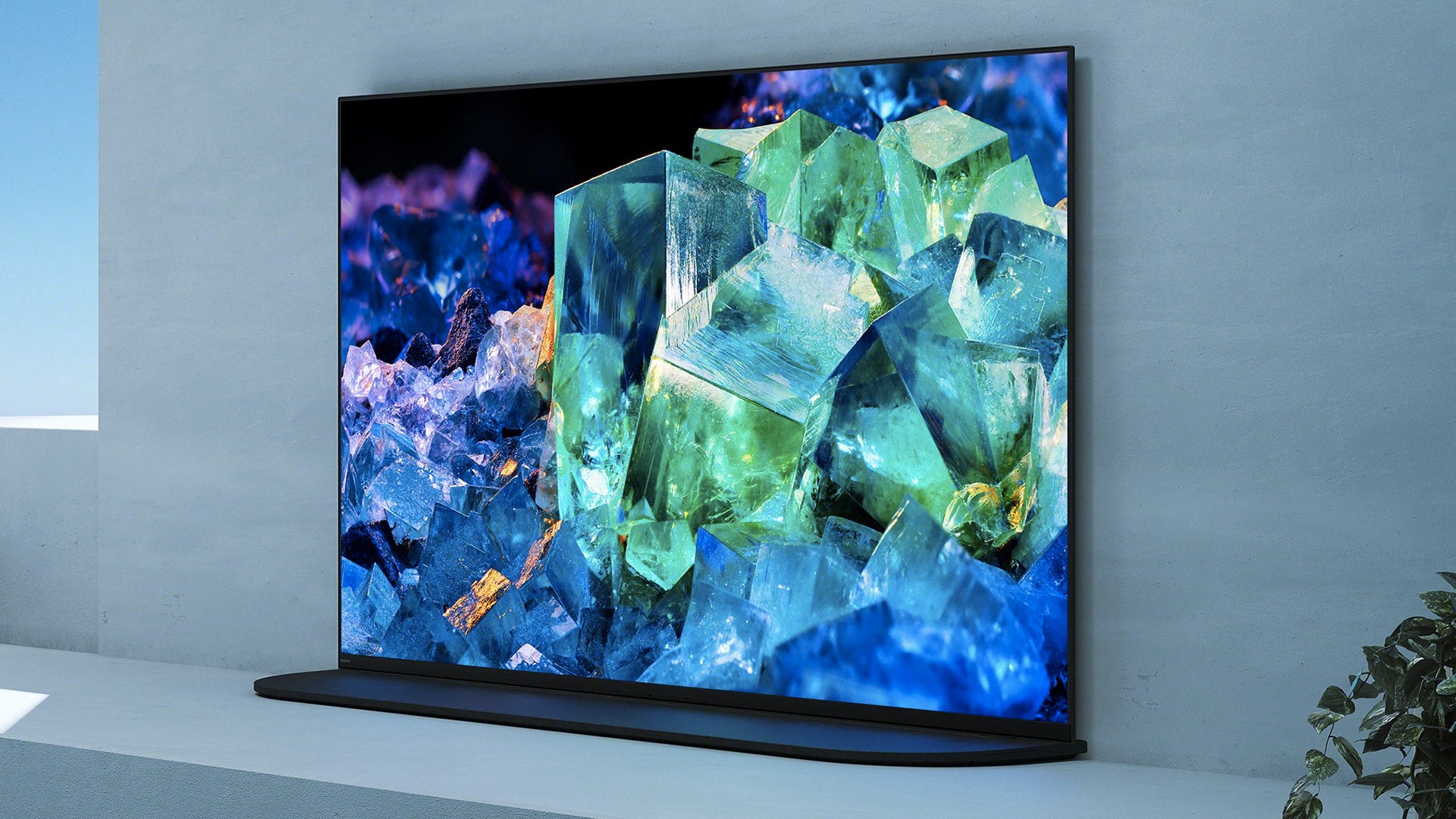
Sony A80K and A90K are separated most clearly by available screen sizes and stand design.
This comparison is useful for buyers deciding between two Sony 4K OLED lines rather than choosing between unrelated technologies.
The central distinction is screen size: A90K is positioned around compact 42-inch and 48-inch OLED options, while A80K covers larger 55-inch, 65-inch and 77-inch sizes.
The article also notes a design difference, with the compact A90K using a center stand. For many buyers, that makes the choice straightforward: choose A90K when a smaller premium OLED is needed, and A80K when the room calls for a larger Sony OLED.
Best for: Sony OLED buyers choosing by screen size
- Compact 42-inch and 48-inch A90K options
- Larger 55-inch, 65-inch and 77-inch A80K options
- 4K OLED focus across both lines
- A90K center-stand design noted
Verdict: The A80K and A90K comparison is most valuable when the main decision is compact versus larger Sony OLED rather than a broad feature contest.
2. LG C3: Unrivaled gaming performance and excellent image quality
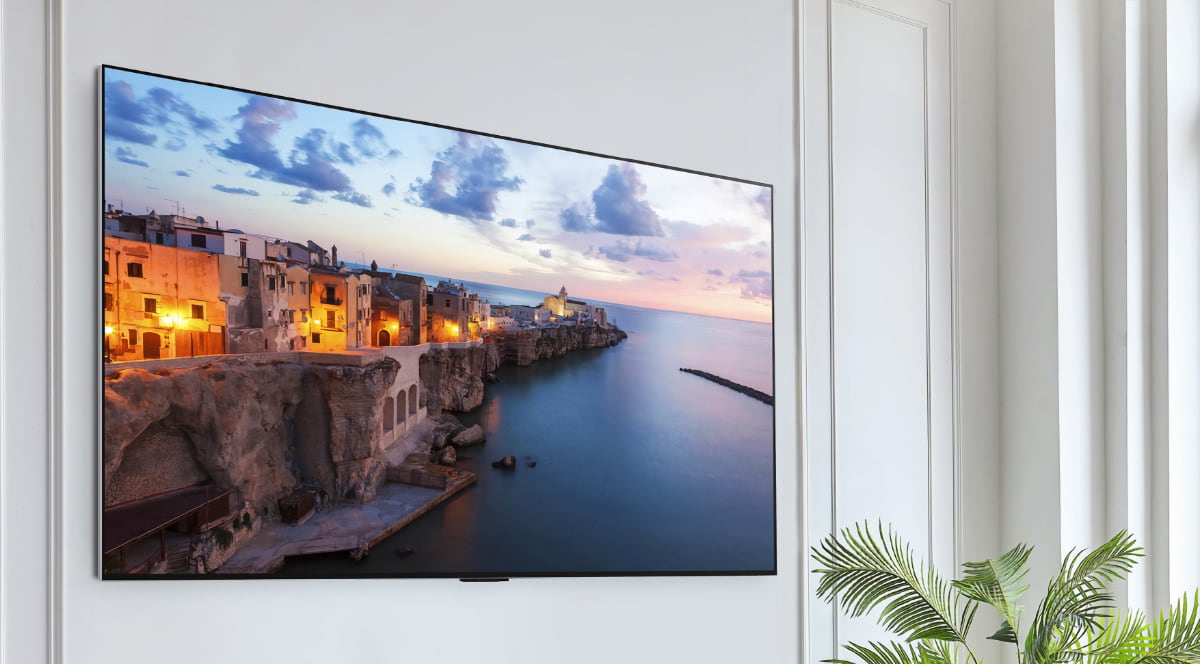
LG C3 combines an OLED Evo panel with a narrower stand and lighter body for easier room integration.
The LG C3 article presents the C-series OLED as a familiar design refined rather than radically changed.
Its stand is described as narrower and slightly higher, which helps with furniture placement and leaves space for a soundbar.
The source also notes a lighter carbon body for reduced wall load compared with earlier models, plus an OLED Evo panel and Alpha9 Gen6 processor. Buyers considering wall mounting should note the specified VESA requirement in the source rather than assuming the bracket is included.
Best for: OLED shoppers who want flexible placement
- OLED Evo panel specified
- Peak brightness stated at 850 nits
- Narrower, higher stand for easier placement
- Lighter carbon body for wall mounting
Verdict: The LG C3 stands out in the source as a refined OLED option with practical design changes and the familiar strengths of an OLED Evo panel.
3. LG OLED55E9: A TV that thinks and learns
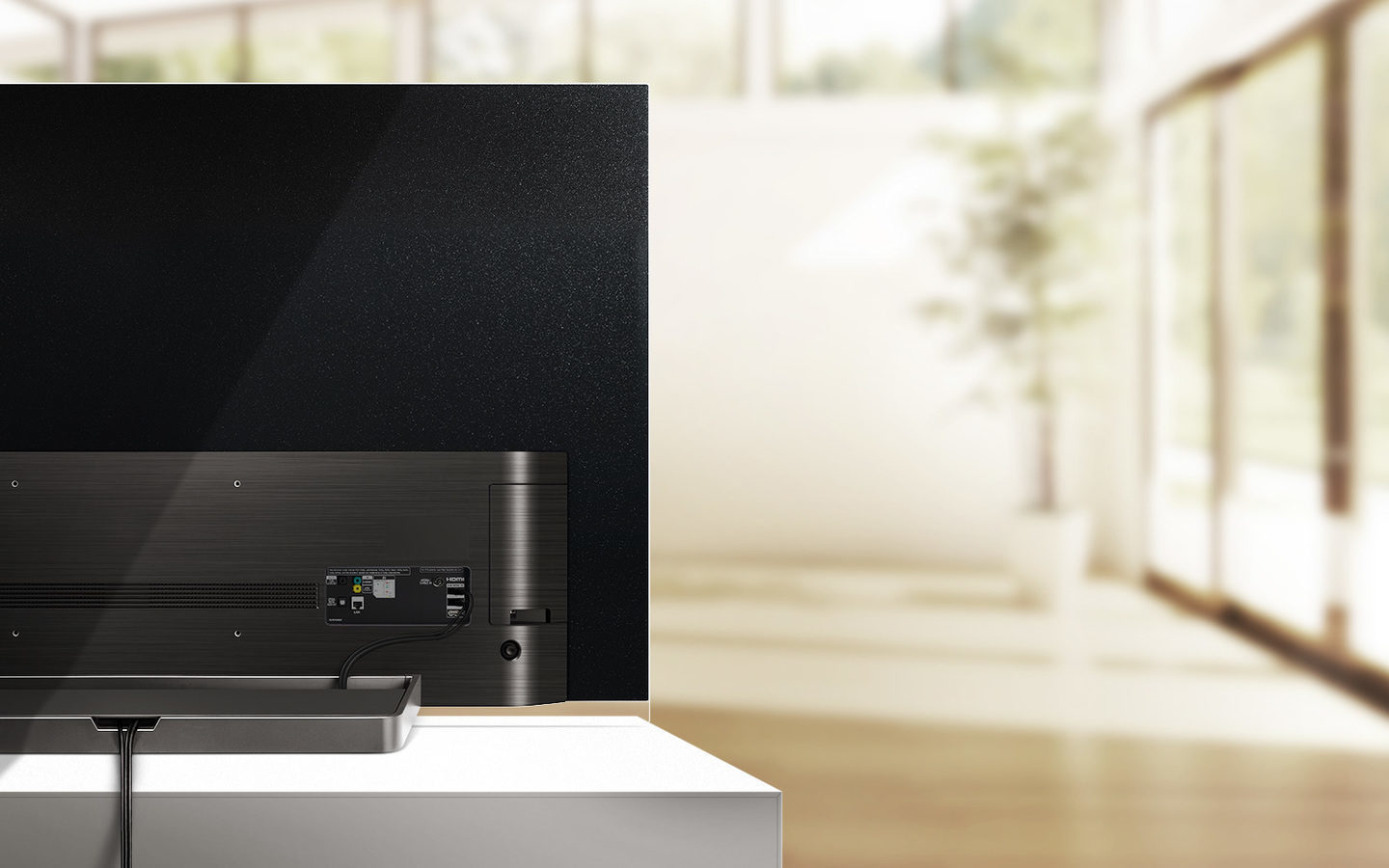
LG OLED55E9 highlights OLED’s thin-panel construction, self-lit pixels and black-level strengths.
The LG OLED55E9 article frames OLED as a mature display technology built around self-emissive pixels, very thin panels and absolute black.
It also discusses hardware and software with machine-learning elements in this OLED generation.
The piece is especially helpful for understanding why OLED has long appealed to picture-quality enthusiasts: contrast and saturation are described as strengths from the outset, while brightness is presented as the area where OLED is less simple to push forward. That makes the OLED55E9 a useful reference point for buyers weighing OLED strengths against brightness expectations.
Best for: Picture-quality buyers prioritizing OLED contrast
- Self-emissive OLED pixels
- Very thin panel design
- Absolute black and strong contrast described
- Machine-learning elements discussed
Verdict: The LG OLED55E9 is best understood as an OLED picture-quality reference with smart processing ambitions rather than as a brightness-led display.

4. Philips OLED706 and how it differs from OLED806 and OLED705
Philips OLED706 brings Android TV and HDMI 2.1 to a more accessible Philips OLED series.
The Philips OLED706 article positions this series as a more affordable OLED route within Philips’ range.
It is described as available in 55-inch and 65-inch sizes, with a 3840 x 2160 OLED panel, HDR support and a 100 Hz refresh rate.
A key upgrade over the predecessor is HDMI 2.1, with 4K video playback at 120 Hz also noted. Android TV is another practical distinction, making the OLED706 relevant for buyers who want OLED picture characteristics without moving straight to the company’s higher OLED tiers.
Best for: Value-focused Philips OLED shoppers
- More affordable Philips OLED positioning
- Android TV included
- HDMI 2.1 added
- 4K playback at 120 Hz noted
Verdict: The Philips OLED706 is the practical Philips OLED pick in this set when HDMI 2.1, Android TV and price positioning matter more than stepping up the range.

5. Growth in Mini-LED Display Shipments to Halt After Apple Switches to OLED Panels
Mini-LED remains an important premium TV technology even as other device categories shift toward OLED.
This is not a TV review, but it provides useful context for premium TV buyers comparing OLED and Mini-LED.
The article reports that Mini-LED use is expected to increase in TVs and monitors even as it decreases in some laptops, and that Samsung and other manufacturers continue using Mini-LED in premium TV models.
For a TV shopper, the practical takeaway is not to treat Mini-LED as a disappearing TV technology simply because other device categories may move toward OLED. Panel choice still depends on the product category and manufacturer strategy.
Best for: Buyers comparing premium display technologies
- Mini-LED remains relevant for premium TVs
- TV and monitor use is described as increasing
- Useful context for OLED versus Mini-LED decisions
Verdict: The Mini-LED shipment article helps separate broader display-market shifts from the continued role of Mini-LED in premium televisions.
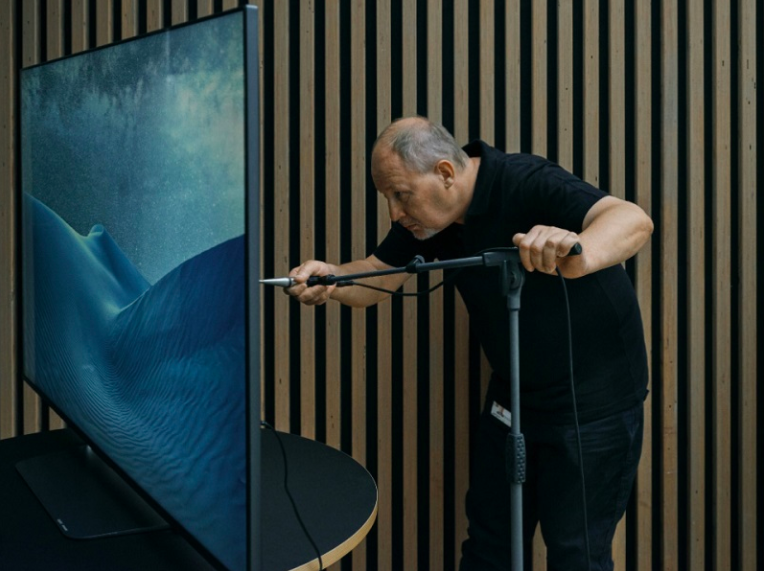
6. Oppo 65S1: QLED TV with sound from Dynaudio
Oppo 65S1 pairs a 65-inch QLED screen with Dynaudio-curated 5.1.2-channel sound.
The Oppo 65S1 is one of the most specification-heavy TVs in the source set.
It is a 65-inch 4K QLED smart TV with a 120 Hz panel, VRR for gaming, a 210-zone backlight and a stated brightness of 1500 nits.
The article also emphasizes wide HDR support, including Dolby Vision, HDR10, HDR10+ and HLG, plus a 5.1.2-channel Dolby Atmos speaker system using 18 speakers and Dynaudio involvement. Connectivity details include Wi-Fi 6, Bluetooth, three HDMI ports and two HDMI 2.1 inputs with eARC support.
Best for: Feature-heavy QLED buyers who value built-in sound
- 65-inch 4K QLED panel at 120 Hz
- 210-zone backlight and 1500-nit brightness stated
- Dolby Vision, HDR10, HDR10+ and HLG support
- 5.1.2-channel Dolby Atmos sound with 18 speakers
Verdict: The Oppo 65S1 is the most integrated all-rounder here, combining QLED brightness claims, gaming-related features and an unusually ambitious speaker system.
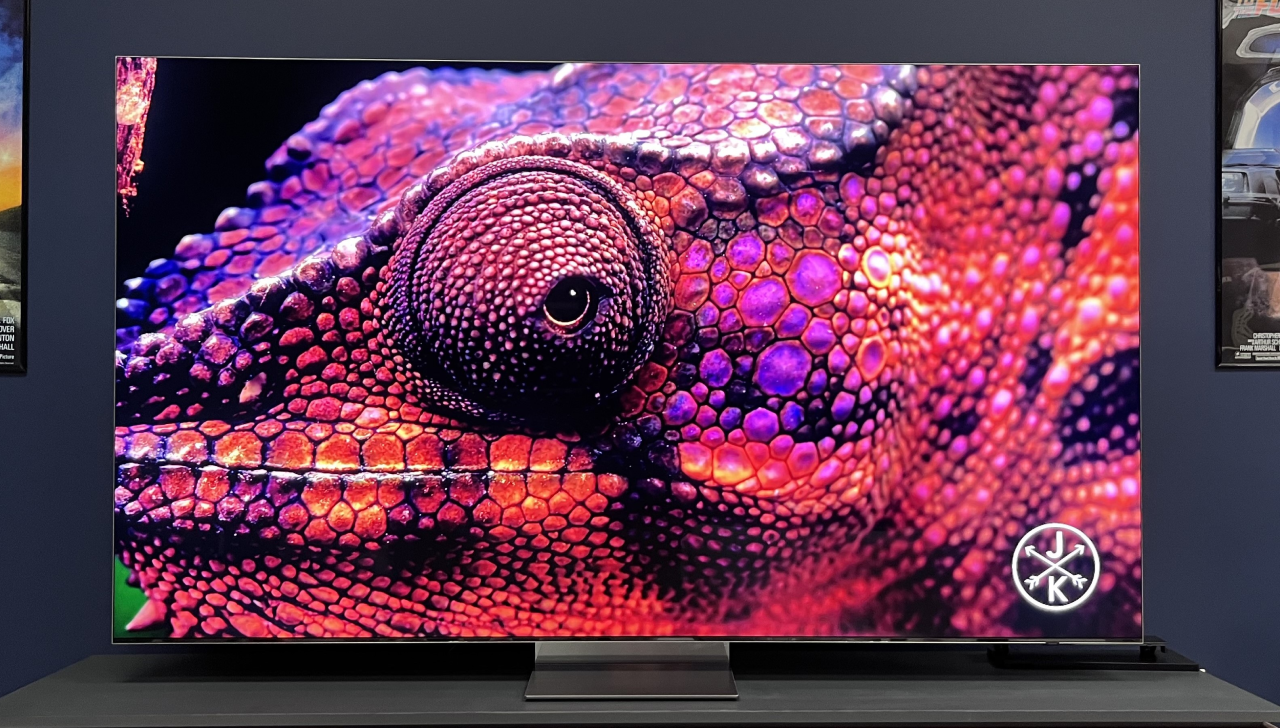
7. Samsung QN900D 8K TV
Samsung QN900D focuses on high-refresh 4K playback through compatible HDMI and DSC source devices.
The Samsung QN900D article centers on refresh-rate capability rather than conventional TV basics.
It describes the QN900D as an 8K TV able to deliver 240 Hz refresh at both 1080p and 4K, using Samsung’s NQ8 AI Gen3 video processor.
The article is careful about the requirement for 4K at 240 Hz over HDMI: the source device must support Display Stream Compression over HDMI 2.1a. That makes the QN900D most relevant to high-end PC users and specialist setups, not casual buyers expecting every source to provide that signal automatically.
Best for: High-refresh gaming and specialist PC setups
- 8K TV positioning
- 240 Hz support at 1080p and 4K described
- NQ8 AI Gen3 processor specified
- 4K at 240 Hz supported with compatible DSC sources
Verdict: The Samsung QN900D is the technical outlier in this guide, strongest for buyers who can actually feed it the required high-refresh 4K signal.

8. Samsung plans to introduce a hybrid display that can be folded and extended
Samsung’s reported hybrid display concept combines folding and extension in a small experimental panel.
This Samsung article is a forward-looking display concept rather than a living-room TV recommendation.
The reported hybrid panel can fold and also extend, with the described experimental size moving from 8 inches folded to 10 inches unfolded and up to 12.4 inches extended.
The source also notes unresolved questions around software, non-standard sizes and commercial use. For TV buyers, its value is mainly cautionary: exciting display concepts should not be confused with available large-screen televisions or with features ready for normal home cinema use.
Best for: Readers tracking future display formats
- Foldable and extendable display concept
- 8-inch folded and 10-inch unfolded sizes described
- Extends up to 12.4 inches in the report
- Highlights future form-factor experimentation
Verdict: Samsung’s hybrid display concept is interesting technology context, but it should not influence a current TV purchase the way real panel type, size and inputs should.
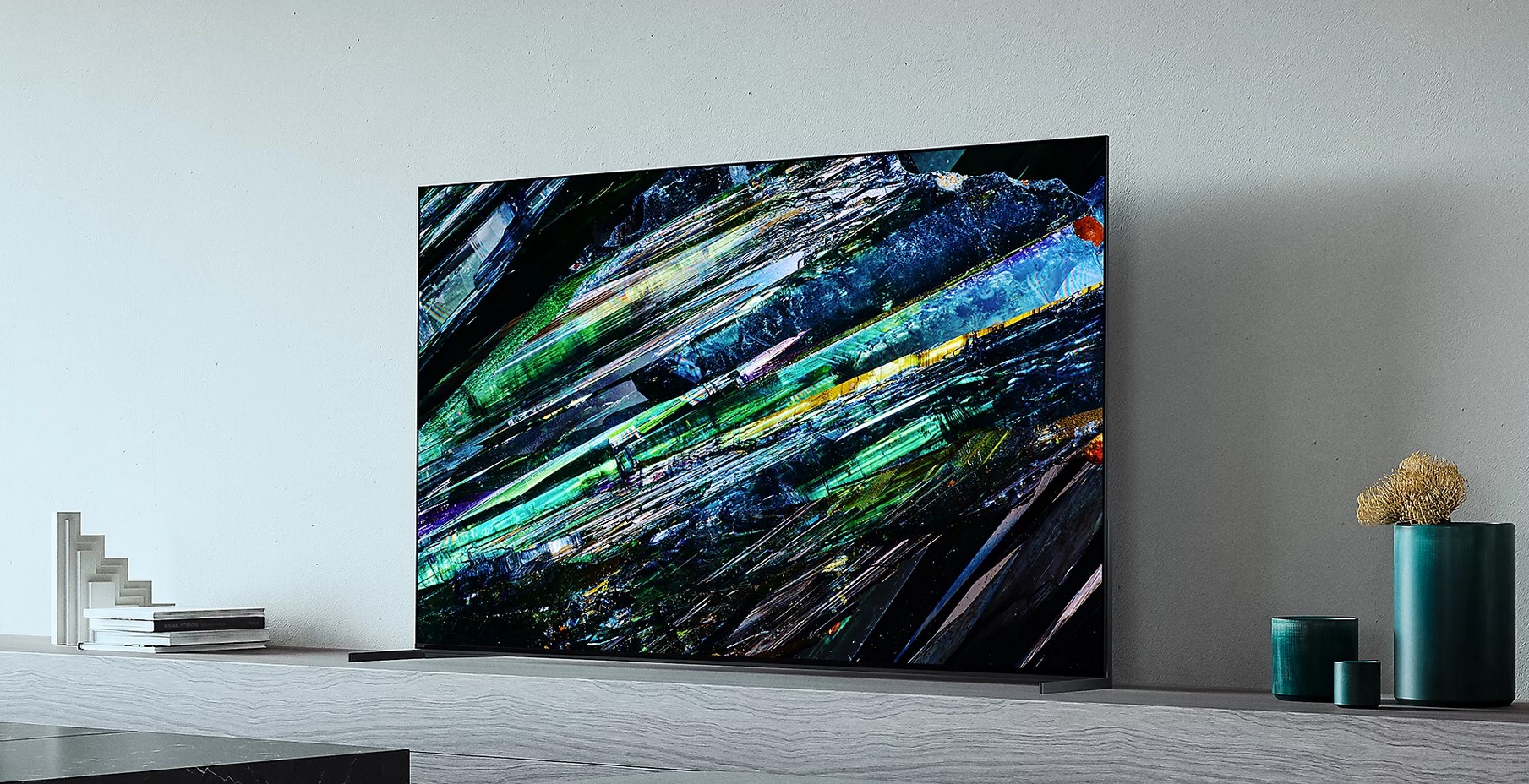
9. Sony X90L: A must buy TV
Sony X90L uses full-array local dimming and adjustable legs suited to different cabinets and soundbar setups.
The Sony X90L article presents a more accessible Sony Bravia route for buyers who want Sony video processing and Google TV.
Unlike Sony’s more advanced Mini-LED LCD models, the X90L uses full-array local dimming backlighting.
The source highlights Cognitive Processor XR, Triluminos Pro color and smart streaming with Google TV recommendations. Its design is also practical: the metal legs can be set for different furniture widths and adjusted to leave space for a soundbar.
Best for: Sony processing at a more accessible level
- 4K Google TV platform
- Full-array local dimming backlight
- Cognitive Processor XR and Triluminos Pro noted
- Adjustable metal legs with soundbar clearance
Verdict: The Sony X90L is the pragmatic Sony LCD choice here, pairing full-array local dimming with Google TV and flexible stand placement.

10. Why you should consider buying a TV with Wi-Fi
Wi-Fi and Smart TV features make streaming, app access and personalized recommendations part of everyday TV use.
This article is a general smart TV guide rather than a specific model review.
It explains why Wi-Fi and Smart TV features matter for everyday use: app access, streaming services, voice or smartphone control, faster content searching and personalized recommendations.
It also notes that many streaming services require subscriptions, an important practical point for budgeting. As a final entry in this comparison, it is a reminder that the best panel is only part of the experience if the interface, apps and control options are frustrating.
Best for: Everyday streaming and smart features
- Wi-Fi-enabled Smart TV convenience
- App store and streaming-service access
- Voice or smartphone control described
- Personalized recommendations noted
Verdict: A Wi-Fi Smart TV is worthwhile when streaming access, app navigation and recommendation features are central to daily viewing.
Quick comparison
The most useful way to compare these entries is not by forcing every one into the same product category.
Some are TVs, some are model comparisons, and some are display-technology context.
The distinctions below focus on what each source genuinely supports.
| Product | Best for | Verdict |
|---|---|---|
| Sony A80K and A90K comparison | Choosing between compact and larger Sony OLED sizes | A90K suits smaller OLED needs, while A80K covers larger screen sizes. |
| LG C3 | OLED buyers who want refined placement and wall-mount practicality | A refined OLED with OLED Evo, Alpha9 Gen6 and a more room-friendly stand. |
| LG OLED55E9 | OLED contrast and black-level enthusiasts | A strong OLED reference point for self-emissive picture strengths and smart processing discussion. |
| Philips OLED706 | Philips OLED shoppers looking for HDMI 2.1 and Android TV | A more accessible Philips OLED series with useful gaming-era connectivity. |
| Mini-LED display shipment report | Understanding OLED versus Mini-LED market direction | Not a TV pick, but useful context showing Mini-LED remains relevant in premium TVs. |
| Oppo 65S1 | A feature-rich 65-inch QLED with serious built-in audio | Combines QLED brightness claims, broad HDR support, VRR and 5.1.2-channel sound. |
| Samsung QN900D 8K TV | High-refresh 4K and specialist PC-based setups | Technically notable, but its headline refresh feature depends on compatible DSC source devices. |
| Samsung hybrid foldable and extendable display concept | Following future display form factors | Interesting technology context, not a current living-room TV recommendation. |
| Sony X90L | Sony processing, Google TV and full-array local dimming | A practical LCD option with flexible stand placement and Sony’s processing platform. |
| TV with Wi-Fi and Smart TV features | Streaming, apps and everyday content discovery | Essential guidance for buyers who rely on streaming services and smart recommendations. |
Frequently asked questions
Should I choose OLED, QLED, full-array LCD or Mini-LED?
Use the sources as a guide to priorities.
OLED models such as the Sony, LG and Philips entries emphasize self-emissive panel strengths, including black level and contrast.
Oppo’s QLED entry stresses brightness, backlighting and built-in sound. Sony X90L represents full-array local dimming LCD with Sony processing. The Mini-LED article shows that Mini-LED remains relevant in premium TVs, but it does not replace comparing actual models.
How important is HDMI 2.1 for a TV purchase?
It matters most if you plan to use high-bandwidth video or gaming sources.
Philips OLED706 adds HDMI 2.1 with 4K at 120 Hz noted, Oppo 65S1 includes HDMI 2.1 inputs with eARC, and Samsung QN900D’s 4K at 240 Hz feature requires a compatible DSC source over HDMI 2.1a.
For ordinary streaming, HDMI 2.1 is less central than the TV’s apps, panel quality and size.
Is Wi-Fi Smart TV functionality worth prioritizing?
Yes, if streaming is a daily habit.
The Wi-Fi TV source highlights app access, streaming services, voice or smartphone control, faster content searching and personalized recommendations.
It also notes that many services require subscriptions, so smart features can improve convenience but may add ongoing content costs.
What practical setup details should I check before choosing a model?
Check screen size, stand width, soundbar clearance and wall-mount requirements.
Sony A80K and A90K differ strongly by available size.
LG C3 has a narrower, higher stand and a specified VESA requirement in the source. Sony X90L has adjustable legs that can suit different cabinet widths and create soundbar space.
Final buying advice
Start with the room, then narrow the technology.
If the TV must fit a smaller space while retaining Sony OLED picture characteristics, the A90K side of the Sony comparison is the logical place to look; if the room suits a larger Sony OLED, the A80K sizes make more sense.
If OLED is the priority but furniture and wall mounting matter, the LG C3 article gives useful practical details around the stand, body weight and mounting requirement. Philips OLED706 is the value-oriented OLED angle, especially where Android TV and HDMI 2.1 matter. For buyers leaning away from OLED, the Oppo 65S1 and Sony X90L answer different needs. Oppo is the feature-packed QLED choice in this source set, with strong stated brightness, broad HDR support, VRR and a notably elaborate built-in speaker system. Sony X90L is the more pragmatic full-array local dimming option, built around Google TV, Sony processing, Triluminos Pro and flexible stand placement. Treat the Samsung QN900D as a specialist high-refresh display rather than a universal recommendation. Its 4K at 240 Hz capability is impressive on paper, but the source makes clear that compatible DSC output is required. Similarly, the Mini-LED shipment report and Samsung hybrid display concept are valuable context, not direct shopping substitutes for comparing real televisions available in the sizes and inputs you need. Finally, do not underestimate the everyday interface. The Wi-Fi Smart TV guide is a reminder that apps, streaming access, search, phone or voice control and recommendations affect daily satisfaction as much as panel terminology. The strongest purchase is the one that aligns panel type, size, connectivity, placement and smart features with how the TV will actually be used.