
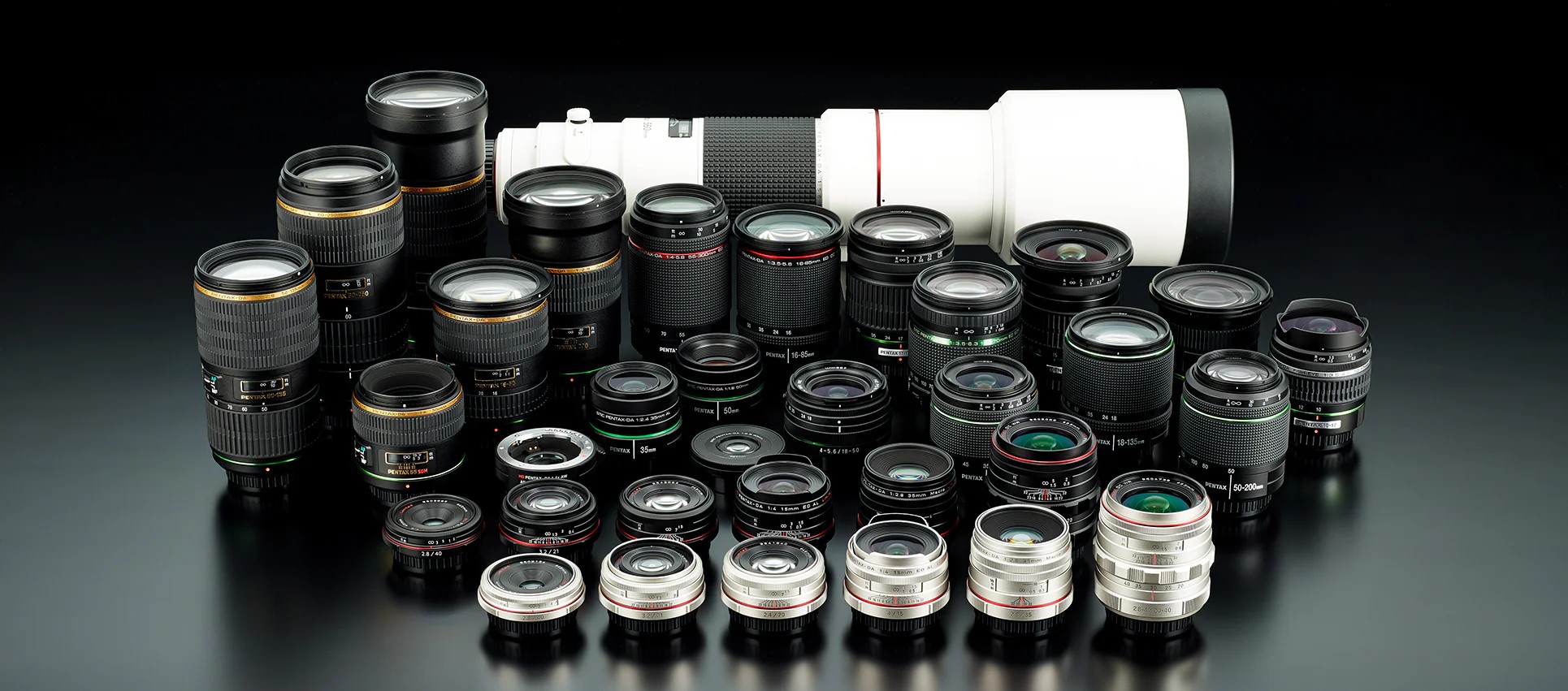
For photographers invested in Pentax, a lens line is not just a catalogue of accessories. It is the practical foundation of a camera system. Ricoh Imaging’s renewal of the Pentax K and 645 lens line therefore matters because it addresses the long-term value of two established mounts: Pentax K and Pentax 645. The company has stated that it plans to continue developing and supplying high-quality lenses, while also changing the way it communicates about future optics. Instead of publishing a development plan in advance, Ricoh says it will officially announce development and marketing details when they become available. That combination of continued lens development and more controlled product communication gives this update a distinctive character. It is not a launch centered on a single focal length, aperture, or price. It is a system-level message aimed at photographers who care about mount support, lens availability, and the reassurance that their camera platform remains part of Ricoh’s ongoing plans.
A lens-line renewal rather than a single-product announcement
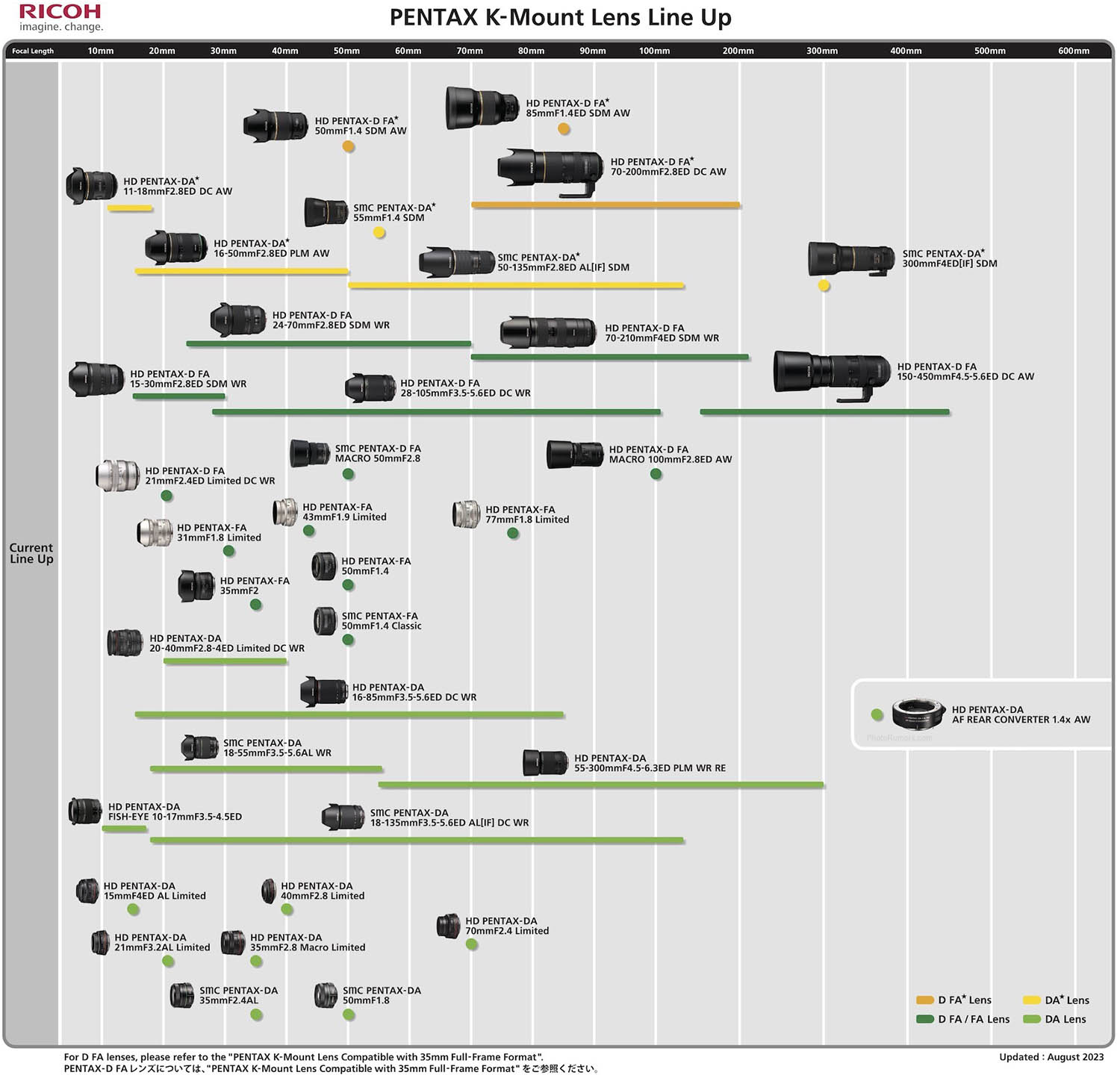
The most important point is that Ricoh Imaging is addressing both Pentax K and 645 mount optics as lines, not merely as isolated products. For a prospective owner, that distinction is useful. A camera body can be attractive on its own, but its long-term usefulness depends heavily on the lenses available for it. By renewing the Pentax K and 645 lens line, Ricoh is emphasizing the broader ecosystem that supports photographers’ day-to-day work and creative choices.
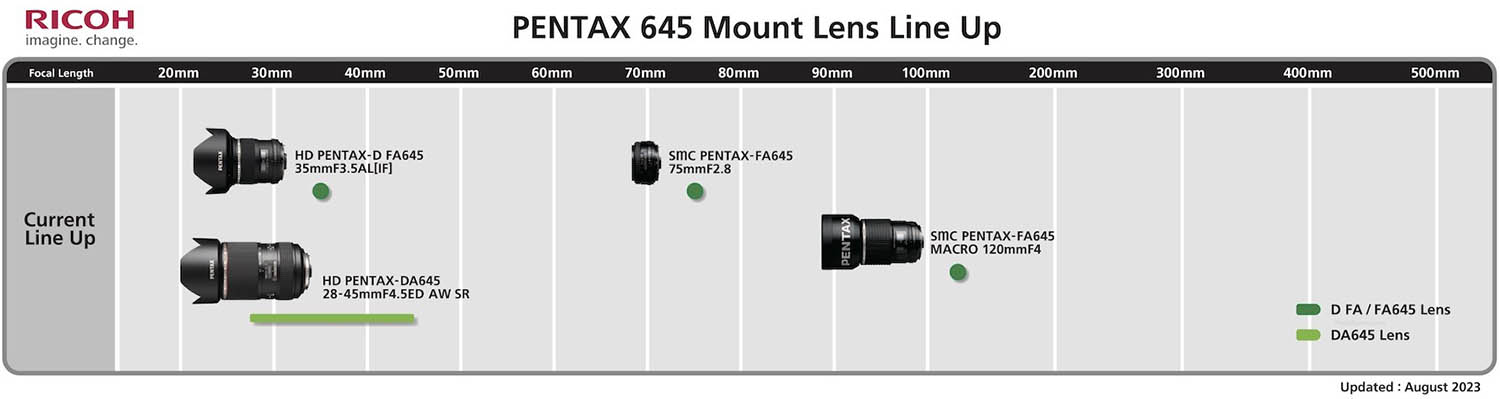
Pentax K and Pentax 645 also serve different parts of the photographic world. The K mount is associated with Pentax’s long-running interchangeable-lens system, while 645 denotes the company’s medium-format lens family. Ricoh’s decision to mention both together is therefore notable. It indicates attention not only to one segment of users, but to photographers across two Pentax mount families. Without naming specific new optics, the renewal still signals that lenses remain central to the company’s approach to these systems.
Why continued development matters to system owners
The practical appeal of this update lies in continuity. Photographers who have built a kit around a mount often think in years rather than months. Bodies may change, but lenses tend to remain central to how a system is used. Ricoh’s stated plan to continue developing and supplying high-quality lenses is therefore meaningful for owners who want their investment in a Pentax system to remain usable and expandable.
This is especially relevant for photographers who already own Pentax bodies and lenses. A renewed lens line can support confidence in maintaining a system instead of treating it as a closed chapter. It also matters to prospective owners considering whether a Pentax K or 645 setup gives them a viable path forward. The update does not provide specifications or a list of future models, so it should not be read as a promise of any particular lens type. Its value is broader: Ricoh is publicly associating Pentax K and 645 with ongoing lens development and supply.
A more cautious approach to product roadmaps
One of the more distinctive aspects of the announcement is Ricoh Imaging’s decision not to publish the lens development plan ahead of time. In many technology and imaging markets, roadmaps can create excitement, but they can also create uncertainty when plans change, dates move, or products are not fully defined. Ricoh’s revised approach appears designed to place more weight on official announcements made when development and marketing details are ready to be shared.
For users, this has advantages and limitations. The advantage is clarity: announced products should come with firmer information rather than speculative placeholders. Photographers may find it easier to separate confirmed releases from wish-list expectations. The limitation is that long-range planning becomes less transparent. A photographer waiting for a very specific kind of lens will have less public information to guide decisions until Ricoh is ready to make an official statement. This trade-off is important, but it is also understandable. A quieter roadmap can reduce noise around uncertain future products while keeping attention on lenses that are formally announced.
Designed around the realities of a lens ecosystem
Although no individual optical designs are detailed here, the renewal itself reflects a key reality of camera ownership: lens systems are built gradually. Photographers often assemble kits over time, selecting optics for different subjects, working distances, and creative needs. In that context, the attraction of a renewed lens line is not one dramatic feature. It is the expectation that the system continues to receive attention from the manufacturer.
That matters for usability. A strong lens ecosystem gives photographers options, and options make a camera system more adaptable. Even without knowing the next specific optic, users can take value from Ricoh’s stated intention to continue developing and supplying lenses for these mounts. It suggests that K and 645 users are not being asked to treat current lenses as the final word. Instead, Ricoh is positioning lens development as an ongoing part of the Pentax experience.

What this means for buyers evaluating Pentax
For someone looking at Pentax from the outside, the update is best understood as a signal of support rather than a specification sheet. It does not answer questions about focal lengths, apertures, pricing, release dates, or optical formulas. It does, however, indicate that Ricoh Imaging sees value in maintaining the K and 645 lens lines and intends to continue supplying high-quality optics.
That can be useful when evaluating system commitment. Buying into a camera mount is rarely just a body purchase. It is a decision about lenses, service expectations, and future flexibility. A company statement around ongoing lens development can help frame that decision, especially for photographers who prefer a system with a recognizable heritage and a defined lens mount identity. The lack of a public roadmap may frustrate those who want to plan around future releases, but it also means buyers should focus on currently available equipment and wait for official announcements before making decisions based on upcoming optics.
Who is the Pentax K and 645 lens-line renewal most suitable for?
This update is most relevant to existing Pentax K and 645 users who want reassurance that Ricoh Imaging continues to regard lenses as an active part of the system. It will also interest photographers considering Pentax who place importance on long-term mount support. If a photographer already values the Pentax way of shooting and wants the lens ecosystem to remain active, the renewal is a positive piece of system context.
It is less useful for buyers who need immediate, detailed information about a specific upcoming lens. Since Ricoh will no longer publish the development plan ahead of time, those users will need to wait for official announcements with development and marketing details. The renewed lens line is therefore best suited to photographers who can make decisions around existing Pentax equipment while appreciating that Ricoh intends to continue developing and supplying lenses in the future.
A measured but meaningful system message
The appeal of this announcement is not flashiness. It is a measured statement about continuity, product discipline, and support for established mounts. Ricoh Imaging is choosing to communicate less about speculative future development while reaffirming that new optics will be officially announced when details are available. For photographers, that may make the information flow less expansive but potentially more dependable.
In a market where lens ecosystems play a central role in brand loyalty and creative flexibility, that matters. Pentax K and 645 users are being given a clear, if deliberately restrained, message: the lens lines are being renewed, and Ricoh plans to continue developing and supplying high-quality lenses. For a photographer who values stability and system identity, that may be more useful than a long list of preliminary roadmap entries.
Conclusion
Ricoh Imaging’s Pentax K and 645 lens-line renewal is strongest as a statement of system commitment. Its most attractive documented qualities are continued attention to both mount families, an intention to develop and supply high-quality lenses, and a more disciplined approach to announcing future optics only when details are available. It is best suited to existing Pentax K and 645 photographers, and to prospective owners who value mount continuity and official product clarity more than speculative long-range roadmap information.