

Buying a TV is rarely just a matter of choosing a screen size.
The source material here spans finished televisions, brand roundups, gaming certifications, a security warning about TV boxes, and forward-looking display developments.
Taken together, it gives a useful view of the trade-offs shoppers actually face: brightness, panel type, gaming response, smart features, value, and the risks of chasing very cheap accessories. This is not a conventional ranked list of only current retail models. Some entries are technologies or market developments rather than products you can simply compare on a shelf. That matters: a prototype 8K OLED or an experimental brightness method can help explain where TVs are heading, but it should not outweigh the practical details of a real 4K set, a gaming-ready model, or a known smart-TV platform. The recommendations below keep those distinctions clear. Each entry explains what the supplied article is genuinely useful for, what is directly supported by the source, and where buyers should be cautious before treating a headline as a purchase recommendation.
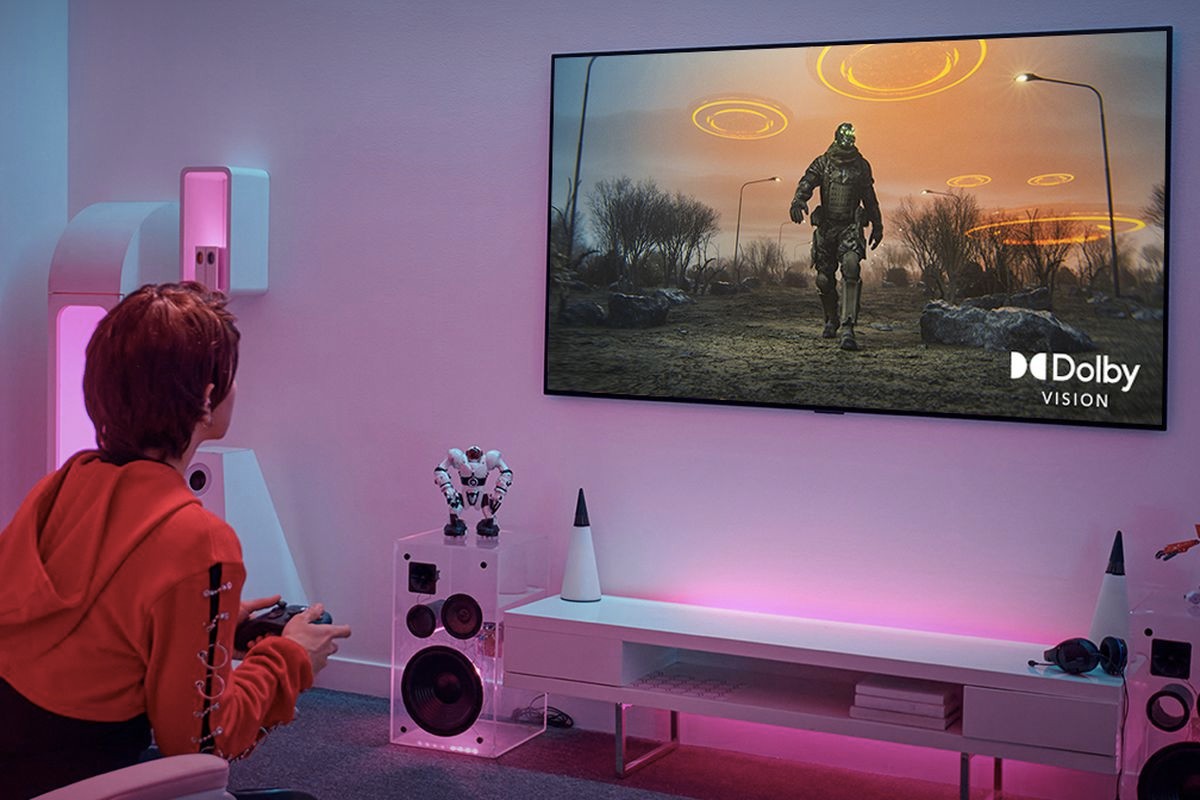
1. LG is exploring the possibility of increasing the brightness of OLED TVs by 20%
LG OLED brightness research is framed around microlens technology, OLED.EX panels, and comparisons with QD-OLED peak brightness.
This article is most useful as context for anyone weighing OLED brightness.
Korean sources cited in the piece say LG Display is exploring microlens use to raise OLED screen brightness by 20% without major structural changes or higher energy consumption.
The article places that target against familiar OLED figures: standard OLED panels used in budget TVs are described at 800 nits, OLED.EX at 1000 nits, and Samsung’s competing QD-OLED design at 1500 nits peak. It also notes that LG showed a 77-inch 8K OLED.EX panel using Meta-lit Lens Array microlensing technology with a stated -nit peak brightness at SID. The key buying lesson is caution: this is about explored and demonstrated display technology, not a settled specification for every LG OLED TV.
Best for: OLED buyers tracking brightness developments
- Explains a proposed OLED brightness increase using microlenses
- States the method is not expected to increase energy consumption
- Gives useful context against OLED.EX and QD-OLED peak brightness figures
- Mentions a 77-inch 8K OLED.EX demonstration using microlensing
Verdict: Useful for understanding where OLED brightness may go, but not a reason to assume every current OLED TV has these peak-brightness claims.
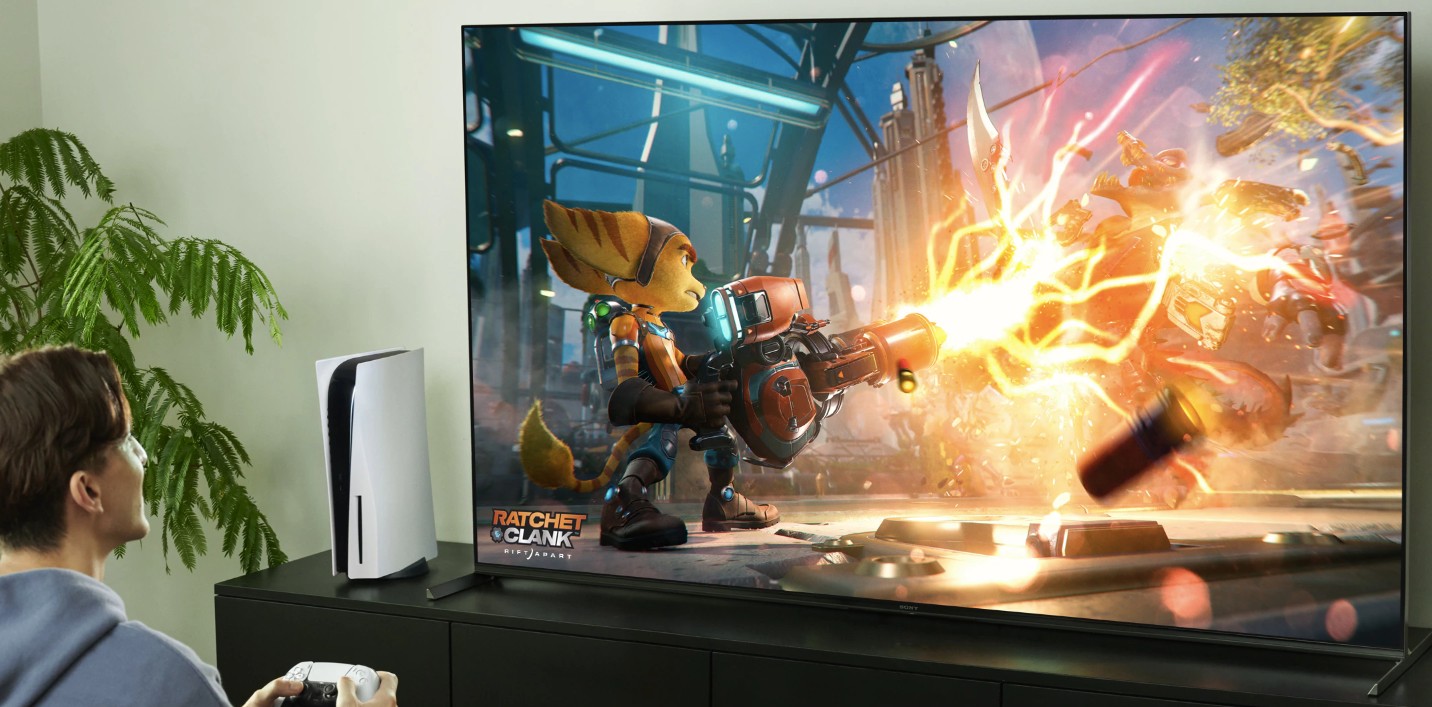
2. Top 10 Best Sony TVs
The Sony TV roundup contrasts larger, feature-rich models with smaller affordable sets that carry clearer smart-TV compromises.
This Sony-focused roundup is valuable because it shows how widely one brand’s TV range can vary.
The excerpt highlights the Sony KD-65XF9005 as a large 65-inch 3840 × 2160 model with 100 Hz refresh, many ports, wireless protocol support, Android smart features, and voice control as a useful fallback for the less convenient remote.
It also describes the Sony KDL-32WD603 as a more affordable 32-inch IPS model with 1366 × 768 resolution, good color reproduction, Motionflow XR processing, built-in sound, and Internet access, while warning that its smart TV functionality is slow, limited, and no longer updated. The article is best treated as a brand-navigation guide rather than a single-product endorsement.
Best for: Shoppers comparing different Sony TV tiers
- Covers Sony options across different sizes and price positions
- Highlights Android smart-TV support on the KD-65XF9005
- Notes voice control as helpful where the remote is less convenient
- Calls out limitations on the older 32-inch smart-TV software
Verdict: A useful Sony overview, especially if you read the caveats about resolution, software support, and smart-TV usability as closely as the headline features.
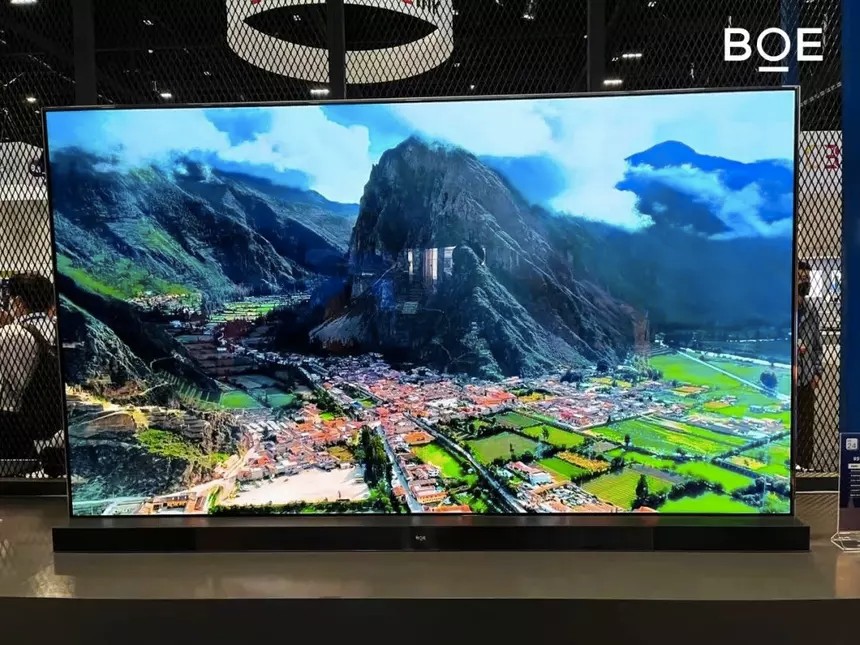
3. BOE unveils a prototype TV of the future
BOE’s 95-inch 8K OLED prototype points toward future ultra-large TVs rather than current value-oriented buying.
BOE’s article is not a normal buying recommendation because the display described is explicitly a prototype.
Its value lies in showing what an ultra-large premium TV roadmap could look like: a 95-inch OLED display with 8K resolution, 120 Hz refresh rate, 800 cd/sq.m peak brightness, 10-bit color representation, HDR support, and 99% DCI-P3 coverage.
The source also makes clear that such TVs would cost unrealistic money if produced and sold immediately. For buyers, this is a reminder that prototype specifications can be exciting without being practical purchasing criteria.
Best for: Readers following future large-screen OLED development
- Describes a 95-inch OLED prototype
- Combines 8K resolution with 120 Hz refresh rate
- Includes 10-bit color, HDR support, and 99% DCI-P3 coverage
- Clearly identifies the product as a prototype
Verdict: Impressive as a technology preview, but far too prototype-focused to guide a near-term mainstream purchase.
4. Samsung expands purchases of OLED displays from LG Display
Samsung’s OLED range is discussed through the lens of larger LG Display panel supply and Samsung’s own QD-OLED use.
This industry report matters because panel sourcing can shape what reaches the TV market, especially at larger OLED sizes.
The source says Samsung Electronics and LG Display expanded their partnership to include 77-inch OLED TV panels after Samsung’s 83-inch OLED models using LG Display panels.
It also reports certification of Samsung’s KQ77SC89A with an LG Display panel, while noting that the 77-inch KQ77SC90A used Samsung’s Quantum Dot OLED panel. The article frames the move against supply constraints and a patent dispute with BOE, so the buyer takeaway is not about one TV being better than another; it is that the brand on the bezel and the panel supplier are not always the same thing.
Best for: Buyers interested in OLED panel sourcing
- Highlights Samsung’s use of LG Display OLED panels in larger sizes
- Mentions certified 77-inch and previously registered 83-inch OLED models
- Distinguishes LG Display panels from Samsung’s QD-OLED use in another 77-inch model
- Shows why panel supply can affect TV lineups
Verdict: Useful market context for large OLED TVs, especially for shoppers who care about the difference between TV brand, panel supplier, and OLED type.
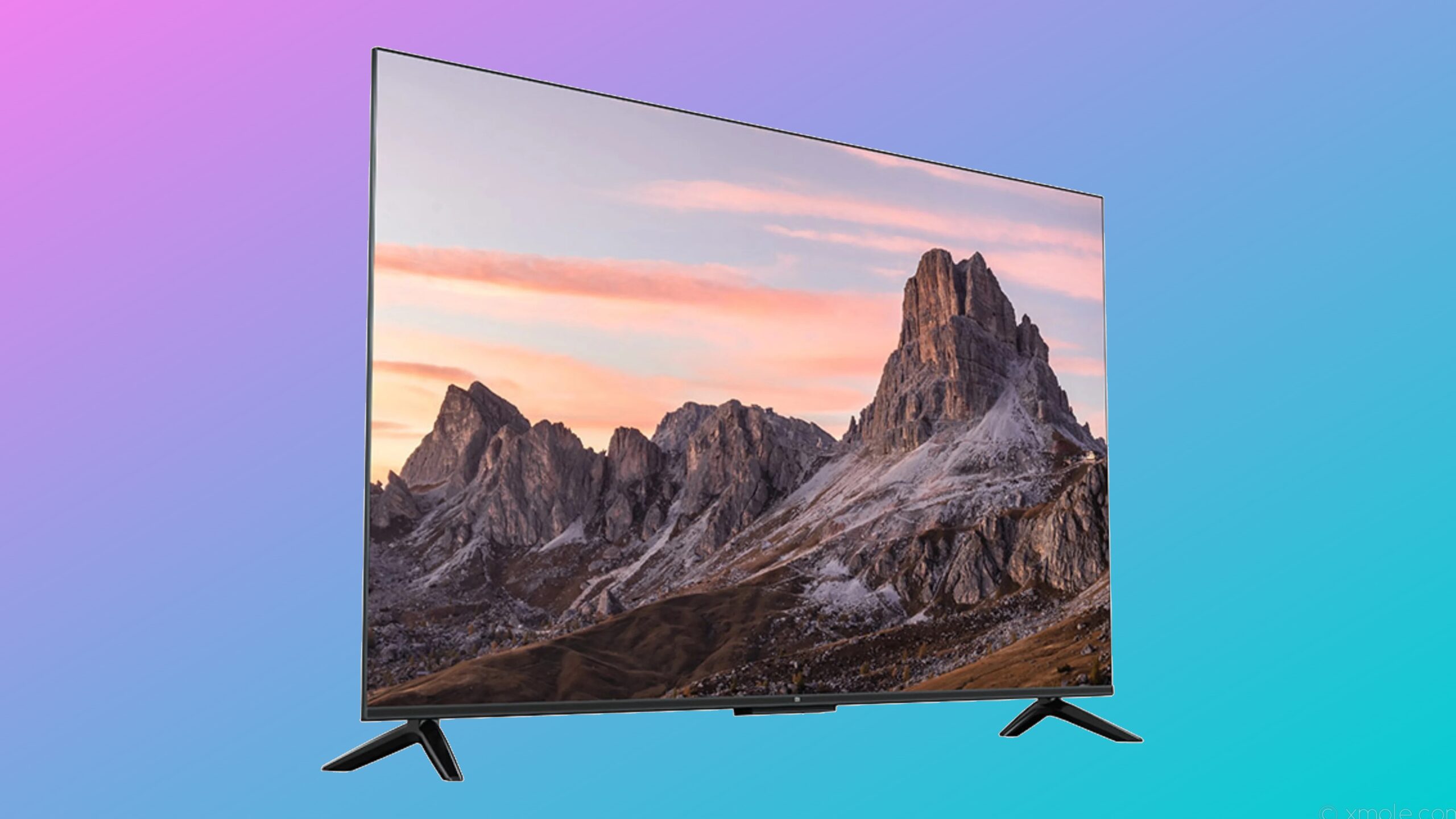
5. Xiaomi MI TV EA55: The most affordable 4K TV in
The Xiaomi Mi TV EA55 emphasizes a slim front frame, Android smart features, and 55-inch 4K value, with cabinet depth as a noted trade-off.
The Xiaomi Mi TV EA55 is presented as an entry-level 4K model with practical features rather than premium ambitions.
The source says it includes a tuner, Android operating system, voice control, and a modern front design with a very thin frame.
It also notes that the 55-inch model can be wall-mounted with a VESA 200 x 200 bracket bought separately. The main design compromise mentioned is depth: the lower part of the body is almost 8 cm thick, though the article says similar price-category models can be thicker. This is the kind of TV to consider when 4K size, basic smart features, and affordability matter more than a slim cabinet or advanced panel claims.
Best for: Budget-focused 55-inch 4K buyers
- Entry-level 4K model with tuner
- Android operating system with voice control
- Thin front frame gives a modern look
- Supports VESA 200 x 200 wall mounting on the 55-inch model
Verdict: A practical entry-level 4K option if the thicker lower body and separate wall-mount purchase are acceptable compromises.
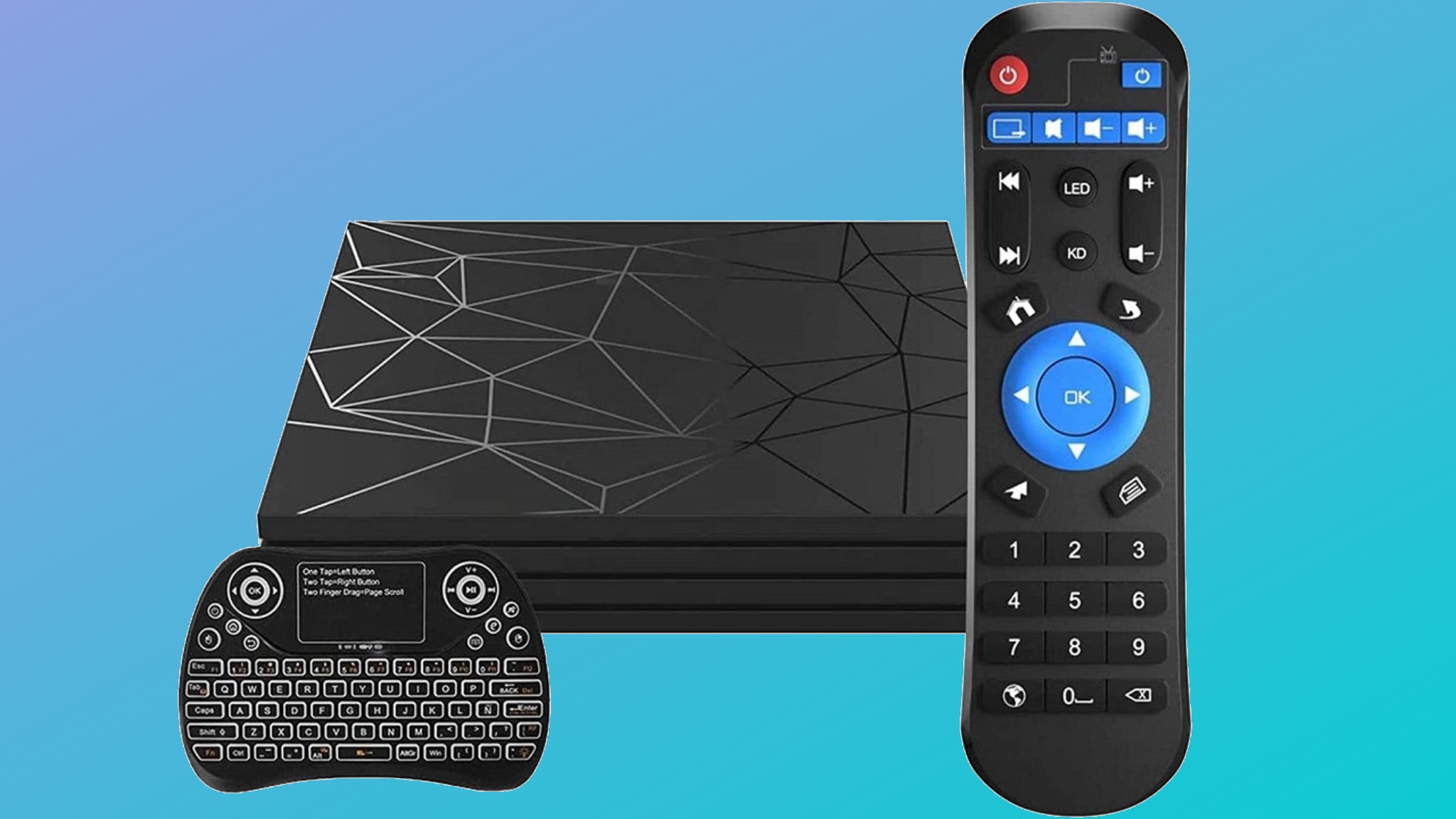
6. These Amazon TV Boxes come pre-installed with malware
The TV-box report names several low-cost Android models alleged to contain pre-installed malware and unauthorized server communication.
This is a warning rather than a TV recommendation, but it belongs in any practical TV-buying guide because many viewers extend older or cheaper TVs with Android TV boxes.
The report says certain Amazon-sold TV boxes were found with pre-installed malware, with Daniel Milisic raising the alarm after detecting communication with an external server without user permission.
The affected models listed in the source include T95 AllWinner H616, T95Max AllWinner H618, X12-Plus Rock Chip 3328, and X88-Pro-10 RockChip 3328. The article’s phrase that cheap can become expensive is the core lesson: an unusually low price on a streaming box may carry a security cost that picture quality specifications cannot offset.
Best for: Security-conscious streaming-device buyers
Verdict: Avoid treating ultra-cheap TV boxes as harmless accessories when the source identifies specific models with serious malware concerns.
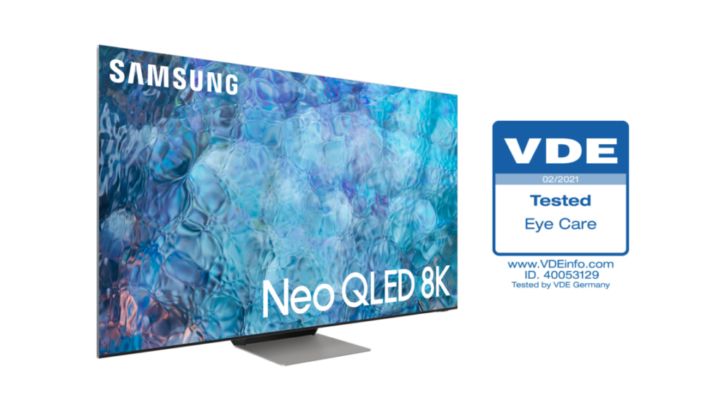
7. Samsung QLED Neo TVs Achieve Gaming TV Performance Certification
Samsung QLED Neo models are presented with certified gaming performance, low input latency, high HDR brightness, and dedicated game-view features.
Samsung’s QLED Neo gaming certification article is one of the clearest performance-oriented entries in the source set.
It says the QN900, QN800, QN90, and QN85 models earned Gaming TV Performance certification from VDE, with recognition for ultra-low input latency and HDR image reproduction above 1000 nits.
The source states that each model showed input signal latency of less than 10 ms in testing on real video games, and it also mentions deep black levels, accurate color reproduction, Wide Game View, and Game Bar. For gamers, those are meaningful buying criteria because response time, HDR brightness, and gaming interface features affect the experience more directly than brand slogans.
Best for: Console and PC gamers prioritizing low latency and HDR
- VDE Gaming TV Performance certification
- Input signal latency stated below 10 ms
- HDR image reproduction above 1000 nits
- Wide Game View and Game Bar features are highlighted
Verdict: A strong gaming-focused reference point, provided the shopper checks the exact QLED Neo model and feature set rather than assuming every Samsung TV matches it.
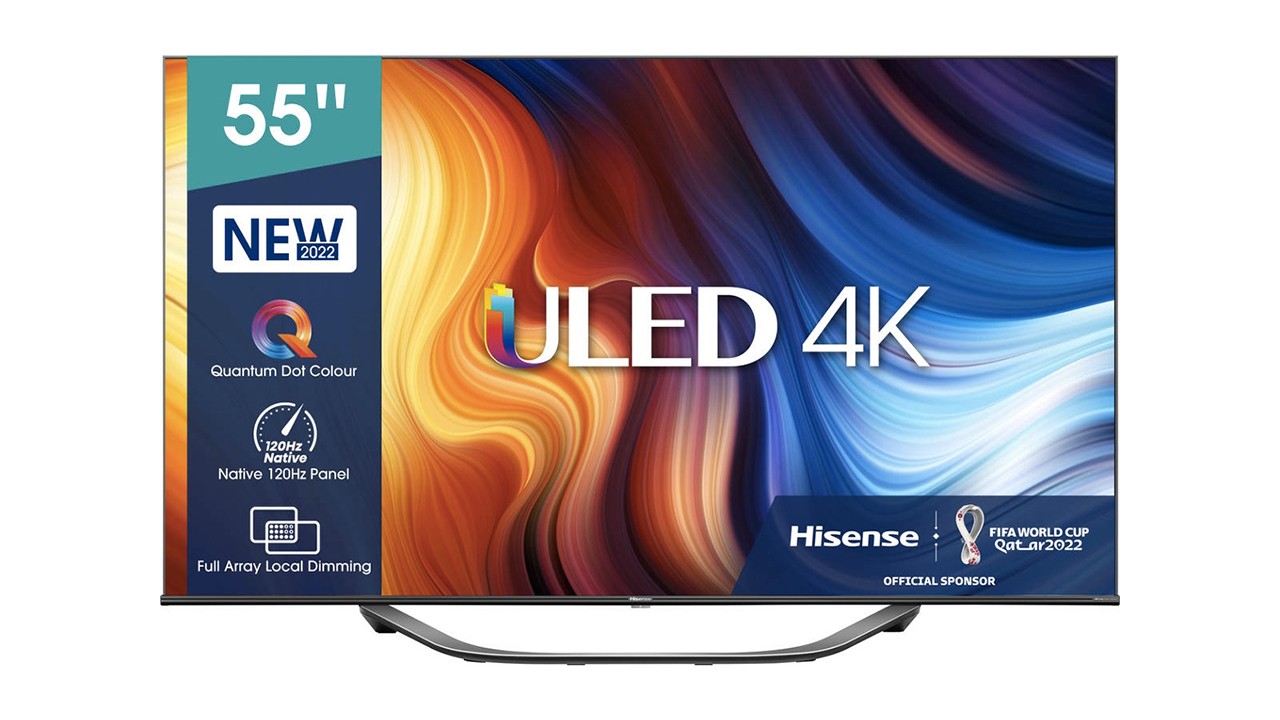
8. Hisense U7HQ: More than capable mid-range 4K TV
The Hisense 55U7HQ is framed as a mid-range 4K TV with slim bezels and practical room-placement flexibility.
The Hisense U7HQ article positions the 55U7HQ as a mid-range 4K TV that aims to balance quality and price while including some functions usually associated with more advanced televisions.
The supplied excerpt is strongest on design and placement: the 55-inch size is described as suitable for medium-sized and slightly larger rooms, the front has slim bezels, and wall placement with VESA support is presented as a way to make better use of the design.
It also says the overall look is not a dramatic departure from previous models. Buyers should therefore read this as a mid-range value proposition with a restrained design, not as a claim that it outperforms premium sets.
Best for: Mid-range 4K shoppers who want a balanced living-room TV
- Mid-range 4K positioning with quality-price emphasis
- 55-inch size suited to medium and somewhat larger rooms
- Slim bezels improve the front appearance
- Wall placement with VESA support is discussed
Verdict: A sensible mid-range candidate if value and a clean front design matter more than a radically new exterior.

9. Dolby Vision 2 vs. Dolby Vision HDR
The Dolby Vision comparison focuses on dynamic HDR, newer adaptive processing, and how TV state can influence image optimization.
This article is a technology explainer rather than a recommendation for a particular TV model.
It contrasts original Dolby Vision, which uses dynamic metadata to adjust color and brightness scene by scene, with Dolby Vision 2, described as a more adaptive HDR system using Content Intelligence and a neural processor built into the Dolby Vision 2 chip.
The source says the newer system analyzes incoming content and the television’s state, including panel temperature, brightness potential, and long-term wear. For buyers, the practical point is to understand HDR labels carefully: Dolby Vision support can mean different generations of image processing, and panel capability still matters.
Best for: Viewers comparing HDR formats and future TV processing features
- Explains original Dolby Vision dynamic metadata
- Describes Dolby Vision 2 as a more adaptive HDR system
- Mentions analysis of content and TV state
- Clarifies why HDR processing and display capability should be considered together
Verdict: A helpful HDR explainer, but it should be paired with real TV specifications because a format label alone does not define picture quality.
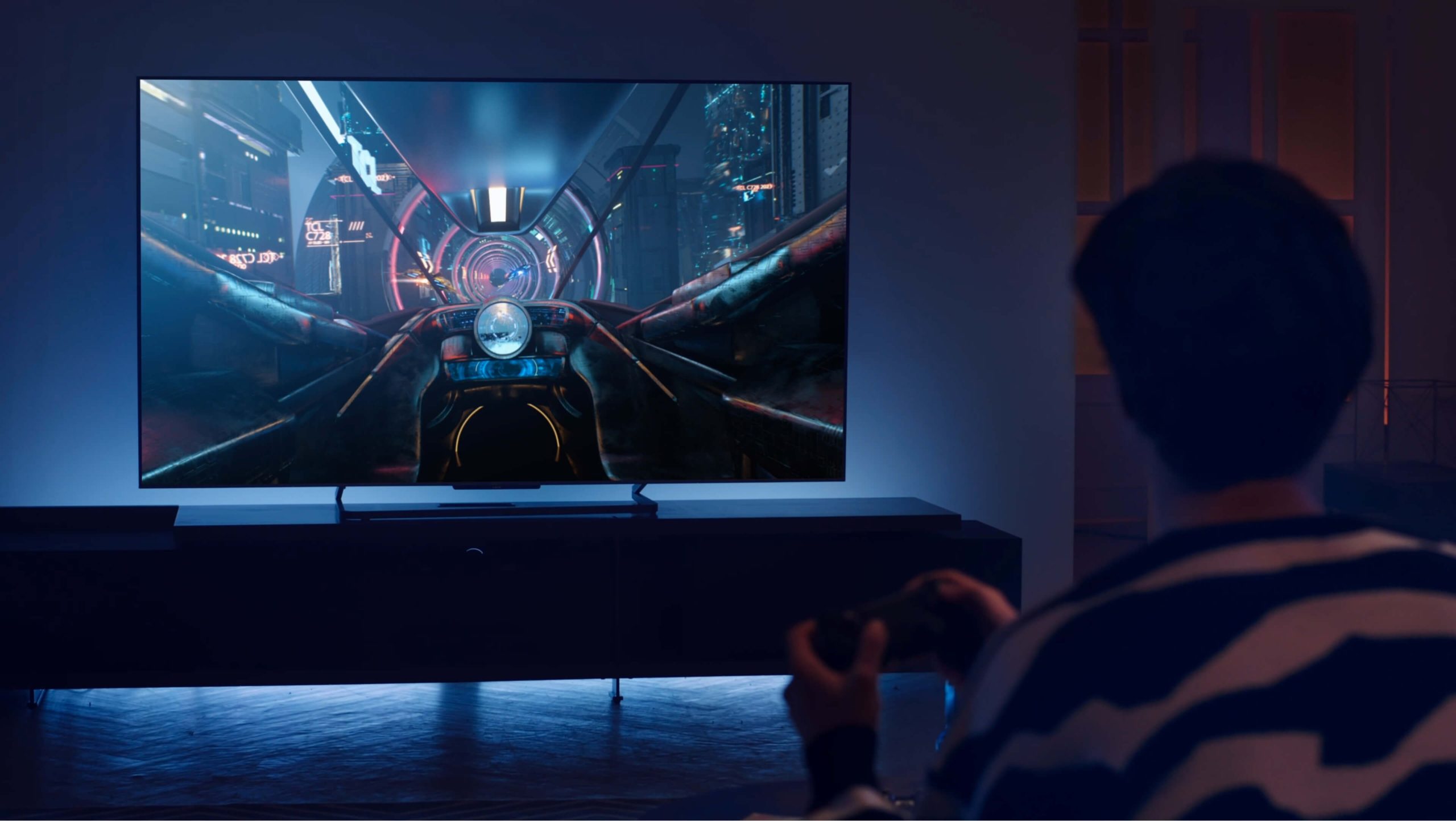
10. TCL C728: Might be the perfect gaming TV?
The TCL 65C728 combines quantum dot LCD hardware, HDMI 2.1 support, and a tidy metal-framed design aimed at gaming value.
The TCL C728 article presents the 65C728 as an affordable 4K HDR LED LCD model with a clear gaming angle.
The source says it uses a quantum dot VA panel, direct LED backlighting, and HDMI 2.1 ports needed for displaying 4K @ 120p content.
It also highlights a slim screen, metal frame, stable center stand, decent build quality, and Onkyo branding on the lower panel. The important distinction from the Samsung gaming-certification entry is that this is a mid-range value model with gaming-focused hardware, not a certification story. It looks promising for gamers who want 4K 120p support without moving straight to premium-tier pricing.
Best for: Value-minded gamers wanting 4K 120p support
- Quantum dot VA panel with direct LED backlighting
- HDMI 2.1 ports for 4K @ 120p content
- Slim screen with metal frame
- Stable stand and decent build quality are noted
Verdict: A gaming-oriented mid-range TV worth considering when HDMI 2.1 and 4K 120p matter, as long as buyers accept the compromises implied by its class.
Quick comparison
The entries below are easiest to compare by role rather than by rank.
Some are purchasable TV models, some are brand or technology guides, and others are warnings or industry context that should influence how you interpret TV specifications.
| Product | Best for | Verdict |
|---|---|---|
| LG is exploring the possibility of increasing the brightness of OLED TVs by 20% | OLED brightness research context | Relevant for understanding possible microlens-driven OLED gains, but not a confirmed feature list for all LG TVs. |
| Top 10 Best Sony TVs | Sony range comparison | Useful for seeing Sony’s spread from large Android smart TVs to smaller affordable models with clear software limits. |
| BOE unveils a prototype TV of the future | Future display watchers | A 95-inch 8K OLED prototype with notable specifications, but not a practical mainstream purchase guide. |
| Samsung expands purchases of OLED displays from LG Display | Large OLED market context | Shows that panel sourcing can vary within major-brand OLED ranges and may affect availability. |
| Xiaomi MI TV EA55: The most affordable 4K TV in | Budget 55-inch 4K viewing | A value-led 4K TV with Android features and a modern front, balanced by a thicker lower body. |
| These Amazon TV Boxes come pre-installed with malware | Streaming accessory safety | A serious caution against specific low-cost Android TV boxes named in the report. |
| Samsung QLED Neo TVs Achieve Gaming TV Performance Certification | Certified gaming performance | The strongest source entry for low-latency gaming claims, HDR brightness, and dedicated gaming features. |
| Hisense U7HQ: More than capable mid-range 4K TV | Balanced mid-range 4K TV buying | A practical 55-inch mid-range option with slim bezels and value positioning rather than radical design changes. |
| Dolby Vision 2 vs. Dolby Vision HDR | HDR format understanding | Clarifies how dynamic HDR processing is evolving, while reminding buyers to consider the TV panel itself. |
| TCL C728: Might be the perfect gaming TV? | Mid-range 4K 120p gaming | A value-oriented gaming TV candidate built around quantum dot LCD hardware and HDMI 2.1. |
Frequently asked questions
Should I wait for brighter OLED technology before buying a TV?
Not solely on the basis of research reports.
The LG article discusses explored microlens methods and a demonstrated OLED.EX panel, but buyers should treat those as technology context and judge available TVs by their confirmed specifications.
Is 8K OLED worth prioritizing for a living-room TV?
The BOE article describes a 95-inch 8K OLED prototype and says such TVs would cost unrealistic money if produced immediately.
For most buyers, a practical 4K TV with the right size, HDR handling, smart platform, and gaming features is the more grounded comparison point.
What TV features matter most for gaming?
The supplied material points to low input latency, HDR brightness, and support for high-frame-rate 4K signals.
Samsung’s certified QLED Neo models are cited with latency below 10 ms and HDR above 1000 nits, while the TCL C728 is notable for HDMI 2.1 and 4K @ 120p support.
Are cheap Android TV boxes a safe way to upgrade an older TV?
The TV-box report is a warning that price alone should not drive that decision.
It names several affected models and describes unauthorized communication with an external server, so security reputation and software trust are as important as headline features.
How to choose from these TV options without being distracted by the wrong headline
Start by separating available products from technology signals.
The Xiaomi Mi TV EA55, Hisense U7HQ, TCL C728, Sony models in the roundup, and Samsung QLED Neo gaming-certified sets are the entries closest to everyday shopping decisions.
LG’s microlens brightness work, BOE’s 95-inch 8K OLED prototype, Samsung’s OLED panel sourcing, and Dolby Vision 2 are more useful as background that helps you interpret where the market is going. For movie and general TV viewing, panel capability and HDR handling should be weighed alongside size and room placement. OLED developments are promising, but the source material also shows that brightness varies meaningfully between standard OLED, OLED.EX, and QD-OLED figures. HDR labels deserve the same care: Dolby Vision and Dolby Vision 2 describe processing approaches, but the actual television still needs the panel performance to make HDR convincing. For gaming, the decision becomes more concrete. The Samsung QLED Neo certification article gives the clearest low-latency and HDR-performance claims, including latency below 10 ms and HDR image reproduction above 1000 nits for the named models. The TCL C728 takes a different route, offering a mid-range gaming proposition with HDMI 2.1 and 4K @ 120p support. Those are more actionable criteria than a broad gaming label. For value buyers, the Xiaomi and Hisense entries show the trade-offs to expect. Xiaomi emphasizes entry-level 4K features, Android, voice control, and a slim front frame while acknowledging cabinet depth. Hisense leans into mid-range balance, slim bezels, and practical placement. Neither should be judged as a flagship substitute; both make more sense when the goal is a capable everyday 4K screen. Finally, do not overlook the devices connected to the TV. A secure, well-supported streaming platform is part of the viewing experience. The malware warning around certain low-cost TV boxes is a reminder that a bargain accessory can create problems a good TV cannot solve. The strongest purchase is not the one with the loudest specification sheet, but the one whose confirmed features match the room, viewing habits, gaming needs, and software expectations.
