

Serious hi-fi no longer has to mean racks full of components, tangled cables, and a system that dominates the entire room. The MAESTRO Quantum Signature proves that a single chassis can deliver genuine high-end performance while remaining elegant, intuitive, and fully integrated into everyday life.
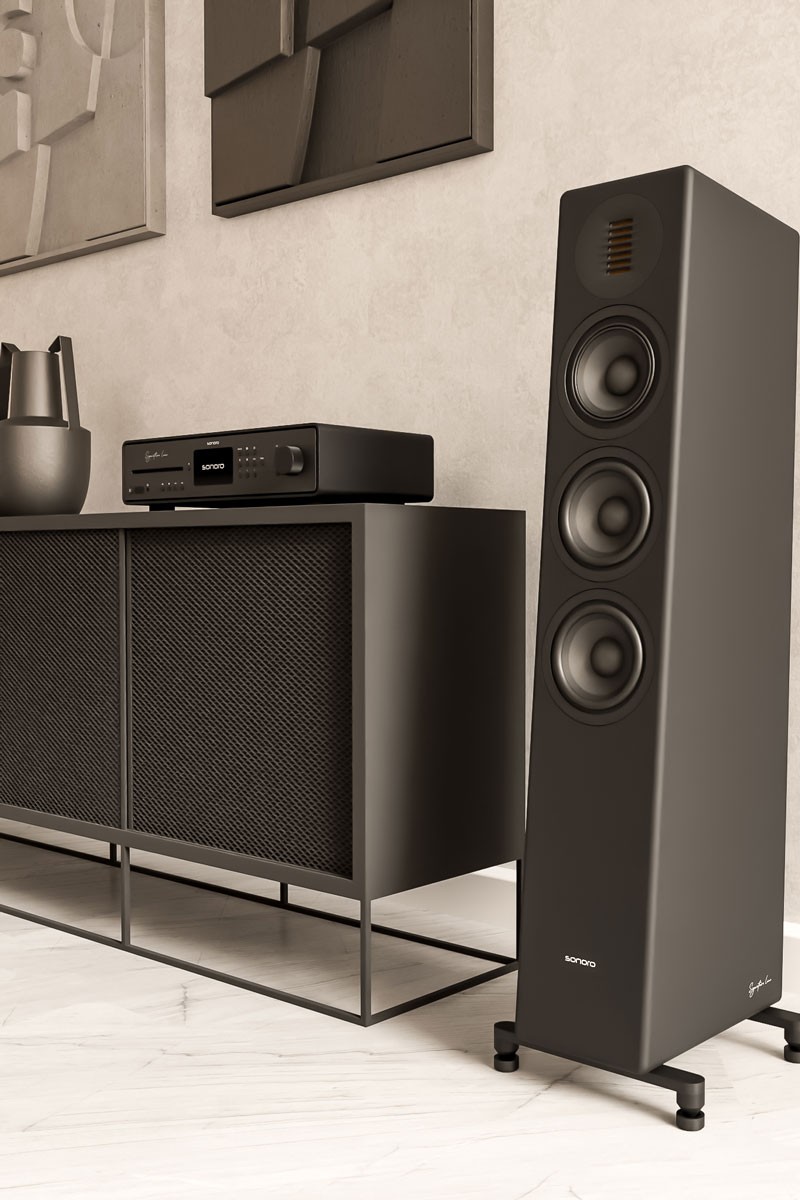
Created by sonoro audio GmbH in collaboration with acclaimed acousticians Rainer Finck and Karl-Heinz Fink, this receiver marks a decisive evolution of the Quantum platform. It is not a cosmetic refresh. It is a rethinking of what a modern high-performance receiver should be: powerful, acoustically refined, digitally sophisticated, and uncompromisingly versatile.
At the heart of the system lies a Hypex Class-D amplification stage capable of delivering substantial current and control. Rated at 180 watts per channel into 4 ohms, the MAESTRO Quantum Signature is built to drive serious loudspeakers with authority and composure. The amplifier does not simply provide volume; it provides grip, maintaining stability even with more demanding floorstanding designs. The result is a presentation that feels controlled, dynamic, and confidently scaled.
Digital conversion is handled by an ESS SABRE DAC from ESS Technology, supporting high-resolution PCM up to 24-bit/192 kHz and DSD up to 11.2 MHz. As a Roon Ready device, the receiver integrates seamlessly into advanced streaming ecosystems, ensuring that digital playback remains transparent and lossless. Streaming support spans the major platforms, allowing effortless access to high-quality music services alongside local network content via DLNA or UPnP.
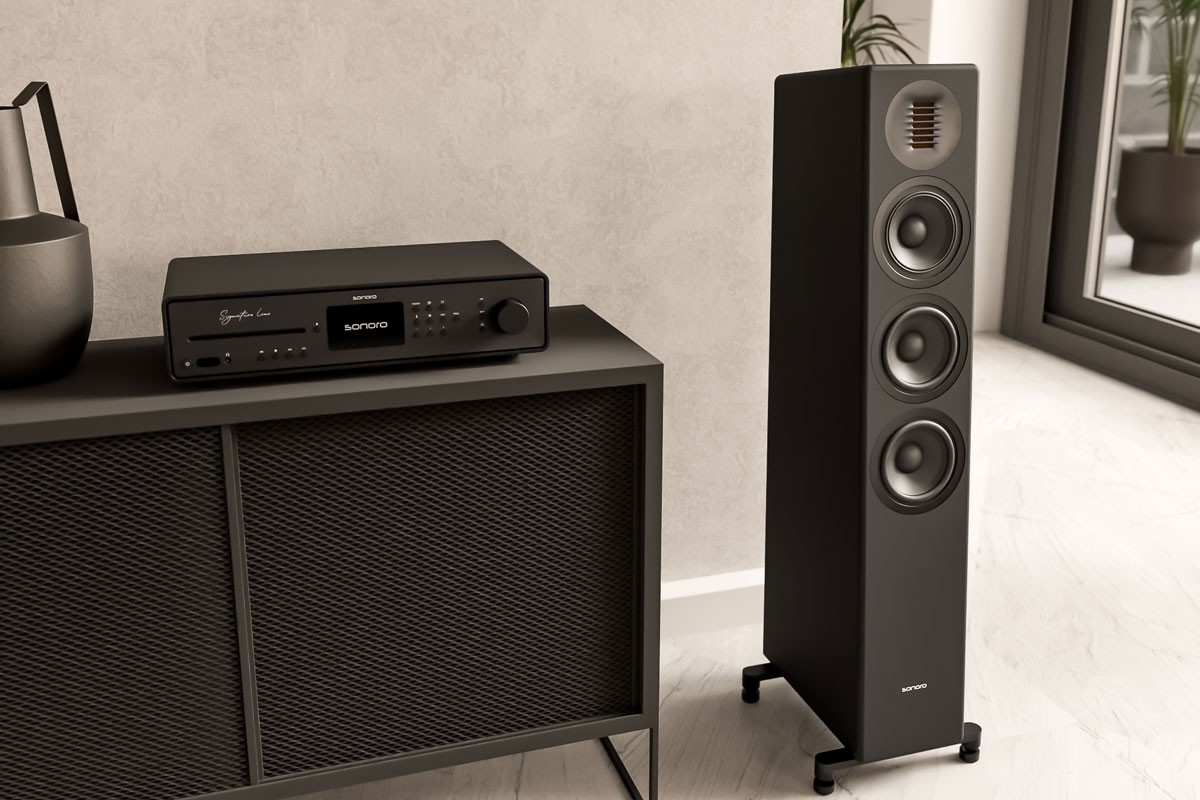
A defining technical highlight is the integration of Dirac Live room correction. Instead of relying on basic tone adjustments, the MAESTRO Quantum Signature analyzes the acoustic behavior of the listening space and corrects low-frequency room interactions with precision. The included license focuses on the critical bass region, where most real-world acoustic challenges occur. The effect is not artificial enhancement, but greater clarity, tighter low-end control, and improved coherence throughout the soundstage. For those seeking even deeper optimization, a full-range upgrade is available.
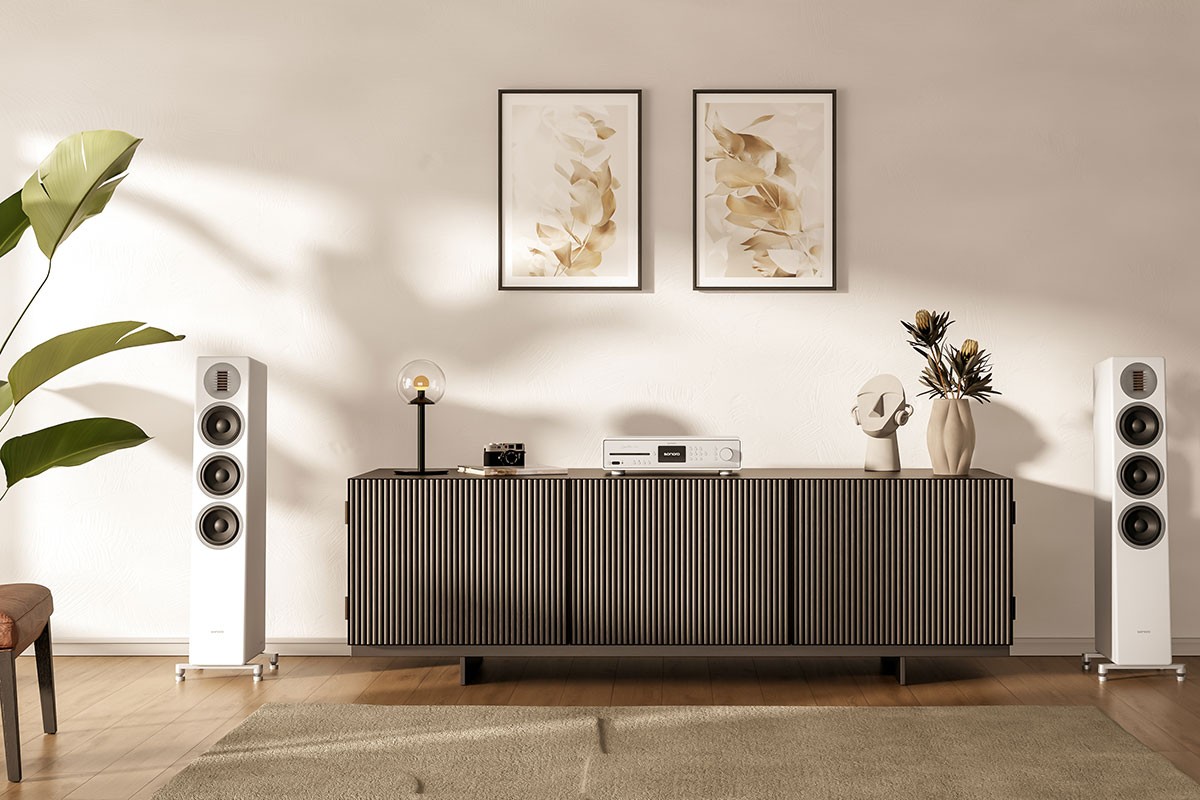
Signal purity remains a central philosophy. The dedicated True Fidelity mode minimizes unnecessary processing stages, creating a shorter and cleaner signal path. Combined with the proprietary PureGain digital volume control, engineered for linearity and low noise, the system preserves dynamic nuance and tonal balance across the entire listening range.
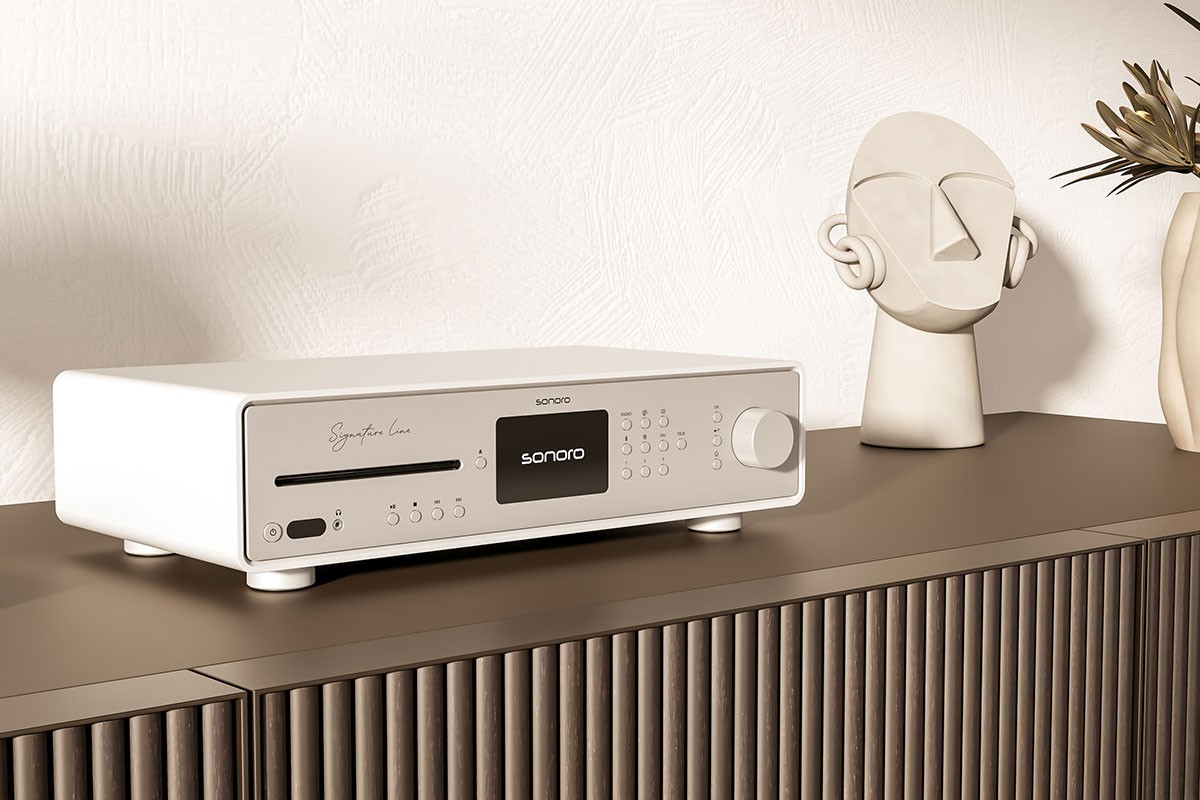
Beyond pure audio performance, the MAESTRO Quantum Signature is designed as a central hub for the contemporary home. HDMI ARC with CEC allows direct television integration, enabling volume and power control through a standard TV remote. Traditional sources are equally welcome, whether via integrated CD drive, MM phono stage for turntables, optical and coaxial digital connections, or analog line inputs. USB ports provide playback and charging capabilities, while Bluetooth operates bidirectionally and is prepared for Auracast functionality via future update.
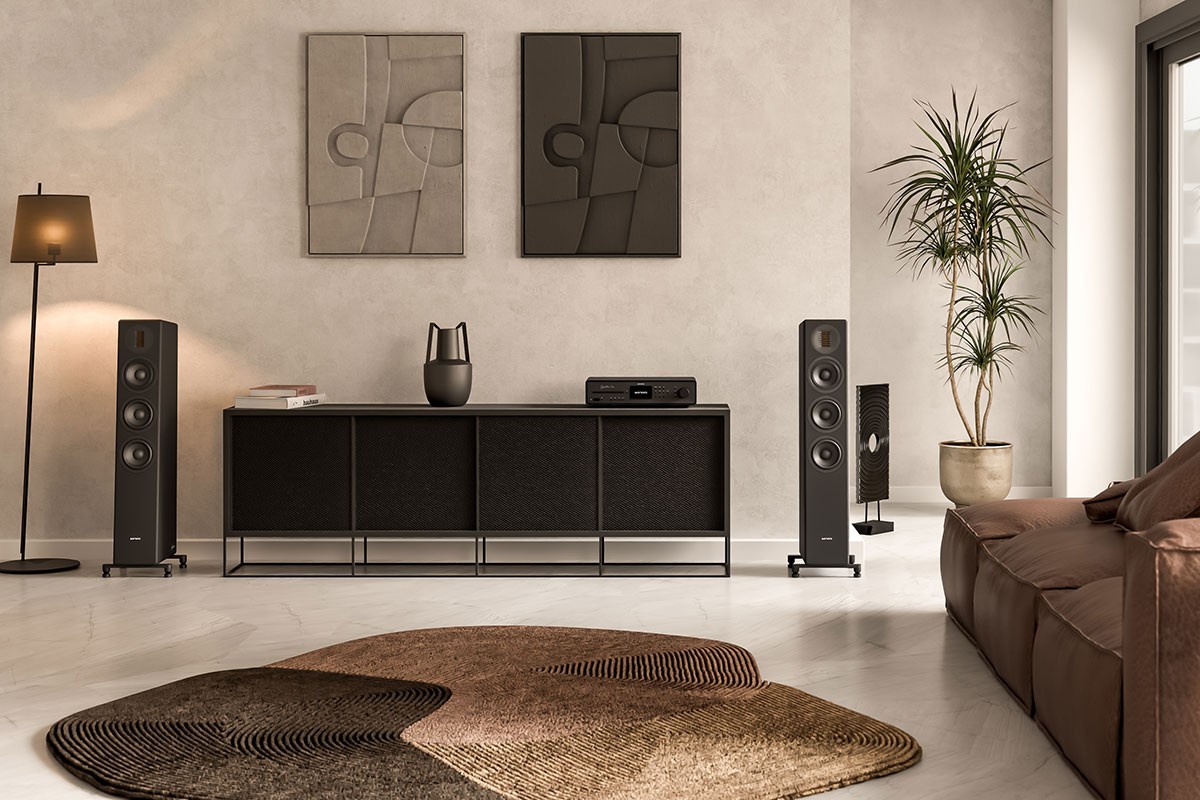
Visually, the receiver reinforces its ambitions. The hand-finished wooden cabinet and seamless aluminum front panel project understated sophistication. The newly developed Diamond Grip volume control offers tactile precision, while the floating design language and refined branding signal that this is part of a more ambitious Signature line. A four-inch TFT color display adapts its brightness automatically and ensures clear navigation, whether operated directly on the unit, via remote control, or through the dedicated app. Integration with established smart home systems further extends its flexibility.
Priced at €2,799, the MAESTRO Quantum Signature positions itself confidently between premium lifestyle systems and traditional high-end separates. It targets listeners who demand serious acoustic performance but prefer not to fill their living room with multiple boxes. Whether it fully delivers on its ambitious promise will ultimately be determined in extended listening sessions, but on paper—and in engineering execution—the foundation is undeniably strong.




Sound Off
0Join the discussion if you have something to add.