

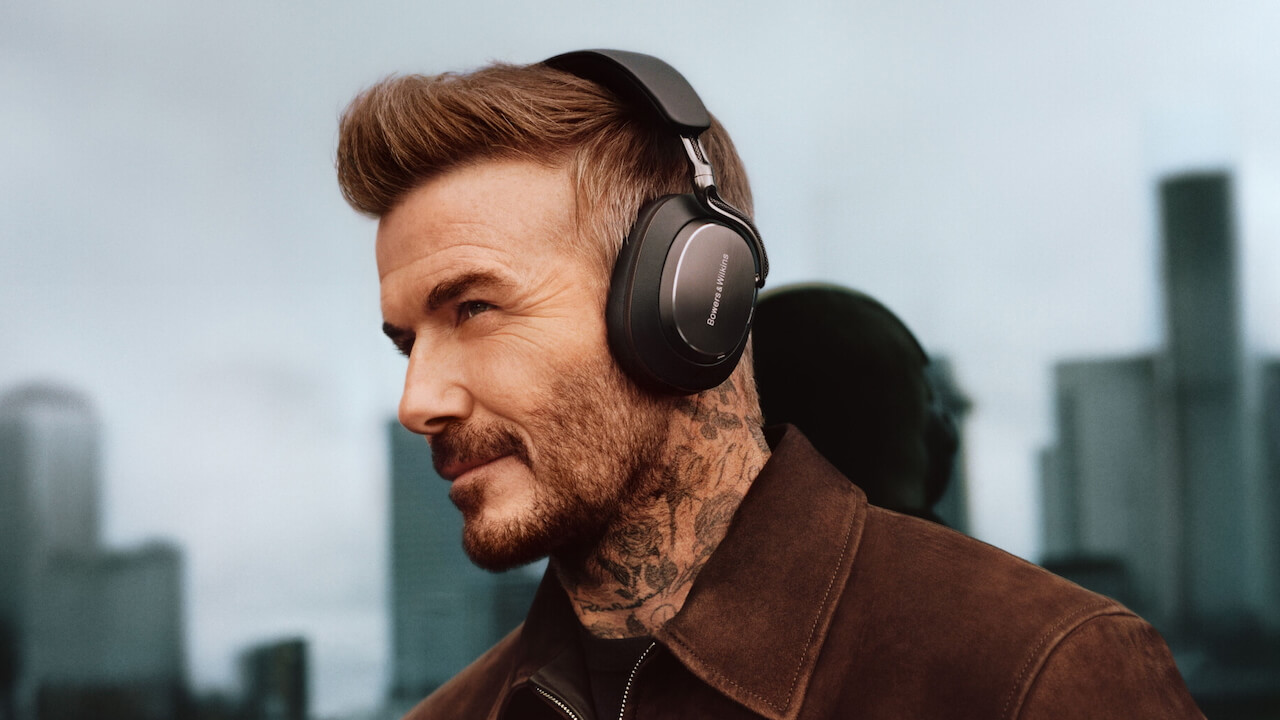
The Bowers & Wilkins Px8 S2 sits at the top of the company’s wireless headphone range, above the Px7 S3 and in succession to the original Px8. Rather than presenting the new model as a simple cosmetic refresh, Bowers & Wilkins has given it a slimmer housing, revised ergonomics, updated driver construction, broader wireless codec support, and a more flexible control and app experience. For a prospective owner, the appeal is not just that this is a luxury wireless ANC headphone, but that it is designed to cover several real-world listening scenarios: commuting, working, travelling, high-resolution streaming, wired listening, and long daily use without frequent charging.
A more refined flagship design
The Px8 S2 retains the over-ear wireless format of its predecessor, but the documented changes point to a more compact and refined physical product. Bowers & Wilkins describes the housing as slimmer, with a more streamlined form that should make the headphone easier to live with. That matters because flagship wireless headphones are often used for long sessions and regular travel; reducing bulk can make the difference between a product that feels occasional and one that becomes part of a daily routine.
Material choice is also central to the Px8 S2’s identity. The headphone is covered in nappa leather on every surface, giving it a more luxurious positioning than more utilitarian ANC designs. The aluminum arm structure incorporates a visible cable detail, a small but deliberate design element that separates the Px8 S2 from plainer wireless headphones. Two finishes are offered: Onyx Black and Warm Stone. Both choices keep the product within a restrained, premium visual language rather than leaning on bright colors or overt styling.
A particularly useful design decision is the serviceability of the ear pads and headband. These parts naturally wear over time, especially on headphones used daily. Bowers & Wilkins states that the pads and headband can be replaced by trained service technicians. That does not make the Px8 S2 user-repairable in the casual sense, but it does support longer ownership and helps protect the value of a flagship purchase.

Carbon Cone drivers with a revised acoustic structure
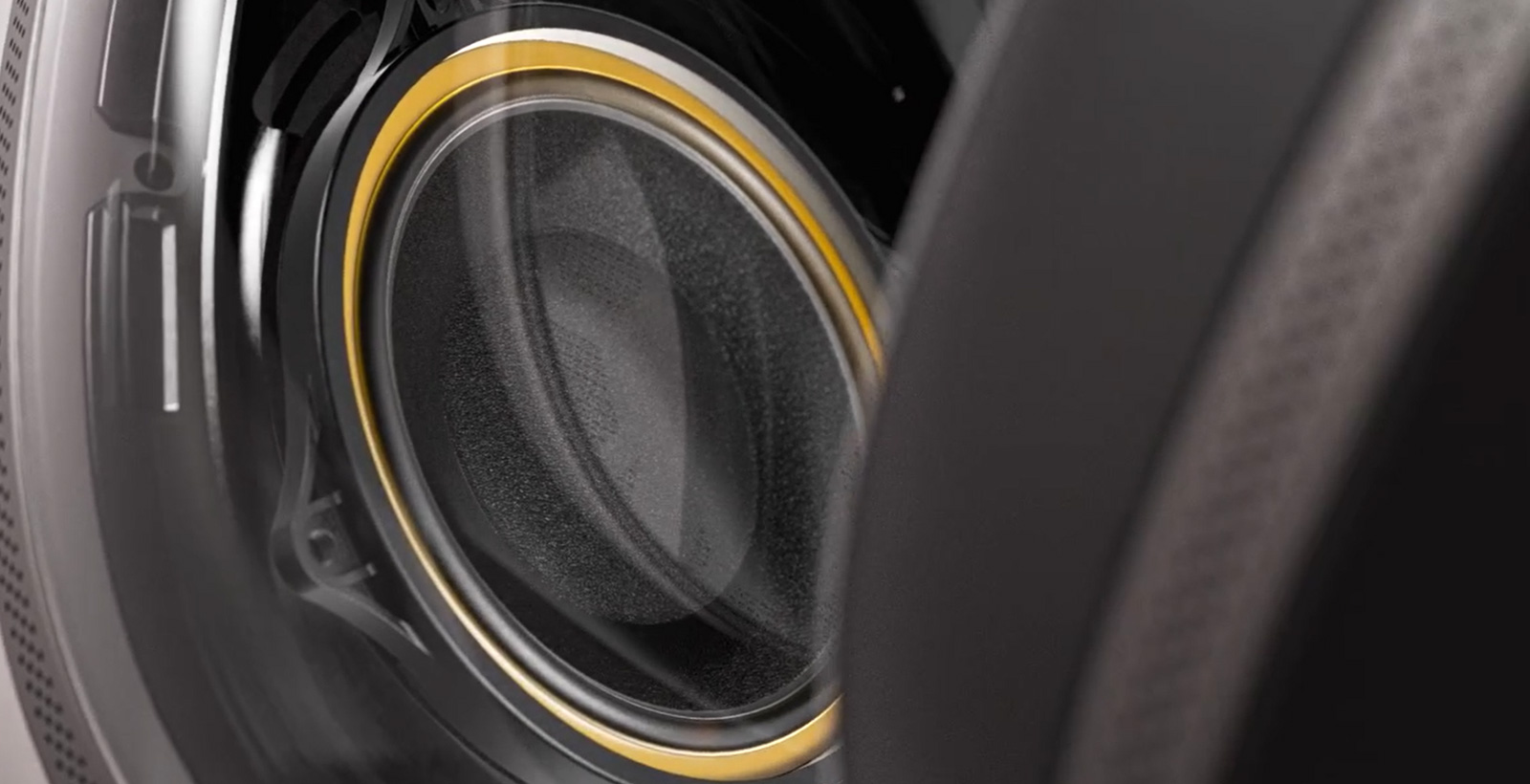
The most important technical update is centered on the 40mm Carbon Cone drivers. In the Px8 S2, these drivers are supported by a redesigned chassis, voice coil, suspension, and magnet system. Bowers & Wilkins also angles the drivers toward the listener’s ears, a design choice intended to improve imaging and stereo spatiality. The company additionally specifies a dedicated discrete amplifier, positioned as part of the headphone’s performance upgrade over its predecessor.
Why does this matter to a buyer? In wireless headphones, the driver is only one part of the signal chain, but it remains fundamental. Driver material, mounting, motor design, amplification, digital processing, and acoustic volume all interact. By revising more than just the cosmetic shell, Bowers & Wilkins is signaling that the Px8 S2 is meant to be a more comprehensive flagship product rather than a minor update. The angled driver layout is especially relevant for listeners who value a stronger sense of left-right placement and a less closed-in headphone presentation, although the final result will depend on source, fit, processing, and individual listening preferences.
Wireless convenience with higher-resolution codec support
Wireless capability is one of the Px8 S2’s more distinctive strengths. In addition to aptX Adaptive, the headphone supports Qualcomm aptX Lossless. With compatible sources, aptX Lossless enables playback up to 24-bit/96 kHz. This is significant because many premium wireless headphones still rely on more common Bluetooth codecs that may not suit listeners who subscribe to higher-resolution music services or who want the best available wireless link from a compatible device.
The practical caveat is compatibility. aptX Lossless requires a source device that supports the codec, so not every phone, tablet, or computer will unlock that mode. Even so, its inclusion gives the Px8 S2 more headroom for owners who already use compatible Android devices or who expect to upgrade their source hardware. The headphone also works through the Bowers & Wilkins Music app, which supports high-resolution streaming from services including Qobuz and Tidal. For users who already keep libraries or playlists in those ecosystems, that integration can make the headphone feel less like an isolated accessory and more like part of a connected listening platform.
Wired options add welcome flexibility
Although the Px8 S2 is a wireless ANC headphone, it does not rely solely on Bluetooth. Bowers & Wilkins includes both 3.5mm analogue and USB-C digital connections, with both cables supplied in the carrying case. That is a practical detail, because wired use can still matter in situations where Bluetooth is inconvenient, restricted, or less desirable.
The 3.5mm connection is useful for legacy sources, in-flight entertainment systems, compact music players, and audio devices without modern wireless support. USB-C digital audio provides another path for computers, tablets, and mobile devices that support it. For a listener who moves between a phone, laptop, desktop setup, and travel kit, this range of input options makes the Px8 S2 more adaptable than a wireless-only design. It also reduces the need to buy extra cables immediately after purchase.
ANC, microphones, and voice processing
The Px8 S2 uses an ANC system derived from the Px7 S3, built around eight microphones placed around the earcups. The system is designed to reduce outside noise while maintaining the headphone’s musical presentation. Noise cancellation is not only for aircraft cabins or train journeys; it can also be useful in offices, cafés, and shared living spaces where consistent background noise can distract from music, podcasts, calls, or focused work.
The microphone array also supports communication features, with ADI Pure Voice processing included for voice handling. This matters because many owners of premium wireless headphones use them not only for music but also for video calls, voice assistants, and mobile conversations. A flagship headphone that ignores call usability can feel incomplete in everyday use. The Px8 S2’s combination of ANC microphones, voice processing, and a dedicated Quick Action button for ANC modes or voice assistant activation shows that Bowers & Wilkins has considered the headphone as a daily communications tool as well as a listening device.
Controls, app features, and battery life
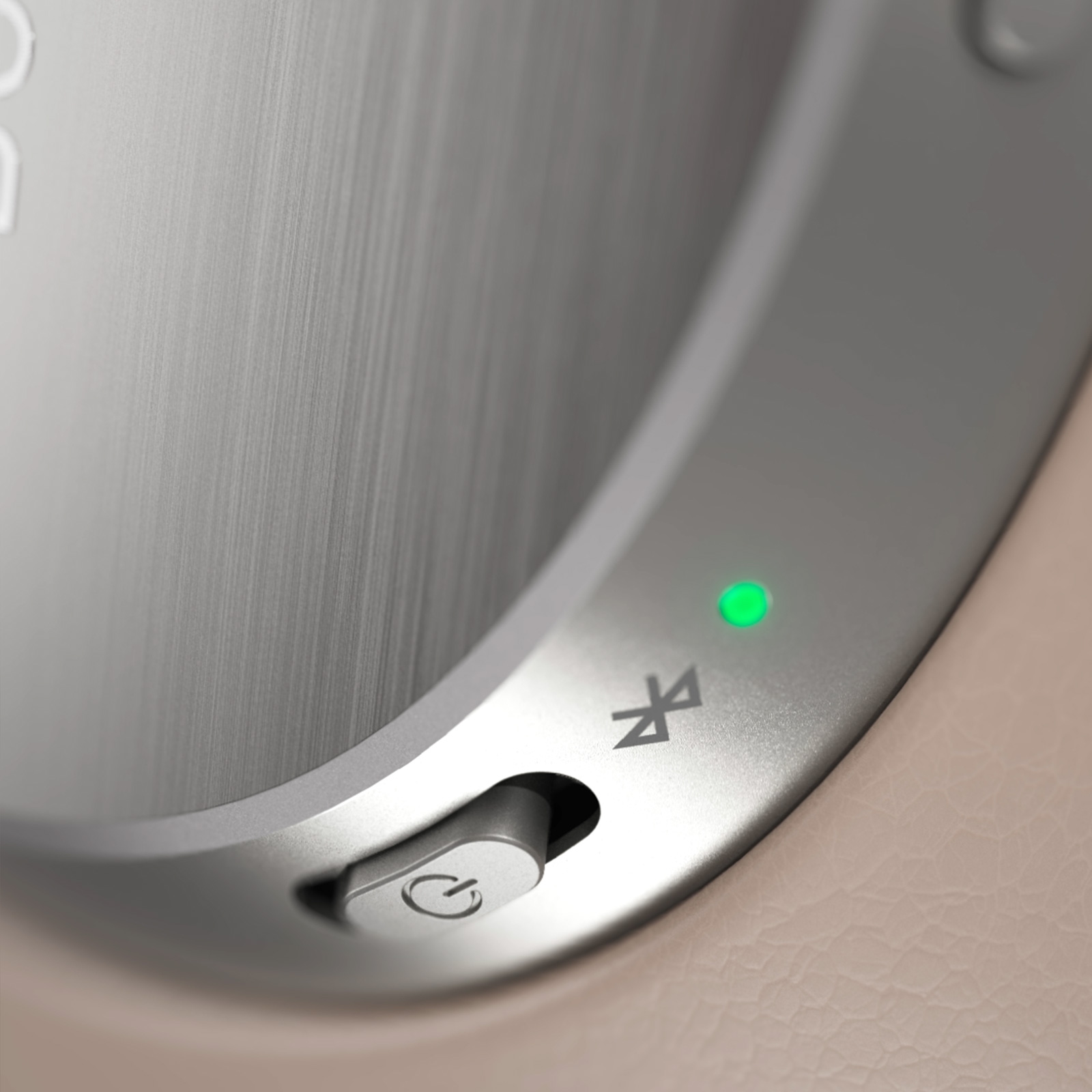
The Px8 S2 keeps physical controls, supported by the Bowers & Wilkins Music app. Physical buttons remain important because they are reliable when walking, travelling, or using the headphone without looking at a screen. The revised control layout is described as more intuitive, while the Quick Action button can be assigned to switch ANC modes or activate voice assistants. This gives users a direct way to access the features they are most likely to need repeatedly.
The app now includes a five-band EQ alongside Bowers & Wilkins’ standard True Sound tuning. That is a useful addition because it gives owners some ability to tailor the tonal balance without abandoning the manufacturer’s default setup. Not every listener wants to adjust EQ, but for those who do, a five-band control is more flexible than a simple bass-and-treble adjustment.
Battery life is another strong practical feature. Bowers & Wilkins specifies up to 30 hours with ANC enabled, which places the Px8 S2 in a range suitable for multi-day commuting or long-haul travel without constant charging. A 15-minute quick charge provides up to seven hours of listening time, a particularly useful feature for people who forget to charge before leaving home or who need enough power for a workday from a short top-up.
Future features and long-term relevance
Bowers & Wilkins has also announced future software support. Spatial audio is scheduled to arrive via an over-the-air update later this year, with Bluetooth LE Audio and Auracast support to follow. These are not features to treat as fully present on day one, but their planned inclusion is relevant for buyers thinking beyond immediate specifications.
Auracast, in particular, could become useful as public broadcast audio systems and compatible devices become more common. Bluetooth LE Audio may also broaden future compatibility and efficiency depending on implementation and source support. For a premium headphone priced at $729, the promise of continued software development helps position the Px8 S2 as a product intended for more than a short upgrade cycle.
Conclusion
The Bowers & Wilkins Px8 S2 is most suitable for listeners who want a premium wireless over-ear headphone with active noise cancellation, high-quality materials, multiple connection options, and a feature set that reaches beyond basic Bluetooth playback. Its strongest documented qualities are its refined nappa leather and aluminum design, revised Carbon Cone driver architecture, aptX Lossless support, USB-C and 3.5mm wired listening, eight-microphone ANC system, app-based EQ, 30-hour ANC battery life, quick charging, and serviceable wear parts. It is likely to appeal most to owners who divide their listening between travel, work, streaming, and home use, and who value both luxury finish and practical flexibility in a flagship headphone.