

Sony has officially decided to end production of its Blu-ray disc recorders, marking the quiet end of an era for one of the companies most closely associated with the optical media format. The decision reflects a clear shift in consumer habits, as streaming services and on-demand platforms have largely replaced physical recording and archiving for everyday video use.
According to the company, demand for Blu-ray recorders has declined to the point where continued production is no longer commercially viable. As households increasingly rely on streaming platforms, cloud storage, and digital downloads, the need to record television programs or archive video onto optical discs has all but disappeared in most markets.
For years, Blu-ray recorders remained popular in certain regions, especially in Japan, where time-shifting and physical recording culture held on longer than in Europe and North America. However, even these markets have gradually shifted toward online services, reducing the relevance of standalone recording hardware.
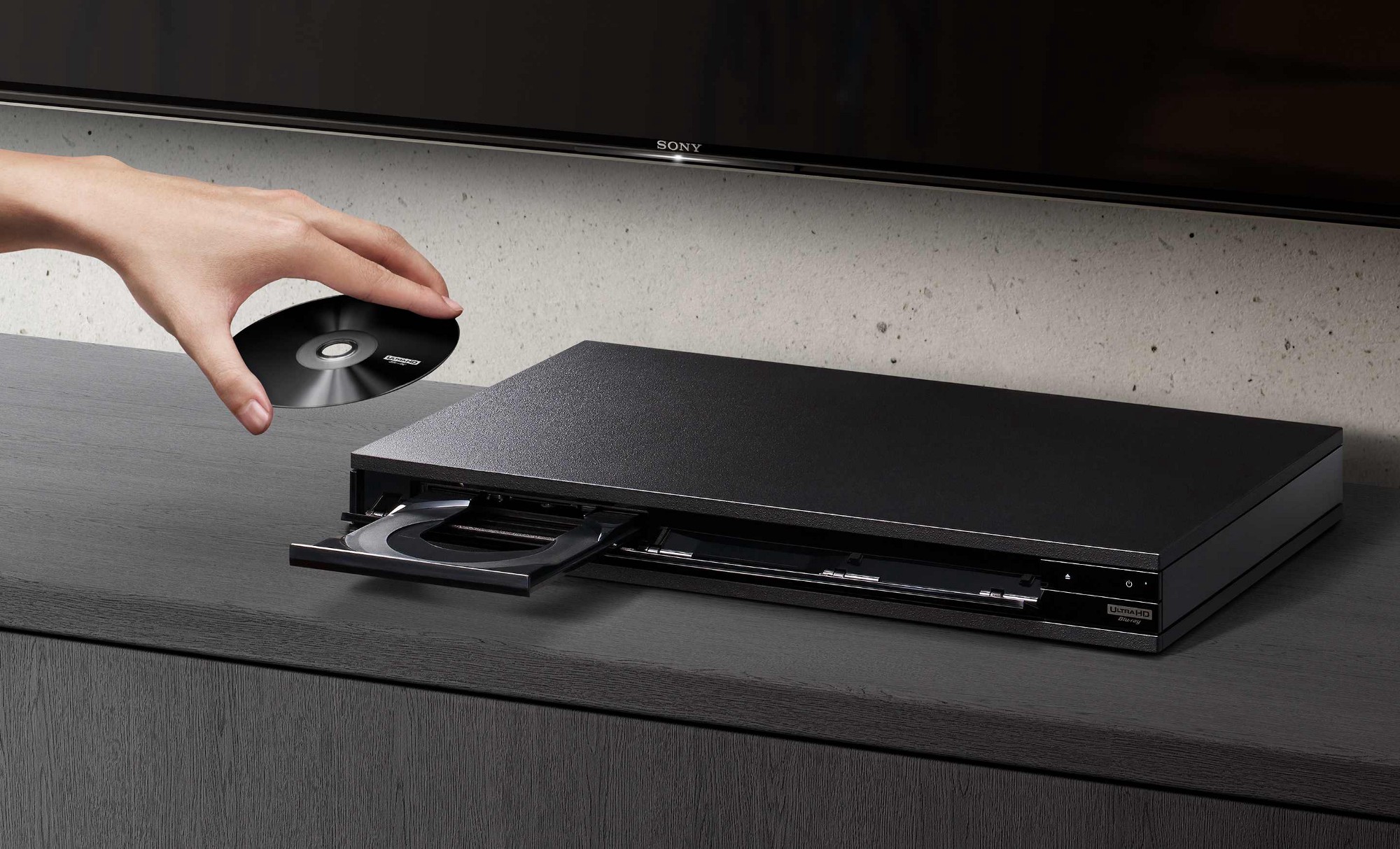
Not the end of Blu-ray entirely
While Sony is exiting the Blu-ray recorder segment, the company is not abandoning optical media altogether. It has confirmed that production of standard Blu-ray and DVD players will continue, ensuring that consumers can still enjoy physical movie collections and high-quality disc playback.
This distinction is important. While recorders have become a niche product, Blu-ray players—especially in the 4K Ultra HD segment—still appeal to home cinema enthusiasts who value higher bitrates, better audio formats, and consistent picture quality compared to streaming.
Gradual phase-out of recordable discs
Sony has also indicated that production of recordable optical media, including recordable Blu-ray discs, will be gradually phased out. This move mirrors a broader industry trend, as manufacturers step away from physical storage formats in favor of solid-state drives, cloud storage, and streaming platforms.
For consumers who still rely on recordable discs for backups or archiving, this signals that long-term availability may become increasingly limited.
Part of a wider industry shift
Sony is not alone in this decision. Japanese manufacturer REGZA recently announced that it would also stop supplying Blu-ray recorders. Together, these moves highlight how quickly the market has changed.
What was once a cornerstone of home entertainment—recording television onto discs for later viewing—has largely been replaced by streaming services with built-in replay functions, cloud DVR features, and vast on-demand libraries.
The end of a recording era
Sony played a central role in the development and popularization of the Blu-ray format, which ultimately defeated HD DVD in the mid-2000s. Blu-ray went on to become the standard for high-definition physical media, especially among movie collectors and home theater enthusiasts.
With the discontinuation of Blu-ray recorders, Sony is effectively closing the chapter on one of the last consumer recording formats tied to physical media. While disc playback will remain part of the home cinema landscape for some time, the age of recording video onto optical discs is now clearly drawing to a close.




Sound Off
0Join the discussion if you have something to add.