

Audio Research has built its reputation on tube electronics that combine precision with musicality. With the new LS-3, the American high-end brand takes a different route—offering a fully solid-state preamplifier that stays true to its core philosophy while embracing a modern, balanced transistor design.
The LS-3 isn’t about nostalgia or retro aesthetics. It’s a contemporary control center for serious systems, designed to deliver clean signal handling, stable dynamics, and the kind of transparency you expect from a component carrying the Audio Research badge.
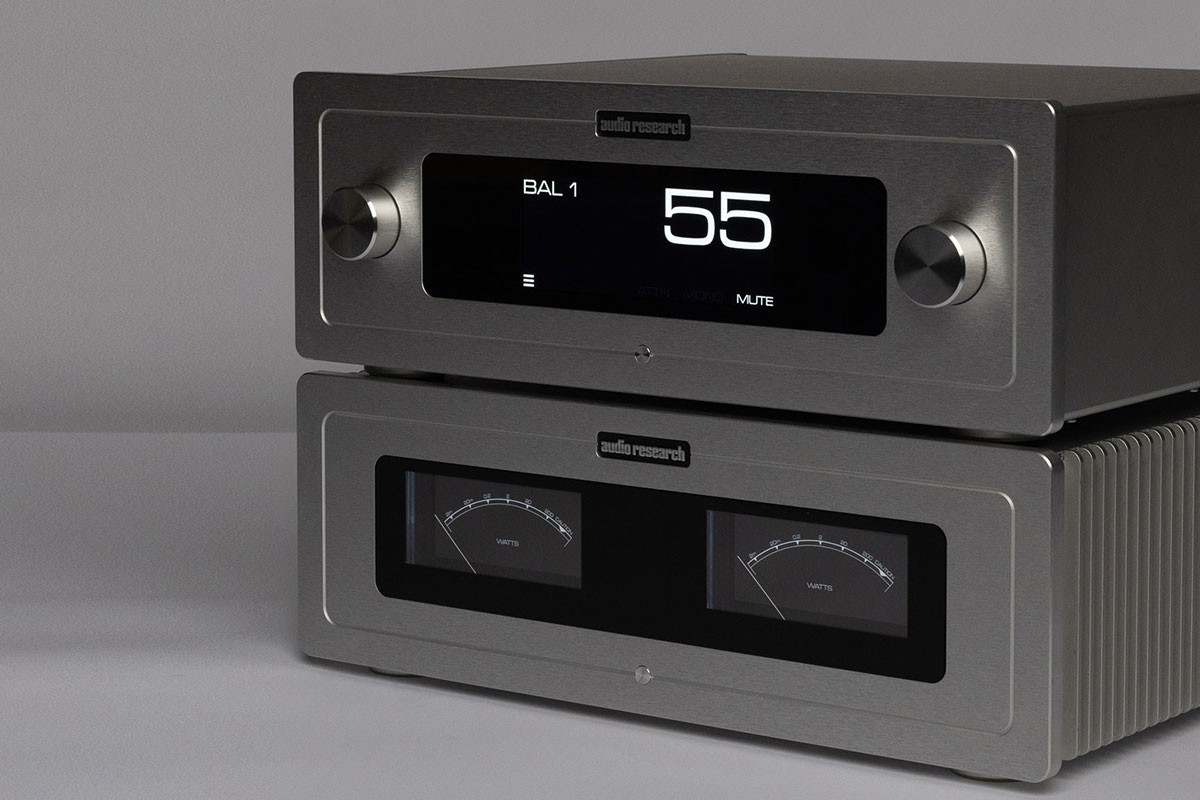
A solid-state take on the classic ARC line stage
At its heart, the LS-3 is a pure line-level preamplifier built around a fully symmetrical, differential circuit topology. Instead of tubes, Audio Research uses a carefully selected transistor architecture aimed at low noise, wide bandwidth, and precise signal control.
The input stage relies on JFETs, known for their low-noise characteristics and smooth handling of high-resolution sources. Voltage amplification is handled by bipolar transistors, while the output stage runs in pure Class-A operation. The result is a signal path designed for stability, speed, and effortless dynamics.
Audio Research has also implemented a true dual-mono layout. Each channel has its own transformer and a separate linear power supply, with independent voltage regulation. In practice, this approach is meant to maximize channel separation, reduce interference, and maintain composure even during complex musical passages.
With a gain of 20 dB on both balanced and unbalanced outputs, the LS-3 is designed to work comfortably with a wide range of power amplifiers. Its extremely low output impedance—10 ohms balanced and 25 ohms unbalanced—makes it suitable for long cable runs and more elaborate system layouts.
The input impedance of 25 kΩ ensures easy matching with modern source components. Whether you’re using a high-end DAC, a CD transport, or a network streamer, the LS-3 is engineered to integrate smoothly without placing unnecessary load on the source.
Modern control with a new touchscreen interface
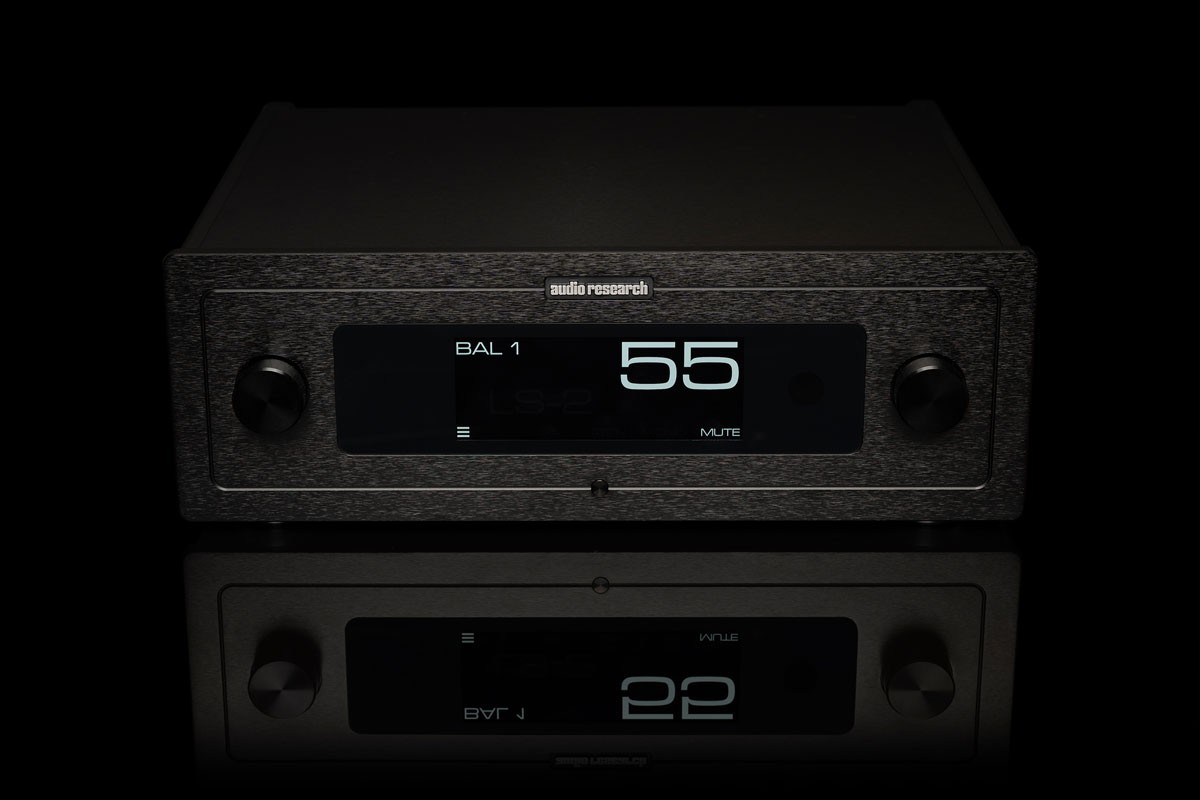
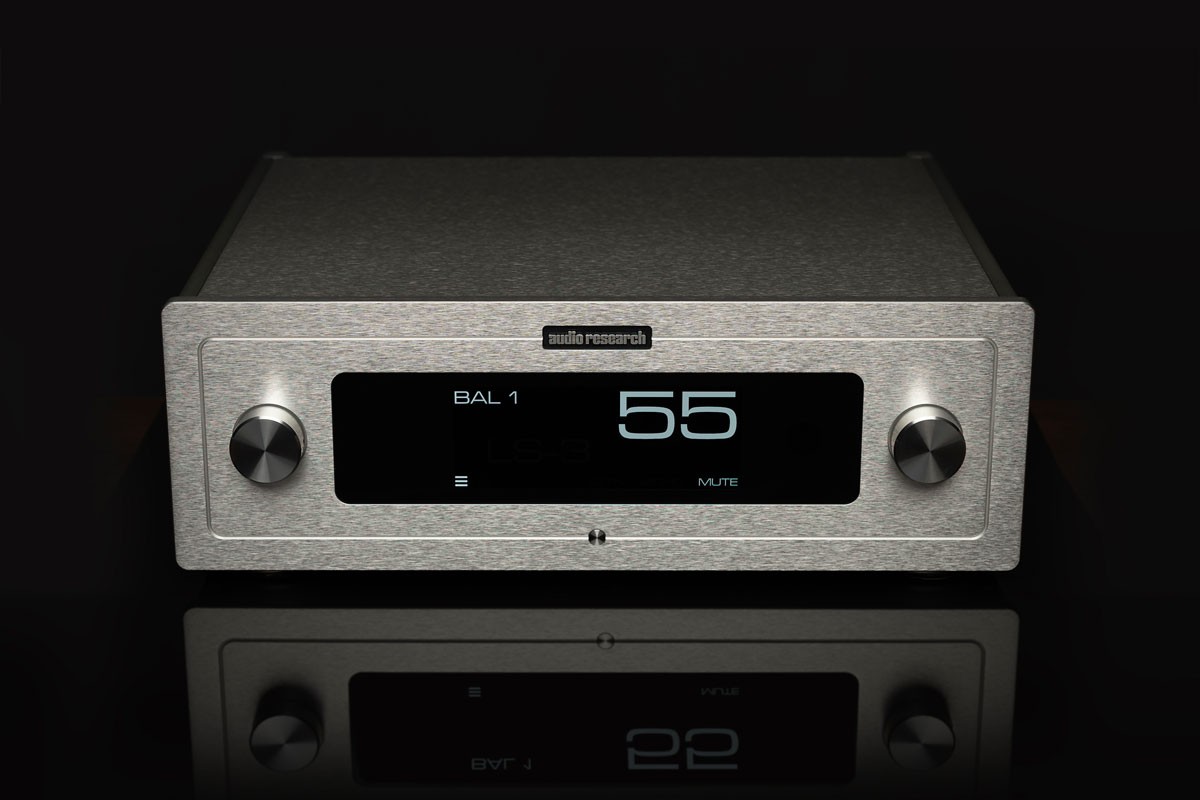
One of the most visible changes is the integrated touchscreen display. Audio Research has moved away from traditional knobs and switches in favor of a cleaner, more contemporary interface.
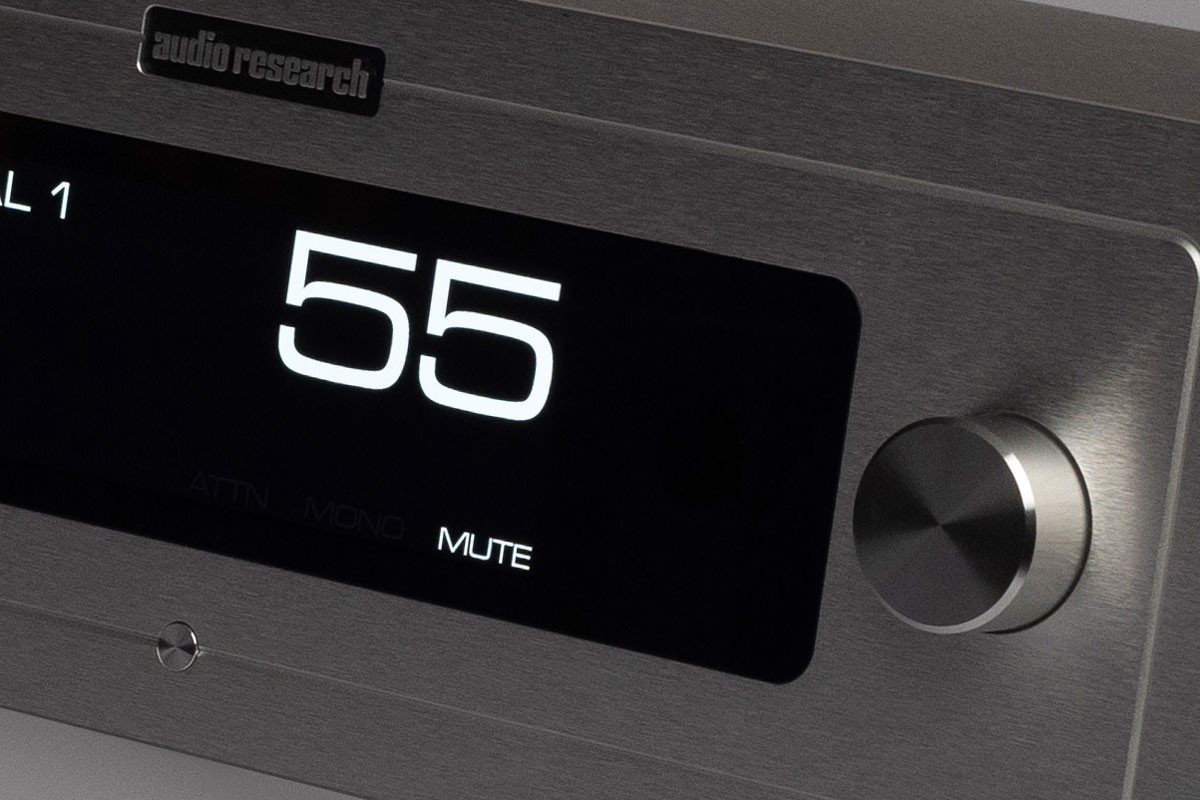
The display allows you to rename inputs, adjust brightness and color themes, and access system settings directly. The typography follows the brand’s distinctive GhostMeter style from the Reference series, creating a visual link to Audio Research’s flagship components. In daily use, the interface is designed to be intuitive, discreet, and free of unnecessary clutter.
Clean design, serious construction
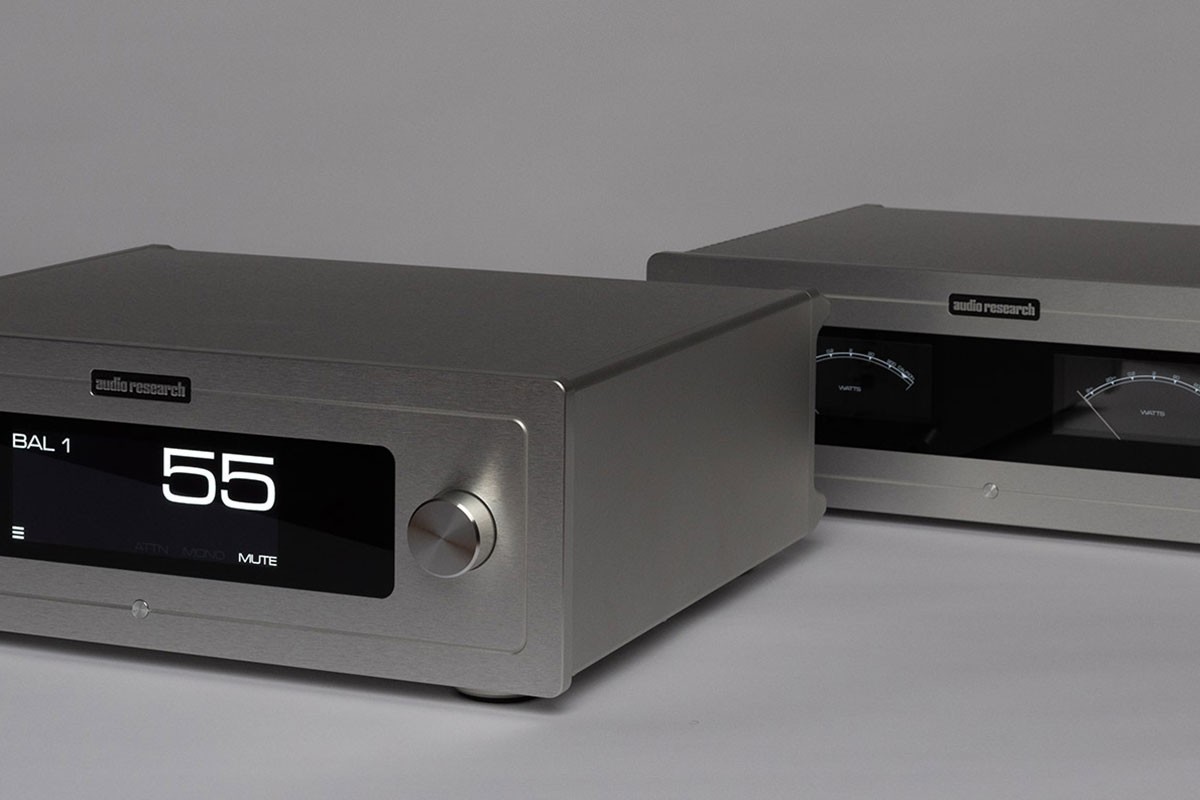
The LS-3’s chassis is built entirely from aluminum, chosen for both mechanical stability and effective shielding. The minimalist design reflects Audio Research’s current aesthetic: sharp lines, a low profile, and a focus on functional elegance.
Beyond looks, the enclosure is engineered to reduce vibration and protect the sensitive internal circuitry from external interference—details that matter when you’re chasing the last degrees of clarity and resolution.
Price and availability
The Audio Research LS-3 is available now through authorized dealers. The standard line-stage version is priced at $10,300, while an upgraded version with an integrated DAC and phono stage is available for $11,900. Both versions come in either black or silver finishes to suit different system styles.
A modern ARC for listeners who prefer transistors
With the LS-3, Audio Research shows that its design philosophy isn’t limited to tubes. This is a contemporary, fully balanced preamplifier built for transparency, control, and real-world usability. It carries the sonic intent and engineering discipline the brand is known for—just expressed through a modern solid-state platform.
For listeners who want the clarity and authority of a high-end line stage without tube maintenance, the LS-3 looks like a very compelling addition to the Audio Research lineup.




Sound Off
0Join the discussion if you have something to add.