
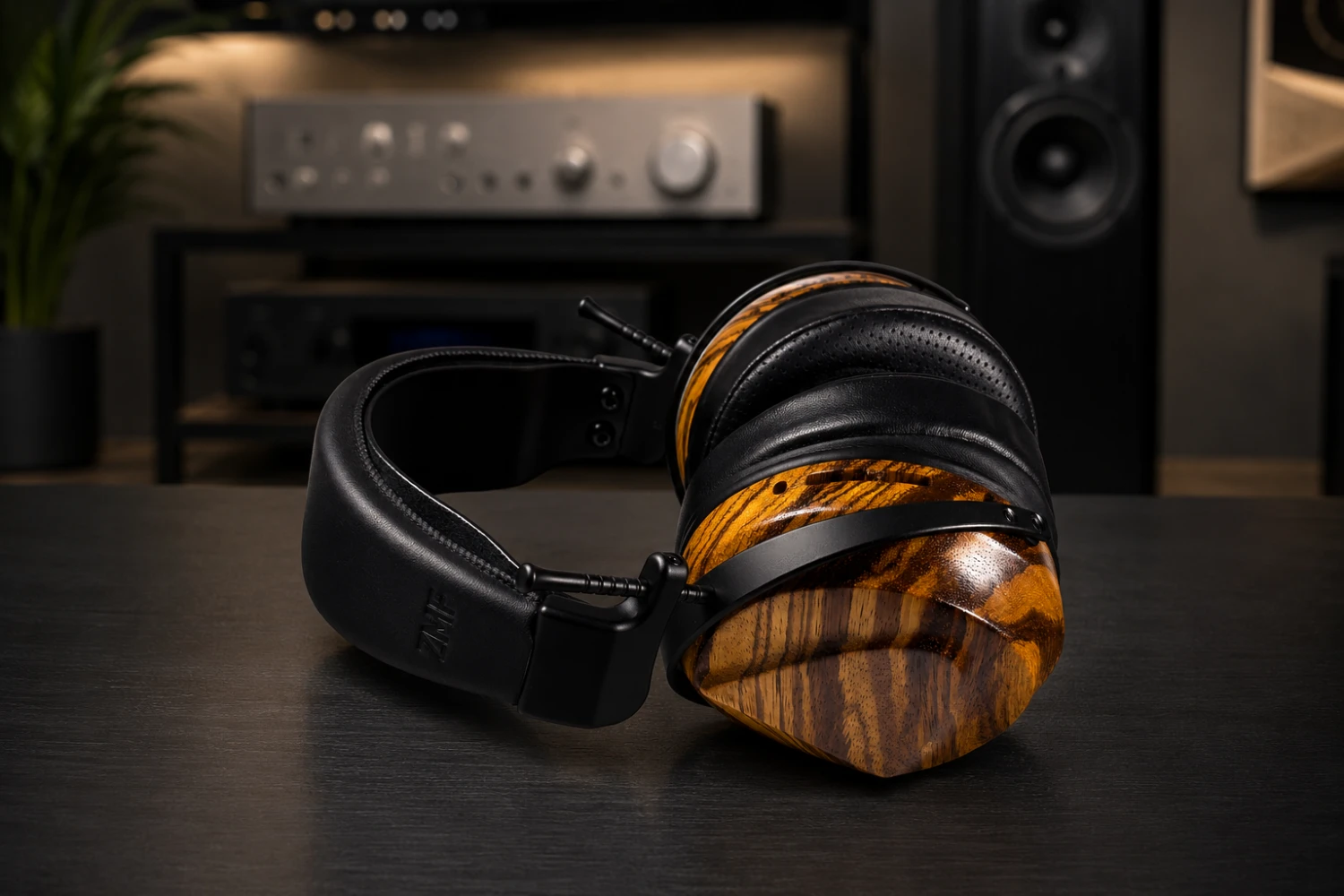
The Caldera Closed sits at the top end of ZMF’s headphone range as a closed-back planar model. Its role is notable because closed headphones in this class are often judged not only against other sealed designs, but also against open-back flagships. The Caldera Closed has gained attention for precisely that reason: it is regularly discussed in the context of headphones that are not constrained by a closed enclosure.
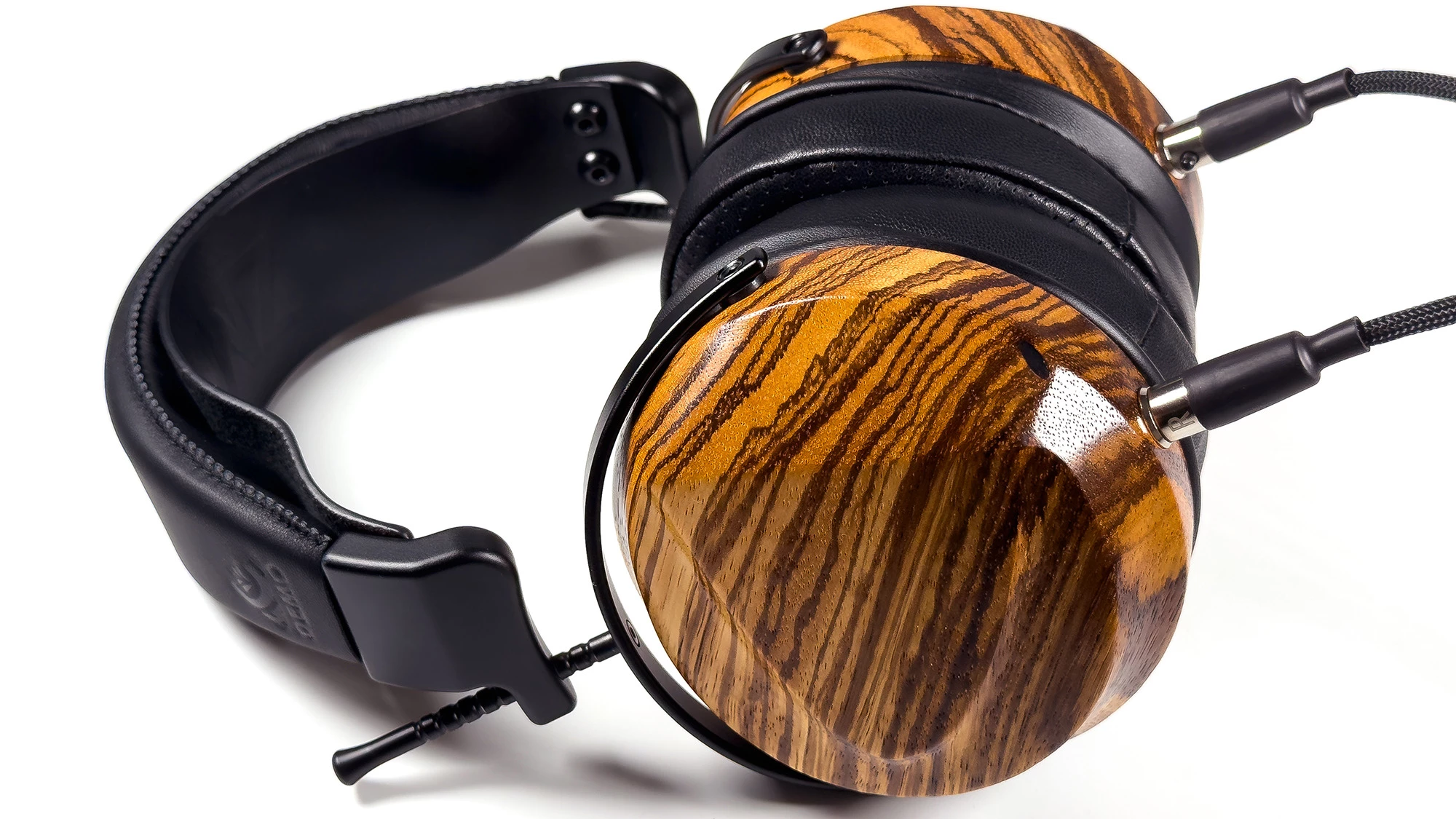
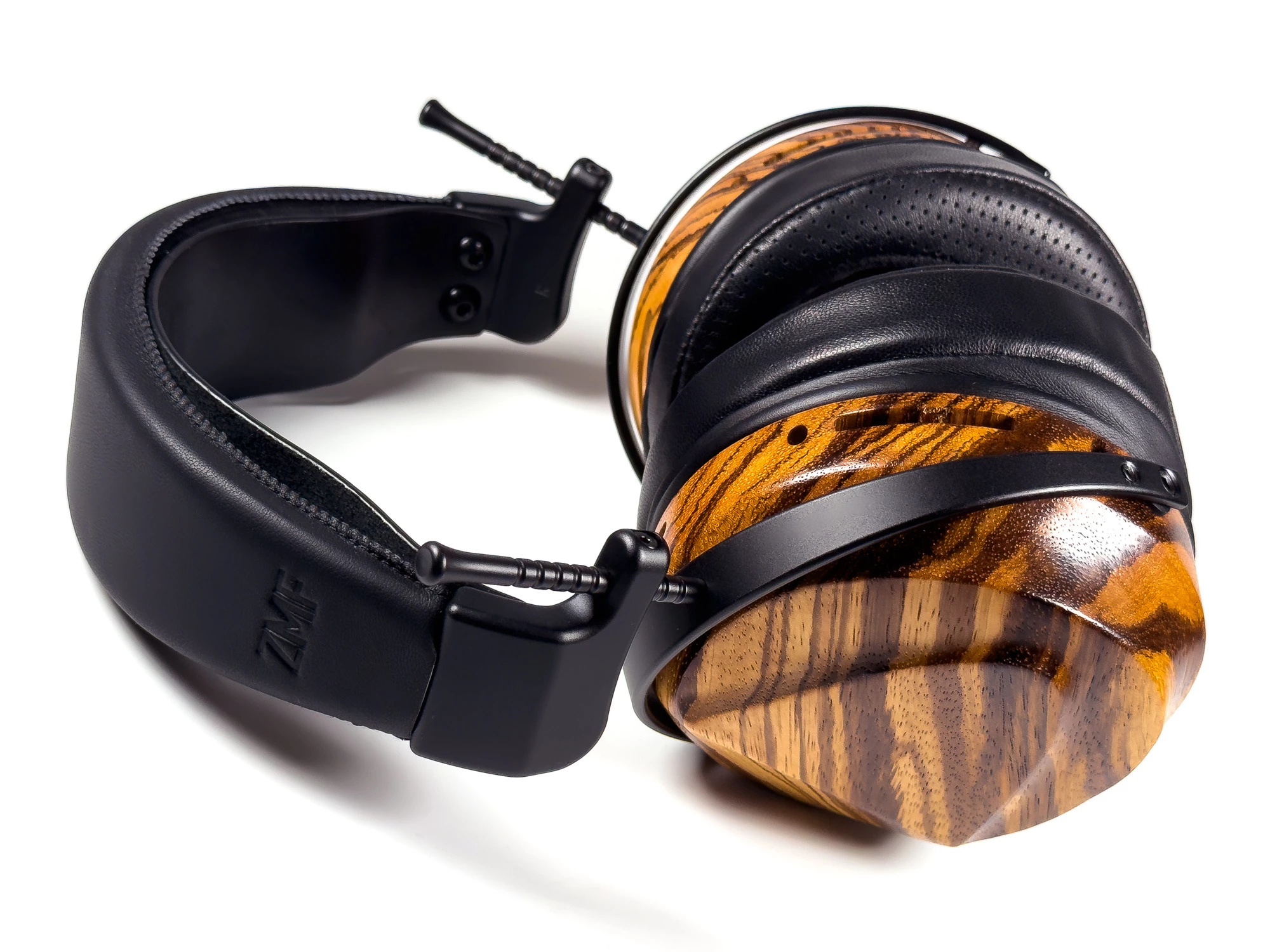
The construction follows a premium approach, using wooden ear cups and a mechanical assembly described as fitting for its price category. A suspension-style headband is used to distribute weight, an important point because the headphone is said to weigh around 500 grams. Despite that figure, the headband design is intended to improve long-session comfort by spreading the load more evenly across the head.
As a closed planar headphone, the Caldera Closed is aimed at buyers who need isolation or prefer a sealed form factor, but who do not want to step away from the technical expectations associated with flagship planar designs. The combination of wood, substantial build and closed acoustic architecture gives the model a distinct position within the high-end headphone market.
Balanced tuning rather than a single headline effect
The sonic character associated with the Caldera Closed is not built around one exaggerated trait. It is not presented as a headphone focused solely on maximum bass impact, extreme analytical detail or an artificially expanded soundstage. Instead, its defining quality is a balanced presentation that aims to keep technical ability and musical ease in the same frame.
The low-frequency tuning is described as controlled and capable of reaching close to the sub-bass region, while placing more emphasis on midbass than on the very lowest frequencies. This gives the bass range a sense of energy and foundation without making the deepest bass the constant focus. The design is also credited with avoiding many familiar closed-back issues, including excessive cup resonance and unwanted boom.
In the midrange, the Caldera Closed is characterized by a natural and organic presentation. Resolution is part of the package, but the headphone is not described as forcing every small detail forward. That balance is important for a flagship model because it allows vocal and instrumental information to remain accessible without turning the listening experience into a purely analytical exercise.
Treble, staging and detail handling
The upper frequencies are described as energetic but not pushed beyond comfort. The treble extends well and is said to preserve air and instrumental decay, while still revealing roughness or sibilance when those qualities are present in a recording. In other words, the tuning is not presented as one that softens all difficult material, but neither is it described as bright simply for effect.
Soundstage is one of the areas where the Caldera Closed has attracted particular attention. While open-back flagships still retain an inherent advantage in scale, the difference is described as smaller than expected. The headphone is noted especially for stage depth, with instruments placed in more than just a left-right spread. That sense of placement is significant for complex recordings, where separation and layering can affect how easily the arrangement is followed.
Detail retrieval is also framed as natural rather than spotlighted. Small nuances are audible, but they are not artificially pushed to the front of the mix. This approach places the Caldera Closed in a category of high-end headphones that prioritize long-term listening comfort alongside technical performance.
Tuning Kit expands the options
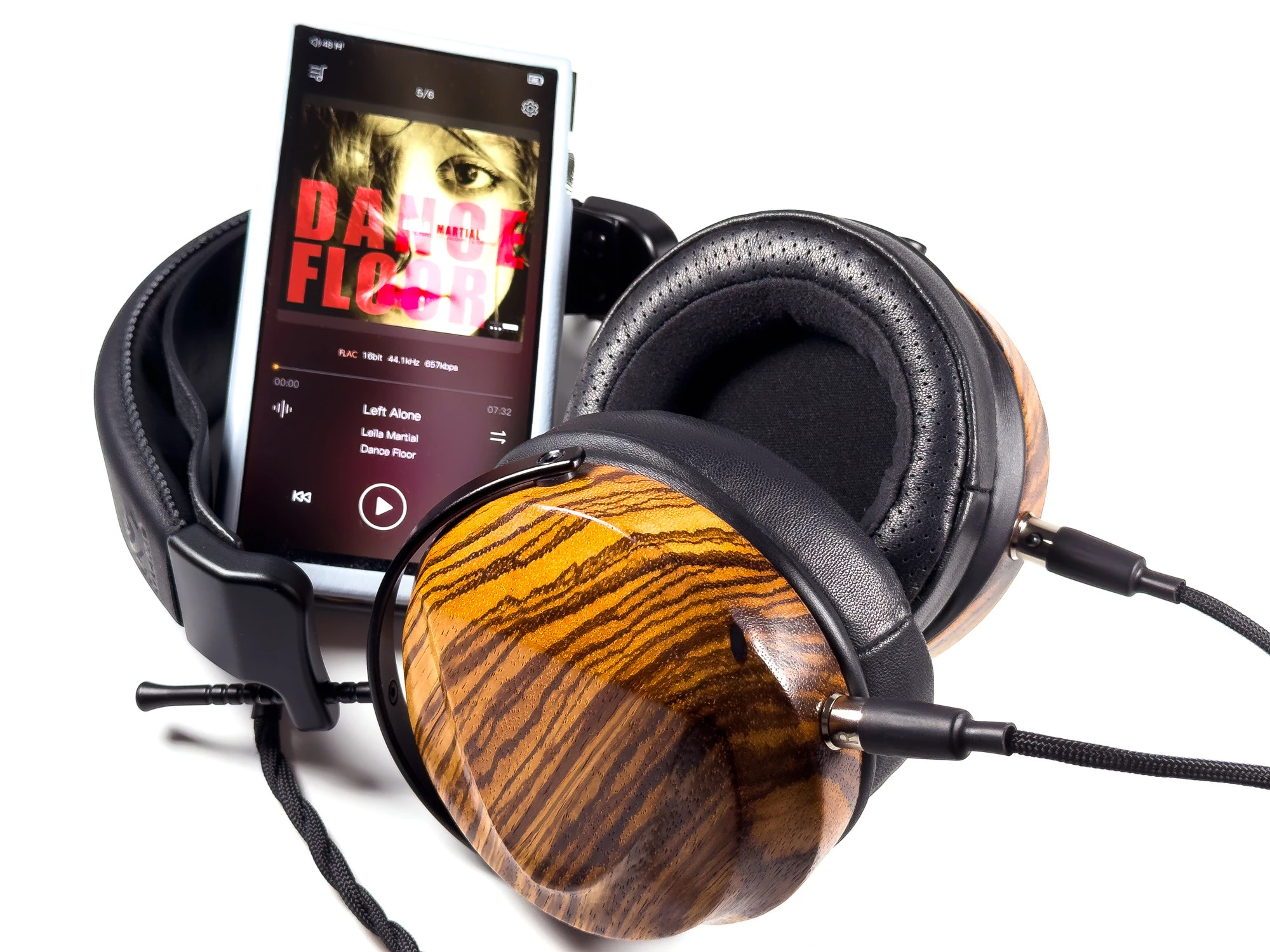
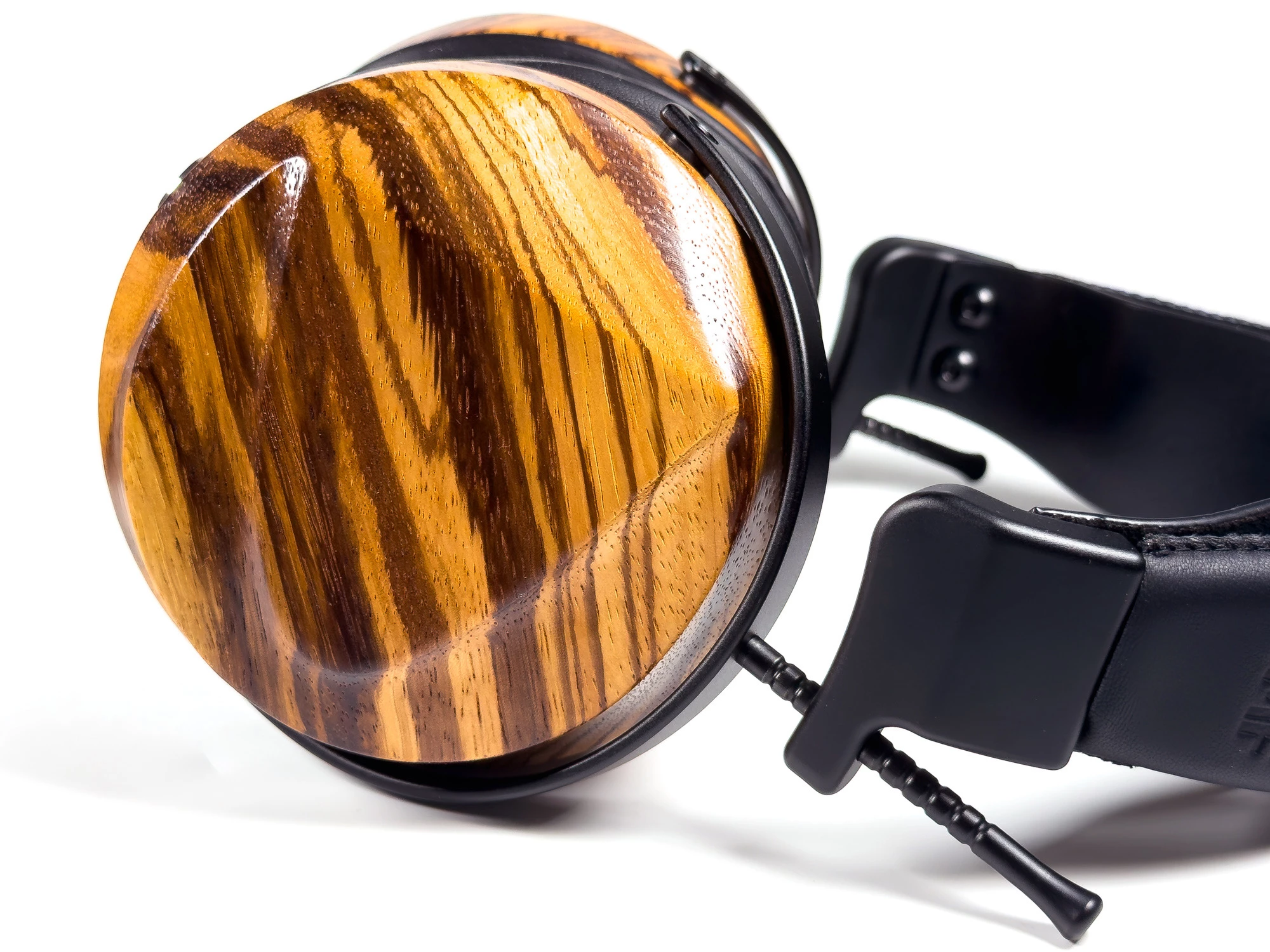
ZMF’s dedicated Tuning Kit is another relevant part of the Caldera Closed ecosystem. The kit includes additional ear pads and damping inserts, and these components are said to alter the headphone’s sound character in meaningful but not model-transforming ways.
Some combinations can make the bass feel denser and add energy, while others can lighten the low frequencies and bring greater attention to the midrange. The purpose is not to turn the Caldera Closed into an entirely different headphone, but to allow the owner to adjust its balance more closely to personal preference.
That level of user tuning is particularly relevant for a headphone at this price, where small tonal shifts can matter to listeners with established systems and clear preferences. The availability of pad and damping options gives the Caldera Closed more flexibility than a fixed-configuration closed-back design.
Positioning and price
Caldera Closed is clearly positioned in the flagship segment. The model is not competing on affordability; it is aimed at listeners considering top-tier headphones and, more specifically, those who want a closed construction without accepting the usual limitations associated with sealed ear cups.
The comparison point raised most often around the Caldera Closed is not simply other closed-back headphones, but open-back flagship models. That is a key part of its identity. Its closed format is central to the product, yet its reputation rests on how far it can move beyond the expectations normally attached to that format.
For listeners who require a high-end closed planar headphone, the Caldera Closed stands out as one of the more ambitious options currently discussed in this class. The available factual details point to a product built around premium materials, careful weight distribution, adjustable tuning and a sound signature intended to combine control, resolution and listenability.


Sound Off
0Join the discussion if you have something to add.