Our Favorite Headphones for Different Listening Habits
A format-first headphone guide covering analytical over-ears, planar designs, technical IEMs, wireless IEM adapters, and sound-focused true wireless earbuds.
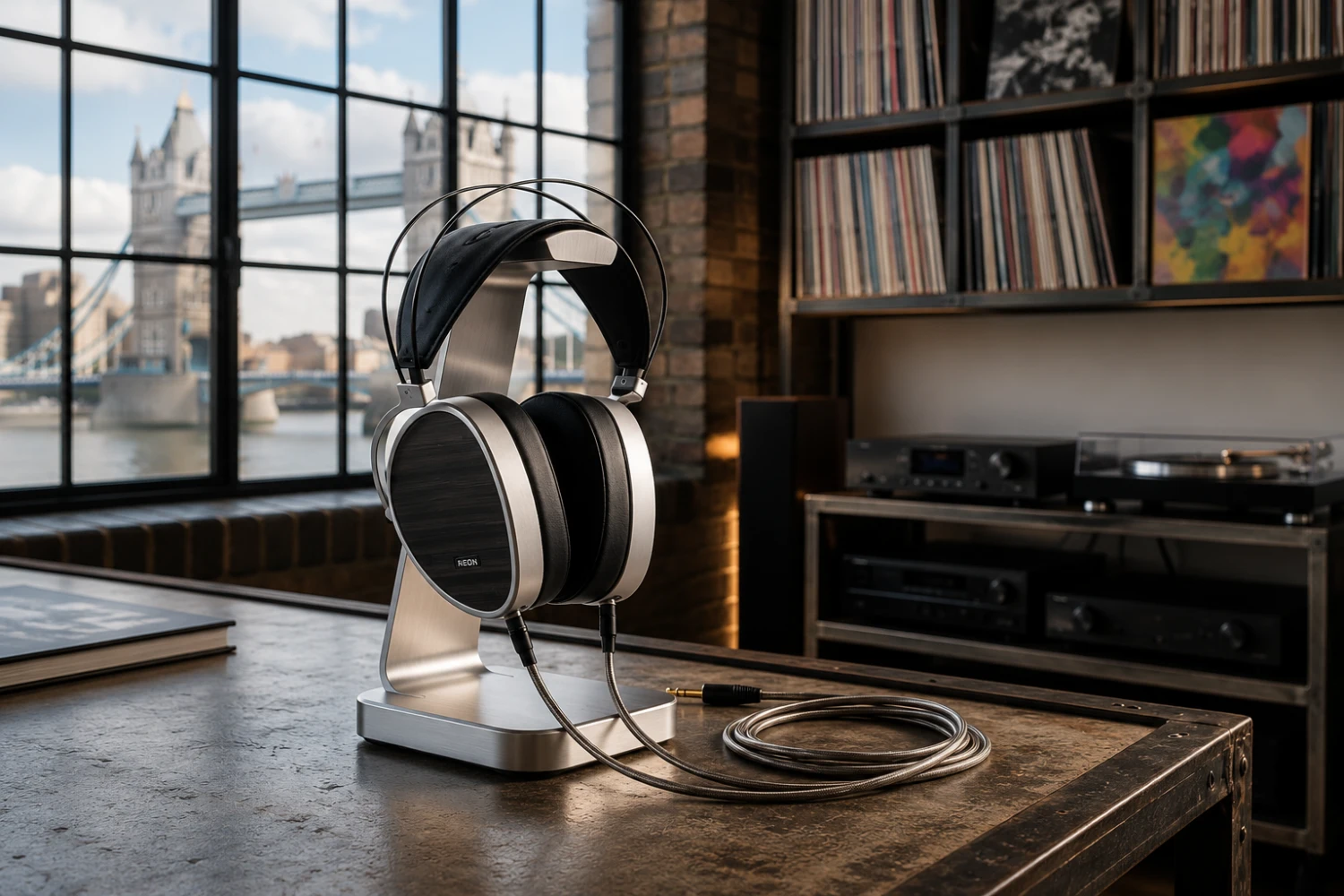
Headphones are not one category so much as a collection of very different tools.
The right choice depends on whether you want open-back space for critical listening, closed-back isolation, true wireless convenience, an in-ear monitor for technical detail, or a way to make an existing wired IEM work without a cable to the source.

1. Sennheiser HD 560S: Affordable high-quality headphones
Sennheiser HD 560S over-ear headphones with their detachable cable and 6.3 mm adapter for hi-fi and desktop listening.
The Sennheiser HD 560S stands out here as the straightforward, analysis-minded option.
The source describes an unassuming build with a high proportion of plastic, but also frames the model as a serious acoustic design marketed for reference-class analytical listening.
Its included cable arrangement is practical for home and hi-fi use, with a 1.8 meter cable terminating in 3.5 mm and a threaded 6.3 mm adapter. This is the kind of headphone to consider when the priority is honest listening rather than luxury presentation.
Best for: Analytical home listening
- Reference-class analytical listening focus
- Practical 3.5 mm connection with 6.3 mm adapter
- Simple, no-frills presentation
- Broad Sennheiser headphone lineage
Verdict: The HD 560S is the sensible pick for listeners who want a direct, reference-minded Sennheiser without paying for premium materials or visual drama.

2. iFi GO Pod Air Transforms Any IEM into a Hi-Res Wireless Powerhouse
iFi GO Pod Air earhook modules designed to turn compatible wired in-ear monitors into Bluetooth earphones.
The iFi GO Pod Air is not a conventional headphone, but it earns its place because it changes how wired in-ear monitors can be used.
Instead of replacing a favorite IEM with a true wireless earbud, it adds Bluetooth operation through earhooks while retaining a more hi-fi-oriented architecture than typical single-chip wireless earbuds.
The source highlights separate Bluetooth reception, a Cirrus Logic Master DAC, balanced amplification, smart impedance matching, touch controls, and clear calls. It is most compelling for listeners who already own capable in-ear headphones and want wireless convenience without abandoning them.
Best for: Wireless use with wired IEMs
- Adds Bluetooth capability to existing IEMs
- Separate DAC and amplification architecture
- Smart impedance matching
- Touch controls and call support
Verdict: The GO Pod Air is the most practical recommendation here for IEM owners who want wireless freedom while keeping the earphones they already like.

3. Linsoul x HBB Jupiter: Next-generation tri-brid headphones
Linsoul x HBB Jupiter tri-brid in-ear headphones with dynamic, balanced armature, and electrostatic driver technologies.
The Linsoul x HBB Jupiter is the most driver-intensive in-ear model in this selection.
Its tri-brid configuration combines a 10 mm dynamic driver, six balanced armature drivers, and four electrostatic drivers, with the source emphasizing both technical performance and enjoyable tuning.
The description points to extended ultra-high frequencies, controlled but powerful bass, and a detachable cable. With a 2-pin 0.78 mm connector, 3.5 mm cable connection, 20 ohm impedance, and 102 dB sensitivity listed in the source, the Jupiter is aimed at listeners who are comfortable with specialist IEM designs and want a highly specified wired option.
Best for: Technical wired IEM listening
- Tri-brid driver arrangement
- Powerful, controlled bass focus
- Detachable 2-pin cable
- Detailed published specifications
Verdict: The Jupiter is the specialist in-ear choice for listeners drawn to complex driver architecture and a technical yet listenable tuning brief.
4. Dan Clark Aeon Core: Revolutionary Planar Magnetic Headphones
Dan Clark Aeon Core closed-back planar magnetic headphones with detachable cable support and isolation-minded ear cups.
The Dan Clark Aeon Core is the closed-back planar magnetic recommendation for listeners who want isolation without giving up a sense of openness.
The source describes a new magnetostatic driver, revised ear cup tuning, detachable cables, and broader compatibility.
It also explains the central design challenge: closed headphones tend to leak less sound and isolate better, but can feel enclosed; the Aeon Core is positioned as a closed-back design intended to sound unusually open and spacious. That makes it a strong fit for shared spaces, studio-adjacent use, or home listening where open-back leakage is not ideal.
Best for: Closed-back planar listening
- Closed-back isolation
- Planar magnetic driver design
- Detachable cables
- Tuned for an open, spacious character
Verdict: The Aeon Core is the balanced choice for listeners who need the practicality of a closed headphone but still want a more spacious presentation.

5. Best headphones: We rate the very best TWS earbuds this year
A true wireless earbud selection focused on sound quality, noise reduction, codec support, and compact everyday use.
This true wireless roundup is useful for readers who want earbuds rather than full-size headphones.
The source frames the selection around sound quality and original technical solutions, with examples including advanced active noise cancellation, hybrid acoustic sections, LDAC support, low-latency gaming modes, and carefully designed airflow or driver systems.
The excerpt specifically mentions models such as the Edifier NeoBuds Pro 2 and Technics EAH-AZ40M2, both presented as strong sound-first TWS options with noise reduction features. It is a good reference point for buyers comparing compact wireless earbuds rather than wired audiophile designs.
Best for: True wireless earbud shoppers
- Focus on TWS sound quality
- Noise reduction highlighted
- LDAC support appears in cited models
- Includes technical feature comparisons
Verdict: This roundup is the right stop for buyers who want compact wireless earbuds with sound and noise reduction treated as serious priorities.

6. FiiO FT7: A High-End Audio Marvel Debuts at Bristol HiFi Show
FiiO FT7 open over-ear planar headphones featuring large drivers and a Zebrawood lattice grille.
The FiiO FT7 is an open over-ear planar headphone presented as the brand’s flagship headphone.
The source highlights 106 mm full-size planar drivers, a very thin film membrane, a Zebrawood grille, and a magnetic system using multiple N52 neodymium magnets on each side.
It is also positioned as a natural partner for FiiO’s K19 headphone amplifier, which tells us this is intended for serious desktop or hi-fi listening rather than casual phone use. Pricing and shipping details are described as not final in the source, so the safer view is to treat it as a high-end model to watch rather than a fully settled value recommendation.
Best for: Open-back planar hi-fi systems
- Open over-ear planar design
- 106 mm full-size drivers
- Zebrawood grille
- Designed for high-end headphone systems
Verdict: The FT7 is the ambitious open planar option for listeners building around a capable desktop or hi-fi headphone chain.

7. Campfire Axion Multiverse III: Limited edition in-ear headphones
Campfire Axion Multiverse III in-ear headphones with lacquered resin housings, proprietary MMCX connectors, and USB-C DAC cable.
The Campfire Axion Multiverse III is a limited-edition in-ear model built around a full-range silicon dynamic driver.
The source emphasizes its compact, lightweight construction, lacquered resin housing, gold PVD-coated sound pipe, and flexible wearing options: either behind the ear or cable-down.
A notable inclusion is the USB-C cable with an integrated digital-to-analog converter, connecting to the earphones via proprietary MMCX connectors. With a listed 16.7 ohm impedance, 94 dB sensitivity, and 5 Hz to 20 kHz frequency range, it is an interesting option for listeners who want a distinctive wired-style IEM that is ready for USB-C sources.
Best for: USB-C in-ear listening
- Full-range silicon dynamic driver
- USB-C cable with integrated DAC
- Flexible wearing options
- Compact, lightweight construction
Verdict: The Axion Multiverse III is the distinctive compact IEM pick for listeners who value USB-C readiness, flexible fit, and Campfire’s experimental driver approach.

8. Top 5 Latest TWS Headphones with High-Quality Sound
A selection of true wireless earbuds evaluated around driver design, Bluetooth support, noise cancellation, call handling, and portability.
This TWS-focused article addresses a different part of the headphone market: buyers who want completely wireless earbuds but still care about sound quality.
The source notes that fully wireless in-ear headphones have improved significantly and presents models selected for higher-quality sound.
The excerpt provides detail on the Shanling MTW60, including a 13 mm dynamic driver with diamond-like carbon diaphragm coating, Bluetooth 5.3, AAC and SBC codec support, active noise cancellation rated up to a stated reduction level, ENC for calls, IPX4 protection, and case-extended battery life. It is most useful as a feature-led guide to newer TWS choices rather than a wired audiophile comparison.
Best for: Feature-led TWS comparisons
- Focus on sound-oriented TWS models
- ANC and call clarity features discussed
- Bluetooth and codec details included
- Practical battery and protection information
Verdict: This roundup suits buyers who want to compare modern true wireless earbuds by drivers, codecs, noise control, calls, and everyday usability.

9. Beyerdynamic DT 990 PRO X: A Modern Studio Essential for Critical Listening
Beyerdynamic DT 990 PRO X open over-ear headphones with detachable cable design for studio and critical listening.
The Beyerdynamic DT 990 PRO X is the studio-oriented open over-ear recommendation.
The source says it was created for critical listening, especially in professional environments such as recording studios, and adds flexibility through a detachable cable and STELLAR.45 drivers.
It is described as offering comfort, clarity, durability, and a broader soundstage suited to work alongside studio monitors. The key distinction is clear: this is not a sealed travel headphone or a lifestyle earbud, but an open headphone for editing, monitoring, and focused listening where leakage is acceptable.
Best for: Studio editing and monitoring
- Designed for critical listening
- Open over-ear format
- Detachable cable
- STELLAR.45 driver technology
Verdict: The DT 990 PRO X is the practical studio pick for listeners who want an open Beyerdynamic design with modernized flexibility and a critical-listening brief.
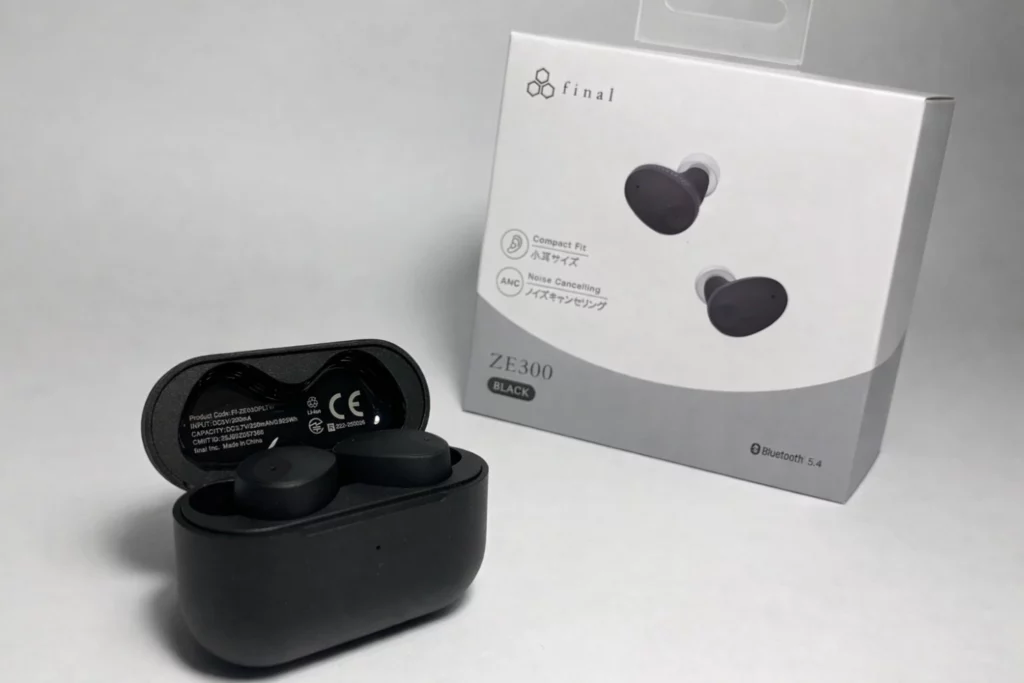
10. Final Audio ZE3000 SV Review: Bright, Detailed, and Distinctly Japanese
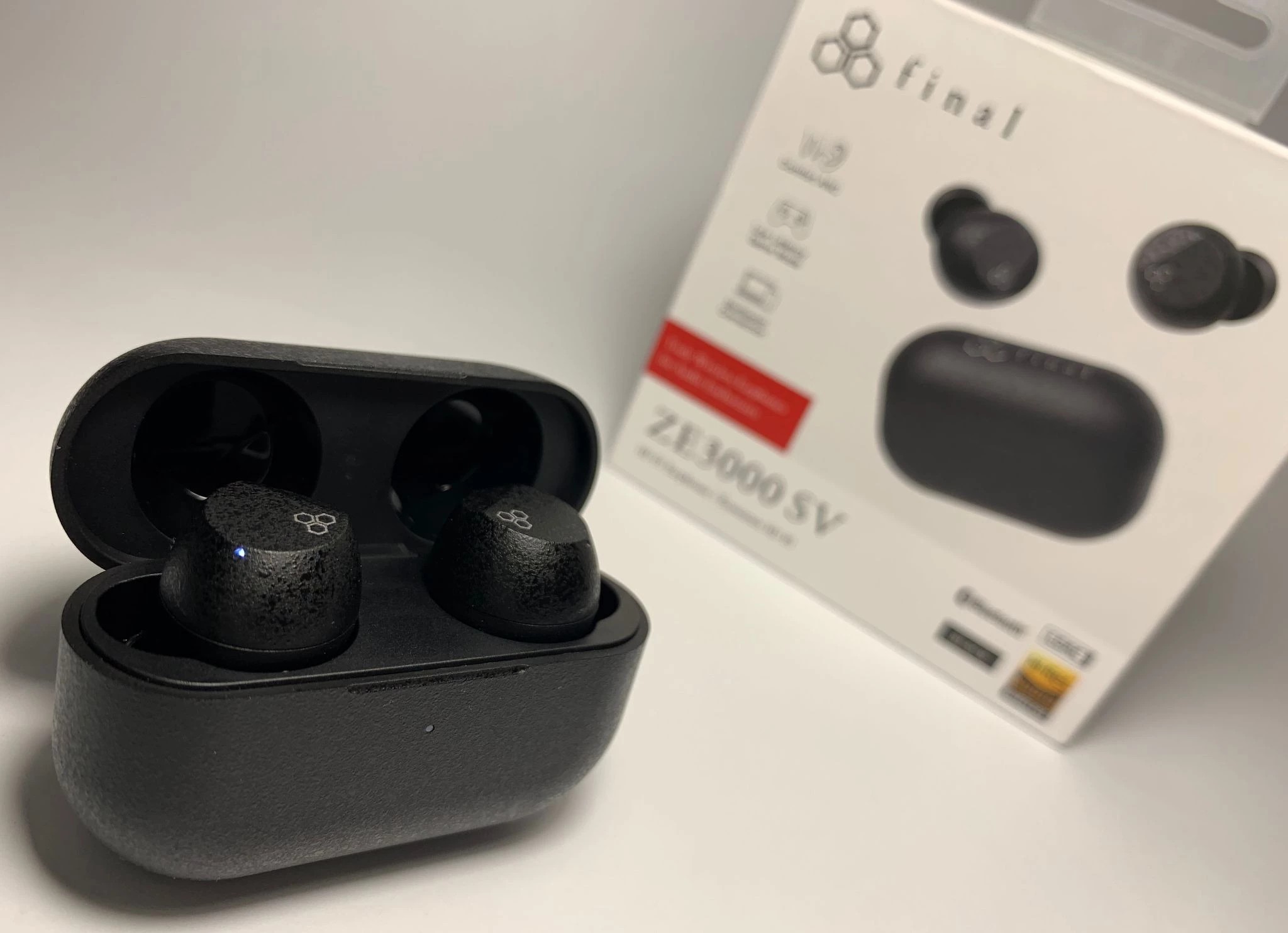
Final Audio ZE3000 SV true wireless earbuds with charging case and multiple silicone ear tip sizes.
The Final Audio ZE3000 SV represents the review-style true wireless recommendation in this group.
The source positions it as the successor to the simpler ZE2000 and notes a more polished design, companion app, noise cancellation, LDAC support, and gaming mode.
It also describes Final Audio’s house approach as characterful rather than generic, while the package includes the earbuds, charging case, manual, and five total sizes of Final silicone ear tips. The absence of a charging cable is specifically noted, which is a practical detail worth knowing before purchase.
Best for: Characterful wireless earbuds
- LDAC support
- Noise cancellation included
- Companion app support
- Five ear tip sizes included
Verdict: The ZE3000 SV is the wireless earbud pick for listeners who want a more distinctive tuning approach along with modern features such as LDAC, noise cancellation, and app control.
Quick comparison
The strongest choice depends less on a universal ranking and more on format.
Open over-ear headphones suit critical listening in quiet spaces, closed-back planar models add isolation, wired IEMs emphasize compact technical performance, and TWS models trade cable-free convenience against the limits of compact batteries and wireless design.
| Product | Best for | Verdict |
|---|---|---|
| Sennheiser HD 560S | Analytical home listening | A straightforward Sennheiser for reference-minded listeners who value acoustic purpose over premium finish. |
| iFi GO Pod Air | Wireless use with wired IEMs | A Bluetooth earhook system for listeners who want to keep using their existing in-ear monitors without a source cable. |
| Linsoul x HBB Jupiter | Technical wired IEM listening | A complex tri-brid in-ear design for listeners interested in driver architecture, controlled bass, and extended specification claims. |
| Dan Clark Aeon Core | Closed-back planar listening | A closed planar headphone aimed at combining isolation with a more open and spacious presentation. |
| Best headphones: We rate the very best TWS earbuds this year | True wireless earbud shoppers | A compact wireless earbud guide centered on sound quality, noise reduction, and notable technical features. |
| FiiO FT7 | Open-back planar hi-fi systems | A flagship open planar headphone positioned for serious desktop or hi-fi headphone setups. |
| Campfire Axion Multiverse III | USB-C in-ear listening | A limited in-ear model with a silicon dynamic driver and USB-C DAC cable for modern source compatibility. |
| Top 5 Latest TWS Headphones with High-Quality Sound | Feature-led TWS comparisons | A true wireless roundup useful for comparing drivers, codecs, ANC, call processing, protection, and battery information. |
| Beyerdynamic DT 990 PRO X | Studio editing and monitoring | An open studio headphone designed around critical listening, comfort, clarity, and detachable-cable flexibility. |
| Final Audio ZE3000 SV | Characterful wireless earbuds | A true wireless model with LDAC, noise cancellation, app support, gaming mode, and a more distinctive sound brief. |
Frequently asked questions
Should I choose open-back or closed-back headphones?
Open-back models such as the FiiO FT7 and Beyerdynamic DT 990 PRO X are better suited to quiet spaces where leakage is not a problem and spacious presentation matters.
Closed-back models such as the Dan Clark Aeon Core are more practical when isolation and reduced sound leakage are important.
Are true wireless earbuds a good choice for sound quality?
The supplied TWS articles show that wireless earbuds now include more serious sound-related features, including hybrid acoustic designs, LDAC support, active noise cancellation, low-latency modes, and improved driver designs.
They remain convenience-first products, but the better models are no longer only about portability.
What is the advantage of using the iFi GO Pod Air instead of buying TWS earbuds?
The GO Pod Air is for listeners who already own wired IEMs and want to make them wireless.
Its appeal is that it adds Bluetooth reception, DAC conversion, amplification, impedance matching, touch controls, and call support without replacing the earphones themselves.
Do more drivers always mean better sound in IEMs?
Not automatically.
The Linsoul x HBB Jupiter uses a tri-brid array with dynamic, balanced armature, and electrostatic drivers, and the source ties that design to technical performance, controlled bass, and extended high frequencies.
Still, driver count is only one part of the design; tuning, fit, cable system, source matching, and listening preferences remain important.
How to Choose the Right Headphones from This Shortlist
Start with where and how you listen.
For quiet rooms, open over-ear headphones are the natural choice: the Beyerdynamic DT 990 PRO X is framed around critical studio listening, while the FiiO FT7 is a more ambitious open planar design intended for high-end systems.
If you need isolation, the Dan Clark Aeon Core is the more practical full-size option because it combines a closed-back format with a design brief aimed at openness and spaciousness. For in-ear listening, decide whether you want a complete earphone or a wireless bridge. The Linsoul x HBB Jupiter is the technical wired IEM option, with a tri-brid driver layout and detachable cable. The Campfire Axion Multiverse III is more compact and source-friendly thanks to its USB-C DAC cable and flexible wearing options. The iFi GO Pod Air occupies its own lane: it is not an earphone, but a way to add Bluetooth operation to compatible IEMs you already own. If daily convenience matters most, the TWS entries are the relevant choices. The two true wireless roundups are useful for comparing features such as ANC, codecs, driver types, call processing, battery claims, and water resistance where provided. The Final Audio ZE3000 SV is the most review-specific TWS entry here, with LDAC, noise cancellation, app support, gaming mode, and multiple ear tip sizes noted in the source. The safest buying approach is to choose the format first, then narrow by isolation, source compatibility, fit, and the features you will actually use.