A better TV is not simply the one with the biggest screen or the most advanced panel name.
The strongest choice depends on where it will be used, how much light is in the room, whether you watch films, sport, streamed television, or games, and how much you value design, smart features, and sound.
1. Huawei V75 Super: First smart TV with Mini-LED screen
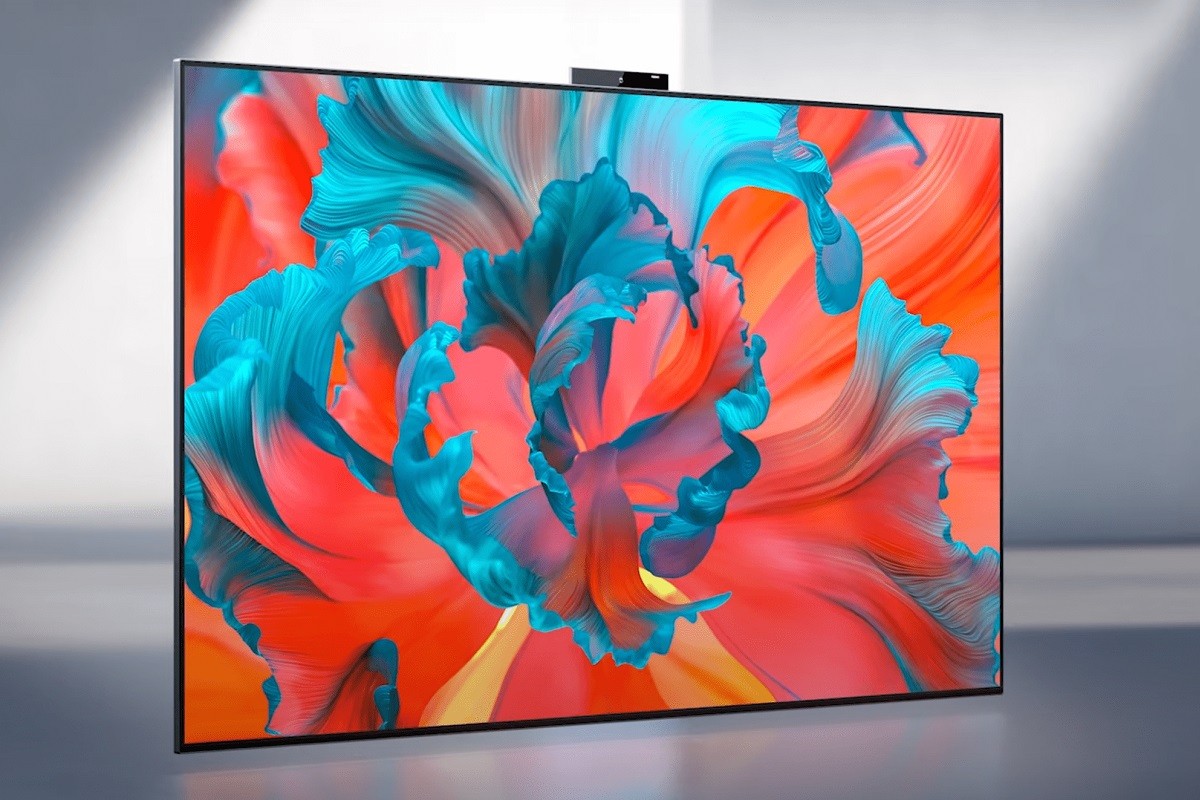
Huawei V75 Super is a 75-inch 4K Mini-LED smart TV with HarmonyOS, a lifting camera, and a Devialet-branded speaker system.
The Huawei V75 Super is a technology-led 75-inch 4K TV built around a Mini-LED backlight with 46,080 LEDs arranged across 2,880 lighting zones.
The source highlights a 120 Hz refresh rate, very high quoted brightness, wide DCI-P3 color coverage, HarmonyOS control, a built-in 24-megapixel lifting camera, and a 20-component Devialet sound system rated at 75 watts.
Its camera-assisted brightness adjustment and gesture control make it more than a conventional display, although availability is described in the source as China-focused.
Best for: Feature-rich Mini-LED viewing
- Mini-LED backlight with 2,880 lighting zones
- 120 Hz refresh rate
- Built-in 24-megapixel camera for adjustment and gesture control
- 20-component Devialet sound system
Verdict: Choose the Huawei V75 Super if you want a large Mini-LED smart TV with ambitious brightness, integrated camera functions, and unusually serious built-in audio.

2. Samsung TV lineup
Samsung’s TV range includes QLED, OLED, Neo QLED, lifestyle displays, and concept MicroLED technology.
Samsung’s TV lineup spans QLED, Neo QLED, OLED, The Frame, and a transparent MicroLED concept, so it is best understood as a family of choices rather than a single recommendation.
The source emphasizes wider use of artificial intelligence features, improved anti-glare screen treatment, smart scaling, motion clarity, and premium design elements such as Infinity One and Slim One Connect on the QD-OLED S95D.
It also notes Neo QLED models with AI motion enhancement, AI upscaling, contrast improvements, and 8K options.
Best for: Choosing within a broad TV ecosystem
- Broad choice across QLED, OLED, Neo QLED, and lifestyle models
- Anti-glare improvements highlighted for OLED
- AI upscaling and motion enhancements noted
- Design-focused options such as The Frame
Verdict: Samsung’s lineup is most useful for buyers comparing panel type, anti-glare performance, processing features, and room-friendly design within one brand.
3. LG NANO 80 (55NANO806): Affordable and decent 4K HDR TV
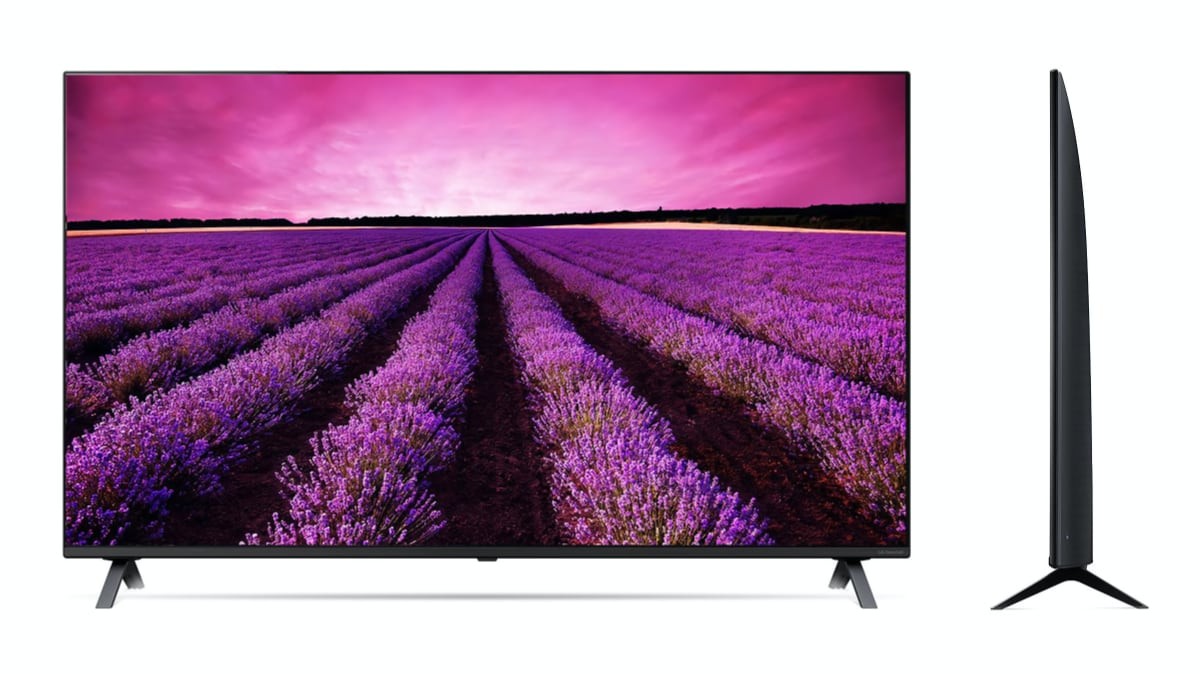
LG NANO 80 is a slim NanoCell 4K HDR LCD TV with an IPS panel and thin bezels.
The LG NANO 80 is presented as an entry-level NanoCell 4K HDR LCD TV that offers a sensible balance of price and visuals.
Its IPS panel brings wide viewing angles, which can help in family rooms or wider seating layouts, but the source is clear about the compromise: black levels and contrast are weak compared with stronger alternatives.
The design is slim, the bezels are thin, and build quality is described as decent, though rear-facing connectors may complicate close wall mounting.
Best for: Affordable wide-angle viewing
- Wide viewing angles from IPS panel technology
- Decent 4K HDR performance by IPS LCD standards
- Slim design with thin bezels
- Decent build quality
Verdict: The LG NANO 80 suits buyers who value viewing angles and a tidy design more than deep blacks or high contrast.
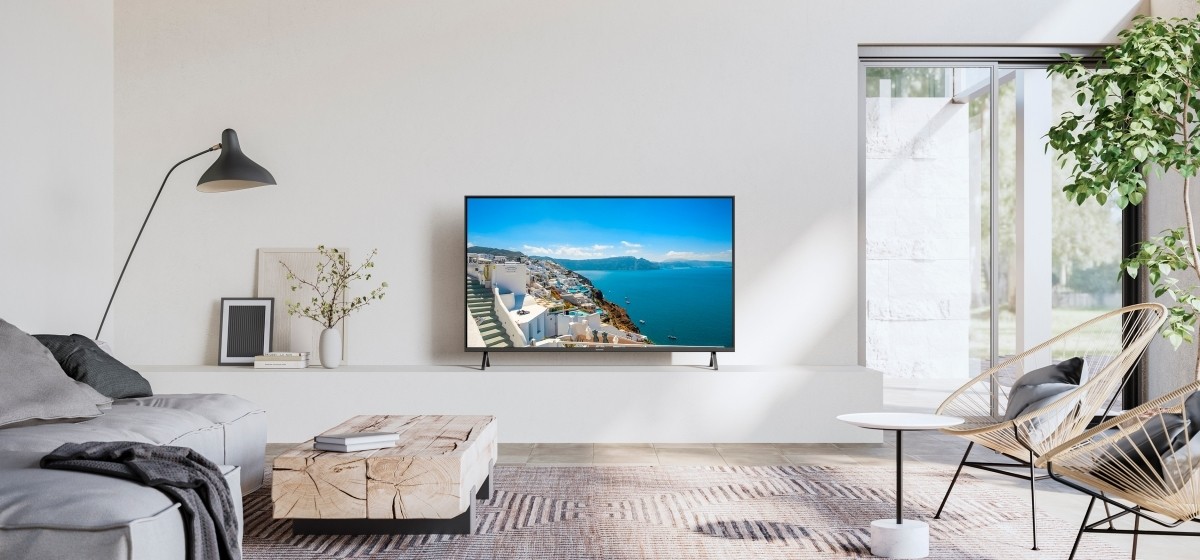
4. Panasonic MX940 (TX-50MX940): The perfect All-Rounder
Panasonic TX-50MX940 combines a VA quantum dot LCD panel with Full Array Local Dimming and broad HDR support.
The Panasonic TX-50MX940 is positioned in the source as a versatile LCD TV with a VA panel, quantum dot layer, and Full Array Local Dimming.
It supports current HDR formats, offers accurate grayscale and color performance according to the source, and includes Panasonic’s AI HCX PRO processor for motion, scaling, and image processing.
Its appeal is practical: it is described as suitable for both bright living rooms and dark rooms, with decent gaming performance and a True Game picture mode.
Best for: Balanced living-room use
- VA panel with quantum dot layer
- Full Array Local Dimming backlight
- Supports current HDR formats
- True Game picture mode
Verdict: The Panasonic MX940 is the most rounded choice here for buyers who want one TV to cover films, everyday viewing, HDR, and gaming without leaning too heavily in one direction.
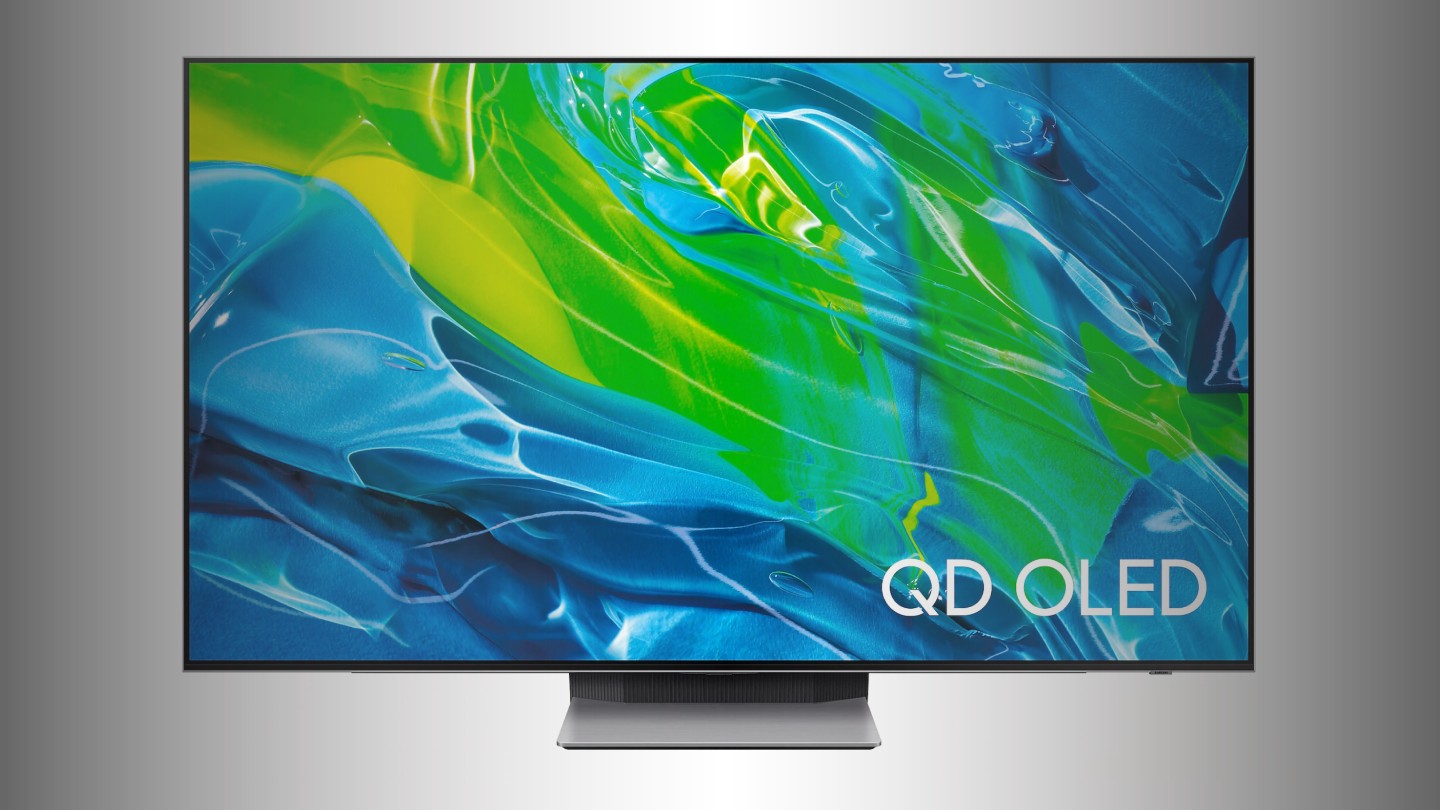
5. The first 83-inch QD-OLED TVs will appear in
The report discusses possible 83-inch QD-OLED models and the need to confirm the exact panel technology.
This article is not a finished TV review but a report on expected movement in large QD-OLED screen sizes.
It says Samsung may introduce an 83-inch QD-OLED television under the S95F name, while also noting that the information was not officially confirmed.
The source also raises the possibility of both QD-OLED and WOLED panels being used for 83-inch variants, which matters because buyers should verify the exact panel type before purchasing any model sold under similar naming.
Best for: Large-screen OLED planning
- Points to larger QD-OLED screen options
- Highlights possible panel-type variation
- Useful warning to verify exact model details
Verdict: Treat this as buying-context research rather than a direct recommendation, especially if panel type is central to your decision.

6. Samsung The Frame Review • Much more attractive this time around
Samsung The Frame combines a QLED TV with interchangeable bezels and an art-style wall-mounted presentation.
Samsung The Frame is aimed at buyers who care as much about how a TV lives in a room as how it performs as a screen.
The source describes it as a designer TV with a QLED panel, clean wall-mounted appearance, hidden-cable approach, interchangeable bezels, and an art display mode for paintings, textures, and screensavers.
Picture quality is said to be improved over the first version, though the review still notes reservations about black depth and color accuracy.
Best for: Design-led rooms
- Designed to look like wall art
- Interchangeable frames
- Art display mode with artworks, textures, and screensavers
- QLED panel
Verdict: Samsung The Frame is the pick for interiors-first buyers who want a television that can visually disappear into the room, while accepting some picture-quality caveats.
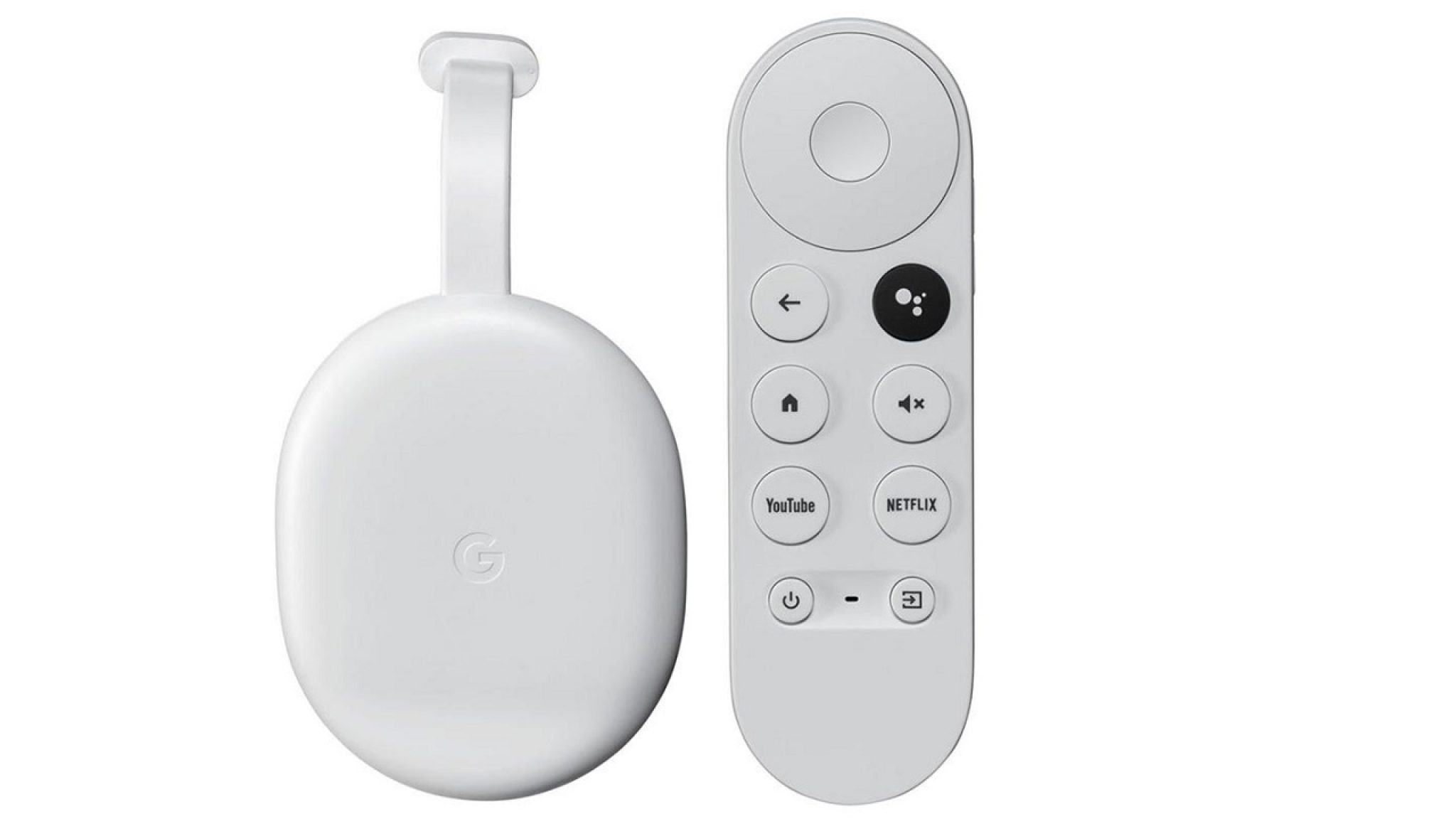
7. How to reset Chromecast with Google TV
Chromecast with Google TV can be reset through the settings menu, but the process erases user data and settings.
This is a practical support article rather than a TV recommendation, but it is relevant for anyone using a Chromecast with Google TV as part of a viewing setup.
The source explains that a factory reset can help when operation becomes unstable or when personal data needs to be removed before passing the device to someone else.
It also stresses that the process erases user data and settings and is irreversible, so it should be used deliberately.
Best for: Streaming-device maintenance
- Useful for unstable Chromecast operation
- Removes personal data and settings
- Simple menu-based reset process
Verdict: Keep this guidance in mind if your TV setup relies on Chromecast with Google TV and you need a clean reset before troubleshooting or transfer.
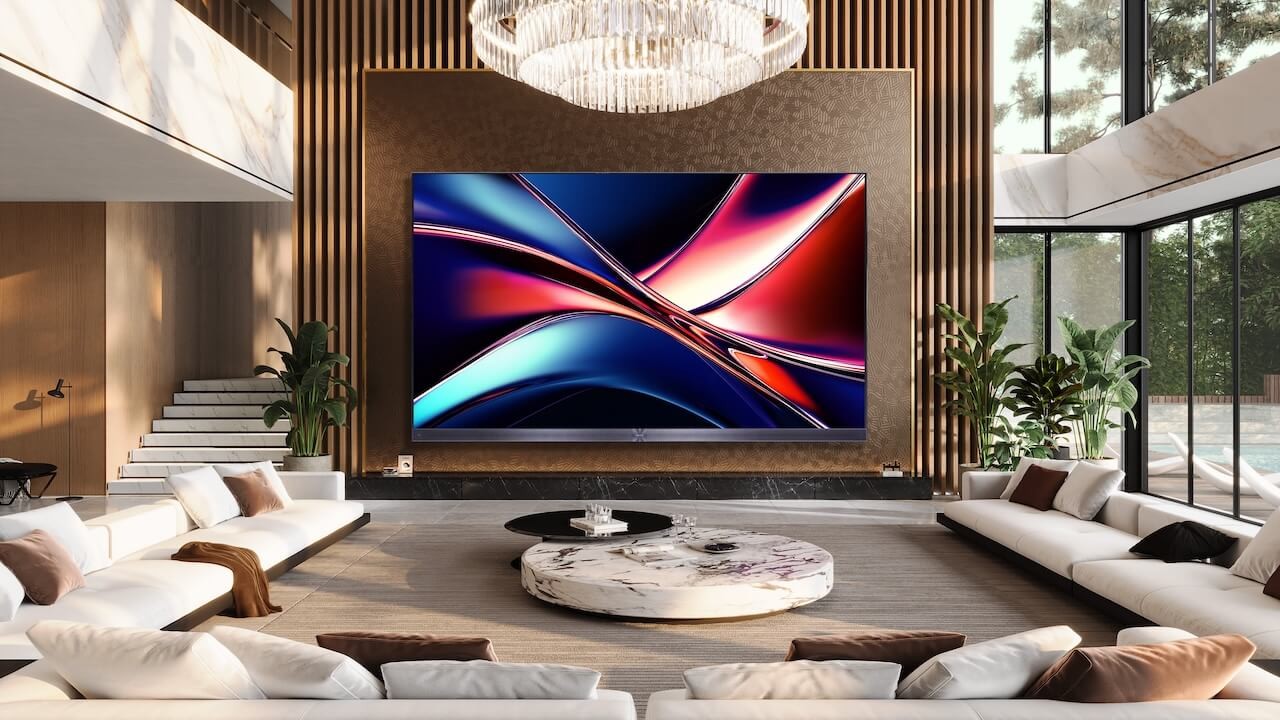
8. Hisense 136MX: Impressive MicroLED TV unveiled at CES
Hisense 136MX is a 136-inch MicroLED TV using self-emissive RGB microscopic LEDs.
The Hisense 136MX is a showcase-scale MicroLED television built around more than 24.88 million microscopic LEDs, with each pixel acting as its own light source using separate red, green, and blue LEDs.
The source says this removes the need for traditional backlighting and enables deep blacks, strong brightness, and precise image control.
It also states that MicroLED is designed to avoid OLED-style degradation or burn-in with static images, while Hisense’s Hi-View AI Engine X handles color conversion, dynamic 3D color management, and display detail processing. Pricing and delivery details were not disclosed in the source.
Best for: Statement-scale premium viewing
- MicroLED pixels emit their own light
- Over 24.88 million microscopic LEDs
- Designed to avoid OLED-style burn-in concerns
- Hi-View AI Engine X processing
Verdict: The Hisense 136MX is best viewed as a high-end technology showcase for buyers interested in MicroLED’s promise rather than a conventional living-room purchase.
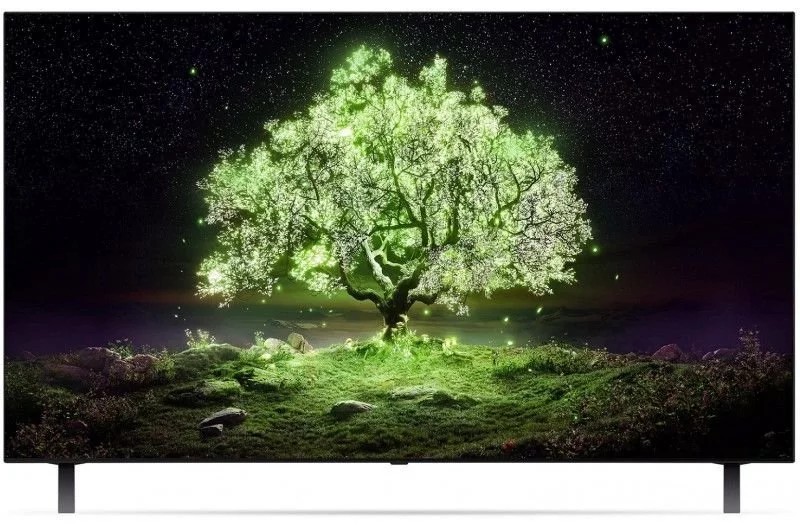
9. LG OLED A1: One of the most intriguing new TVs of
LG OLED A1 is positioned as a more accessible OLED option below higher LG OLED series.
The LG OLED A1 is framed as a more accessible route into LG OLED ownership.
The source highlights multiple screen sizes and positions the A1 below higher LG OLED ranges, making clear that its accessibility comes with compromises compared with models such as the C series.
Its appeal is straightforward: it offers OLED picture technology at a lower starting point within LG’s range, but buyers should not assume it has the same specification level as more advanced siblings.
Best for: Entry-level OLED interest
- More accessible LG OLED positioning
- Available in multiple screen sizes
- OLED panel technology
- Lower-tier alternative to higher LG OLED ranges
Verdict: The LG OLED A1 makes sense for buyers who want OLED from LG’s range and are willing to accept a lower specification tier.

10. Hisense Vidda: New Flagship 4K LCD TV
Hisense Vidda 85V1-FS is an 85-inch 4K LCD TV with HDMI 2.1, VRR, and an audio system including a subwoofer.
The Hisense Vidda 85V1-FS is a large 85-inch 4K LCD TV with a red phosphor approach that Hisense says increases BT.709 color-space coverage.
The source lists HDR10 support, a quad-core Cortex-A73 processor, 3 GB of RAM, 64 GB of storage, Wi-Fi, NFC, Apple AirPlay, and the ability to connect an external hard drive as NAS.
It also includes a speaker system with two 18-watt full-range drivers, a 25-watt subwoofer, Dolby Atmos, DTS HD, HDMI 2.1 support for 4K at 120 Hz, and VRR for gaming.
Best for: Large-screen gaming and media features
- Large 85-inch 4K LCD screen
- HDMI 2.1 with 4K 120 Hz support
- VRR support
- Dolby Atmos and DTS HD support
Verdict: The Hisense Vidda stands out for buyers who want a very large 4K LCD TV with gaming-friendly HDMI features and a more substantial built-in audio specification than usual.
Quick comparison
These entries are not all direct competitors.
Some are full TV reviews, some are lineup or technology reports, and one is a support guide for a streaming device.
The most useful comparison is therefore by role: everyday all-rounder, design choice, gaming-friendly large screen, emerging display technology, or setup maintenance.
| Product | Best for | Verdict |
|---|---|---|
| Huawei V75 Super | Feature-rich Mini-LED viewing | A large 4K Mini-LED smart TV with high-end backlight claims, camera-assisted features, and Devialet-branded sound. |
| Samsung TV lineup | Brand-wide TV comparison | Useful for comparing Samsung’s QLED, OLED, Neo QLED, lifestyle, and MicroLED directions, especially anti-glare and AI processing features. |
| LG NANO 80 (55NANO806) | Affordable wide-angle viewing | A decent entry-level NanoCell 4K HDR LCD TV with IPS viewing-angle advantages and contrast limitations. |
| Panasonic MX940 (TX-50MX940) | Balanced everyday use | A versatile VA quantum dot LCD TV with Full Array Local Dimming, broad HDR support, and a gaming mode. |
| The first 83-inch QD-OLED TVs will appear in | Large OLED market research | A speculative panel-size report that is useful mainly as a reminder to verify whether a large OLED model is QD-OLED or WOLED. |
| Samsung The Frame | Interior-focused rooms | A design-led QLED TV with interchangeable frames and art display features, balanced by noted picture-quality reservations. |
| Chromecast with Google TV reset guide | Streaming-device troubleshooting | A practical maintenance guide for factory resetting Chromecast with Google TV when stability or data removal is the priority. |
| Hisense 136MX | MicroLED technology interest | A very large MicroLED showcase with self-emissive RGB pixels and advanced processing, but without disclosed pricing or delivery details in the source. |
| LG OLED A1 | Lower-tier LG OLED buying | An OLED option positioned below higher LG ranges, attractive for accessibility but not equivalent to more advanced LG OLED models. |
| Hisense Vidda | Large-screen 4K gaming features | An 85-inch 4K LCD TV with HDMI 2.1, 4K 120 Hz support, VRR, and a built-in audio system with subwoofer. |
Frequently asked questions
Should I choose OLED, Mini-LED, MicroLED, or LCD?
OLED is attractive when you want self-emissive panel characteristics, while the LG OLED A1 shows that OLED can also appear in lower-tier ranges with compromises.
Mini-LED, as used by the Huawei V75 Super, uses many backlight zones to improve brightness and contrast control.
MicroLED, represented here by the Hisense 136MX, is a premium emerging technology with self-emissive pixels. LCD remains broad and practical, from affordable IPS models such as the LG NANO 80 to VA quantum dot sets with Full Array Local Dimming such as the Panasonic MX940.
Which TV type is better for a bright living room?
The Panasonic MX940 is specifically described as suitable for bright living rooms as well as dark rooms.
Anti-glare improvements are also highlighted in Samsung’s OLED and wider lineup discussion.
If your room has strong ambient light, pay attention to brightness, anti-glare treatment, and viewing angles rather than panel name alone.
What should gamers check before buying a TV?
Look for supported signal formats and gaming features rather than assuming every large 4K TV is equally ready for games.
The Hisense Vidda specifically lists HDMI 2.1 support with 4K at 120 Hz and VRR, while the Panasonic MX940 includes decent gaming performance and a True Game picture mode.
Confirm the exact ports and modes on the model you are considering.
When does TV design matter as much as picture quality?
Design matters when the TV will be a visible part of the room even when switched off.
Samsung The Frame is the clearest example here, with interchangeable frames, a wall-friendly appearance, and art display functions.
The trade-off is that design-led models should still be judged for black depth, color accuracy, connections, and the room conditions in which they will be used.
Final buying advice
Start with the room, not the spec sheet.
A bright family space may reward a TV with strong brightness, anti-glare treatment, or wide viewing angles, while a darker film room will expose weak black levels and poor contrast more quickly.
The LG NANO 80 is a sensible reminder that IPS LCD can be practical for wide seating but limited in blacks; the Panasonic MX940 shows why VA LCD with quantum dots and Full Array Local Dimming can be a more balanced all-round route.