

A good TV choice is rarely about a single headline feature.
Screen size matters, but so do panel technology, backlight control, brightness, HDR format support, gaming connections, sound, installation style and the smart TV platform you will live with every day.

1. Tizen OS from Samsung will be installed on third-party TVs
Samsung’s Tizen OS licensing move could bring its smart TV interface and services to selected third-party TV brands.
This is not a single TV model, but it is highly relevant to TV buyers because it points to a broader choice of sets running Samsung’s Tizen TV platform.
Samsung announced licensing plans with brands including Akai and RCA in markets such as Europe, Australia and New Zealand, giving third-party manufacturers access to features associated with Samsung TVs, including Samsung TV Plus, Universal Guide and Bixby.
For shoppers, the main takeaway is simple: the smart TV operating system may become less tied to one hardware brand, so interface, app experience and built-in services deserve as much attention as the panel itself.
Best for: Buyers who prioritize the smart TV platform and built-in services
- Tizen OS expanding beyond Samsung TVs
- Access to Samsung TV Plus for licensed partners
- Universal Guide recommendation system included
- Bixby voice assistant support mentioned
Verdict: Tizen licensing could make Samsung’s familiar smart TV experience available on more affordable or region-specific third-party televisions.
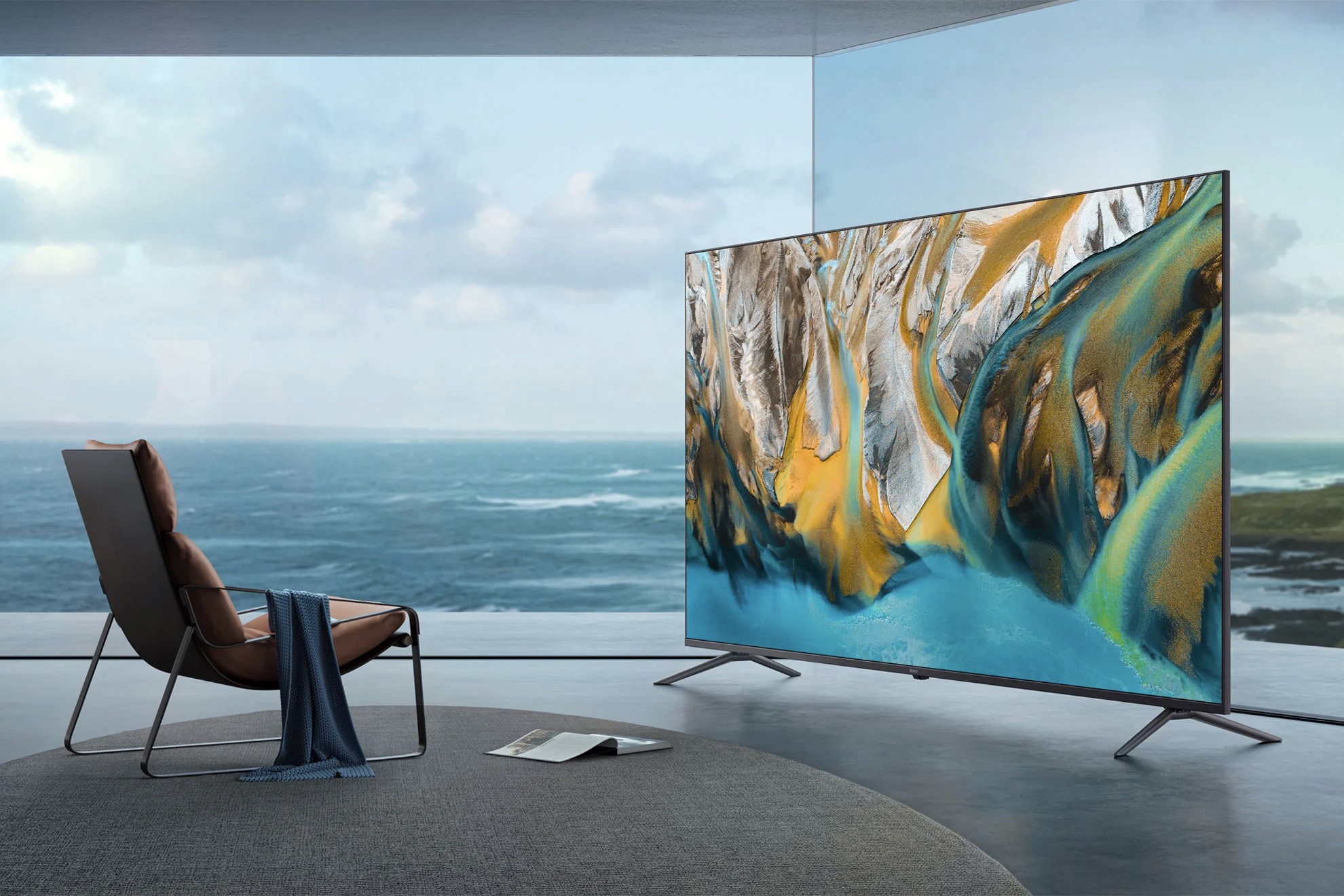
2. 100-inch Redmi Smart TV Max enters the market
The Redmi Smart TV Max combines a 100-inch IPS display with 120 Hz refresh, HDMI 2.1 and multiple HDR formats.
The Redmi Smart TV Max is a direct answer to viewers who want a truly huge screen rather than a conventional living-room size.
Its 100-inch IPS panel is paired with a 120 Hz refresh rate, peak brightness up to 700 nits and 94% DCI-P3 coverage, while the format support list includes HDR10+, Dolby Vision and IMAX Enhanced.
The inclusion of HDMI 2.1, FreeSync, Wi-Fi 6 and Bluetooth 5.0 makes it especially interesting for buyers comparing large-screen entertainment and gaming options, though the source notes availability in China.
Best for: Large-room viewers who want an oversized screen with gaming-friendly features
- Very large 100-inch screen
- 120 Hz IPS panel
- HDMI 2.1 and FreeSync support
- HDR10+, Dolby Vision and IMAX Enhanced support
Verdict: Redmi Smart TV Max stands out as a feature-rich 100-inch TV proposition, especially for those who value scale, modern HDMI support and broad HDR compatibility.
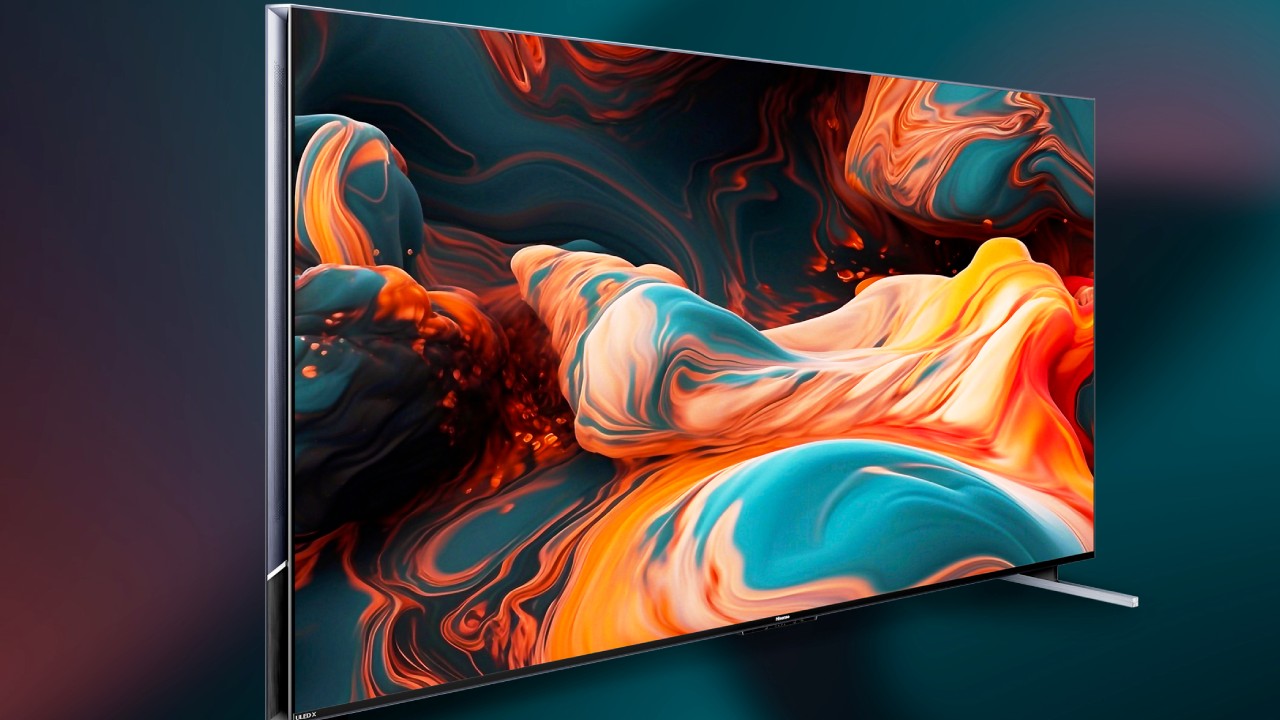
3. Hisense unveils rollable ULED X TVs with an impressive number of dimming zones
Hisense’s ULED X rollable TV line emphasizes large screen sizes, high brightness and extensive local dimming.
Hisense’s rollable ULED X line is positioned around ambitious engineering: large screen sizes, high brightness claims and very dense dimming-zone counts on the larger models.
The range includes 75UX, 98UX and 110UX versions, with the largest specified at 40,000 dimming zones and 10,000 nits, while the 98UX is listed with 10,000 zones and 5,000 nits.
Hisense also highlights a slim 75UX design and a 4.2.2 speaker system with Dolby Atmos FlexConnect, making this a useful reference point for buyers interested in premium brightness, contrast control and integrated sound concepts.
Best for: Premium shoppers tracking advanced big-screen display engineering
- 75UX, 98UX and 110UX screen sizes named
- High dimming-zone counts on larger models
- Very high brightness figures stated for 98UX and 110UX
- 4.2.2 speaker system with Dolby Atmos FlexConnect
Verdict: Hisense ULED X is the most forward-looking option here for buyers focused on brightness, local dimming ambition and integrated immersive audio.
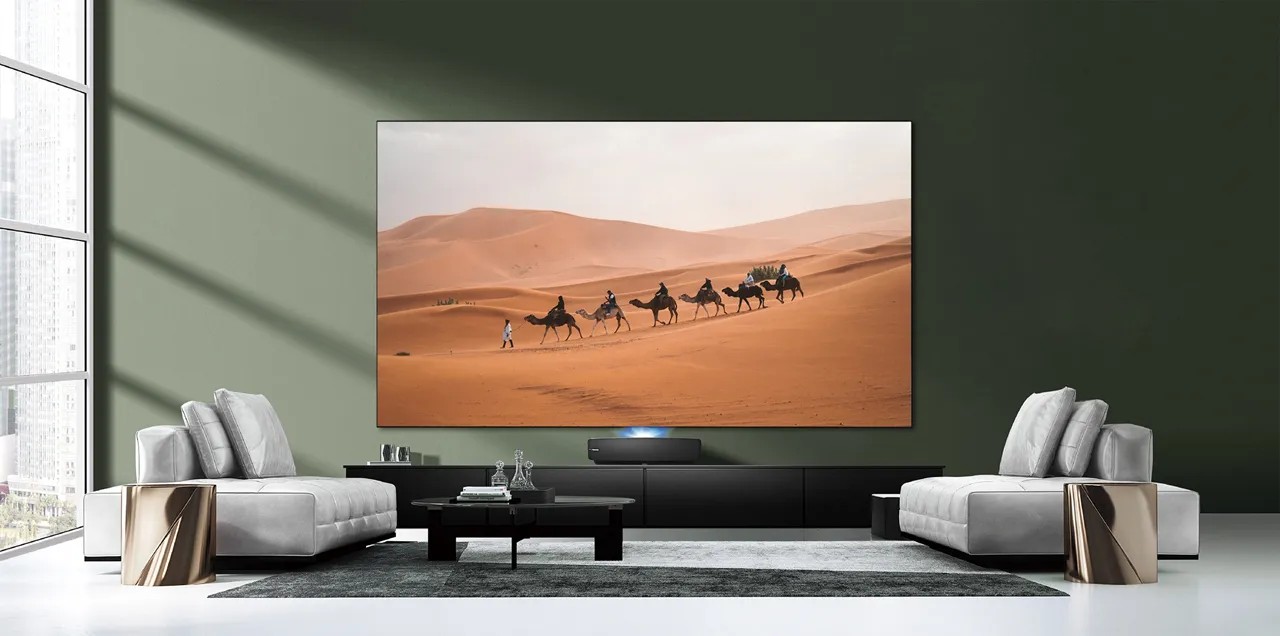
4. Hisense 100L5G Laser TV: Impressive alternative to huge TVs
The Hisense 100L5G Laser TV offers a projection-based route to a 100-inch-class home viewing setup.
The Hisense 100L5G Laser TV is included because it addresses a practical problem: very large conventional TVs remain costly and uncommon, while many buyers still want the emotional impact of a 100-inch picture.
The article frames the 100L5G as an alternative to giant flat-panel TVs, using a console-style projector positioned close to the wall.
That makes it most relevant for buyers who are open to laser TV rather than a traditional television, especially where screen size is the priority.
Best for: Viewers who want a cinema-scale image without choosing a giant conventional TV
- Alternative to very large conventional TVs
- Designed around a 100-inch viewing experience
- Console positioned close to the wall
- Targets buyers priced out of huge flat panels
Verdict: Hisense 100L5G Laser TV is best considered when screen size is the main goal and a projection-based setup is acceptable.

5. Samsung AU7500: Robust and affordable 4K TV
The Samsung AU7500 is a slim, value-focused 4K TV with Tizen smart TV features.
The Samsung AU7500 is presented as an affordable 4K model that focuses on value rather than premium extras.
The source highlights its Crystal Processor 4K, Tizen 6.0 smart TV platform, modern-looking plastic build, slim titanium-gray bezel and wall-mount-friendly depth.
It is also candid that buyers must give up some functions reserved for more expensive Samsung models, which makes this a sensible option for straightforward 4K viewing rather than feature collecting.
Best for: Budget-conscious buyers who want a straightforward Samsung 4K TV
- Affordable 4K positioning
- Crystal Processor 4K mentioned
- Tizen 6.0 smart platform
- Slim design suited to wall mounting
Verdict: Samsung AU7500 is a practical value choice if you want 4K resolution, Tizen smart features and a clean design without paying for higher-tier functions.
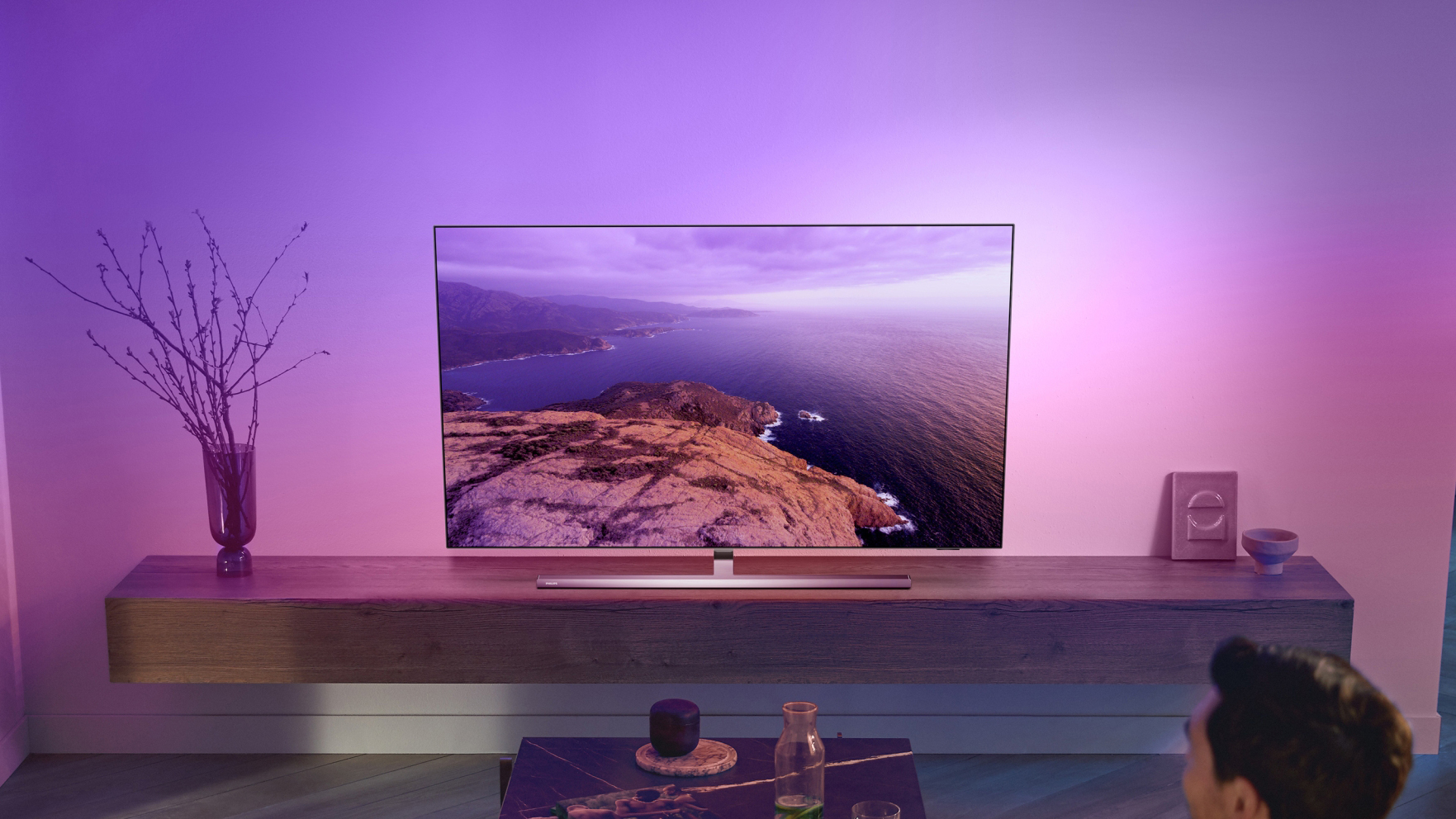
6. What’s the difference between LG C2 and LG G2
LG C2 and LG G2 OLED Evo models require careful comparison by both series and screen size.
This comparison is valuable for buyers choosing between LG’s C2 and G2 OLED lines because it explains that both use OLED Evo panels but should not be assumed to deliver the same peak brightness.
The source notes that brightness can vary not only by series but also by screen size, and it cautions that the cited brightness values came from company information rather than independent measurement.
The practical lesson is to compare the specific screen size and series you plan to buy, not just the panel label.
Best for: OLED buyers comparing LG C2 and LG G2 models by size and brightness expectations
- Both LG C2 and LG G2 use OLED Evo panels
- Brightness differs by series
- Brightness can also vary by screen size
- Source clearly cautions against treating company figures as measured results
Verdict: The LG C2 versus LG G2 decision should be made at the exact size level, because the shared OLED Evo label does not mean identical brightness.
7. LG gOLED: New TV series coming?
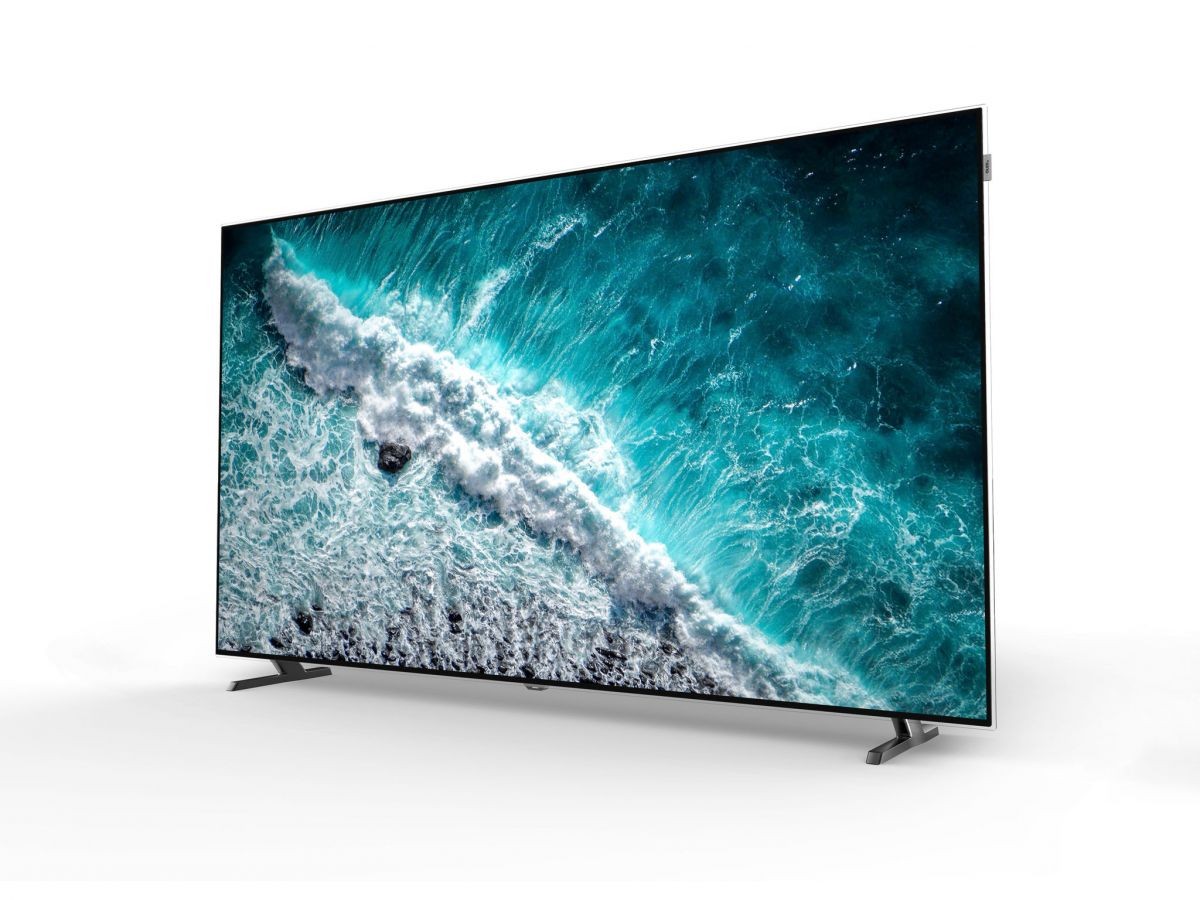
LG gOLED is described as a thin-glass OLED display concept with an unusually refined design and five HDMI inputs.
LG gOLED is a concept-style entry rather than a confirmed retail recommendation.
The source describes an LG Display design using thin glass as the basis for an OLED matrix, with an emphasis on a very refined TV form factor and five HDMI inputs on the back.
Because the article does not confirm the product line, brand placement or market details, it is best read as a design signal: future OLED TVs may continue to push thinner, more sophisticated construction and more generous connectivity.
Best for: Design-focused readers watching future OLED form factors
- Thin glass used as the OLED matrix basis
- Extremely refined design described
- Five HDMI inputs shown on the back
Verdict: LG gOLED is not a buying choice yet, but it is a useful reminder that industrial design and HDMI provision can be decisive TV differentiators.

8. Samsung TV Plus streaming service expands reach
Samsung TV Plus is a free ad-supported streaming service that may become available beyond Samsung’s own TVs.
Samsung TV Plus is a service story rather than a hardware recommendation, but it matters because free ad-supported streaming has become part of the TV ownership experience.
The source describes Samsung considering broader availability of TV Plus on other brands, with TCL mentioned in talks, and explains that the service offers free TV-style channels with advertising.
For buyers, it reinforces a key point: evaluate the built-in content ecosystem as well as the display, especially if free streaming channels are part of your everyday viewing.
Best for: Viewers who value built-in free streaming channels
- Free ad-supported streaming model
- Over 1,800 channels mentioned
- Possible reach beyond Samsung TVs discussed
- TCL talks reported in the source
Verdict: Samsung TV Plus can add everyday value to a smart TV platform, particularly for viewers who like free channel-style browsing with ads.
9. TCL Q10G: Mini LED TVs starting at $670
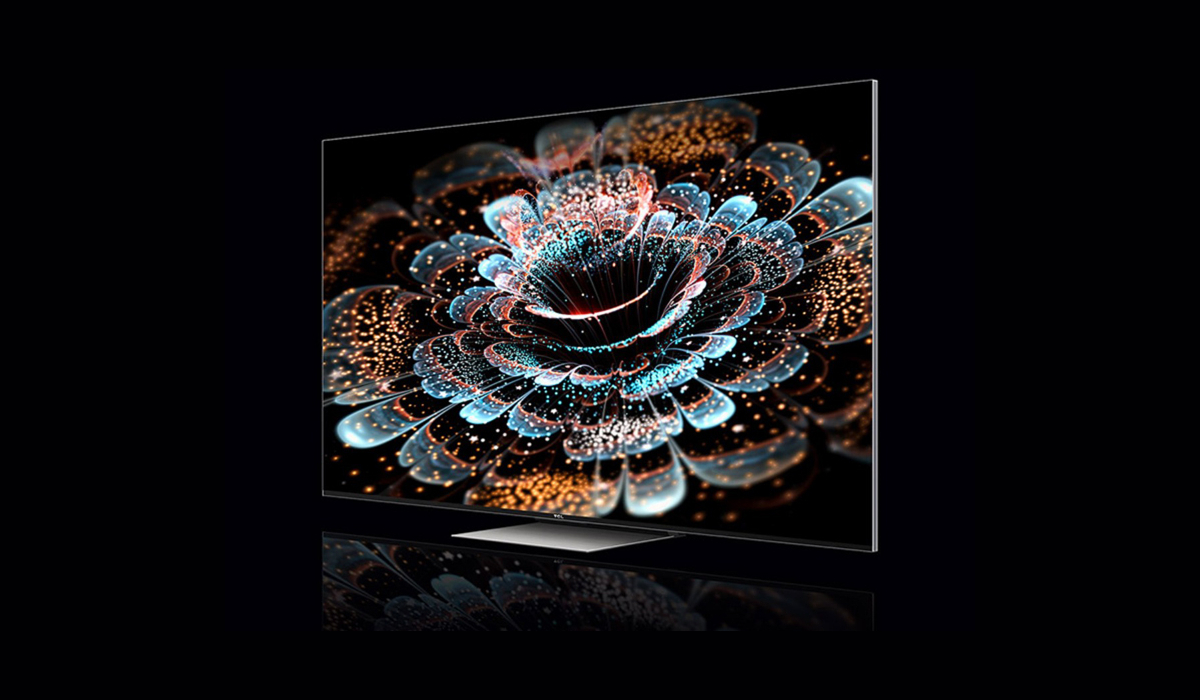
The TCL Q10G series uses Mini LED backlighting and is offered in sizes from 55 to 85 inches.
The TCL Q10G range brings together several features that buyers often seek for movies and gaming: Mini LED backlighting, 4K resolution, 120 Hz refresh, Dolby Vision IQ, HDR10+ and HDMI 2.1.
The series spans 55, 65, 75 and 85 inches, giving it more size flexibility than the ultra-large specialty models in this guide.
With 98% DCI-P3 coverage, peak brightness listed at 1000 cd/m2 and a five-speaker Dolby Atmos system, it is one of the more broadly balanced options in the supplied material.
Best for: Buyers seeking a well-equipped Mini LED TV for mixed viewing and gaming
- Mini LED backlighting
- 4K resolution with 120 Hz refresh
- Dolby Vision IQ and HDR10+ support
- HDMI 2.1 included
Verdict: TCL Q10G is a strong all-round specification on paper, combining Mini LED, 120 Hz, modern HDR support and HDMI 2.1 across multiple screen sizes.
10. Sony X90S (XR-55X90S): The perfect high quality mid-range TV
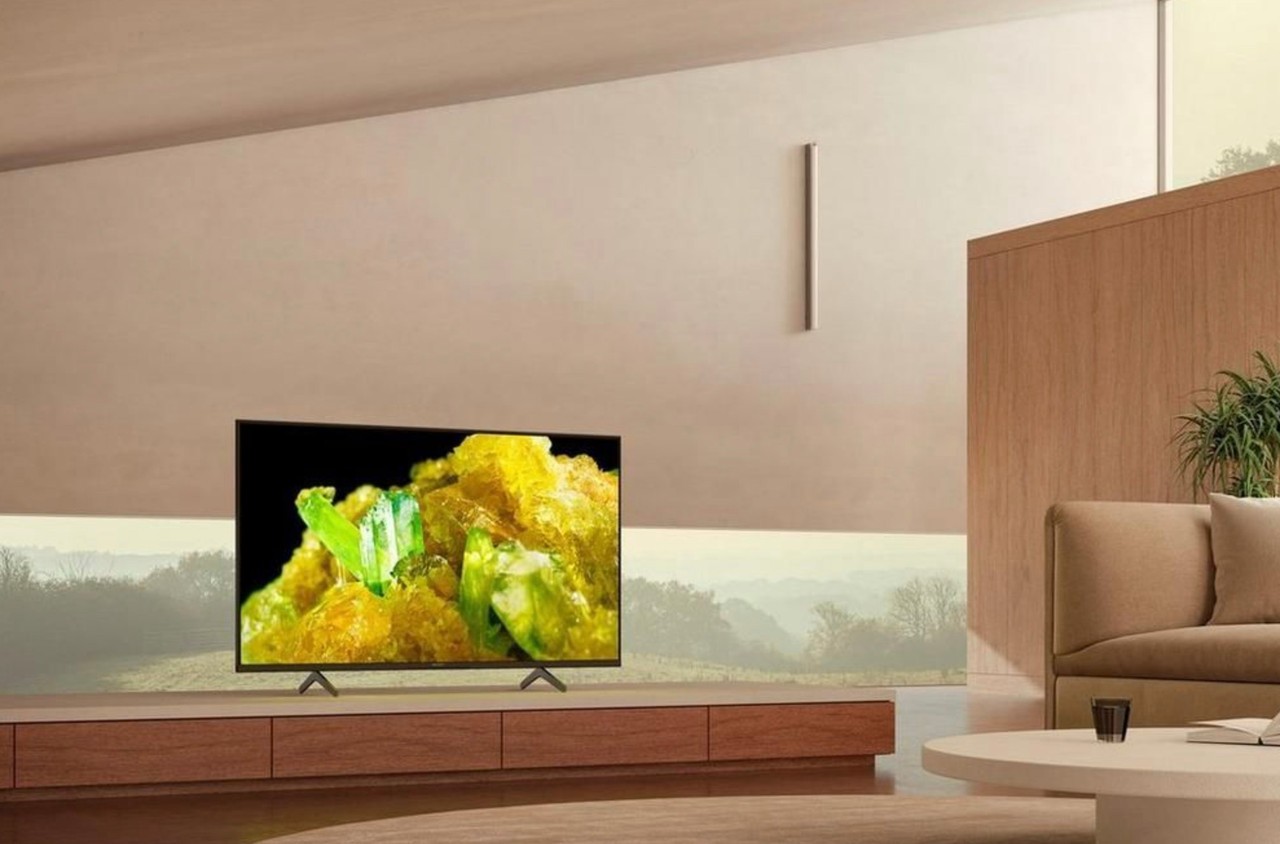
The Sony XR-55X90S is presented as a 55-inch mid-range BRAVIA XR TV with an improved, living-room-friendly design.
The Sony X90S is framed as a mid-range BRAVIA XR model with design and feature ambitions associated with higher categories.
The source specifically discusses the 55-inch XR-55X90S, noting its attractive appearance, suitability for medium-sized and somewhat larger rooms, and a design direction that feels more considered than older mid-range expectations.
It is a sensible shortlist candidate for buyers who want a balanced Sony television without moving directly into the brand’s highest-priced ranges.
Best for: Buyers wanting a refined mid-range Sony TV for a main living space
- Mid-range Sony BRAVIA XR positioning
- 55-inch size discussed
- Attractive design highlighted
- Suitable for medium and somewhat larger rooms
Verdict: Sony X90S is the balanced Sony option here, aimed at shoppers who care about design and mid-range value as much as brand reputation.
Quick comparison
These entries are not all direct rivals.
Some are complete TVs, some are platform or service developments, and others are concept or technology stories.
The most useful way to compare them is by the buying decision each one informs: screen size, smart platform, display technology, gaming readiness, design direction or built-in content.
| Product | Best for | Verdict |
|---|---|---|
| Tizen OS from Samsung will be installed on third-party TVs | Smart TV platform choice | Most useful if you care about Tizen, Samsung TV Plus, Universal Guide and Bixby appearing on non-Samsung TV brands. |
| 100-inch Redmi Smart TV Max enters the market | Oversized TV viewing with modern features | A 100-inch IPS model with 120 Hz, HDMI 2.1, FreeSync and multiple HDR formats, with availability noted for China. |
| Hisense unveils rollable ULED X TVs with an impressive number of dimming zones | Advanced premium display technology | Stands apart for large sizes, stated high brightness, extensive dimming zones and a 4.2.2 Dolby Atmos FlexConnect speaker system. |
| Hisense 100L5G Laser TV: Impressive alternative to huge TVs | Projection-based big-screen setups | A practical alternative for buyers who want a 100-inch-class experience without choosing a giant flat-panel TV. |
| Samsung AU7500: Robust and affordable 4K TV | Affordable everyday 4K viewing | A value-led Samsung 4K TV with Tizen 6.0, Crystal Processor 4K and a slim wall-mount-friendly design. |
| What’s the difference between LG C2 and LG G2 | OLED model comparison | Helpful for understanding that OLED Evo brightness can differ by LG series and screen size. |
| LG gOLED: New TV series coming? | Future OLED design watching | A concept-style OLED design story, notable for thin-glass construction and five HDMI inputs rather than confirmed retail details. |
| Samsung TV Plus streaming service expands reach | Free streaming ecosystem decisions | Important for buyers who value free ad-supported channels as part of the smart TV experience. |
| TCL Q10G: Mini LED TVs starting at $670 | Feature-rich Mini LED value | Combines Mini LED, 4K, 120 Hz, HDMI 2.1, Dolby Vision IQ, HDR10+ and multiple sizes. |
| Sony X90S (XR-55X90S): The perfect high quality mid-range TV | Refined mid-range main-room TV | A 55-inch Sony BRAVIA XR model positioned for buyers who want a more polished mid-range option. |
Frequently asked questions
Should I choose a TV by screen size first?
Screen size is important, especially if you are considering 85-inch, 100-inch or laser TV options, but it should not be the only filter.
The supplied models show that brightness, backlight type, HDR support, HDMI version, refresh rate, sound system and smart platform can change the experience just as much as diagonal size.
What matters for gaming on a modern TV?
Look for a high refresh rate and current HDMI support when those features are listed.
In the supplied material, Redmi Smart TV Max and TCL Q10G both mention 120 Hz and HDMI 2.1, while Redmi also lists FreeSync, making those specifications especially relevant for console-oriented buyers.
Is Mini LED, OLED or laser TV the right direction?
Each suits a different priority.
Mini LED, as described for TCL Q10G and Hisense ULED X, emphasizes backlight control and brightness.
OLED, as discussed in the LG C2, G2 and gOLED articles, is tied to panel design and model-to-model brightness differences. Laser TV, represented by Hisense 100L5G, is an alternative route to a very large image rather than a conventional flat-panel purchase.
How much should the smart TV platform influence my choice?
It should influence the decision if you rely on built-in apps, recommendations, voice control or free streaming channels.
The Tizen licensing story and Samsung TV Plus expansion both show that operating systems and content services are becoming part of the TV’s long-term value, not just extras.
Final buying advice
Start with the room and the way you watch.
A 55-inch mid-range set such as the Sony XR-55X90S suits a conventional living space, while TCL Q10G gives shoppers several Mini LED sizes and a broader feature set for mixed movies, TV and gaming.
If the goal is sheer scale, Redmi Smart TV Max and Hisense 100L5G show two different paths: a huge 100-inch flat panel on one side, and a laser TV alternative on the other. Hisense ULED X is the more ambitious premium technology story, especially for buyers tracking high brightness and dense local dimming, but it should be judged carefully against availability and final retail details. For OLED shoppers, the LG C2 and G2 comparison offers the most practical warning in the list: do not assume that one panel label tells the whole story. Compare the exact series and screen size because brightness can differ. LG gOLED is better treated as a design signal than a purchase recommendation until real product details are confirmed. Finally, do not dismiss software. Tizen licensing and Samsung TV Plus expansion show that the platform, free channels, recommendations and voice features can affect daily satisfaction long after the excitement over screen size has faded. The strongest TV choice is the one that aligns panel type, size, connectivity, sound, smart features and installation with your actual room rather than with the loudest specification on the box.

