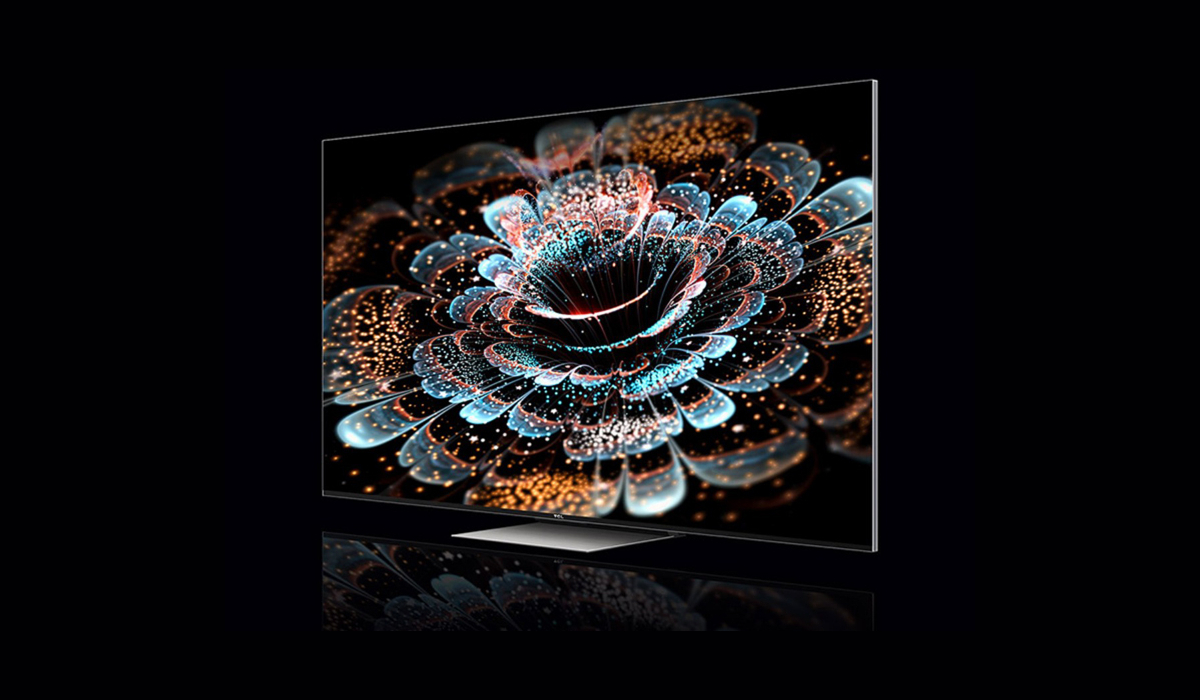
A television purchase is no longer only about screen size.
The strongest sets in this selection separate themselves through panel technology, HDR format support, motion and gaming features, smart platforms, and, in a few cases, unusually ambitious built-in audio systems.

1. Samsung BU8000 Crystal UHD
Samsung BU8000 Crystal UHD represents the brand’s budget-focused 4K LCD range with HDR10+ support and soundbar-friendly audio features.
Samsung’s BU8000 sits in the Crystal UHD family, a budget-oriented 4K LCD line built around traditional LCD technology rather than premium panel architecture.
The source describes a 60 Hz screen with side backlighting, Contrast Enhancer for added image depth, Motion Xcelerator for clearer dynamic scenes, and support for HDR10, HDR10+ and HLG.
Its two-speaker 20 W audio system is supplemented by Adaptive Sound, OTS Lite and Q-Symphony compatibility with a suitable Samsung soundbar, making it a straightforward option for viewers who want Samsung’s core TV features without paying for higher-tier display technology.
Best for: Affordable Samsung 4K viewing
- Budget-focused 4K LCD positioning
- HDR10, HDR10+ and HLG support
- Adaptive Sound, OTS Lite and Q-Symphony support
- Crystal 4K processor for image and sound processing
Verdict: The BU8000 is the sensible Samsung choice when value, 4K resolution and broad HDR format support matter more than premium backlighting or high-refresh gaming.
2. Samsung HDR10+ Gaming Extension
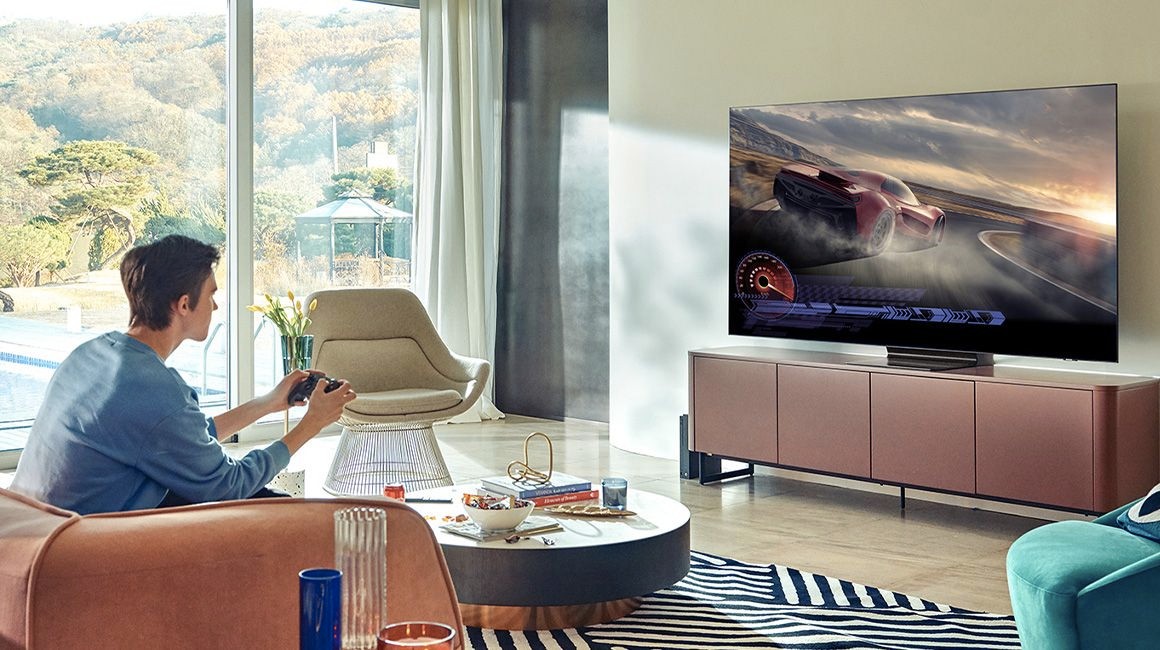
Samsung’s HDR10+ Gaming Extension centers on VRR, automatic HDR calibration and low-latency HDR tone mapping for games.
This is not a TV model but a gaming-focused HDR initiative that matters when comparing televisions for console, cloud and streaming use.
Samsung’s extension is built around variable refresh rate, automatic HDR calibration and low-latency tone mapping, with the company framing it as an alternative path to Dolby Vision gaming.
The source also notes that future TV refresh rates are described as limited to 120 Hz in this context, and it remains unclear whether already released models will gain support through updates.
Best for: Buyers tracking gaming HDR standards
- Designed around VRR
- Automatic HDR calibration is a core pillar
- Low-latency tone mapping is a stated goal
- Positioned for console, cloud and streaming gaming
Verdict: HDR10+ Gaming Extension is worth watching if gaming HDR behavior is a priority, but buyers should confirm support on the exact TV model before relying on it.
3. TCL OD Zero
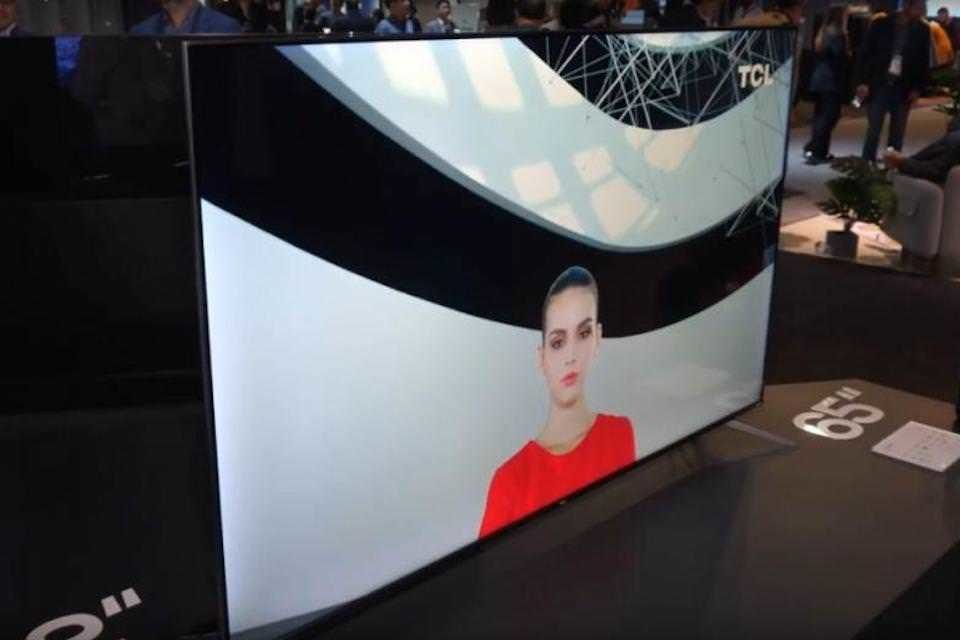
TCL OD Zero reduces the distance between miniLED backlighting and the LCD stack, enabling extremely thin backlight construction.
TCL OD Zero is a miniLED backlight development rather than a specific living-room TV recommendation.
Its defining idea is the absence of optical distance between the miniLED diodes and the LCD stack, which allows a very thin diode panel while retaining the advantages associated with miniLED backlighting.
The source emphasizes that the difference from TCL’s earlier Vidrian approach may be more important for manufacturing than for end users, and it does not confirm when OD Zero would appear in production TVs and monitors.
Best for: Display-technology enthusiasts
- Zero optical distance between diodes and stack
- MiniLED backlight concept
- Diode panel described as only slightly more than 1 mm thick
- Potentially more practical to manufacture than Vidrian
Verdict: OD Zero is a promising TCL backlight architecture to understand, but the source stops short of identifying a specific production model to buy on this basis alone.
4. LG UR80 (UR8000): Affordable TV perfect for everyday use
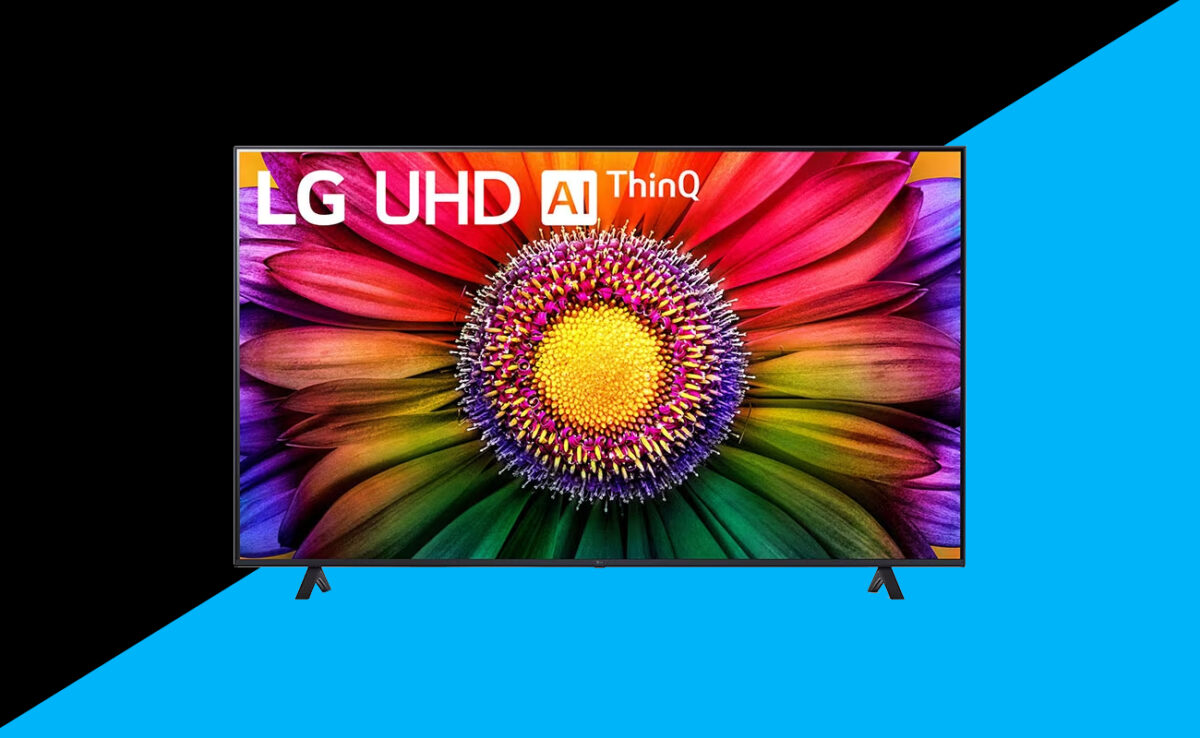
LG UR8000 combines entry-level 4K LCD performance with webOS smart features and a slim-framed appearance.
The LG UR8000 is presented as a lower-price conventional 4K TV that keeps expectations realistic.
The source highlights limited peak brightness, not exceeding 300 nits, and a 50 Hz refresh rate, both of which place it firmly in entry-level territory.
Even so, it is described as not disappointing for image quality within its class, and it uses webOS 23 with a full suite of smart features. Its slim-framed design also gives it a more polished look than its price positioning might suggest.
Best for: Everyday smart-TV use on a budget
- Affordable conventional 4K positioning
- webOS 23 smart platform
- Thin-frame design
- Everyday image quality described positively for its class
Verdict: The LG UR8000 is a pragmatic daily-use TV for buyers who accept modest brightness and refresh-rate limits in exchange for a capable smart platform and approachable pricing tier.
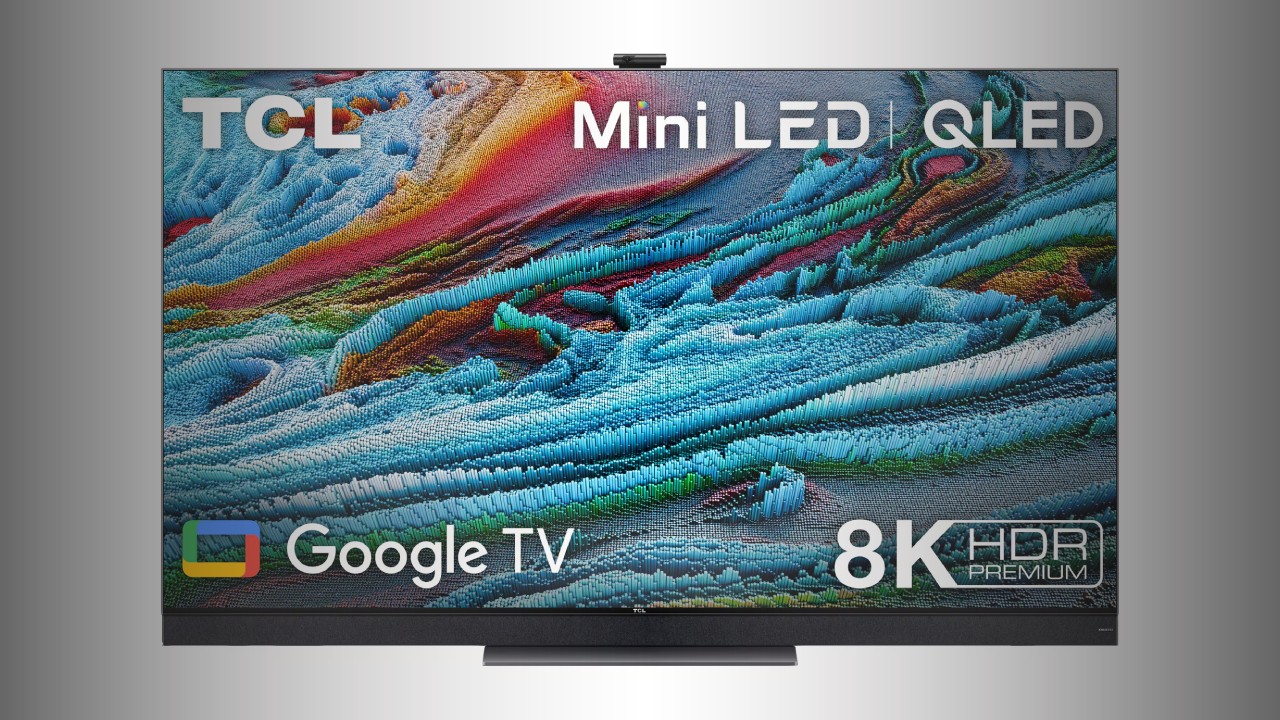
5. TCL X925: Outrageous 8K TV
TCL X925 Pro pairs an 85-inch 8K panel with OD Zero miniLED backlighting and an Onkyo Dolby Atmos speaker system.
TCL’s X925 Pro is the most ambitious TCL model in the supplied material: an 85-inch 8K flagship with OD Zero miniLED backlighting, HDMI 2.1 and an Onkyo 5.1.2 Dolby Atmos sound system.
The source describes the panel as very thin thanks to miniaturized LEDs and gives special attention to the integrated soundbar and built-in subwoofer support structure.
For buyers who want a large-format, highly specified TCL display with serious integrated audio, this is the standout entry here.
Best for: Large-screen 8K with integrated audio
- 85-inch 8K flagship positioning
- OD Zero miniLED backlighting
- HDMI 2.1 support
- Onkyo 5.1.2 Dolby Atmos sound system
Verdict: The TCL X925 Pro is the premium TCL choice in this group when screen scale, 8K resolution, miniLED design and built-in Dolby Atmos audio all sit high on the priority list.
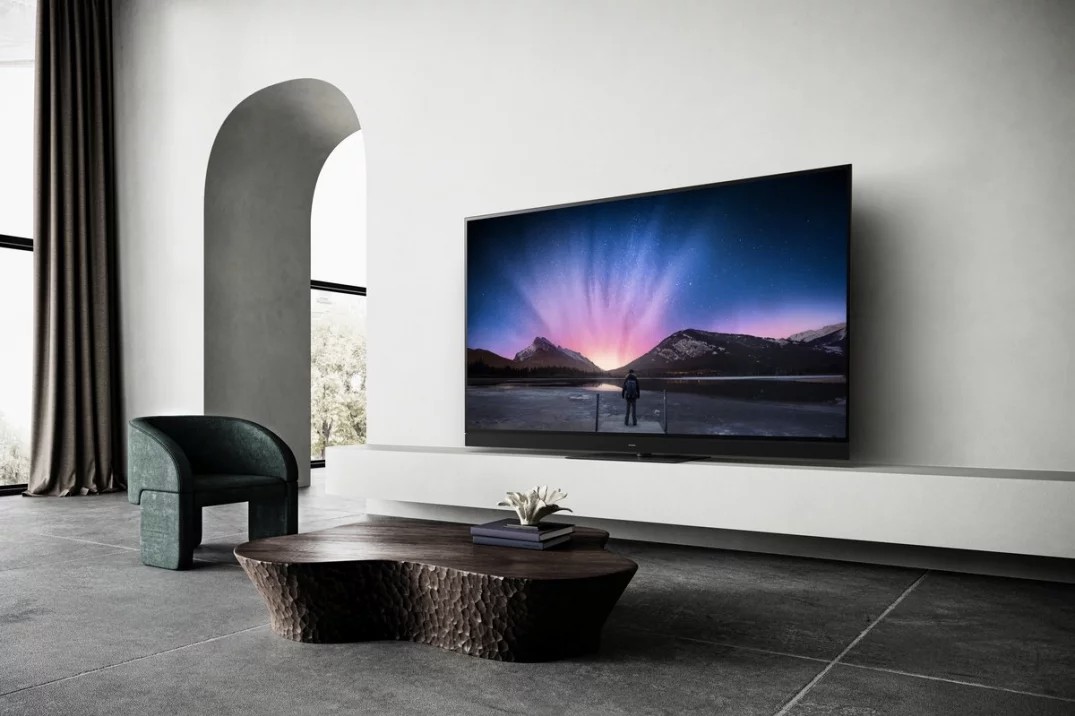
6. Panasonic OLED TV Lineup
Panasonic’s OLED range spans LZ2000, LZ1500, LZ1000 and LZ980 models with OLED.EX panels and HCX Pro AI processing.
Panasonic’s OLED range is framed around the LZ2000, LZ1500, LZ1000 and LZ980 models, all using OLED.EX panels according to the source.
Panasonic says the models are tuned by its engineers for increased peak brightness in True Cinema, Cinema, Filmmaker and Professional modes, with improved blue color volume while maintaining fidelity in shade reproduction through the HCX Pro AI processor.
The LZ2000 and LZ1500 are positioned as the more advanced Master OLED Pro models, although smaller LZ1500 sizes are noted as not matching the higher peak brightness of larger versions.
Best for: Cinema-focused OLED buyers
- OLED.EX panels across the range
- Panasonic tuning for cinema-focused picture modes
- HCX Pro AI processor
- Multiple model and screen-size choices
Verdict: Panasonic’s OLED family is best suited to viewers who care about carefully tuned picture modes and want a choice of OLED models rather than a single-size proposition.
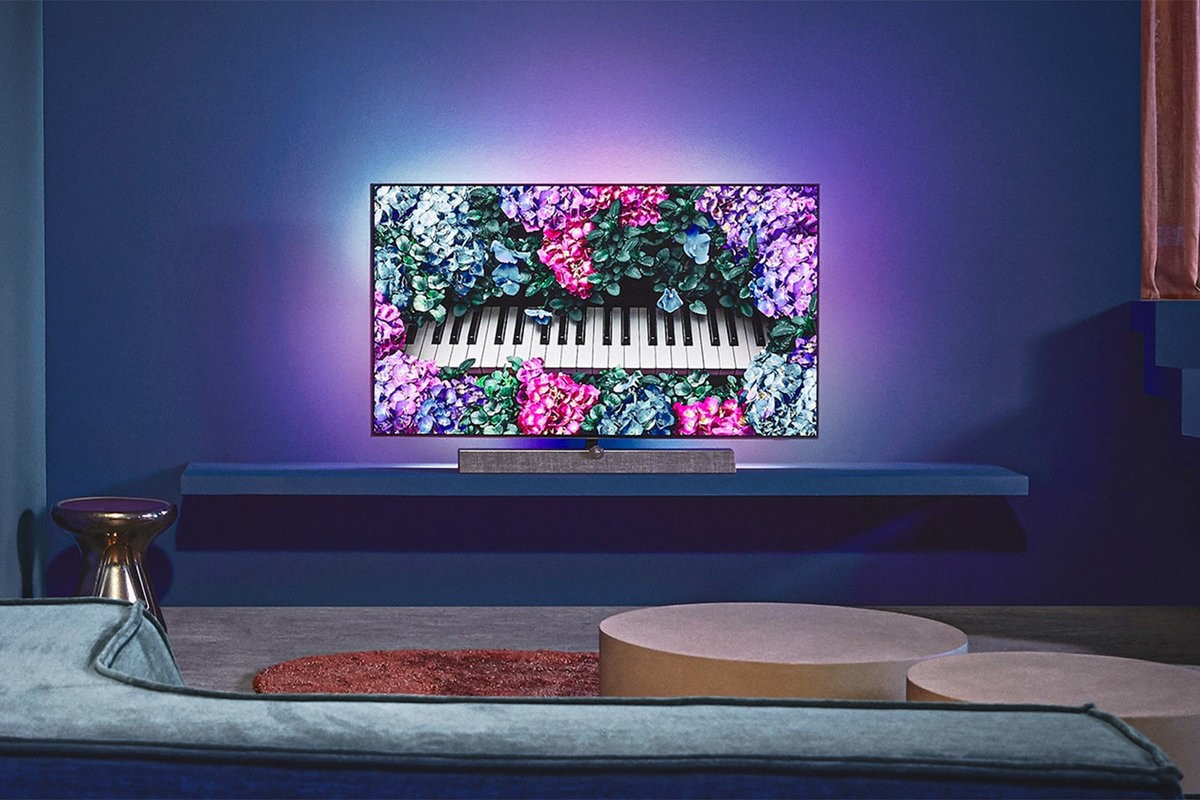
7. Philips 65OLED935: A beautiful TV with 4-way Ambilight
Philips 65OLED935 combines a slim OLED panel, four-way Ambilight and a Bowers & Wilkins speaker bar with a top-mounted tweeter.
The Philips 65OLED935 stands out for combining an OLED panel, four-way Ambilight and a substantial Bowers & Wilkins speaker section.
The source notes good screen uniformity in bright and dark shades, support for HDR10, HLG, Dolby Vision and HDR10+, and a design built around a speaker bar with Kvadrat fabric and a distinctive top-mounted tweeter.
It is a particularly strong fit for buyers who want a premium-looking OLED with more attention paid to built-in audio presentation than most slim TVs provide.
Best for: OLED ambience and built-in sound
- Four-way Ambilight
- OLED panel with good uniformity noted in the source
- HDR10, HLG, Dolby Vision and HDR10+ support
- Bowers & Wilkins speaker bar with top-mounted tweeter
Verdict: The Philips 65OLED935 is the most design-and-audio-forward OLED in the selection, especially for viewers drawn to Ambilight and an integrated Bowers & Wilkins speaker system.

8. Sony Bravia 3 K-65S3: Affordable 4K Picture with a Premium Touch
Sony Bravia 3 K-65S3 offers a 65-inch Direct LED 4K LCD panel with Triluminos Pro, Google TV and flexible stand placement.
Sony’s Bravia 3 K-65S3 is positioned as an accessible 65-inch 4K television below the company’s flagship tier.
The source identifies a VA LCD Direct LED panel, Triluminos Pro color technology, the 4K HDR X1 processor with AI optimization, Dolby Vision, HDR10 and HLG support, and Google TV.
It also notes practical design details such as a matte black chassis, slim bezels, a textured rear panel and feet that can be placed wide or centered, making it a flexible option for conventional living-room setups.
Best for: Accessible Sony 65-inch 4K viewing
- 65-inch VA LCD Direct LED panel
- Triluminos Pro color technology
- 4K HDR X1 processor with AI optimization
- Google TV platform
Verdict: The Sony Bravia 3 K-65S3 is a well-specified mainstream Sony option for buyers who want Google TV, broad HDR support and a practical 65-inch design without moving into flagship territory.
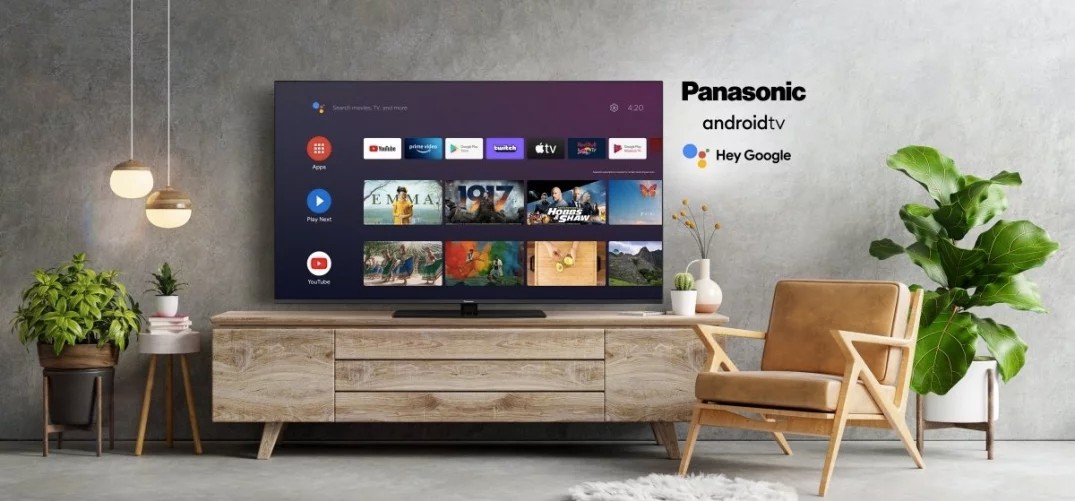
9. Panasonic LX650: New 60 Hz 4K budget TV
Panasonic LX650 is a budget 4K LCD TV with direct backlighting, Dolby Vision support and Android smart features.
The Panasonic LX650 is a budget 4K LCD model offered in 43, 50, 55 and 65-inch sizes.
The source lists direct backlighting, a 60 Hz screen, Dolby Vision, HDR10 and HLG support, HDMI 2.1 with ALLM and eARC, plus Wi-Fi and Bluetooth.
Android 11 provides the smart platform, with Chromecast for screen mirroring and Google Assistant voice control through the microphone in the remote. It is a straightforward choice for buyers who want Panasonic basics, useful HDR support and modern connectivity at the budget end.
Best for: Budget Panasonic 4K connectivity
- 60 Hz 4K LCD with direct backlighting
- Dolby Vision, HDR10 and HLG support
- HDMI 2.1 with ALLM and eARC
- Android TV with Chromecast and Google Assistant
Verdict: The Panasonic LX650 is the practical Panasonic LCD pick for buyers who want useful HDR and connection features without stepping up to OLED.
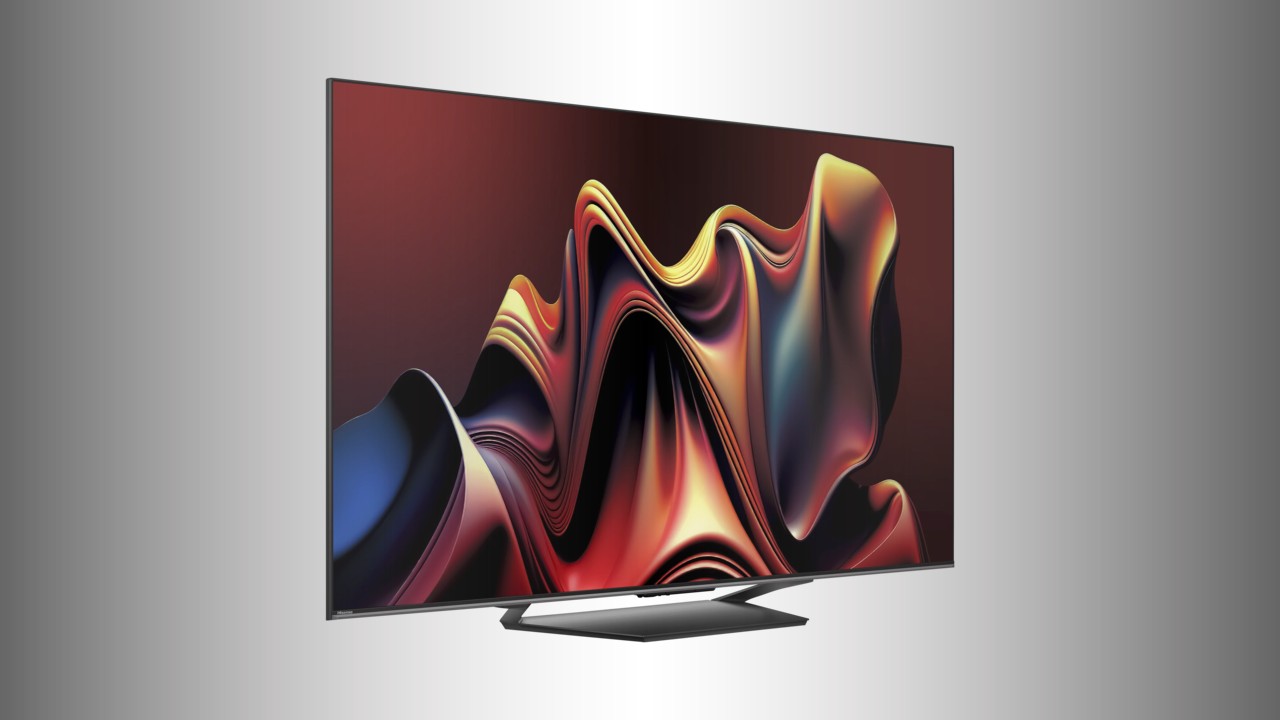
10. Hisense U7NQ is a very good TV for a wide variety of uses
Hisense U7NQ combines local dimming, HDMI 2.1, 4K at 144 Hz, VRR and a central stand for versatile living-room use.
The Hisense U7NQ is described as a lower mid-range TV with a notably broad feature set.
The source lists local dimming, HDMI 2.1 ports, 4K at 144 Hz, VRR, Dolby Vision support and the Hi-View Engine PRO chipset.
It also uses the Vidaa U7.6 interface with voice control and a generally app-rich smart platform, while the built-in 2.1-channel speaker system is rated at 40 W. Its centrally mounted stand is another practical detail, especially for buyers without a very wide cabinet.
Best for: Versatile gaming and everyday use
- Local dimming
- HDMI 2.1 ports
- 4K at 144 Hz with VRR
- 40 W 2.1-channel speaker system
Verdict: The Hisense U7NQ offers one of the broadest feature sets here, especially for buyers balancing gaming specifications, Dolby Vision support and a more practical stand design.
Quick comparison
The models and technologies below are not all direct rivals.
Some are complete televisions, while Samsung HDR10+ Gaming Extension and TCL OD Zero are feature or backlight developments that help explain what to look for in compatible TVs.
The clearest divide is between budget 4K LCD sets, OLED models tuned for cinema, miniLED and 8K flagships, and gaming-oriented feature sets.
| Product | Best for | Verdict |
|---|---|---|
| Samsung BU8000 Crystal UHD | Affordable Samsung 4K viewing | A budget-oriented 4K LCD with HDR10+ support, Samsung processing and soundbar-friendly Q-Symphony compatibility. |
| Samsung HDR10+ Gaming Extension | Buyers tracking gaming HDR standards | A gaming HDR framework centered on VRR, automatic calibration and low-latency tone mapping rather than a standalone television. |
| TCL OD Zero | Display-technology enthusiasts | A miniLED backlight architecture promising very thin construction, with production availability not confirmed in the supplied source. |
| LG UR80 (UR8000) | Everyday smart-TV use on a budget | An entry-level 4K TV with webOS smart features, modest brightness and a 50 Hz refresh rate. |
| TCL X925 | Large-screen 8K with integrated audio | An 85-inch 8K miniLED flagship with HDMI 2.1 and an Onkyo 5.1.2 Dolby Atmos system. |
| Panasonic OLED TV Lineup | Cinema-focused OLED buyers | A broad OLED family with OLED.EX panels, Panasonic picture tuning and HCX Pro AI processing. |
| Philips 65OLED935 | OLED ambience and built-in sound | An OLED TV distinguished by four-way Ambilight and an integrated Bowers & Wilkins speaker bar. |
| Sony Bravia 3 K-65S3 | Accessible Sony 65-inch 4K viewing | A mainstream 65-inch Sony 4K LCD with Direct LED, Triluminos Pro, 4K HDR X1 processing and Google TV. |
| Panasonic LX650 | Budget Panasonic 4K connectivity | A 60 Hz budget 4K LCD with Dolby Vision, HDMI 2.1 features, Android TV, Chromecast and Google Assistant. |
| Hisense U7NQ | Versatile gaming and everyday use | A lower mid-range TV with local dimming, HDMI 2.1, 4K at 144 Hz, VRR, Dolby Vision and a 40 W 2.1 speaker system. |
Frequently asked questions
Should I choose OLED, miniLED or a conventional LCD TV?
Choose OLED if film-focused picture quality and premium design are your priorities, as seen in the Panasonic OLED range and Philips 65OLED935.
Consider miniLED if you are drawn to advanced backlighting and large flagship designs such as the TCL X925.
Conventional LCD models such as the Samsung BU8000, LG UR8000, Panasonic LX650 and Sony Bravia 3 K-65S3 are better fits when price, smart features and general everyday viewing matter more than premium panel technology.
Which features matter most for gaming?
Look for the exact gaming features supported by the specific model.
In the supplied material, Hisense U7NQ lists HDMI 2.1, 4K at 144 Hz and VRR, while Panasonic LX650 lists HDMI 2.1 with ALLM and eARC.
Samsung’s HDR10+ Gaming Extension also highlights VRR, automatic HDR calibration and low-latency tone mapping, but buyers should confirm model-level support rather than assuming it is present.
Can built-in TV sound replace a soundbar?
Most budget models here use modest built-in systems, such as 20 W speaker arrangements on the Samsung BU8000 or smaller Panasonic LX650 sizes.
The stronger integrated-audio examples are the TCL X925 with an Onkyo 5.1.2 Dolby Atmos system and the Philips 65OLED935 with a Bowers & Wilkins speaker bar.
Even then, room size and listening expectations will decide whether external audio is still worthwhile.
How important is HDR format support?
HDR support matters most when you regularly watch HDR films, series or games.
Several models here cover multiple formats: the Philips 65OLED935 supports HDR10, HLG, Dolby Vision and HDR10+, while Panasonic LX650 supports Dolby Vision, HDR10 and HLG, and Samsung BU8000 supports HDR10, HDR10+ and HLG.
Format support alone does not guarantee premium HDR impact, because panel brightness and backlighting also play major roles.
How to choose the right TV from this field
Start with the room and the way the TV will be used.
For everyday streaming, broadcast viewing and general family use, the LG UR8000, Panasonic LX650, Samsung BU8000 and Sony Bravia 3 K-65S3 make the most sense because they focus on practical 4K LCD performance, smart platforms and approachable feature sets rather than top-tier display hardware.
Among them, the Panasonic LX650 stands out for Dolby Vision and HDMI 2.1 features, Samsung brings HDR10+ and Q-Symphony compatibility, LG emphasizes webOS in an entry-level package, and Sony offers Google TV with Triluminos Pro and 4K HDR X1 processing.