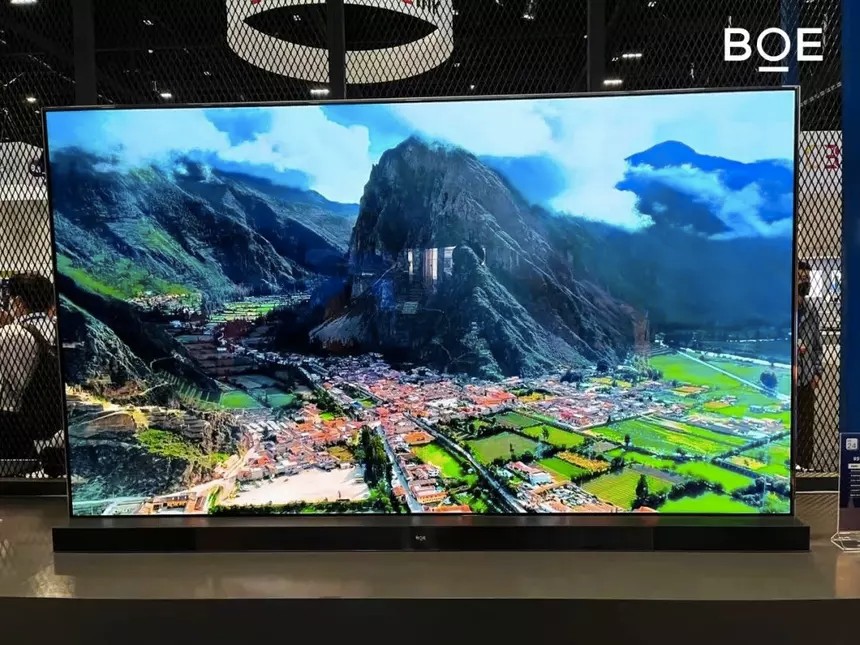
A remarkable TV is not always the one with the loudest specification sheet.
Sometimes it is the screen technology, sometimes the scale, sometimes the design, and sometimes the way a manufacturer combines picture, sound, software, and room presence into a coherent product.
The models and articles gathered here show several very different answers to the same question: what should a serious TV buyer actually pay attention to? This guide is grounded in the supplied Stereoindex source material, so it avoids unsupported performance claims and focuses on distinctions that are clearly stated: OLED contrast, Mini-LED brightness, large-screen ambition, premium industrial design, smart platforms, integrated audio, and the practical settings that can either help or harm a picture. The selection is deliberately broad. It includes premium OLEDs, an enormous Neo QLED, a mid-budget QLED, design-led luxury sets, and one practical picture-settings article that is worth reading before judging any display. Treat it as an editorial map rather than a simple ranking: the right choice depends heavily on room size, viewing habits, budget, and how much you value design or integrated sound.

1. Panasonic LZ980: A safe choice this year
Panasonic LZ980 shown as a 65-inch TV with slim bezels intended to give the screen a more efficient front-facing appearance.
The Panasonic LZ980 is presented as a high-category TV with a feature set aimed at demanding buyers, though the source also notes that its recent arrival places it at a high price.
The 65-inch Panasonic TX-65LZ980 is described as suitable for large rooms, with overall dimensions given in the source and a design that is respectable rather than spectacular.
Its thinner bezels are a practical advantage because they increase the usable screen area and help the front view feel more focused, especially if the TV is wall-mounted with a VESA support.
Best for: Large-room buyers who want a high-end Panasonic without needing a showpiece design
- High-category feature positioning
- 65-inch size suited to large rooms
- Thin bezels improve the front view
- Wall mounting is specifically recommended in the source
Verdict: The Panasonic LZ980 reads as a sensible premium option, strongest for viewers who care more about screen presence and features than dramatic styling.

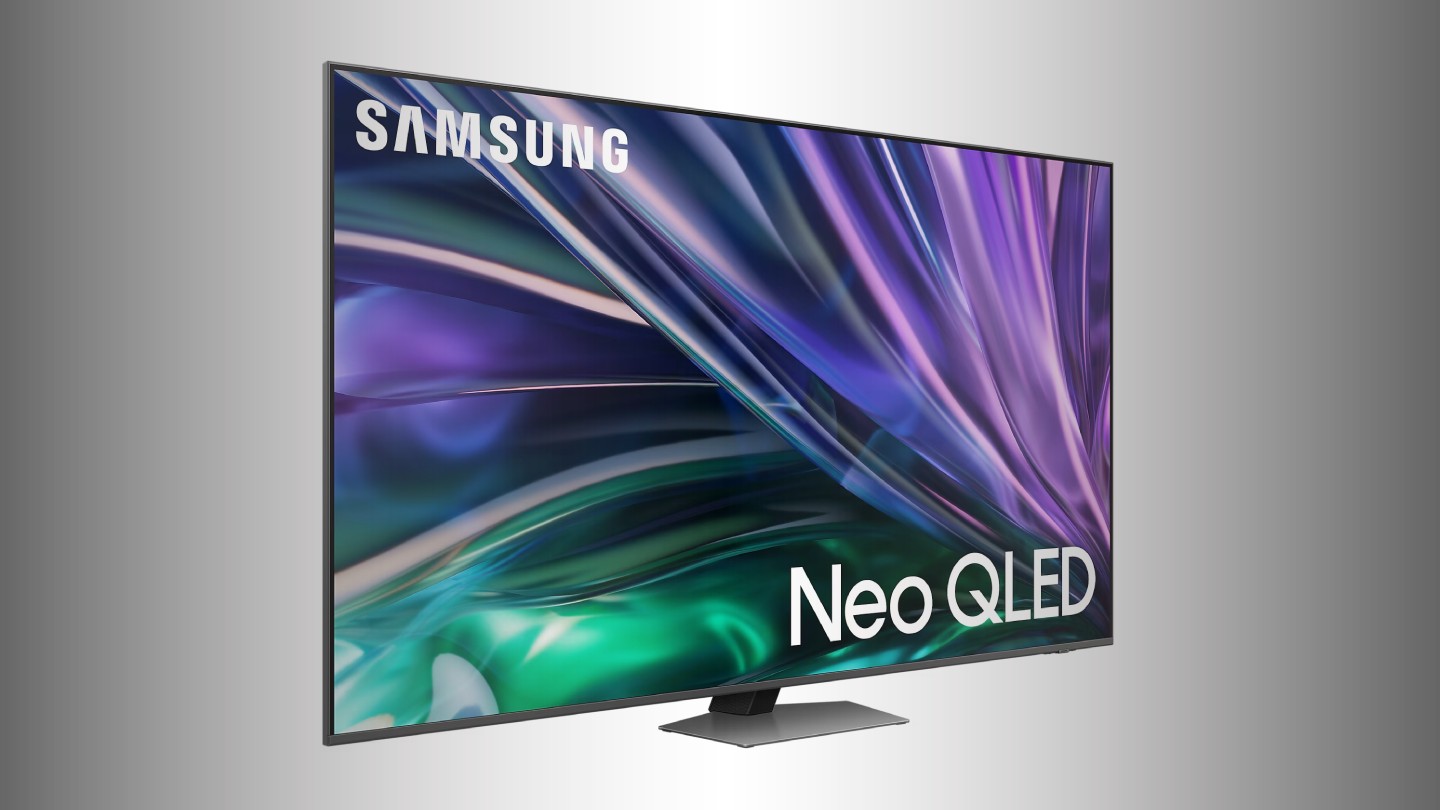
2. Huge 98 inch Samsung Neo QLED TV Launched at $33,900
Samsung KQ98QNB100 presents a 98-inch 4K Neo QLED screen in a thin metal-framed design.
Samsung’s KQ98QNB100 is the most extreme scale play in this group: a 98-inch 4K Neo QLED TV with Mini-LED backlighting.
The source specifies HDR10, HDR10+, and HLG support, brightness reaching 5000 cd/m2 with 16,384 levels, and a Neo Quantum Processor+ used for upscaling conventional video content to 4K.
It is also unusually ambitious on audio, with a 6.4.4-channel system rated at 120 watts and Object Tracking Sound+ for sound that follows on-screen action.
Best for: Buyers planning a cinema-scale screen where size and brightness are priorities
- Enormous 98-inch 4K panel
- Mini-LED backlight with very high stated brightness
- HDR10, HDR10+ and HLG support
- 6.4.4-channel, 120-watt audio system
Verdict: The Samsung KQ98QNB100 is a statement TV for very large spaces, combining a huge Neo QLED panel with unusually substantial built-in audio.
3. LG OLED88ZX9: Big, bold and beautiful
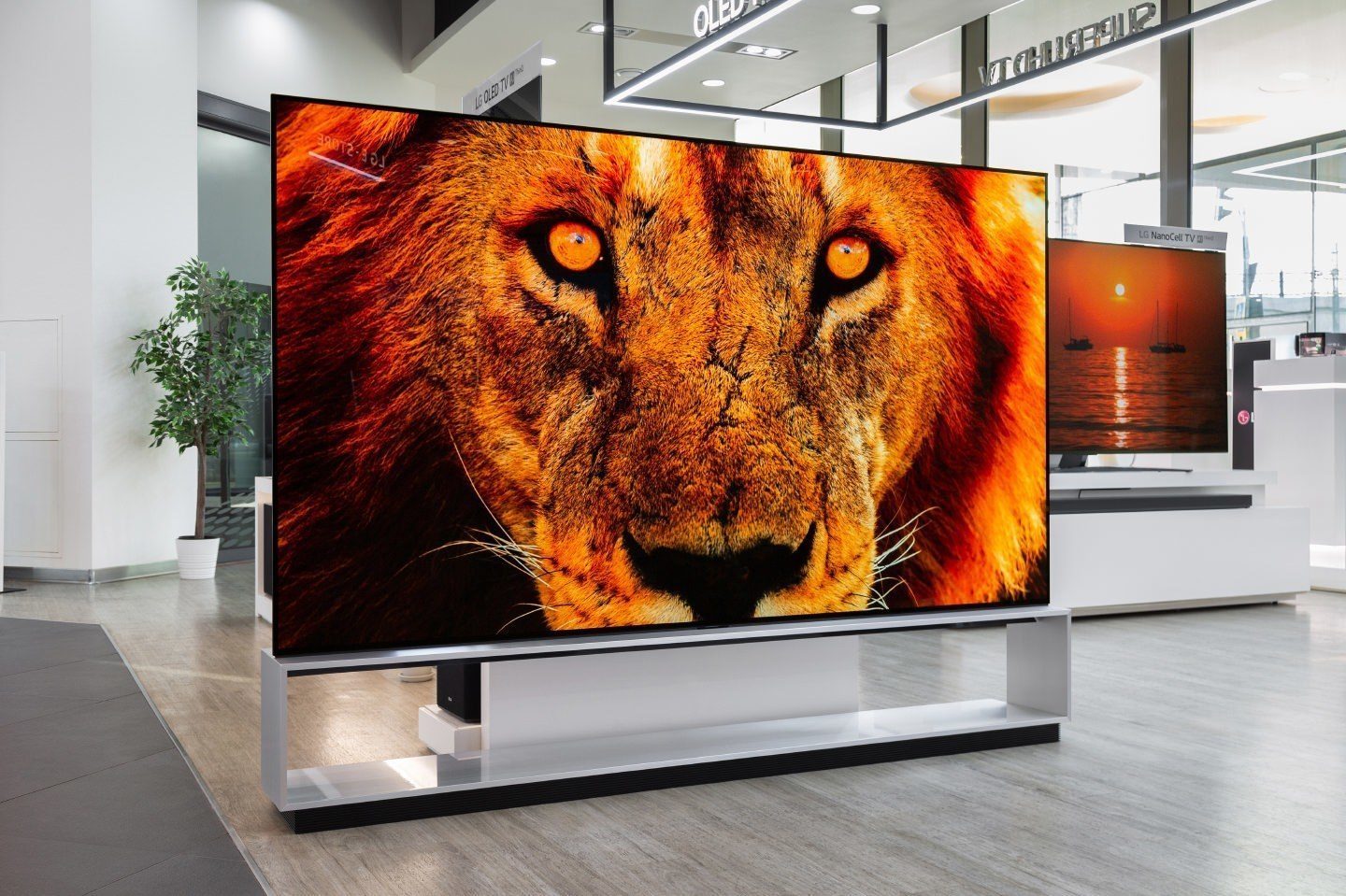
LG SIGNATURE OLED88ZX9 pairs an 88-inch OLED display with the thin-panel benefits of backlight-free screen technology.
The LG SIGNATURE OLED88ZX9 stands out for combining very large scale with the fundamental strengths of OLED.
The source highlights its 88-inch size and explains why OLED remains distinctive: pixels emit their own light and can switch off, allowing exceptionally strong contrast without the need for a backlight.
The absence of a backlight also enables very thin large-screen designs and, as described in the source, can allow the OLED panel itself to work as a sound-emitting surface for closer alignment between image and sound.
Best for: Viewers who want a very large OLED built around contrast and premium engineering
- 88-inch OLED screen
- Self-emissive pixels with no backlight
- Very strong contrast potential
- OLED panel can be used as a sound-emitting surface
Verdict: The LG OLED88ZX9 is the grand-scale OLED in this guide, notable for bringing OLED’s self-emissive contrast advantages to an 88-inch format.
4. Sony A75K: Awesome budget OLED Smart TV!
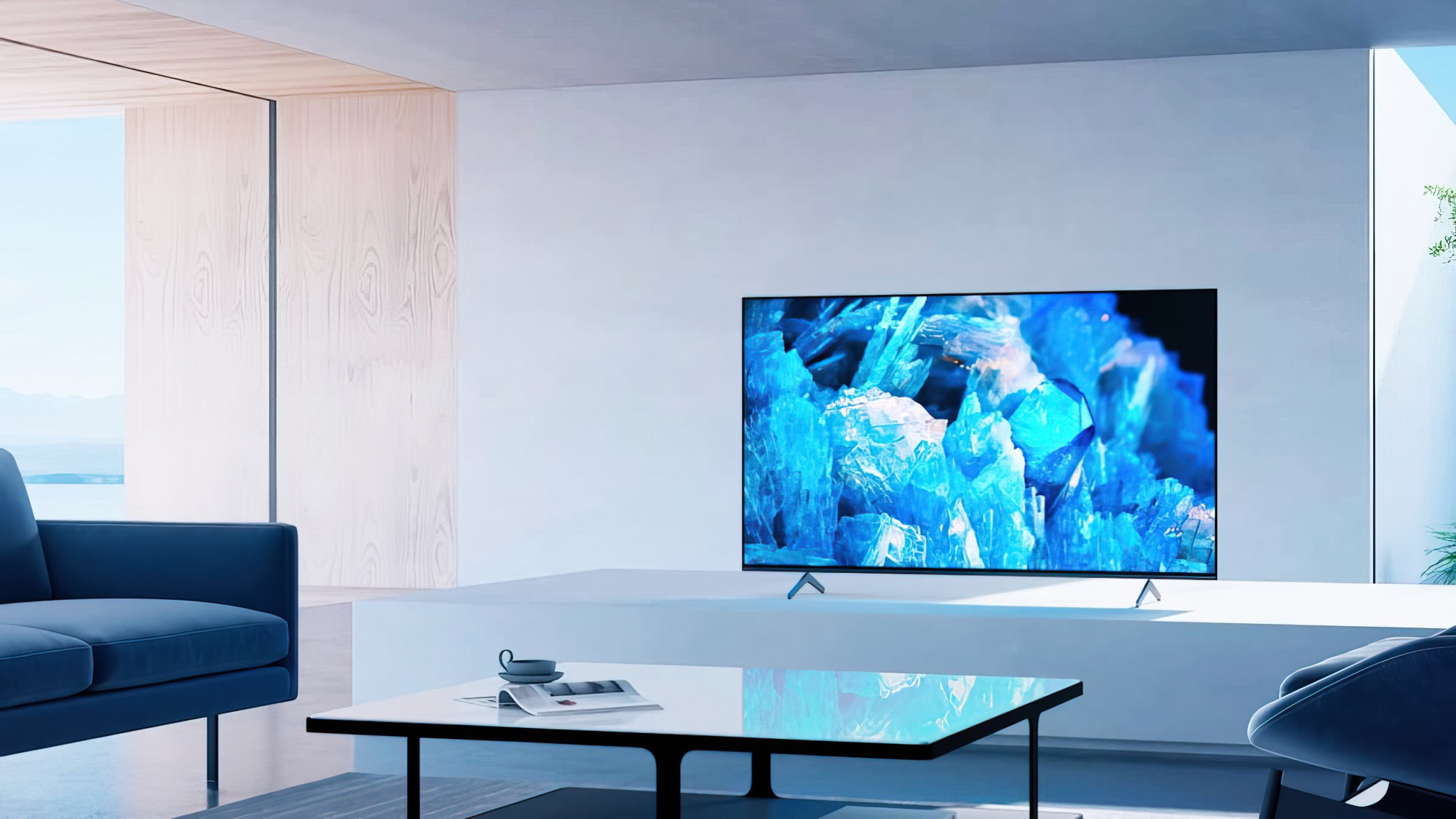
Sony A75K uses a minimalist frame design around a 4K OLED panel intended to keep attention on the picture.
The Sony A75K is positioned as a lower-priced 4K OLED line in Sony’s range.
The source makes its trade-off clear: compared with higher Sony OLED series, the main compromise noted is weaker HDR peak brightness, yet it is still described as delivering excellent picture quality in dark rooms.
Its OLED panel can switch off individual pixels for near-infinite contrast without blooming around bright objects, while the XR cognitive processor handles the image-processing pipeline. The design is minimalist, with narrow black metal frames that are not intended to distract from the image.
Best for: OLED shoppers who watch often in darker rooms and want a Sony model below the premium tiers
- Lower-priced Sony OLED positioning
- Excellent dark-room picture quality noted in the source
- OLED contrast with no blooming around bright objects
- Minimalist design with narrow black metal frames
Verdict: The Sony A75K is a pragmatic OLED choice, accepting lower HDR peak brightness in exchange for core OLED contrast and a restrained design.
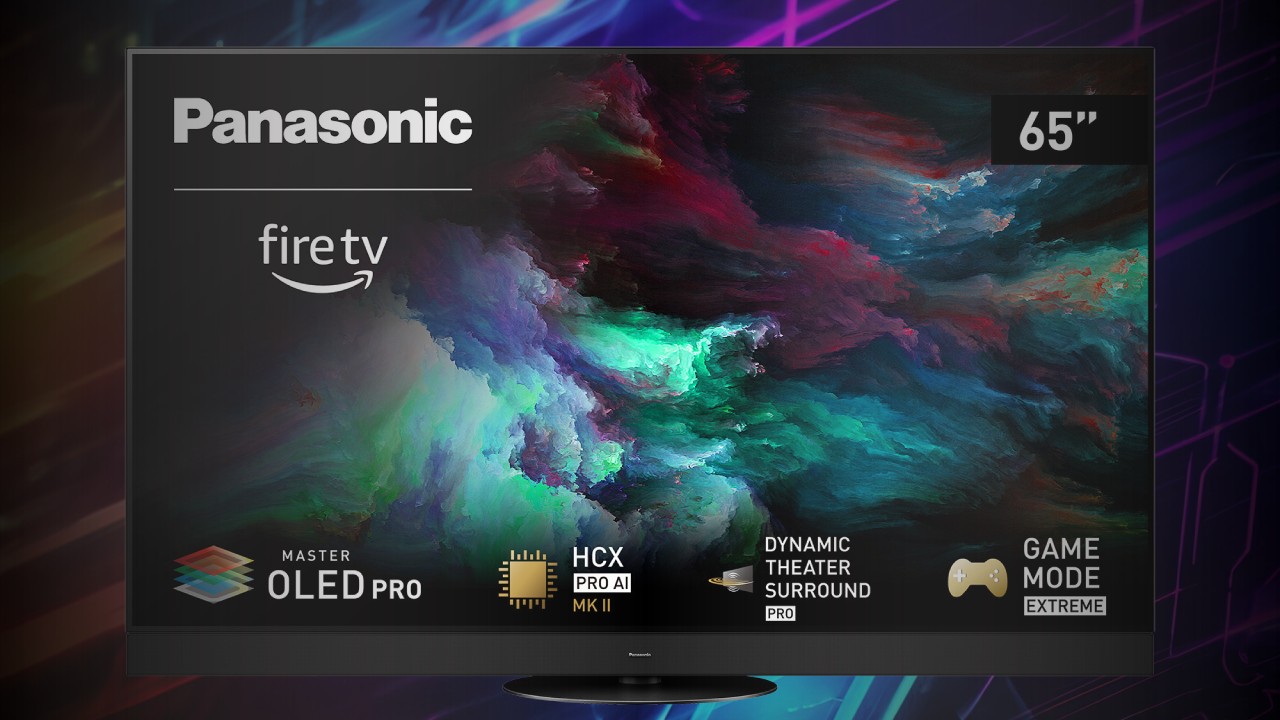
5. Panasonic Z90A, Z85A and Z80A: Impressive flagship OLED TVs
Panasonic Z90A leads the described OLED trio with multiple screen sizes and a feature set positioned below the highest Panasonic OLED models.
Panasonic’s Z90A, Z85A and Z80A expand the company’s OLED line below the already introduced top-tier models.
The source gives the most detail on the Z90A, which replaces the MZ1500B and is planned in 65-, 55-, 48- and 42-inch sizes.
It does not include Micro Lens Array brightness-boosting technology, but the Z90A is equipped with a Master OLED Pro panel except in the 48- and 42-inch versions, along with Panasonic’s HCX Pro AI MKII processor. The source also states that the Z90A uses Dynamic Theater Surround with a built-in subwoofer and front speakers.
Best for: Panasonic OLED buyers comparing screen sizes and feature levels below the very top models
- Expanded Panasonic OLED range
- Z90A offered in four screen sizes
- HCX Pro AI MKII processor on the Z90A
- Dynamic Theater Surround with built-in subwoofer and front speakers
Verdict: The Panasonic Z90A, Z85A and Z80A broaden Panasonic’s OLED choices, with the Z90A standing out in the source for its processor, panel tuning and integrated sound system.
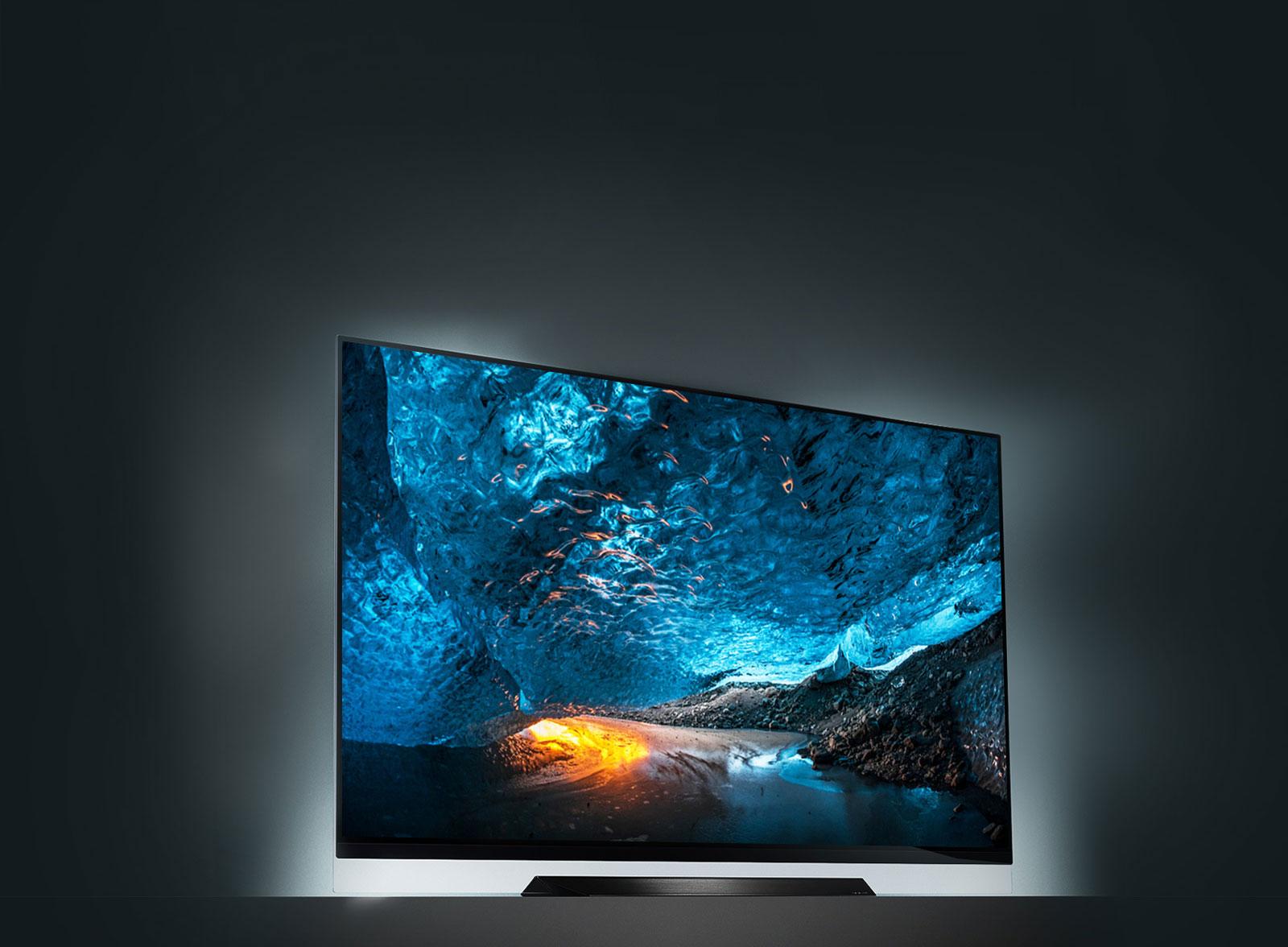
6. LG OLED65E8P Review • Impressive OLED TV
LG OLED65E8P uses a glass-backed design that visually separates the screen from the base for a floating effect.
The LG OLED65E8P is a premium OLED built around LG’s ThinQ smart platform and Alpha 9 processor.
The source places it within LG’s OLED family and notes that the E8 series continues the brand’s glass design tradition, with the screen mounted on a glass plate that gives the set a distinctive floating impression.
It is described as available in 55- and 65-inch sizes, and as incorporating a high level of LG technology within that OLED range.
Best for: Design-conscious OLED buyers who value LG’s smart platform and premium presentation
- OLED panel technology
- ThinQ smart platform
- Alpha 9 processor
- Distinctive glass-based design
Verdict: The LG OLED65E8P remains interesting for the way it combines OLED technology, smart processing and a striking glass aesthetic.
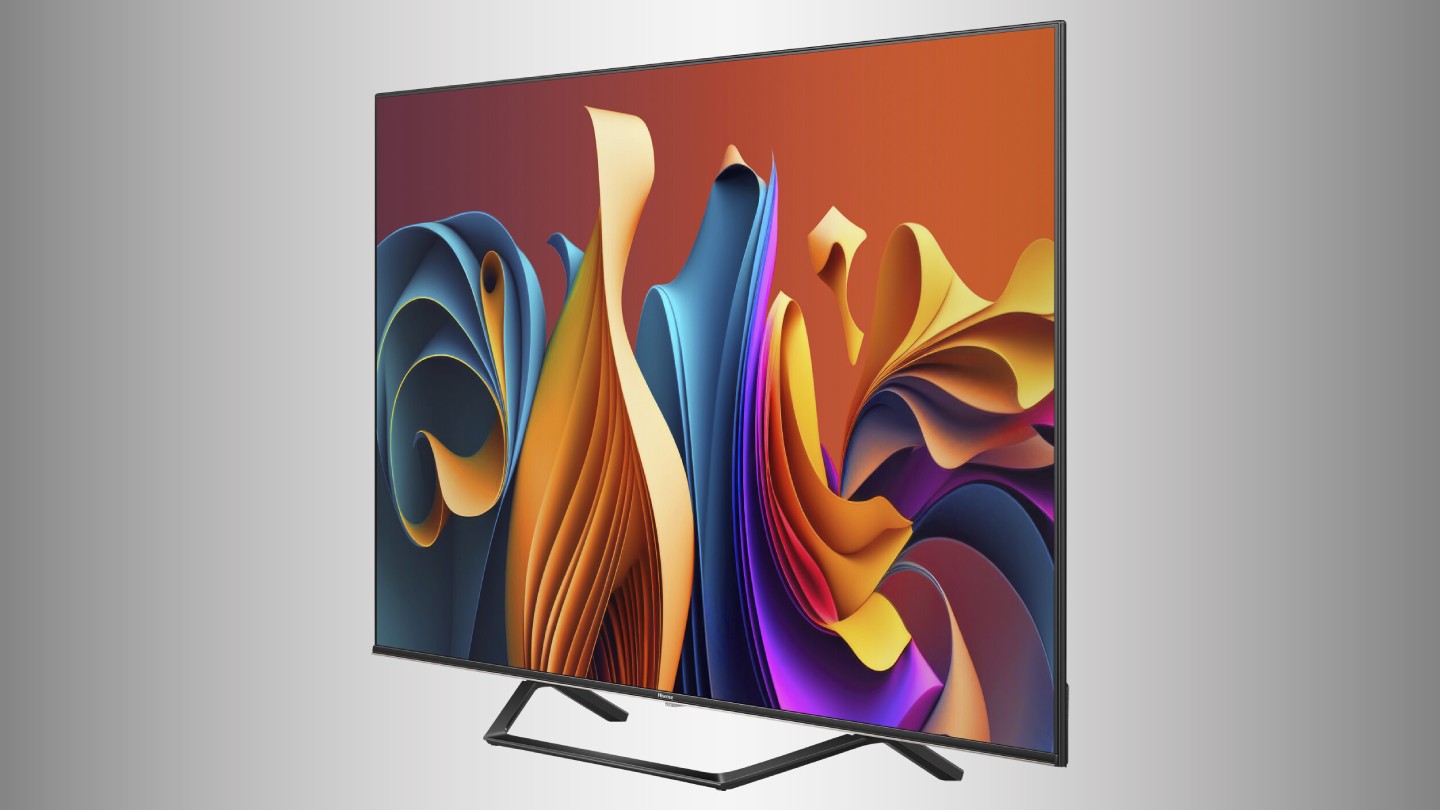
7. Hisense A7NQ: Impressive Mid-budget 4K QLED TV
Hisense A7NQ combines a 4K QLED panel with tidy bezels and a stand designed to keep the set visually unobtrusive.
The Hisense A7NQ is the value-oriented contrast to the premium OLED and luxury models in this guide.
The source positions it as a mid-budget 4K QLED TV, with a 60 Hz refresh rate and no local dimming, both of which help define its limits as well as its price category.
Its two-channel audio system is rated at 20 W, and the VIDAA smart platform provides a range of streaming applications. The design is a highlight in the source: the 55A7NQ is described as looking more premium than its price suggests, with tidy bezels, a dark silver lower edge and a stand that reduces its visual footprint.
Best for: Budget-aware buyers who want a refined-looking 4K QLED for everyday viewing
- Mid-budget 4K QLED positioning
- VIDAA platform with streaming applications
- Premium-looking design for the category
- Tidy bezels and visually light stand design
Verdict: The Hisense A7NQ is best understood as an affordable, good-looking QLED with clearly stated limits rather than a high-performance flagship.

8. 9 settings that can spoil the picture quality on your TV
TV picture menus can include effects and presets that alter brightness, contrast and color in ways that may reduce image quality.
This is not a TV model, but it deserves a place in a TV buying guide because settings can radically change how a screen looks.
The source warns that modern TVs often include many parameters and presets, and that some can reduce image quality rather than improve it.
One example singled out is an HDR effect applied to normal content: the article explains that a panel without proper HDR support can show regular material with distorted brightness and contrast when such effects are used. The practical lesson is simple: before judging a TV, check whether its processing modes are helping the picture or merely exaggerating it.
Best for: Anyone setting up a new TV or trying to fix an unnatural-looking picture
- Practical guidance for everyday TV setup
- Warns against harmful picture presets
- Explains why fake HDR effects can spoil normal content
- Useful across different TV brands and price levels
Verdict: This settings guide is a valuable companion to any TV purchase because a good panel can still look wrong with the wrong processing enabled.
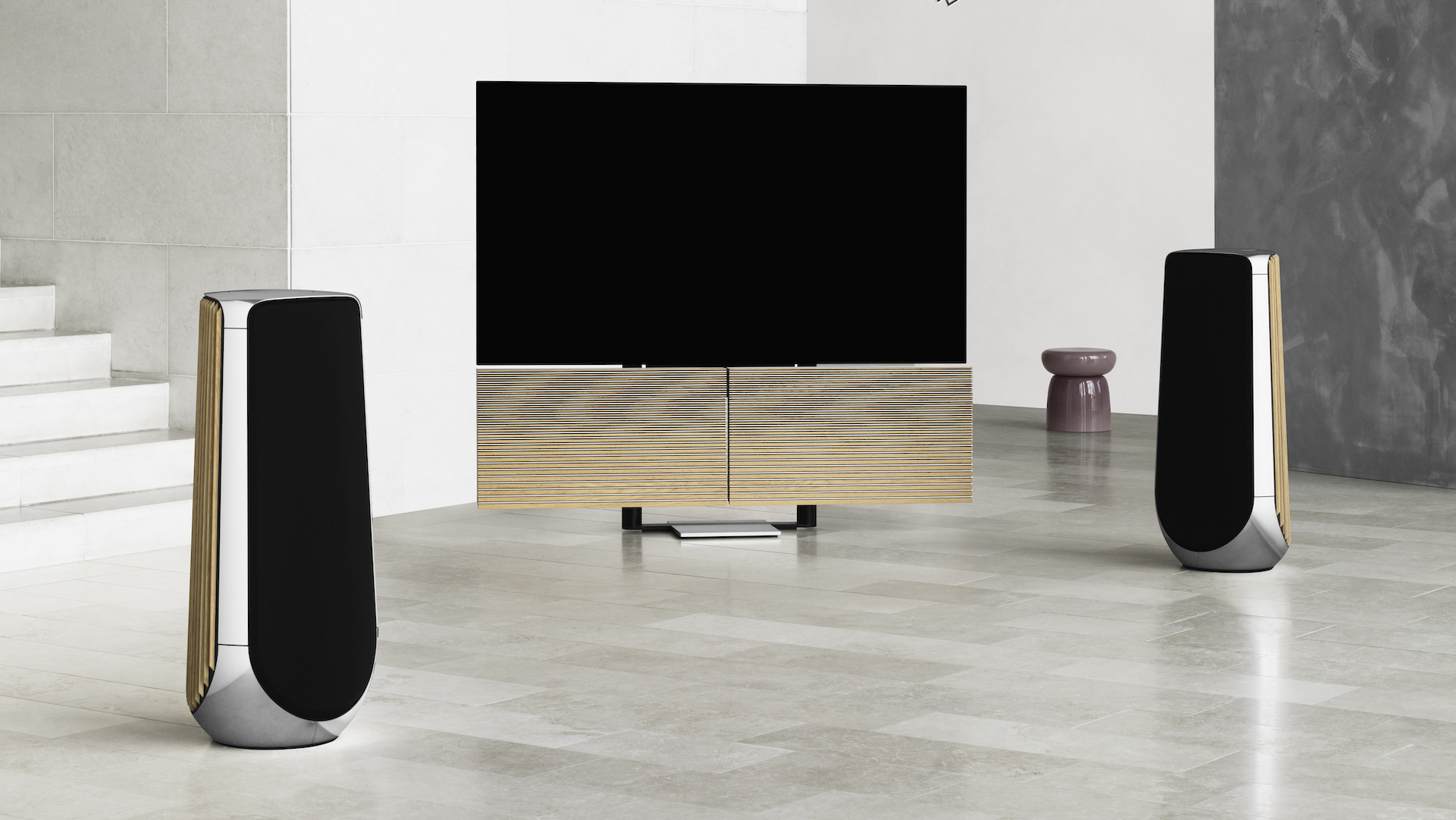
9. B&O Harmony Review • Timeless technology and aesthetics
B&O Harmony uses a 77-inch LG OLED basis within a glass-and-metal design focused on premium room presence.
B&O Harmony is the design-led luxury entry in this selection.
The source explains that Bang & Olufsen uses an LG OLED77C basis, with a 77-inch 4K OLED panel mounted behind a thin glass surface and wrapped with metal at the edges.
The margin from image to panel edge is described as about one centimeter, giving it a near-frameless impression. LG’s α9 gen2 Intelligent Processor is identified as responsible for image processing, while the article frames Harmony as a product that brings video and audio technologies into a highly aesthetic B&O system.
Best for: Luxury buyers who want OLED technology integrated into a distinctive Bang & Olufsen design concept
- 77-inch 4K OLED panel basis
- Thin glass and metal-edged presentation
- Very narrow image-to-edge margin described in the source
- LG α9 gen2 Intelligent Processor
Verdict: B&O Harmony is less about chasing value and more about combining a large OLED panel with Bang & Olufsen’s emphasis on technology and aesthetics.
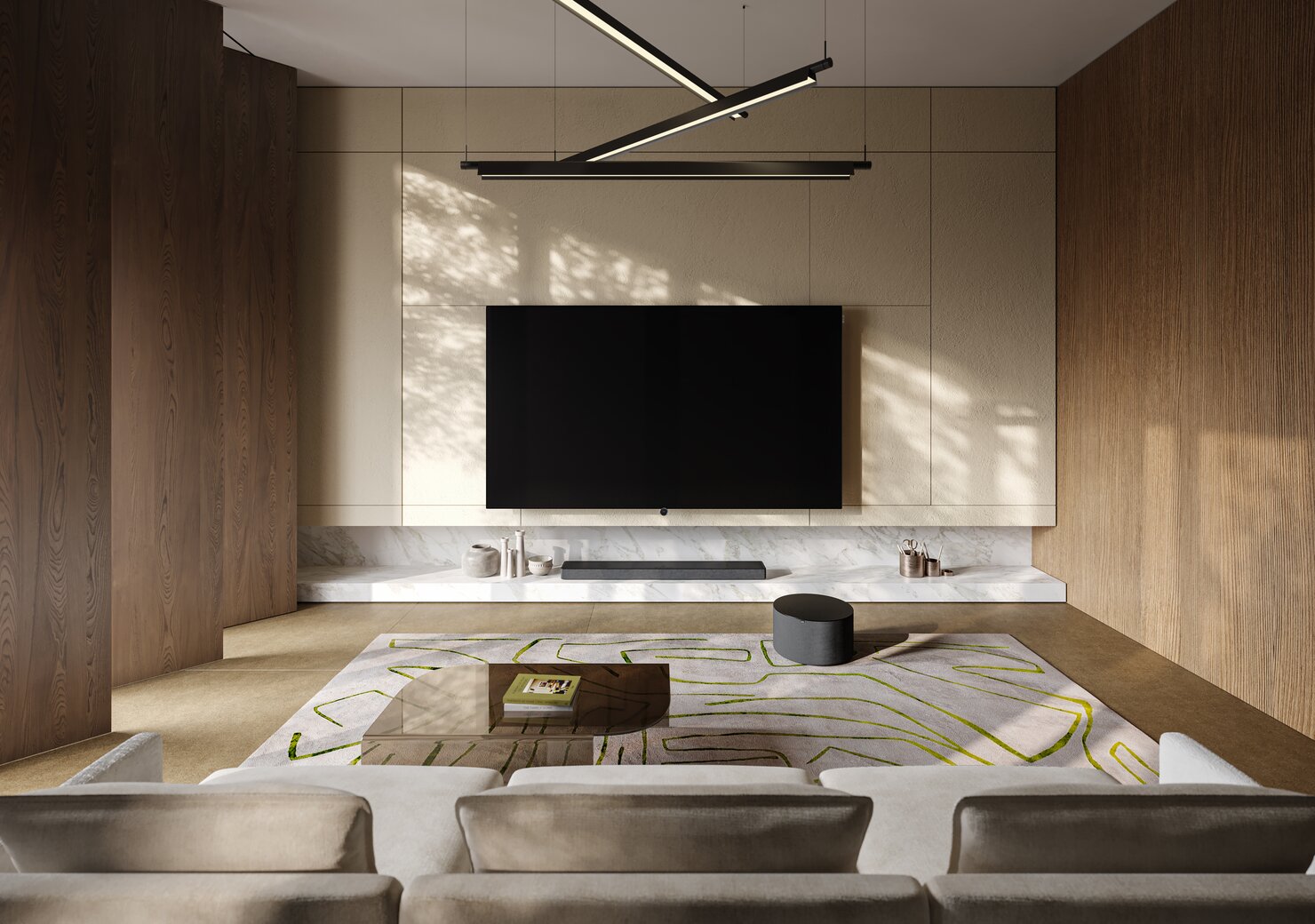
10. Loewe bild i.77 dr+ is the German brand’s largest OLED TV
Loewe bild i.77 dr+ is a 77-inch 4K OLED with built-in soundbar support and wireless integration features.
The Loewe bild i.77 dr+ is Loewe’s largest OLED model in the supplied source, built around a 77-inch 4K LG Display OLED panel.
It supports HDR10, Dolby Vision and HLG, and the manufacturer promises high contrast and a wide color gamut for natural, harmonious images.
The TV includes a built-in soundbar, while eARC and Dolby Atmos support are listed for use with compatible soundbars. Wireless integration is also a focus, with Apple AirPlay, DTS Play-Fi and Google Chromecast mentioned, along with compatibility with Loewe’s Klang mr multi-room sound system.
Best for: Buyers who want a large OLED with integrated audio and broader home-entertainment connectivity
- 77-inch 4K OLED panel
- HDR10, Dolby Vision and HLG support
- Built-in soundbar
- AirPlay, DTS Play-Fi and Chromecast support
Verdict: The Loewe bild i.77 dr+ is a large, connectivity-rich OLED that emphasizes integrated sound and system flexibility as much as panel size.
Quick comparison
These entries differ less by simple quality ranking and more by purpose.
The Samsung is defined by sheer 98-inch Neo QLED scale and Mini-LED brightness; the LG OLED88ZX9 brings OLED contrast to a very large format; the Sony A75K and Hisense A7NQ represent more value-conscious routes; and the B&O and Loewe models lean heavily into design, integration and premium system thinking.
The picture-settings article is included because setup choices can undermine any of them.
| Product | Best for | Verdict |
|---|---|---|
| Panasonic LZ980 | Large-room premium Panasonic buyers | A safe, high-category choice with thin bezels and wall-mount appeal, though the source describes the design as not especially spectacular. |
| Samsung KQ98QNB100 Neo QLED | Cinema-scale rooms and buyers prioritizing size | A 98-inch 4K Mini-LED Neo QLED with very high stated brightness and a substantial 6.4.4-channel audio system. |
| LG OLED88ZX9 | Very large OLED viewing | An 88-inch OLED built around self-emissive pixels, exceptional contrast potential and ultra-thin OLED construction advantages. |
| Sony A75K | Lower-priced OLED viewing in darker rooms | A more accessible Sony OLED that keeps core OLED contrast while accepting weaker HDR peak brightness than higher Sony OLED lines. |
| Panasonic Z90A, Z85A and Z80A | Panasonic OLED shoppers comparing tiers and sizes | An expanded OLED family, with the Z90A detailed as the key model thanks to its HCX Pro AI MKII processor and Dynamic Theater Surround system. |
| LG OLED65E8P | Premium OLED buyers who value design | A 65-inch LG OLED notable for ThinQ, Alpha 9 processing and a distinctive glass-based floating aesthetic. |
| Hisense A7NQ | Mid-budget 4K QLED buyers | A competitively positioned QLED with a polished look, VIDAA streaming and clear limitations including 60 Hz refresh and no local dimming. |
| 9 settings that can spoil the picture quality on your TV | Owners optimizing TV picture quality | A practical guide to avoiding processing modes and presets that can make a capable TV look worse. |
| B&O Harmony | Luxury design-led home entertainment | A Bang & Olufsen system built around a 77-inch LG OLED basis, emphasizing premium materials, aesthetics and integrated technology. |
| Loewe bild i.77 dr+ | Large OLED buyers who want integrated sound and connectivity | Loewe’s largest OLED model in the source, with a 77-inch 4K panel, HDR format support, built-in soundbar and broad wireless integration. |
Frequently asked questions
Should I choose OLED or QLED for a TV?
The supplied material presents OLED as strongest for pixel-level light control, very high contrast and dark-room viewing, as seen with the Sony A75K, LG OLED88ZX9 and Loewe bild i.77 dr+.
QLED and Neo QLED models such as the Hisense A7NQ and Samsung KQ98QNB100 can make sense when you want an LCD-based alternative, with the Samsung adding Mini-LED backlighting and very high stated brightness.
How much should screen size influence my decision?
Room size matters.
The Panasonic LZ980 source describes the 65-inch version as suitable for large rooms, while the 77-, 88- and 98-inch models in this guide demand more space and a viewing setup that can justify their scale.
A larger screen is not automatically better if it overwhelms the room or forces uncomfortable viewing distances.
Are built-in TV speakers enough?
It depends on the model and expectations.
The Samsung KQ98QNB100 is specified with a 6.4.4-channel, 120-watt system, while the Loewe bild i.77 dr+ includes a built-in soundbar and supports eARC and Dolby Atmos for compatible soundbars.
The Hisense A7NQ, by contrast, is described with a two-channel 20 W system, so buyers wanting more impact may need external audio.
Can TV settings really spoil picture quality?
Yes.
The supplied settings article warns that modern TV menus often include effects and presets that can reduce image quality.
It specifically highlights HDR effects applied to normal content as a problem, because they can distort brightness and contrast rather than improve the picture.
How to choose from these remarkable TVs
Start with the room.
If you are furnishing a very large viewing space, the 98-inch Samsung KQ98QNB100 and 88-inch LG OLED88ZX9 address scale in very different ways: the Samsung through a huge Mini-LED Neo QLED panel with high stated brightness and elaborate built-in audio, the LG through an 88-inch OLED built around self-emissive contrast.
For a large but more conventional premium screen size, the Panasonic LZ980, Loewe bild i.77 dr+ and B&O Harmony each bring a different emphasis: Panasonic on a safe high-category feature set, Loewe on a 77-inch OLED with integrated sound and connectivity, and Bang & Olufsen on luxury design around an OLED basis. If value is the constraint, look carefully at the Sony A75K and Hisense A7NQ. The Sony keeps OLED’s dark-room strengths and pixel-level contrast while sitting below pricier Sony OLED lines, with the source noting lower HDR peak brightness as the main compromise against upper models. The Hisense is the clearer budget-conscious QLED route, with a polished design and VIDAA streaming, but also with straightforward limits such as 60 Hz refresh and no local dimming. Do not ignore setup. The article on picture settings is a reminder that processing modes can make even a capable TV look unnatural. Before replacing a screen or judging a new one harshly, check whether artificial HDR effects, aggressive presets or over-processed modes are changing the image in ways the content never intended. A well-chosen TV and a restrained setup usually matter more than chasing every menu option a manufacturer provides.