
The Best Headphones for Every Listener and Budget
These five headphones cover very different priorities, from portable wired IEMs and lightweight wooden over-ears to feature-packed true wireless earbuds. Here is which model makes the most sense for each listener and budget.
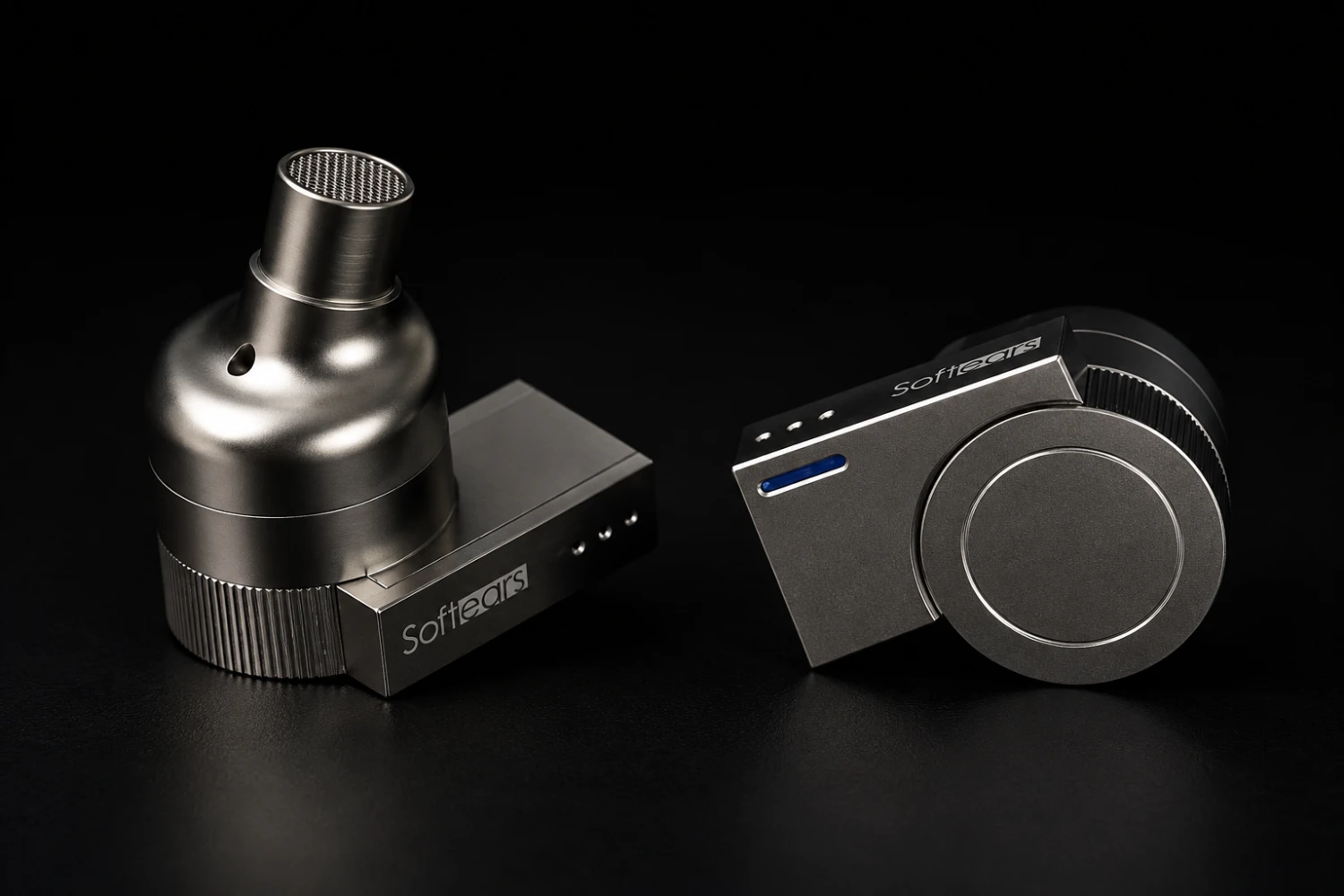
These five products are not competing on identical terms. The Softears Edge and Meze Audio Astru are wired in-ear monitors, the Audio-Technica ATH-WP900SE and Final DX4000CL are closed-back over-ear headphones, and the Bang & Olufsen Beo Grace is a fully wireless model. The right choice therefore depends as much on how you listen as on how much you want to spend.
At one end, the Edge promises an engaging audiophile presentation from portable sources for $499. At the other, the Beo Grace adds wireless convenience, active noise cancellation and unusual wired-through-the-case functionality at $1,500. Between them are products aimed at listeners who value high-end materials, a larger over-ear presentation, balanced connectivity or a more ambitious closed-back design.
Quick verdict
Best Overall: Softears Edge. It offers the most convincing balance of price, portability, easy amplification and claimed audiophile performance. Its titanium construction, balanced cable, engaging tuning and $499 retail price make it the easiest recommendation for the broadest group of listeners.
- Best for a lightweight over-ear design: Audio-Technica ATH-WP900SE
- Best for closed-back spaciousness: Final DX4000CL
- Best for premium wired IEM detail and accessories: Meze Audio Astru
- Best for wireless features and noise control: Bang & Olufsen Beo Grace
Comparison table
| Product | Type | Best suited to | Key strengths | Power and connectivity | Price and availability |
|---|---|---|---|---|---|
| Softears Edge | Wired in-ear monitor | Portable audiophile listening | Engaging tuning, titanium shells, strong separation, spacious presentation | 16 ohms; 128 dB/Vrms; detachable 4.4mm balanced cable | $499; available now |
| Meze Audio Astru | Wired in-ear monitor | Detailed portable listening with a premium package | Titanium housing, 80-layer gold driver diaphragm, balanced cable and extensive accessories | 32 ohms; 111 dB SPL/mW; 4.4mm balanced cable and 3.5mm adapter | Just under $900; available March 20, 2026 |
| Audio-Technica ATH-WP900SE | Closed-back over-ear | Portable full-size listening and design-led ownership | Solid ash wood, guitar-inspired finish, 235g weight, two detachable cables | 37 ohms; 4.4mm balanced and 3.5mm cables included | Just under $700; available June 11, 2026 |
| Final DX4000CL | Closed-back over-ear | Serious closed-back hi-fi listening | 40mm composite driver, internal diffuser array, thick replaceable pads | Detachable 4.4mm balanced cable; 6.3mm adapter included; approximately 375g | €999; planned for Q2 2026 |
| Bang & Olufsen Beo Grace | True wireless earbuds | Luxury wireless listening and travel | Adaptive ANC, Spatial Audio, multipoint, wireless charging and wired Hi-Res playback through the case | Bluetooth 5.3; SBC, AAC and LC3; USB-C and 3.5mm case inputs | $1,500 |
Softears Edge: the most balanced recommendation
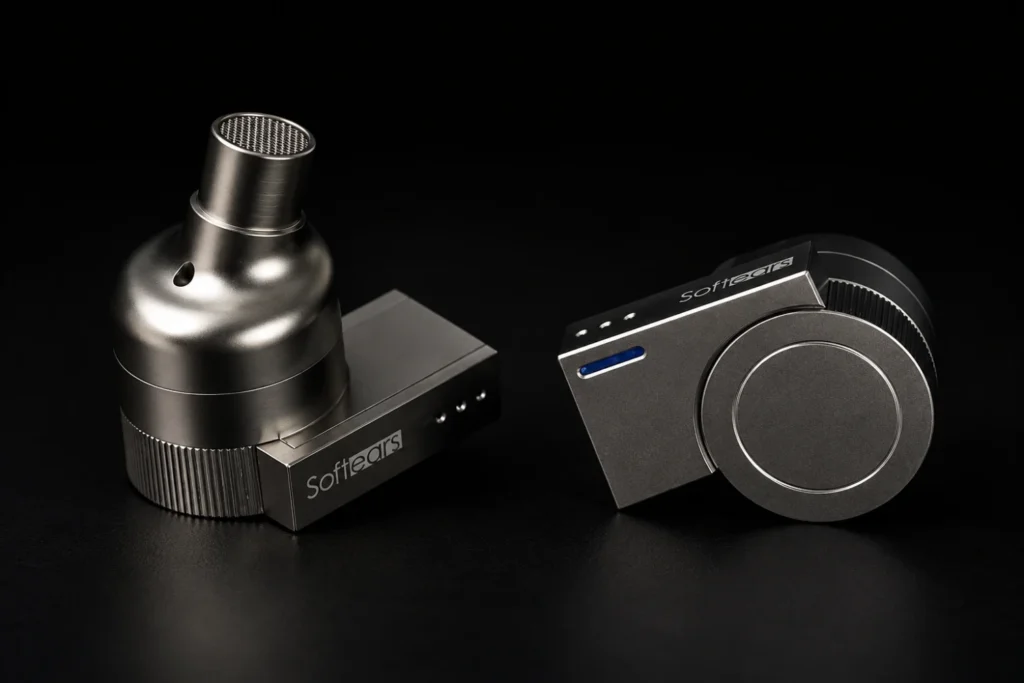
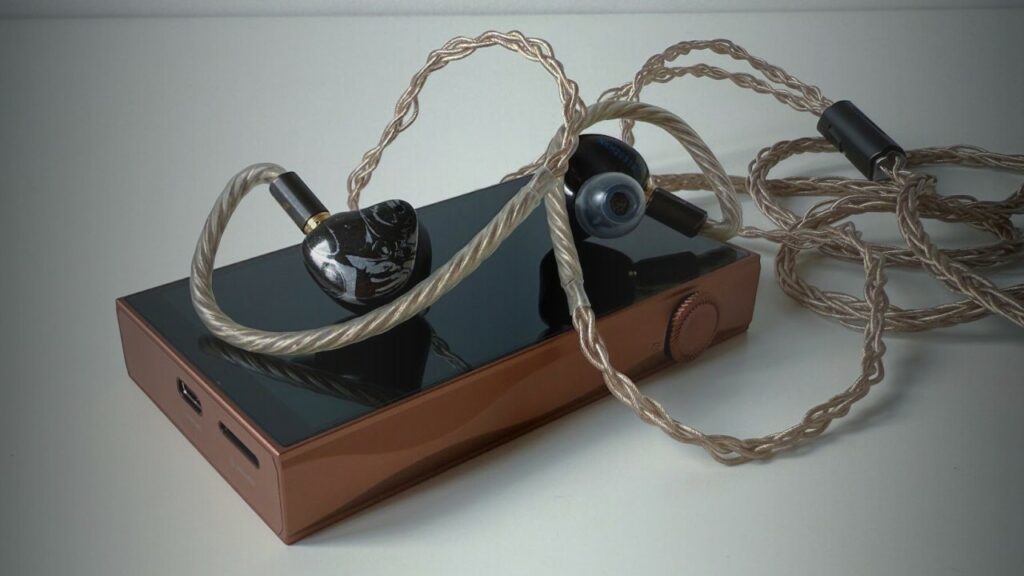
The Softears Edge is the most straightforward product to recommend because it combines the fewest compromises for the money. It is a wired in-ear monitor, so it does not offer the full-size scale of the two over-ear models or the cable-free convenience of the Beo Grace. But for listeners who want serious sound from a portable setup, it is exceptionally well targeted.
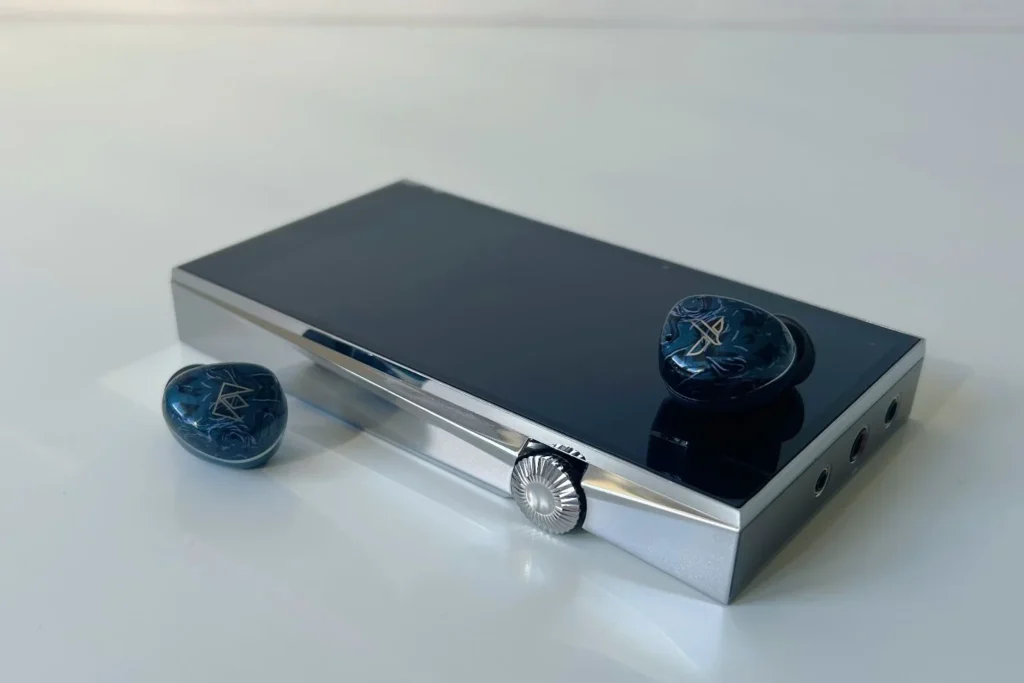
Its titanium shells are precision-machined and designed to provide rigidity, while the 11mm dynamic driver works with a labyrinth-style internal acoustic structure. Softears describes the tuning as rich and dynamic rather than strictly analytical: deep, textured bass, expressive vocals, smooth treble, strong instrument separation and a spacious, three-dimensional soundstage. Those priorities make it a better fit for listeners who want involvement and musicality than for someone specifically seeking a neutral presentation.
The Edge is also the easiest of these wired models to drive. Its 16-ohm impedance and 128 dB/Vrms sensitivity mean it is intended to work comfortably with portable music players, smartphones using USB DACs and compact digital sources. That matters because the more ambitious over-ear designs are better suited to dedicated hi-fi equipment, while the Edge can become the central headphone in a portable system without requiring a powerful desktop amplifier.
The detachable 7N silver-plated OCC copper cable terminates in 4.4mm Pentaconn balanced connection, and standard 0.78mm two-pin connections allow cable changes. Proprietary Ultra-Clear ear tips are included to help achieve a secure seal. At $499 and available now, the Edge is our Best Value and Best Overall pick: not because it dominates every category, but because it addresses the widest range of real-world listening needs at the lowest price in this comparison.
Meze Audio Astru: the premium wired IEM alternative
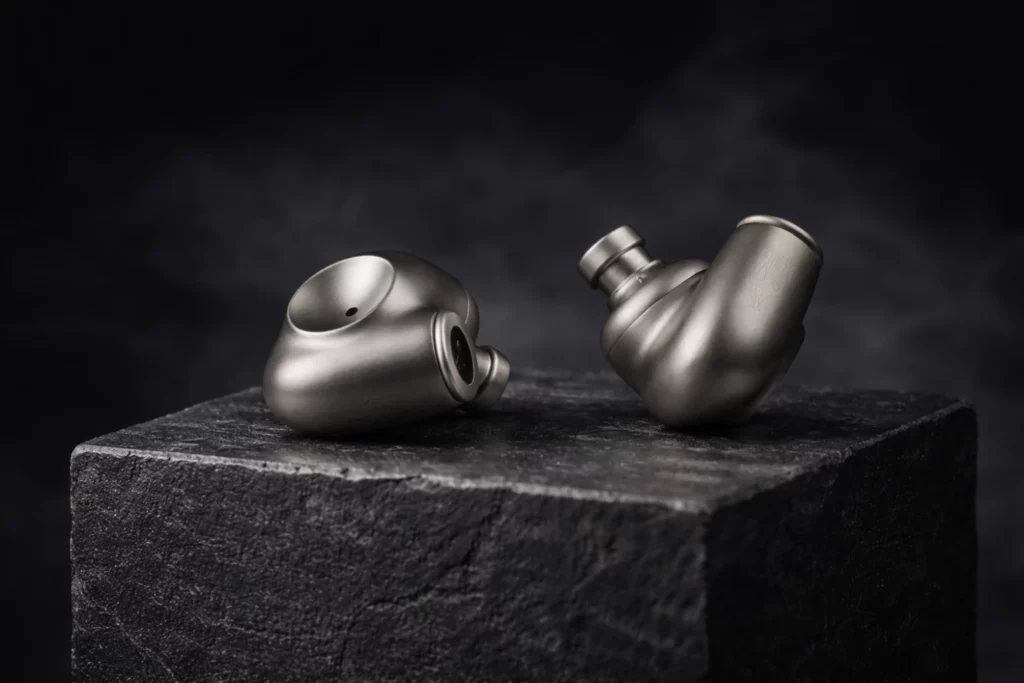
The Meze Audio Astru is the more ambitious choice for a listener who wants a highly engineered wired in-ear monitor and is prepared to spend considerably more than the Edge. Its single 10mm dynamic driver uses a composite diaphragm with more than 80 ultra-thin gold layers, bonded to titanium and mounted on a PEEK base. Meze says the design is intended to combine fast response and clear highs with the warmth associated with dynamic drivers.
That approach gives the Astru a different appeal from the Edge. The Softears is the stronger value proposition and is explicitly easy to drive from modest portable sources. The Astru instead emphasizes its driver construction, CNC-milled pure titanium housing and premium package. It is aimed at the listener who wants a carefully finished object as well as a high-performance portable headphone.
The supplied accessories are particularly substantial. The Astru includes a balanced cable with CNC-anodized aluminum parts, a gold-plated 4.4mm connector, a 4.4mm-to-3.5mm adapter, five ear-tip sizes from XS to XL, a protective pouch and a soft PU leather carrying case. Its stated specifications include a 5Hz–35kHz frequency response, 32-ohm impedance, 111dB SPL/mW sensitivity and less than 0.1% THD at 1kHz.
At just under $900, the Astru is not the sensible pick for someone simply seeking the best entry into premium portable audio. It is the better choice for buyers who value Meze’s titanium construction, the unusual gold-layer diaphragm and the more complete accessory package, and who are comfortable paying close to twice the Edge’s price.
Audio-Technica ATH-WP900SE: the portable over-ear specialist
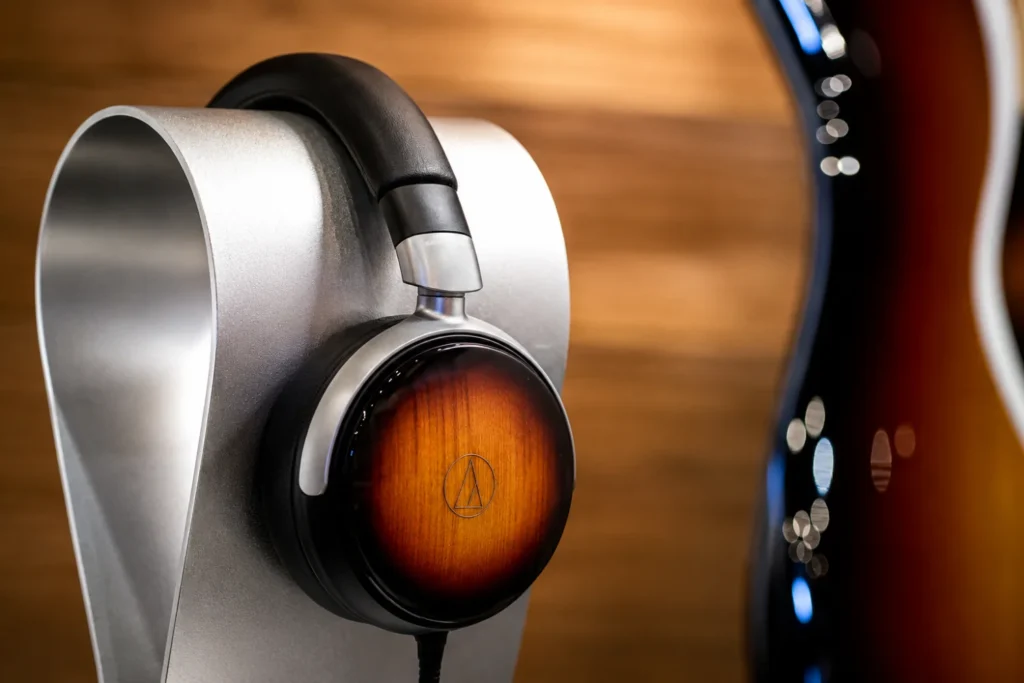
The Audio-Technica ATH-WP900SE is the clearest alternative for anyone who prefers an over-ear fit but still wants a relatively portable design. Its solid ash earcups, natural wood grain and tricolor sunburst finish give it a visual identity that the titanium IEMs and understated DX4000CL do not share. The collaboration with Japanese guitar manufacturer Fujigen also explains why the model is likely to appeal particularly strongly to owners who care about materials and craftsmanship.
There is more to the ATH-WP900SE than appearance. Its newly designed 53mm driver and voice coil are intended to improve linearity and deliver high-resolution sound, while the tuning is specifically described as bringing out the character of string instruments. That makes it the most obvious choice here for listeners whose libraries include substantial acoustic or guitar-based music and who want a full-size headphone with a stated musical focus.
It is also the lightest over-ear model in this group at approximately 235 grams without the cable. The 37-ohm impedance is friendly to portable equipment, and Audio-Technica includes both a 4.4mm balanced cable and a standard 3.5mm cable. That flexibility gives it a practical advantage over the DX4000CL, which includes a 6.3mm adapter but is substantially heavier at around 375 grams.
The ATH-WP900SE costs just under $700 and is scheduled for June 11, 2026. Choose it over the Edge if you specifically want an over-ear presentation, physical wooden earcups and a lightweight design. Choose it over the DX4000CL if portability and weight matter more than Final’s closed-back acoustic architecture.
Final DX4000CL: the serious closed-back hi-fi option
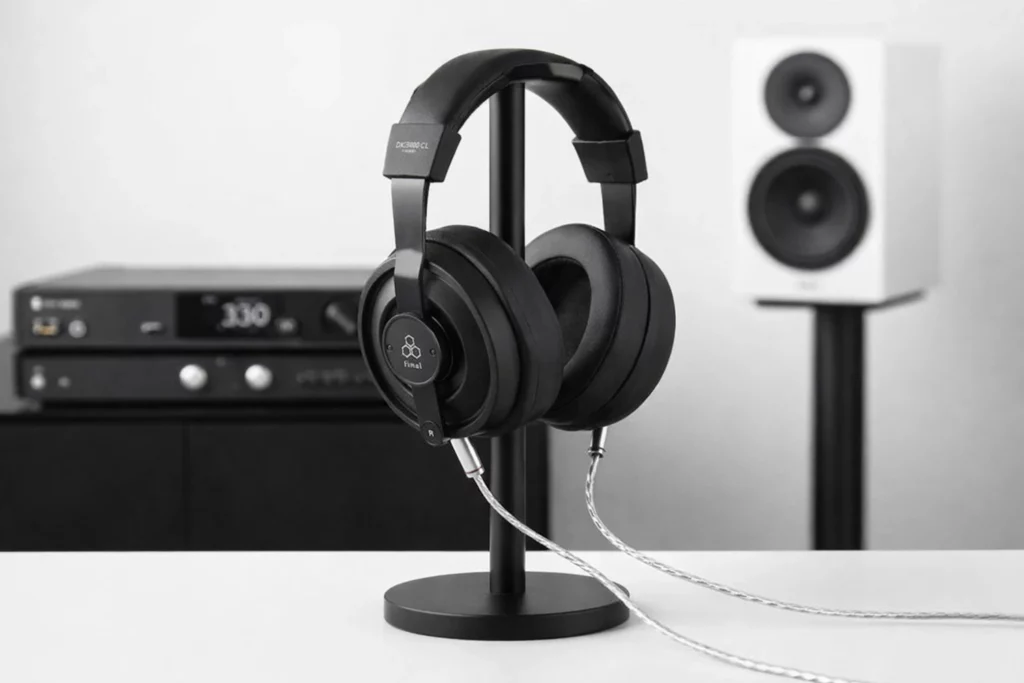
The Final DX4000CL targets a different listener from the portable IEMs. It is designed for someone who wants the isolation and privacy of a closed-back over-ear headphone but does not want to give up the spacious presentation often associated with open-back designs. Final’s approach combines a new 40mm dynamic driver with a composite paper-and-carbon-fiber diaphragm and a free-edge structure.
The most distinctive feature is the internal diffuser array behind the driver. Instead of leaving the rear chamber with smooth surfaces that can encourage reflections, Final uses differently shaped ribs to scatter those reflections. The intended result is cleaner reproduction and a more stable stereo image, particularly with dense or complex music. This is a more specialized engineering proposition than the ATH-WP900SE’s design-led portability.
Comfort and serviceability are also central to the design. The DX4000CL uses ear pads around 30mm thick, made from memory foam and synthetic leather. The pads can be replaced without tools, and the construction uses O-rings and precision screws rather than excessive glue. A detachable silver-coated cable with a 4.4mm Pentaconn balanced connector is included, along with a 6.3mm adapter for traditional hi-fi systems.
The trade-offs are clear. At approximately 375 grams, it is much heavier than the ATH-WP900SE and less naturally suited to casual portable use. Final positions it for dedicated headphone amplifiers and high-end portable players, and its planned €999 price puts it above both the Edge and ATH-WP900SE. It is the better choice for a listener who specifically needs closed-back isolation and values Final’s attempt to create a more open, controlled presentation.
Bang & Olufsen Beo Grace: the wireless features leader
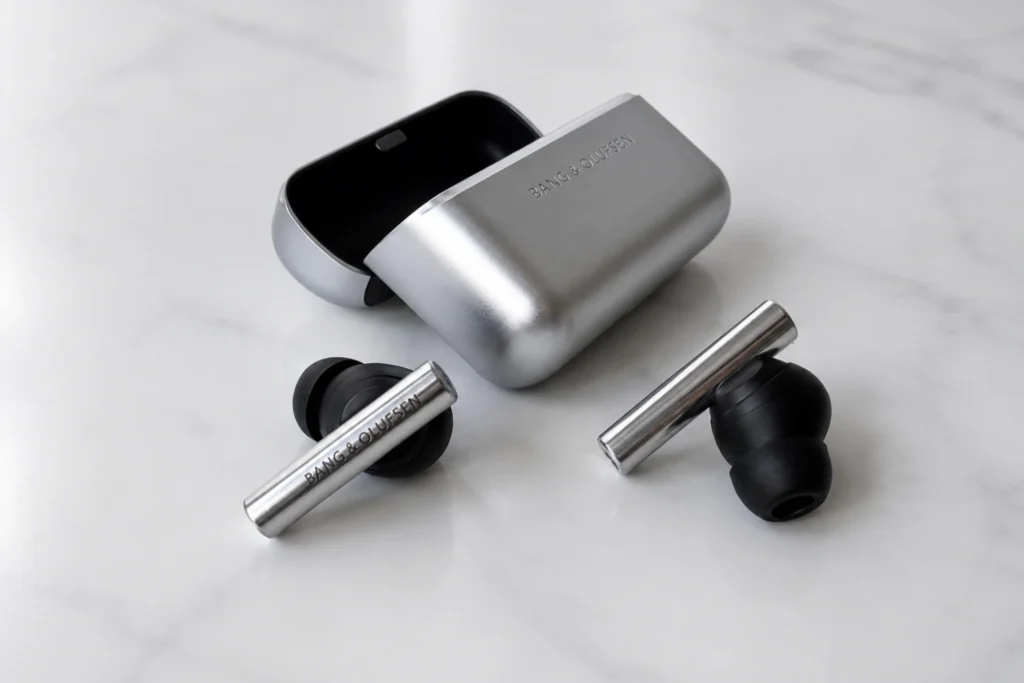
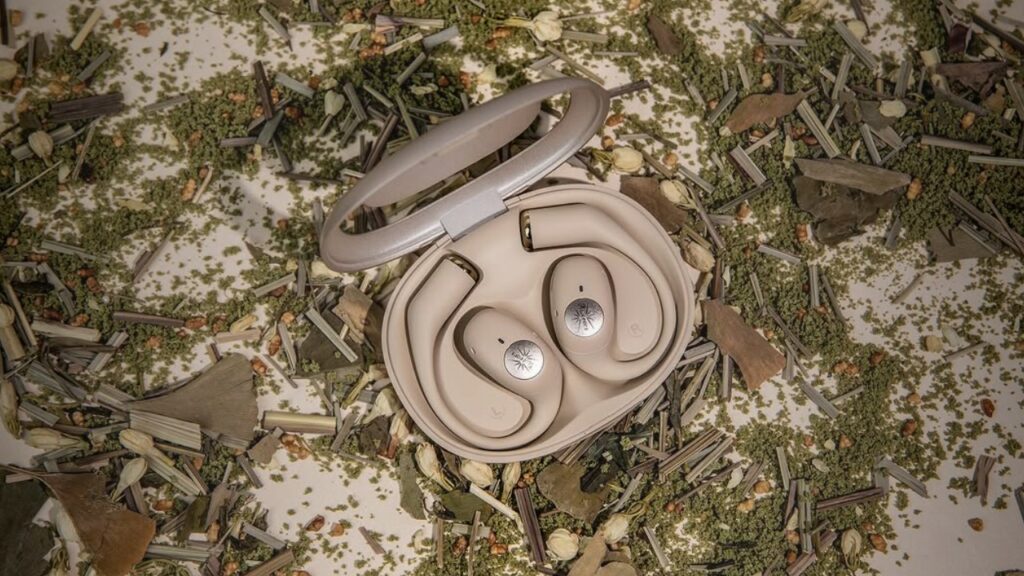
The Bang & Olufsen Beo Grace is the outlier in this group. It is the only true wireless model, and its $1,500 price is higher than every other product listed here. That makes it difficult to recommend as a pure value or wired-audio purchase, but it is the strongest option for listeners who put convenience, wireless control and modern features first.
Each earpiece weighs 6 grams, the design is IP57 dust- and water-resistant, and the case supports wireless charging. The Beo Grace also offers adaptive active noise cancellation, transparency mode, Spatial Audio with configurable head tracking, and multipoint for two simultaneous sources. Force Control is designed to reduce accidental touches, while NearTap adjusts volume by tapping the skin in front of the ear. These are meaningful differences from every wired product in the comparison.
The case is more than a charger. Through its USB-C or 3.5mm connections, it can relay wired audio to the earphones. The USB-C path supports LC3+ and LE Audio Hi-Res at 24-bit/96kHz, while the analog line output supports LC3 and LE Audio at 24-bit/48kHz. The case can also act as a Bluetooth transmitter for other sources, making this a particularly flexible system for compatible home, travel and gaming setups.
The limitations are equally important. Bluetooth is version 5.3, codec support is SBC, AAC and LC3, and there is no LDAC. The supplied package includes four pairs of silicone tips, but third-party tips are not compatible because of the proprietary acoustic design. The Beo Grace is therefore not the universal winner: it is the premium choice for someone who wants wireless freedom and a broad feature set, and who accepts the $1,500 cost.
How they differ
Form factor: The Edge and Astru are compact wired IEMs, the ATH-WP900SE and DX4000CL are closed-back over-ears, and the Beo Grace is true wireless. That single distinction will often matter more than the driver specifications. IEMs are the most portable; over-ears provide a different physical experience and larger ear-cup design; wireless earbuds remove the cable entirely.
Portability: The Edge is the easiest audiophile recommendation for portable sources because of its high sensitivity and low impedance. The Astru is also designed for portable listening, while the ATH-WP900SE combines a 37-ohm impedance with a relatively low 235g weight. The DX4000CL is more substantial and aimed at serious listening. The Beo Grace is the most convenient for everyday wireless use.
Sound priorities: The Edge is described as rich, dynamic and spacious, with an emphasis on engagement. The Astru focuses on speed, clear highs and dynamic-driver warmth. The ATH-WP900SE is specifically tuned to reveal the character of string instruments. The DX4000CL is built around controlled bass, isolation and a more spacious closed-back presentation. The Beo Grace adds a 12mm titanium driver, ANC and Spatial Audio, with its biggest advantage being system flexibility rather than a conventional wired hi-fi design.
Materials and ownership: Titanium is central to both IEMs, but the Astru adds its multi-layer gold diaphragm and a more extensive accessory set. The ATH-WP900SE uses solid ash wood and a limited-edition guitar-inspired finish. The DX4000CL emphasizes replaceable pads and serviceable construction. The Beo Grace uses aluminum throughout its earpieces and case and adds a luxury wireless experience.
Price: The Edge is $499, followed by the ATH-WP900SE at just under $700, the Astru at just under $900, the DX4000CL at €999 and the Beo Grace at $1,500. These are not directly interchangeable currencies, but the broad ranking is clear: the Edge is the least expensive option, while the Beo Grace is the most expensive.
Which one should you buy?
- Buy the Softears Edge if you want the strongest overall balance of audiophile ambition, portability and cost. It is the best starting point for listeners using a phone with a USB DAC, compact source or portable music player.
- Buy the Audio-Technica ATH-WP900SE if you want a full-size closed-back headphone that remains relatively light and portable. It is especially well matched to listeners who value wooden construction and acoustic or string-based music.
- Buy the Final DX4000CL if isolation and a more spacious closed-back presentation are your priorities. It makes the most sense in a dedicated hi-fi setup, particularly if you already use balanced headphone equipment.
- Buy the Meze Audio Astru if you want a premium wired IEM with a distinctive titanium build, an unusually engineered driver diaphragm and a generous accessory package. Its higher cost is justified only if those priorities matter to you.
- Buy the Bang & Olufsen Beo Grace if you want the most advanced wireless feature set here and are prepared to pay for it. Its adaptive ANC, Spatial Audio, multipoint and wired-through-the-case operation make it the obvious choice for luxury travel, commuting and mixed-source use.
Final verdict
The Softears Edge is the Best Overall because it delivers the most useful combination of engaging sound, easy portable operation, premium construction and a comparatively accessible $499 price. The others are better only when a specific priority takes precedence: the ATH-WP900SE for lightweight wooden over-ear listening, the DX4000CL for ambitious closed-back hi-fi, the Astru for premium wired IEM design, and the Beo Grace for luxury wireless features.




 VS
VS VS
VS VS
VS VS
VS VS
VS VS
VS VS
VS VS
VS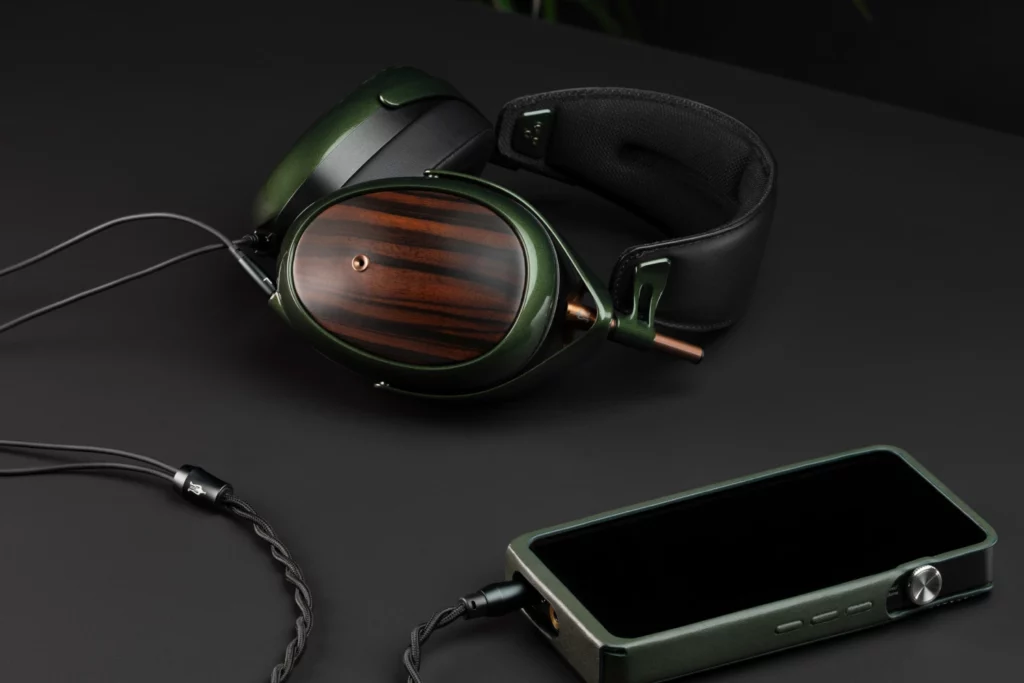
Comments 0
Share your experience, questions and perspective with other hi-fi enthusiasts.