Choosing a television is rarely about one single specification.
The right screen depends on the room, the content you watch most, how much smart-home integration matters, and whether your priority is cinematic contrast, sports clarity, gaming support, or simple value.
This curated selection brings together ten Stereoindex source articles covering mainstream 4K televisions, OLED models, Mini-LED QLED sets, a smart-platform control update, and one OLED display that sits just outside the conventional TV category but remains relevant to screen buyers comparing OLED options. The emphasis is practical differentiation rather than ranking every model by a single performance metric. The notes below stay within the supplied source material. Where the source highlights caveats, such as missing Dolby Vision support on Samsung Neo QLED models, the absence of Ambilight on a Philips entry-level set, or app limitations on a Hisense OLED, those limitations are treated as part of the buying decision.

1. The new Hisense TVs adapt to your lifestyle
Hisense presents several TV series and laser TV models as part of a lifestyle-focused home-entertainment lineup.
This Hisense overview is less about one model and more about a range built around different household uses.
The source presentation grouped the A85H, U8HQ, U7HQ, A7GQ and A63H series with laser TV models and sound bars, positioning the lineup as a way to match television technology to lifestyle.
The U7HQ is singled out as the official World Cup model and the sports-focused option, with sharpness, high contrast and a simulated neural-network engine noted in the source.
Best for: Households comparing Hisense models by use case
- Range covers several Hisense TV series
- U7HQ is positioned for sports viewing
- Sharpness and high contrast are highlighted for U7HQ
- Includes TV, laser TV and soundbar context
Verdict: A useful Hisense range overview for buyers who want to think in terms of lifestyle and viewing priorities rather than choosing from a single specification sheet.
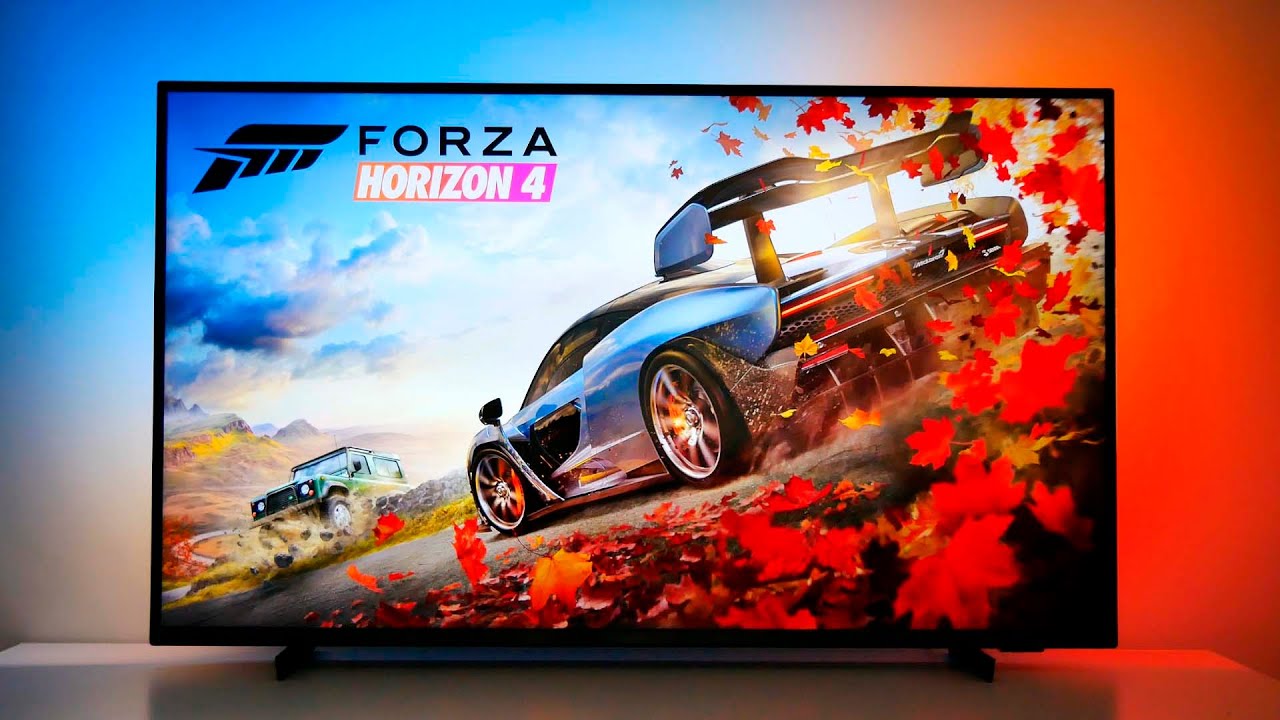
2. Philips 50PUS6654: Entry-level 4K HDR TV
The Philips 50PUS6654 is a 50-inch 4K HDR television from the brand’s entry-level 6000 series.
The Philips 50PUS6654 is presented as a budget-conscious 50-inch 4K HDR television in the Philips 6000 series.
The source makes clear that this model does without the three-sided Ambilight lighting found on some Philips sets, a trade-off associated with keeping the price down.
For buyers who want the core appeal of a 4K HDR screen without paying for Philips’ signature background lighting, it is the straightforward option in this selection.
Best for: Budget 4K HDR buyers
- 50-inch 4K HDR screen
- Entry-level positioning
- Lower-cost approach
- No Ambilight for buyers who do not need it
Verdict: A sensible entry-level Philips choice if a 50-inch 4K HDR panel matters more than Ambilight.
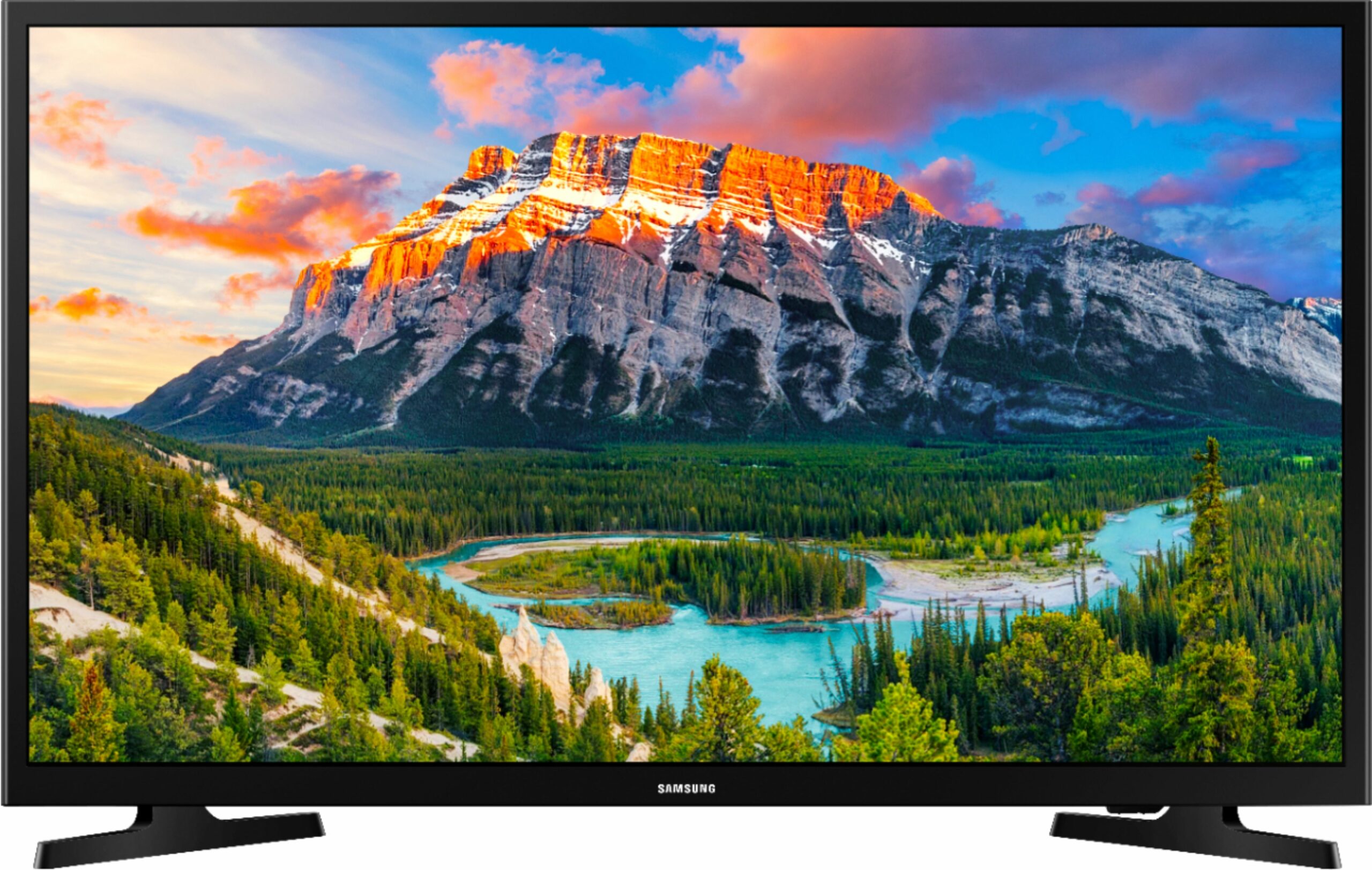
3. Hisense N5300 (H50N5300): Decent image quality at a low cost
The Hisense H50N5300 sits in an entry-level UHD smart TV series with a plain, unobtrusive design.
The Hisense H50N5300 is described as a simple entry-level UHD television with smart features and a low-cost appeal.
The source positions the 50-inch model between smaller and larger sizes in the N5300 range and notes that the series can compete with inexpensive Samsung or LG alternatives on price.
Its design is characterized as pleasant and unassuming rather than premium.
Best for: Value-focused UHD shoppers
- Entry-level UHD model
- Smart features included
- Low-cost positioning
- Available within a wider size range
Verdict: A practical low-cost Hisense option for buyers who want UHD resolution and smart features without chasing premium design or high-end features.

4. Sony XR-55A84J: Minimalist design and perfect image quality
The Sony XR-55A84J is presented with a minimalist look intended to blend into a modern living space.
The Sony XR-55A84J is framed by the source as a high-end 55-inch television with a modern, minimalist appearance and strong image ambitions.
It is described as suitable for medium-sized rooms and as a model that can fit naturally into different interiors.
The same source also stresses that it carries a high cost, so it is best approached by buyers who are already looking above entry-level territory.
Best for: Design-conscious premium TV buyers
- 55-inch size for medium rooms
- Modern minimalist design
- Elegant appearance
- Positioned for demanding users
Verdict: A premium Sony option for shoppers who value a refined 55-inch design and are prepared for the higher cost described in the source.
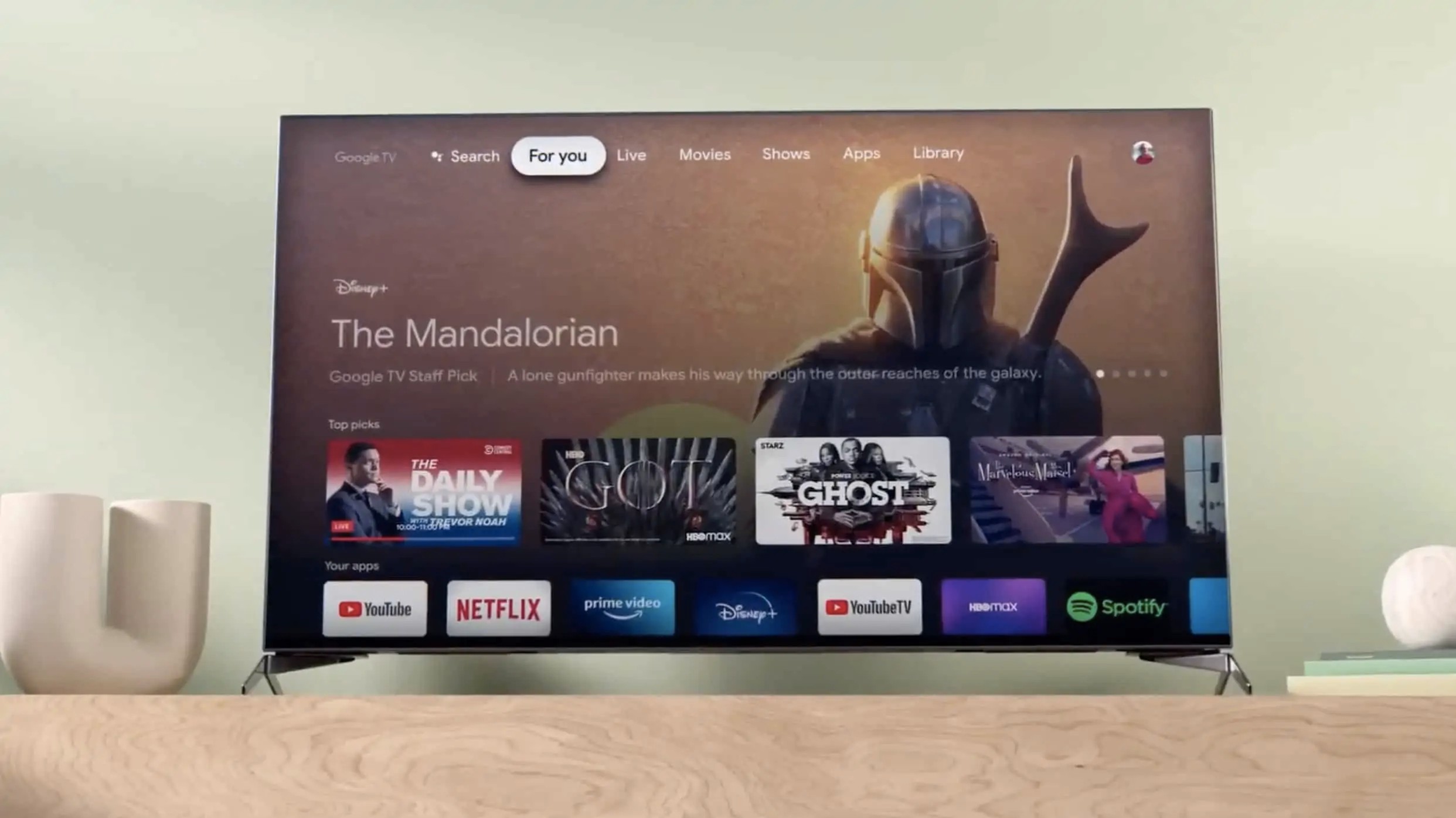
5. Android TV and Google TV platforms can now be controlled from iPhone/iPad
The Google Home app update brings Android TV and Google TV remote-control functions to iPhone and iPad users.
This is not a television review, but it matters for buyers choosing between smart TV ecosystems.
The source explains that the Google Home app on iOS devices adds remote-control functions for Android TV and Google TV, allowing iPhone and iPad users to navigate the platform, search for content and use Google Assistant.
It also notes that Android TV and Google TV appear on sets from brands including Sony, Philips, TCL and Hisense.
Best for: iPhone and iPad users considering Android TV or Google TV
- Remote control from iPhone or iPad
- Navigation and content search supported
- Google Assistant can be used
- Relevant to several TV brands
Verdict: A useful ecosystem update for Apple-device owners who want Android TV or Google TV control without relying only on the physical remote.

6. Samsung Neo QLED 4K TVs go on sale starting at $1,200
Samsung Neo QLED 4K TVs combine QLED panels, Mini-LED backlighting and smart-home control features.
Samsung’s Neo QLED 4K range is the Mini-LED QLED option in this selection.
The source lists QLED matrices with Mini-LED backlighting, thin bezels, HDR10, HDR10+ and HLG support, plus Q-Symphony sound processing via a neural processor.
It also highlights Alexa and Google Assistant compatibility, smart-home control through SmartThings, Matter and ZigBee, and cloud gaming support through Xbox Cloud Gaming and GeForce Now, while clearly stating that Dolby Vision HDR is not supported.
Best for: Bright-room TV buyers and smart-home users
- QLED with Mini-LED backlight
- HDR10, HDR10+ and HLG support
- Alexa and Google Assistant compatibility
- SmartThings, Matter and ZigBee integration
Verdict: A feature-rich Samsung 4K Mini-LED QLED range with broad smart-home and gaming-service support, but not the choice for buyers who specifically require Dolby Vision.

7. LG UltraFine 32EP950 – LG’s first OLED monitor
The LG UltraFine 32EP950 brings OLED technology to a 32-inch 4K UHD monitor format rather than a conventional TV chassis.
The LG UltraFine 32EP950 is an OLED monitor rather than a TV, so it belongs here as a specialist comparison point for screen buyers rather than as a living-room television.
The source describes it as a 4K UHD OLED monitor with DisplayHDR 400 True Black positioning and notes that OLED monitors remain unusual.
It also flags important limitations: no HDMI 2.1 port, 60Hz operation and the higher burn-in risk associated with static PC content.
Best for: Desktop OLED shoppers comparing TV and monitor choices
- 4K UHD OLED display
- DisplayHDR 400 True Black positioning
- OLED monitor category is rare
- Aimed at the upper end of LG’s monitor range
Verdict: A specialist OLED display for desk-based use, with compelling panel positioning but important limitations for buyers expecting TV-like gaming connectivity or refresh rates.
8. Hisense A85H: A solid 4K OLED TV
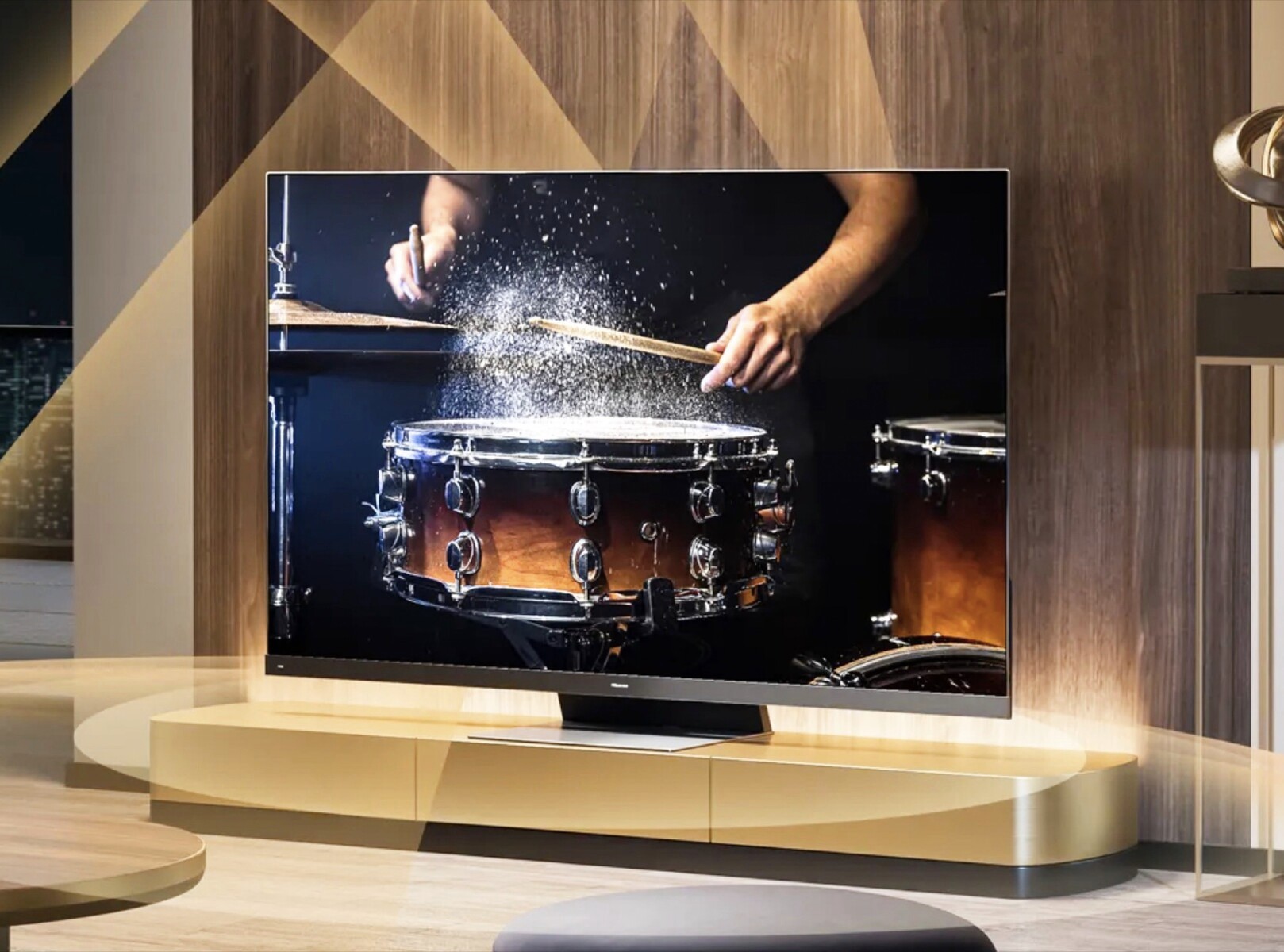
The Hisense A85H is a 4K OLED TV positioned as a competitively priced alternative to other OLED models.
The Hisense A85H is the most direct value-oriented OLED TV choice in the supplied material.
The source describes it as a 4K OLED series with solid build quality, accurate picture quality and a competitive price compared with other OLED models.
It supports HDR10, HDR10+ Adaptive and HLG, uses a 2.1-channel sound system with Dolby Atmos and DTS Virtual X, and runs the VIDAA U smart platform with streaming apps and Freeview Play. The caveats are also explicit: some HDR playback issues, tricky white-balance control for calibration and the absence of some key applications.
Best for: OLED buyers seeking value
- 4K OLED panel
- HDR10, HDR10+ Adaptive and HLG support
- Dolby Atmos and DTS Virtual X support
- Competitive OLED positioning
Verdict: A strong-value OLED candidate with serious picture credentials, provided its app gaps and calibration caveats do not affect your setup.
9. Philips PUS8818: Impressive and affordable TV
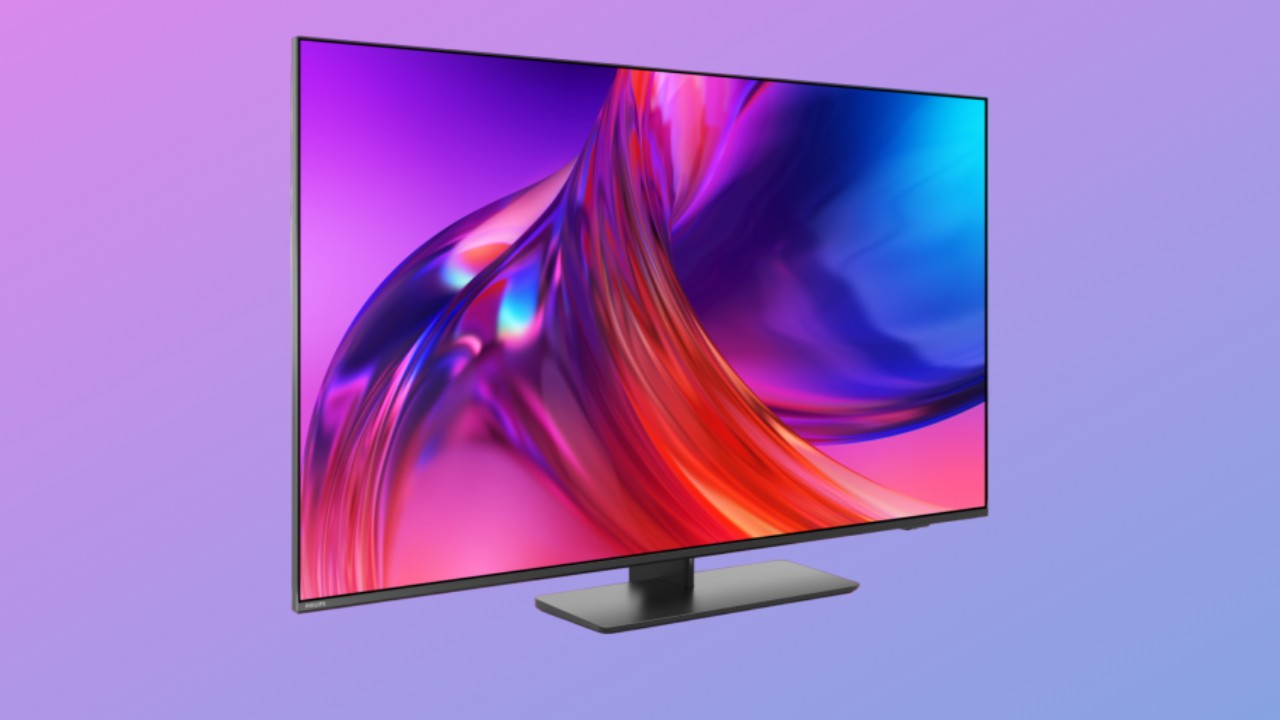
The Philips PUS8818 combines a rotating centre stand, cable management and Ambilight in The One TV range.
The Philips PUS8818 is presented as part of The One range, a relatively inexpensive all-in-one concept for streaming, gaming and TV.
The source focuses on the 65-inch 65PUS8818/12 while noting that the series spans multiple sizes.
Its design is described as impressive at first glance, with an elegant centre stand that helps organize cables and can rotate. The built-in Ambilight is also cited as a factor in its slightly wider profile, while the source notes visible savings compared with some similarly priced rivals.
Best for: All-round family-room TV buyers
- Designed for streaming, gaming and TV
- Available across multiple sizes
- Rotating centre stand
- Built-in Ambilight
Verdict: A well-rounded Philips set for buyers who want one affordable TV to cover streaming, gaming and everyday viewing, with Ambilight as part of the appeal.

10. Top 5 OLED TVs of we highly recommend
The OLED shortlist highlights LG, Samsung and Sony models for buyers prioritizing contrast and cinematic picture quality.
This source article is an OLED buying shortlist rather than a single product review.
It describes OLED televisions as valued for picture quality, motion handling, upscaling, black levels and contrast, and it positions OLED as a strong home-theater choice.
Within the article, the LG G4 OLED is identified as the leading OLED model, while the Samsung S95C is presented as a strong performance-for-price contender; LG, Samsung and Sony are all named as major players in the OLED field.
Best for: Home-theater buyers comparing OLED flagships
- OLED black levels and contrast emphasized
- Motion handling and upscaling highlighted
- LG G4 OLED identified as the leading pick
- Samsung S95C described as a strong value contender
Verdict: A useful OLED-focused shortlist for buyers who want to compare premium home-theater options from the main OLED brands.
Quick comparison
The ten entries are not all direct substitutes.
Some are individual TV reviews, some cover full TV ranges, one is a smart-platform update and one is an OLED monitor.
The distinctions below keep the comparison at a high level so that each article’s role in the buying process is clear.
| Product | Best for | Verdict |
|---|---|---|
| The new Hisense TVs adapt to your lifestyle | Comparing Hisense TVs by lifestyle and viewing use | Most useful as a range overview, especially for buyers interested in the sports-positioned U7HQ. |
| Philips 50PUS6654: Entry-level 4K HDR TV | Budget 50-inch 4K HDR shoppers | A simple Philips 4K HDR option that omits Ambilight to support entry-level positioning. |
| Hisense N5300 (H50N5300): Decent image quality at a low cost | Low-cost UHD smart TV buyers | A value-focused UHD set with smart features and modest design ambitions. |
| Sony XR-55A84J: Minimalist design and perfect image quality | Premium 55-inch buyers who care about design | A higher-cost Sony model framed around minimalist styling and strong image expectations. |
| Android TV and Google TV platforms can now be controlled from iPhone/iPad | Apple-device users choosing a smart TV platform | A platform feature update that improves convenience for iPhone and iPad owners using Android TV or Google TV. |
| Samsung Neo QLED 4K TVs go on sale starting at $1,200 | Mini-LED QLED, smart-home and cloud-gaming users | A broad Samsung 4K range with Mini-LED backlighting and smart-home features, but no Dolby Vision support. |
| LG UltraFine 32EP950 – LG’s first OLED monitor | Desktop users considering OLED beyond TVs | A 4K OLED monitor comparison point with HDR positioning, but limited by 60Hz operation and no HDMI 2.1. |
| Hisense A85H: A solid 4K OLED TV | Value-oriented OLED TV buyers | A competitively positioned 4K OLED with strong format support and some smart-app and calibration caveats. |
| Philips PUS8818: Impressive and affordable TV | One-TV households wanting streaming, gaming and TV features | An affordable all-round Philips set with Ambilight and a practical rotating stand. |
| Top 5 OLED TVs of we highly recommend | Premium OLED home-theater shortlisting | A broader OLED guide that highlights contrast, motion, upscaling and flagship contenders. |
Frequently asked questions
Should I choose OLED, QLED Mini-LED or a basic 4K HDR TV?
Use the source material as a starting point for priorities.
OLED entries such as the Hisense A85H and the OLED shortlist emphasize contrast, black levels and home-theater appeal.
Samsung Neo QLED models use QLED matrices with Mini-LED backlighting and add strong smart-home and cloud-gaming features. Entry-level 4K HDR sets such as the Philips 50PUS6654 focus on core resolution and HDR at a lower-cost positioning.
Is Ambilight worth prioritizing on a Philips TV?
The supplied Philips examples show both sides.
The Philips 50PUS6654 omits Ambilight as part of its entry-level approach, while the Philips PUS8818 includes Ambilight and the source links it to the set’s wider profile.
If the room experience matters, Ambilight may be part of the appeal; if price and simplicity matter more, a Philips model without it can make sense.
What should iPhone and iPad users check before buying a smart TV?
If you are considering Android TV or Google TV, the source notes that the Google Home app on iOS can provide remote-control functions, navigation, content search and Google Assistant use.
That makes Android TV and Google TV more convenient for iPhone and iPad households, especially on supported TVs from brands such as Sony, Philips, TCL and Hisense.
Are all entries here normal living-room TVs?
No.
Most entries are televisions or TV ranges, but the LG UltraFine 32EP950 is an OLED monitor and the Android TV and Google TV article is a platform-control update.
They are included because they affect real screen-buying decisions: one helps desktop OLED shoppers compare display types, while the other helps buyers evaluate smart-TV ecosystem convenience.
How to Choose from These 10 TV Options
Start with the room and the main use.
For a straightforward budget 4K HDR screen, the Philips 50PUS6654 is the clearest entry-level Philips option in the supplied material.
For low-cost UHD with smart features, the Hisense N5300 is framed around value and simplicity. For an affordable all-round family TV, the Philips PUS8818 stands out because the source positions it for streaming, gaming and TV, with Ambilight and a rotating stand adding practical distinction. Move to OLED if contrast and cinema-style viewing are the priority. The Hisense A85H is the value-oriented OLED pick here, with 4K OLED picture quality, HDR10, HDR10+ Adaptive and HLG support, plus Dolby Atmos and DTS Virtual X listed in the source. The broader OLED shortlist is better for buyers comparing premium OLED names, especially the LG G4 OLED and Samsung S95C references in the source. Remember, however, that the Hisense A85H article also flags HDR playback issues, calibration complexity and missing key apps, so software fit matters as much as panel type. Choose Samsung Neo QLED 4K if the supported feature set aligns with your home. The source highlights QLED panels with Mini-LED backlighting, HDR10, HDR10+ and HLG, Q-Symphony, voice-assistant compatibility, SmartThings, Matter and ZigBee, plus Xbox Cloud Gaming and GeForce Now. The important limitation is equally clear: Dolby Vision is not supported. If design is central, the Sony XR-55A84J is the premium-looking 55-inch option described as minimalist and well suited to medium-sized rooms. If ecosystem control matters, the Android TV and Google TV iOS update may influence which smart platform you choose. And if you are comparing OLED for desktop rather than sofa viewing, treat the LG UltraFine 32EP950 as a monitor-specific alternative, not a substitute for a conventional TV, especially given the source’s cautions around 60Hz operation, no HDMI 2.1 and static-content burn-in risk.