

Buying a TV is no longer just a choice between screen sizes.
The supplied material spans oversized 4K sets, budget large-screen models, smart TV platform strategy, OLED setup advice, premium LCD development and even commercial-scale Direct View LED displays.
Taken together, it shows how broad the TV category has become. This guide treats the entries as editorial recommendations in the most practical sense: products worth knowing, technologies worth understanding and setup guidance that can affect the picture you actually see at home. Some entries are confirmed product launches, while others are platform news or reported upcoming devices; those distinctions are made clear rather than blurred. The strongest choices here are not all aimed at the same buyer. A 100-inch Redmi set and a 216-inch ViewSonic display solve very different problems, while LG OLED setup guidance may be more useful than a new purchase for someone who already owns one. The aim is to help match the source-backed strengths to the right viewing situation.
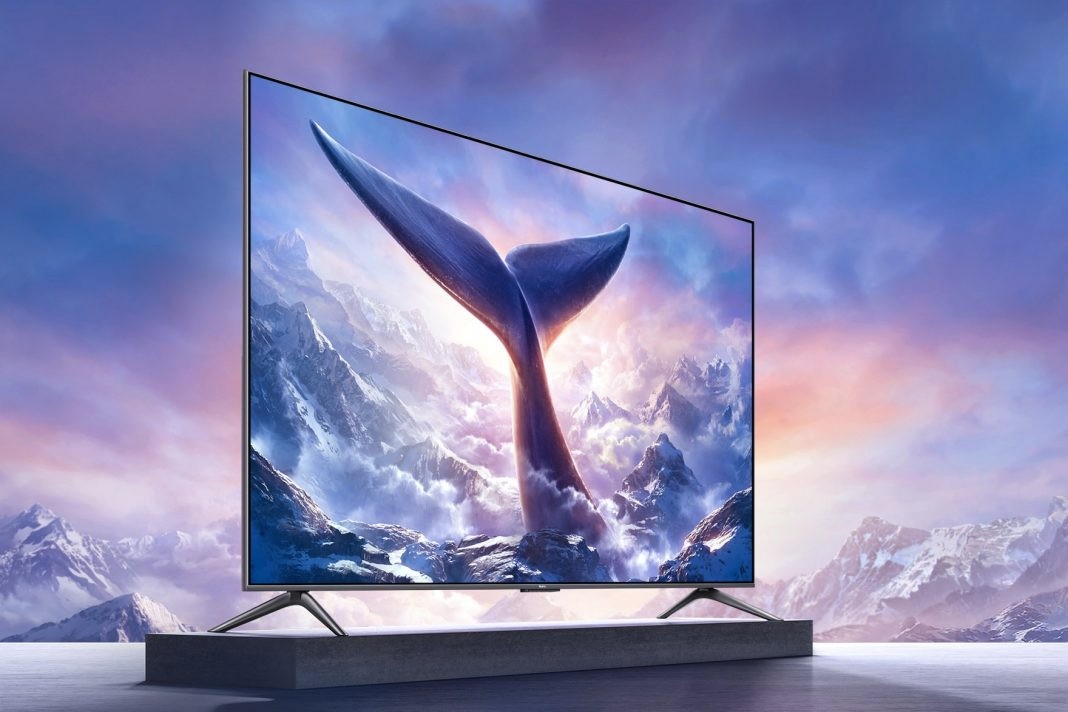
1. Redmi Max 100
The Redmi Max 100 is defined by its 100-inch 4K panel, 120 Hz refresh rate and broad connection set.
The Redmi Max 100 stands out because the source describes it as an aggressively priced 100-inch TV at pre-order, initially for China.
Its core specification is unusually ambitious for a giant-screen model in this material: a 100-inch IPS 4K panel, 120 Hz refresh rate, 94 percent DCI-P3 color-space coverage, four speakers with 30 watts total output and a connection set that includes three HDMI ports, one of them HDMI 2.1.
The quad-core platform, 4 GB of RAM and 64 GB of storage also make it more fully specified than a simple large display.
Best for: Buyers prioritizing the largest possible home screen value
- 100-inch IPS 4K display
- 120 Hz refresh rate
- HDMI 2.1 included
- 30-watt four-speaker system
Verdict: A huge 4K TV with unusually strong source-listed features for its launch positioning, but availability was described as China-only at pre-order.
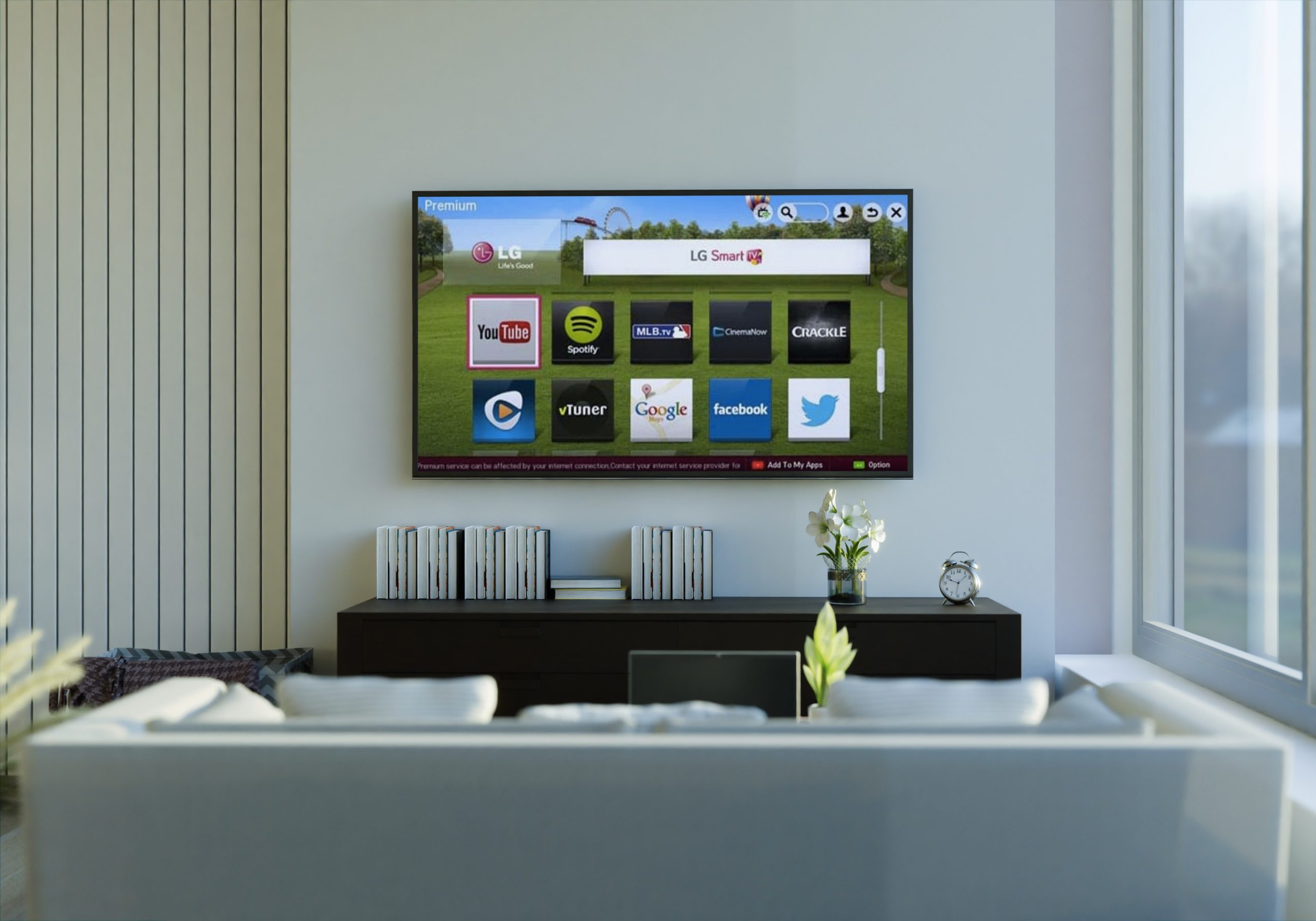
2. LG webOS and Samsung Tizen
Smart TV platforms such as LG webOS and Samsung Tizen influence apps, services and daily navigation.
This entry is less about a single TV and more about the software layer that shapes daily use.
The source reports Roku chief Anthony Wood predicting consolidation in smart TV operating systems, with in-house platforms such as LG webOS, Samsung Tizen and Vizio’s platform potentially giving way to third-party licensed systems over time.
It also notes that LG webOS and Samsung Tizen have many users today, while platform economics, advertising, paid services and partner revenue are central to the debate.
Best for: Buyers comparing the long-term importance of smart TV software
- Widely used smart TV platforms
- Backed by major TV manufacturers
- Important to app and service experience
Verdict: LG webOS and Samsung Tizen remain major platform names, but the source frames smart TV software as a market that may consolidate.
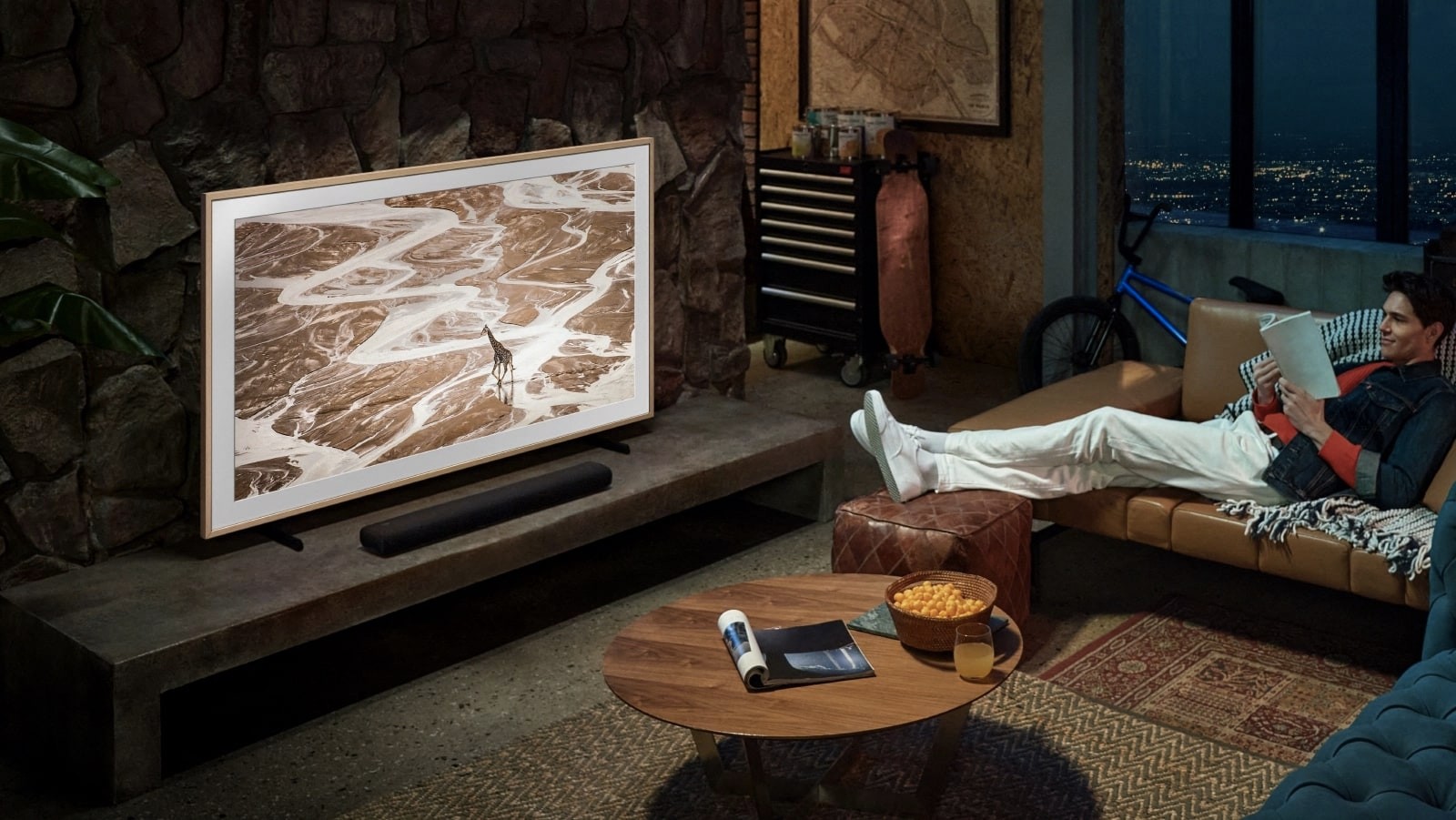
3. Samsung TV NFT platform with Nifty Gateway
Supported Samsung QLED, Neo QLED and The Frame models are described as hosts for Nifty Gateway digital art features.
Samsung’s NFT platform is a niche but notable feature for buyers interested in displaying and exploring digital art on a television.
The source says Samsung is collaborating with Nifty Gateway so owners of supported premium QLED and Neo QLED models, including The Frame, can view NFTs and buy or sell them using a bank card or cryptocurrency.
Samsung also promises automatic image optimization intended to preserve the artist’s intent, and digital graphics can be shown as a screen saver between viewing sessions.
Best for: Digital art collectors using supported Samsung premium TVs
- Nifty Gateway integration
- NFT viewing, buying and selling
- Automatic image optimization promised
- Digital art screen saver use
Verdict: Samsung’s NFT platform is a specialized feature that could make sense for digital art viewing, though the source itself questions how convenient trading with a remote will be.
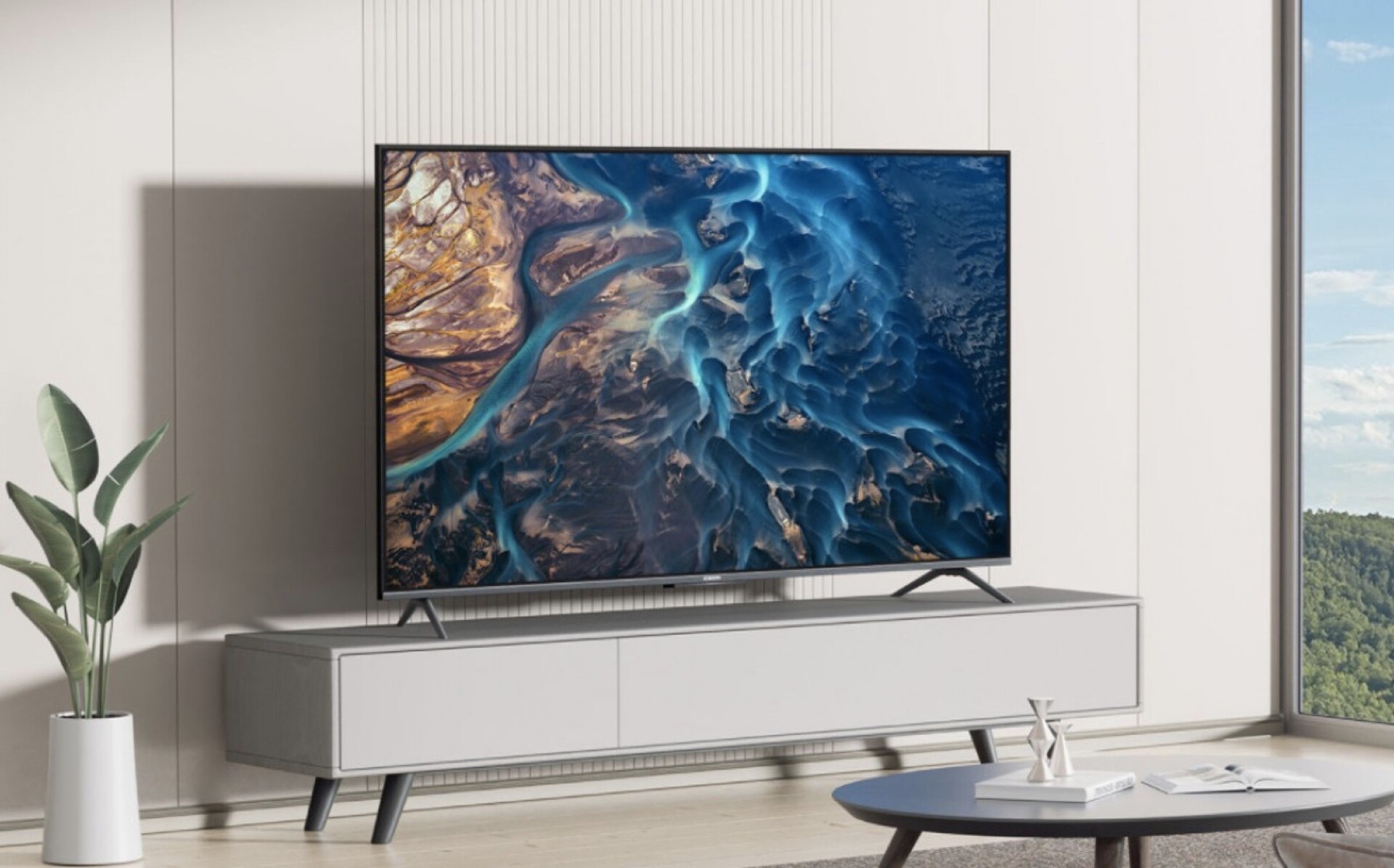
4. Xiaomi EA58 and EA60
Xiaomi’s EA58 and EA60 pair 4K panels with metal cases and voice-control microphones.
The Xiaomi EA58 and EA60 are presented as simpler, more affordable large-screen TVs for China.
Their appeal comes from combining 58-inch and 60-inch screen sizes with 4K resolution, metal cases and standard 60 Hz panels.
The source also lists stereo speakers with 20 watts total output, a quad-core Arm Cortex-A53-based system, 1.5 GB of RAM, 8 GB of built-in storage, far-field microphones and Xiaomi’s XiaoAI voice assistant.
Best for: Budget-minded buyers wanting a large 4K screen
- 58-inch and 60-inch 4K sizes
- Metal cases
- 20-watt stereo speakers
- Far-field voice control
Verdict: The EA58 and EA60 look like straightforward large-screen 4K options, with value and basic smart features taking priority over high-refresh-rate performance.
5. Sony smart TVs with Google TV
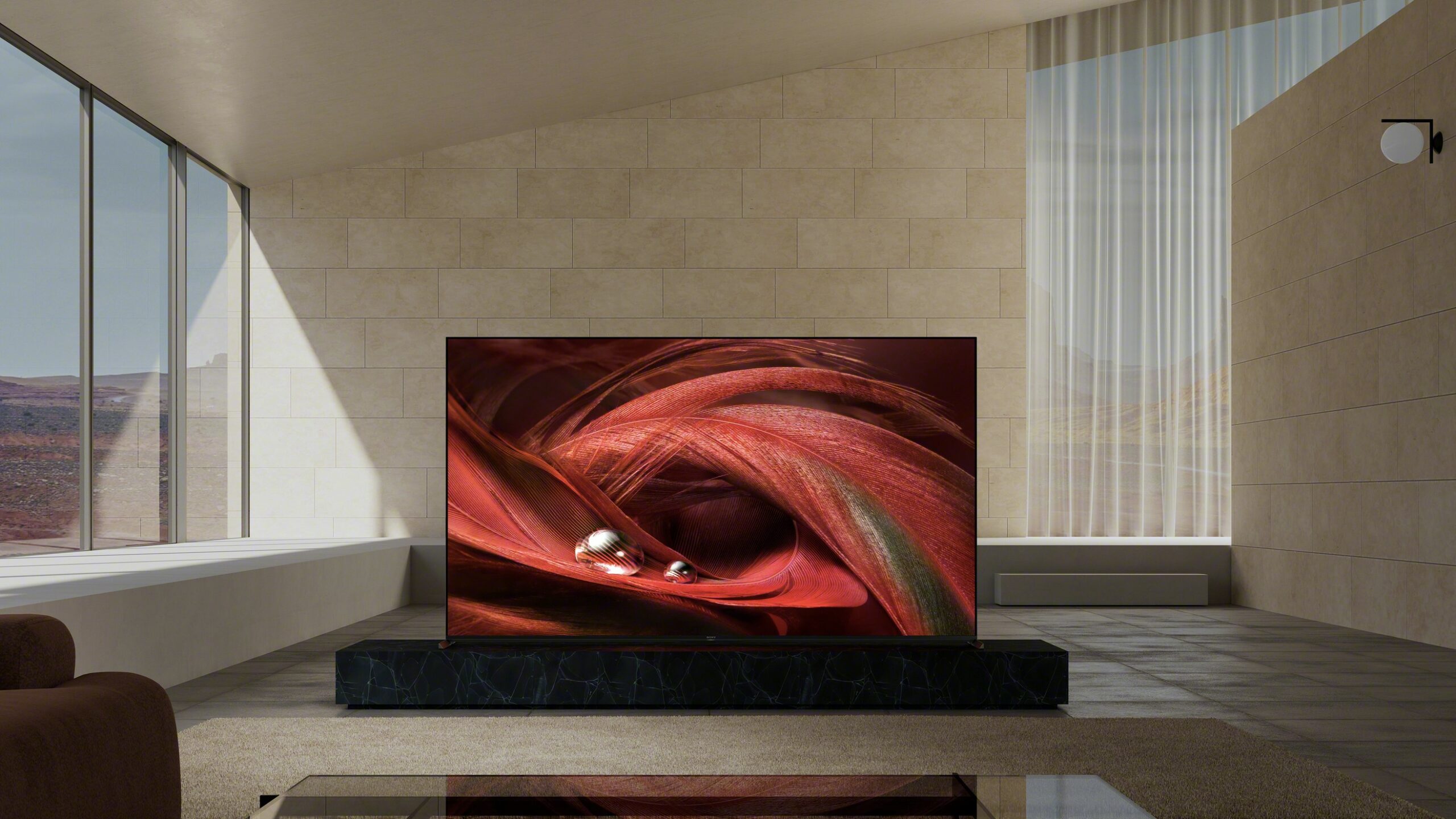
Sony’s Google TV-based models, including the X95J example in the source, are linked to its smart TV market gains.
The Sony entry is based on market performance rather than a specific review, but it still offers useful buying context.
The source cites Parks Associates data showing Sony moving ahead of Vizio into third place by smart TV sales revenue in the United States, behind Samsung and LG.
The same report attributes Sony’s momentum most likely to its early adoption of the Google TV platform, with the Sony X95J mentioned as an example based on Google TV.
Best for: Buyers who value Google TV in a major-brand smart TV
- Google TV platform focus
- Strong cited market momentum
- Positioned behind Samsung and LG in the source data
Verdict: Sony’s smart TV strength in the source is tied mainly to Google TV adoption and market momentum rather than a specific model test.
6. LG QNED Evo
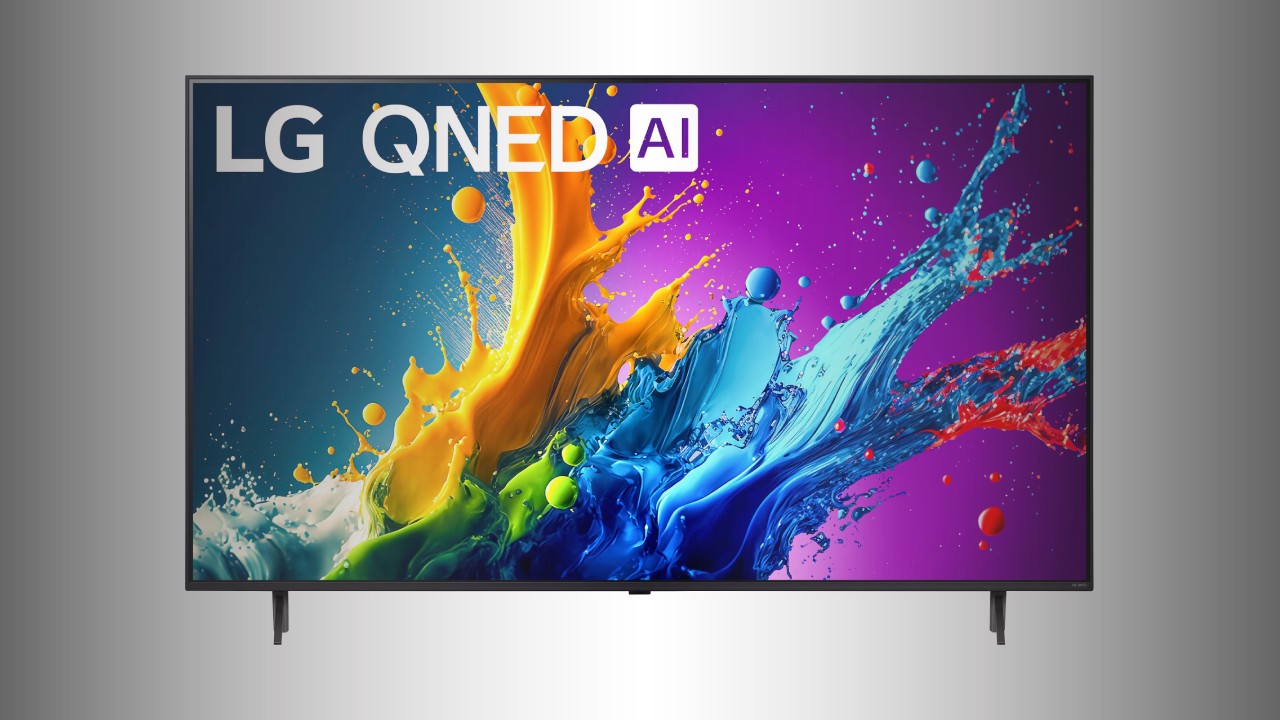
LG QNED Evo is described as a premium LCD range using a new Dynamic QNED Color Solution.
LG QNED Evo is presented as LG’s effort to make its premium LCD TVs more compelling to AV-focused buyers.
The source contrasts LG’s established OLED following with more mixed enthusiasm for its LCD ranges, then describes QNED Evo as built around a wider color approach, wireless reception of high-resolution images at high frame rates and enhanced picture and sound processing.
Its Dynamic QNED Color Solution is described as enabling the backlight to emit pure colors rather than using quantum-dot filtering in the traditional LG QNED approach.
Best for: Viewers interested in LG’s premium LCD direction
- Premium LG LCD positioning
- Dynamic QNED Color Solution
- Wireless high-resolution image reception
- Enhanced picture and sound processing
Verdict: QNED Evo is worth tracking for buyers who want LG outside OLED, but the source presents it as a technology direction rather than a finished model review.
7. LG OLED TV setup guidance
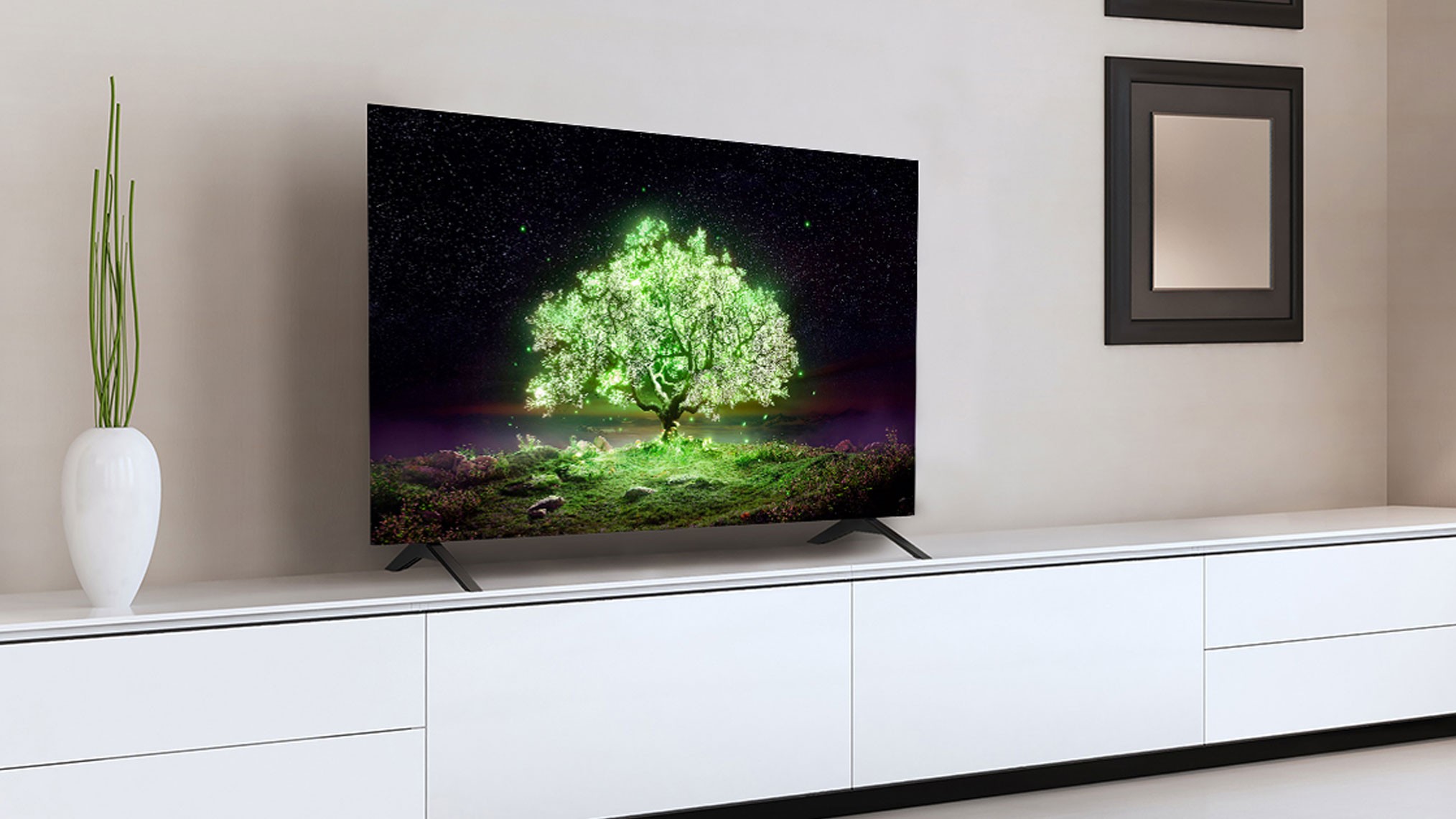
LG OLED picture quality depends not only on panel technology but also on avoiding settings that distort the image.
This entry is a recommendation to improve an existing TV rather than to buy a new one.
The source emphasizes that LG OLED TVs can deliver a dynamic and accurate cinematic image because each pixel produces its own light and color, but it also warns that poor settings can spoil the picture.
Its most concrete advice is to avoid the temptation of Vivid mode, which boosts color and is presented as a classic mistake for owners seeking the best picture quality.
Best for: LG OLED owners tuning picture quality
- Per-pixel light and color
- Strong image processing noted
- Extensive calibration flexibility
- Enhanced gaming capabilities noted
Verdict: For LG OLED owners, correct setup may be the most cost-effective picture upgrade, especially avoiding overly boosted presets such as Vivid mode.

8. Huawei Smart Screen V
The reported Huawei Smart Screen V models are described with 4K 120 Hz panels and a retractable webcam.
The Huawei Smart Screen V entry should be treated cautiously because the source describes it as a reported upcoming release.
According to the report, the line may include 65-inch and 75-inch models with 4K resolution, 120 Hz refresh rate, 6 GB of RAM, 64 GB of internal memory, HarmonyOS and a built-in retractable 12 MP webcam.
If confirmed as described, it would be aimed at buyers who want a smart TV with stronger memory specifications and an integrated camera feature.
Best for: Buyers following feature-rich smart TV announcements
- Reported 65-inch and 75-inch sizes
- Reported 4K 120 Hz support
- Retractable 12 MP webcam listed
- HarmonyOS listed
Verdict: Huawei Smart Screen V sounds well equipped in the report, but the source frames the details as rumor rather than confirmed retail guidance.

9. ViewSonic LDP 4K UHD All-in-One Direct View LED Displays
ViewSonic’s LDP 4K UHD series is built for very large all-in-one Direct View LED display applications.
ViewSonic’s LDP 4K UHD All-in-One Direct View LED Displays sit outside normal living-room TV territory, but they are highly relevant for anyone considering a truly massive screen.
The source describes 216-inch 4K UHD displays using COB Flip-Chip LED technology, with two units side by side forming an almost 400-inch diagonal 32:9 display area.
It also lists a 20,000:1 contrast ratio, 170-degree viewing angle, built-in Harman Kardon professional speakers, thin bezels, portrait-mode flexibility, an all-in-one design and hot-swappable modules for maintenance.
Best for: Commercial, gallery and large-venue display installations
- 216-inch 4K UHD display
- 20,000:1 contrast ratio listed
- 170-degree viewing angle
- All-in-one installation design
Verdict: This is the standout option for enormous direct-view LED installations, not a conventional home TV purchase.

10. LG UM7090
The LG UM7090 combines 4K resolution, Smart TV functions and optional Magic Remote compatibility.
The LG UM7090 is positioned as an inexpensive 4K TV with a broad feature set.
Using the 49-inch LG 49UM7090PLA as the example, the source lists an Ultra HD 4K display, Smart TV operating system, 4K tuner, media libraries, apps and streaming services including Amazon Prime Video and Netflix.
It also notes an aesthetically pleasing thin plastic case, satisfactory assembly, VESA 300 x 300 wall-mount compatibility, a supplied infrared remote that feels good but looks confusing, and support for LG’s Magic Remote as a paid replacement.
Best for: Value buyers wanting core 4K smart TV features
- Ultra HD 4K display
- Smart TV operating system
- Apps and streaming services listed
- Magic Remote support
Verdict: The UM7090 is a practical low-cost 4K smart TV choice in the source, with the remote control experience being the main caveat mentioned.
Quick comparison
The entries differ sharply in purpose.
Some are living-room TVs, some are platform or setup guidance, and one is a commercial-grade Direct View LED display.
The comparison below keeps the distinctions high level and source-grounded.
| Product | Best for | Verdict |
|---|---|---|
| Redmi Max 100 | A very large 100-inch 4K screen at aggressive launch positioning | Best matched to buyers who value screen size, 120 Hz support and HDMI 2.1, while noting the source’s China pre-order context. |
| LG webOS and Samsung Tizen | Understanding smart TV platform longevity and app ecosystems | Important software names today, though the source highlights possible platform consolidation. |
| Samsung TV NFT platform with Nifty Gateway | Displaying and managing digital art on supported premium Samsung TVs | A distinctive feature for digital art interest rather than a mainstream TV-buying priority. |
| Xiaomi EA58 and EA60 | Affordable 58-inch and 60-inch 4K viewing | A value-oriented pair with 60 Hz panels, metal cases and voice-control features. |
| Sony smart TVs with Google TV | Buyers who prefer Google TV from an established TV brand | The source supports Sony’s platform momentum more than any model-specific performance claim. |
| LG QNED Evo | Following LG’s premium LCD development beyond OLED | Promising on paper for color, wireless reception and processing, but not presented as a tested recommendation. |
| LG OLED TV setup guidance | Owners optimizing an LG OLED picture | A practical reminder that settings can preserve or undermine OLED picture quality. |
| Huawei Smart Screen V | Spec-watchers interested in 4K 120 Hz smart TVs with a built-in camera | Potentially feature-rich, but the source describes the information as rumored. |
| ViewSonic LDP 4K UHD All-in-One Direct View LED Displays | Large professional display environments | A massive Direct View LED solution for venues, galleries and commercial use rather than typical homes. |
| LG UM7090 | Inexpensive 4K smart TV basics | A sensible core-feature 4K smart TV in the source, with a less elegant supplied remote. |
Frequently asked questions
Should I prioritize screen size or refresh rate when choosing among these TVs?
Use screen size first if the goal is immersion and the room can physically support it, as with the Redmi Max 100 or Xiaomi EA58 and EA60.
Prioritize refresh rate if motion handling or gaming-related use matters; the source lists 120 Hz for Redmi Max 100 and the reported Huawei Smart Screen V, while the Xiaomi EA models are listed at a standard 60 Hz.
How much should smart TV software affect my decision?
It should matter if you rely on built-in apps, services and navigation.
The source notes that LG webOS and Samsung Tizen have many users today, while also reporting a prediction that smart TV platforms may consolidate, so buyers should treat software support and app availability as part of the purchase decision rather than an afterthought.
Is an OLED TV automatically better than an LCD TV?
The source praises LG OLED TVs for pixels that produce their own light and color, as well as strong processing and calibration flexibility.
It also shows that LG is working to strengthen premium LCD appeal through QNED Evo, so the better choice depends on the desired technology, room needs and whether the specific model has the features you value.
Are commercial Direct View LED displays a replacement for a home TV?
Usually not.
The ViewSonic LDP 4K UHD displays in the source are 216-inch all-in-one Direct View LED products suited to very large installations, galleries, exhibitions and similar spaces.
They are best understood as professional display solutions rather than conventional living-room televisions.
How to choose from these TV options
Start by separating true TV purchases from TV-adjacent information.
The Redmi Max 100, Xiaomi EA58 and EA60, LG UM7090 and the reported Huawei Smart Screen V are the most direct living-room TV entries.
LG webOS and Samsung Tizen are software considerations, Samsung’s NFT platform is a specialist feature, LG OLED setup guidance is ownership advice, LG QNED Evo is a premium LCD technology direction and ViewSonic’s LDP series is a professional-scale display solution. For sheer size, the Redmi Max 100 is the most striking home-TV entry because the source combines a 100-inch 4K panel with 120 Hz and HDMI 2.1. For lower-cost large-screen basics, Xiaomi’s EA58 and EA60 are more modest, with 4K resolution, 60 Hz panels, metal cases and voice control. For value-oriented everyday smart TV use, the LG UM7090 offers 4K resolution, streaming apps and Smart TV functions, with the supplied remote described as a usability compromise. Platform and setup deserve equal attention. If the TV’s built-in software will be used daily, the discussion around LG webOS, Samsung Tizen and Google TV matters. If an LG OLED is already in the room, avoiding poor picture presets such as Vivid mode may produce a more meaningful improvement than buying accessories. For buyers interested in new premium LCD directions, QNED Evo is worth understanding, but the source does not provide a completed hands-on assessment. The most sensible recommendation is to match the product to the use case rather than chase the most dramatic specification. Choose giant screens only when space, installation and viewing habits justify them. Choose 120 Hz models when the source-listed refresh rate is relevant to your content. Treat rumored products as watch-list material, not confirmed buying advice. Above all, do not overlook the software and setup choices that determine how a TV feels after the initial excitement of the screen size has passed.

