Choosing a laptop is less about chasing the most dramatic specification sheet and more about matching the machine to the way it will actually be used.
The source material here spans convertible OLED tablets, compact business machines, premium always-connected designs, full-size gaming laptops, and even a broader buying guide, so the most useful approach is to separate genuine use cases rather than rank everything by raw power.
Portability, screen size, input method, durability, and graphics performance all pull in different directions. A 2-in-1 can be a better fit than a conventional notebook for drawing, notes, video and travel, while a large gaming laptop may sacrifice weight and subtlety for cooling, graphics hardware and a faster display. Business users may care more about keyboard layout, hinge flexibility, connectivity and resistance to everyday knocks. A few entries below are not straightforward product recommendations. One is a general laptop-buying guide, and another is a report about possible OLED panels for future MacBook Pro models. They are included because they help frame decisions, but they should not be treated as confirmed product choices. Where the source is thin, speculative or model-specific, the recommendation is deliberately cautious.
1. Vivobook 13 Slate OLED (T3300): Fantastic 2-in-1 laptop
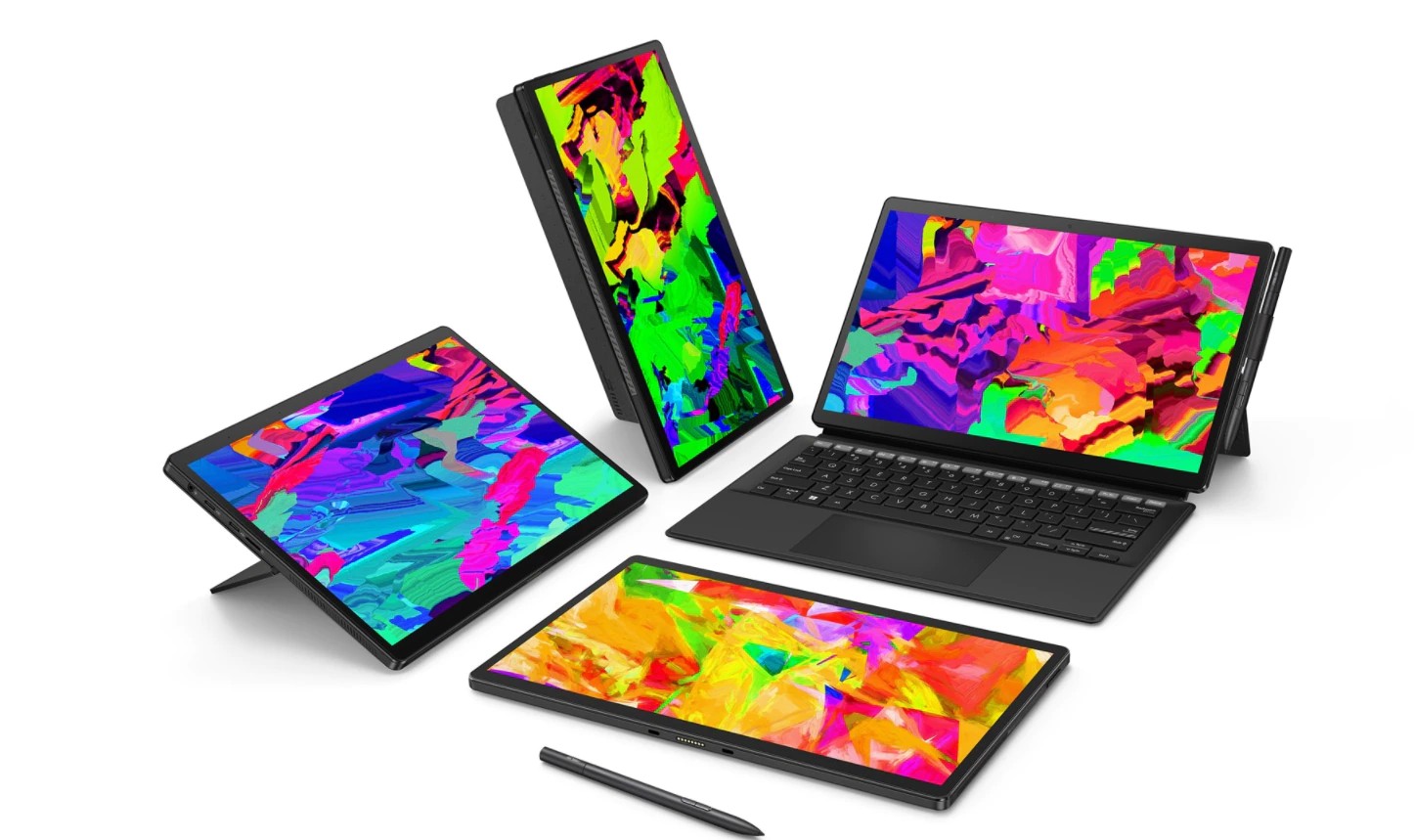
ASUS Vivobook 13 Slate OLED shown as a slim black 2-in-1 designed to move between tablet-style and laptop-style use.
The ASUS Vivobook 13 Slate OLED (T3300) is the most clearly mobility-focused convertible in this selection.
The source presents it as a modern VivoBook 2-in-1 built around adaptability, with a detachable-style personality that can shift between work, play, chat and relaxation.
Its strongest stated advantage is the quality of its OLED screen, which is described as a major surprise and a premium-category feature. Its compact body is also central to the appeal. At 780 grams, 7.9 mm thick and with a restrained black finish, it is designed to be carried easily and used in different orientations. The article also highlights writing and drawing as part of its appeal, making it a better fit for users who want a more personal, tablet-like laptop experience than for those looking for a conventional full-power notebook.
Best for: Mobile users who want an OLED 2-in-1 for media, notes and flexible everyday use
- High-quality OLED screen highlighted by the source
- Lightweight 780-gram design
- Flexible 2-in-1 format for work and entertainment
- Supports writing and drawing use cases
Verdict: Choose the Vivobook 13 Slate OLED if screen quality, portability and convertible flexibility matter more than traditional laptop muscle.
2. Topton L4: The worlds smallest laptop
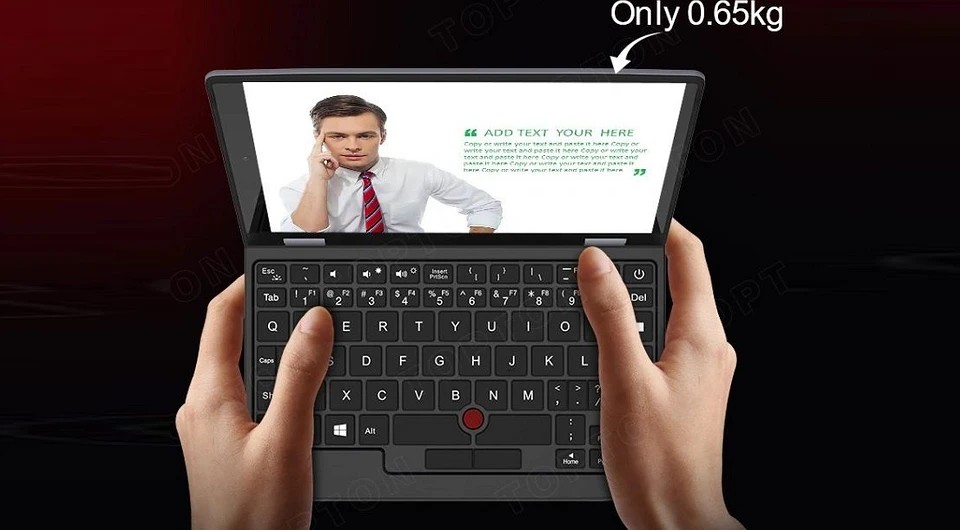
Topton L4 presented as a tiny 7-inch touch notebook with stylus support and more ports than its size suggests.
The Topton L4 is a niche micro-notebook rather than a mainstream laptop.
Its defining feature is size: the source lists dimensions of 185 x 141 x 20 mm and a weight of about 650 grams, with a 7-inch touch display that supports stylus input.
That makes it far smaller than conventional ultraportables and closer to a pocketable specialist device. The compromises are equally important. The display resolution is only 1024 x 600 pixels, and the Intel Celeron J3455 is described as a simple older quad-core processor. Still, the inclusion of 8 GB of RAM, SSD storage options, USB ports, mini HDMI, microSD and Wi-Fi 5 gives it more practical connectivity than its size might suggest. It is best treated as a compact utility machine, not a primary laptop for demanding work.
Best for: Specialist users who need the smallest possible Windows-style notebook form factor
- Extremely compact 185 x 141 x 20 mm body
- About 650 grams in weight
- Touchscreen with stylus input
- Includes USB, mini HDMI, microSD and Wi-Fi 5
Verdict: The Topton L4 is intriguing for ultra-compact computing, but its small screen and simple older processor make it a niche companion rather than a general-purpose laptop.

3. Acer TravelMate P2: Not uncompromising, but perfectly balanced
Acer TravelMate P2 in a plain black business chassis with a 180-degree hinge and numeric keypad.
The Acer TravelMate P2 is framed as an inexpensive but decent business laptop, with the tested configuration built around a 15-inch format and an AMD Ryzen 3 Pro 4450U processor.
The source repeatedly positions it as a balanced option rather than an extreme one, which is useful for readers who want a practical work machine without paying for gaming hardware or ultra-premium materials.
Its physical design is deliberately businesslike: black plastic, a slightly rough surface that does not slip easily in the hand, and a finish that almost does not collect fingerprints. It is not the thinnest or lightest machine, at 1.8 kg and 19.9 mm thick, but the article notes MIL-STD 810G testing against bumps, falls and getting wet. The 180-degree hinge and keyboard with numeric keypad also reinforce its office-first character.
Best for: Office and remote-work users who want a balanced, durable business laptop
- MIL-STD 810G testing noted in the source
- Practical 15-inch business format
- 180-degree hinge for flexible positioning
- Keyboard includes a numeric keypad
Verdict: The TravelMate P2 is a sensible business choice when durability, keyboard practicality and balance matter more than luxury styling.
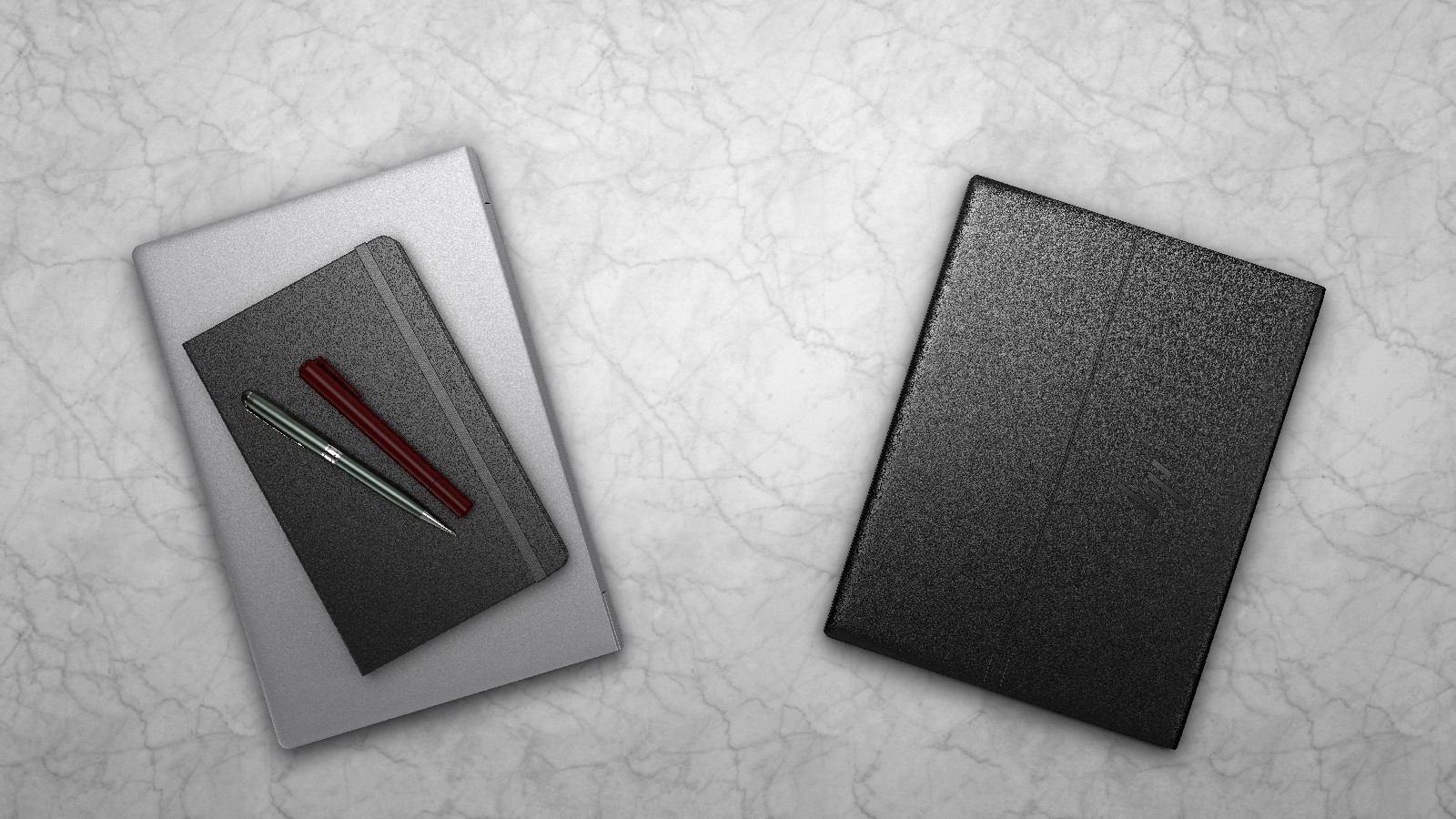
4. HP Elite Folio – A leather business laptop on snapdragon!
HP Elite Folio described as a leather-finished business laptop with pen input and cellular connectivity.
The HP Elite Folio stands out as a premium business laptop with an unusual leather finish and an ARM-based Windows platform.
The source lists the Qualcomm Snapdragon 8cx Gen 2 hardware platform, up to 16 GB of RAM, up to 512 GB of SSD storage, and both LTE and 5G communication modules.
That combination points toward a compact, always-connected business device rather than a conventional performance-first notebook. Mobility is the main attraction. HP’s own battery-life statement is quoted at up to 24.5 hours, and the device weighs 1.3 kg. It also has a 13.5-inch x 1080 display, pen input developed with Wacom, a backlit keyboard and spill protection. Because the source relies on manufacturer claims for battery life, buyers should treat endurance as a headline promise rather than an independently verified result in this material.
Best for: Business travelers who value connected mobility, pen support and a premium compact design
- Compact 1.3 kg design
- LTE and 5G communication modules listed
- Pen input with Wacom partnership
- Backlit keyboard with spill protection
Verdict: The Elite Folio is the most business-travel-oriented option here, especially for users drawn to ARM mobility and built-in cellular connectivity.

5. How to choose the perfect laptop: From office to gaming
Laptop-buying guide focused on matching screen size, category and hardware to real workloads.
This entry is not a single laptop, but it is one of the most useful sources in the list because it explains how to think about the category.
The article separates laptops into office and web-surfing, universal, and high-performance groups, then discusses why screen diagonal, device type and component choices should follow the buyer’s workload and budget.
Its guidance is especially helpful for avoiding overbuying. The source notes that the market includes laptops from 10-inch to 17-inch displays, with models up to 14 inches described as ultrabooks designed for mobile use and long-term operation. It also distinguishes Chromebooks, which rely on Chrome OS, cloud services and modest local hardware needs. For readers still unsure whether they need a business laptop, gaming laptop, ultrabook, transformer or Chromebook, this guide is the broadest starting point.
Best for: Readers who need buying criteria before choosing a specific laptop model
- Explains office, universal and high-performance laptop categories
- Covers display sizes from compact to 17-inch models
- Clarifies ultrabooks, Chromebooks and transformers
- Connects component choices to budget and use case
Verdict: Use this guide as a decision framework before comparing individual laptops, especially if the right category is still unclear.
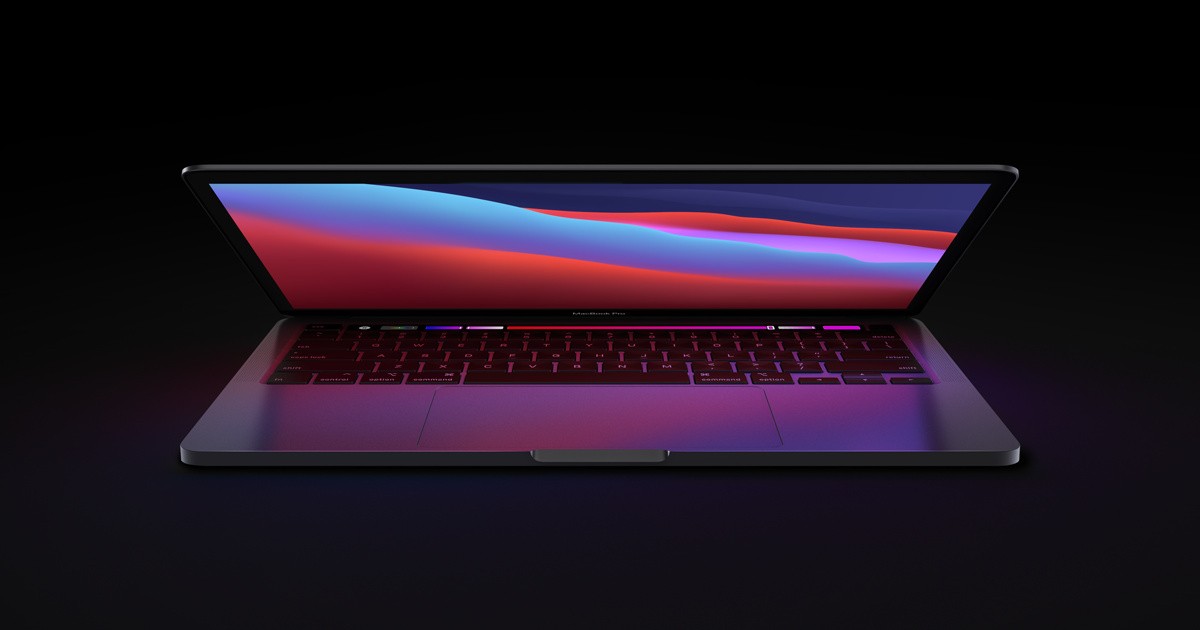
6. Samsung is reportedly preparing OLED panels for the upcoming MacBook Pro
Report focused on Samsung OLED panel production rumors and possible future MacBook Pro display choices.
This is a display-technology report, not a laptop to buy.
The article says Samsung is preparing production for new OLED panels expected to be associated with future MacBook Pro models, while also acknowledging uncertainty around whether OLED would be standard or optional.
It further contrasts those reports with separate expectations around mini-LED displays. For buying advice, the most important point is caution. The source explicitly warns against taking rumors as gospel, and that is the correct editorial stance here. Apple-focused readers interested in OLED MacBook Pro possibilities may find the report useful, but it should not delay an urgent purchase unless the reader is comfortable waiting on unconfirmed hardware direction.
Best for: Apple buyers who are not in a hurry and want context on possible display changes
- Highlights possible OLED direction for MacBook Pro displays
- Explains uncertainty around OLED versus mini-LED reporting
- Useful context for Apple-focused buyers considering display technology
Verdict: Treat this as background reading rather than a buying recommendation, because the source itself frames the information as rumor-based and uncertain.

7. MSI GE76 Dragon Tiamat: High-end gaming beast
MSI GE76 Dragon Tiamat with a large 17.3-inch gaming display and customizable RGB lighting across the keyboard and front edge.
The MSI GE76 Dragon Tiamat 11UG-253ES is presented as a large, expensive, high-end gaming laptop.
Its headline specifications in the source are a 17.3-inch screen with 360 Hz support, an Intel Core i9 processor and an Nvidia RTX 3070 GPU.
That makes it the clearest choice here for readers prioritizing gaming hardware and a fast display over portability. The design is equally assertive. The article highlights customizable RGB backlighting not only on the full-size keyboard but also on the front bezel, controlled through MSI’s Mystic Light technology. Its 397 x 284 x 25.9 mm body and 2.9 kg weight mean it is robust and desk-oriented rather than travel-friendly. This is not the laptop to buy for discreet commuting; it is aimed at gamers who accept size and price in exchange for high-end components.
Best for: Gamers who want a large high-end laptop with a very fast display
- 17.3-inch display with 360 Hz support
- Intel Core i9 and Nvidia RTX 3070 listed
- Customizable RGB lighting on keyboard and front bezel
- Full-size keyboard noted in the source
Verdict: The GE76 Dragon Tiamat is the heavy-duty gaming pick here, provided size, weight and cost are acceptable trade-offs.
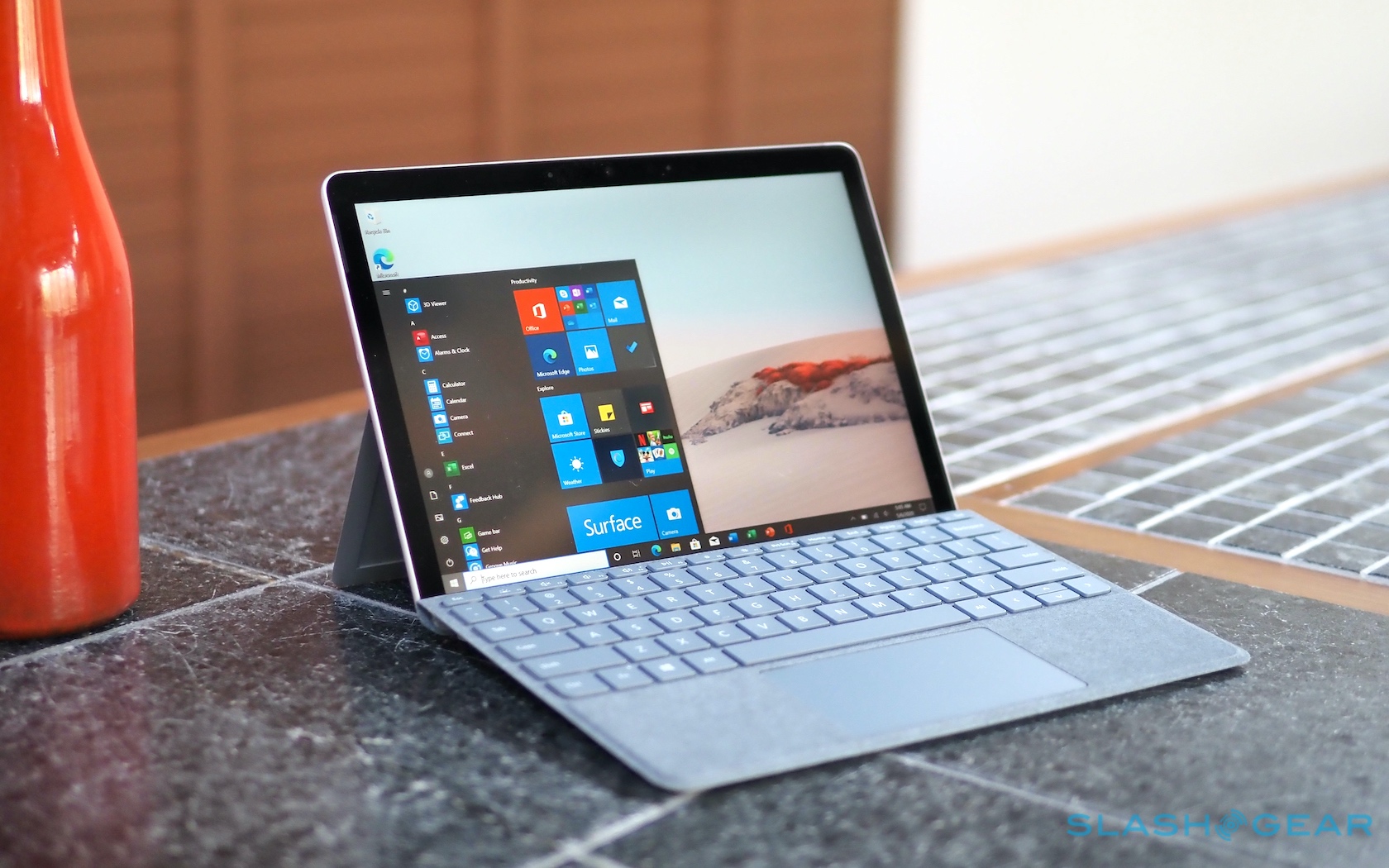
8. Surface Go 2 and Surface Pro 7: New microsoft solutions for everyone
Microsoft Surface Go 2 and Surface Pro 7 presented as slim 2-in-1 devices for productivity at home, in the office or on the move.
The Surface Go 2 and Surface Pro 7 are grouped in the source as Microsoft 2-in-1 devices built around flexibility and productivity.
The article describes the wider Surface family as combining design and performance with low weight, slim profiles, safe work, full connectivity and the ability to work efficiently from different locations.
The most useful distinction from the source is format rather than specification. Both singled-out models belong to the 2-in-1 category, which means they are intended to adapt across office, street and home situations while preserving a familiar productivity-focused experience. Readers who want a Windows device with a flexible tablet-laptop identity should consider this family, while those needing gaming power or detailed component comparisons will need more model-specific information than this source provides.
Best for: Windows users who want a flexible 2-in-1 for productivity in different locations
- 2-in-1 flexibility highlighted for both models
- Slim, low-weight Surface design emphasis
- Productivity-focused user experience
- Connectivity is presented as a core strength
Verdict: Surface Go 2 and Surface Pro 7 are sensible candidates for portable productivity, though the supplied material does not provide enough detail to separate them deeply.
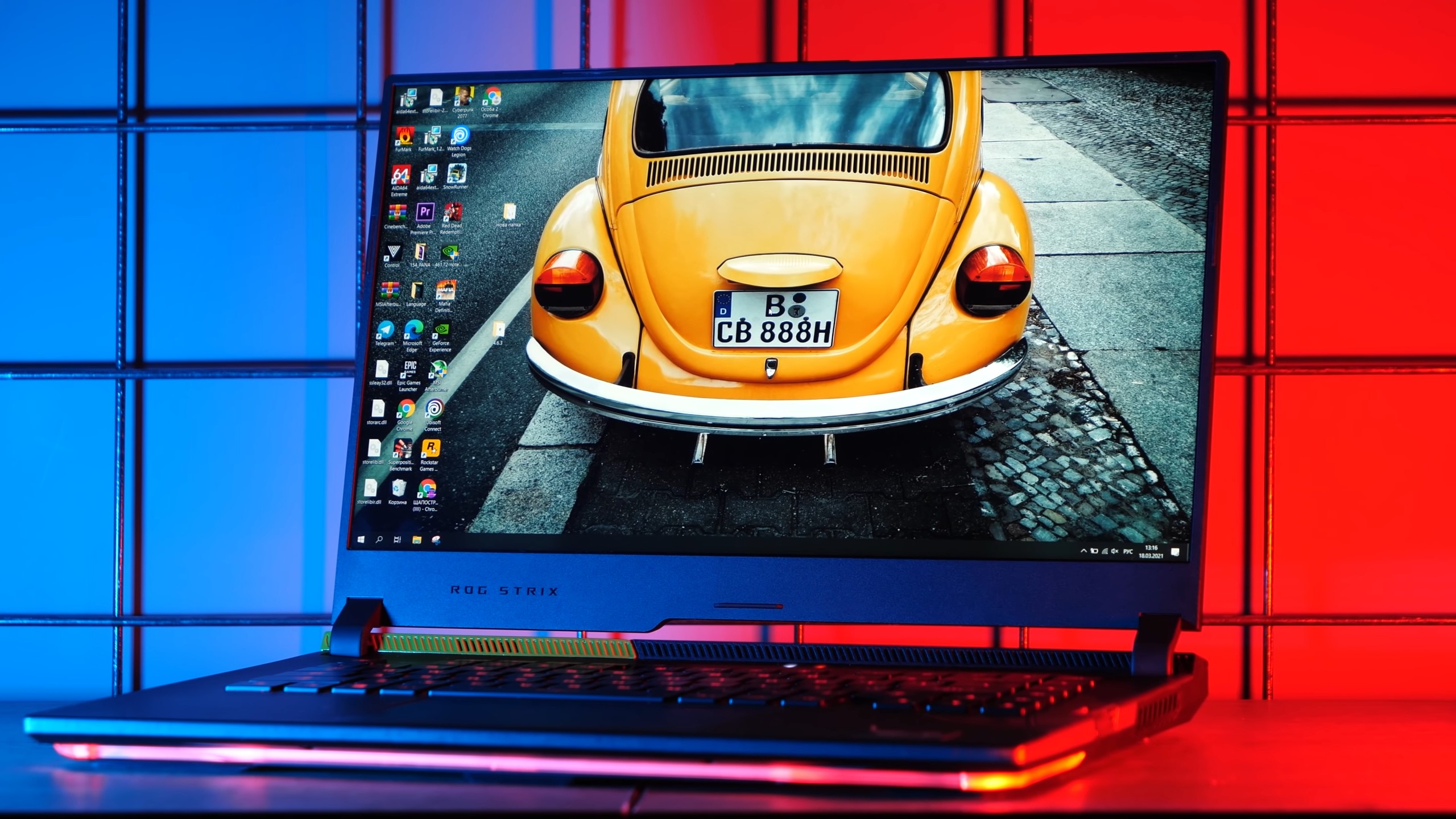
9. ASUS ROG Strix SCAR 15 G533: Top-end solution that copes with all tasks
ASUS ROG Strix SCAR 15 G533 with a textured chassis, narrower bezels and interchangeable Armor Cap customization.
The ASUS ROG Strix SCAR 15 G533 is positioned as a new-generation gaming laptop and a productive gaming station.
The source focuses less on a full specification list and more on design, build, layout and cooling.
It notes a plastic case with an unusual texture, high-quality assembly, well-thought-out controls and connector placement, and a good ventilation system. Compared with an older predecessor discussed in the article, the G533 is described as more compact with narrower bezels, without losing functionality. It also has customizable Armor Caps, including additional overlays in the kit and the possibility of making a custom cap with 3D printing. That makes it a strong fit for gamers who care not only about performance positioning but also about cooling layout, visual identity and chassis refinement.
Best for: Gamers who want a refined 15-inch-class gaming laptop with customization options
- High-quality assembly described in the source
- Good ventilation system noted
- More compact body and narrower bezels than the predecessor discussed
- Customizable Armor Caps for personalization
Verdict: The ROG Strix SCAR 15 G533 is a strong gaming-oriented option when thoughtful layout, cooling and customization are priorities.

10. MSi GE66 Raider: Pure gaming beast
MSI GE66 Raider shown as a modern gaming laptop with LED styling and configurable processor and graphics options.
The MSI GE66 Raider 10UH-610ES is another gaming-focused machine, but the source presents it as a balance of power and design rather than simply a large desktop replacement.
It highlights an elegant modern appearance with LED lighting and says the model can be found with different processor and graphics options depending on needs, preferences and budget.
The article frames MSI gaming computers as designed for demanding players and notes RTX 30 series graphics, an Intel processor, strong color technology, notable audio and recognizable aesthetics. Because the source does not provide a complete benchmark-style comparison, the safest recommendation is to treat the GE66 Raider as a configurable gaming candidate for buyers who want MSI’s performance styling without necessarily moving to the larger GE76 Dragon Tiamat described above.
Best for: Gamers who want an MSI gaming laptop with configurable hardware and strong visual design
- Gaming-focused design with LED lighting
- Different processor and graphics options noted
- RTX 30 series graphics mentioned
- Color technology and audio highlighted by the source
Verdict: The GE66 Raider is the more flexible MSI gaming recommendation here for buyers balancing performance, aesthetics and configuration choice.
Quick comparison
The useful way to compare these entries is by role.
Some are direct laptop recommendations, some are category guidance, and one is a rumor-based display report.
The table below keeps the distinctions high-level and avoids unsupported specification claims.
| Product | Best for | Verdict |
|---|---|---|
| Vivobook 13 Slate OLED (T3300): Fantastic 2-in-1 laptop | Mobile OLED 2-in-1 use | The flexible choice for travel, media, writing and drawing when portability and screen quality are the priorities. |
| Topton L4: The worlds smallest laptop | Ultra-compact specialist computing | A tiny touch notebook with useful ports, but too niche and limited to replace a mainstream laptop for most people. |
| Acer TravelMate P2: Not uncompromising, but perfectly balanced | Balanced business work | A practical office laptop with durability claims, a numeric keypad and a sensible middle-ground design. |
| HP Elite Folio – A leather business laptop on snapdragon! | Connected business travel | A premium compact business option built around ARM mobility, pen support and cellular connectivity. |
| How to choose the perfect laptop: From office to gaming | Pre-purchase research | The best starting point in this set for deciding which class of laptop you actually need. |
| Samsung is reportedly preparing OLED panels for the upcoming MacBook Pro | Apple display-technology context | Useful background for patient MacBook buyers, but not a confirmed product recommendation. |
| MSI GE76 Dragon Tiamat: High-end gaming beast | Large high-end gaming | The strongest fit for gamers who want a 17.3-inch 360 Hz display and high-end components, with weight as the trade-off. |
| Surface Go 2 and Surface Pro 7: New microsoft solutions for everyone | Portable Windows 2-in-1 productivity | A flexible Surface-family option for productivity across home, office and travel contexts. |
| ASUS ROG Strix SCAR 15 G533: Top-end solution that copes with all tasks | Refined gaming with customization | A gaming laptop recommendation centered on chassis quality, ventilation, narrower bezels and personalization. |
| MSi GE66 Raider: Pure gaming beast | Configurable MSI gaming | A gaming candidate for buyers who want LED styling, RTX 30 series graphics and multiple hardware options. |
Frequently asked questions
Should I choose a 2-in-1 or a traditional laptop?
Choose a 2-in-1 if flexibility, tablet-style use, pen input or working in different locations matters most.
The Vivobook 13 Slate OLED, Surface Go 2, Surface Pro 7 and HP Elite Folio all emphasize flexible or pen-friendly use.
A traditional laptop such as the Acer TravelMate P2 is a better fit when keyboard work, a larger office layout and a conventional business form factor are more important.
What screen size makes sense for portability?
The supplied buying guide notes that laptops range from compact 10-inch models to 17-inch machines, and that models up to 14 inches are often treated as ultrabooks for mobile use.
If travel matters, prioritize smaller and lighter designs such as the Vivobook 13 Slate OLED or HP Elite Folio.
If gaming immersion or a fast large display matters more, a 17.3-inch machine such as the MSI GE76 Dragon Tiamat is more appropriate but much less portable.
When is a gaming laptop the right choice?
A gaming laptop makes sense when graphics performance, fast displays, cooling and gaming-focused design are central requirements.
The MSI GE76 Dragon Tiamat, ASUS ROG Strix SCAR 15 G533 and MSI GE66 Raider are the gaming-oriented entries here.
They are less suitable if the main needs are commuting, document work or quiet business portability.
Should I wait for rumored laptop display upgrades?
Only wait if your current machine is still adequate and you are comfortable with uncertainty.
The MacBook Pro OLED report is explicitly rumor-based and discusses uncertainty around OLED and mini-LED directions.
For an urgent purchase, confirmed products and clearly stated features are more reliable than display-roadmap speculation.
How to decide which laptop belongs on your shortlist
Start with the workload, then choose the format.
For mobile entertainment, note-taking and a premium portable display, the Vivobook 13 Slate OLED is the clearest fit in this material.
For business use, the Acer TravelMate P2 is the pragmatic conventional laptop, while the HP Elite Folio suits travelers who value cellular connectivity, pen input and compact premium design. The Surface Go 2 and Surface Pro 7 sit in the flexible Windows 2-in-1 productivity lane, although the supplied source does not provide enough detail to strongly separate them. For gaming, decide how much size and weight you can accept. The MSI GE76 Dragon Tiamat is the large, high-end option with a 17.3-inch 360 Hz display, Core i9 and RTX 3070 listed in the source. The ASUS ROG Strix SCAR 15 G533 is compelling where build, cooling layout, narrower bezels and customization matter. The MSI GE66 Raider is the more broadly configurable MSI gaming option, with LED styling, RTX 30 series graphics and different processor and graphics choices noted. The Topton L4 is fascinating but highly specialized; buy into that kind of form factor only if its tiny 7-inch touchscreen body solves a specific problem. The general buying guide deserves attention before any purchase because it explains how office, universal and high-performance categories differ. Finally, treat the MacBook Pro OLED report as context rather than advice: rumors can help you understand where display technology may be going, but they should not outweigh a clear present-day need.