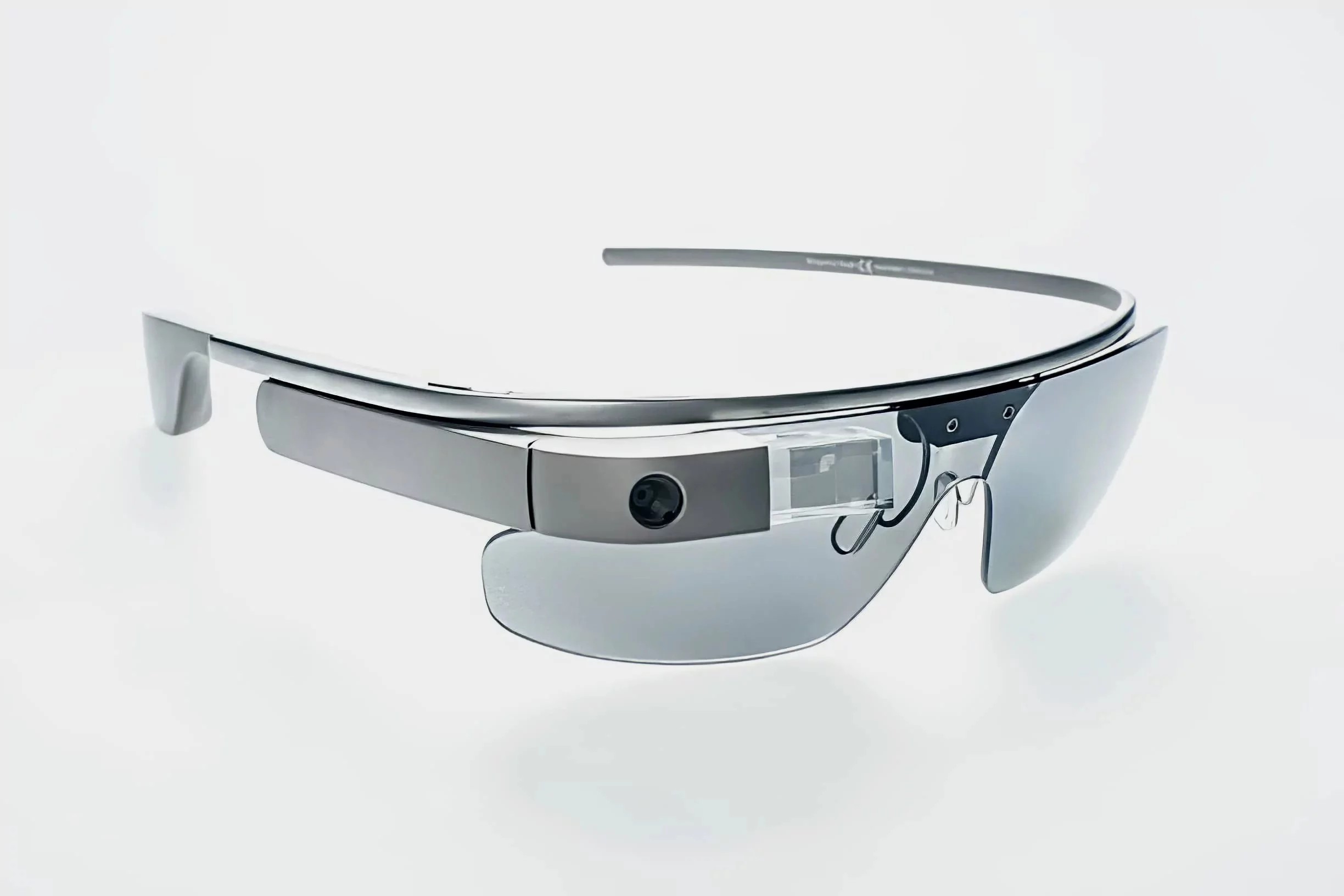
Google Glass began as one of the most visible early attempts to bring augmented reality into everyday computing. Its concept was simple to understand but difficult to execute at scale: place a projection display on the user’s head, make it responsive to voice commands, and allow information to appear in the user’s line of work without requiring a conventional screen. That combination made Google Glass one of the most discussed technology products of its era. Over time, however, the project moved away from broad consumer ambitions and settled into a more focused enterprise role. Google Glass Enterprise Edition 2, introduced in 2019, represented the later stage of that shift. Production has now ended, with sales discontinued on March 15 and product support scheduled to continue only until September 15 of that year. Existing software images were set to remain accessible through links until at least April 1, 2024. Even with that closure, the product is still worth examining for what it tried to solve: how to make digital information available in environments where hands, attention, and time are limited.
A product built around immediate, hands-free information
The central attraction of Google Glass was never that it looked like a conventional computer. Its appeal came from moving basic digital interaction away from the desk, pocket, or handheld screen. A head-mounted projection display can present information while the user remains engaged with the task in front of them. In workplace settings, that distinction matters. A technician, clinician, trainer, or field worker may not always have the practical option to stop, unlock a device, hold a tablet, or look away for long periods.
Voice control was an equally important part of the concept. When a product is worn on the head, the interface has to respect the circumstances in which it is used. Voice commands offered a way to operate the device without adding another physical control layer to the user’s workflow. That did not make the product universally applicable, but it did give Google Glass a clear design direction: reduce interruption, keep the user’s hands available, and make digital assistance more immediate.
Why the enterprise path made sense
The original excitement around Google Glass came from technical enthusiasts and the broader fascination with augmented reality. Yet the device was not initially accessible to a wide public audience, and its eventual move toward corporate use was a logical narrowing of scope. Consumer technology often depends on broad appeal, fashion acceptance, and frequent daily use. Enterprise technology can succeed by solving narrower problems with measurable practical value.
That is where Google Glass Enterprise Edition 2 found its clearest purpose. The product was not positioned as a general entertainment device or a lifestyle accessory. It was a tool for business environments where contextual information could help a person perform a task. In this form, Google Glass became less about novelty and more about workflow. The fact that it remained niche does not erase the usefulness it demonstrated in specific settings; it simply shows that the addressable market was more limited than the early public conversation suggested.
Medical and procedural use cases highlight the strongest idea
One of the most compelling documented areas of use was medicine, including during surgical procedures. That example explains the product’s logic better than any abstract description. In a setting where attention is critical and hands are occupied, an information display that does not require a handheld device has obvious practical appeal. The value is not in replacing professional expertise, but in offering another way to present relevant digital information while the user remains focused on the procedure.
This also shows why augmented reality devices can be more than experimental gadgets. In the right environment, the interface format itself becomes the feature. A headset display can be useful because it changes when and how information is accessed. Instead of asking a user to adapt to a conventional screen, the product attempts to fit the screen into the user’s existing activity. Google Glass Enterprise Edition 2 was designed for that type of situation, where the ergonomics of information access matter as much as the information itself.
A distinctive design philosophy, even after discontinuation
Google Glass Enterprise Edition 2 has now reached the end of its commercial life, but its design philosophy remains easy to understand. It was not trying to be a smartphone replacement in the conventional sense. It was an augmented reality headset intended to provide a projected visual layer and voice-based interaction in situations where those choices could be useful. That made it distinctive, especially compared with devices that require full immersion or handheld operation.
The discontinuation also clarifies the challenge behind products of this type. A device can be useful and still be financially unviable if the market is too small, the deployment cases are too specialized, or the support burden outweighs the scale of adoption. Google’s decision to stop production reflects those realities. For existing owners and organizations, the limited support window and absence of future updates are important practical considerations. The product’s remaining value is therefore tied to existing deployments, legacy workflows, and the lessons it offers for future AR systems.
Connectivity to a broader AR future
Although Google Glass itself is being closed, Google has continued to invest in virtual reality and augmented reality. The company has also shown newer AR glasses that can be viewed as a successor in spirit. That broader context is important. Google Glass Enterprise Edition 2 did not end the category; it helped expose what the category needs to address. Comfort, interface design, workplace relevance, software support, and sustainable market demand all matter.
For prospective observers of AR technology, Google Glass remains a useful reference point because it separated the promise of augmented reality from pure spectacle. The product suggested that the strongest AR applications may not be the loudest or most visually dramatic. They may be the ones that quietly put the right information in front of the right person at the right moment. That is a modest but powerful idea, and it is still central to many discussions about wearable computing.

Who Google Glass Enterprise Edition 2 was most suitable for
Google Glass Enterprise Edition 2 was most suitable for organizations with defined, repeatable workflows where hands-free access to information could provide practical benefit. Medical environments, including procedural contexts, are the clearest documented example. More broadly, the product made the most sense for professional users who needed a wearable display as part of a specific process rather than as a general-purpose personal device.
It was less suitable for consumers looking for a mature everyday smart-glasses platform, or for organizations unwilling to manage a specialized and now discontinued product. The end of sales, the lack of planned updates, and the limited support timetable make it unsuitable as a new long-term deployment choice. Its real significance is best understood historically and operationally: it served narrow professional needs and demonstrated a model for hands-free AR that future devices may refine.
Conclusion
Google Glass Enterprise Edition 2 stands out because its strongest qualities were rooted in a clear practical idea: combine a head-mounted projection display with voice control so users can access digital information without occupying their hands. Its enterprise focus gave the product a more credible role than broad consumer novelty, and its documented usefulness in medical settings shows why hands-free augmented reality can matter. At the same time, its discontinuation confirms that useful technology still needs a sustainable market and support model. Google Glass is now a closed project, but it remains most relevant to organizations, developers, and technology followers interested in focused professional AR rather than general-purpose wearable computing.