A serious television purchase is rarely about size alone.
The strongest options here separate themselves through panel technology, image processing, gaming support, smart-platform convenience, installation flexibility, and, in a few cases, unusually ambitious integrated audio.
This guide draws only on the supplied product and article material, so it mixes full TV models with one practical buying guide, one OLED panel technology update, and one model-variant comparison. That makes it useful not just as a shortlist, but as a way to understand which features matter before comparing specific sets in a showroom or on a product page. The most broadly compelling choices are the models with clear picture-quality foundations: OLED for contrast and advanced HDR handling, Mini LED for high brightness and local dimming, QLED and VA LCD options for value-oriented sharpness and color. Installation should not be an afterthought, especially with larger screens, where stand width, wall-mount depth, connector placement, and room size can be as important as headline specifications.
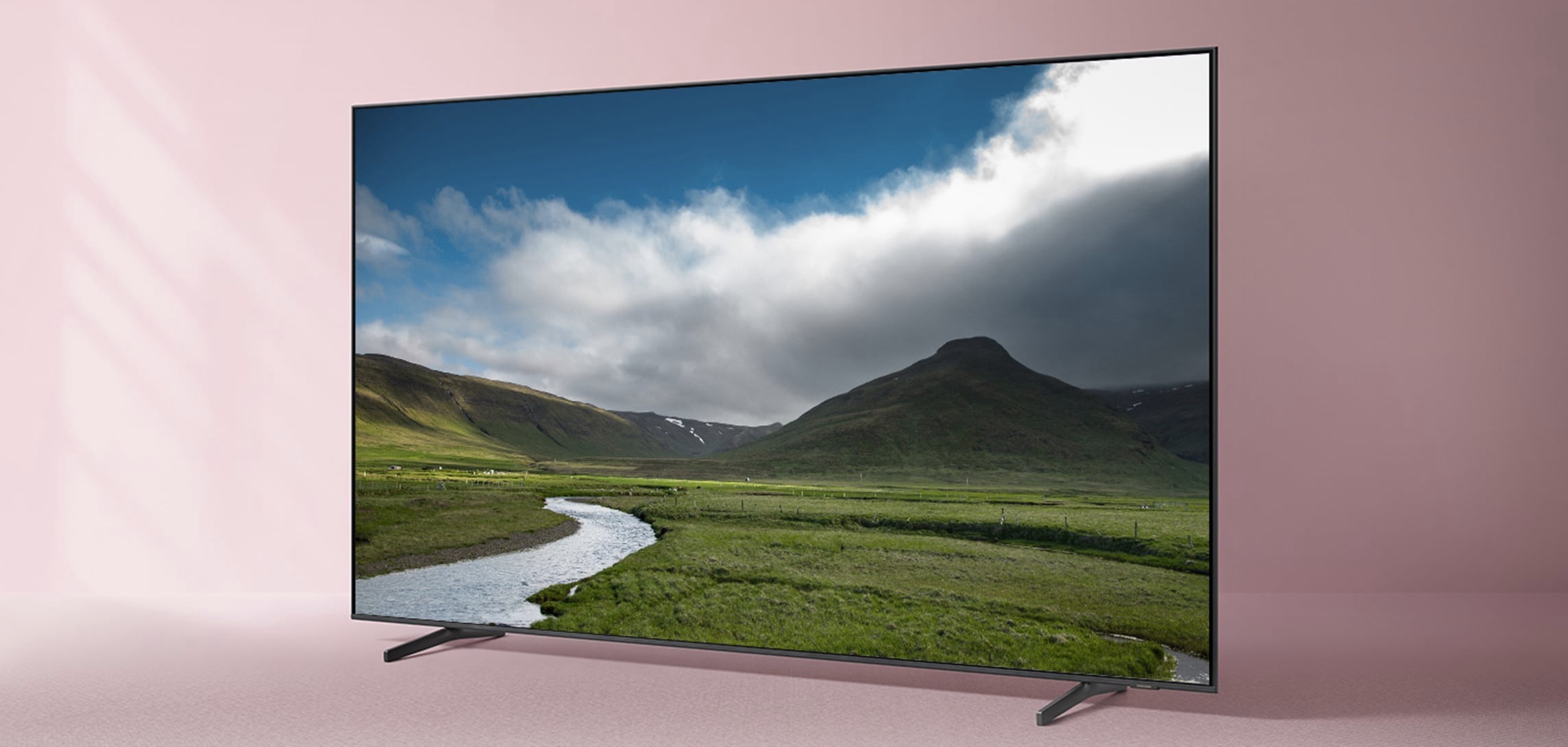
1. Samsung Q68A: Provides a solid QLED experience
Samsung Q68A shown as a slim QLED television with narrow bezels for a cleaner living-room presentation.
The Samsung Q68A is presented as a well-equipped mid-range QLED television with a slim design and thin front bezels.
The source highlights it as a model with broadly useful characteristics and a pleasing aesthetic, especially in larger rooms where its substantial size and wall-mount potential can be used to advantage.
It is not positioned as the cheapest comparable option, but rather as a more complete mid-range Samsung choice with a polished look.
Best for: A polished mid-range QLED for a larger room
- Solid QLED positioning
- Slim, room-friendly design
- Thin front bezels
- Well suited to larger spaces
Verdict: The Samsung Q68A makes most sense for buyers who want Samsung’s QLED style and a clean installation without moving into the highest-end tier.
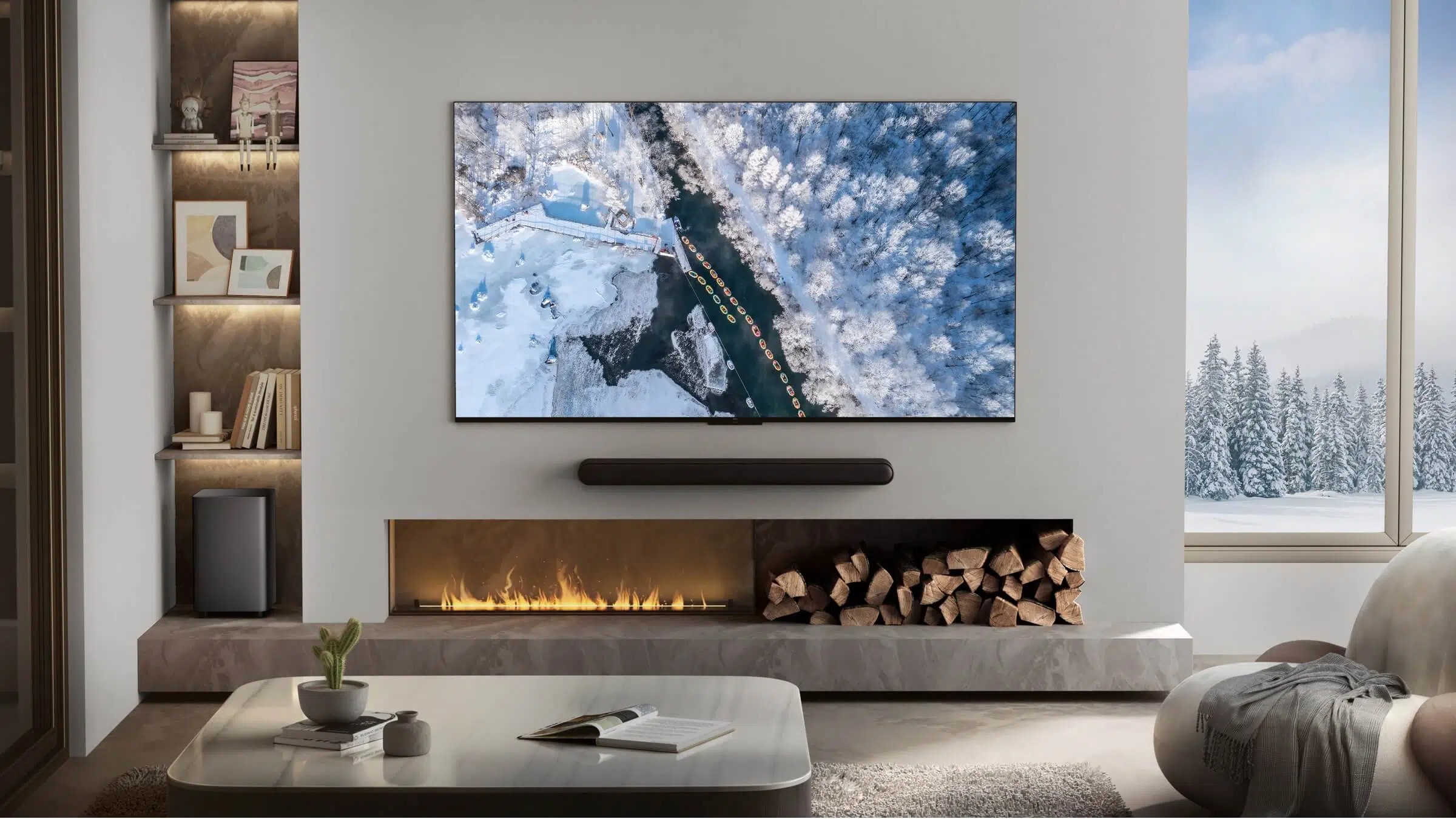
2. TCL P745: Feature-packed budget tv with great image quality
TCL P745 with a three-sided frameless design intended to keep attention on the picture rather than the cabinet.
The TCL P745 is described as an affordable Google TV with features normally associated with more expensive sets, including Dolby Vision, Dolby Atmos, AirPlay 2, HomeKit support, and gaming-oriented modes.
Its VA panel is credited in the source with high image quality, while the three-sided frameless design keeps the cabinet from drawing attention.
The set is especially interesting for buyers who want a broad feature list at a budget level, though the source notes practical installation considerations around furniture width and some connector orientation.
Best for: Value-focused buyers who want modern smart and gaming features
- Affordable feature set
- VA panel with high image quality
- Dolby Vision and Dolby Atmos
- Google TV with Apple ecosystem support
Verdict: The TCL P745 stands out as a budget-conscious television that does not strip away the features many viewers now expect.
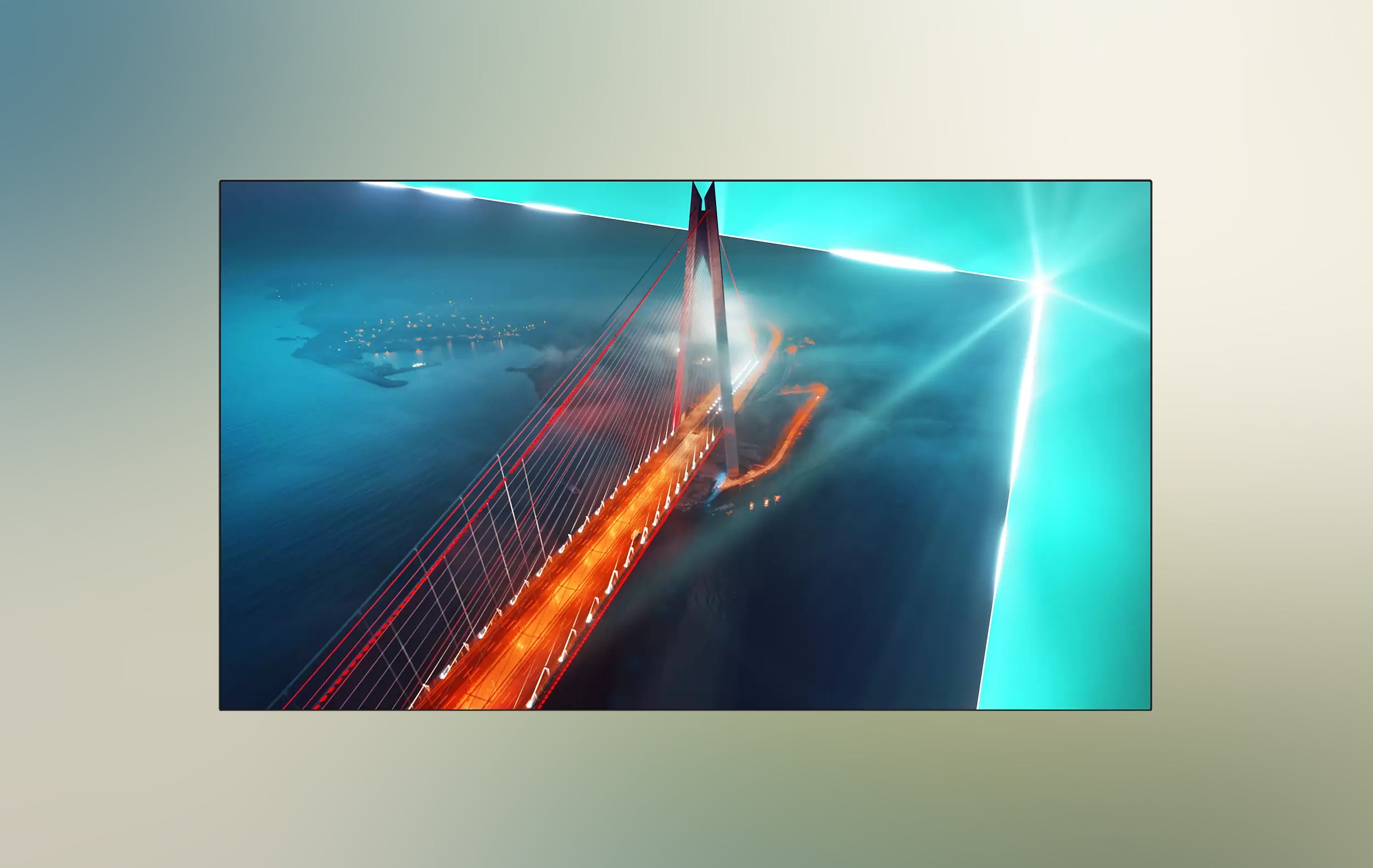
3. Philips OLED708: One of the best TVs
Philips OLED708 presented as an OLED television with Ambilight, Google TV, and advanced room-light-aware picture processing.
The Philips OLED708 is the most advanced all-round display in this selection on the basis of the supplied material.
It combines an OLED panel with 4K UHD resolution, a 120 Hz refresh rate, HDMI 2.1, Ambilight, Google TV, and wide HDR format support including Dolby Vision, HDR10+, HDR10+ Adaptive, HLG, and Filmmaker Mode.
The P5 Generation 7 processor with AI and Ambient Intelligence version 2 are described as adjusting brightness, gamma, color, and color temperature in relation to room lighting, making this a particularly sophisticated choice for viewers who want automated picture adaptation.
Best for: Home-cinema viewers who want OLED contrast and rich format support
- OLED panel technology
- 4K UHD with 120 Hz refresh rate
- Ambilight and Google TV
- Wide HDR format support
Verdict: The Philips OLED708 is the most complete premium-style recommendation here for buyers who value OLED picture quality, ambient-light adaptation, and broad HDR compatibility.
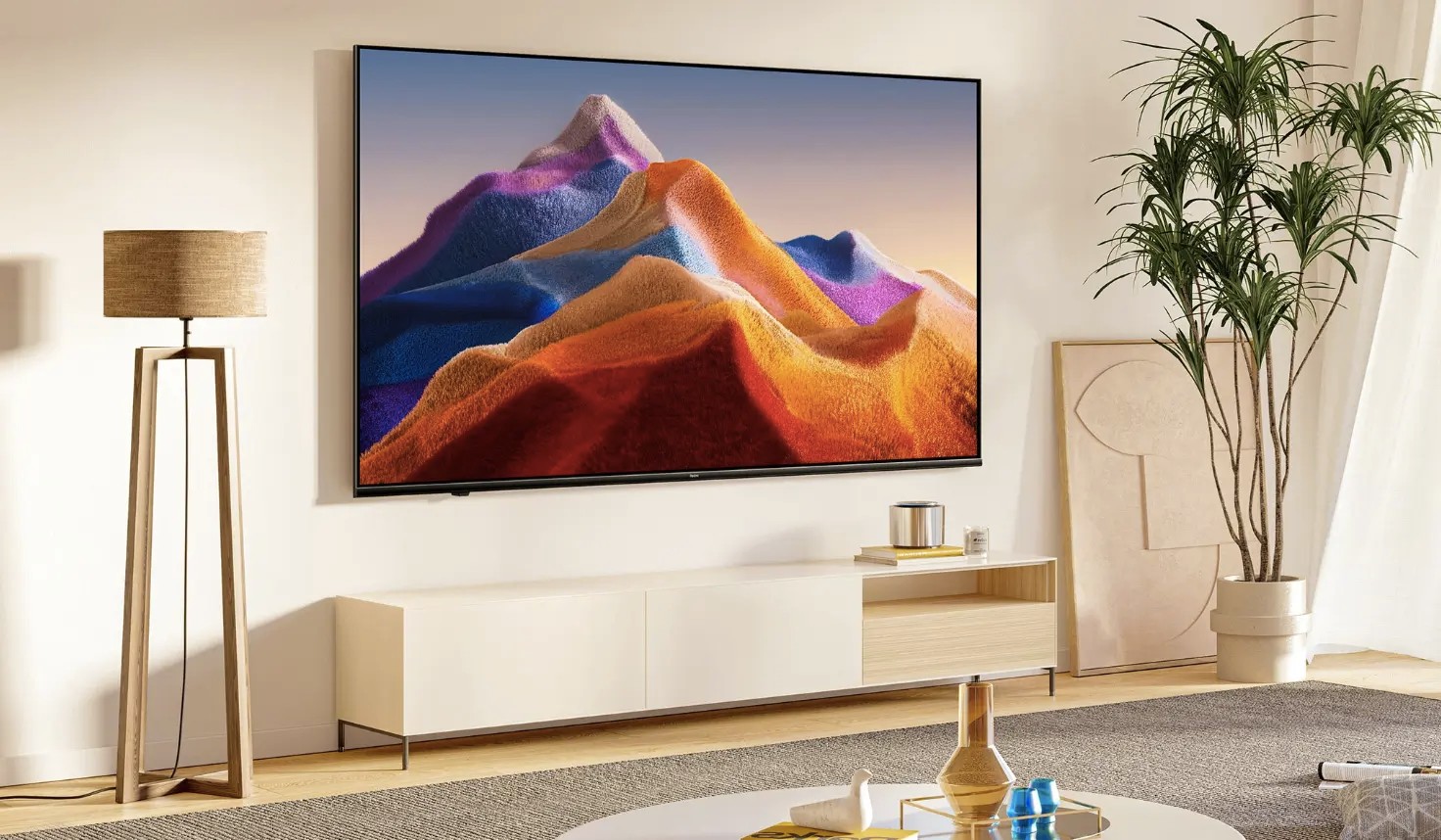
4. Xiaomi unveils 70 inch 4K Redmi Smart TV A70 for $420
Redmi Smart TV A70 emphasizes a large 70-inch 4K panel with MIUI TV smart features and straightforward connectivity.
The Redmi Smart TV A70 is a large 70-inch 4K Ultra HD model built around value and scale.
The source lists a 3840 x 2160 display, 78 percent DCI-P3 coverage, support for displaying 1 billion colors, MIUI TV software, two 10 W speakers, and a practical port set including USB, HDMI, AV input, Ethernet, and S/PDIF.
To reach its low-cost positioning, the manufacturer did not include an increased image refresh rate, so this is better understood as a big-screen smart TV for everyday viewing than as a high-refresh enthusiast display.
Best for: Large-screen buyers prioritizing size and value
- Large 70-inch screen
- 4K Ultra HD resolution
- Smart home control support
- Screen projection support
Verdict: The Redmi Smart TV A70 is a scale-first option for buyers who want a very large 4K smart TV and can live without a higher refresh-rate panel.

5. How to choose a 55-inch Smart TV
A 55-inch smart TV is presented as a practical middle ground where 4K resolution and panel technology become key buying factors.
This article is not a single television, but it belongs in the guide because it gives the clearest practical framework for choosing one.
It argues that 55 inches is a strong middle ground for home entertainment, offering a satisfying visual experience without the size and cost implications of much larger screens.
The source also stresses that resolution and panel type matter as much as diagonal size, with 4K UHD described as the ideal resolution for this screen size and QLED noted as one prominent but not exclusive high-end panel option.
Best for: Buyers still deciding what size and specification level they need
- Useful screen-size guidance
- 4K UHD recommended for 55 inches
- Panel type treated as important
- Balanced home-entertainment perspective
Verdict: The 55-inch buying guide is the most useful entry for anyone who wants to make a better-informed TV choice before comparing individual models.
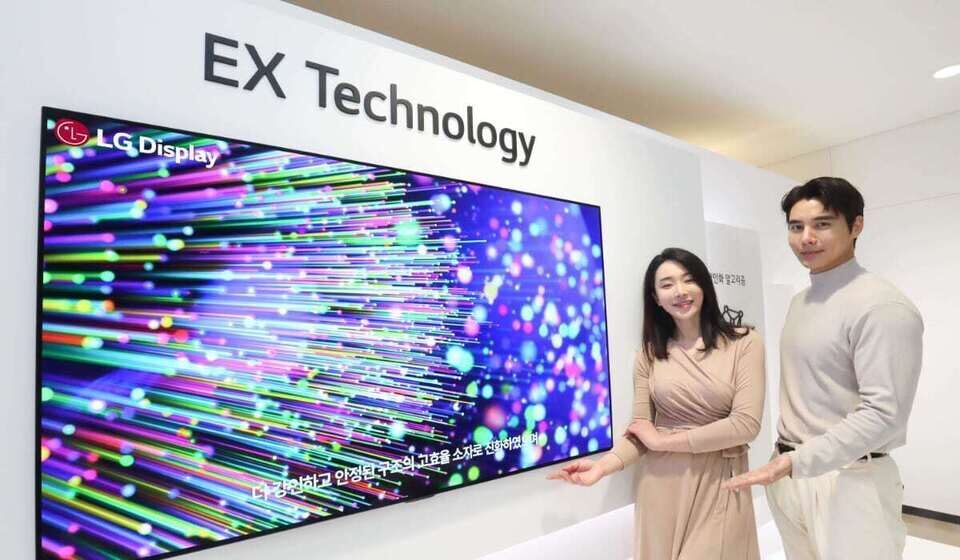
6. OLED EX: LG to launch brighter panels
OLED EX panel technology is described around higher claimed brightness, phosphor stability, and a slimmer frame.
OLED EX is included as a technology recommendation rather than a finished TV model.
According to the supplied article, LG Display described OLED EX panels as 30 percent brighter than usual OLED panels, using a new panel-control algorithm and deuterium in the phosphor to improve stability and permit higher brightness.
The source also notes a smaller frame design, moving from 6 mm to 4 mm, which points to potential benefits for future television design as well as image performance.
Best for: Buyers tracking OLED panel advances before choosing a premium TV
- Claimed brighter OLED panel design
- New panel-control algorithm
- Deuterium-stabilized phosphor
- Smaller frame noted
Verdict: OLED EX is worth understanding if OLED brightness and slimmer panel design are high priorities, though the article is about panel technology rather than a specific consumer model.
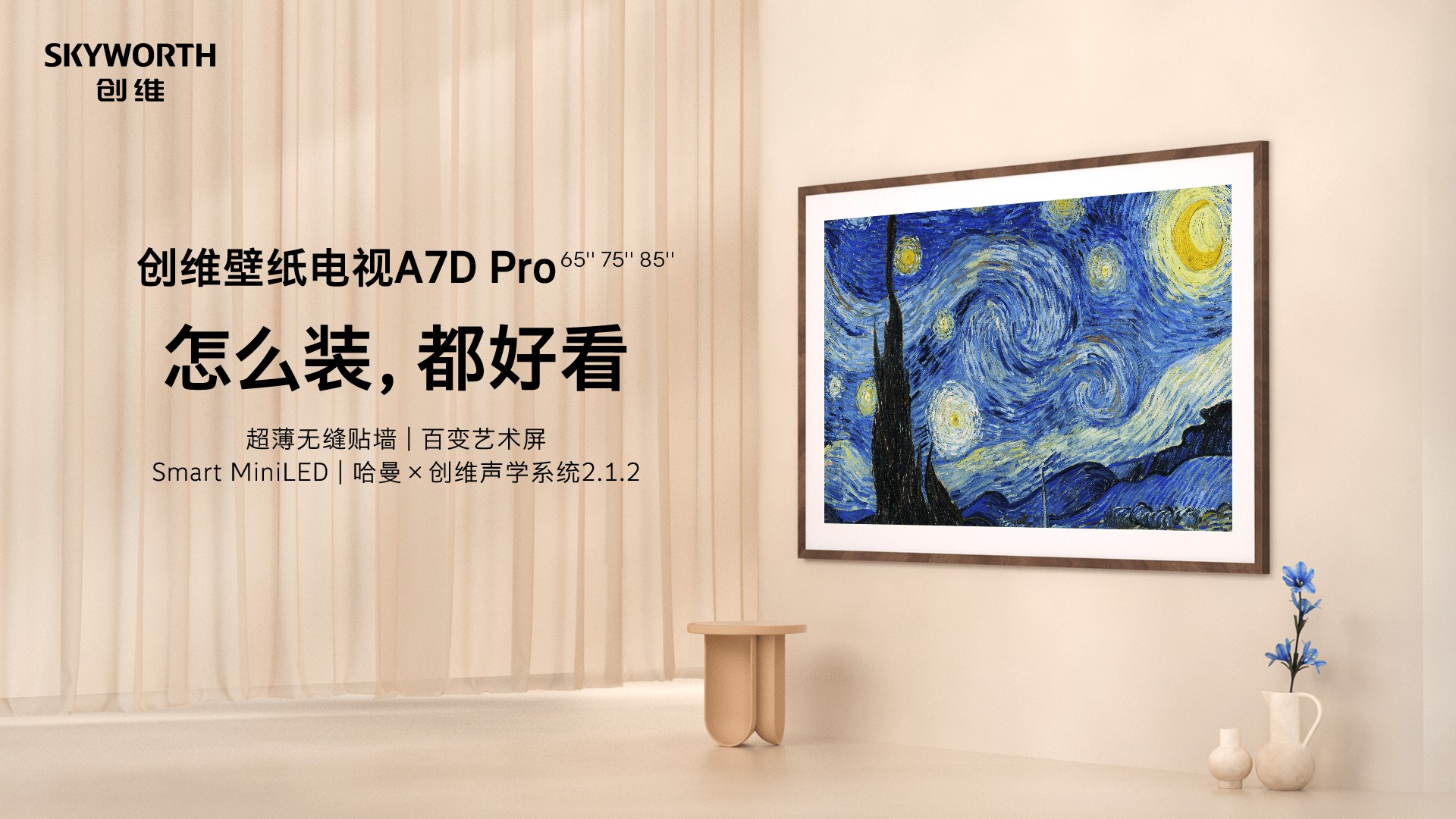
7. Skyworth A7D Pro: A new series of ultra-thin TVs
Skyworth A7D Pro combines an ultra-thin cabinet with Mini LED backlighting and a Harman-designed multi-speaker system.
The Skyworth A7D Pro series is the most specification-dense large-screen option in the supplied material.
It is described as an ultra-thin wall-focused Mini LED range in 65-, 75-, and 88-inch sizes, with the top model using 960 local dimming zones, claimed peak brightness up to 1200 nits, 110 percent DCI-P3 color coverage, and Delta E below one.
The audio specification is unusually ambitious for an integrated TV system, with Harman involvement, 12 speakers, a 2.1.2 arrangement, and 81 W total output, while HDMI 2.1, ALLM, VRR, Wi-Fi 6, and Bluetooth round out its connectivity and gaming credentials.
Best for: Large wall-mounted rooms wanting Mini LED brightness and stronger built-in sound
- Ultra-thin wall-focused design
- Mini LED backlighting
- Strong stated brightness and color figures
- Ambitious Harman speaker system
Verdict: The Skyworth A7D Pro reads as a bold large-screen Mini LED choice for buyers who care about wall placement, brightness, gaming support, and integrated audio.

8. Xiaomi launches a new TV Mi TV ES Pro with a diagonal of 2.2 meters
Xiaomi Mi TV ES Pro is positioned as a giant 86-inch smart TV with 120 Hz motion, gaming features, and adaptive brightness.
The Xiaomi Mi TV ES Pro is aimed at viewers who want a truly oversized screen with strong motion and gaming features.
The source describes an 86-inch television with a 120 Hz refresh rate, 94 percent DCI-P3 coverage, 1 billion shades, 1000-nit peak brightness, MEMC motion technology, and a built-in light sensor that adjusts image brightness to ambient conditions.
Its gaming credentials include HDMI 2.1, ALLM, AMD FreeSync Premium, and a quoted ultra-low input latency of 4 ms, while MIUI TV runs on a four-core A73 processor with 4 GB of RAM and 64 GB of storage.
Best for: Big-screen viewers who also want gaming-oriented features
- Huge 86-inch screen
- 120 Hz refresh rate
- HDMI 2.1 and ALLM
- AMD FreeSync Premium support
Verdict: The Xiaomi Mi TV ES Pro is the oversized choice for buyers who want a cinema-scale panel with high-refresh and gaming support clearly called out.
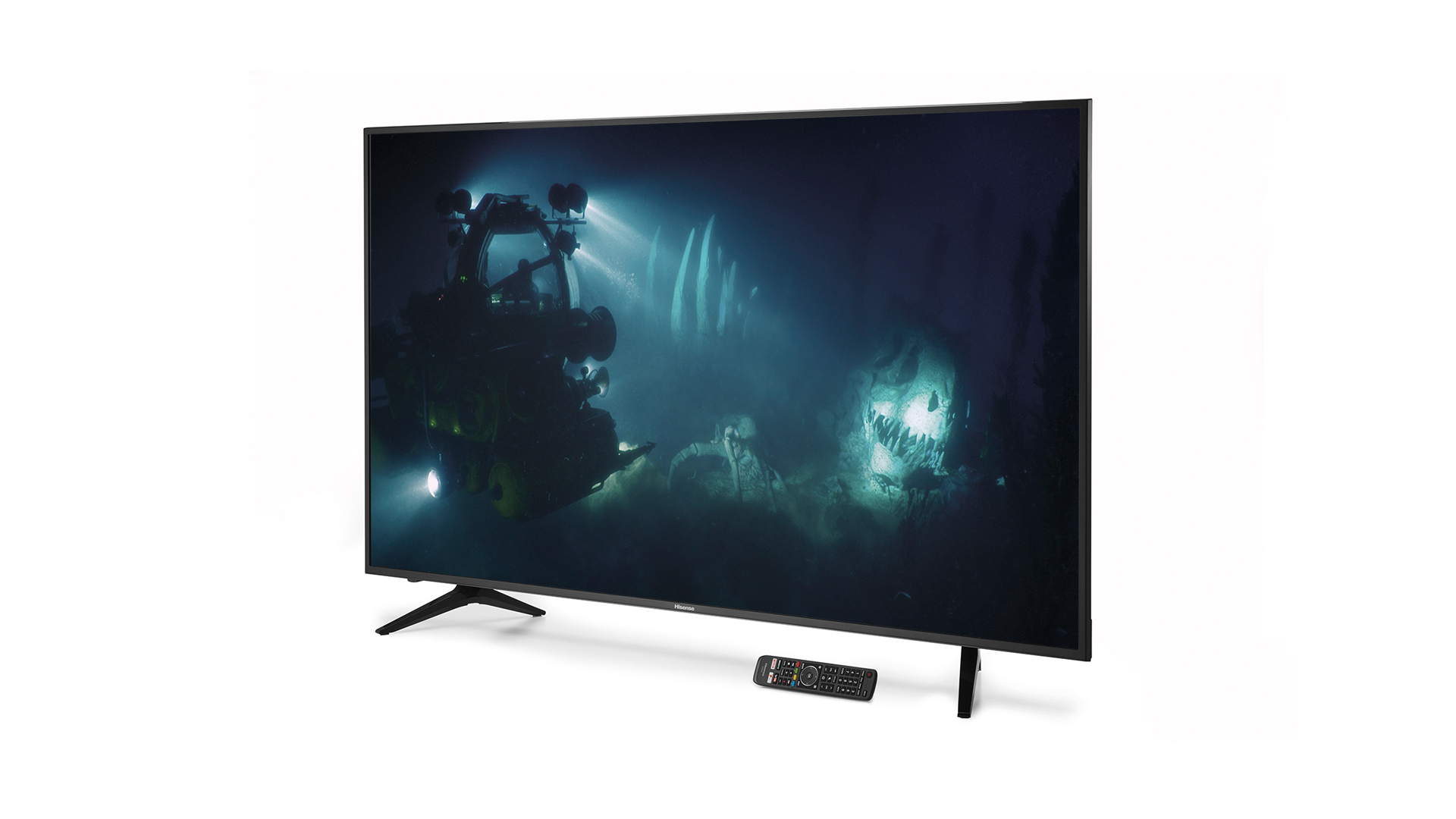
9. Hisense A6140: Good picture quality and ease of use
Hisense A6140 uses a modest design with slim upper bezels, Vidaa smart features, and practical 4K HDR positioning.
The Hisense A6140 is presented as an inexpensive but functional 4K HDR TV line with intuitive Vidaa U3.0 smart features and picture quality described as more than decent for a mid-range television.
Its design is discreet rather than showy, with thin top and side bezels, a darker rear panel, and VESA wall-mount holes.
The source does caution that the set has notable depth at its thickest point and that some connectors face backward, so wall mounting may not look as flush as on slimmer designs.
Best for: Budget buyers who want 4K HDR and simple smart-TV use
- Inexpensive 4K HDR positioning
- Vidaa U3.0 smart interface
- Decent mid-range picture quality
- Discreet design
Verdict: The Hisense A6140 is a sensible entry-level 4K HDR choice for viewers who value ease of use and acceptable picture quality over premium design.
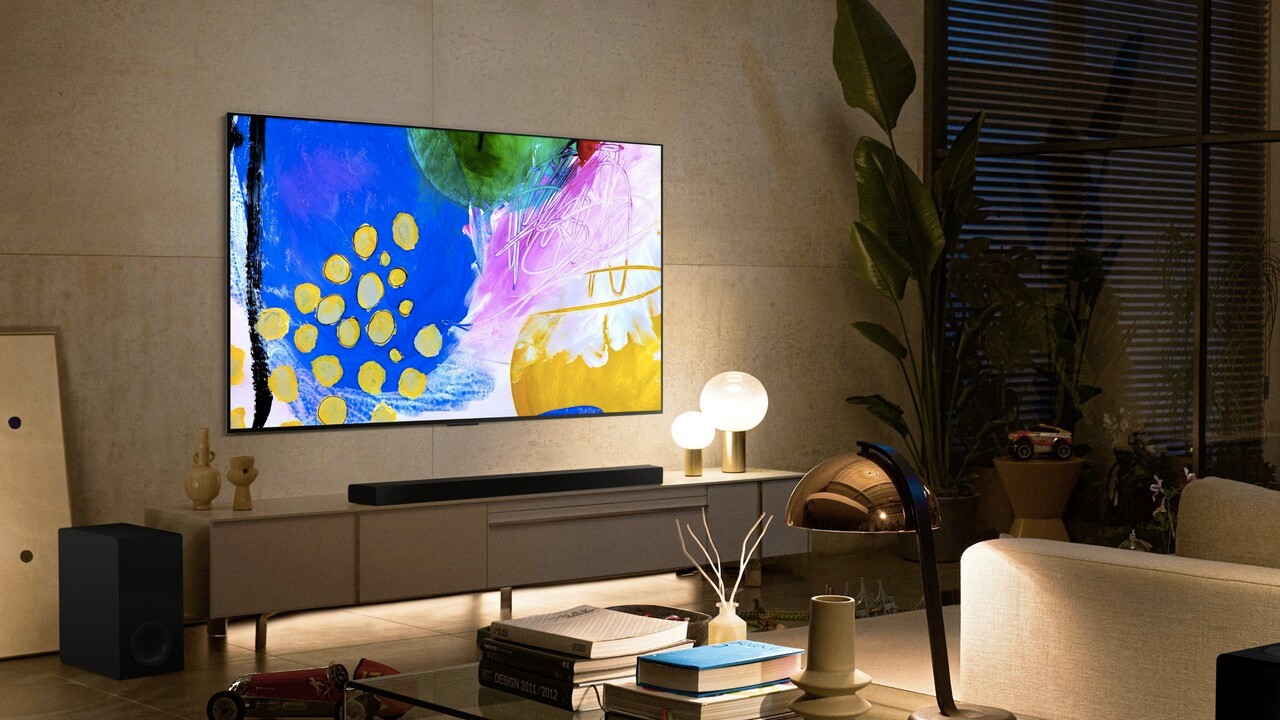
10. LG OLED C27, C28 and C29 comparison
LG OLED C-series variants are compared by added equipment and audio capability rather than by picture-quality differences.
This comparison is valuable for buyers already focused on LG’s OLED C-series variants and trying to avoid the wrong configuration.
The supplied article states that the differences between C27, C28, and C29 do not affect image quality, but relate to additional equipment and features such as color, stand, and audio capability.
The standout distinction given is that only the LG C29 OLED supports wireless audio transmission via WiSA, making this entry especially relevant for buyers planning around wireless, uncompressed audio.
Best for: LG OLED shoppers comparing C27, C28, and C29 variants
- Clarifies variant differences
- Image quality stated as unaffected
- C29 supports WiSA
- Helps avoid paying for unused features
Verdict: The LG OLED C27, C28, and C29 comparison is essential reading if the panel choice is settled but stand, finish, and wireless-audio support still matter.
Quick comparison
The following comparison keeps the distinctions deliberately high-level, using only what is supported by the supplied material.
The strongest choice depends less on rank alone and more on whether the priority is OLED contrast, Mini LED brightness, screen size, gaming support, smart-platform flexibility, budget, or buying guidance.
| Product | Best for | Verdict |
|---|---|---|
| Samsung Q68A | A slim mid-range QLED for larger rooms | Choose it for a polished Samsung QLED experience with thin bezels and wall-mount potential, while noting that the source positions it above some similar models in cost. |
| TCL P745 | Affordable features with Google TV | A strong value-led pick where Dolby Vision, Dolby Atmos, VA-panel image quality, gaming features, and Apple ecosystem support matter. |
| Philips OLED708 | OLED home cinema with broad HDR support | The most complete premium display in the supplied set, combining OLED, Ambilight, Google TV, HDMI 2.1, 120 Hz, and advanced ambient-light-aware processing. |
| Redmi Smart TV A70 | Large 70-inch 4K viewing on a budget | A scale-first 4K smart TV with practical connectivity, best suited to everyday viewing rather than high-refresh gaming. |
| How to choose a 55-inch Smart TV | Pre-purchase decision-making | The most practical guide entry for understanding why 55 inches, 4K resolution, and panel type should be weighed together. |
| OLED EX | Understanding OLED panel development | A technology-focused entry for buyers interested in claimed OLED brightness gains and slimmer frame design before choosing a finished television. |
| Skyworth A7D Pro | Wall-mounted Mini LED with stronger integrated audio | A highly specified large-screen series with Mini LED backlighting, high stated brightness, local dimming, HDMI 2.1, gaming support, and a Harman speaker system. |
| Xiaomi Mi TV ES Pro | Very large-screen viewing and gaming | The oversized option, pairing an 86-inch panel with 120 Hz, HDMI 2.1, ALLM, AMD FreeSync Premium, and adaptive brightness. |
| Hisense A6140 | Simple, inexpensive 4K HDR viewing | A functional 4K HDR television with Vidaa U3.0 and decent mid-range picture quality, though not the slimmest wall-mount candidate. |
| LG OLED C27, C28 and C29 comparison | Choosing between LG OLED C-series variants | Use it to decide whether finish, stand, and WiSA wireless-audio support matter, since the source states image quality is not the differentiator. |
Frequently asked questions
Is a 55-inch TV still a good size for home entertainment?
Yes, the supplied buying guide presents 55 inches as a strong middle ground: large enough for an engaging home-entertainment experience, but generally more manageable and less costly than 70- or 80-inch-class screens.
At that size, 4K UHD is recommended over Full HD for sharper detail.
Should I choose OLED, QLED, Mini LED, or a standard LED LCD TV?
Use the supplied models as a guide to priorities.
OLED options such as the Philips OLED708 focus on premium picture technology and wide HDR support.
QLED models such as the Samsung Q68A emphasize a solid mid-range color-focused experience. Mini LED models such as the Skyworth A7D Pro add local dimming and high stated brightness. Budget LCD models such as the Hisense A6140 and Redmi Smart TV A70 prioritize affordability and everyday 4K viewing.
Which features matter most for gaming?
Look for HDMI 2.1, ALLM, VRR, high refresh-rate support, and low input-latency claims when they are listed.
In the supplied material, the Skyworth A7D Pro includes HDMI 2.1, ALLM, and VRR; the Xiaomi Mi TV ES Pro includes HDMI 2.1, ALLM, AMD FreeSync Premium, and a quoted 4 ms latency; and the TCL P745 includes Game Master and a Game Accelerator feature.
What should I check before wall mounting a TV?
Check VESA compatibility, cabinet depth, stand removal, connector direction, and whether the wall mount is included or sold separately.
The Samsung Q68A source specifically recommends a separately sold VESA mount for wall placement, while the Hisense A6140 source notes that its depth and rear-facing connectors may make it protrude more from the wall.
Final buying advice for a better TV choice
Start by matching the television to the room, not to the longest specification list.
A 55-inch 4K set remains a sensible middle ground for many homes, while 70-inch and 86-inch models make sense only when seating distance, furniture, wall space, and installation logistics can support the larger panel.
For the strongest picture-quality foundation in this selection, the Philips OLED708 is the most complete premium-style model in the supplied material, thanks to OLED technology, 4K UHD resolution, 120 Hz refresh, HDMI 2.1, Ambilight, Google TV, broad HDR support, and room-light-aware processing. If brightness, large sizes, wall placement, and built-in audio matter more, the Skyworth A7D Pro is the standout Mini LED specification story, with local dimming, high claimed peak brightness, and a notably ambitious Harman speaker system. Value buyers have several different routes. The TCL P745 is the most feature-rich budget-oriented smart TV in the supplied set, particularly because it combines Google TV, Dolby Vision, Dolby Atmos, Apple ecosystem support, and gaming features. The Hisense A6140 is the straightforward inexpensive 4K HDR option with an easy smart interface. The Redmi Smart TV A70 is the scale-first budget pick, offering a 70-inch 4K panel while accepting the compromise of no increased refresh rate. Gamers should give extra weight to the Xiaomi Mi TV ES Pro, Skyworth A7D Pro, and TCL P745, because those are the entries where the supplied material clearly emphasizes gaming functions. Audio-focused buyers considering LG OLED variants should read the C27, C28, and C29 comparison carefully, since the source states that picture quality is not the difference and identifies WiSA support as exclusive to the C29 among those variants. Finally, treat technology updates such as OLED EX as context rather than as a direct purchase by themselves. Panel advances can explain why one TV generation or model family may appeal, but the actual set still needs to fit your room, sources, audio system, wall-mount plan, and smart-platform preferences.