

A better TV is not defined by a single specification.
Panel type, backlighting, processing, room brightness, gaming support, wall placement, smart features and even environmental considerations can all matter, depending on how and where the screen will be used.
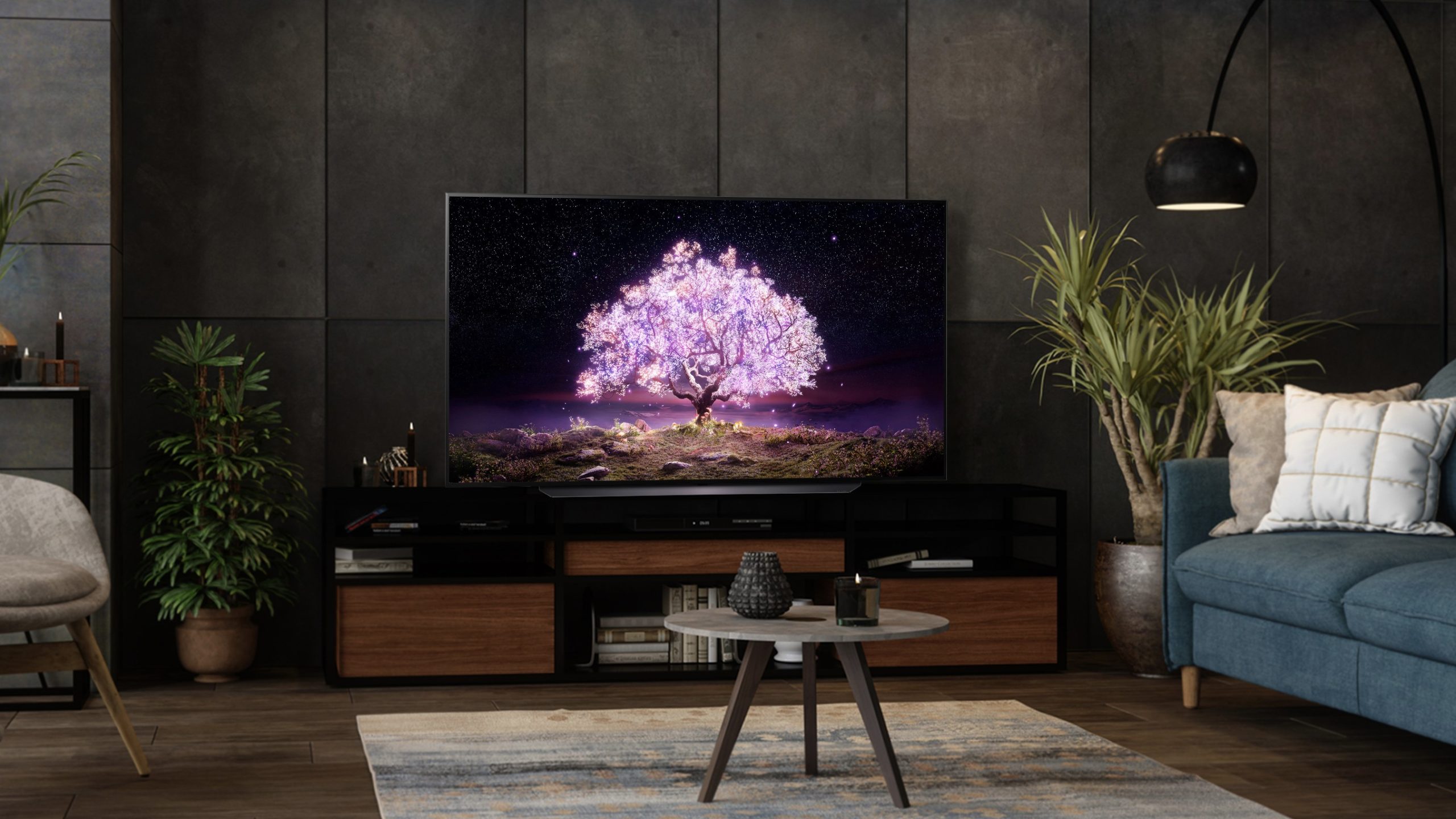
1. LG OLED TVs for sustainability
LG OLED TVs use self-illuminating pixels, helping reduce the need for backlight components while enabling thin screens and deep blacks.
LG’s OLED sustainability story is built around the way OLED panels work.
Because self-illuminating pixels do not require a separate backlight, these TVs use fewer components than LCD alternatives, which in turn reduces the amount of plastic needed in production.
The source also notes a reduced presence of harmful materials, a high recycling rate at end of life, and environmental confirmation from Société Générale de Surveillance for LG OLED TVs and panels. As a TV choice, this is less about a single model and more about selecting OLED when environmental impact is part of the buying brief, while still gaining the core OLED benefit of deep blacks and a very thin screen.
Best for: Viewers who want OLED picture traits with a stronger sustainability angle
- Self-illuminating OLED pixels need no backlight
- Fewer components than LCD TVs
- Reduced plastic use in production
- High recycling rate at end of life
Verdict: LG OLED is the most relevant choice here for buyers who want deep blacks, slim design and a better-documented environmental profile.
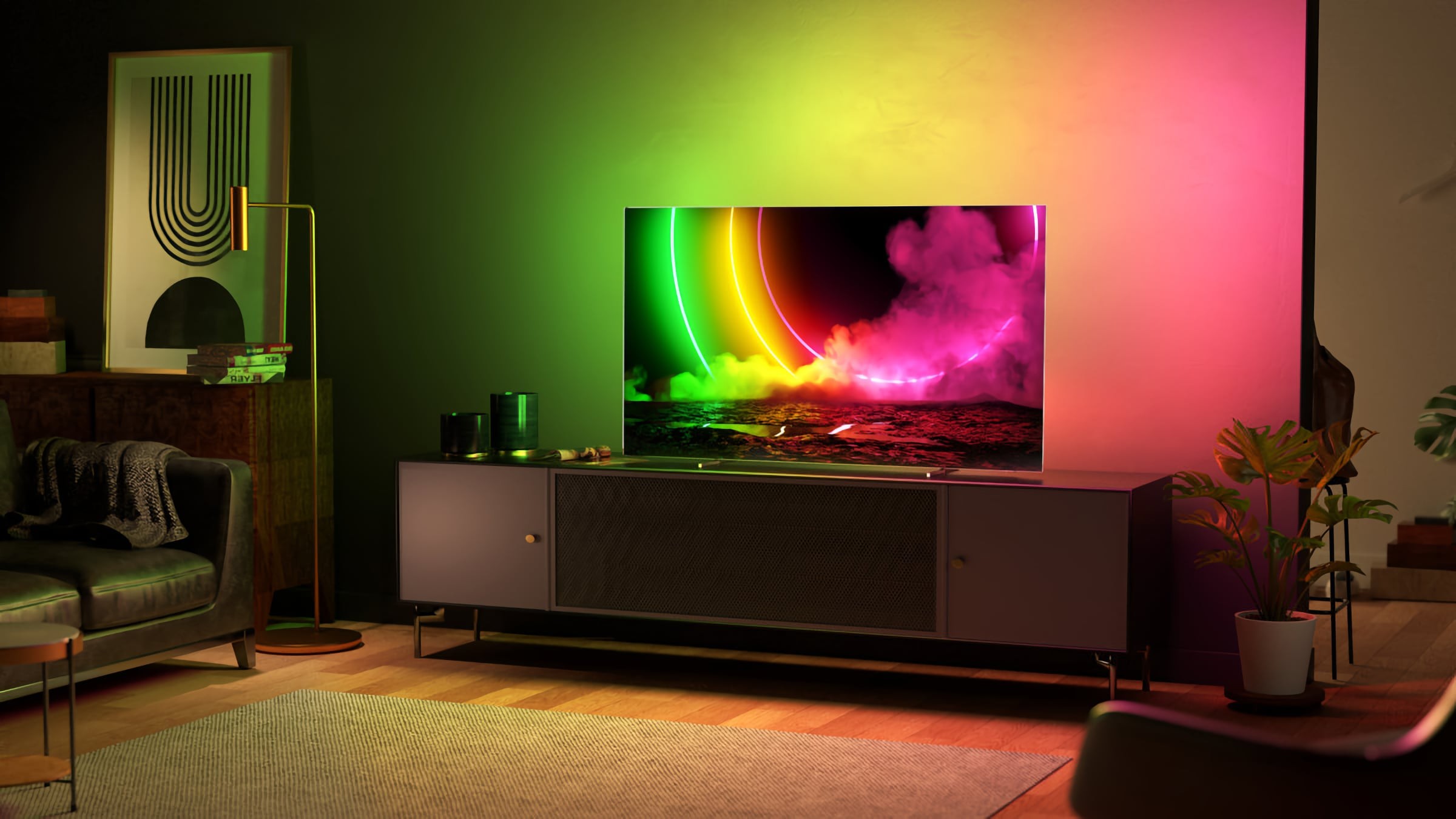
2. Philips OLED806: Ultra-thin TV with excellent image quality
Philips OLED806 pairs a thin OLED panel with 4-sided Ambilight and a low-profile stand design.
Philips OLED806 is presented as a central model in Philips’ OLED range, with an ultra-thin OLED screen, 4-sided Ambilight, an improved fifth-generation P5 processor and HDMI 2.1 connectors.
The source highlights its familiar premium design, including curved metal edges and a metal back, while also noting a practical limitation: the screen sits very low on its small legs, so a soundbar may cover part of the picture.
For viewers who want the visual character of OLED plus Philips’ room-expanding Ambilight effect, this is the most distinctive option in the list.
Best for: OLED buyers who want Ambilight and console-friendly HDMI support
- Ultra-thin OLED screen
- 4-sided Ambilight
- Improved P5 processor
- HDMI 2.1 connectivity
Verdict: Philips OLED806 stands out for combining OLED picture quality, Ambilight and HDMI 2.1, but its low stand height needs planning if a soundbar is involved.

3. Samsung The Frame will be almost twice as thin!
Samsung The Frame is built to resemble wall art, with interchangeable frames and a slimmer profile.
Samsung The Frame is the style-led TV in this selection.
It is designed to resemble a framed photograph, with a much slimmer body than before, interchangeable frame options in straight or beveled designs, and multiple frame colors.
The source also notes a broad size range, Tizen 6.0, HDR10+ Adaptive support, and portrait use for the 32-inch and 43-inch models when manually rotated. Its art-oriented function is expanded through access to a large collection of paintings and photography, while users can also display their own images.
Best for: Rooms where the TV should double as decor
- Designed to look like a framed photograph
- Slimmer 2.5 cm body
- Interchangeable frame styles and colors
- 32-inch and 43-inch models support portrait orientation
Verdict: Samsung The Frame is the right fit when appearance, framing options and art display matter as much as conventional TV use.
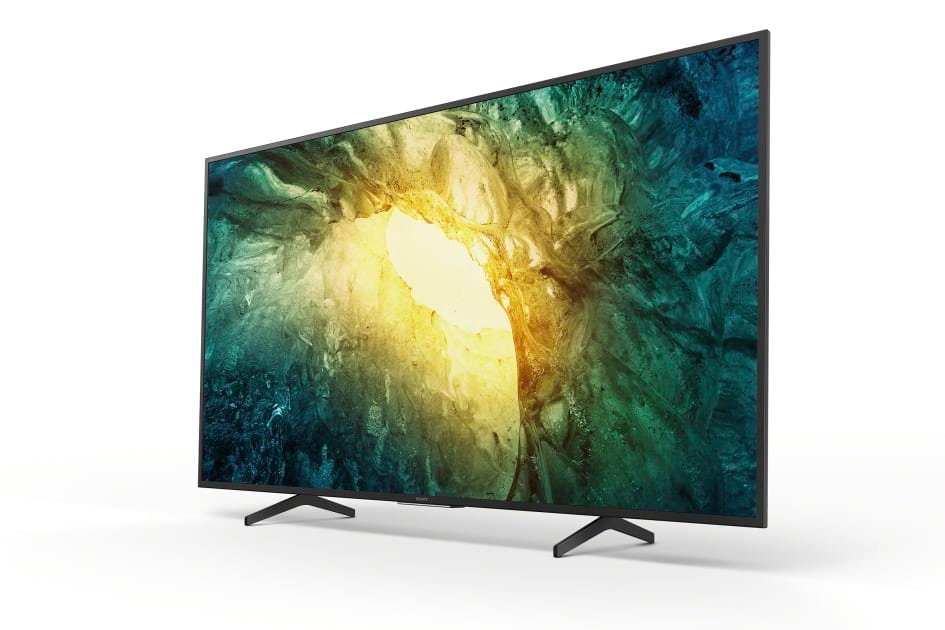
4. Sony KD-55X7055 Review • A reliable device for nighttime TV
Sony KD-55X7055 uses a stable two-leg stand and a practical, understated Bravia design.
Sony KD-55X7055 is positioned as an entry-level 4K Bravia model, but the source describes its construction as solid for the price range.
The TV uses two Y-shaped legs that keep it stable, has slightly wider bezels than higher-end Sony models, and includes clips for managing cables when used on its stand.
The article also points out that cable management is less elegant when wall-mounted, so this is better suited to buyers who value straightforward reliability over a more premium installation experience.
Best for: Straightforward 4K viewing with a stable stand setup
- Solid design for its price range
- Stable Y-shaped legs
- Included cable clips for stand use
- Workmanship described as well above average
Verdict: Sony KD-55X7055 is a sensible entry-level Bravia choice if you want dependable construction and can accept simpler wall-mount cable handling.

5. New series of LG NanoCell TVs introduced
LG NanoCell TVs combine Real 4K panels with NanoCell color technology, WebOS and ThinQ AI support.
LG’s NanoCell NANO769QA, NANO776QA and NANO756QA series are presented as Real 4K TVs with NanoCell color reproduction, the α5 Gen5 4K intelligent processor, WebOS and ThinQ AI smart-home support.
The source emphasizes a wide choice of sizes and finishes, making these models easier to match with different rooms and interiors.
Processing features include Dynamic Tone Mapping, frame analysis for tone-curve adjustment, enhanced foreground and background depth, and conversion of 2-channel audio to virtual 5.1.2-channel audio.
Best for: Households wanting a broad size choice and LG smart features
- NanoCell technology for pure color reproduction
- α5 Gen5 4K intelligent processor
- Dynamic Tone Mapping
- WebOS and ThinQ AI support
Verdict: LG NanoCell is a practical route into Real 4K viewing with broad sizing, smart-home integration and image processing aimed at natural HDR and color.

6. Differences between TCL C745 and C845 4K TVs
TCL C745 and C845 target gamers, with C845 stepping up to Mini-LED backlighting and an 85-inch size option.
TCL C745 and TCL C845 are presented as gaming-focused 4K TVs, with attention paid to dimming zones, brightness, low latency and a 240Hz picture mode.
The distinction is clear: C745 uses direct illumination and comes in 55-inch, 65-inch and 75-inch sizes, while C845 moves up to Mini-LED backlighting and adds an 85-inch option.
The source positions C745 particularly toward people who spend much of their free time on Xbox, while C845 is described as the step-up model in the range.
Best for: Gamers comparing TCL’s direct-lit and Mini-LED 4K options
- Gaming-focused positioning
- Low latency is highlighted
- 240Hz picture mode
- C845 adds Mini-LED backlighting
Verdict: Choose TCL C745 for the more accessible gaming-focused route, or TCL C845 if Mini-LED backlighting and the larger size option are priorities.
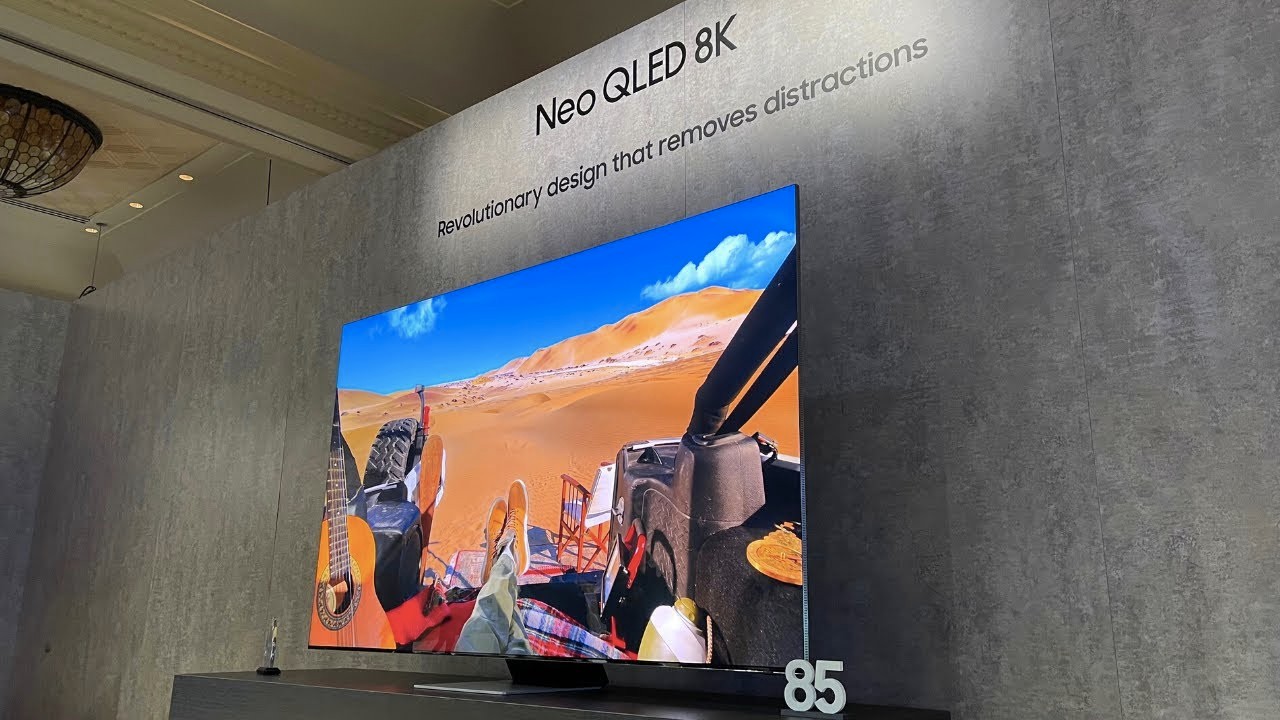
7. What was discussed at the Samsung Unbox & Discover event?
Samsung’s QLED and Neo QLED TVs emphasize processing, color certification and viewing comfort features.
Samsung’s presentation covered Neo QLED 8K, QLED TVs, soundbars and related features, with the TV highlights centered on image processing, color validation and viewing comfort.
The Neural Quantum 8K processor is described as using 20 separate neural networks to analyze and process incoming video, while Real Depth Enhancer scans the image and emphasizes foreground objects without affecting the background.
The source also notes Pantone Validated certification for QLED TVs, EyeComfort mode that adjusts brightness and color temperature according to ambient light, and Dolby Atmos support for a more immersive sound experience.
Best for: Viewers interested in Samsung’s advanced processing and QLED feature set
- Neural Quantum 8K processor
- Real Depth Enhancer
- Pantone Validated QLED color reproduction
- EyeComfort mode
Verdict: Samsung’s Neo QLED and QLED direction is strongest for buyers who value processing, color validation and ambient-light-aware comfort features.
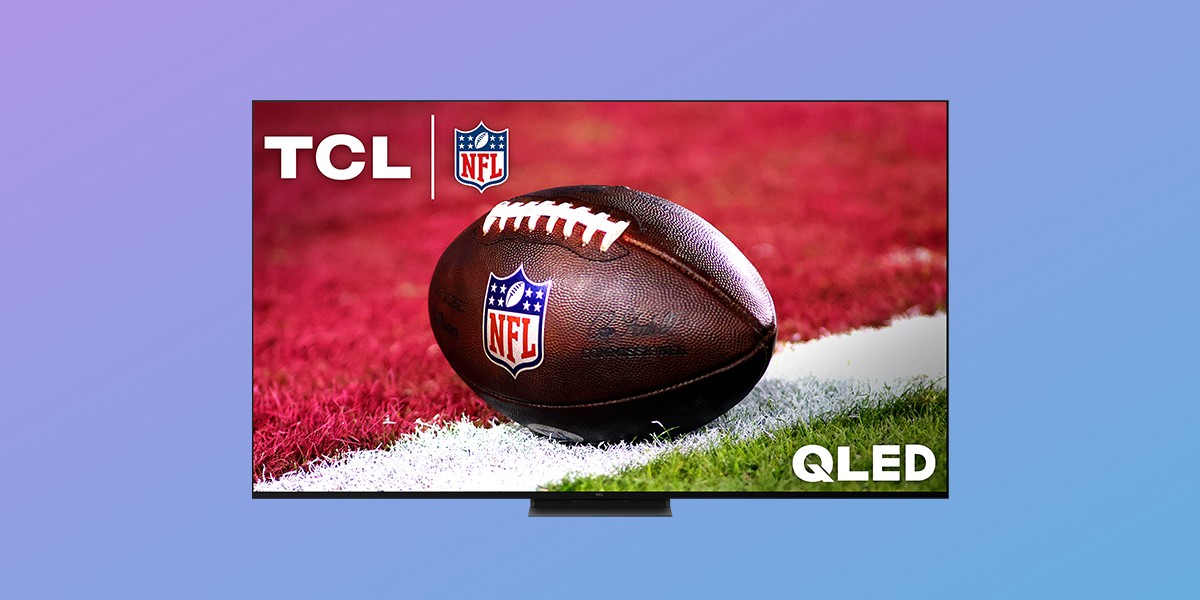
8. TCL QM8 (65QM850G): A great TV if it fits your budget
TCL QM8 uses Mini LED backlighting and a slim, minimalist frame for a bright-room-friendly 4K picture.
TCL QM8 is described as a flagship TCL effort aimed at delivering strong picture quality at a lower price point than major premium competitors.
The source highlights Mini LED backlighting, high brightness, high contrast, accurate color levels and 4K resolution, making it especially relevant for bright rooms where clarity matters.
Its design is deliberately understated, with an ultra-thin black frame, a dark metal base and a look intended to fit easily into an entertainment system.
Best for: Bright-room viewing with a strong value-performance focus
- Mini LED backlighting
- High brightness and contrast
- Accurate color levels
- Minimalist design
Verdict: TCL QM8 is the standout value-minded performance pick here if Mini LED brightness, contrast and 4K clarity are the main priorities.
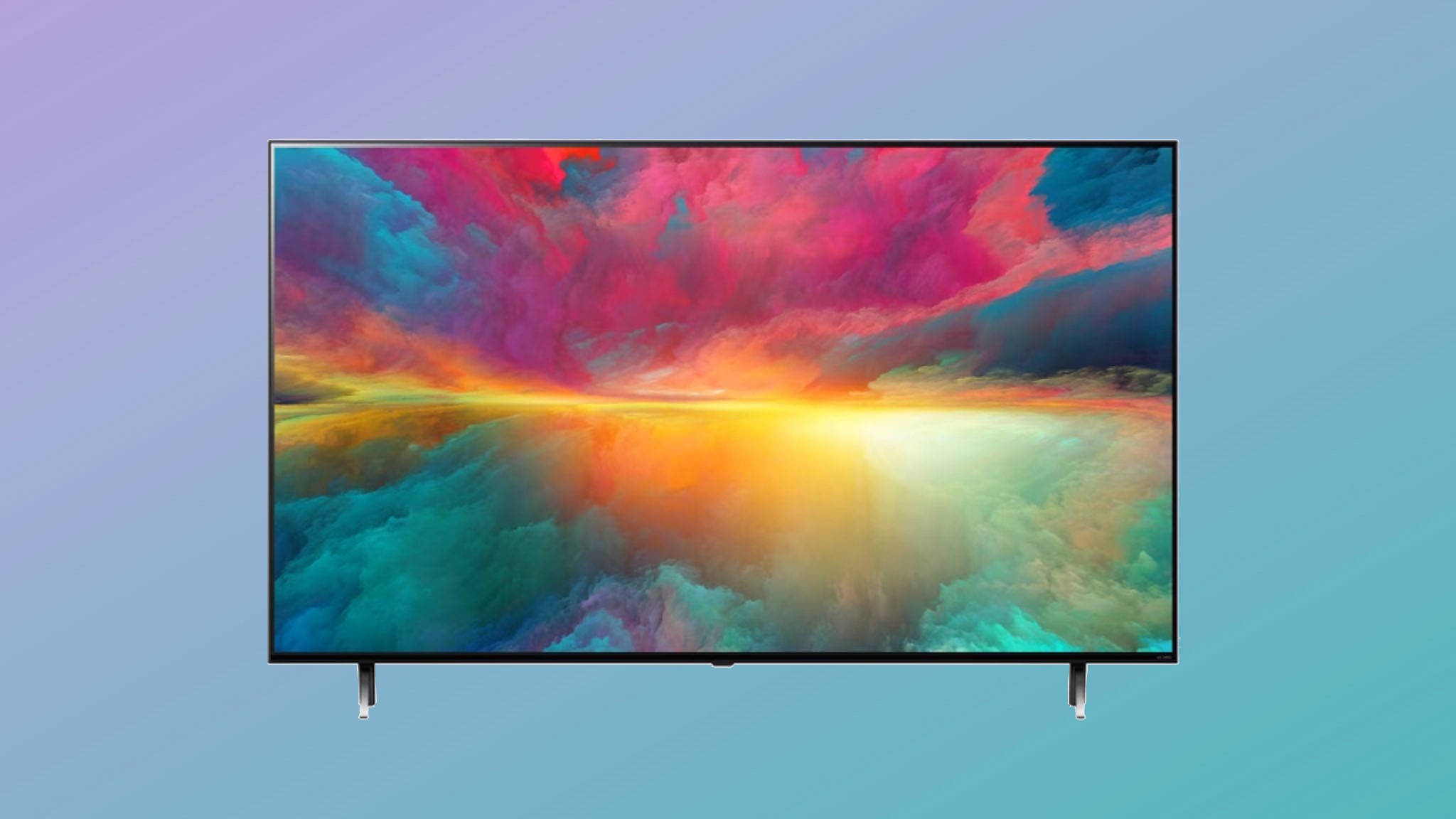
9. LG QNED75: Ultra slim TV that deliver on all aspects
LG QNED75 has minimal bezels, a slim panel profile and a QNED display positioned as its main image-quality strength.
LG QNED75 is positioned as a mid-range TV from a recognized brand, with its QNED panel identified as the key strength.
The source credits that panel with doing a good job with backlighting and overall image quality.
Design is another part of the appeal: minimal front bezels, an ash-blue frame treatment, a black rear casing and a metallic stand. The article also notes VESA compatibility for wall mounting, making it a flexible option for buyers who want a slim, simple screen rather than a design statement.
Best for: Mid-range buyers wanting a slim LG TV with QNED backlighting
- QNED panel is highlighted as the main strength
- Good backlighting performance is noted
- Minimal front bezels
- VESA wall-mount compatibility
Verdict: LG QNED75 is a clean mid-range choice for those who want LG’s QNED panel approach, slim styling and straightforward installation flexibility.

10. Toshiba unveils x8900KE ultra slim OLED TV
Toshiba x8900KE combines an ultra-slim OLED body with pixel-level dimming and REGZA picture processing.
Toshiba x8900KE is an ultra-slim OLED TV built around comfort, wall-friendly placement and picture optimization.
The source states that its 4.9 mm thinness helps it sit close to a wall, while the OLED panel uses individually lit organic LEDs that can turn off pixel by pixel for deep blacks.
Image processing is handled by the REGZA Graphics Engine 4K PRO with AI Picture Optimizer, which analyzes the frame, identifies one of 11 common scenarios and adjusts the picture. Dolby Atmos support is also included for surround sound.
Best for: Wall-focused OLED installations with automated picture optimization
- 4.9 mm ultra-slim body
- OLED panel with pixel-level dimming
- REGZA Graphics Engine 4K PRO
- Dolby Atmos support
Verdict: Toshiba x8900KE is a compelling OLED option if an extremely thin profile, deep blacks and AI-assisted picture adjustment are high on the list.
Quick comparison
These TVs and TV articles point to different buying priorities rather than a single universal winner.
The clearest separation is by use case: OLED for black levels and thinness, Mini LED for brightness and contrast, design-led models for visible living spaces, and gaming-focused sets for console features.
| Product | Best for | Verdict |
|---|---|---|
| LG OLED TVs for sustainability | Sustainability-minded OLED buyers | Most relevant when reduced components, lower plastic use and recyclability are part of the decision. |
| Philips OLED806 | OLED with Ambilight | A strong choice for those who want Philips’ 4-sided Ambilight, HDMI 2.1 and a thin OLED design. |
| Samsung The Frame | Interior-focused rooms | Designed to look like framed art, with interchangeable frames and portrait use on smaller models. |
| Sony KD-55X7055 | Simple entry-level Bravia viewing | Prioritizes solid construction, stand stability and practical everyday use over premium installation extras. |
| LG NanoCell NANO769QA, NANO776QA and NANO756QA | Broad size choice and LG smart features | Offers NanoCell color, Real 4K, WebOS, ThinQ AI and α5 Gen5 processing across multiple sizes. |
| TCL C745 and C845 | Gaming-focused TCL shoppers | C745 uses direct illumination, while C845 steps up to Mini-LED and adds a larger size option. |
| Samsung Neo QLED 8K and QLED features | Advanced processing and comfort features | Highlights Neural Quantum 8K processing, Real Depth Enhancer, Pantone validation and EyeComfort mode. |
| TCL QM8 (65QM850G) | Bright-room Mini LED performance | Combines Mini LED backlighting, high brightness, contrast and accurate color levels with value-oriented positioning. |
| LG QNED75 | Slim mid-range QNED viewing | A straightforward LG option with a QNED panel, minimal bezels and VESA mounting compatibility. |
| Toshiba x8900KE | Ultra-slim wall-mounted OLED setups | Pairs a 4.9 mm body with OLED pixel-level dimming, REGZA processing and Dolby Atmos support. |
Frequently asked questions
Should I choose OLED, Mini LED, QNED or NanoCell?
Choose OLED if deep blacks, a very thin screen and pixel-level dimming are priorities, as seen with LG OLED, Philips OLED806 and Toshiba x8900KE.
Mini LED, represented here by TCL C845 and TCL QM8, is highlighted for brightness and contrast, which suits brighter rooms.
LG QNED75 focuses on a QNED panel and backlighting quality, while LG NanoCell emphasizes pure color reproduction, Real 4K and smart processing.
Which features matter most for gaming?
Look for the features specifically identified for gaming in the source material: HDMI 2.1 on Philips OLED806, and low latency, a 240Hz picture mode and gaming-focused positioning on TCL C745 and C845.
TCL C745 is described as aimed at Xbox users, while C845 is the step-up option with Mini-LED backlighting.
What should I check before adding a soundbar or wall mounting a TV?
Check stand height, cable routing and mounting compatibility.
Philips OLED806 sits only a couple of centimeters above furniture, so a soundbar may cover part of the screen.
Sony KD-55X7055 includes cable clips for stand use but offers less built-in help for wall-mounted cable management. LG QNED75 is noted as VESA-compatible, while Toshiba x8900KE’s very thin body is presented as suitable for close-to-wall placement.
Is a design-focused TV still practical for regular viewing?
It can be, as long as the design features match the room and usage.
Samsung The Frame is made to resemble framed art and supports interchangeable frames, while still using Tizen 6.0 and HDR10+ Adaptive according to the source.
Its smaller 32-inch and 43-inch versions can also be manually rotated for portrait viewing, which is useful for art, photos and vertical content.
How to make the right TV choice
Start with the room, not the spec sheet.
A bright living room points naturally toward the Mini LED strengths described for TCL QM8 or the step-up TCL C845.
A darker viewing space, a wall-focused setup or a preference for deep blacks makes OLED more relevant, whether through LG’s sustainability-focused OLED approach, Philips OLED806 with Ambilight, or Toshiba x8900KE with its ultra-slim body and pixel-level dimming. Next, consider how visible the TV will be when it is off. Samsung The Frame is the most design-specific option because its whole purpose is to resemble framed artwork, with interchangeable frames and art display features. LG QNED75 also makes sense for a cleaner mid-range installation thanks to its slim look, minimal bezels and wall-mount compatibility. If practicality and stability matter more than visual drama, Sony KD-55X7055 is supported by a solid stand design and good workmanship for its price range. Finally, match features to habits. Console players should prioritize the gaming-related details called out in the source material, including Philips OLED806’s HDMI 2.1 and TCL C745/C845’s low latency and 240Hz picture mode. Smart-home users may gravitate toward LG NanoCell models with WebOS and ThinQ AI, while buyers concerned with environmental impact have the strongest source grounding in LG OLED’s reduced component count, lower plastic use and recyclability. The best purchase is the one whose strengths solve your actual viewing problem rather than the one with the longest feature list.
