

True wireless earbuds designed specifically for gaming are still a relatively small category. If you’re looking for in-ears that combine low-latency 2.4 GHz wireless, Bluetooth for everyday use, and active noise cancellation, the shortlist becomes surprisingly narrow. That is exactly where the SteelSeries Arctis GameBuds position themselves: as an all-in-one solution for gaming, calls, and casual listening.
After extended use, the GameBuds reveal themselves as a clever hybrid between gaming gear and lifestyle earbuds. They deliver convincing sound, strong ergonomics, and excellent low-latency performance, but not without a few compromises in areas like noise-cancelling behavior and connectivity flexibility.
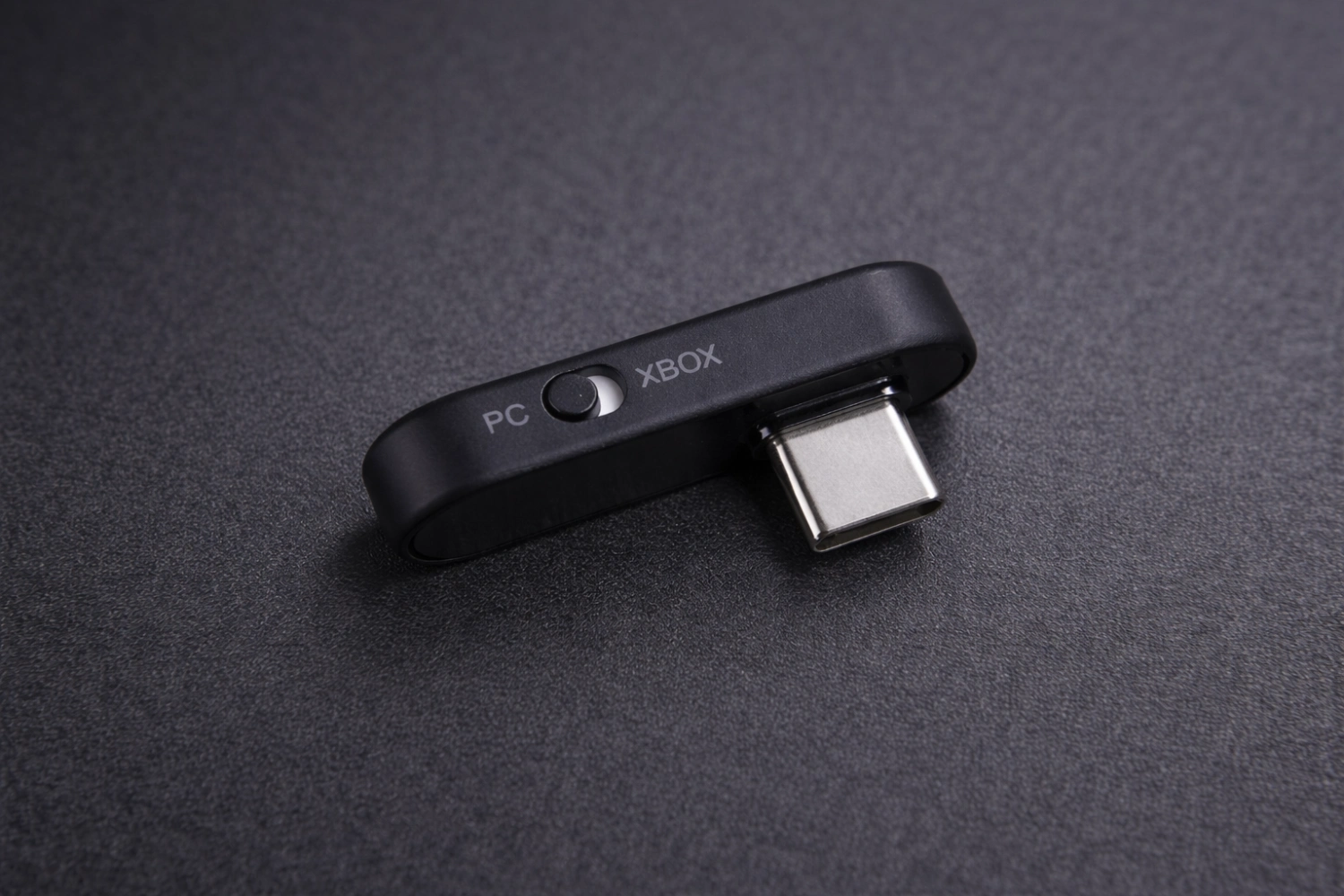
The Arctis GameBuds are built around dual-mode wireless operation. Using the included 2.4 GHz USB dongle, they connect to PCs, consoles, and mobile devices with extremely low latency, crucial for gaming. At the same time, they can maintain a Bluetooth connection to a phone, allowing you to take calls without removing the earbuds or interrupting your session entirely.
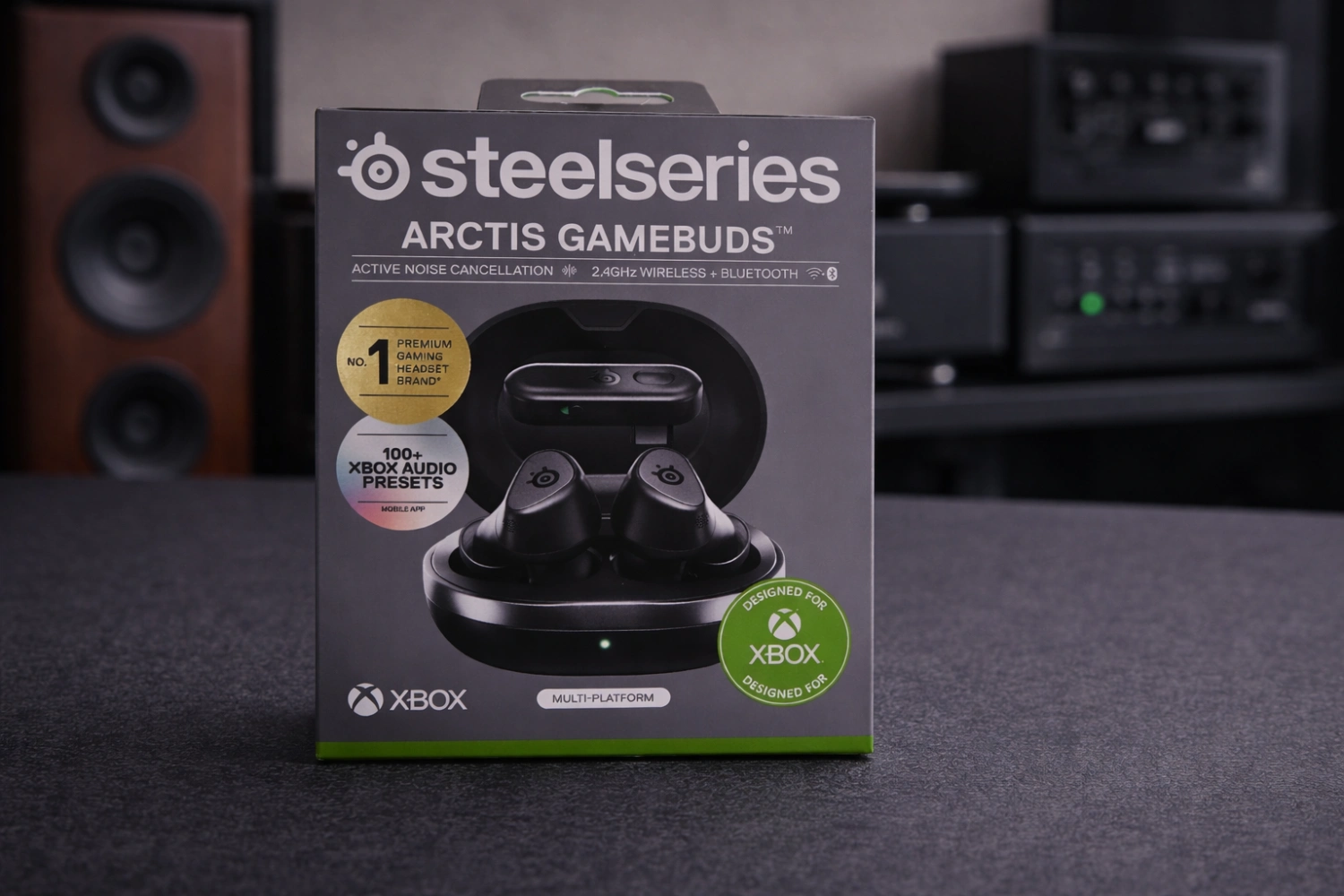
This hybrid setup is one of the product’s biggest strengths. In everyday use, it works reliably and intuitively: a call comes in, you tap the earbud, and you’re instantly connected.
However, this is not a true multipoint system. You can only keep one Bluetooth device paired at a time, and switching between multiple phones or tablets requires manual re-pairing. For some users, that will be a limitation.
Two hardware variants are available: one optimized for Xbox compatibility and one for PlayStation. The Xbox version works across more platforms, while the PlayStation model is available in a white finish.
Packaging, design, and build
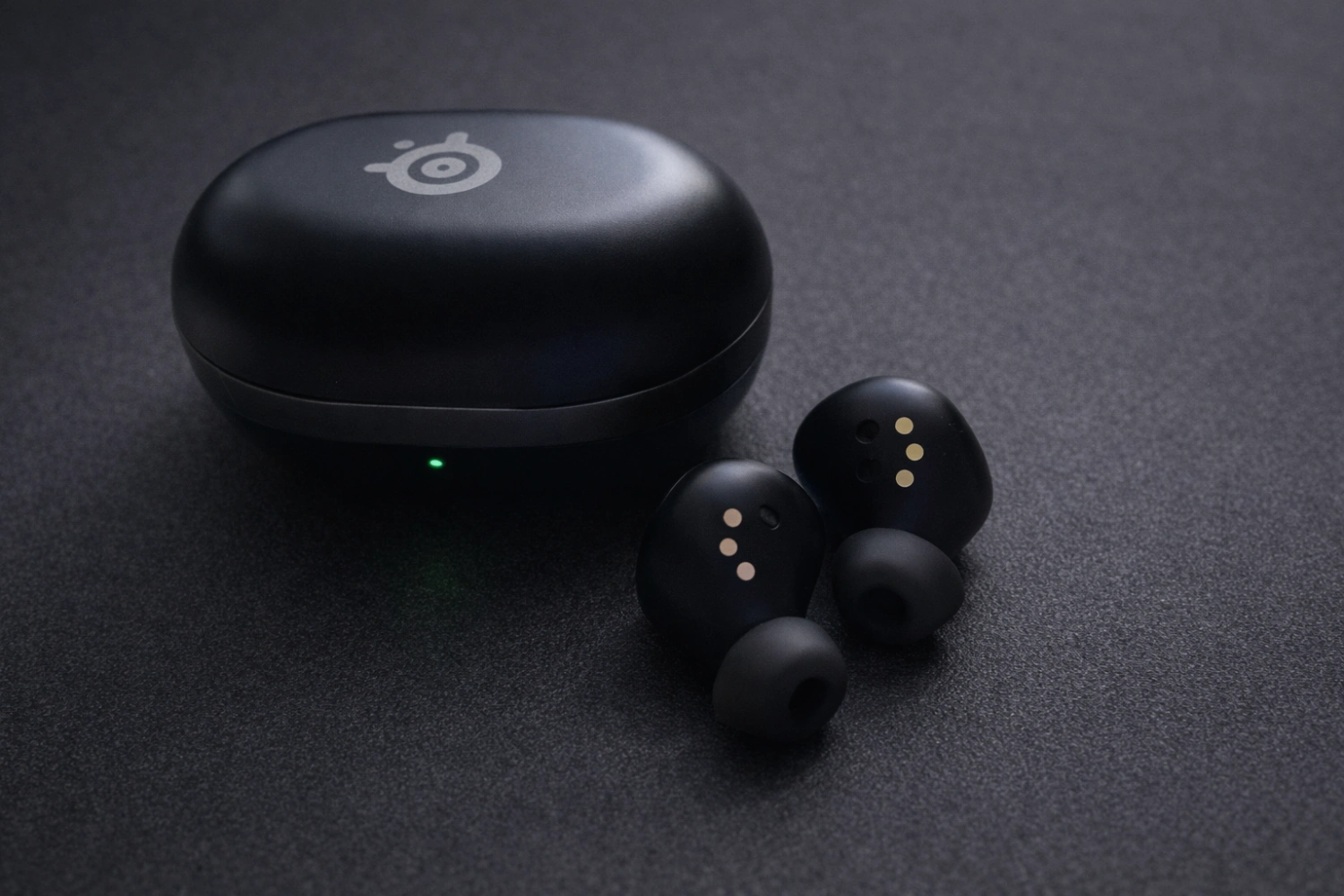
The box includes:
-
The earbuds
-
Charging case
-
2.4 GHz USB dongle
-
USB adapter
-
Three sizes of silicone ear tips
-
Documentation
The charging case is reasonably compact, especially considering it also stores the wireless dongle. Still, it is larger than typical lifestyle earbud cases. Build quality is functional rather than luxurious. The plastic shell feels lightweight, and the lid lacks the reassuring solidity found in more premium designs.
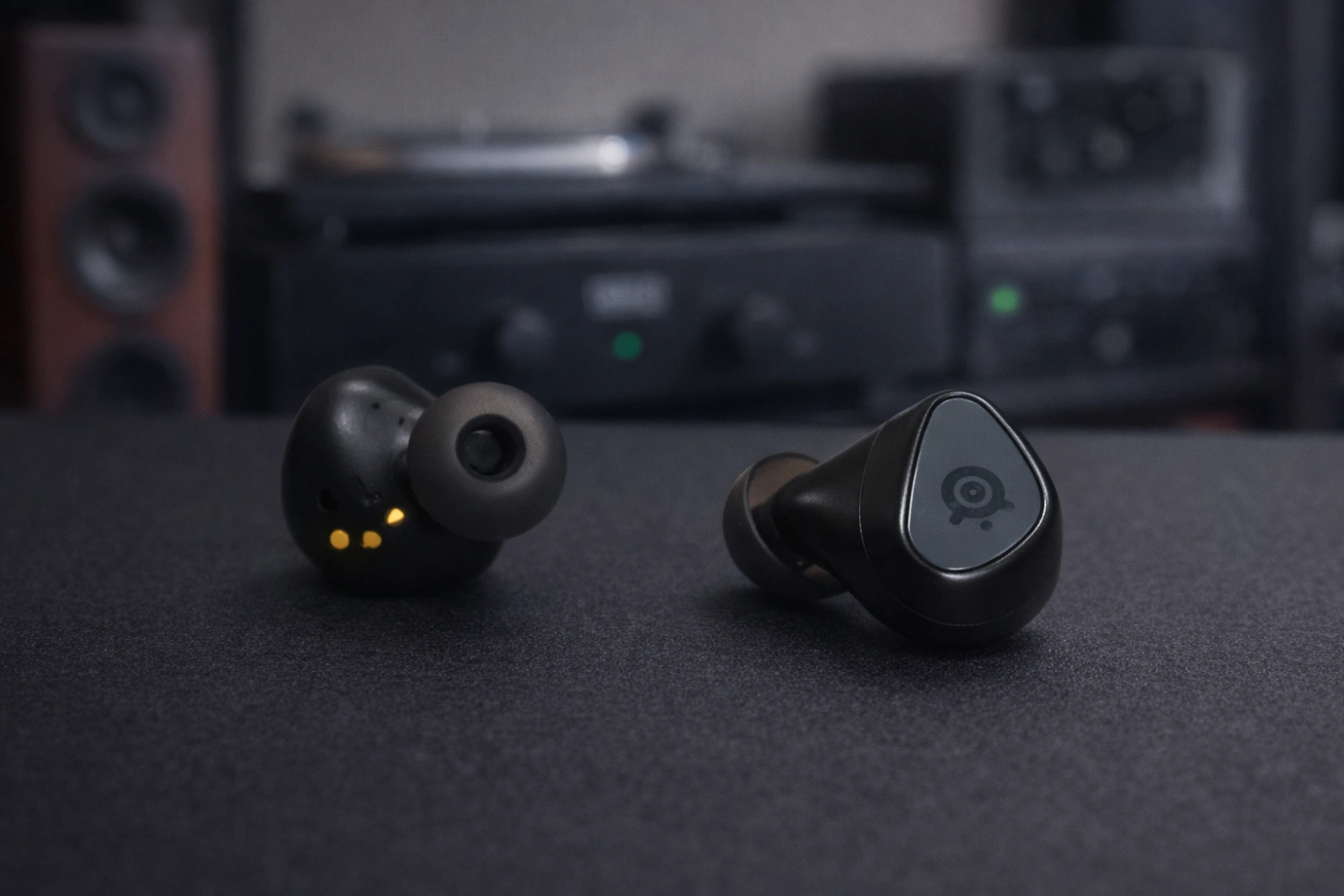
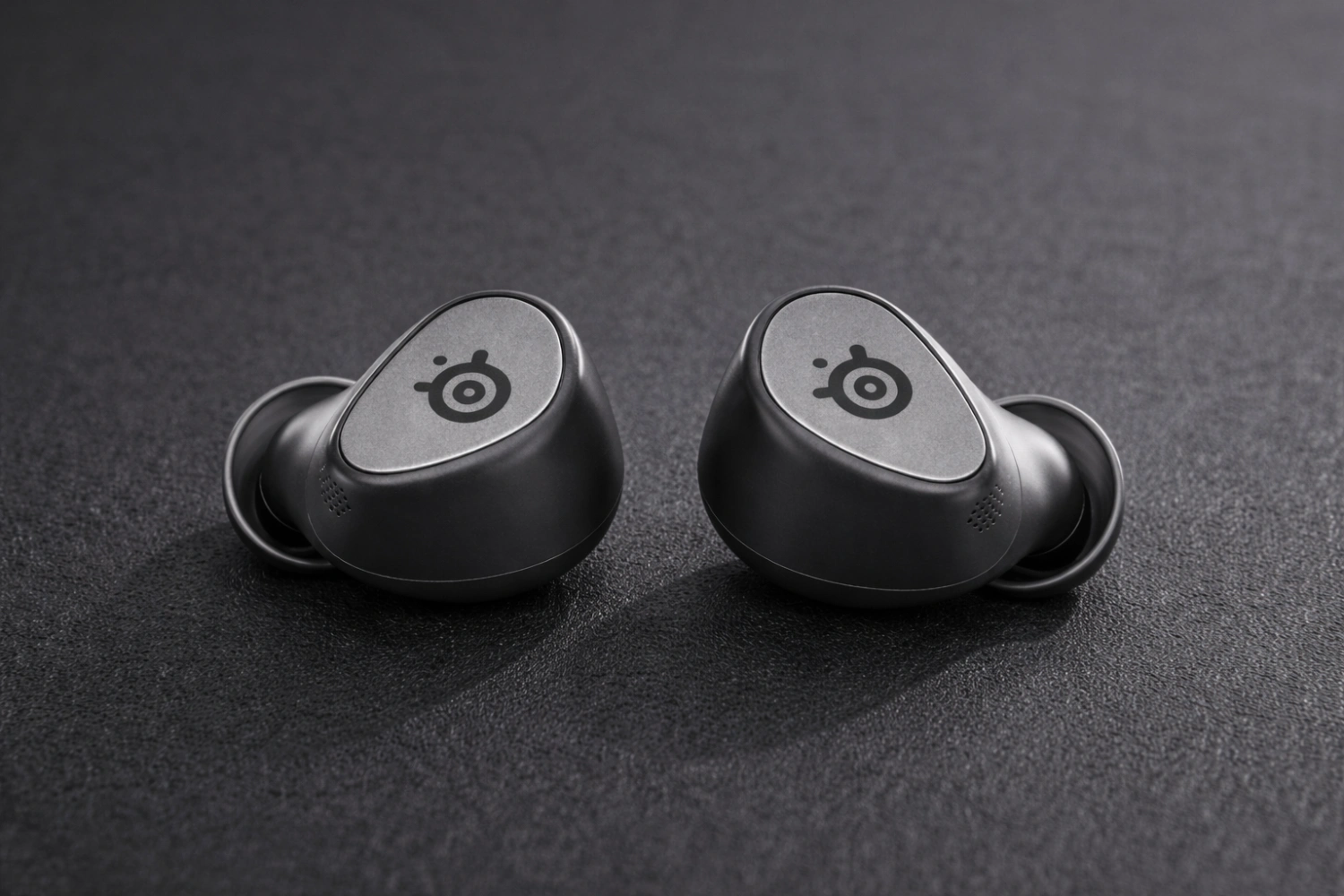
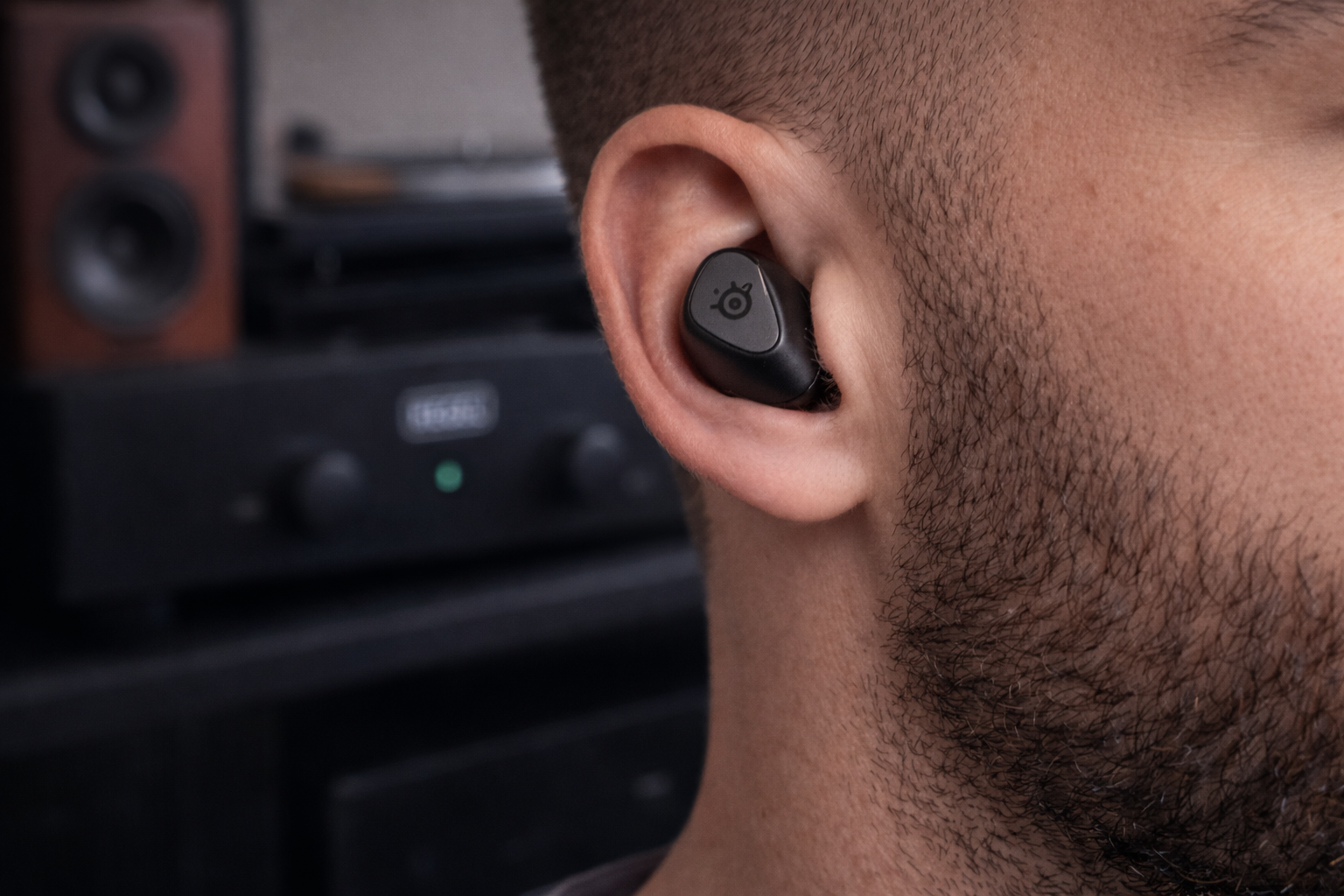
The earbuds themselves are more convincing. They feel sturdy, well-assembled, and comfortable in hand. The design is a classic in-ear shape without stems, giving them a discreet, slightly more technical appearance compared to mainstream consumer models.
Comfort and controls
In use, the GameBuds are comfortable and secure. Once inserted, they stay in place even during long walks or extended listening sessions. Their snug fit also contributes to passive isolation, which is already quite effective before any electronic noise-cancelling is activated.
The downside of this tight seal is the typical “occlusion effect”: body sounds and footsteps can feel slightly amplified, creating an underwater-like sensation. This is common with well-sealing in-ears and is not particularly intrusive, but it is noticeable.
Control is handled via physical buttons on the earbuds. The tactile feedback is soft and precise, avoiding the accidental touches that plague many touch-sensitive designs. All essential functions are present:
-
Volume control
-
Track navigation
-
Play/pause
-
Microphone mute
-
ANC/transparency switching
-
Dongle/Bluetooth switching
The companion app allows full customization of these controls.
Sound quality
From a hi-fi perspective, the Arctis GameBuds deliver a surprisingly mature and balanced presentation. The default tuning leans slightly warm, with a satisfying low-end presence that adds weight without overwhelming the rest of the spectrum.
Tonal balance
-
Bass: Full, rounded, and controlled. There is enough sub-bass extension to give explosions and cinematic effects real impact, but the bass does not dominate the mix.
-
Midrange: Clear and intelligible, with good presence for voices, dialogue, and in-game cues.
-
Treble: Smooth and non-fatiguing. There is enough sparkle to maintain detail, but the tuning avoids the harshness that often appears in gaming-focused products.
The overall sound is engaging and easy to listen to for long sessions. It may not match dedicated audiophile in-ears in terms of resolution or micro-detail, but within the gaming-earbud category, it stands comfortably above average.
Gaming performance
Where the GameBuds truly shine is in spatial performance. Positional cues are precise, and the low-latency wireless connection ensures that sound effects remain tightly synchronized with on-screen action. Even in fast-paced titles, there is no noticeable delay.
Volume headroom is also impressive for such a compact form factor, easily matching many full-size gaming headsets.
Active noise cancellation and transparency
The noise-cancelling system is the most controversial aspect of the GameBuds.
In isolation, the passive seal already blocks a significant amount of external noise. As a result, the electronic ANC effect feels more subtle than dramatic. It reduces background rumble and ambient noise, but it does not create the near-silence you might expect from the best lifestyle earbuds.
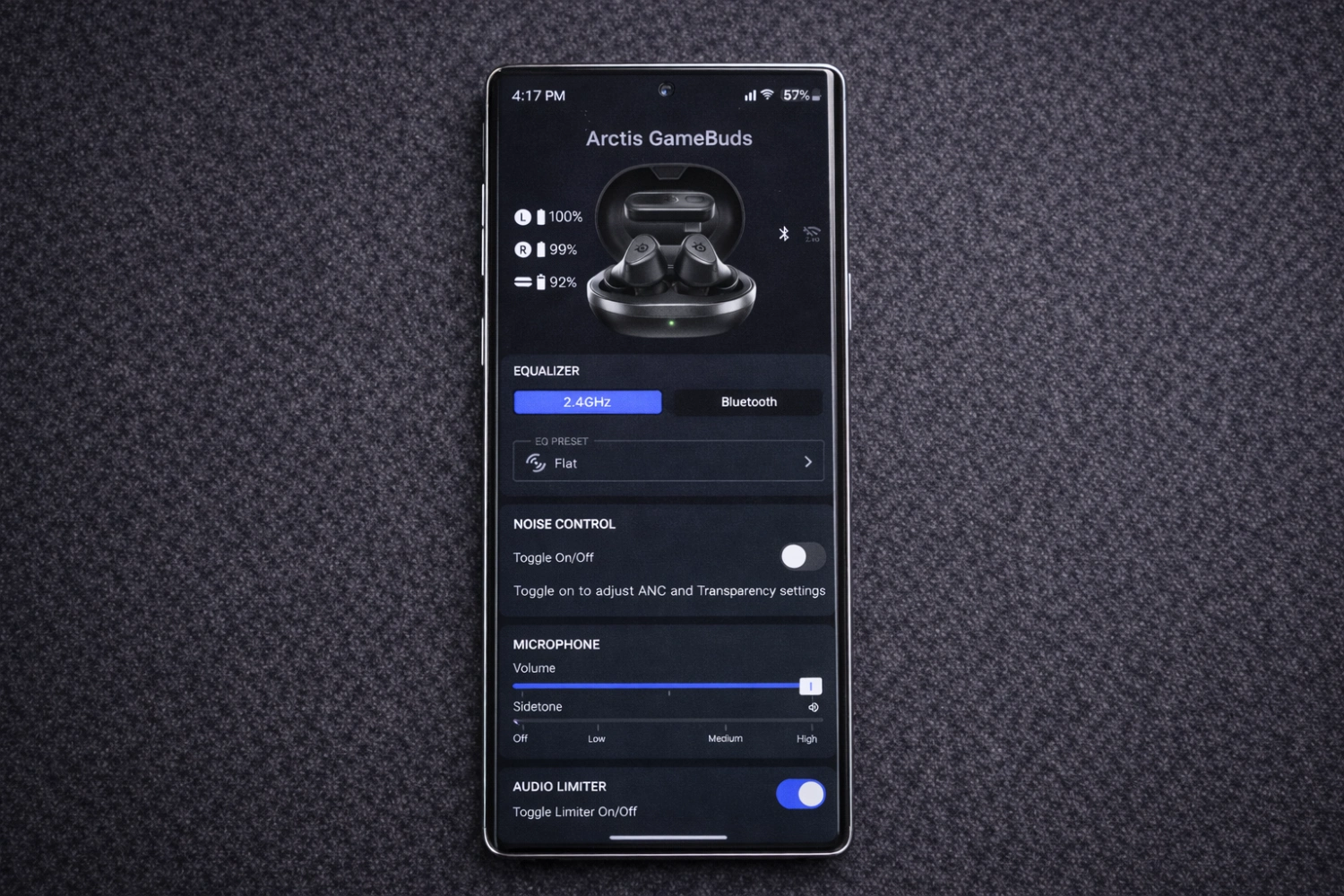
Transparency mode, on the other hand, can amplify surrounding sounds effectively—but the behavior of both modes is tied to a separate microphone-monitoring setting in the app. By default, this setting is only partially enabled, which can create confusing results:
-
With ANC on, some external sound is still piped in.
-
With the microphone monitoring disabled, ANC works more convincingly, but transparency becomes very quiet and unnatural.
This shared control makes the experience less intuitive than it should be. You often need to adjust the slider manually depending on which mode you want to use.
There is also a faint background hiss when ANC is active. It is mostly inaudible outdoors or during playback, but in a silent room, it becomes noticeable.
At very high volumes with heavy bass content, the ANC can occasionally react to the low-frequency energy and produce audible artifacts. This is not a common scenario, but it does occur.
Overall, the ANC system is usable and reasonably effective, but it does not reach the refinement or silence of the best noise-cancelling earbuds on the market.
Software and equalization
The SteelSeries app is one of the highlights of the package. It is available for both PC and mobile, and settings sync properly across platforms.
The equalizer is unusually flexible, allowing deep tonal adjustments. In addition, there are hundreds of game-specific presets designed to enhance positional cues or tame harsh frequencies in particular titles. These presets are not gimmicks; they can make a noticeable difference.
For example, certain presets can smooth out overly bright soundtracks or enhance environmental details in competitive games.
Battery life and charging
Battery performance is solid for this category. The earbuds are rated for:
-
Up to 8 hours without ANC
-
Additional charges from the case for extended total runtime
In real-world use, they easily last through long gaming sessions or a full day of mixed listening.
The charging case also supports wireless charging, which adds convenience for users already invested in wireless charging setups.
Conclusion
The SteelSeries Arctis GameBuds are a compelling hybrid between gaming and lifestyle earbuds.
For gamers who want a compact, cable-free solution that works across multiple devices and still delivers enjoyable sound quality, the GameBuds are a very attractive option. They are especially well-suited to users who want to move seamlessly between gaming, calls, and music without switching headphones.
They are less ideal for users who demand class-leading noise cancellation, true multipoint Bluetooth, or the refinement of dedicated audiophile in-ear monitors. But within their niche, they strike a very appealing balance between performance, flexibility, and everyday usability.




Sound Off
0Join the discussion if you have something to add.