
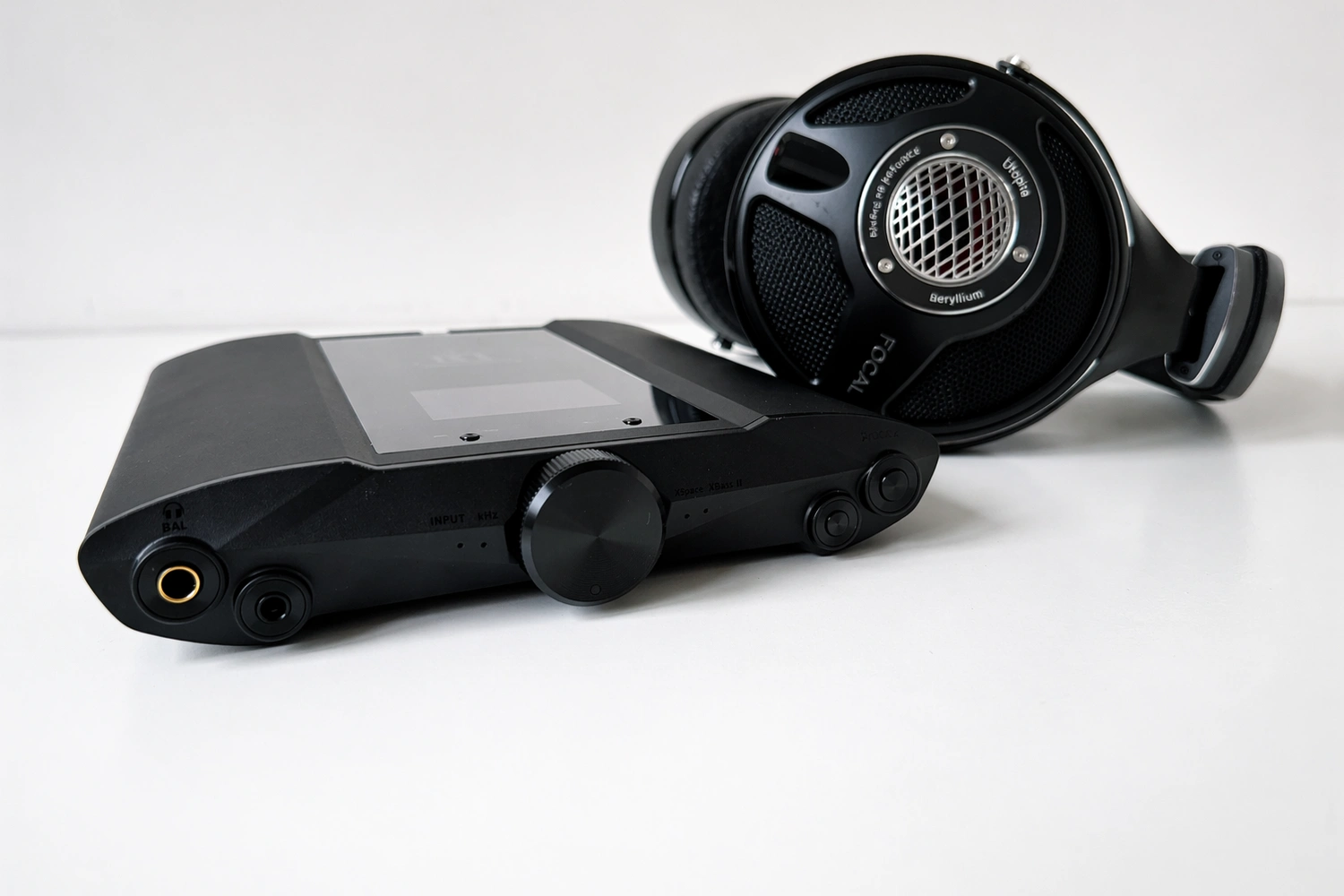
There are portable DAC/amps, and then there are devices like the iFi iDSD Valkyrie, products that blur the line between transportable convenience and full-scale desktop ambition. On paper, it’s a battery-powered unit you can take with you. In reality, it’s something far more serious.
Priced at around $1700, the Valkyrie sits firmly in flagship territory. It’s not designed to compete with dongles or pocket-sized players. Instead, it aims to deliver reference-level performance in a form factor that can still travel, even if your backpack will definitely notice it.
Design and build, premium without theatrics
The unboxing experience sets the tone. This is not a lightweight product in any sense, and even the packaging reflects that. A substantial outer box opens to reveal a beautifully finished wooden case, complete with subtle Valkyrie-inspired detailing. It feels more like opening a high-end instrument than a portable DAC.
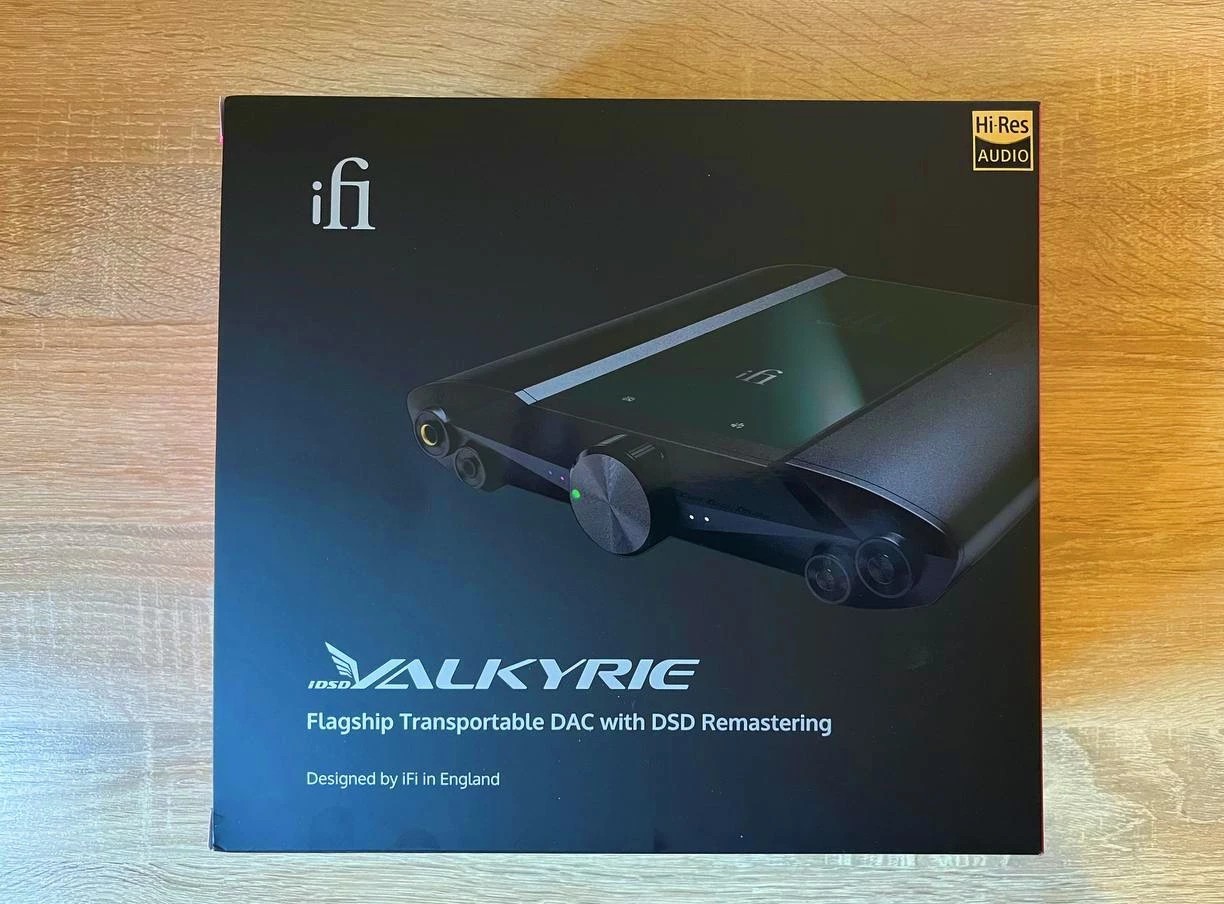
Inside, the accessory bundle is generous and genuinely useful. You get a carrying case, USB-C cables, adapters, optical connectivity, and iFi’s own SilentPower iPower X supply. Nothing feels like filler.

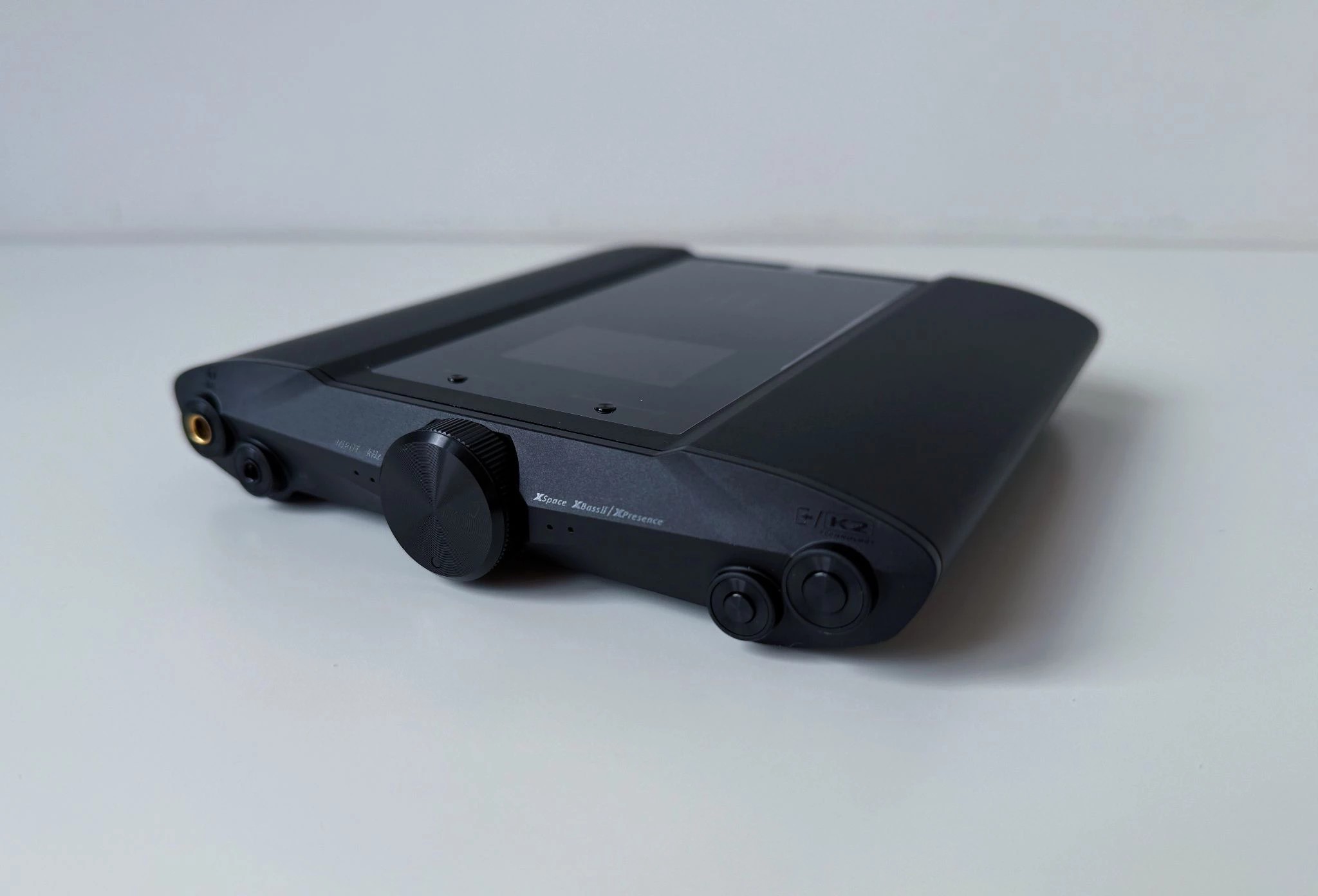
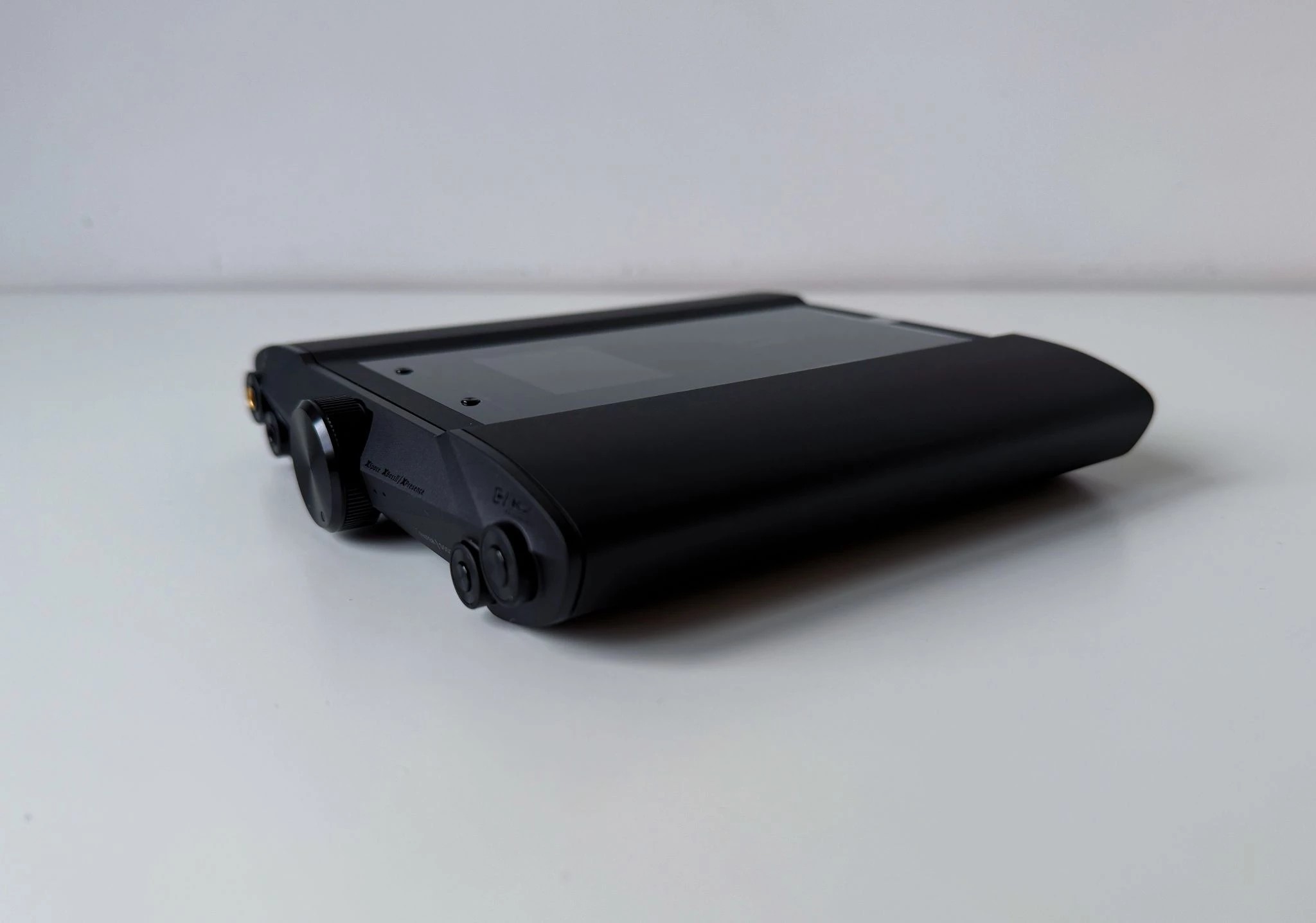
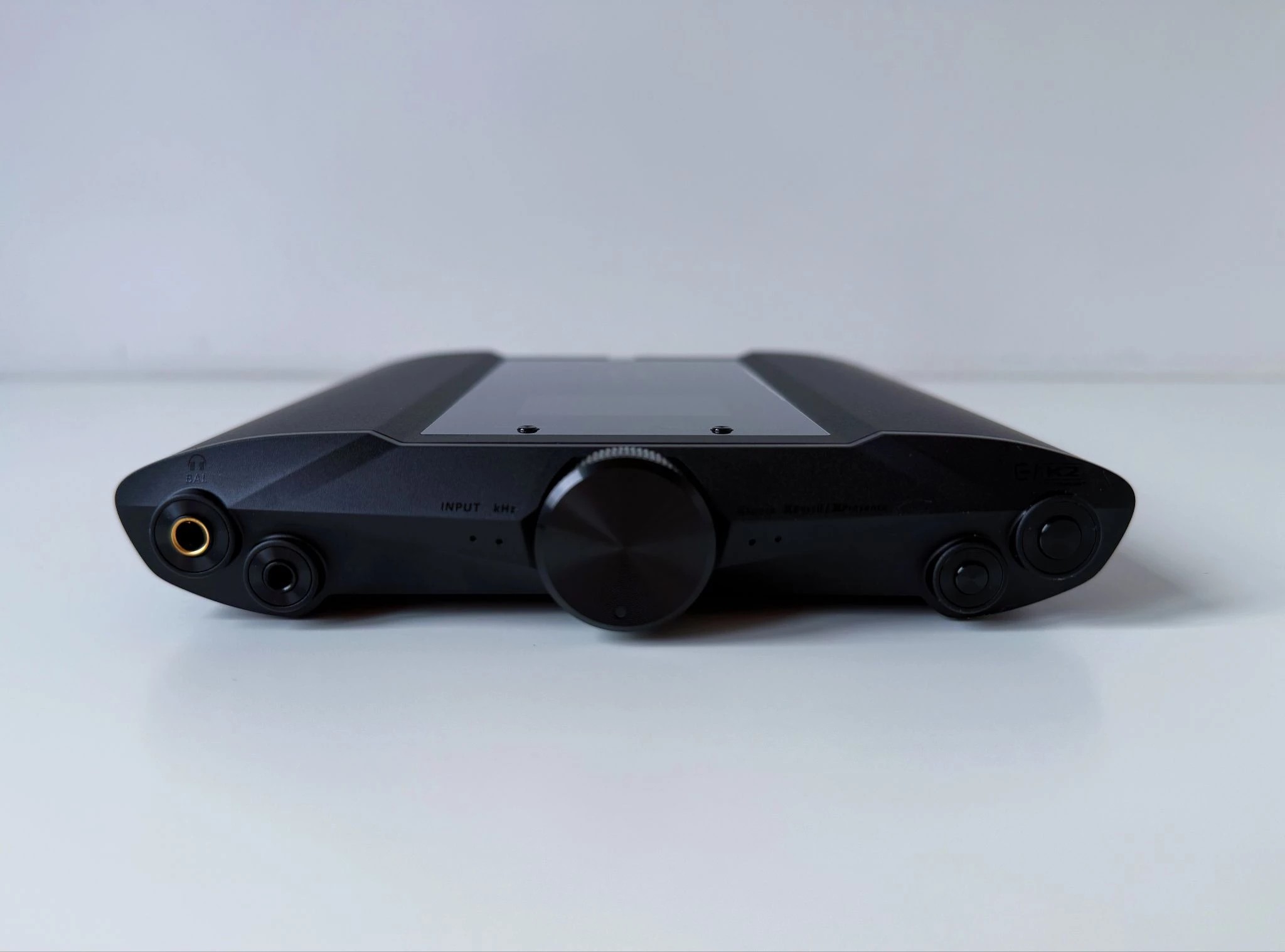
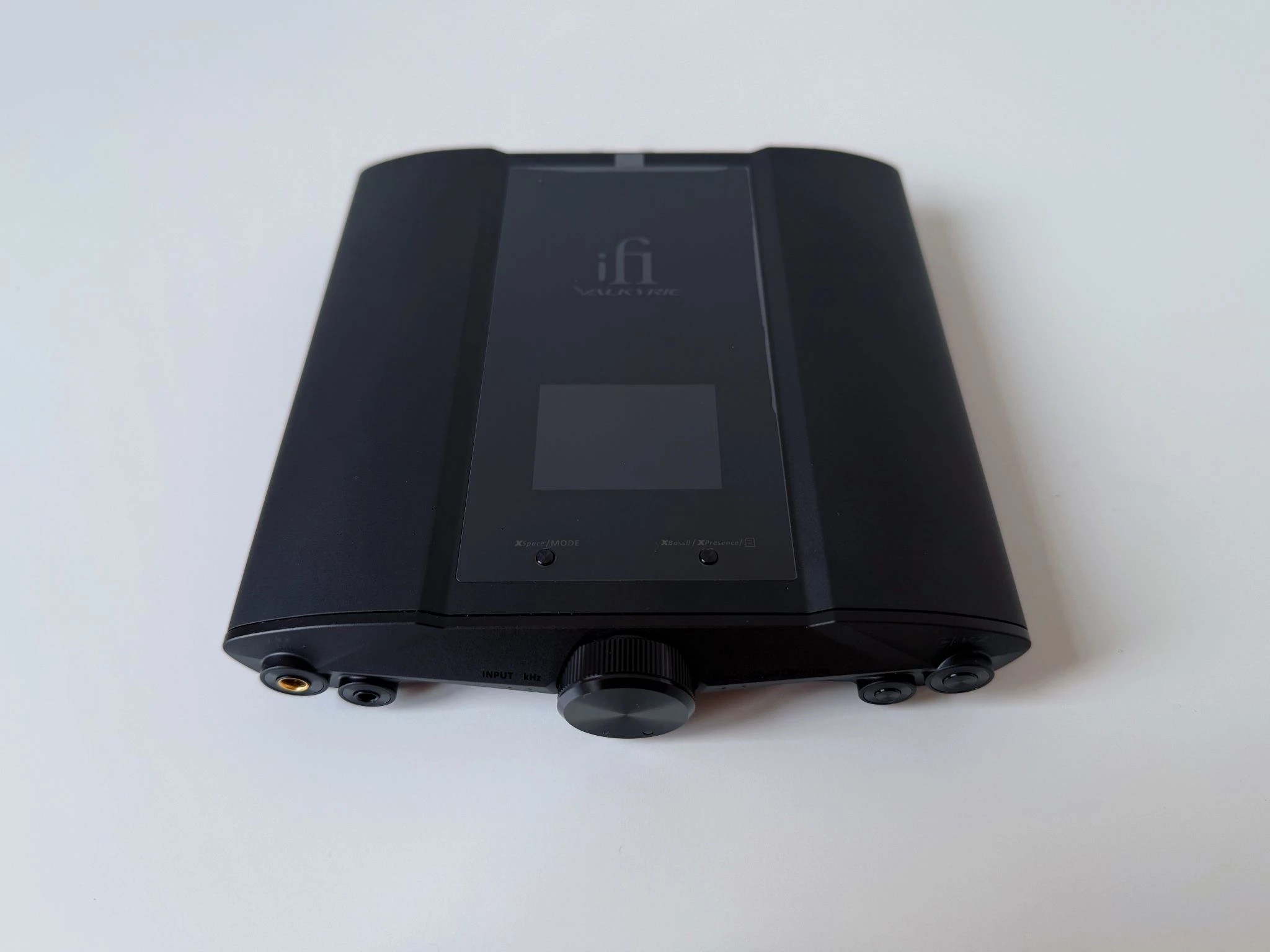
The unit itself is understated. No flashy design tricks, no unnecessary styling, just a dense, solid block of aluminum and glass that feels every bit like a premium piece of hi-fi equipment. The tactile controls are excellent, especially the volume wheel, which offers precise, confident adjustment.
At 172 × 160 × 30 mm and nearly 900 grams, calling it “portable” requires some context. This is not a pocket device. But compared to a full desktop stack, it’s remarkably compact. Think of it as transportable rather than portable.
Features and flexibility, a true digital hub
The Valkyrie is built around a quad Burr-Brown DAC architecture in a hybrid multibit configuration, a design philosophy that leans toward musicality rather than clinical precision. It supports PCM up to 32-bit/768 kHz and native DSD512, with internal DSD1024 remastering available via FPGA.
Connectivity is extensive. USB-C, coaxial, optical, balanced and unbalanced analog inputs, balanced and single-ended headphone outputs, RCA line out — it can function as a DAC, preamp, headphone amplifier, or all of the above within a larger system.
Wireless performance is equally serious, with Bluetooth 5.4 and support for LDAC, aptX Lossless, and more, powered by Qualcomm’s latest platform.
Output power is substantial. With up to 5700 mW from the balanced output, the Valkyrie can drive almost any headphone with authority. It handles full-size dynamics and most planars confidently, while still offering usable control with sensitive IEMs, although a slight background hiss can appear depending on pairing. The built-in IEMatch helps, but it’s something to be aware of.
Customization is where iFi really leans in. DSD remastering, K2HD processing, XBass, XPresence, XSpace, and multiple digital filters give you an unusually wide palette to shape the sound. Whether you use them or not will depend on your philosophy, purist or tweaker, but the flexibility is impressive.
Battery life is rated at up to 18 hours from a 20,000 mAh pack, with fast charging bringing it back to full in roughly 2.5 hours. Considering the output power, that’s genuinely strong performance.
Sound performance, precision with elegance
The Valkyrie’s sonic identity is defined by clarity, speed, and an almost effortless sense of flow.
This is not a warm, romantic tuning. Nor is it aggressively analytical. Instead, it strikes a refined balance, neutral, open, and highly resolving, yet never sterile.
What stands out immediately is the sense of air and movement. Notes start and stop with precision, but without sounding mechanical. There’s a fluidity to the presentation that makes complex passages feel natural rather than dissected.
Detail retrieval is excellent. The Valkyrie resolves micro-information easily, but presents it in a way that feels integrated rather than highlighted. You hear more, but nothing is forced.
The soundstage is one of its strongest traits. Wide, deep, and convincingly layered, it creates a holographic presentation that rivals many desktop systems. Even with IEMs, spatial cues are impressively rendered.
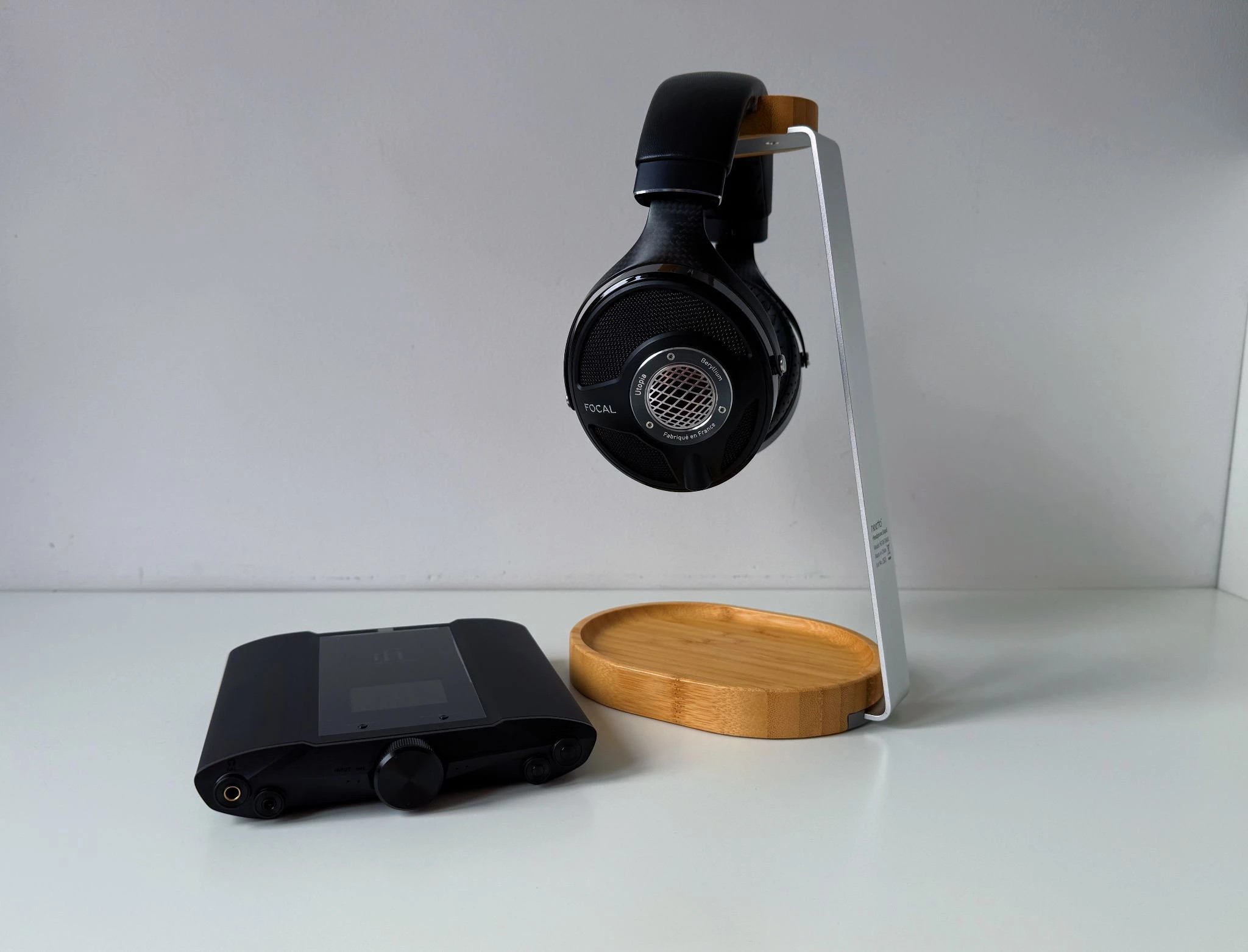
This is a device built for long listening sessions. It doesn’t push or exaggerate. Instead, it invites you in.
Frequency response
Bass is tight, controlled, and articulate. There’s enough weight to give music foundation, but it never dominates. Texture is well defined, and impact is clean rather than exaggerated.
Midrange is where the Valkyrie really shines. Open, nuanced, and highly resolved, it presents vocals and instruments with natural tone and excellent separation. It’s revealing without being unforgiving.
Treble is extended, clean, and energetic. There’s plenty of detail and sparkle, but it avoids harshness. That said, with already bright headphones, the upper range can become a bit forward — system matching matters.
Valkyrie vs Diablo 2
Comparing the Valkyrie to the iFi iDSD Diablo 2 highlights two different philosophies.
The Diablo 2 is more energetic, warmer, and more immediately engaging. It adds color, weight, and a sense of excitement that makes music feel bold and dynamic.
The Valkyrie takes the opposite approach. It’s cleaner, more neutral, more spacious. It prioritizes resolution, layering, and long-term listening comfort over instant impact.
Neither is objectively better. It comes down to preference, emotion versus precision.
Conclusion
The iFi iDSD Valkyrie is not trying to be the most portable DAC/amp on the market. It’s trying to be one of the best, regardless of category.
And in many ways, it succeeds.
You get near-desktop performance, exceptional flexibility, serious output power, and a refined, highly resolving sound signature, all in a single unit that you can actually take with you.
Yes, it’s large. Yes, it’s expensive. But once you hear what it can do, those compromises start to make sense.
For anyone looking for a flagship DAC/amp that bridges the gap between desktop and portable audio, the Valkyrie is one of the most complete solutions available today.


Sound Off
0Join the discussion if you have something to add.