Ricoh installed a monochrome sensor in the wrong camera
Recently, Ricoh Imaging caught us—and Leica—by surprise. While Leica was getting ready to unveil the M11 black-and-white full-frame camera , Ricoh released its Pentax K-3 Mark III monochrome APS-C camera a few hours earlier , which was about $7,000 cheaper than the German one. It’s understandable if Fujifilm would make a monochrome version of its compact camera, given its fondness for playing with color […]
Recently, Ricoh Imaging caught us—and Leica—by surprise. While Leica was getting ready to unveil the M11 black-and-white full-frame camera , Ricoh released its Pentax K-3 Mark III monochrome APS-C camera a few hours earlier , which was about $7,000 cheaper than the German one.
It’s understandable if Fujifilm would make a monochrome version of its compact camera, given its fondness for playing with color filters and film simulations. But… Pentax?
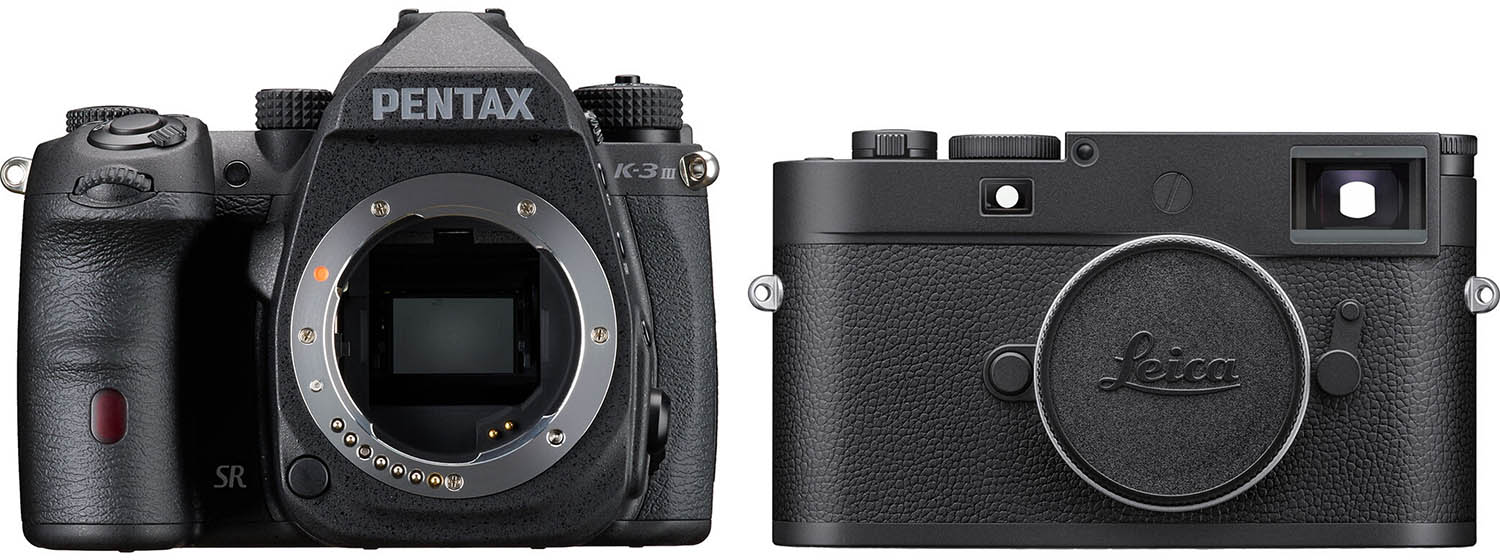
Like Leica, this DSLR uses the existing Pentax K-3III model, but with the standard sensor replaced with a sensor without a Bayer color filter, resulting in a monochrome image. As we wrote earlier, this can give the camera some distinct benefits, including the elimination of color noise at high ISOs and the ability to capture about one stop more light. However, this camera is only of interest to a niche audience. To be honest, we didn’t think that Pentax would decide to make such a camera.
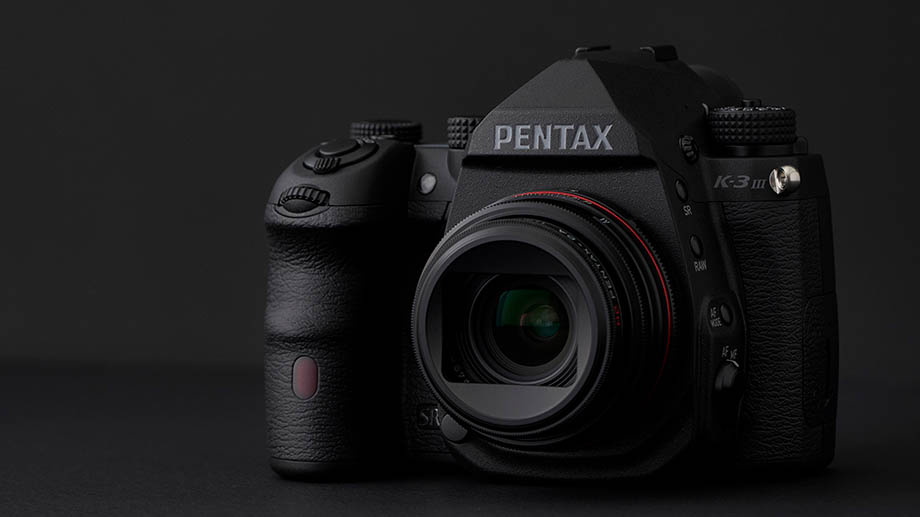
Pentax K-3III Monochrome
This move shows that Ricoh knows they are now making extraordinary cameras. The Pentax name may not have the same spellbinding effect as the Leica red dot, but for lovers of photography history, anything related to the legacy of Asahi Optical Company is also very important. Access to a variety of old K-mount lenses (including some fairly rare Takumar brand lenses) can add to the K-3 III’s retro Leica appeal.
Pentax has always made high quality SLRs with large pentaprisms instead of cheap mirrors – and they continue to do so today. Pretty soon, if you like a DSLR, you’ll only have one option, just like Leica is basically the only true rangefinder manufacturer (sorry, forgot Pixii). And now their consumers (and anyone else intrigued) can get what turns out to be an excellent APS-C SLR camera that shoots exclusively in monochrome for a quarter of the price of the Leica M11M.
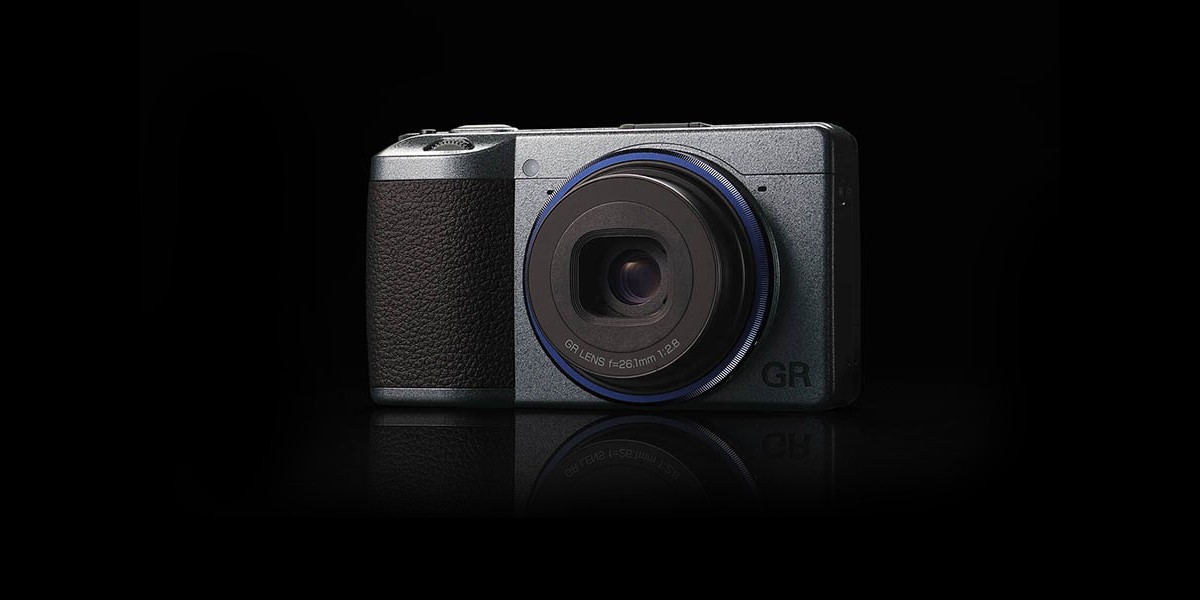
But if Ricoh was going to make an extraordinary camera for its fans, it missed out on one incredibly important opportunity. They should have made the Ricoh GR III Monochrome first. The GR has been a camera for photo geeks since the beginning. Ricoh APS-C cameras have become phenomenal tools that are easy to shoot, but in the right hands can produce impressive results. Combining an outdoor GR III with a monochrome sensor would allow users to shoot in near-darkness. SLR cameras like the K-3 III are not very suitable for quick one-handed shooting, which makes the monochrome version more difficult to work with. There’s a problem with the APS-C sensor: the truly great Pentax optics, whether they’re famous old lenses or the more recent vintage FA Limited line, were built for the full frame.
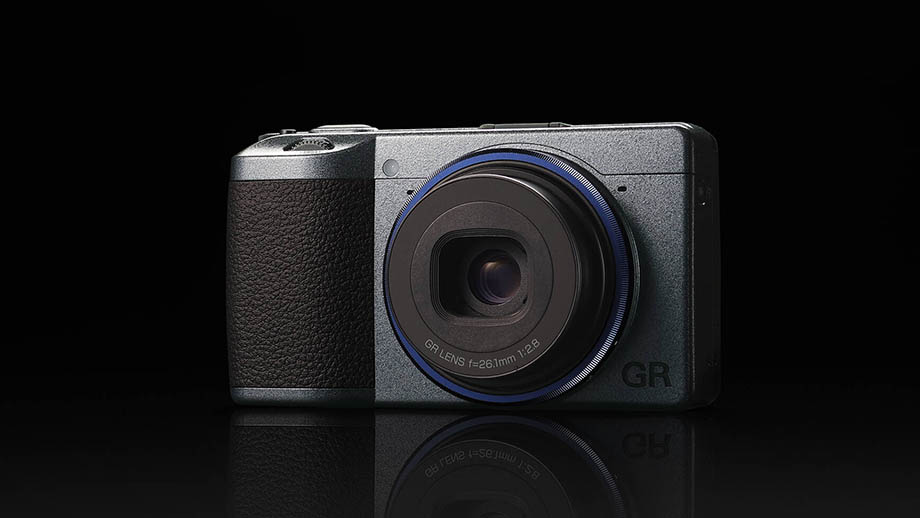
GR would probably be better overall for monochrome shooting
It’s worth emphasizing that a camera like the GR would probably be better overall for monochrome photography, since shooting with a DSLR’s optical viewfinder won’t give you an idea of how the different tones look in the final image, since a real-time DSLR is … well… a DSLR in real time is, among other things, harder to hold in front of you like a phone or compact.