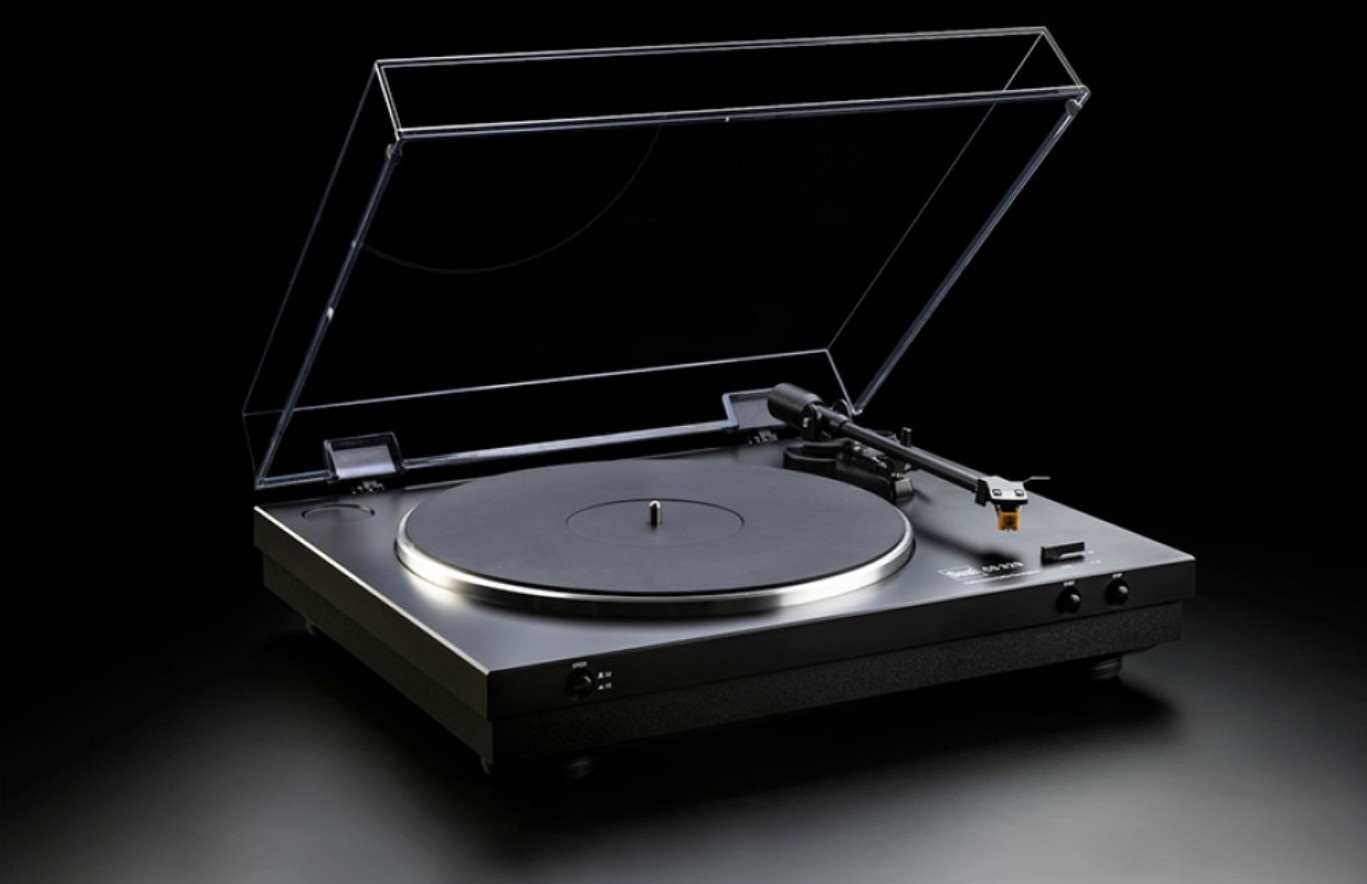

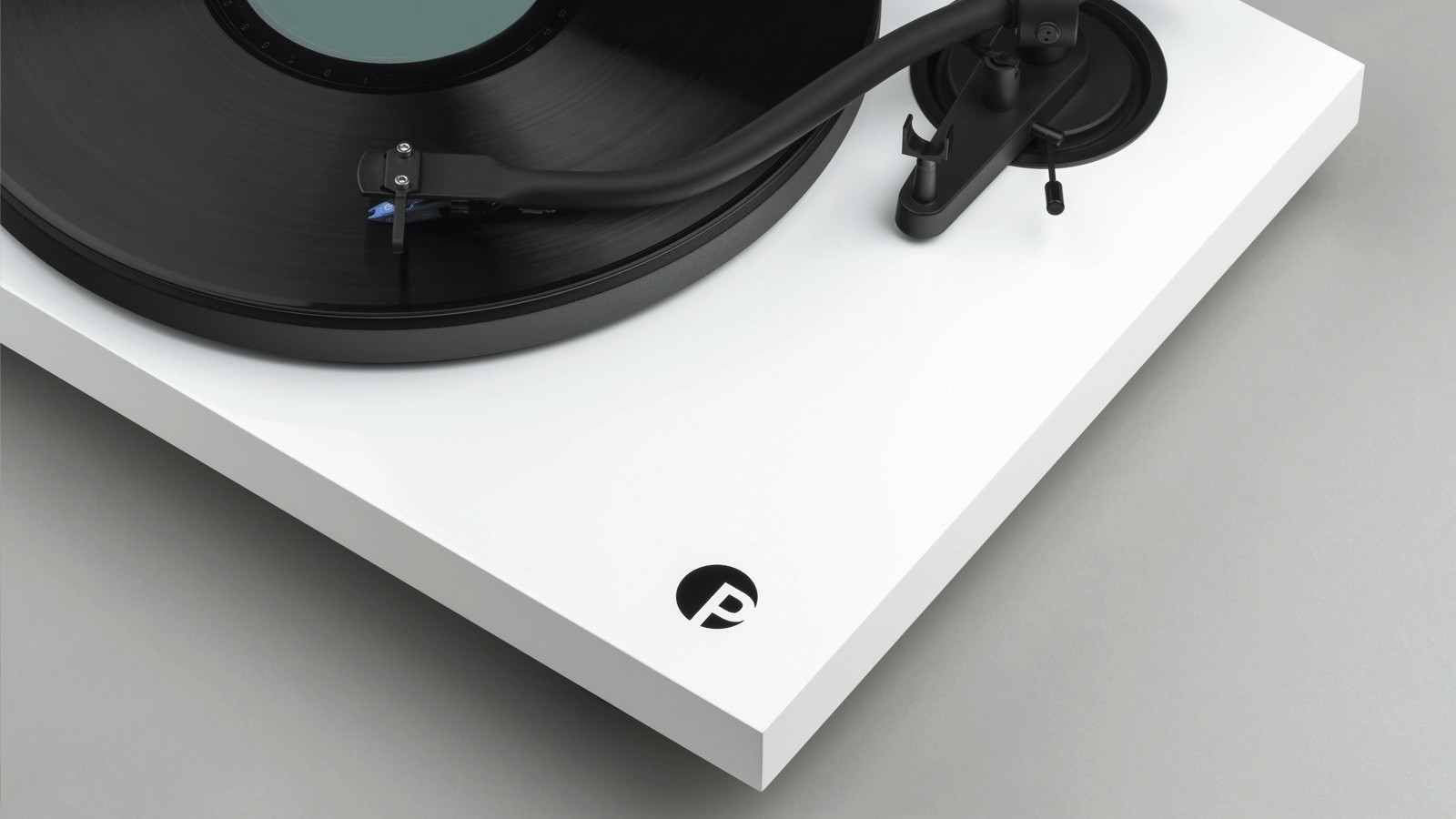
The vinyl record has gained considerable popularity not only among connoisseurs of analog sound, but also in a much wider music audience. Often, buying vinyl at a concert is a tribute to musicians, and nowadays you can get a vinyl of your favorite band as a gift much more often than, for example, a book.
All this is fine, except for one “trifle”: many music lovers, being owners of records, still do not have a vinyl player. However, sooner or later, a critical mass of vinyl accumulates at home, which makes the purchase of a turntable inevitable.
And, like any other serious purchase, it is better to make it as consciously as possible – understanding what you are paying money for.
The first thing to decide is whether you want to control the player manually or prefer to press buttons so that the process of handling vinyl is minimally different from, say, listening to CDs. Especially for those who are not ready to dive into the intricacies of vinyl production, there are fully automatic models that do not require settings and generally any active participation of the user in the process. All you have to do is put the disc in and press the Play button. Then the player will do everything itself: it will play the side, stop at the end and go to its original position.
If you want to get the whole range of impressions and tactile sensations from the process of listening to vinyl (not only put the record on the platter, but also put the pickup stylus on it yourself and remove it at the end), your choice is Hi-Fi class models that have the ultimate a simple, minimalist design that does not imply the presence of automation, but at the same time gives a higher sound quality.
The second thing you need to pay attention to is the sound quality in the most direct way. We are talking about the materials from which players are most often made. In order not to be overwhelmed by too much knowledge about how construction materials affect turntable performance, let’s focus on the basic principle: the turntable body and platter should be as heavy as possible. This description includes wood and wood composites, as well as steel, aluminium, glass and acrylic. Plastic is best avoided in all forms, no matter how beautiful the spinner is.
The player’s tonearm, as the main part of the pickup design, should also not be plastic. Various designs made of metal and even carbon manifest themselves much better in this role.
The third important factor is design. Since vinyl is an analog medium and the sound track is read from the record mechanically, developers in their desire to improve the sound constantly complicate the design of the tonearm and drive. As a result, the higher the sound quality, the more expensive the player and the more intricate engineering design it is. Balancing a tonearm with a complex system of counterweights or installing a motor separately from the turntable body is another task that only a very experienced vinyl player can handle. And for beginners, it is better to pay attention to entry-level Hi-Fi class models. They have the simplest and most reliable design, proven for decades, and at the same time they sound very worthy.
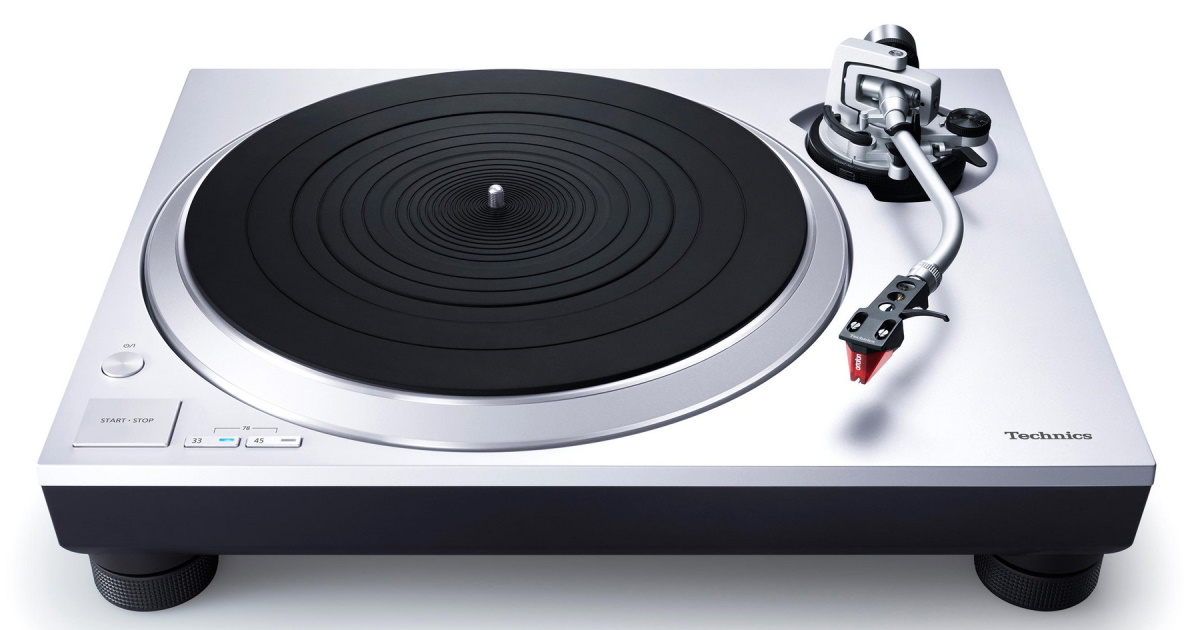
The fourth thing to deal with is the degree of readiness of the player for work. Many manufacturers have already realized that not every buyer will be happy if he receives a turntable in the form of a designer, which only an experienced specialist can assemble and set up. Therefore, most of the available models have pre-installed cartridges tuned at the factory, so that the user only needs to perform a series of simple manipulations, which are described in detail in the instructions. However, you should not think that absolutely all brands have gone down this path, so before buying it would be useful to clarify what is the degree of readiness of the device you like for work.
Fifth,what you should think about in advance is how to integrate the turntable into your home audio system. In order to connect the turntable to a portable or desktop speaker, music center and any other audio device that has an analog AUX input, you will need not only a cable with the appropriate connectors. The turntable must also have a built-in phono stage, thanks to which the output will be a regular linear audio signal. In a situation where there is no phono stage in the player, it is not necessary to buy it as a separate component. Phono preamps are often built into Hi-Fi amplifiers, AV receivers, and even active speakers. In any case, it is better to take care of the issue of switching in advance, so that a freshly bought turntable can be immediately connected and finally hear how your favorite albums sound on vinyl.