The most useful hi-fi shortlist is rarely made from like-for-like products alone.
A system may need a portable DAC for headphones, a serious integrated amplifier, a network front end, a compact radio system, or simply a warning about a specification that is easy to misunderstand.
This guide gathers the supplied Stereoindex source articles into an evergreen buying overview. The selections are not presented as direct rivals; instead, each entry is framed by what the source material actually supports: core functions, notable design choices, connection options, and any practical limitations a buyer should keep in view. Where the source is a product launch, the recommendation is necessarily based on stated features rather than a full review. Where the source highlights a caveat, such as HDMI bandwidth, the entry is included as buying guidance rather than a conventional endorsement.
1. Leema Acoustics Quantum range
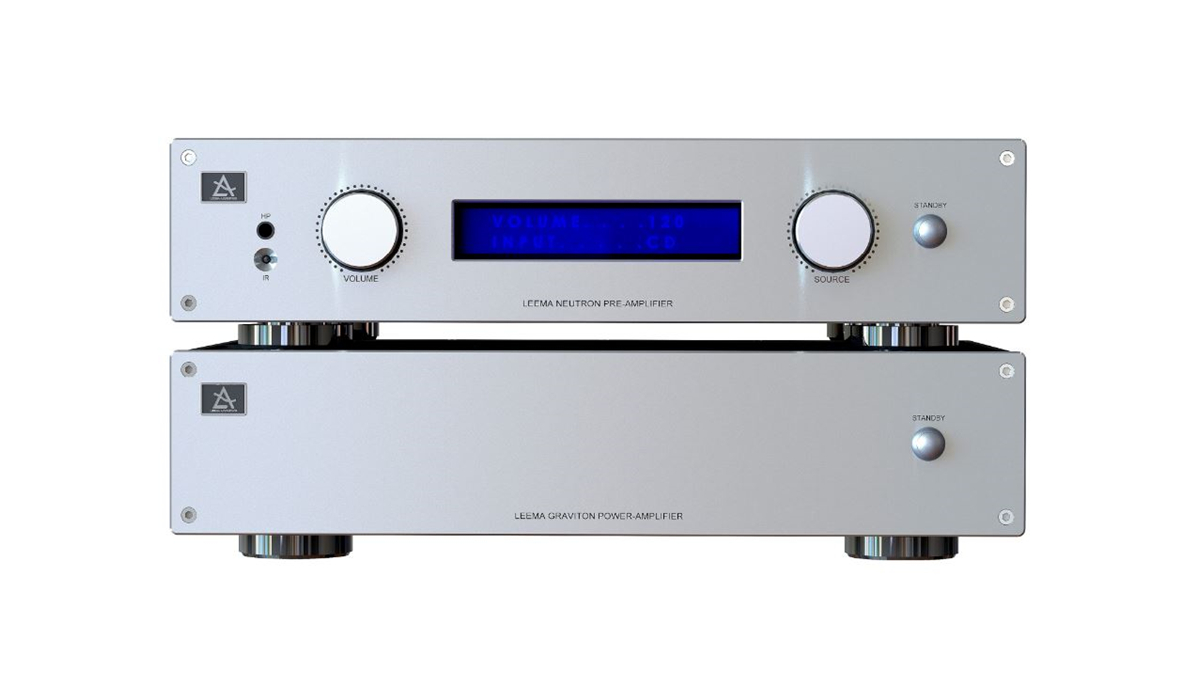
Leema Acoustics’ Quantum line includes the Electron CD player, Positron streamer, Neutron DAC/preamp and Graviton power amplifier.
Leema Acoustics’ Quantum line stands out because it is conceived as a complete full-width hi-fi family rather than a single component.
The range comprises the Electron CD player, Positron streamer, Neutron DAC/preamp and Graviton power amplifier, all designed, engineered and built at the company’s Welshpool factory.
For buyers planning a matched separates system, the appeal is the breadth of the line: disc playback, streaming, digital conversion, preamplification and power amplification are all represented. The Neutron adds an MM/MC phono stage and both balanced and unbalanced inputs, while the Graviton is specified at 150 watts into 8 ohms using Class A/B amplification.
Best for: Matched separates system planning
- Complete four-component hi-fi range
- Designed, engineered and built in Wales
- Neutron includes MM/MC phono stage
- Graviton offers 150 watts into 8 ohms
Verdict: The Quantum range is most compelling for listeners who want a coherent Leema system spanning CD, streaming, DAC/preamp duties and power amplification.
2. Audirect ATOM4
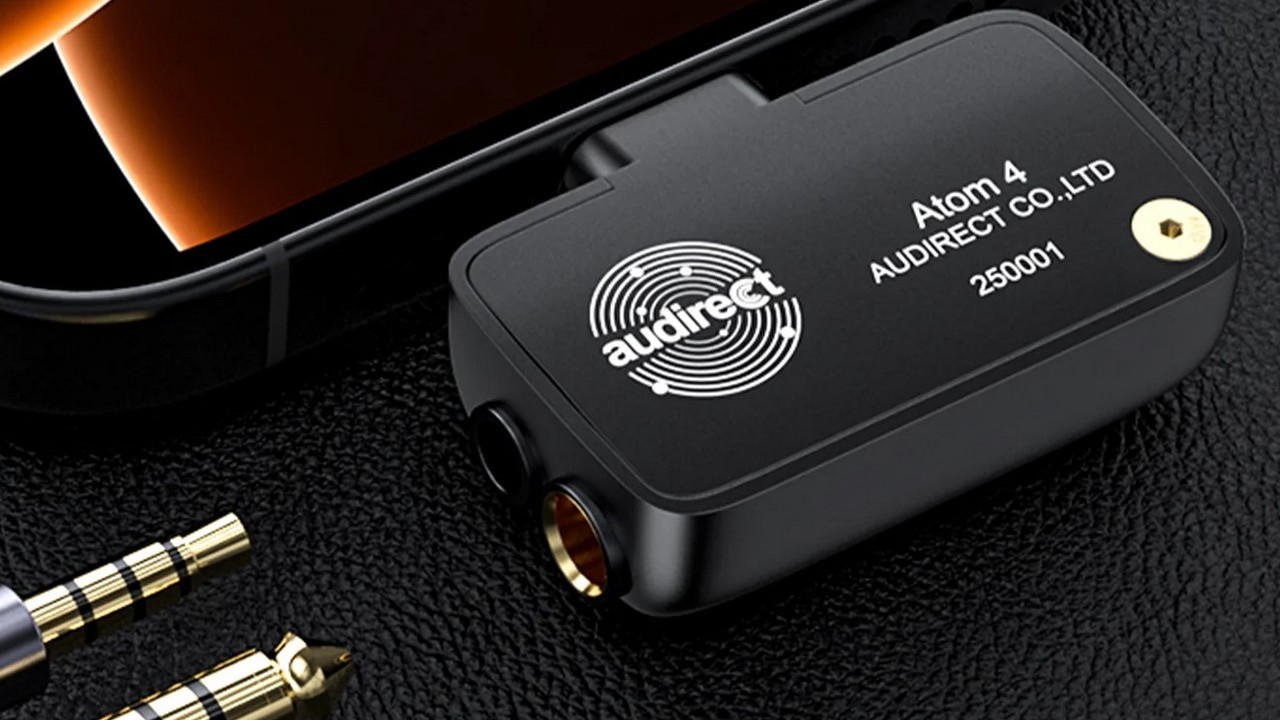
Audirect ATOM4 combines USB-C input, 3.5 mm output and 4.4 mm balanced output in a compact metal body.
The Audirect ATOM4 is a compact USB-C digital-to-analog converter aimed at high-resolution portable listening.
Its ESS9281AC PRO DAC chip is paired with dual RT6863C operational amplifiers, and the unit supports PCM up to 32 bit / 768 kHz.
The two headphone outputs give it useful flexibility: a 3.5 mm connection for standard headphones and a 4.4 mm balanced output for compatible models. At 19 grams and housed in a metal casing, it is clearly intended for use with phones, tablets and computers, with plug-and-play USB-C operation stated in the source.
Best for: Portable USB-C headphone listening
- PCM support up to 32 bit / 768 kHz
- 3.5 mm and 4.4 mm headphone outputs
- USB-C plug-and-play connectivity
- Light 19-gram metal body
Verdict: The ATOM4 is a strong fit for users who want a very small DAC with both standard and balanced headphone outputs.
3. FiiO BTR15
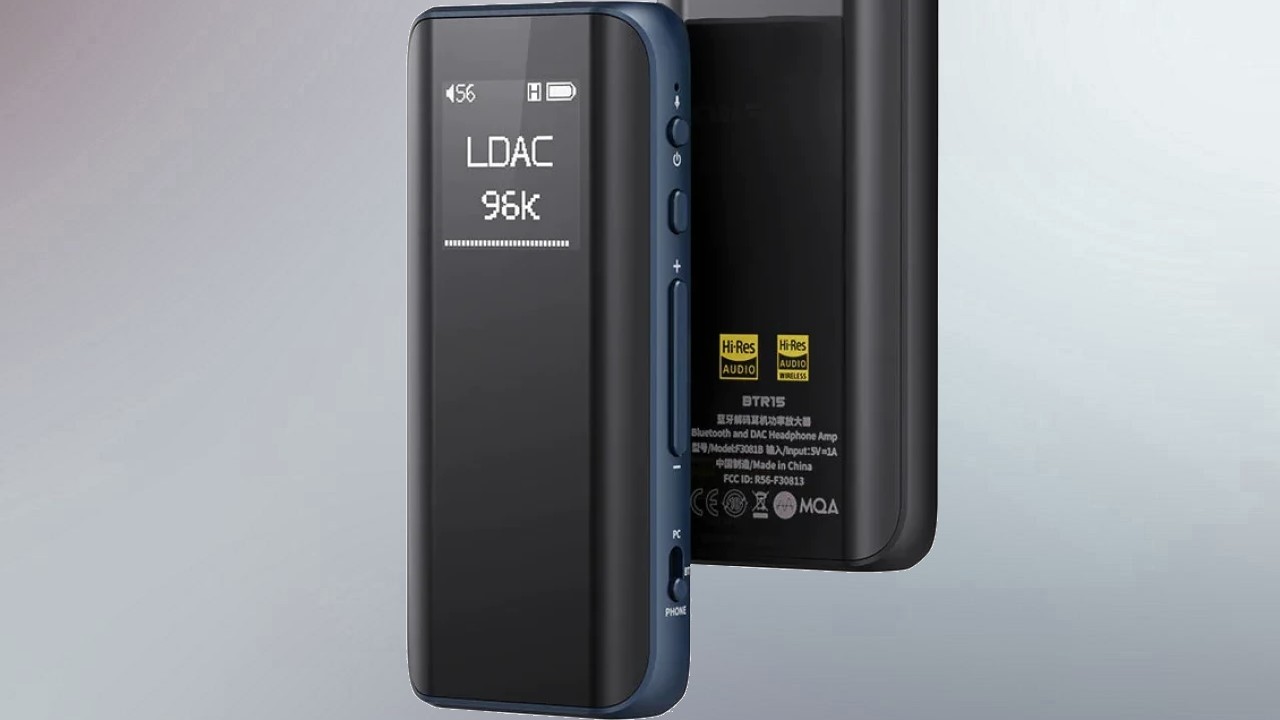
FiiO BTR15 features an OLED display, physical mode switch and both 3.5 mm and 4.4 mm headphone connections.
The FiiO BTR15 combines a portable DAC, headphone amplifier and Bluetooth receiver in a compact aluminum-and-glass body.
It uses dual ESS Sabre ES9219MQ DAC chips and provides both 3.5 mm and 4.4 mm headphone outputs, with the balanced output specified at up to 340 mW.
A physical side switch lets users move between PC, smartphone and Bluetooth operating modes, making the device more adaptable than a simple USB dongle. Wireless support includes LDAC and aptX Adaptive, while the built-in 550 mAh battery is specified for up to 8 hours of autonomous operation.
Best for: Portable wired and Bluetooth headphones
- Dual ESS Sabre ES9219MQ DAC chips
- 3.5 mm and 4.4 mm headphone outputs
- LDAC and aptX Adaptive support
- Up to 8 hours battery operation
Verdict: The BTR15 is the more versatile portable choice when Bluetooth operation and mode switching matter as much as wired DAC use.

4. Ruark R1 Mk4
Ruark R1 Mk4 pairs a compact cabinet with OLED display, RotoDial control and multiple everyday audio sources.
The Ruark R1 Mk4 is a compact all-in-one audio system built around convenience, radio and refined everyday operation.
The source highlights its adaptive equalizer, designed to keep the system sounding natural across genres and volume levels, along with a cabinet intended to support the Ruark NaturalSound+ driver and built-in amplifier.
It also includes DAB, DAB+ and FM radio, Bluetooth, USB-C, AUX input and a separate headphone output. The OLED display shows time, alarm settings and source information, with automatic brightness adjustment, while control is handled by Ruark’s RotoDial or an optional remote.
Best for: Compact radio and desktop audio
- Adaptive equalizer
- DAB, DAB+ and FM tuner
- Bluetooth, USB-C and AUX input
- RotoDial control system
Verdict: The R1 Mk4 is best suited to listeners who want a polished compact system with radio, Bluetooth and straightforward daily control.
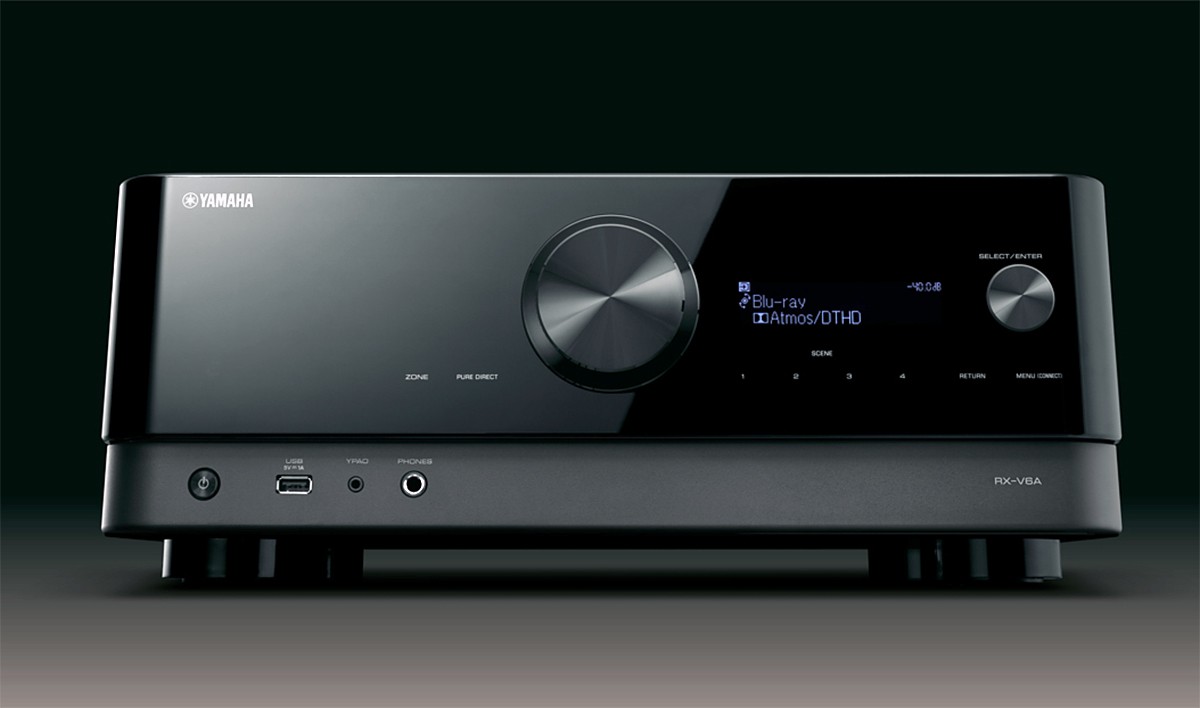
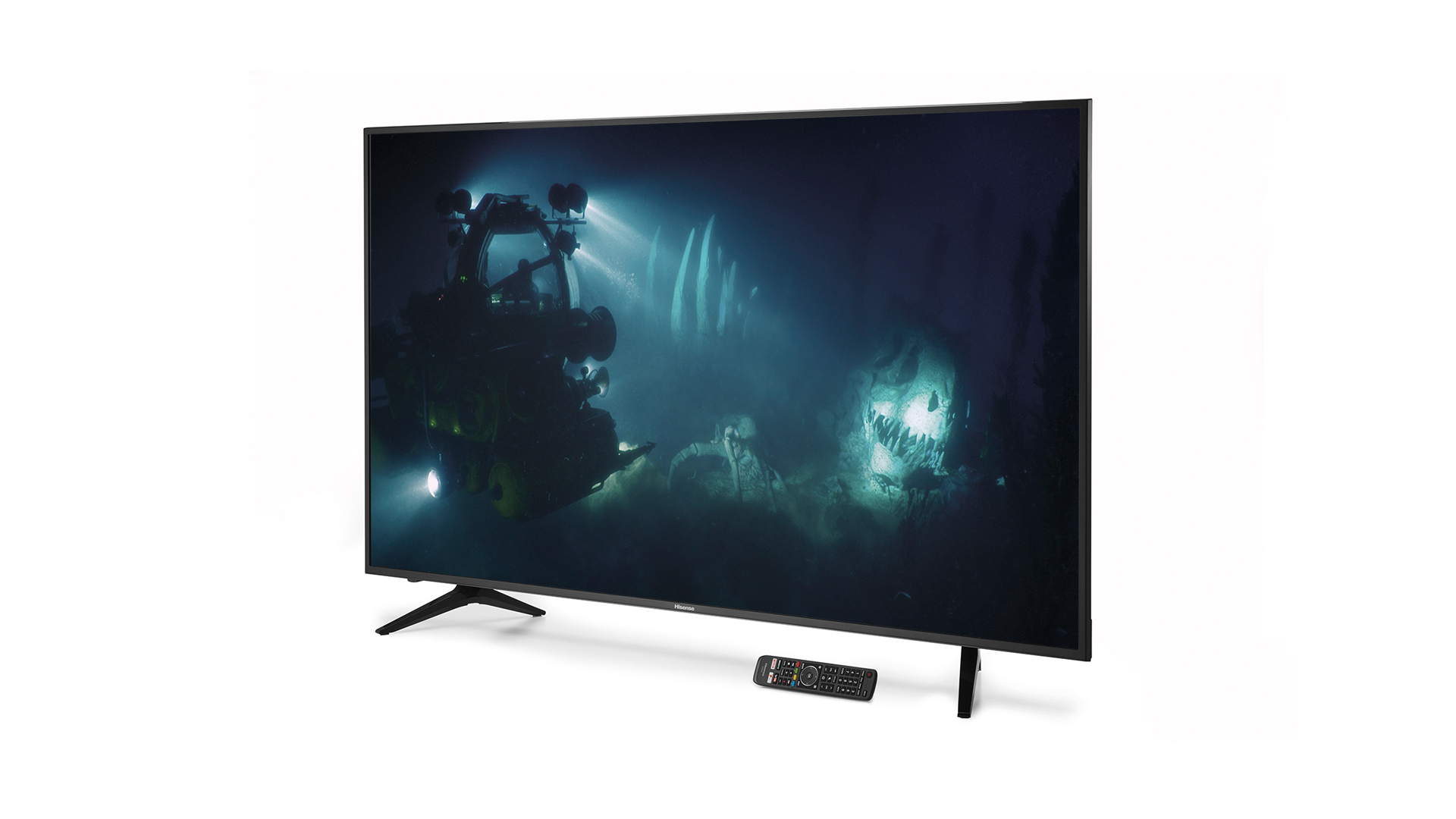
5. First generation Yamaha HDMI 2.1 receivers support a maximum of 24 Gbps
Yamaha RX-A2A, RX-V4A and RX-V6A receivers are highlighted for their 24 Gbps HDMI 2.1 bandwidth limitation.
This entry is included as a buying caution for Yamaha RX-A2A, RX-V4A and RX-V6A AV receiver shoppers.
The source reports that these first-generation 8K receivers support a maximum HDMI 2.1 bandwidth of 24 Gbps, with 8K60B referring to a compressed signal using DSC rather than uncompressed 8K60A.
Yamaha stated that key gaming features such as 120 Hz bit rate, VRR, ALLM and QFT can operate at 24 Gbps, and the article notes that HDMI 2.1 compliance can still apply at lower bandwidths. The practical point is that buyers using high-bandwidth video sources should check compatibility carefully rather than assuming every HDMI 2.1 input behaves the same way.
Best for: Careful AV receiver compatibility checks
- VRR, ALLM and QFT stated to operate at 24 Gbps
- Formally within HDMI 2.1 bandwidth options
Verdict: These Yamaha receivers may suit some systems, but the 24 Gbps HDMI limit is essential to understand before pairing them with demanding video sources.
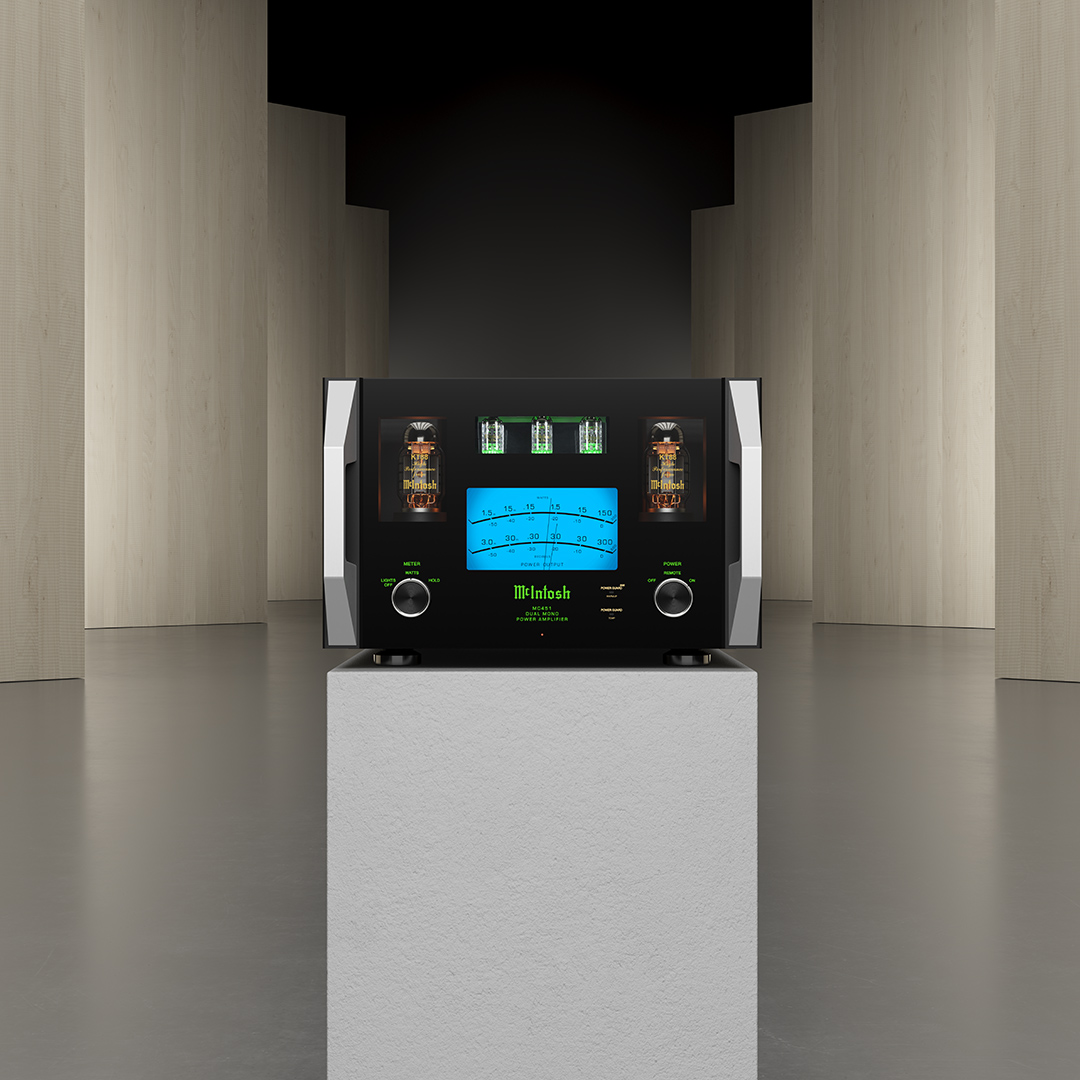
6. McIntosh MC451
McIntosh MC451 combines valve and solid-state amplification on one chassis using Hybrid Drive technology.
The McIntosh MC451 is a compact dual-mono power amplifier built around the company’s Hybrid Drive technology, combining valve and solid-state amplification in one chassis.
The source describes a design in which tweeter and midrange drivers can be driven by the valve section, while bass drivers receive solid-state power and control.
Output is specified as 150 watts from the valve section and 300 watts from the solid-state section. The amplifier also provides user-selectable valve and solid-state output stages via a balance control, internal crossover adjustment for integration between the two amplification sections, and separate inputs for the valve and solid-state sections.
Best for: Bi-amplified loudspeaker systems
- Hybrid valve and solid-state design
- 150-watt valve section
- 300-watt solid-state section
- Adjustable internal crossover
Verdict: The MC451 is aimed at systems where the owner wants McIntosh’s valve and solid-state approaches combined in a single, configurable mono amplifier.
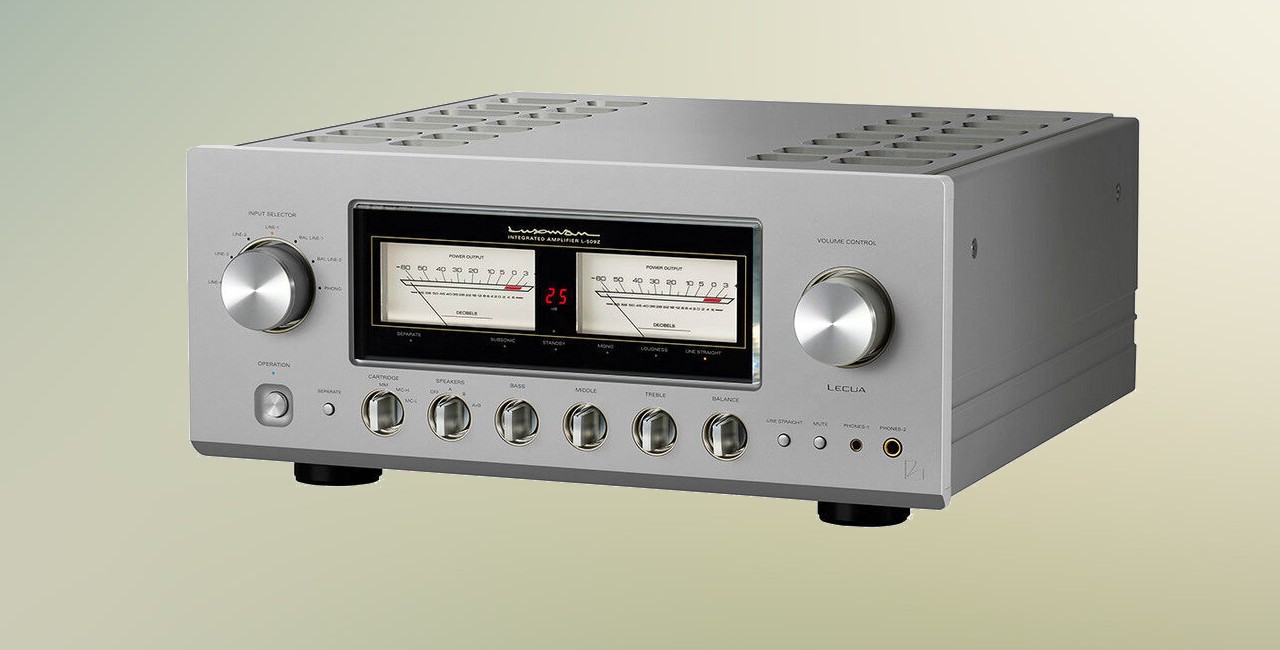
7. Luxman L-509Z
Luxman L-509Z is a heavy integrated amplifier with LECUA-EX volume control, phono stage and dual headphone outputs.
The Luxman L-509Z is a substantial integrated amplifier that brings several of the company’s control and feedback technologies into one unit.
The source notes that Luxman’s LIFES1.0 feedback system is used in both the preamplifier section and power amplifier circuits, while the LECUA-EX electronic control system provides an 88-step computerized precision attenuator.
Practical features include a phono preamplifier with switchable gain, a redesigned three-band tone block, 12-volt triggers, a 7-segment LED volume indicator, a 6.3 mm headphone jack and a 4.4 mm balanced Pentaconn headphone output. The construction is described as thick aluminum panels on cast iron legs, with the unit weighing just under 30 kg.
Best for: Full-featured high-end integrated systems
- LIFES1.0 in preamp and power amp circuits
- LECUA-EX 88-step attenuator
- Switchable-gain phono preamplifier
- 6.3 mm and 4.4 mm headphone outputs
Verdict: The L-509Z is a serious integrated amplifier for buyers who want Luxman’s control architecture, phono capability and substantial build in one component.

8. Gold Note DS-10 EVO Line
Gold Note DS-10 EVO Line combines streaming, DAC, preamplifier and headphone functions with extensive digital connectivity.
The Gold Note DS-10 EVO Line is positioned as a central digital component for a stereo system, combining network streamer, streaming DAC, headphone amplifier and preamplifier functions.
The Line version adds an analog input, while the wider DS-10 EVO platform is based on an AKM AK4493 DAC chipset and supports PCM up to 32 bit / 768 kHz and DSD512.
Its digital input set includes coaxial, optical, AES/EBU, USB-A, USB-B and LAN/WLAN options, while analog outputs include RCA and XLR for DAC and preamp use, plus a 6.3 mm headphone output. For systems that need streaming and preamplifier flexibility in one box, its breadth of connectivity is the main attraction.
Best for: Digital hub for stereo systems
- Streamer, DAC, headphone amp and preamp functions
- Line version includes analog input
- PCM up to 32 bit / 768 kHz
- DSD512 support
Verdict: The DS-10 EVO Line is best considered when a stereo system needs network streaming, DAC duties, preamplifier output and a headphone socket from one compact source component.
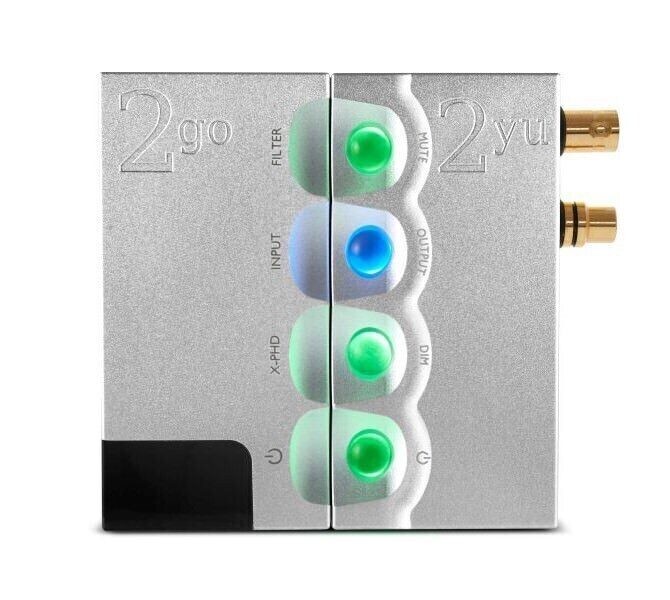
9. Chord Electronics 2yu
Chord Electronics 2yu attaches to 2go to add multiple digital outputs for connection to DACs or digital upscalers.
The Chord Electronics 2yu is not a standalone streamer; it is a digital interface designed to partner with the 2go streamer/server.
Together, the pair forms Chord’s first network bridge and can feed an external DAC or Hugo M Scaler through optical, coaxial, BNC or USB-A digital outputs.
The 2go side brings Ethernet, 2.4 GHz Wi-Fi, Bluetooth, support for Qobuz, Tidal and internet radio, Roon Ready certification and two SD card slots with up to 2 TB capacity per card. The source also notes bit-precision file playback, DoP, AirPlay, low jitter and configuration through the Gofigure application.
Best for: Chord-based digital transport systems
- Adds optical, coaxial, BNC and USB-A outputs
- Works with 2go as a network bridge
- Roon Ready support via 2go pairing
- Two SD card slots on 2go
Verdict: The 2yu is a specialist but useful interface for 2go owners who want to send streamed or stored audio to an external DAC or digital upscaler.
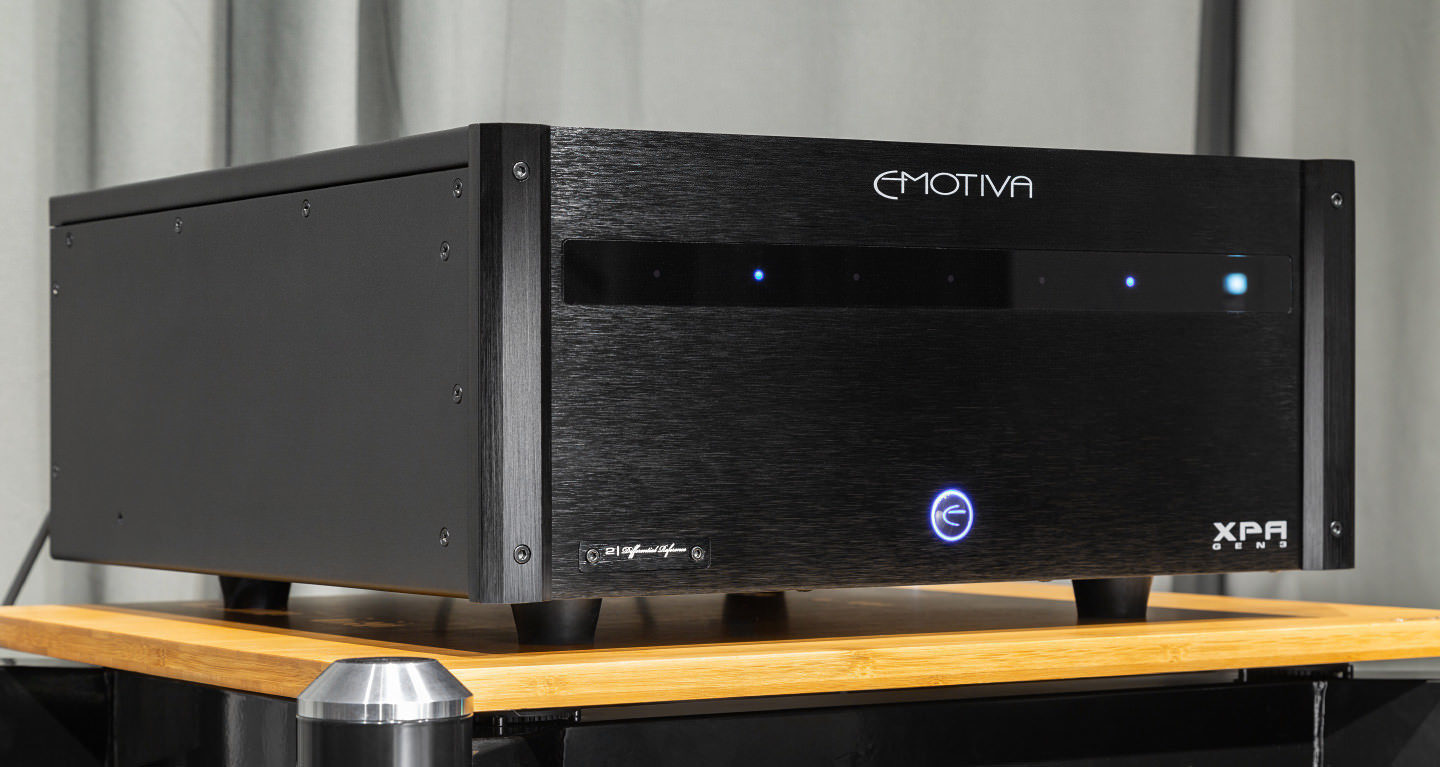
10. Emotiva XPA-DR2
Emotiva XPA-DR2 is a stereo power amplifier using Differential Reference modules within the modular XPA platform.
The Emotiva XPA-DR2 is the stereo version of Emotiva’s modular XPA power amplifier platform, using Differential Reference amplifier modules.
The source emphasizes the fully differential, balanced circuit path, preserving signal symmetry from the XLR input to the output terminals.
The stated advantages include reduced distortion, noise immunity and high power, with quoted performance of 120 dB signal-to-noise ratio and less than 0.1 percent total harmonic distortion at maximum load. For buyers building a stereo separates system, the key distinction is that the XPA-DR2 applies Emotiva’s differential module approach to a two-channel power amplifier format.
Best for: Stereo separates needing a balanced power amp
- Differential Reference amplifier modules
- Balanced signal path from XLR input onward
- 120 dB signal-to-noise ratio
- Less than 0.1 percent THD at maximum load
Verdict: The XPA-DR2 is the Emotiva choice here for listeners who want a two-channel power amplifier built around fully differential circuitry.
Quick comparison
These products serve very different roles, so the clearest comparison is by system function rather than by ranking.
Use the table to identify whether each entry belongs in a portable headphone setup, compact room system, digital front end, integrated amplifier chain, power amplification stage or AV receiver compatibility discussion.
| Product | Best for | Verdict |
|---|---|---|
| Leema Acoustics Quantum range | Matched separates system planning | A four-component family covering CD playback, streaming, DAC/preamp duties and Class A/B power amplification. |
| Audirect ATOM4 | Portable USB-C headphone listening | A very light USB-C DAC with both 3.5 mm and 4.4 mm headphone outputs and high PCM support. |
| FiiO BTR15 | Portable wired and Bluetooth headphones | A compact DAC/headphone amp that adds Bluetooth, a display, mode switching and battery operation. |
| Ruark R1 Mk4 | Compact radio and desktop audio | An all-in-one compact system with radio, Bluetooth, USB-C, AUX input, headphone output and adaptive equalization. |
| First generation Yamaha HDMI 2.1 receivers support a maximum of 24 Gbps | Careful AV receiver compatibility checks | A reminder that HDMI 2.1 labeling does not automatically mean maximum bandwidth for every source. |
| McIntosh MC451 | Bi-amplified loudspeaker systems | A mono amplifier combining valve and solid-state sections with adjustable integration between them. |
| Luxman L-509Z | Full-featured high-end integrated systems | A substantial integrated amplifier with advanced volume control, phono input, tone controls and headphone options. |
| Gold Note DS-10 EVO Line | Digital hub for stereo systems | A streaming DAC, preamplifier and headphone amplifier with broad digital connectivity and an analog input in Line form. |
| Chord Electronics 2yu | Chord-based digital transport systems | A digital interface for 2go users who need optical, coaxial, BNC or USB-A outputs to an external DAC. |
| Emotiva XPA-DR2 | Stereo separates needing a balanced power amp | A two-channel power amplifier built around fully differential Differential Reference modules. |
Frequently asked questions
Should I choose a portable DAC like Audirect ATOM4 or FiiO BTR15?
Choose by use case.
The ATOM4 is a tiny USB-C DAC with 3.5 mm and 4.4 mm outputs for wired portable listening.
The FiiO BTR15 adds Bluetooth, a battery, an OLED display and mode switching for PC, smartphone and wireless operation.
When does a streamer with preamp functions make sense?
A component such as the Gold Note DS-10 EVO Line makes sense when you want network streaming, DAC conversion, preamplifier outputs and headphone listening in one unit.
If you already own a DAC and need only a bridge, the Chord 2yu with 2go is a more specialist transport-oriented route.
What should I check before buying an integrated or power amplifier?
Match the amplifier role to the system.
The Luxman L-509Z is an integrated amplifier with phono, tone and headphone features.
The Emotiva XPA-DR2 is a stereo power amplifier. The McIntosh MC451 is a mono power amplifier designed around separate valve and solid-state sections for suitable loudspeaker setups.
Why does HDMI bandwidth matter on an AV receiver?
HDMI 2.1 can be implemented at different bandwidths.
The Yamaha RX-A2A, RX-V4A and RX-V6A are reported as supporting a maximum of 24 Gbps, so buyers using demanding video sources should confirm the exact signal formats they need rather than relying on the HDMI 2.1 label alone.
How to Choose the Right Hi-Fi Component from This Shortlist
Start with the missing link in your system rather than the most technically dense specification sheet.
If headphone listening is the priority, decide first whether you need the ultra-small wired simplicity of the Audirect ATOM4 or the broader wired and Bluetooth flexibility of the FiiO BTR15.
Both provide 3.5 mm and 4.4 mm headphone outputs, but their everyday use cases differ. For a compact room, desk or bedside setup, the Ruark R1 Mk4 is the self-contained option, combining radio, Bluetooth, USB-C, AUX and headphone output with a display and RotoDial control. It is not trying to replace a separates system; its appeal is integration and ease of use. If the system is based around separates, define the architecture before choosing components. The Leema Acoustics Quantum range is attractive as a matched family spanning source, DAC/preamp and power amplification. The Luxman L-509Z is the integrated route, with phono, tone and headphone facilities built in. The Emotiva XPA-DR2 is a dedicated stereo power amplifier, while the McIntosh MC451 is a more specialized mono amplifier using both valve and solid-state sections. Digital-front-end buyers should distinguish between a hub and an interface. The Gold Note DS-10 EVO Line is designed to act as streamer, DAC, preamp and headphone amplifier, while the Chord Electronics 2yu is specifically for use with the 2go streamer/server to feed external DACs or digital upscalers. Finally, AV receiver buyers should treat HDMI labels carefully: the Yamaha HDMI 2.1 article is a useful reminder that bandwidth and supported signal formats are as important as the version number printed on the box.