


Xiaomi has officially updated its End of Support (EOL) list, and starting July 2025, several of its popular smartphones—including models from the Redmi and POCO sub-brands—will no longer receive any software updates. This includes system upgrades, MIUI/HyperOS enhancements, or even essential security patches. The decision marks the final chapter in the lifecycle of these devices and signals a crucial moment for users still relying on them.
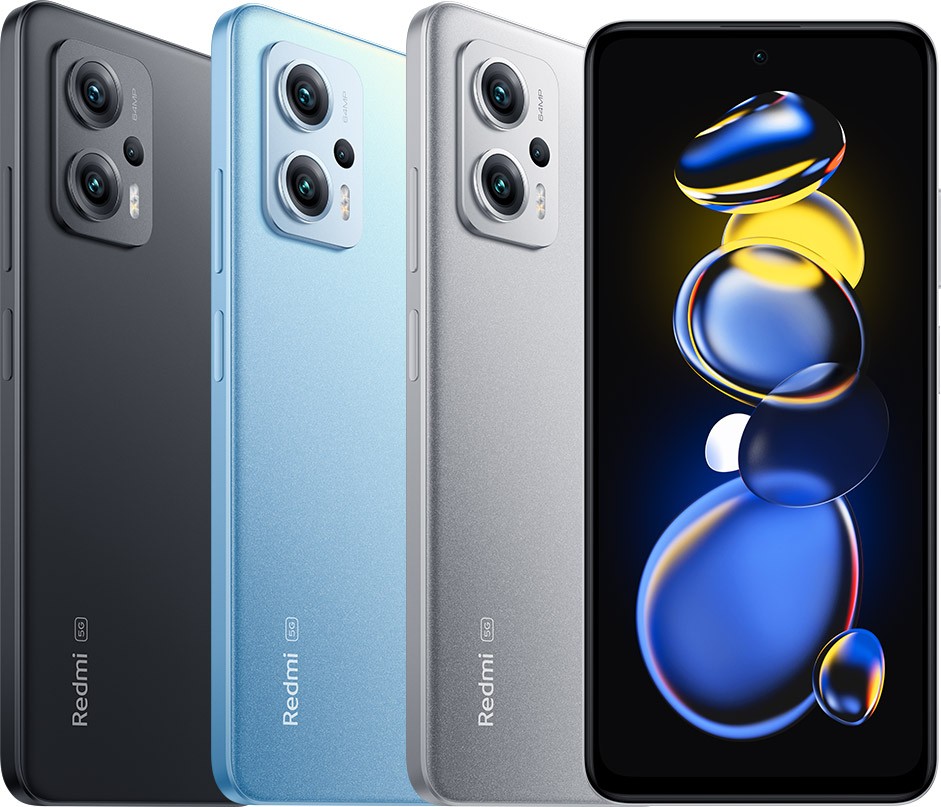
Devices Affected by Xiaomi’s EOL Announcement
The following smartphones are now listed as End of Life and will not receive further software or security updates after July 2025:
-
Redmi 10 5G
-
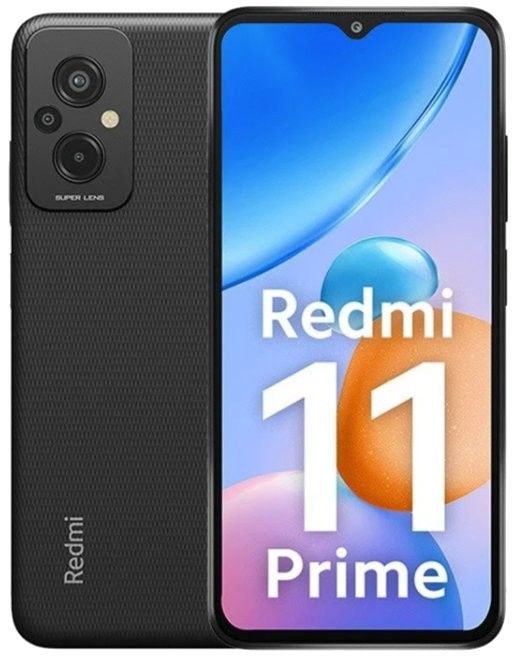
Redmi 11 Prime 5G
-
Redmi Note 11E 5G
-
Redmi Note 11R
-
POCO M4 5G
-
POCO C40
-
Redmi Note 11T Pro
-
Redmi Note 11T Pro+
-
Redmi K50i
-
POCO X4 GT
-
Redmi K40S
-
POCO F4
Most of these devices received their final major software update in the form of HyperOS 1, Xiaomi's new operating system intended to eventually replace MIUI across the ecosystem. However, many users had initially anticipated an upgrade to HyperOS 2, which will now not materialize for these models. The POCO C40, notably, never even transitioned to HyperOS and remains on MIUI 13, with its last security patch dating back to 2024.
What Does “End of Support” Actually Mean?
Once a device is marked as End of Life, Xiaomi will no longer provide:
-
Android version upgrades
-
MIUI/HyperOS updates
-
Monthly or quarterly security patches
While the hardware of the device will remain functional, the lack of ongoing software maintenance exposes users to potential vulnerabilities, bugs, and compatibility issues with newer apps over time. This is especially concerning from a security perspective, as unpatched vulnerabilities could be exploited by malicious actors.
Options for Users Still Using EOL Devices
If you own one of the devices on this list, you still have several paths forward:
1. Continue Using the Device With Caution
You can keep using your phone as-is, especially if your usage is limited to basic functions like calling, messaging, and browsing. However, it's crucial to avoid storing sensitive data or performing secure transactions on an unsupported device, as it will no longer receive security patches.
2. Install Custom ROMs
One of the biggest advantages of Android is its openness, and the enthusiast community often breathes new life into discontinued devices through custom ROMs. Operating systems like LineageOS, Pixel Experience, or crDroid often support older phones long after official updates end. Installing a custom ROM can extend your device's lifespan, improve performance, and offer up-to-date security patches.
However, installing a custom ROM does require a certain level of technical knowledge. It involves unlocking the bootloader, flashing recovery software, and installing the ROM—procedures that carry some risks if not done correctly.
3. Use Optimization Tools
For users who want to continue using their phones without replacing the operating system, apps like MemeOS Enhancer can help improve performance and add extra features. While it doesn't replace system-level updates, it can offer some UI improvements and enhance user experience on outdated devices.
4. Upgrade to a New Device
Ultimately, if you prioritize security and access to the latest features, upgrading to a newer model is the most future-proof option. Xiaomi continues to release competitively priced smartphones across various segments, offering fresh hardware and long-term software support.
A Reminder for All Users
The EOL announcement highlights a broader issue in the Android ecosystem—many devices receive only two to three years of updates, even as the hardware remains capable of functioning well beyond that period. Xiaomi has made some progress in extending software support on its flagship devices, but budget and mid-range models continue to be affected by relatively short lifespans.
If long-term support is a priority, users should consider this factor when making their next smartphone purchase. Brands like Google, Samsung, and OnePlus have started offering extended update commitments on newer models, setting a new standard for Android device longevity.
While Xiaomi’s decision to discontinue support for these smartphones may be disappointing to some users, it's not the end of the road. With the right tools, knowledge, and precautions, you can continue to get value out of your device—or use this opportunity to upgrade to a more future-proof option.
Let us know in the comments: Are you still using one of these EOL devices? What’s your plan going forward?

