

The New Year never really asks how you’re doing. It just shows up, resets the counter, and expects progress. 2026 feels like that kind of year already — less celebration, more focus. That’s why I wanted to start it with something grounded and honest. No wireless convenience. No DSP tricks. Just a wired in-ear monitor and the discipline to listen properly.
I don’t review wired IEMs often. Not because I don’t respect the format, but because it demands commitment. You don’t casually throw them on while scrolling your phone. You sit down, choose a source, and give the music your attention. Last year, only two wired models passed through my hands. This is the first one I’m writing about in 2026 — and it’s not here by accident.
The brand behind it is Moondrop. Founded in 2015, still relatively young, but already well known among listeners who care more about tuning than trends. From ultra-budget models that punch far above their weight to ambitious flagships that aim straight at the high-end, Moondrop has been moving fast and with purpose.
The model on my desk sits right in the middle of their lineup, both in price and intent. The Blessing 3 isn’t trying to shock you. It’s trying to convince you over time.
Unboxing
The first thing you see is the box — large, white, and unapologetically decorated with anime artwork. It’s not subtle, and it’s clearly part of Moondrop’s visual identity. I’m not an anime guy, but I also don’t judge headphones by the illustration on the lid. What matters is what happens once they’re in your ears.
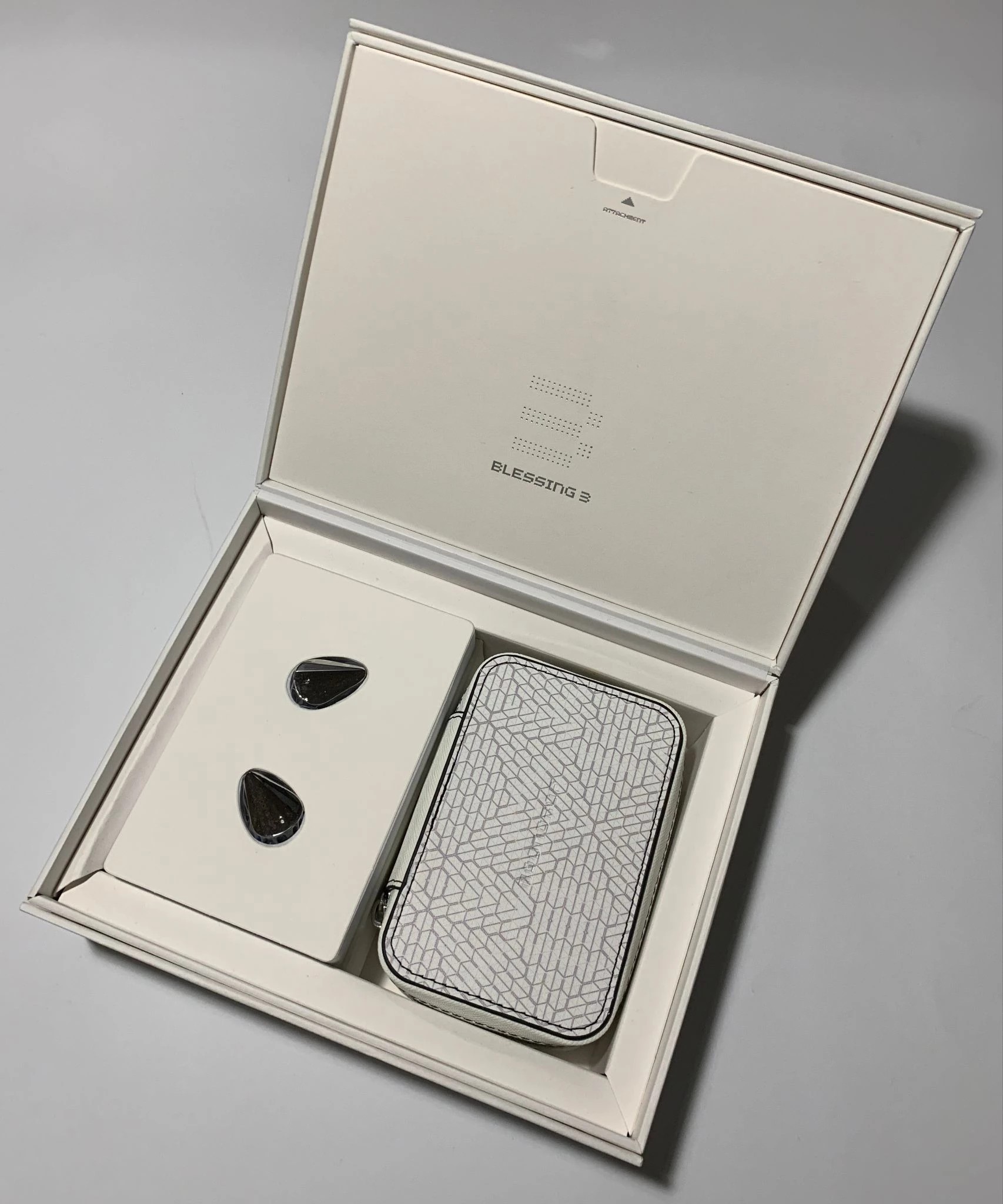
The packaging itself feels solid and premium, with thick cardboard, clean silver typography, and a finish that suggests someone actually cared. Opening the box is a bit unconventional. The lid lifts upward rather than opening like a traditional two-piece box, which looks impressive but might confuse you for a second. Once inside, everything is neatly arranged, even if there’s more empty space than strictly necessary.

The overall impression isn’t luxury for luxury’s sake. It’s confidence. The kind that doesn’t need to shout.
Design
The Blessing 3 looks like it was designed by engineers first and stylists second, which is exactly how it should be. The faceplates are made from hand-polished stainless steel, cut with multiple facets that catch the light differently depending on the angle. They don’t sparkle for attention. They reflect light the way machined metal does.
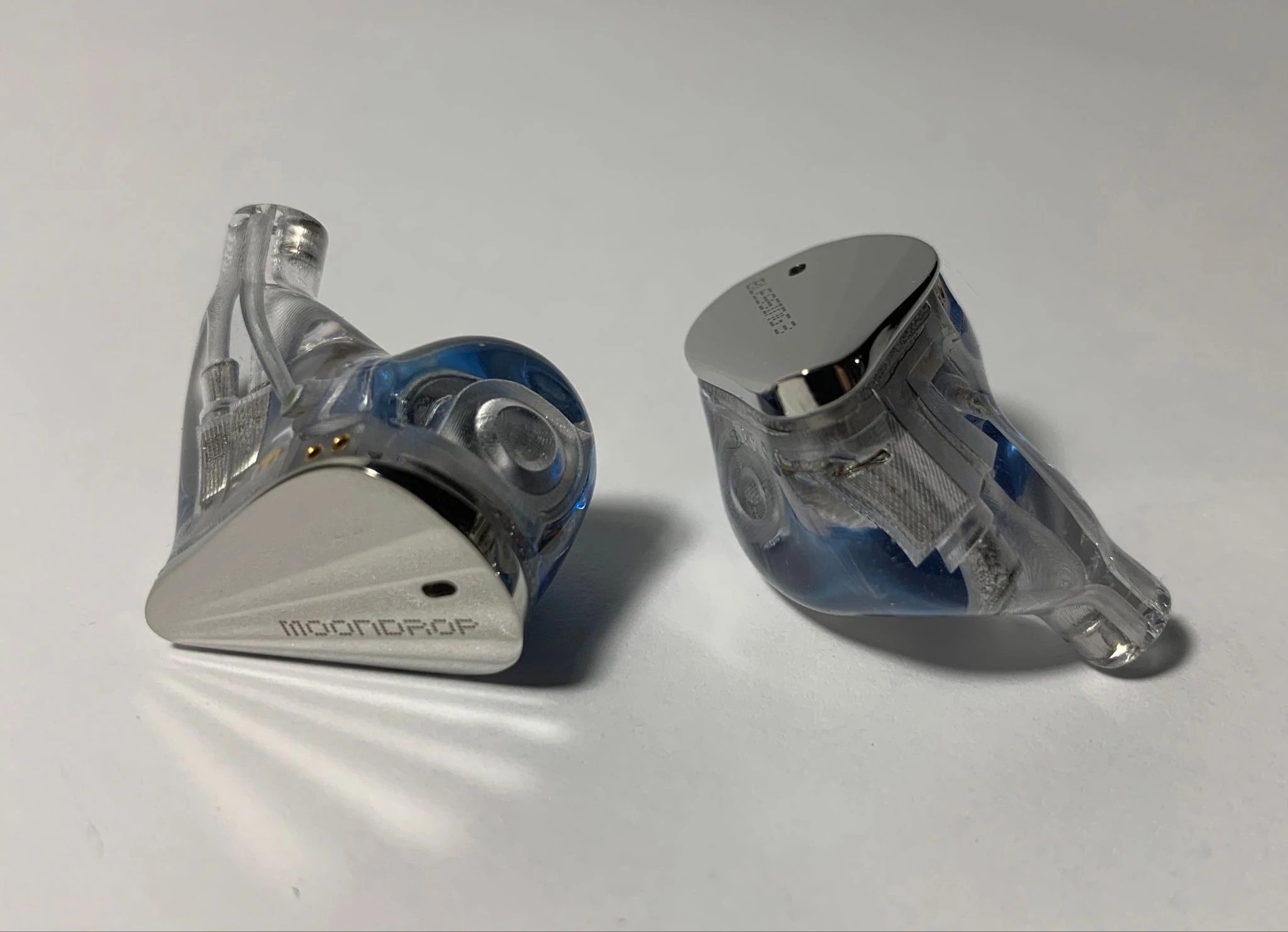
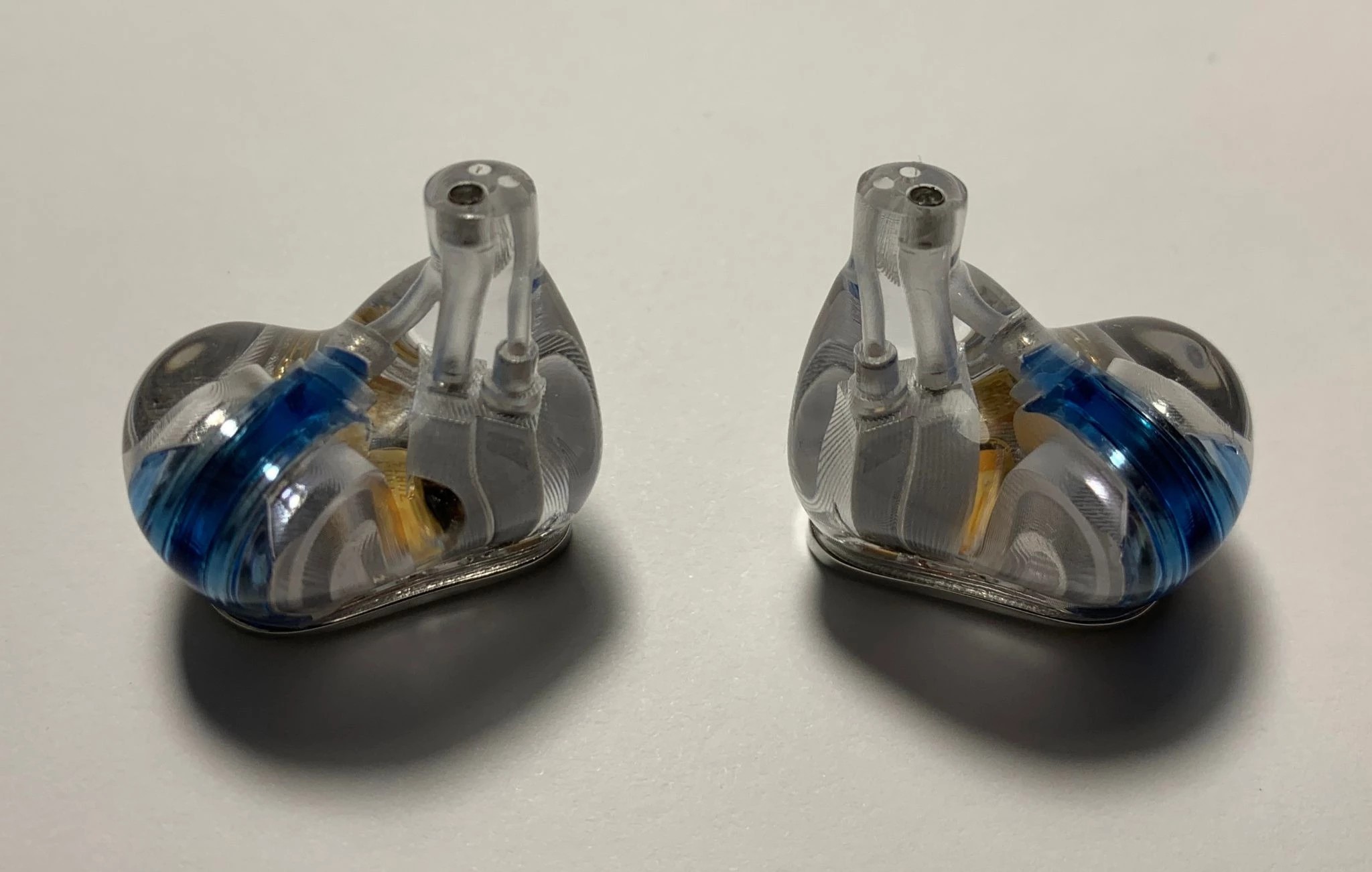
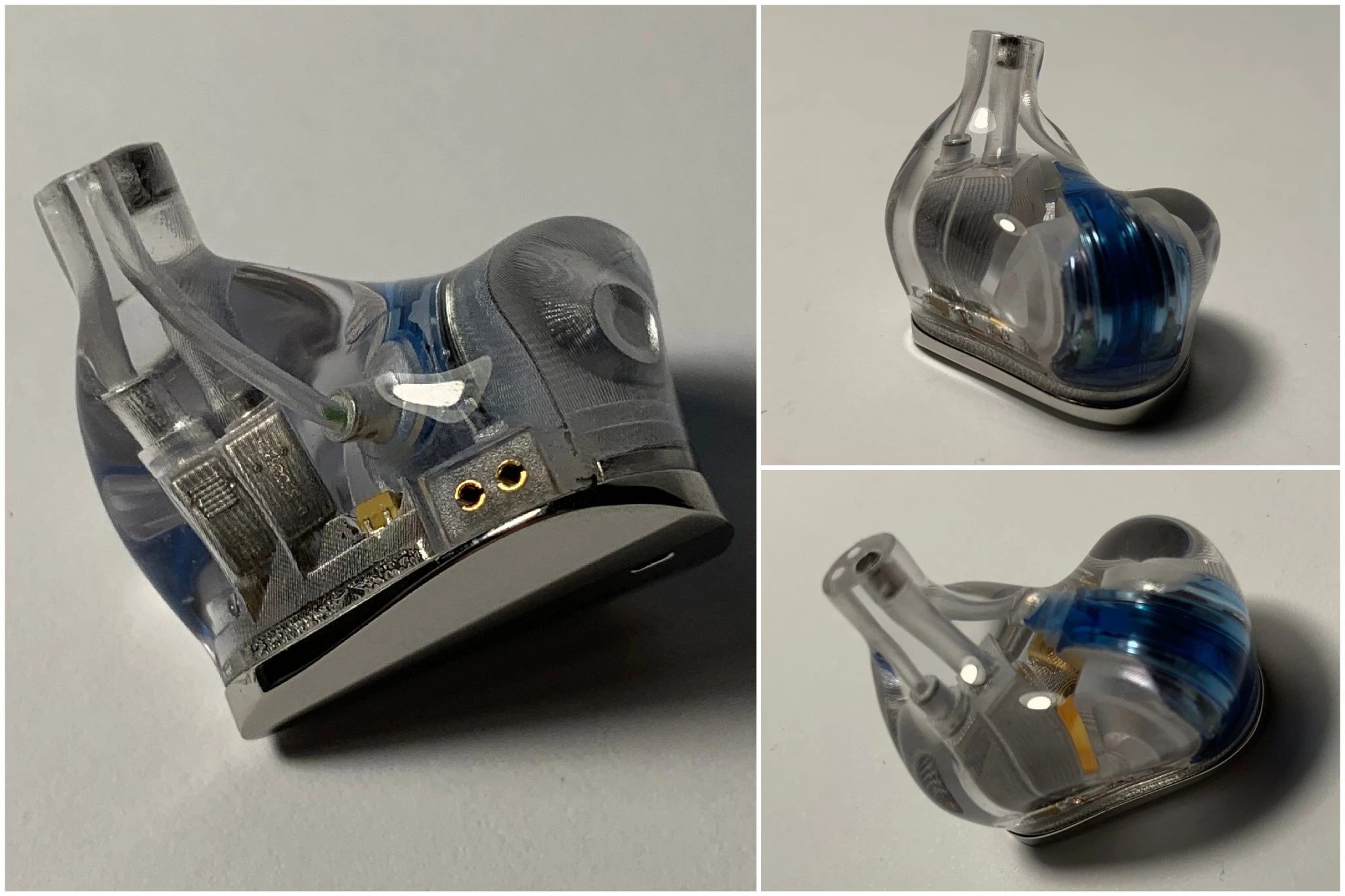
The rest of the shell is transparent medical-grade resin, 3D-printed to form a precisely calculated acoustic chamber. You can see the internal structure, the sound channels, the logic behind the design. Nothing is hidden, and nothing feels decorative for the sake of it. This transparency isn’t a gimmick — it’s a statement.
In the ear, the Blessing 3 uses a familiar universal IEM shape. The shells are slightly larger than average and they do protrude a bit, so they’re not trying to disappear. But once seated correctly, they lock in securely. The fit is stable, the insertion depth is moderate, and they stay put even when moving around. Comfort over long listening sessions is better than the size might suggest.
Build
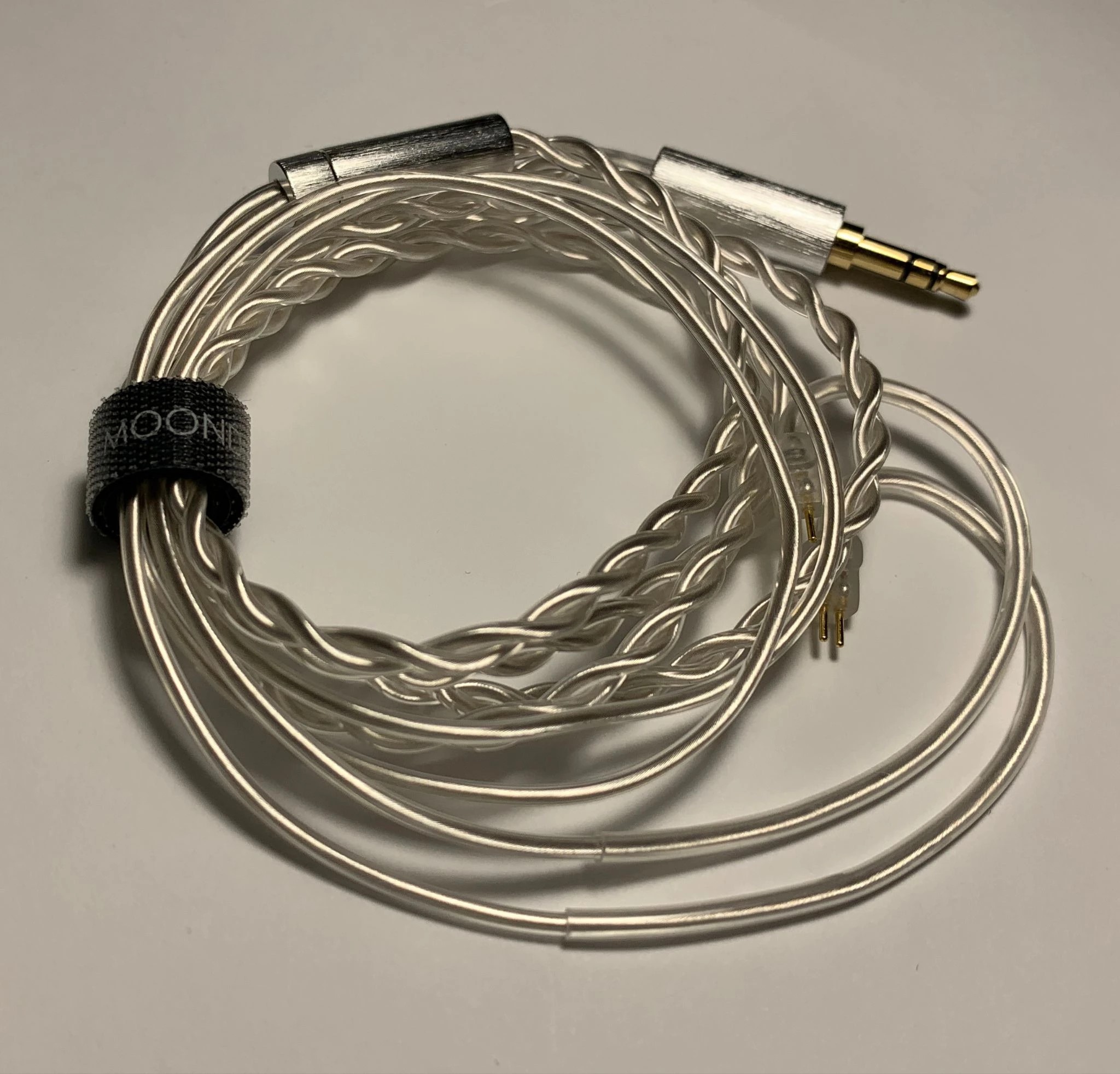
The cable is silver-plated copper, neither too stiff nor too soft, and it behaves the way a cable should. It doesn’t tangle easily, it holds its shape, and it doesn’t fight you when you coil it. The connectors and splitter are aluminum, with a slightly raw, industrial texture that fits the overall aesthetic perfectly.
The carrying case deserves credit as well. It’s rigid, well-finished, and practical rather than ornamental. The clasp feels secure, the interior is soft, and there’s enough room to store the headphones without forcing anything. This is a case you’ll actually use, not one you leave at home because it’s inconvenient.
Sound
Before diving into frequencies, it’s important to understand what the Blessing 3 is not. This is not an instant-gratification tuning. It doesn’t grab you by the collar in the first ten seconds. There’s no exaggerated bass shelf, no artificial sparkle designed to impress in a showroom.
Instead, the sound is calm, controlled, and mature. It feels considered. Almost restrained — but never dull.
The presentation is close to neutral, with a clear emphasis on clarity and structure. Bass is tight and disciplined rather than deep and dominant. The midrange is clean, open, and highly resolved, allowing instruments and vocals to breathe. Treble is extended and slightly emphasized, adding air and precision without drifting into harshness when paired with the right source.
One thing became obvious very quickly: the Blessing 3 reacts strongly to the source. Change the DAC or amplifier, and the character shifts noticeably.
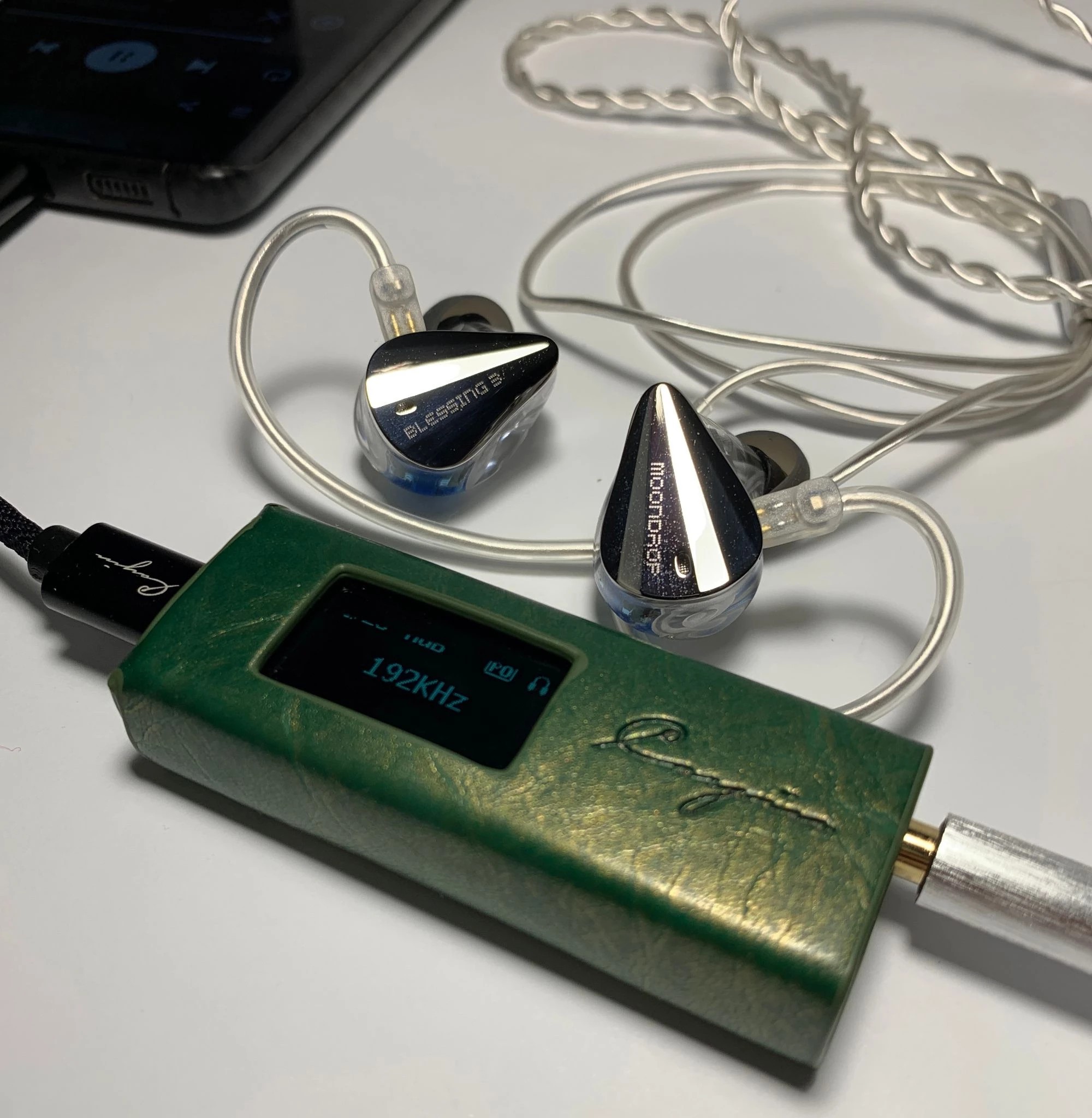
Paired with the Cayin RU7, the Blessing 3 leans into resolution and brightness. The bass remains controlled and relatively light, the midrange stays clean and articulate, and the treble becomes more forward. Detail retrieval is excellent, but this combination isn’t forgiving. If you’re sensitive to high frequencies, it will let you know.
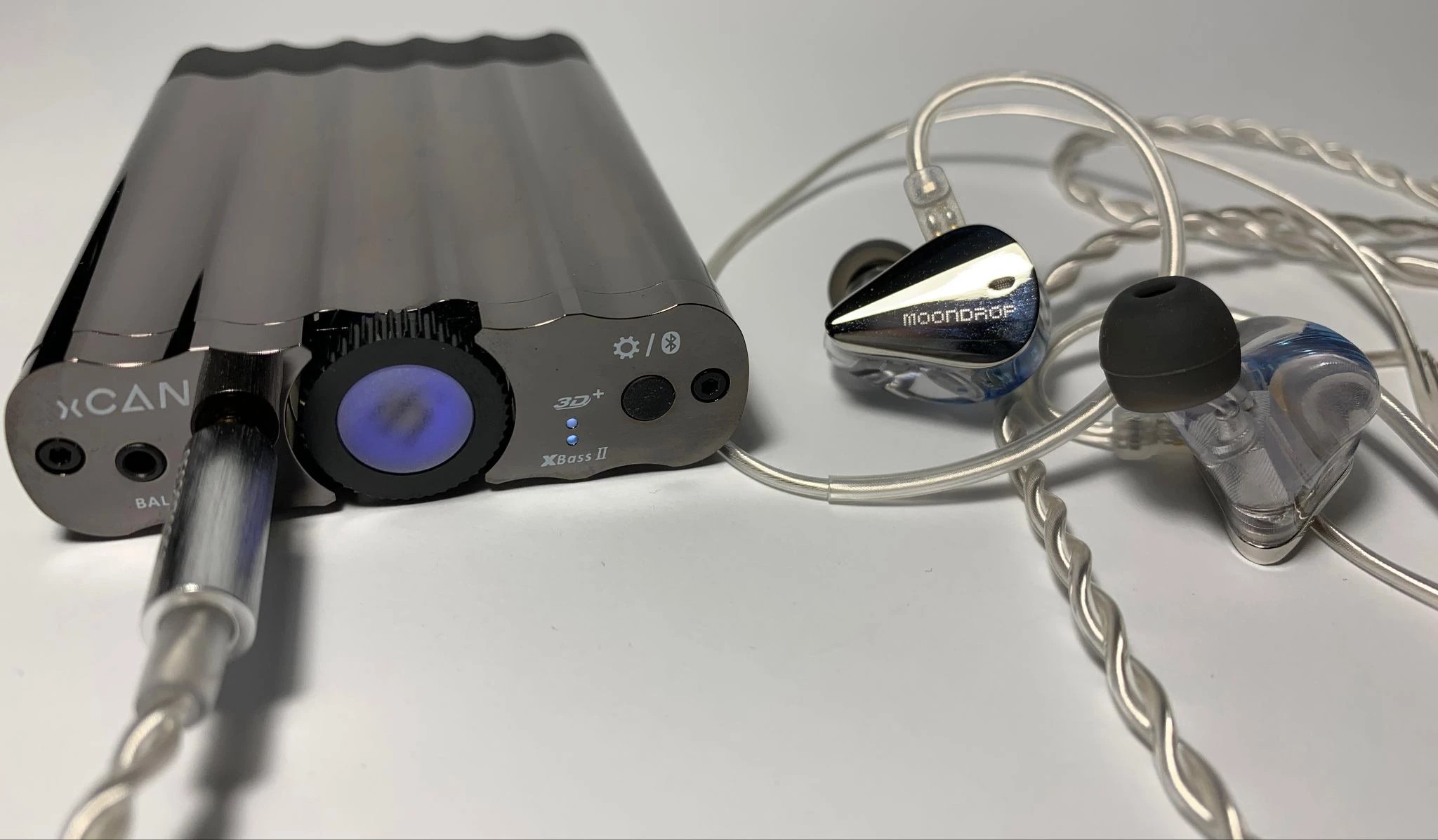
Switching to the iFi xCAN tells a different story. Using it wirelessly with aptX and engaging the XBass II and 3D+ processing transforms the presentation. Bass gains weight and depth without losing control, the midrange warms slightly, and the treble smooths out just enough to allow long, relaxed listening sessions. The sound becomes more emotional, more engaging, and frankly more fun.
What’s impressive is how well the Blessing 3 scales with these changes. It doesn’t fall apart. It adapts.
Over time, the Blessing 3 reveals its real strength. It doesn’t fatigue you. It doesn’t push itself forward. It simply lets you explore your library in detail. Recordings you know well start to show small nuances you hadn’t noticed before. Poor recordings aren’t hidden, but they’re not brutally exposed either.
Vocals sit naturally in the mix rather than dominating it. Instruments are clearly separated, and the soundstage, while not massive, feels coherent and well-organized. This isn’t a headphone that tells you what to feel. It lets the music decide.
Conclusion
The Moondrop Blessing 3 isn’t chasing trends, and it’s not trying to please everyone. It’s a deliberate, carefully tuned in-ear monitor aimed at listeners who already know what they like and aren’t interested in gimmicks.
If you want thunderous bass or immediate excitement, this probably isn’t your headphone. But if you’re looking for a mature, balanced, and highly resolving IEM that rewards careful source matching and thoughtful listening, the Blessing 3 makes a very strong case for itself.
It’s not loud. It’s not flashy.
It’s confident — and it grows on you the longer you listen.




Sound Off
0Join the discussion if you have something to add.