


Vacuum tube power amplifiers continue to hold a special place in high-end audio—not out of nostalgia, but because no other technology delivers quite the same emotional connection to music. Today’s finest tube designs blend classic tonal beauty with modern engineering, offering far more power, control, and reliability than vintage designs ever could.
Below is a carefully curated selection of some of the most compelling modern tube power amplifiers available today. Each one approaches the art of amplification differently, but all share a commitment to musical realism, dimensionality, and long-term listening pleasure.
Manley Laboratories Mahi
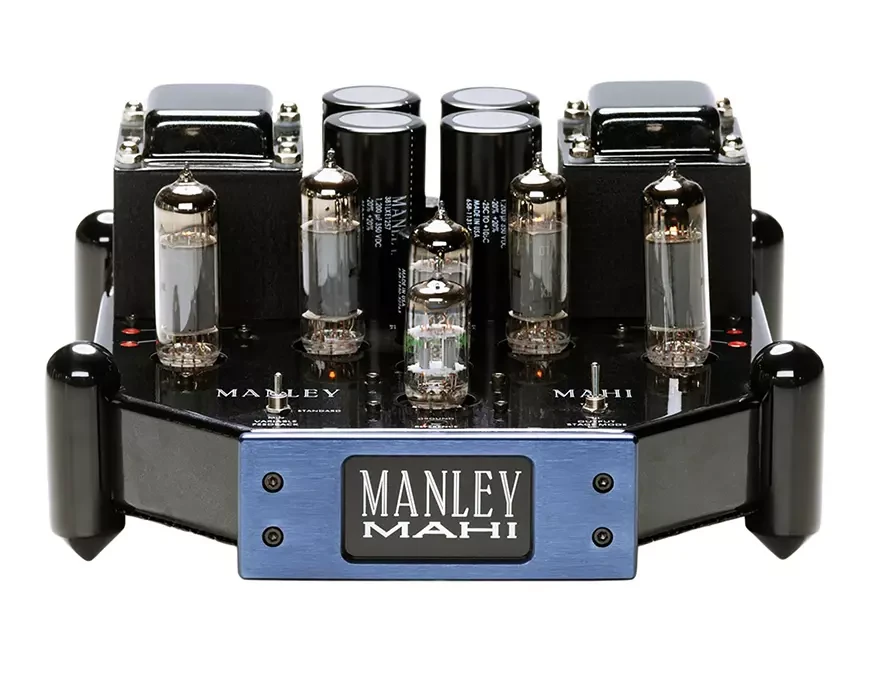
Price: $6,599 per pair
Pros: Exceptional value, dual pentode/triode operation
Cons: None at this price level
The Manley Mahi monoblocks are proof that serious tube performance doesn’t have to be financially terrifying. Using EL84 tubes in pentode mode, they deliver a surprisingly robust 40 watts per channel. Switch to triode mode and output drops to 20 watts—but what emerges is a more intimate, transparent, and beautifully balanced presentation.
With the right speakers, the Mahi amps disappear sonically, leaving behind an open midrange, natural tone, and a relaxed yet engaging soundstage. Their flexibility makes them easy to integrate into many systems, and their musicality makes them very hard to replace. In short, they punch well above their weight.
Air Tight ATM-1 – 2024 Edition
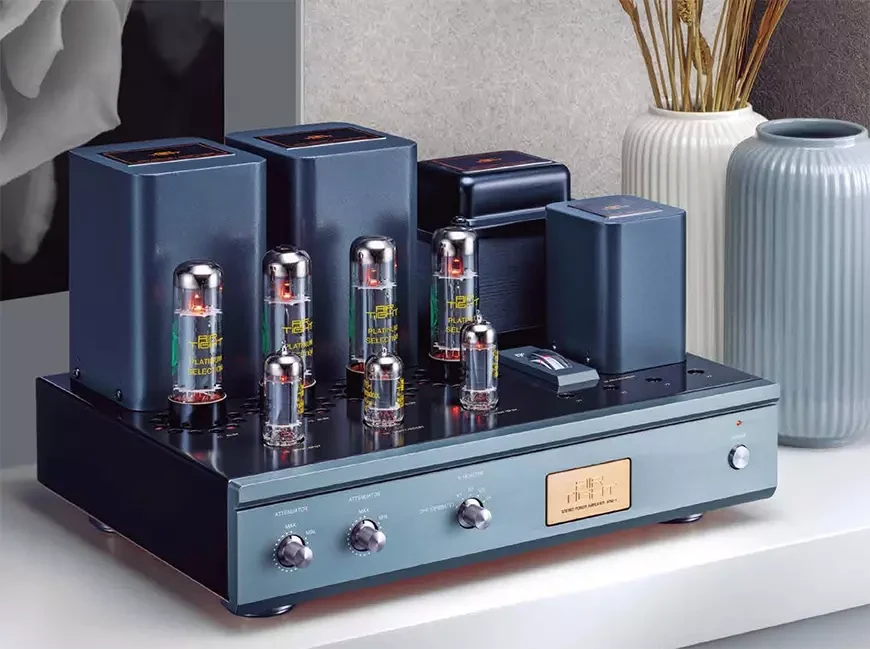
Price: $14,975
Pros: Holographic imaging, refined warmth, excellent build quality
Cons: Bass texture could be slightly more nuanced
The latest iteration of the Air Tight ATM-1 is a masterclass in elegant tube design. Built around EL34 output tubes in a push-pull configuration, supported by carefully selected driver tubes, the 2024 Edition benefits from significantly upgraded transformers that enhance both dynamics and tonal stability.
The sonic character is exactly what many tube enthusiasts seek: rich harmonic structure, fluid midrange, and a deeply immersive soundstage with outstanding depth. With 35 watts per channel, the ATM-1 offers more than enough power for most real-world systems, all while maintaining a sense of ease and refinement that invites long listening sessions.
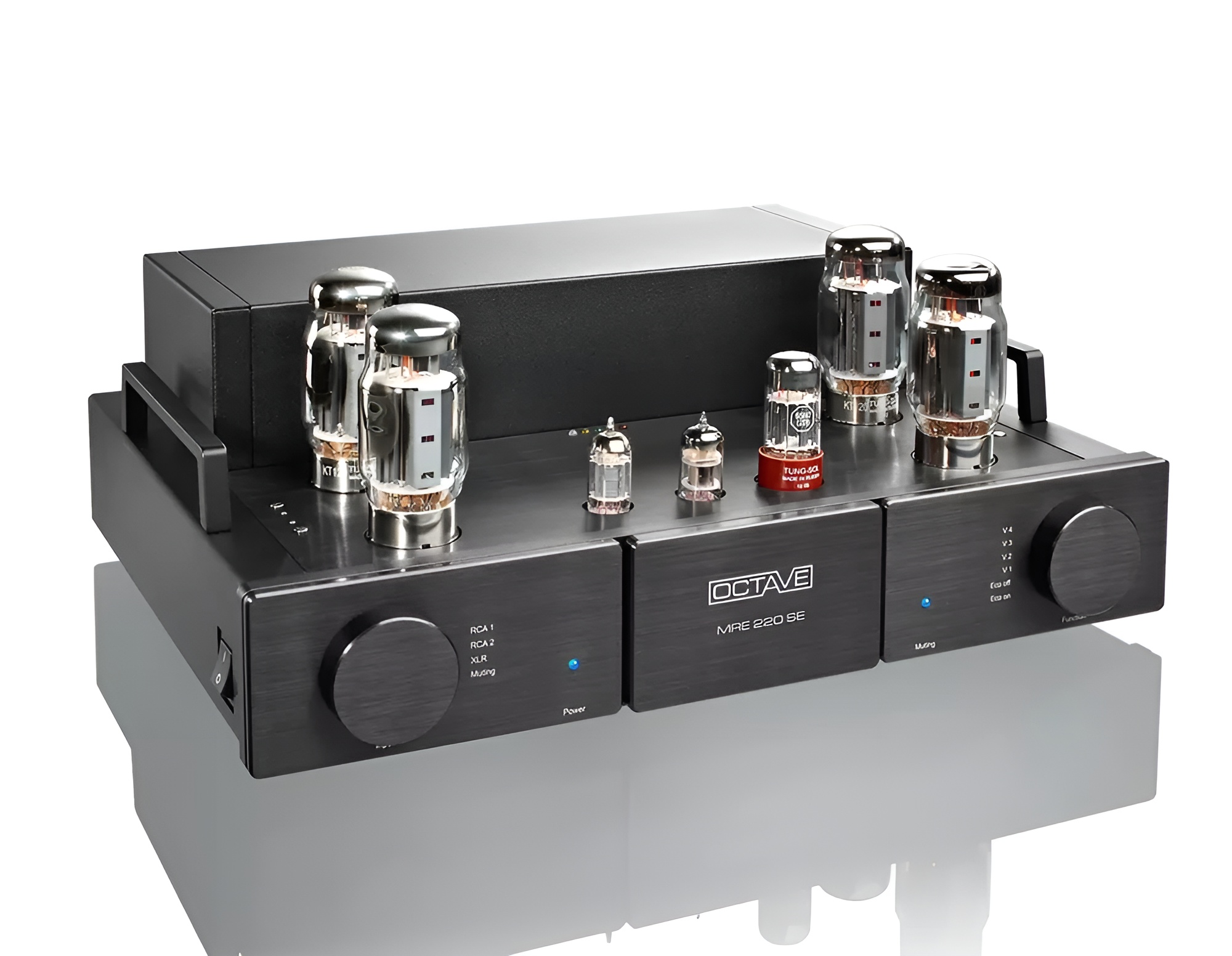
Octave Audio MRE 220 SE
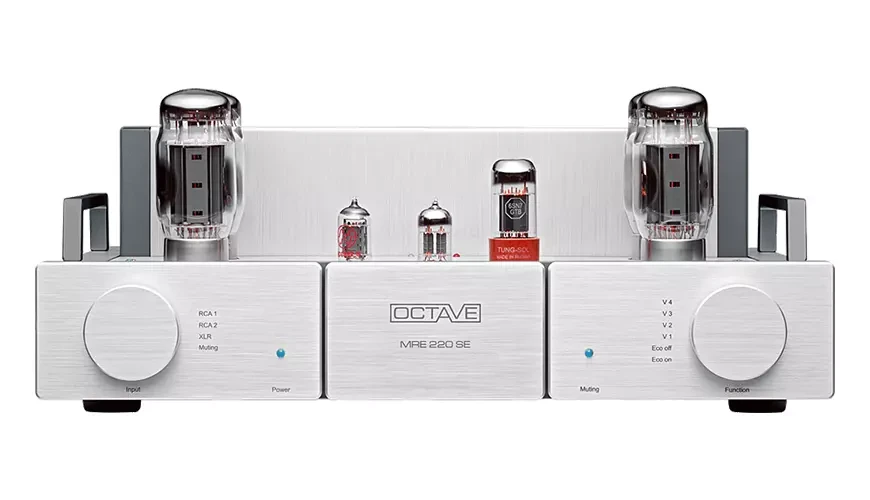
Price: $30,000 per pair
Pros: Enormous power reserves, superb speaker control
Cons: Optional upgrades are costly
The Octave MRE 220 SE monoblocks challenge every outdated assumption about what tube amplifiers can do. Equipped with KT88 tubes as standard—and optionally KT120 or KT150—the MRE 220 SE delivers astonishing output: 130 watts into 8 ohms and up to 230 watts into 4 ohms.
What sets these amplifiers apart is not just raw power, but composure. Even with difficult speaker loads, they remain controlled, spacious, and tonally rich. Octave’s optional external capacitor module further enhances performance, turning an already formidable amplifier into a true reference-level tool for demanding systems.
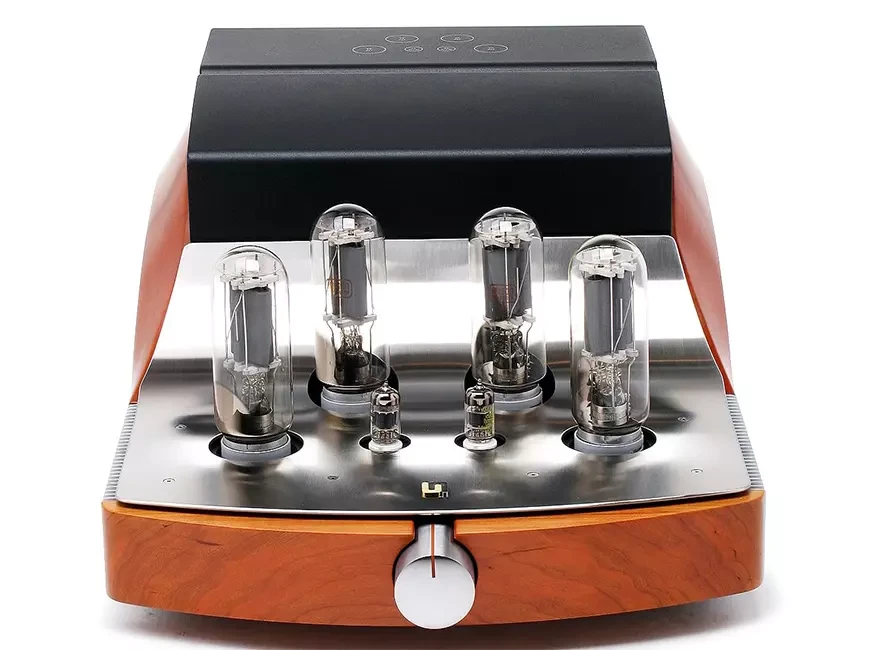
Unison Research Reference
Price: $49,998 per pair
Pros: Parallel 845 triodes, pure Class A operation
Cons: None in context of the price and ambition
At the very top of the tube hierarchy sits the Unison Research Reference monoblocks. These imposing amplifiers employ parallel 845 triodes operating in pure Class A—a rare and technically demanding approach that rewards the listener with extraordinary tonal density and realism.
Despite their tube heritage, these amplifiers deliver up to 75 watts of continuous output, enough to drive even large, complex loudspeakers with confidence. The magic of the 845 tube—its luminous midrange and effortless flow—is fully intact, complemented by deep, textured bass and finely resolved highs. This is statement-level tube amplification, built without compromise.
Tube Power Amplifiers vs. Regular Power Amplifiers – What’s the Difference?
The fundamental difference between vacuum tube power amplifiers and regular (solid-state) power amplifiers lies in how they amplify the audio signal—and how that process sounds to the human ear.
Tube amplifiers use vacuum tubes to increase signal voltage. This technology naturally introduces even-order harmonic distortion, which our ears tend to perceive as warmth, richness, and musical flow. The result is often a more organic midrange, deeper soundstage, and a sense of realism that many listeners describe as “live” or emotionally engaging. Tube amps also tend to clip more gracefully when pushed, making their limits less harsh and more forgiving.
Regular power amplifiers rely on transistors to amplify the signal. They typically offer higher efficiency, greater raw power, tighter bass control, and lower measured distortion. Their sound is often described as cleaner, faster, and more neutral, with excellent grip over difficult speaker loads—but sometimes at the expense of tonal warmth or dimensionality.
In practice, neither approach is objectively “better.” Tube amplifiers prioritize tone, texture, and spatial realism, while regular power amplifiers emphasize control, precision, and consistency. Choosing between them is less about specifications and more about musical taste, speaker matching, and how you want music to feel—not just sound—in your system.
Conclusion
These amplifiers demonstrate just how diverse and capable modern tube amplification has become. Whether you’re seeking exceptional value, classic tube romance, or near-limitless power with glowing bottles, each of these designs represents a distinct and highly refined interpretation of what vacuum tube amplification can be today.
If your priority is emotional connection, spatial realism, and long-term listening joy, these tube power amplifiers remain among the most rewarding choices in high-end audio.



Join the discussion
Share your thoughts, listening impressions or product experience.