
Accuphase DC-500 & DG-78: High-End DAC and Room Correction Go Next Level
Accuphase quietly introduces the DC-500 DAC and DG-78 digital equalizer, featuring ESS ES9028PRO arrays, MDS architecture, and advanced room correction, expected mid-2026.
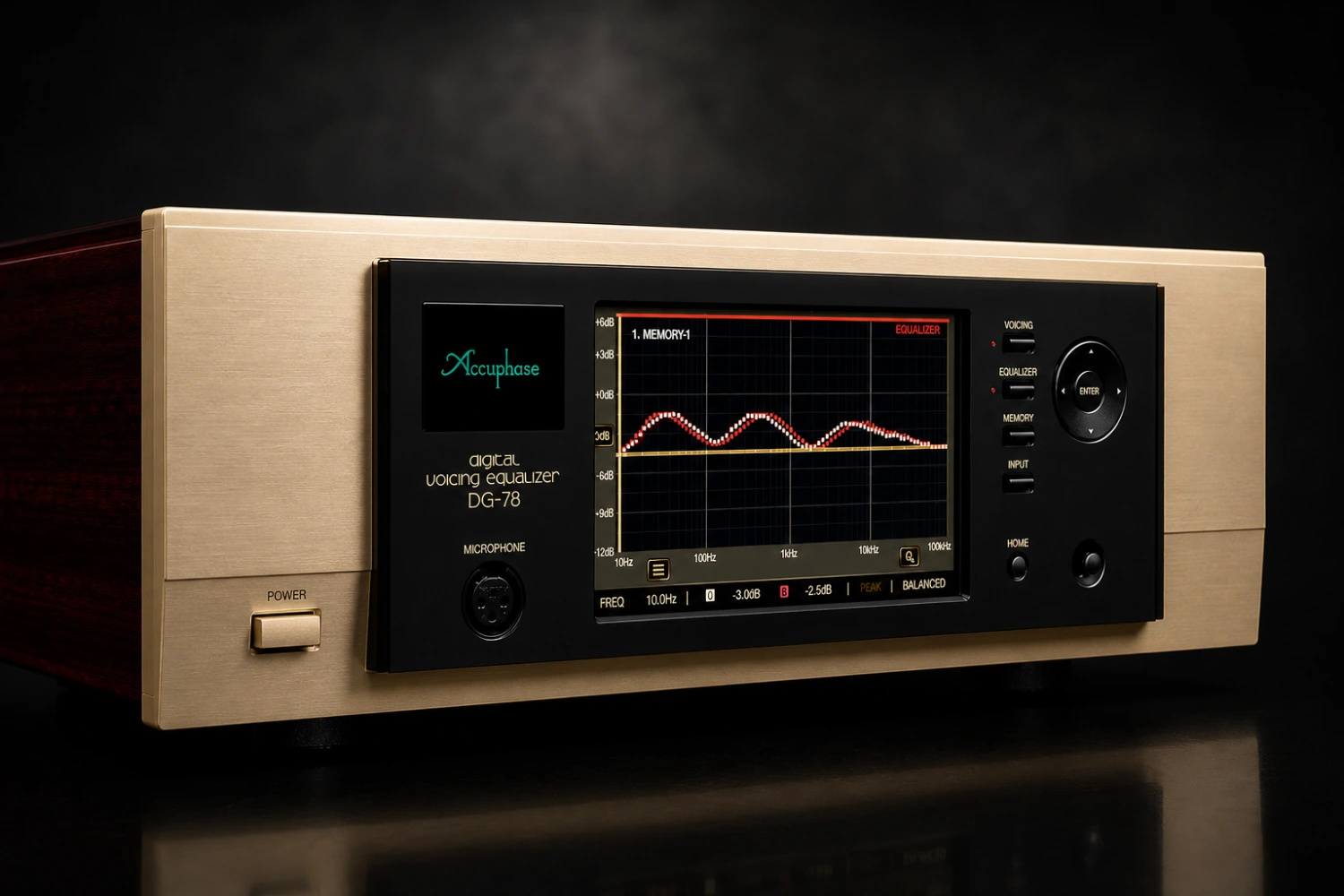
Japanese high-end specialist Accuphase appears to be reshaping its digital hierarchy with the low-key introduction of two new components, the DC-500 digital processor and the DG-78 digital equalizer and room correction unit. Interestingly, neither model has yet been fully integrated into the brand’s global website, where the flagship DC-1000 still dominates and the DG-68 lingers as a discontinued reference. This points to a controlled rollout, more soft launch than headline release.
DC-500 brings flagship DNA into a leaner digital core
The DC-500 positions itself as a more accessible entry into Accuphase’s top-tier digital philosophy, effectively distilling much of what defines the DC-1000 into a more compact and cost-conscious platform. Early indications suggest a price point significantly below the flagship, potentially around half, achieved through targeted revisions rather than a fundamental redesign.
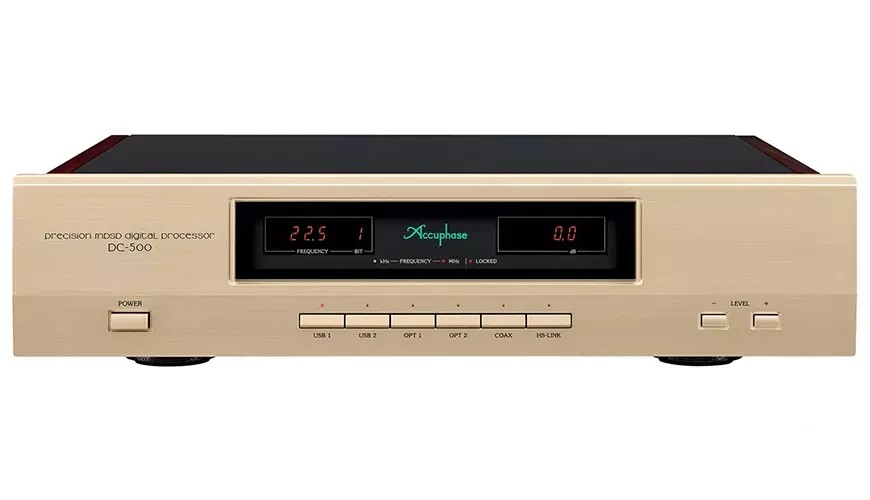
The visual language remains unmistakably Accuphase, but with subtle simplifications, no wooden side panels, a tighter chassis, and a revised internal layout. Under the hood, however, the architecture stays serious.
At its core sits an eight-channel DAC array built around ESS ES9028PRO chips operating in parallel. This configuration enables Accuphase’s proprietary MDS (Multiple Delta Sigma) topology for PCM signals, paired with MDSD processing for DSD. The parallel DAC implementation is not just about raw numbers, it’s about statistical noise reduction and linearity improvements at ultra-low signal levels, a hallmark of Accuphase’s digital design approach.
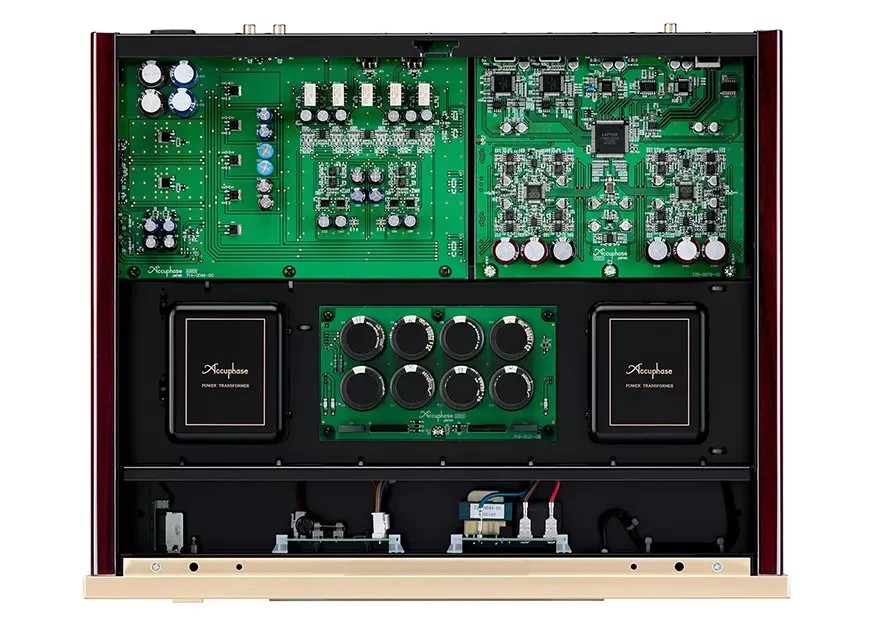
Signal integrity is further refined through the ANCC (Accuphase Noise and Distortion Cancelling Circuit), an active analog stage designed to suppress residual noise and distortion artifacts before output. The result is a processor that prioritizes purity, low noise floor, and micro-detail retrieval rather than chasing feature bloat.
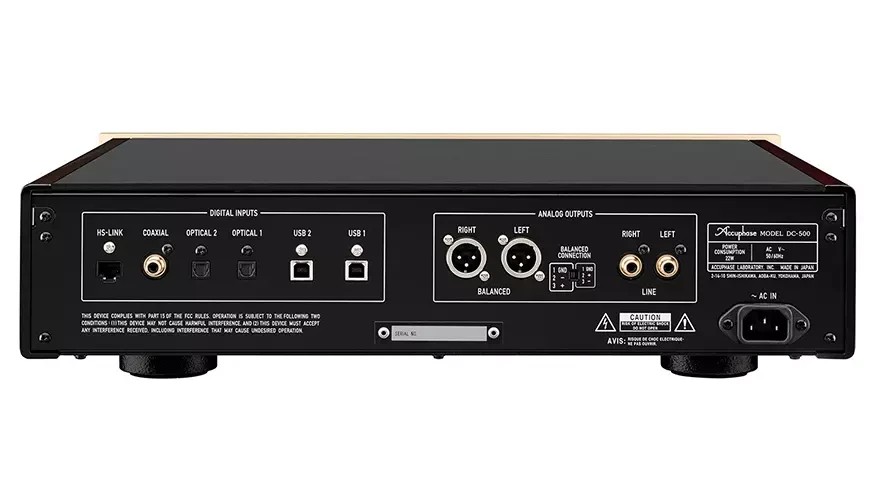
Connectivity is comprehensive but focused, with coaxial and optical inputs, USB Type-B for computer audio, and both balanced and unbalanced analog outputs. No unnecessary extras, just a clean, high-performance signal path.
DG-78 evolves room correction with a modern interface
Alongside the DC-500, Accuphase introduces the DG-78, a successor to the DG-68 and a continuation of the company’s long-standing approach to digital room correction and signal shaping.
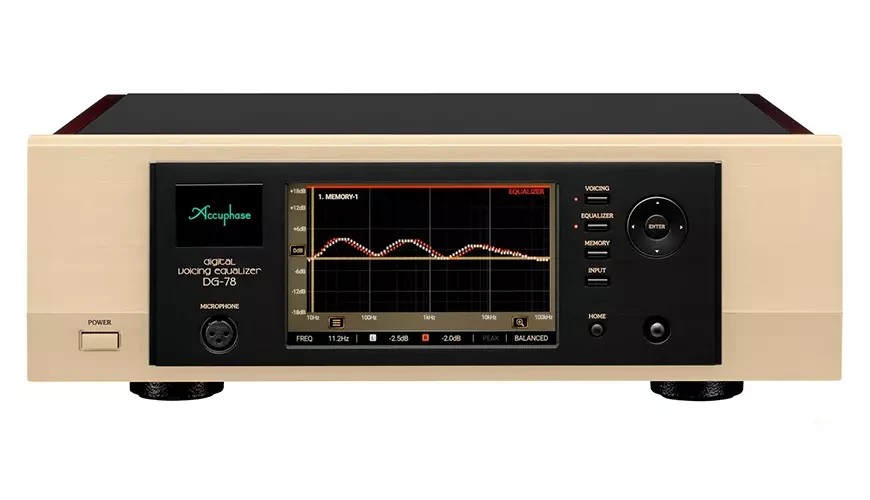
The most visible change is the move to an electrostatic touchscreen interface, replacing the traditional button-driven control scheme. It’s a notable shift for a brand known for its conservative UI philosophy, and it signals a more modern, interactive approach to system calibration.
Internally, the DG-78 retains its tri-mode architecture, Voicing, Equalizer, and Analyzer. This allows it to function as a full DSP correction engine, a manual tuning tool, and a real-time measurement system in one chassis. For users who demand precision control over room acoustics, this remains one of the most flexible solutions in high-end audio.
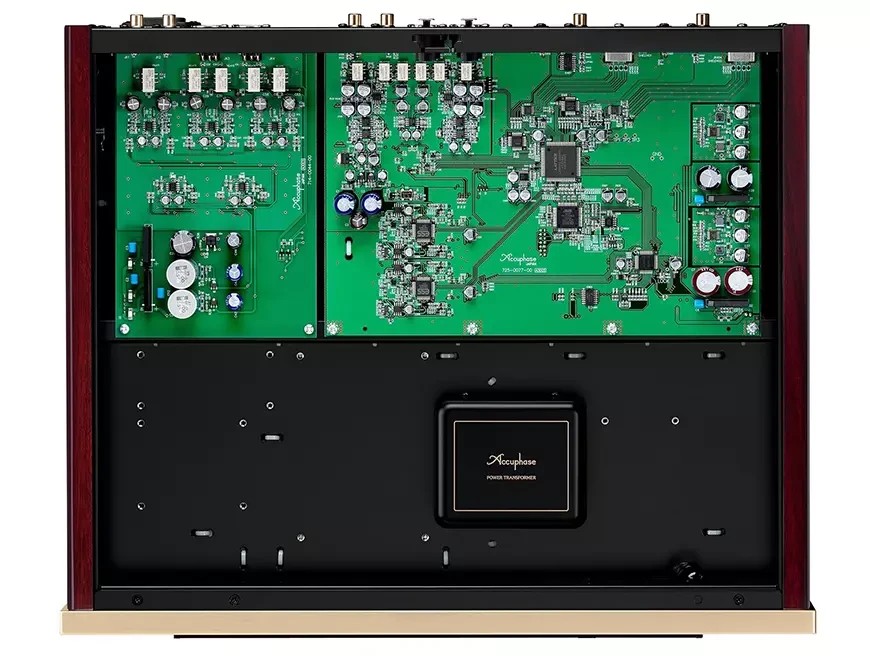
The DAC section mirrors the DC-500, again utilizing eight ES9028PRO chips in a parallel configuration, combined with Accuphase’s proprietary noise suppression circuitry. This ensures consistent sonic character across both components, whether used independently or as part of a unified digital front-end.
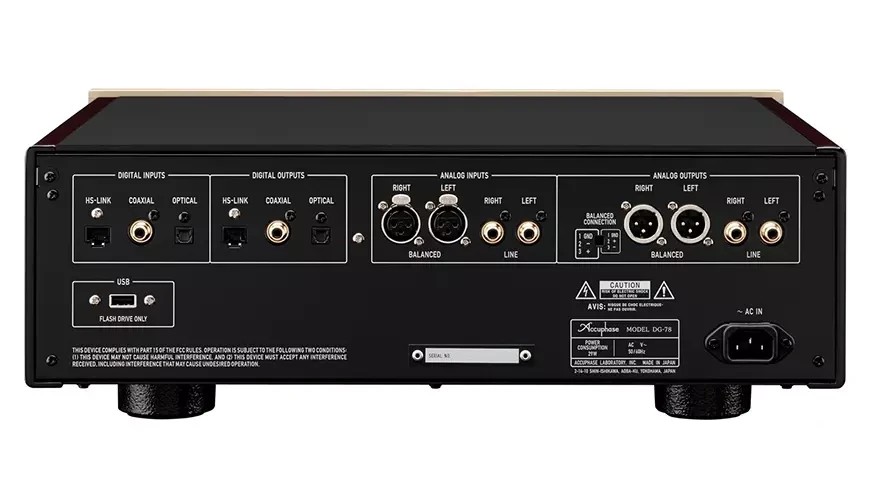
Crucially, the DG-78 maintains support for both analog and digital signal paths, making it equally relevant in hybrid systems where vinyl, streaming, and digital sources coexist.
A soft launch with clear intent
Both the DC-500 and DG-78 are expected to begin shipping around mid-2026, though official pricing and full global availability remain unconfirmed. Their absence from the official Accuphase product pages suggests a phased introduction, likely starting with select markets.
What is clear, however, is the direction. With the DC-500, Accuphase is making its reference digital architecture more attainable without diluting its core principles. With the DG-78, it is refining its room correction ecosystem while cautiously embracing modern usability.
For a brand that rarely moves quickly, this dual release feels deliberate, a subtle but important recalibration of its digital lineup, balancing tradition, engineering purity, and just enough evolution to stay relevant in an increasingly software-driven hi-fi world.


Comments 0
Share your experience, questions and perspective with other hi-fi enthusiasts.