


Let’s get one thing straight: great bookshelf speakers are no longer a compromise. Some of the most convincing, revealing, and musically satisfying loudspeakers available today just happen to live on stands. In the right system and the right room, they can deliver clarity, scale, and realism that puts many large floorstanders to shame.
This ranking isn’t driven by hype, price tags, or spec-sheet bravado. It’s shaped by careful listening, long-term experience, and how these speakers behave in real homes with real electronics. Think of it as a practical guide to reference-level stand-mounts, what each model does exceptionally well, where it asks more of your system, and which kind of listener it’s truly built for.
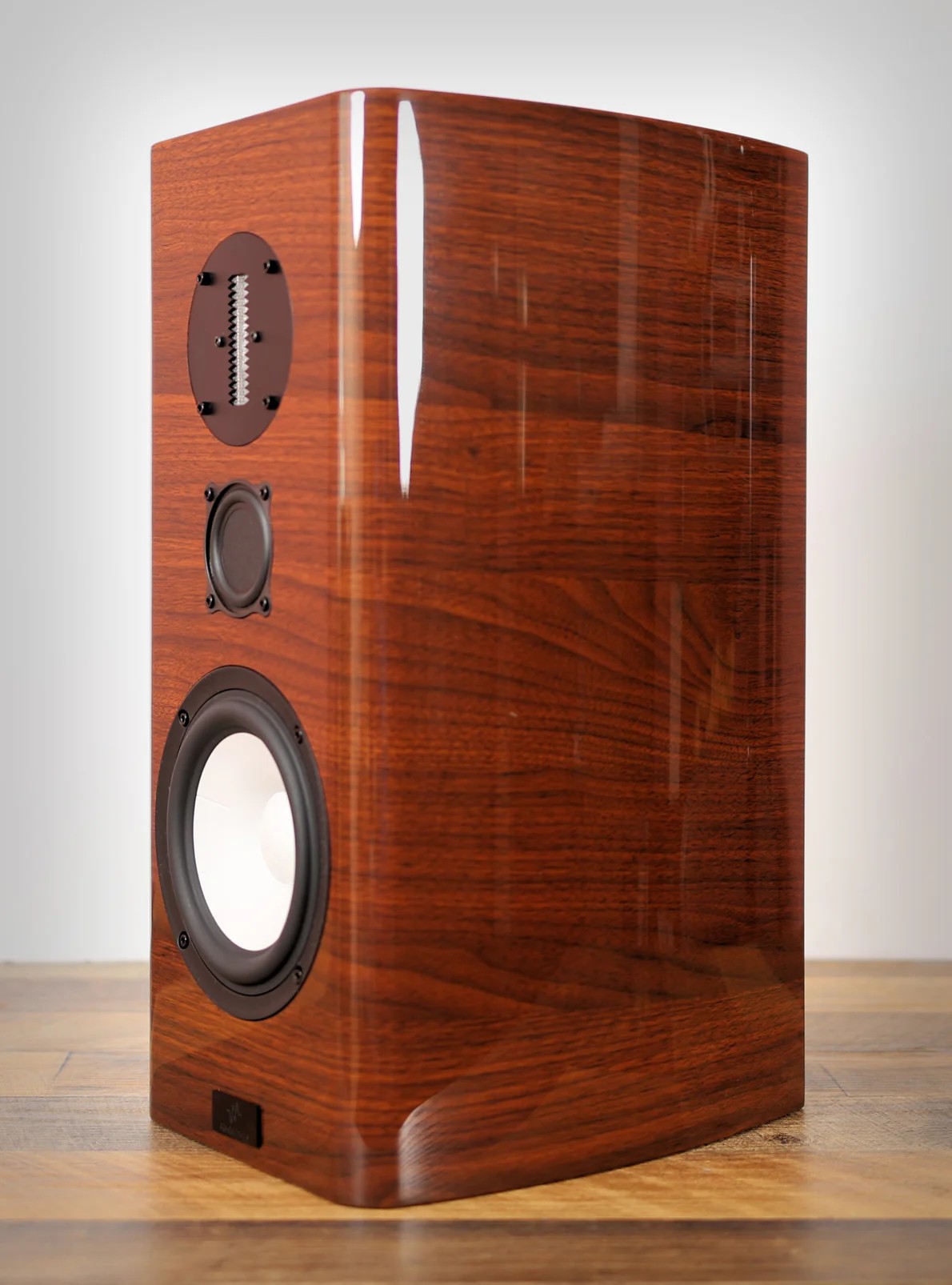
Philharmonic Audio BMR Monitor
Price: $2,200
Why we love it: Natural, coherent, startlingly real
What to know: Needs serious amplification
The Philharmonic Audio BMR Monitor is one of those speakers that quietly destroys expectations. On paper it looks modest. In practice, it delivers a soundstage and tonal realism that feels uncannily right.
The secret sauce is the Balanced Mode Radiator midrange, working alongside a ceramic woofer and a RAAL ribbon tweeter. The result is a seamless, unforced presentation with exceptional midrange truth, voices and acoustic instruments sound like themselves, not “hi-fi versions” of themselves.
At 86.5 dB sensitivity, these are not plug-and-play speakers. Feed them real current and they reward you with a sound that feels honest, spacious, and effortlessly musical. At this price, they’re borderline ridiculous.
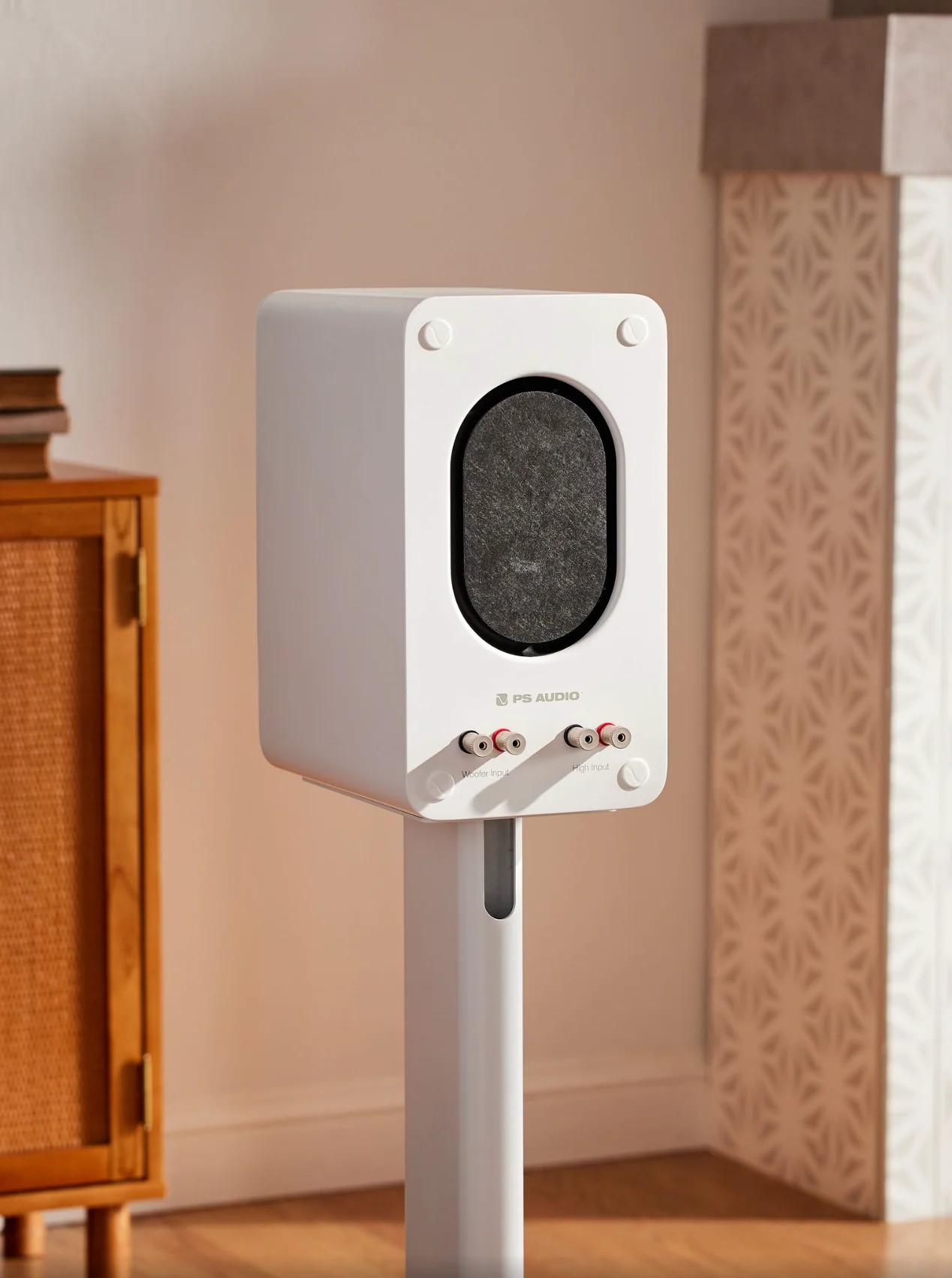
PS Audio Aspen FR5
Price: $4,499
Why we love it: Big-speaker sound from a compact box
What to know: Extremely power hungry
The Aspen FR5 is proof that bookshelf speakers don’t have to sound small. These things punch way above their size, throwing a huge, three-dimensional soundstage with authority and scale that borders on floorstander territory.
Planar tweeters handle the top end with speed and air, while passive radiators help dig deep in the bass. The tonal balance is spot-on, nothing sticks out, nothing feels missing.
The catch? Sensitivity is a brutal 83.5 dB. These speakers demand current, control, and commitment. Give them the amplifier they deserve and they’ll reward you with room-filling sound that feels effortless and immersive.
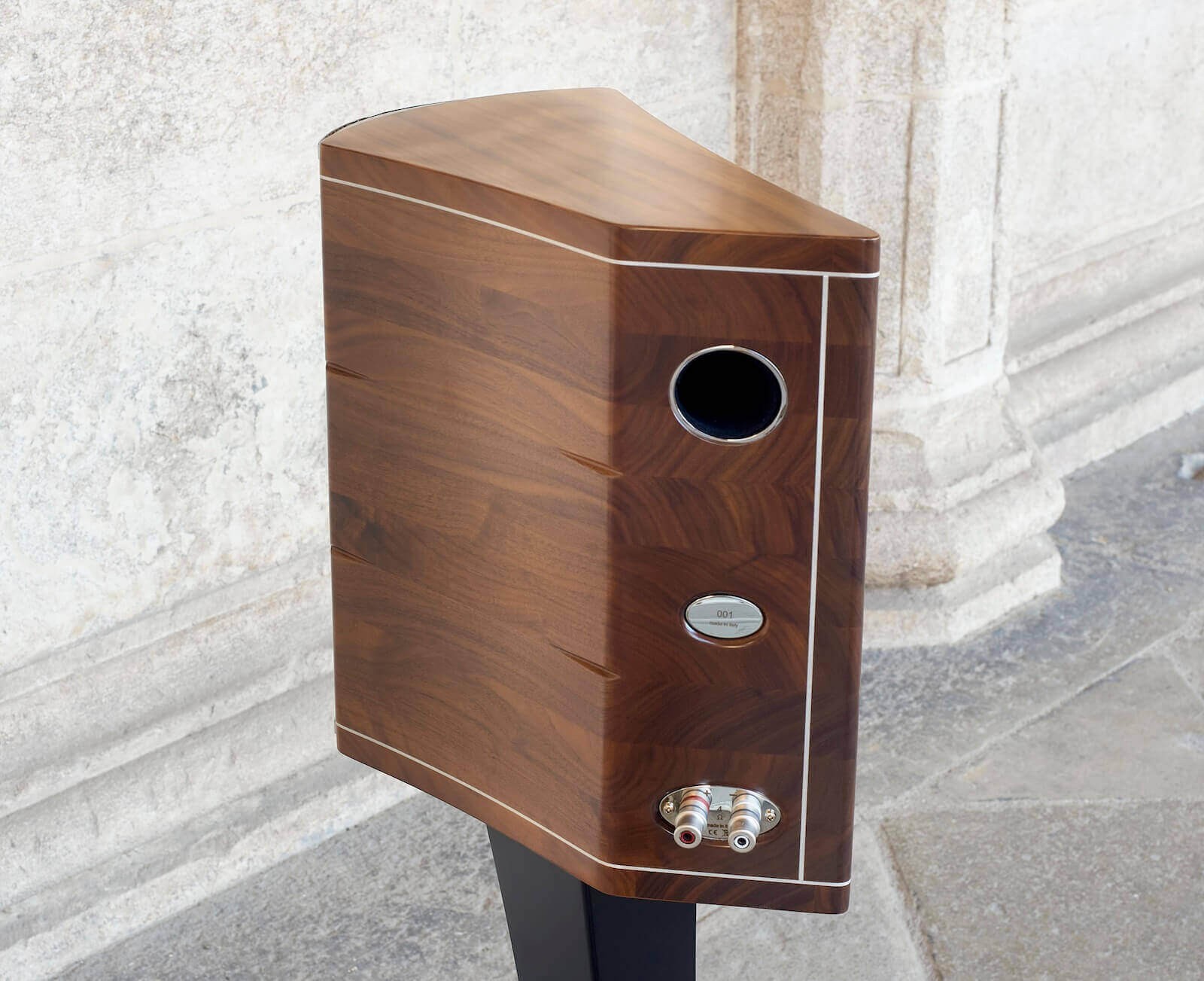
Franco Serblin Accordo Goldberg
Price: $13,475
Why we love it: Emotion first, perfection second
What to know: Bass depth is limited
These speakers don’t shout. They don’t impress with fireworks. They seduce.
The Accordo Goldberg is pure Franco Serblin philosophy: sculptural cabinets, exquisite craftsmanship, and a sound that prioritizes beauty and emotional connection. The Scan-Speak drivers and proprietary crossover work together to create a midrange that feels intimate, organic, and deeply expressive.
They don’t dig as deep as some rivals, but what they do deliver is musicality that gets under your skin. These are speakers you fall in love with, not because of specs, but because they make you forget about them entirely.
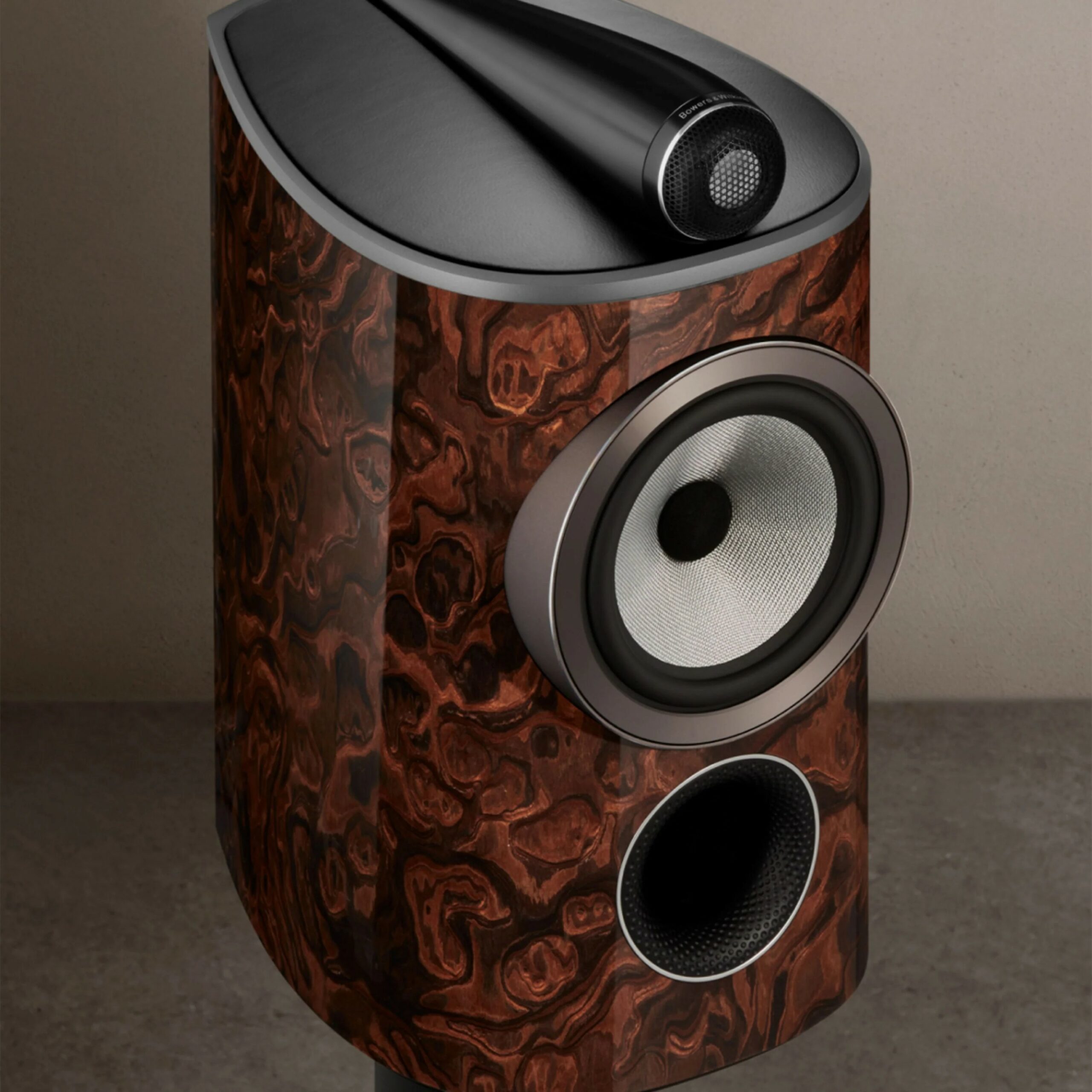
B&W 805 D4 Signature
Price: $14,000
Why we love it: Reference-grade resolution
What to know: Honestly? Not much
The 805 D4 Signature is what happens when decades of engineering refinement meet zero compromises. Everything here, from the Diamond tweeter to the Continuum mid/bass driver, exists for one reason: clarity without harshness.
These speakers image with surgical precision, scale effortlessly, and deliver bass that feels shockingly authoritative for their size. They’re transparent enough to expose weak upstream gear, yet refined enough to remain musical at all times.
This is a modern classic. Not flashy. Just devastatingly good.
Dutch & Dutch 8c
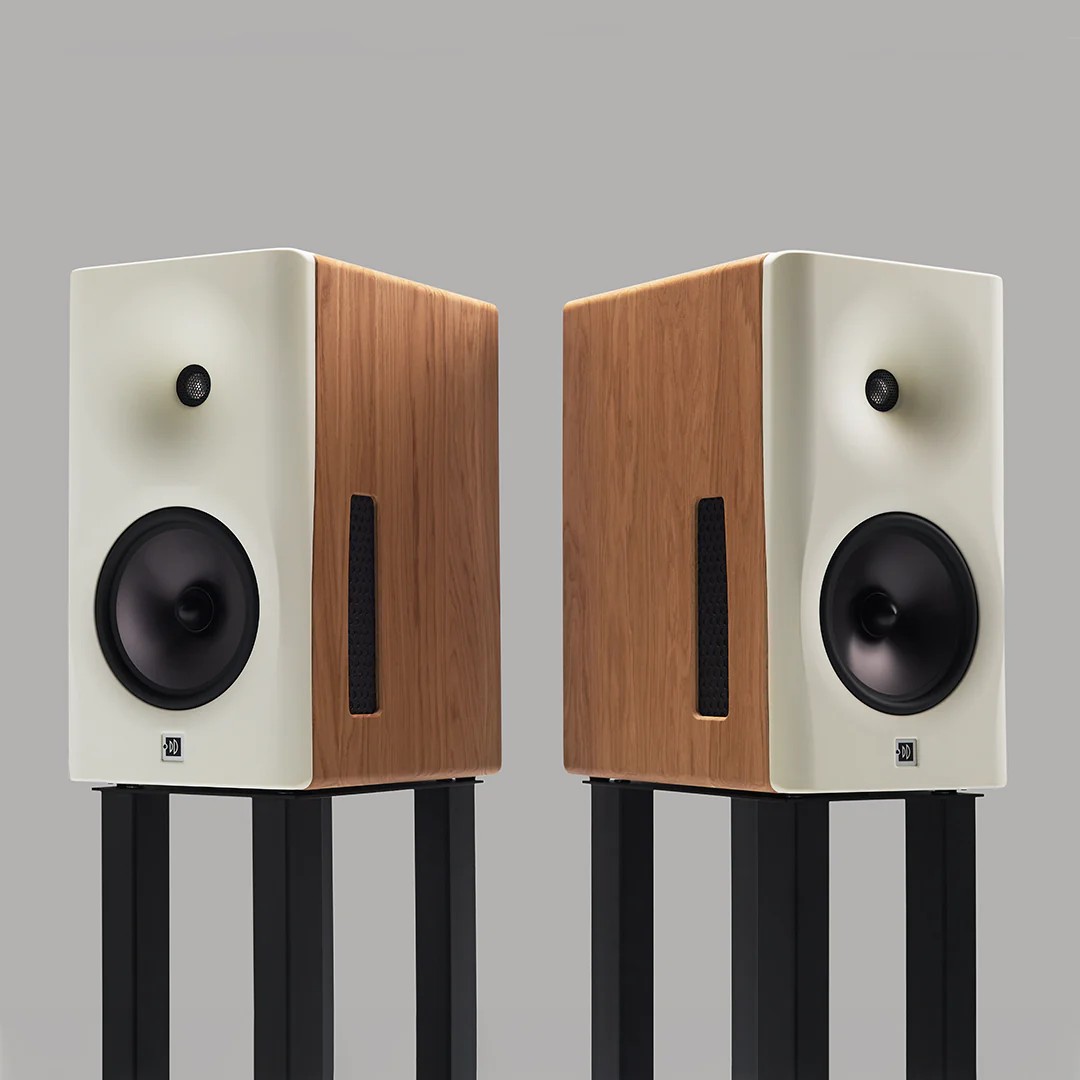
Price: $14,950
Why we love it: A complete system disguised as speakers
What to know: Nothing, this is the benchmark
The Dutch & Dutch 8c isn’t just a bookshelf speaker. It’s an argument against traditional systems.
Fully active, DSP-controlled, room-aware, and brutally accurate, the 8c delivers bass that feels physically impossible for a stand-mount design. Constant directivity ensures consistent sound throughout the room, not just in the sweet spot.
With built-in amplification, DAC, and Ethernet streaming, these speakers can replace an entire rack of gear, and sound better doing it. Once you hear them properly set up, it’s hard to un-hear what’s possible.
Industry standard? That’s not hype. It’s reality.
MBL Radialstrahler 120
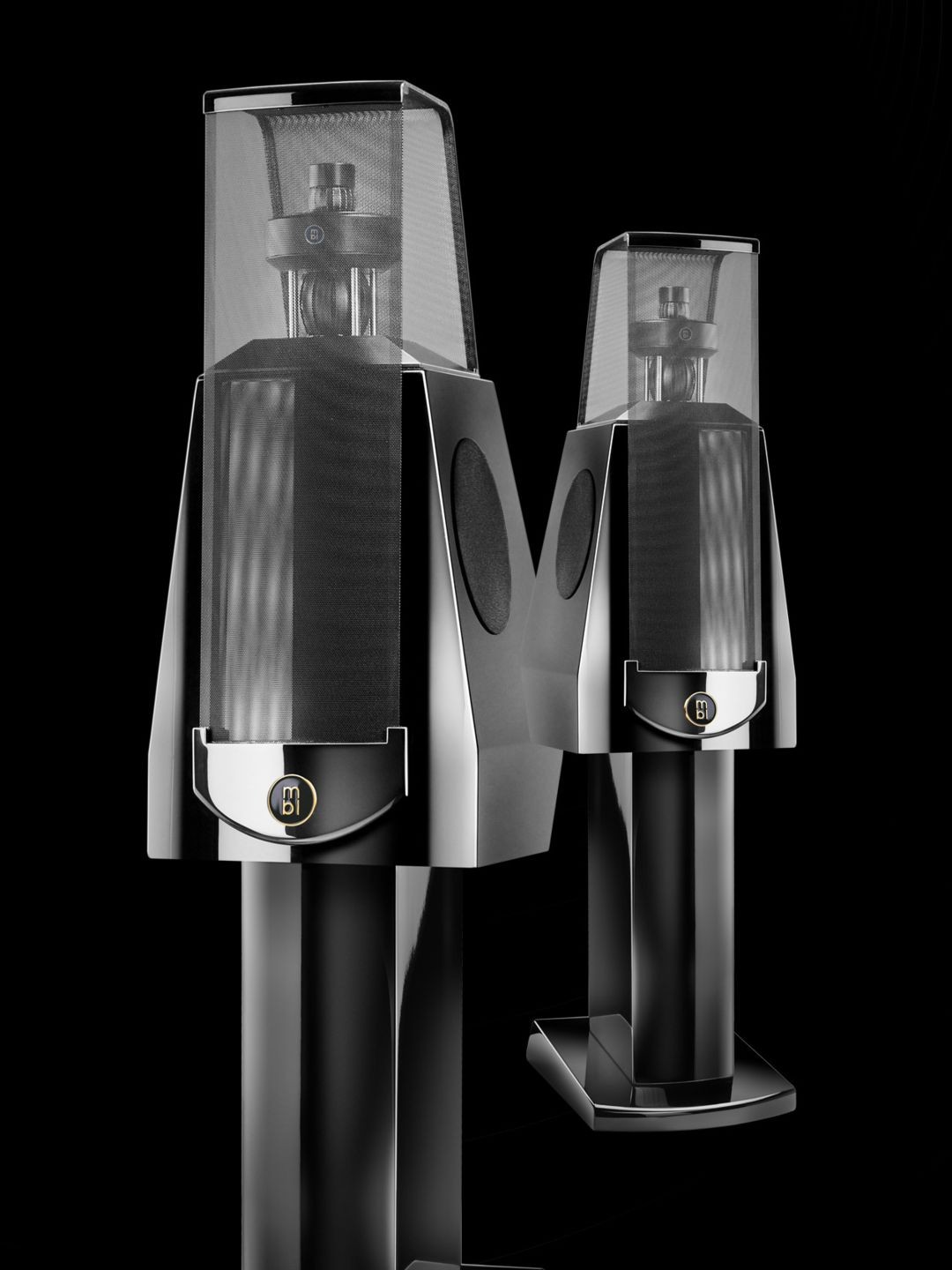
Price: $26,500
Why we love it: Nothing else sounds like this
What to know: Your amplifier will suffer
These speakers don’t play music at you, they fill the room with it.
The Radialstrahler design radiates sound omnidirectionally, creating an enveloping, holographic presentation that feels almost unreal. When everything locks in, the experience is breathtaking: seamless, immersive, and completely detached from the speaker boxes.
The price for this magic is steep electrical demand. With brutal sensitivity and impedance swings, these speakers absolutely require a serious, purpose-built amplifier. Get that right, and they’ll permanently reset your idea of soundstage realism.
Grimm LS-1c
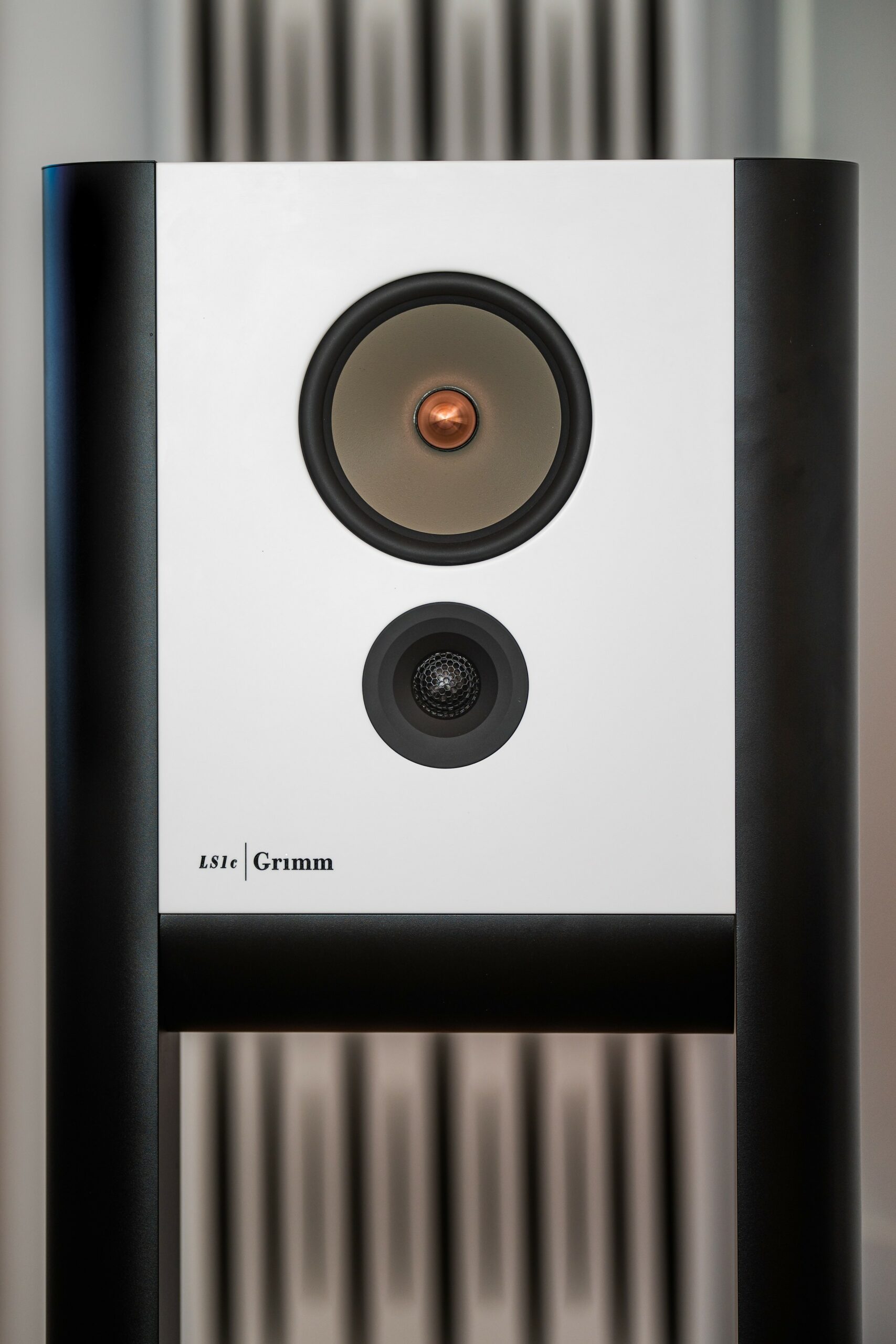
Price: $30,300
Why we love it: Radical ideas, flawlessly executed
What to know: At this level, nothing
The LS-1c is what happens when engineering curiosity meets absolute discipline. Fully active, DSP-driven, FPGA-based, and ruthlessly optimized, these speakers deliver sound that is astonishingly clean, textured, and emotionally convincing.
Everything, from crossover behavior to phase alignment, is controlled with obsessive precision. Yet the result never feels sterile. Instead, the LS-1c sounds alive, dynamic, and deeply musical.
This is a true all-in-one reference system. No stacking boxes. No guesswork. Just world-class sound, done right.
Bookshelf and floor-standing speakers aren’t divided by size alone, they’re divided by intent, space, and how you want music to live in your room.
Bookshelf vs Floor-Standing Speakers: What Really Sets Them Apart
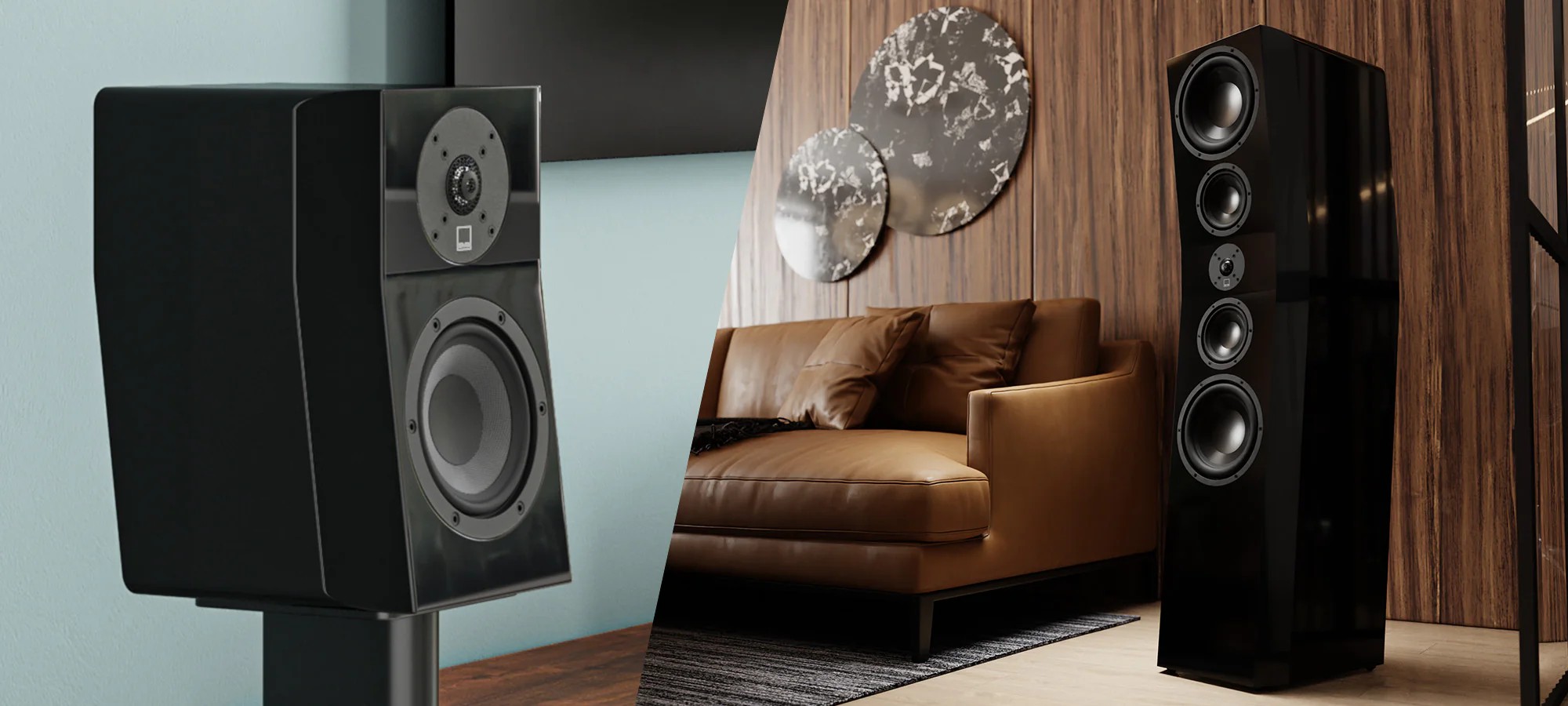
Floorstanders are designed to move air. With larger cabinets and multiple bass drivers, they deliver deeper low-frequency reach and greater physical scale, often filling bigger rooms with ease. They thrive when you want impact without relying on a subwoofer, and they tend to sound more effortless at higher volumes. For listeners with generous space and a preference for full-range authority, floorstanders can feel like the most straightforward path to “big sound.”
Bookshelf speakers, on the other hand, are all about precision and control. Their smaller enclosures reduce cabinet coloration, often resulting in cleaner mids, sharper imaging, and a more focused soundstage. Because designers must work within tighter physical limits, the best stand-mount speakers are often engineered with extreme care, sometimes outperforming larger speakers in coherence, transparency, and realism. Pair them with a good subwoofer, and many bookshelf systems can rival or even surpass floorstanders in overall balance.
The real difference comes down to room, priorities, and system synergy. Floorstanders offer scale and simplicity. Bookshelf speakers offer finesse and flexibility. Neither is “better” by default, but in the right setup, each can deliver a truly reference-level listening experience.
Conclusion
Bookshelf speakers are no longer the “practical compromise” of high-end audio. At this level, they are often the purest expression of a designer’s intent.
Choose wisely, feed them well, and don’t let size fool you. Some of the biggest musical experiences come in the smallest boxes.